Artwork
The Calling of St Peter
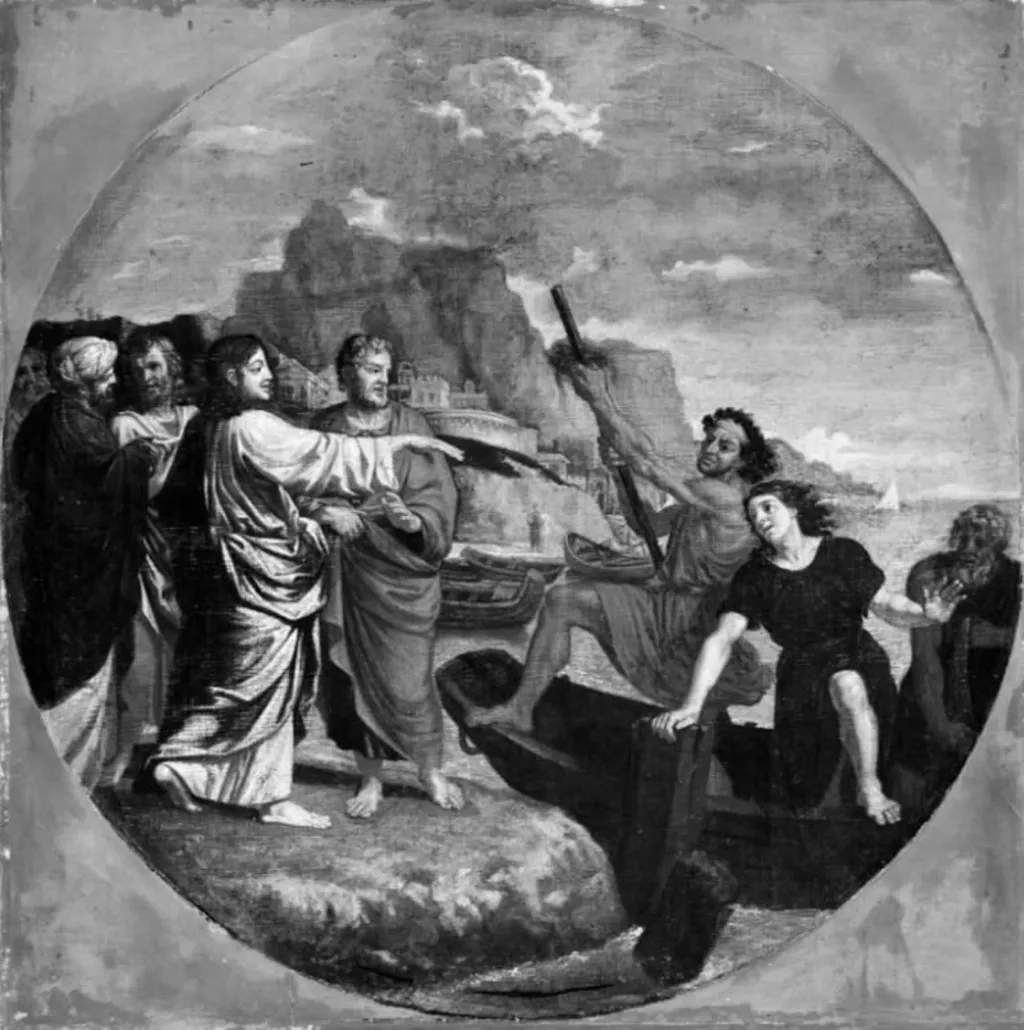
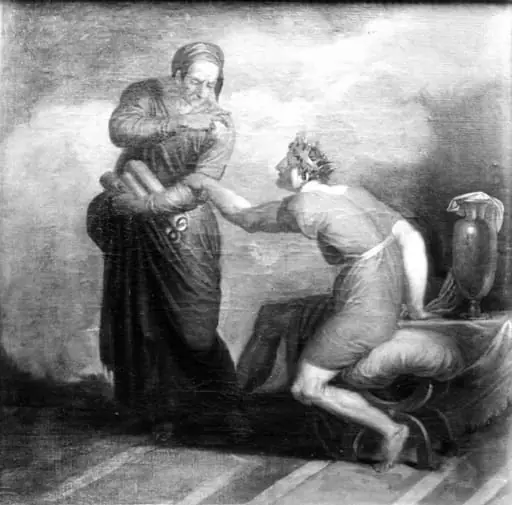
The Calling of St Peter is a photography by Unknown. It dates from 1750 and is held in the collection of the Statens Museum for Kunst.
About this work
Overview
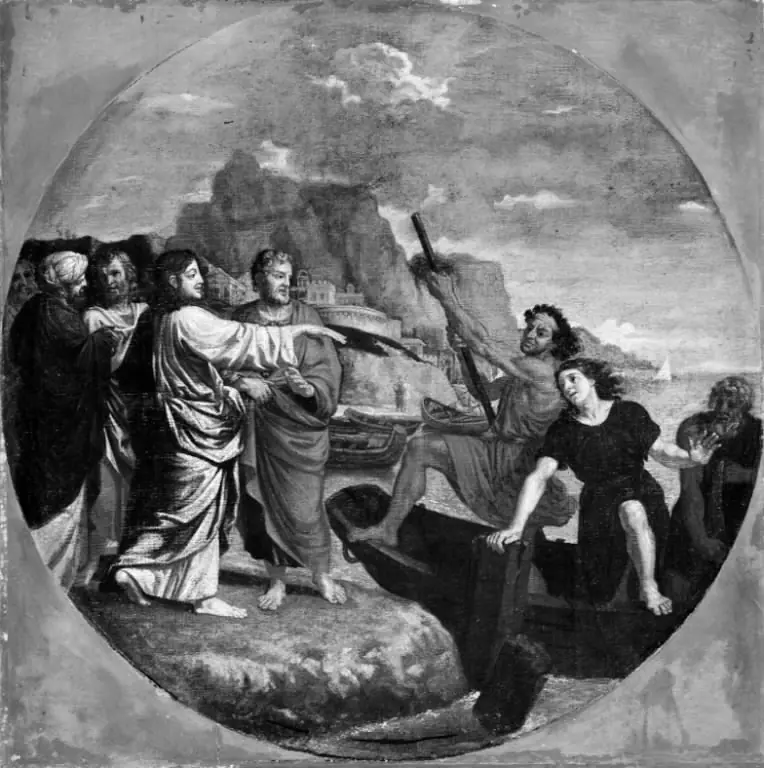
The composition centers on two figures, one in a boat, the other on land, connected by gesture and gaze, set against a calm waterscape and distant architecture.
Painted around 1750, The Calling of St Peter is an oil on canvas work attributed to an artist active in the mid-18th century. It is part of the collection at the Museum of Ethnography. The scene captures a quiet moment of divine invitation, rendered with restrained realism and a muted tonal range.
The composition centers on two figures, one in a boat, the other on land, connected by gesture and gaze, set against a calm waterscape and distant architecture.
Subject & Meaning
The painting illustrates the biblical moment when Jesus calls Peter to become a disciple, though the figures are not identified by traditional iconography. The man on shore, dressed in a long robe, extends his hand toward the fisherman, who looks upward in response. The absence of halos or overt symbols invites a more humanized interpretation, emphasizing quiet recognition over dramatic revelation. The scene suggests a personal, intimate encounter rather than a public miracle.
Technique & Style
The artist employs chiaroscuro to model forms with subtle gradations of light and shadow, enhancing the three-dimensionality of the figures and their surroundings. Brushwork is precise, with careful attention to fabric folds, water ripples, and weathered wood. The palette is dominated by earth tones, ochres, grays, and muted browns, creating a somber, reflective atmosphere. The background is softly blurred, directing focus to the central interaction.
History & Provenance
The painting entered the Museum of Ethnography’s collection in the late 19th century, though its earlier ownership remains undocumented. It was likely produced in a regional studio, possibly in southern Europe, given the architectural details and stylistic affinities. No signatures or inscriptions have been found on the work, and its attribution to a specific hand remains tentative, based on comparative analysis with contemporaneous works.
Context
Created during a period when religious themes were still common in European art, this painting diverges from Baroque grandeur in favor of quiet intimacy. It reflects a shift toward domesticated spirituality, where divine moments are rendered with everyday realism. Similar works from the period often emphasized emotional restraint, aligning with Enlightenment-era values that favored reason and understated expression over theatricality.
Legacy
Though not widely exhibited or reproduced, the painting contributes to a lesser-known strand of 18th-century religious imagery that prioritized psychological nuance over doctrinal spectacle. Its preservation in an ethnographic museum, rather than a fine arts institution, suggests its perceived value as a cultural artifact of devotional practice rather than a celebrated artistic achievement.
Artist & collection









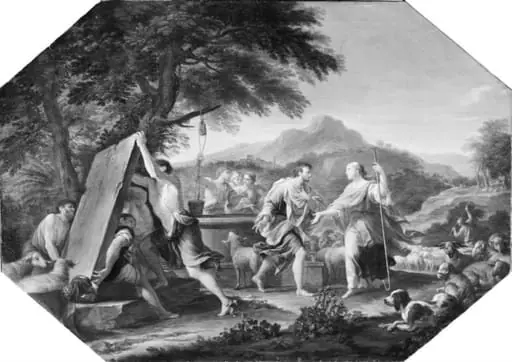 Jacob meets Rachel at the Well
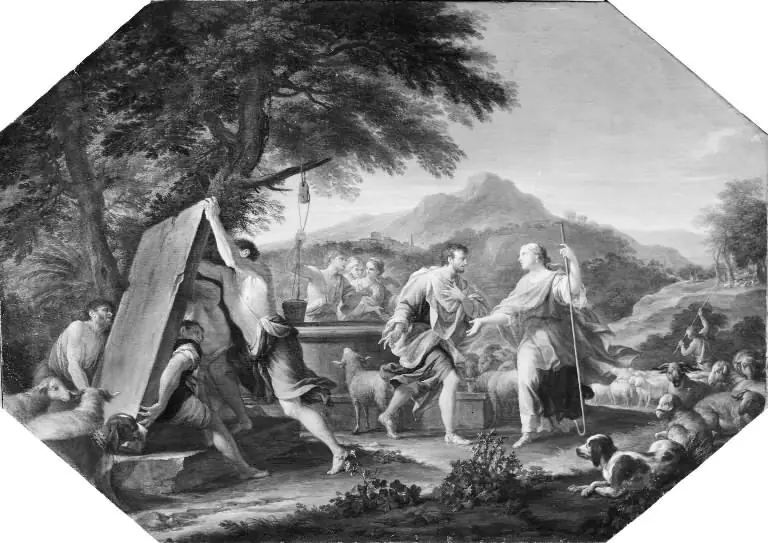 Jacob meets Rachel at the Well
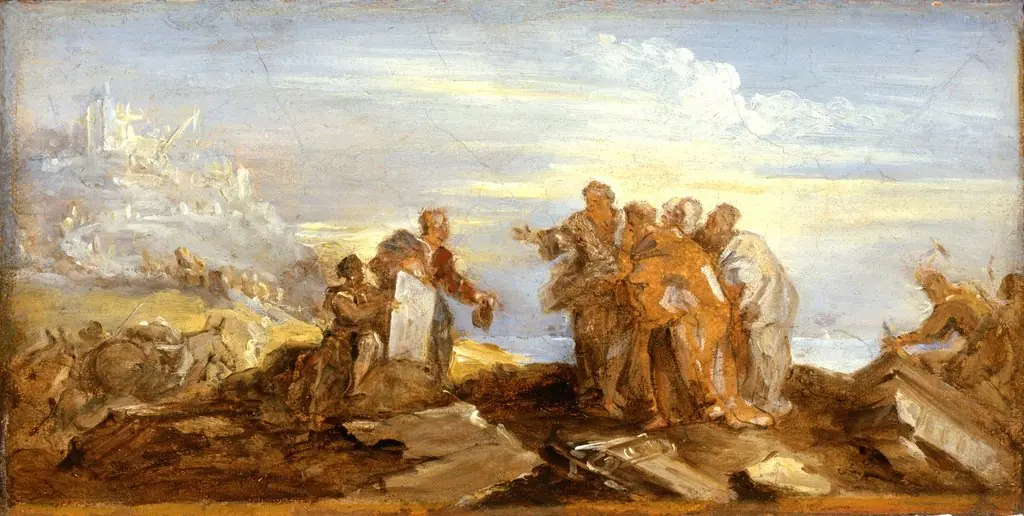 Scene from Ancient History
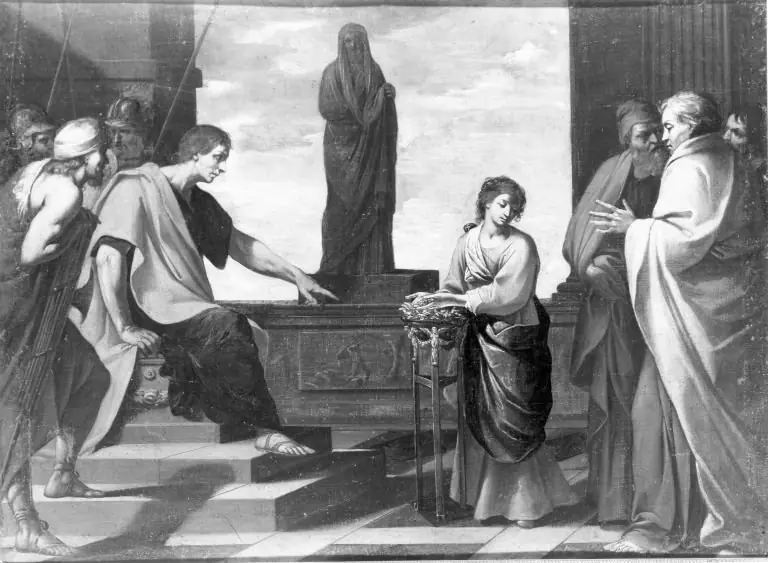 Feuerprobe (zugeschrieben)
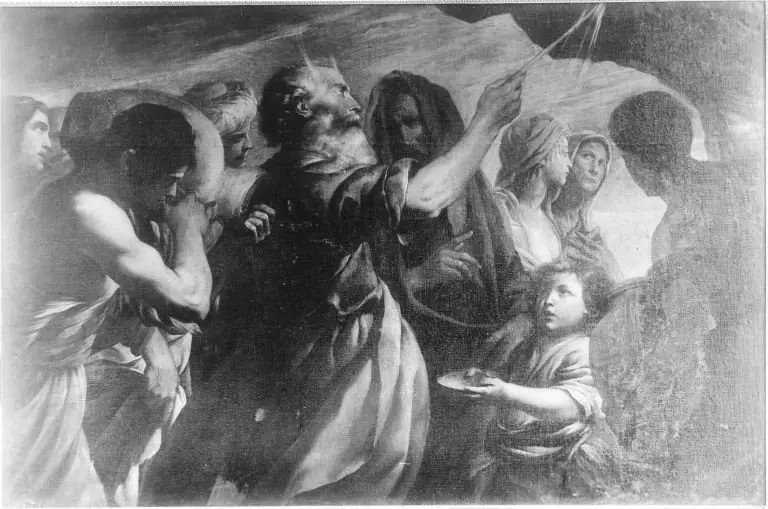 Moses schlägt Wasser aus dem Felsen
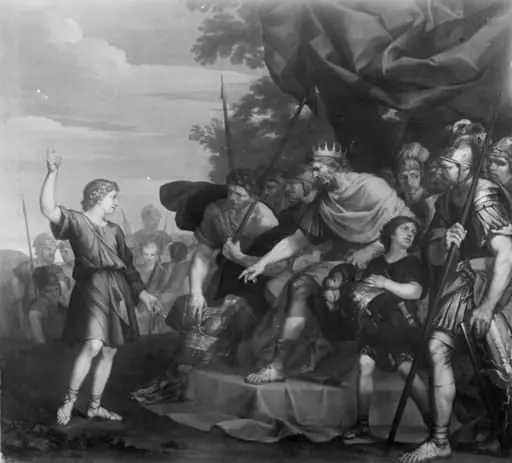 Saul and David
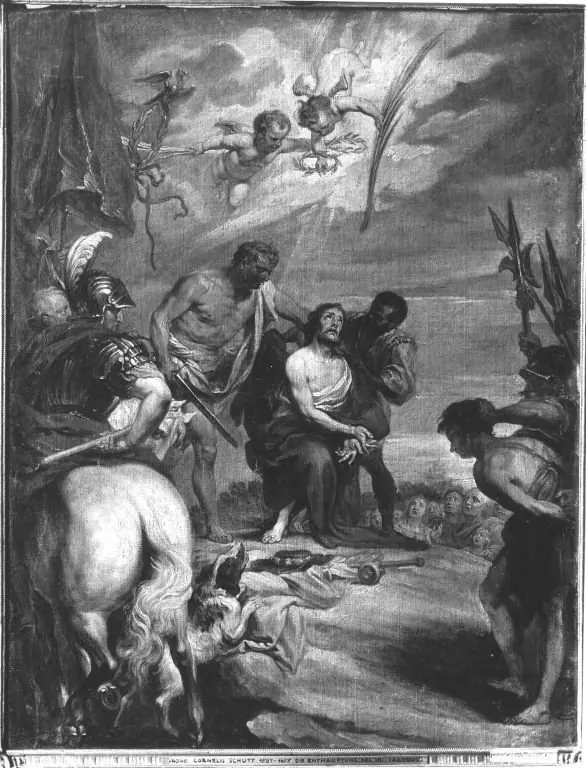 Enthauptung des hl. Jakobus
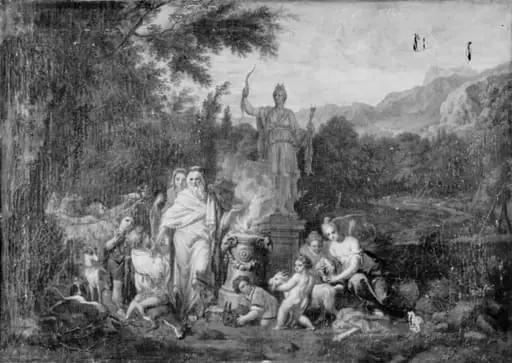 Landscape with Sacrifice to Diana
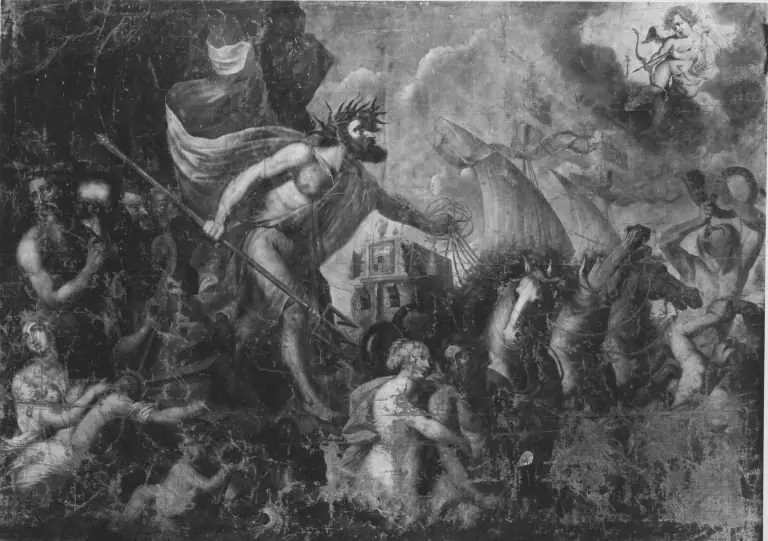 Neptun auf einem Muschelwagen (zugeschrieben)
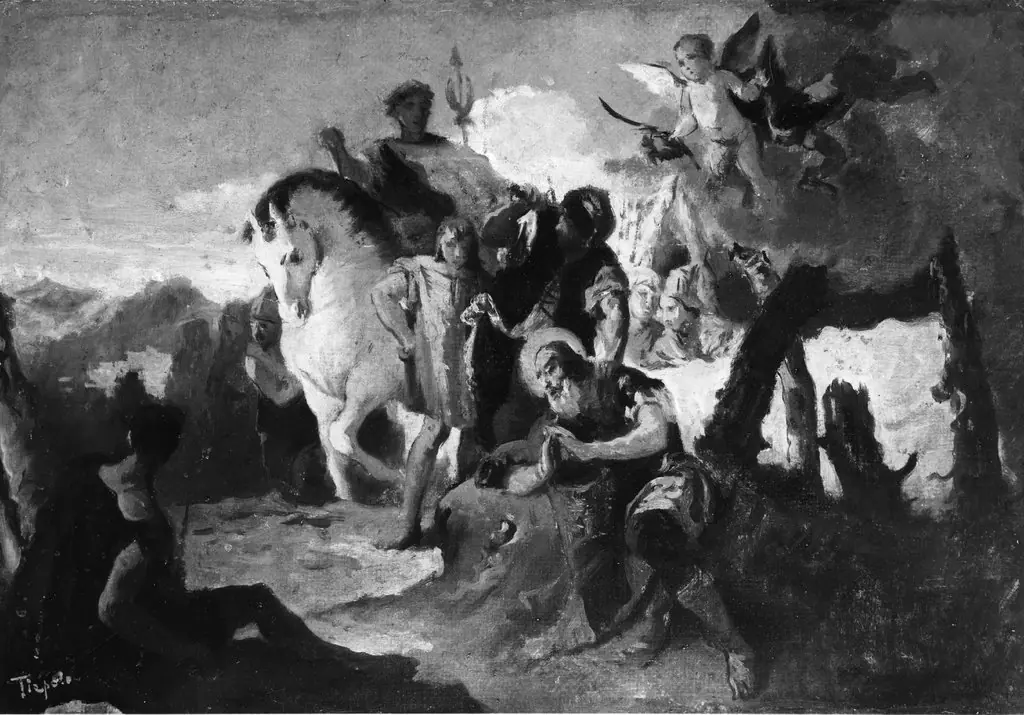 Beheading of a Martyr
 Tarquin and the Sibyl
- The Calling of St Peter