Artwork
Jan Caspar Gevaerts (1593-1666). Jurist, historian and philologist
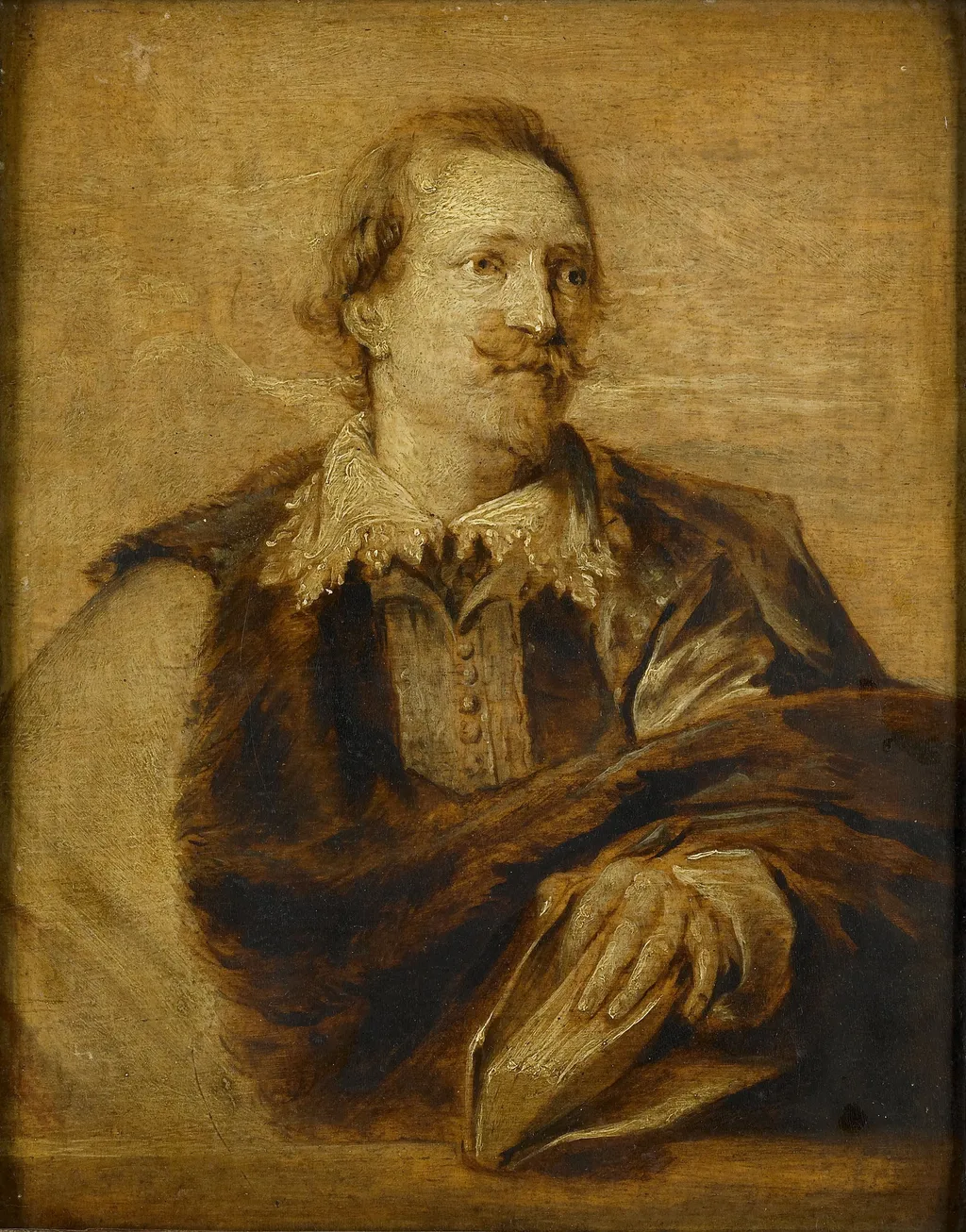
Jan Caspar Gevaerts (1593-1666). Jurist, historian and philologist is an oil painting by the Flemish Baroque painting artist Anthony van Dyck. It is held in the collection of the Rijksmuseum.
About this work
History & Provenance
Historical records indicate that the painting was once owned by Lucretia Johanna van Winter before entering the collection of the Rijksmuseum.
The portrait of Jan Caspar Gevaerts was created in 1650 by the artist Anthony van Dyck. Executed in oil paint on a panel, the work measures 25.5 cm in height and 20 cm in width. It was produced in the Low Countries during the mid-seventeenth century.
Historical records indicate that the painting was once owned by Lucretia Johanna van Winter before entering the collection of the Rijksmuseum.
The portrait of Jan Caspar Gevaerts by Anthony van Dyck is held in the collection of the Rijksmuseum. According to the Wikidata record, the painting is associated with the Rijksmuseum as its location and collection. The work has a documented provenance connection to Lucretia Johanna van Winter as a former owner.
Painted in oil on panel in 1650, the small-scale portrait measures 25.5 cm in height by 20 cm in width.
No specific accession number or detailed exhibition history is recorded in the available sources.
Overview
Around 1650, Anthony van Dyck painted a portrait of Jan Caspar Gevaerts, a noted jurist, historian and philologist. Executed in oil on canvas, the work presents the sitter in a restrained pose, his gaze directed outward. The painting belongs to the Rijksmuseum’s collection and exemplifies Van Dyck’s mature portraiture during his later career.
Subject & Meaning
Jan Caspar Gevaerts (1593–1666) was a prominent legal scholar and literary historian in the Dutch Republic. The portrait conveys his intellectual stature through a sober expression, a dark fur‑collar and a modest black doublet, suggesting both professional seriousness and modest refinement. The absence of overt symbols focuses attention on his character rather than specific achievements.
Technique & Style
Van Dyck employs a subtle chiaroscuro, allowing light to illuminate the sitter’s face while the background recedes into darkness. The delicate rendering of the white lace cuff demonstrates the artist’s meticulous brushwork, contrasting with the broader modeling of the dark doublet. The composition balances realism with a dignified compositional restraint typical of Flemish Baroque portraiture.
Context
Van Dyck, a pupil of Peter Paul Rubens, built a reputation for portraiture that combined Flemish vigor with English courtly elegance. By the 1650s he was catering to an international clientele, and this work reflects the cross‑cultural exchange between the Flemish artistic tradition and the intellectual elite of the Dutch Republic.
Own this work as a print
Artist & collection
Artist
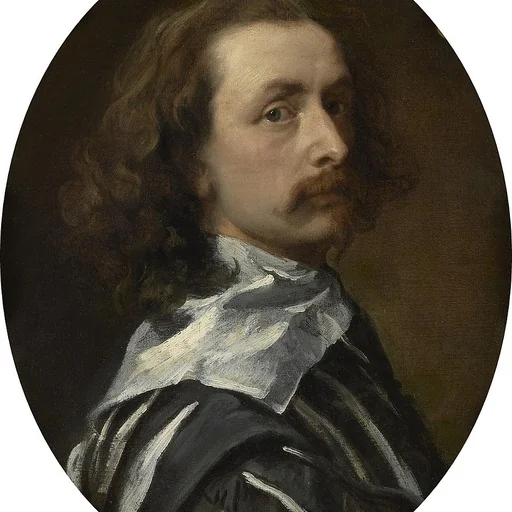
Sir Anthony van Dyck (; Dutch: Antoon van Dijck; 22 March 1599 – 9 December 1641) was a Flemish Baroque artist, who became the leading court painter in England after success in the Spanish Netherlands and Italy.

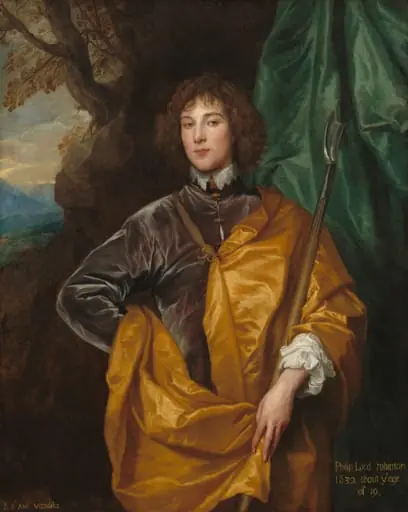
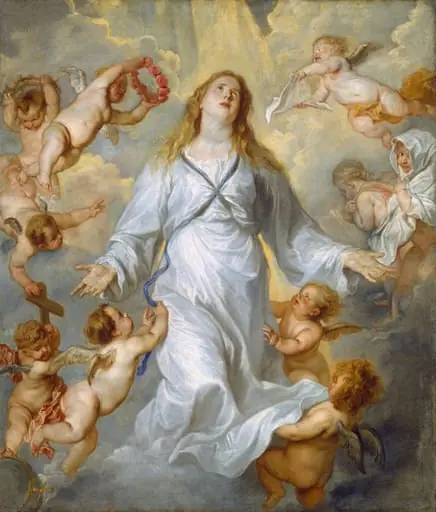
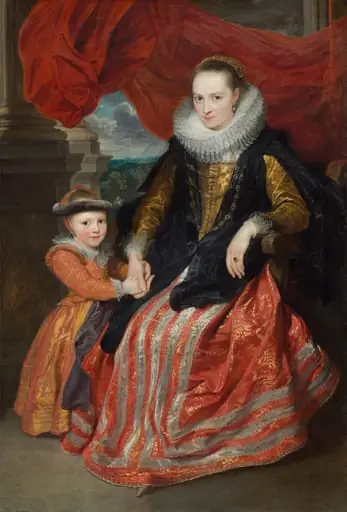
- Portrait of a Man
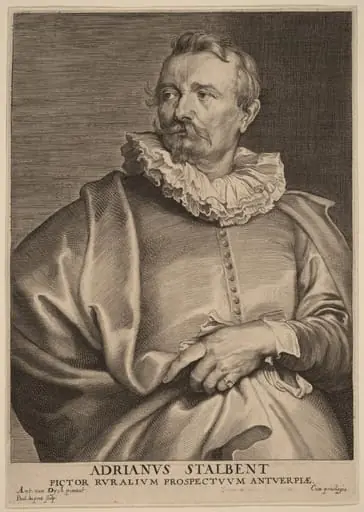 Adriaen van Stalbemt
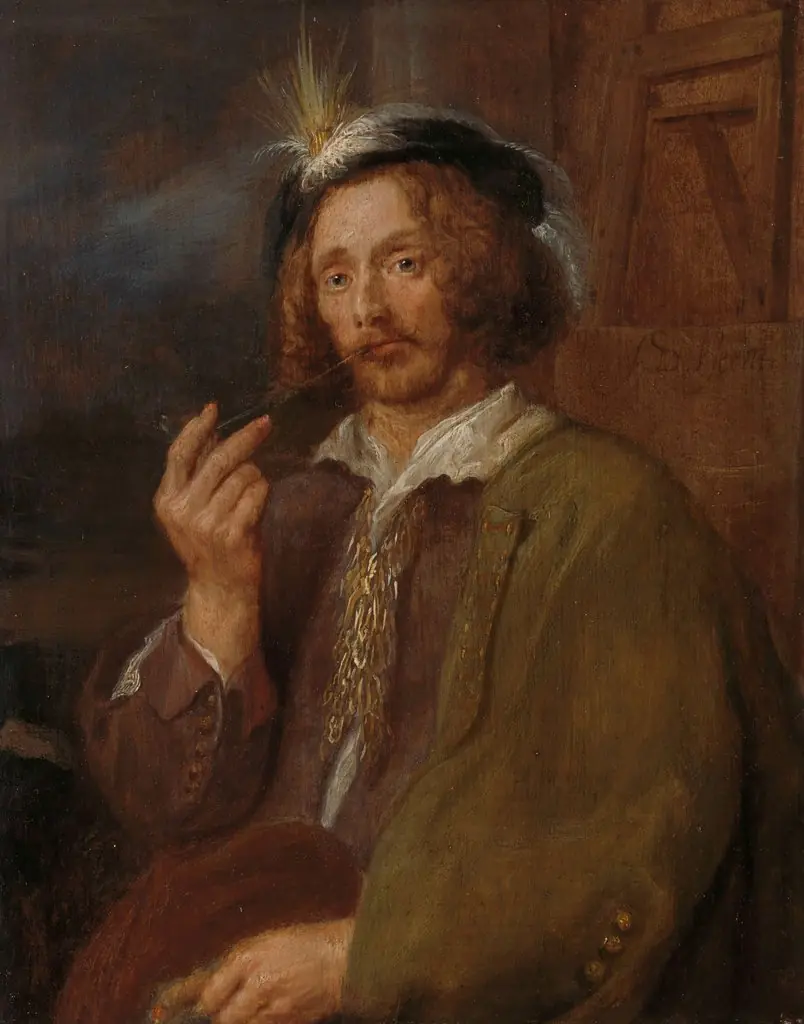 A Painter Smoking a Pipe
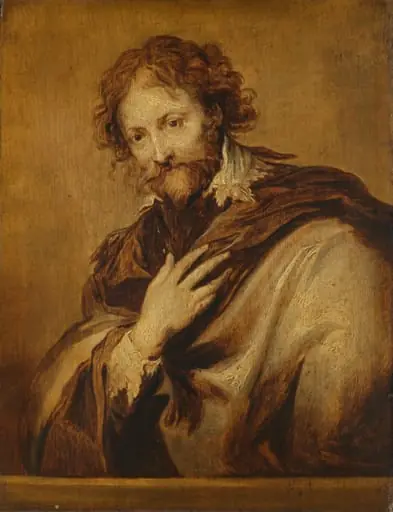 Portrait of Peter Paul Rubens (1577-1640)
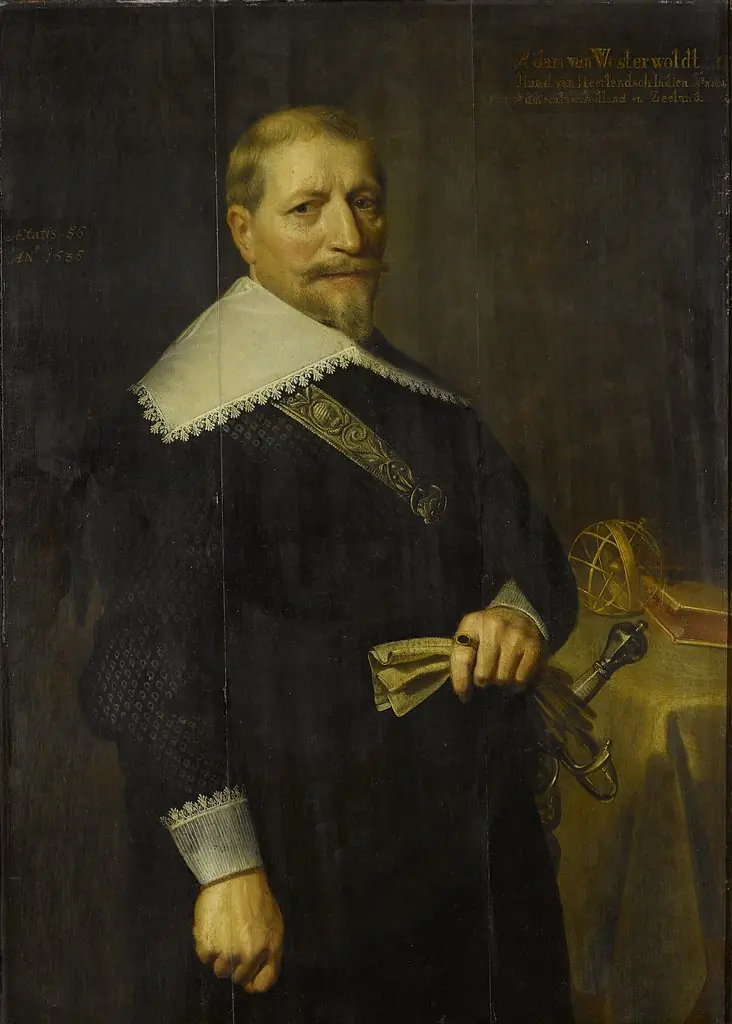 Portrait of Adam van Westerwolt (1580-1639)
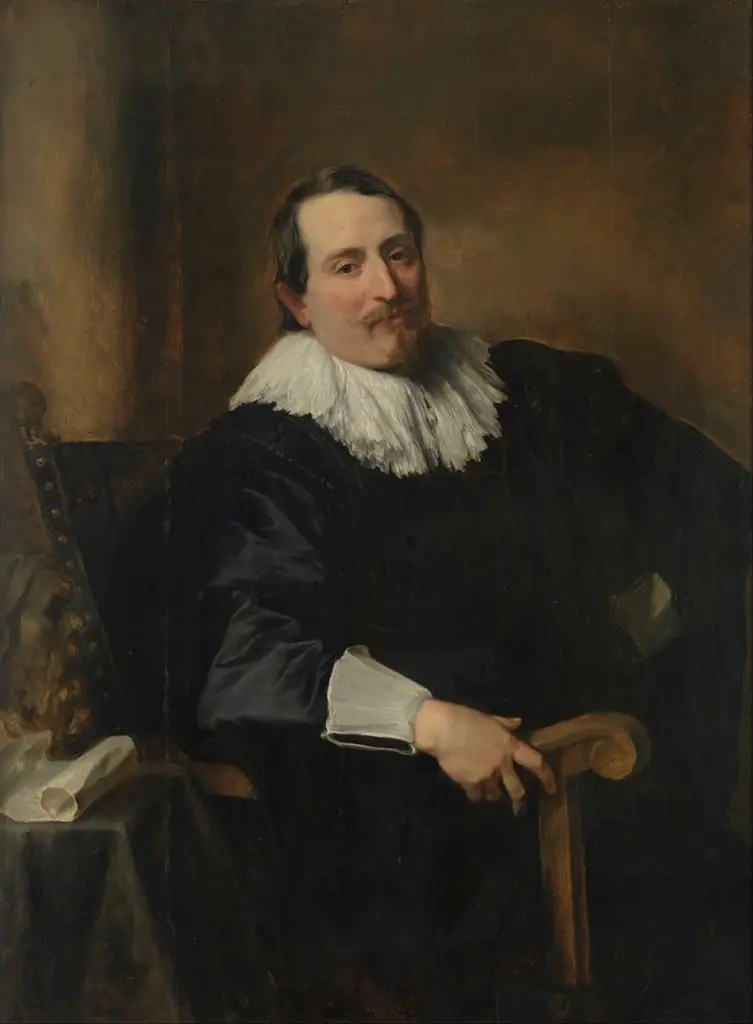 Portrait of the painter Theodor Rombouts
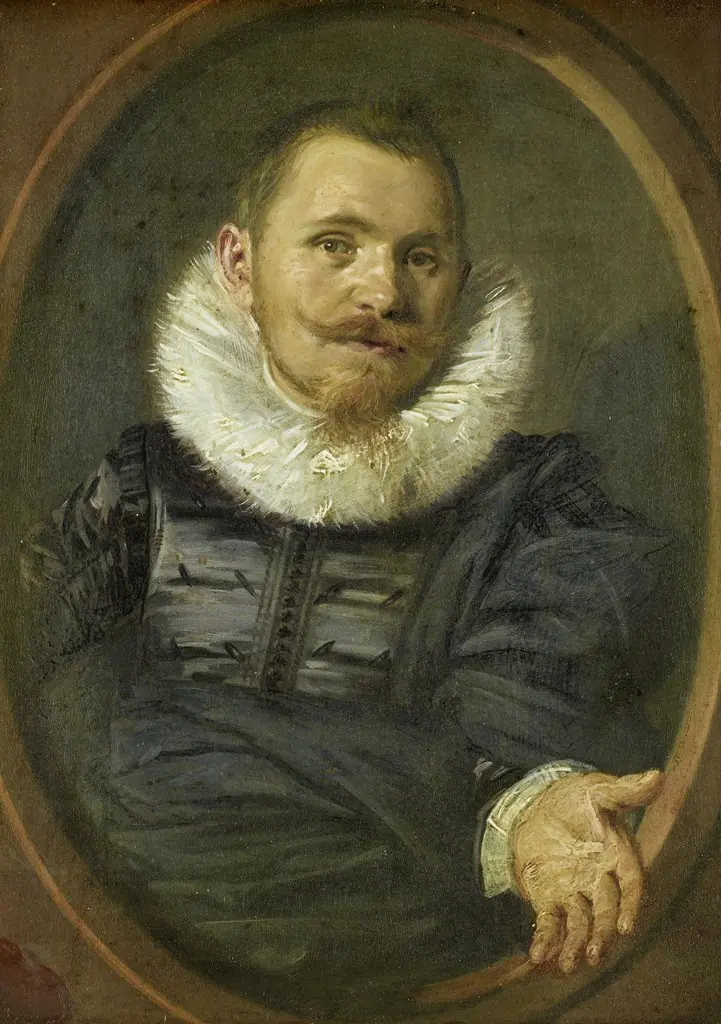 Portrait of a man
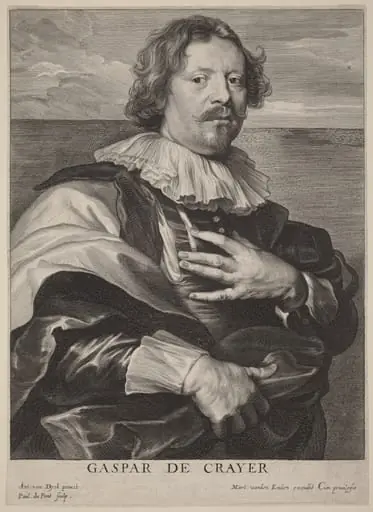 Gaspar de Crayer
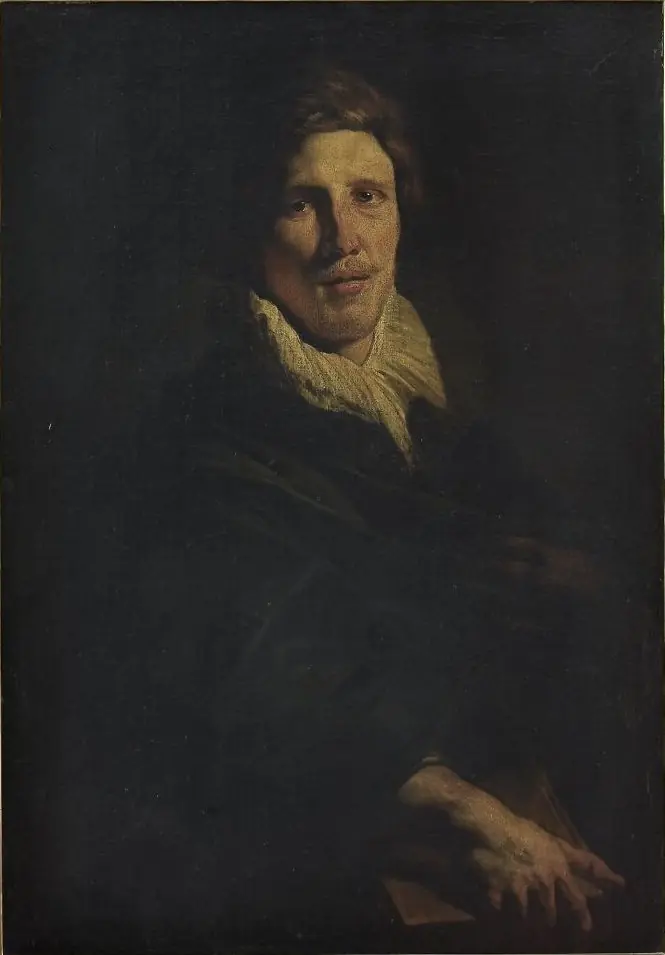 Portrait of a young gentleman, formerly believed to be a self-portrait
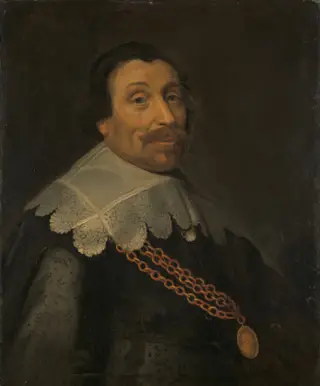 Untitled
 Frans Francken II
 Portrait of Engelbert Taye, Baron von Wemmel