Artwork
Portrait of Lucas van Uffel (died 1637)
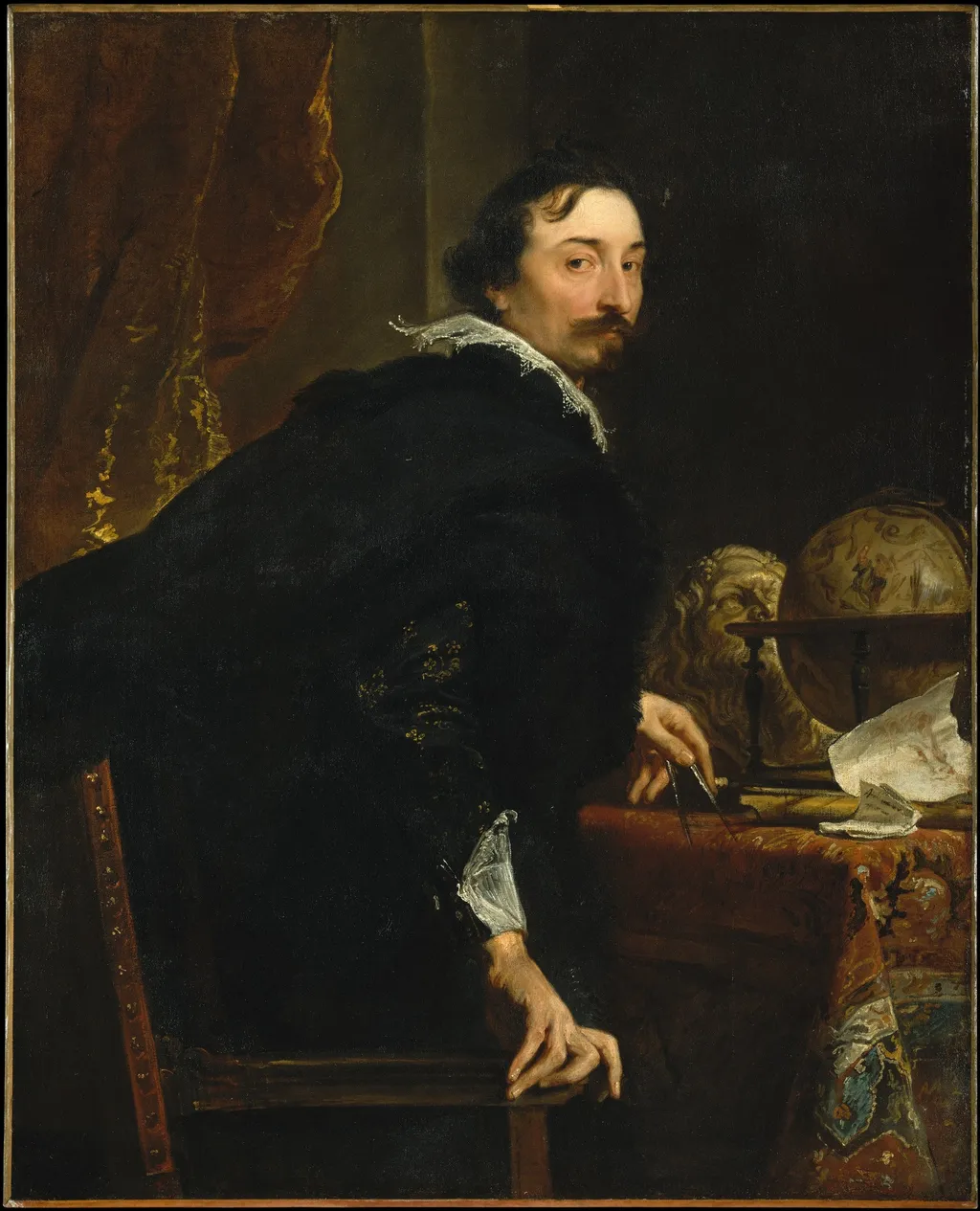
Portrait of Lucas van Uffel (died 1637) is an oil painting by the Flemish Baroque painting artist Anthony van Dyck. It dates from 1624 and is held in the collection of the Metropolitan Museum of Art.
About this work
Subject & Meaning
These objects serve as symbolic attributes, suggesting the subject's engagement with the arts and his knowledge of the wider world.
The painting depicts Lucas van Uffelen, portrayed as the main subject of Anthony van Dyck's 1624 oil portrait. The composition includes specific iconographic elements that define the sitter's identity and status: a musical instrument and a globe are present within the scene. These objects serve as symbolic attributes, suggesting the subject's engagement with the arts and his knowledge of the wider world.
The inclusion of these items alongside the formal portrait indicates a representation of both his personal character and his intellectual or cultural standing during the early 17th century.
Technique & Style
The work is an oil painting executed on canvas, typical of early-17th-century portraiture. Its dimensions measure approximately 124.5 cm in height by 100.6 cm in width. The painting is handled as a conventional portrait, displaying a half-length composition of Lucas van Uffelen accompanied by a musical instrument and a globe, elements that underscore his status and education.
No specific condition details are provided in the documentation, but the formal style reflects van Dyck's characteristic use of rich color, delicate modeling, and a restrained, elegant pose that conveys both likeness and aristocratic poise.
History & Provenance
The Portrait of Lucas van Uffel was created by Anthony van Dyck in 1624, executed in oil paint on canvas. The work depicts the Antwerp merchant and art collector Lucas van Uffelen, who died in 1637. The painting was held by collector Benjamin Altman and subsequently entered the collection of the Metropolitan Museum of Art, where it remains.
The canvas measures 124.5 cm in height by 100.6 cm in width. No further details of commission circumstances or intermediate ownership prior to Altman are documented.
Overview
Painted in 1624, Anthony van Dyck's Portrait of Lucas van Uffel depicts the Flemish humanist and antiquarian seated at a writing table. The composition places the sitter in a three-quarter view against a dark, neutral background, emphasizing his intellectual demeanor. Van Dyck renders Van Uffel in a black doublet with a high, starched white collar, a fashion typical of the early 17th-century Flemish elite.
The subject holds a quill pen, signifying his scholarly pursuits, while his gaze meets the viewer directly with a calm, contemplative expression. On the table before him rest a small classical bust and a terrestrial globe, attributes that identify his interests in archaeology and geography. This work was created during Van Dyck's second Italian sojourn, a period where he synthesized the grandeur of Venetian color with the psychological depth of Titian and the naturalism of Rubens.
The portrait stands as a significant example of Van Dyck's early portraiture, demonstrating his ability to convey the status and intellect of his sitters through subtle iconography and refined brushwork, foreshadowing the aristocratic elegance he would later perfect in England.
Own this work as a print
Artist & collection
Artist
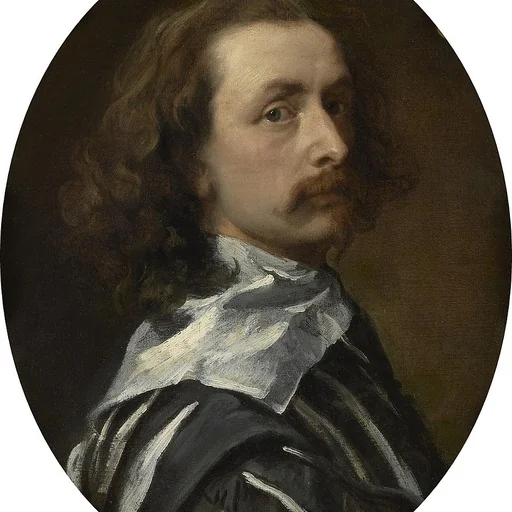
Sir Anthony van Dyck (; Dutch: Antoon van Dijck; 22 March 1599 – 9 December 1641) was a Flemish Baroque artist, who became the leading court painter in England after success in the Spanish Netherlands and Italy.

 Portrait of Thomas Howard, 21st Earl of Arundel
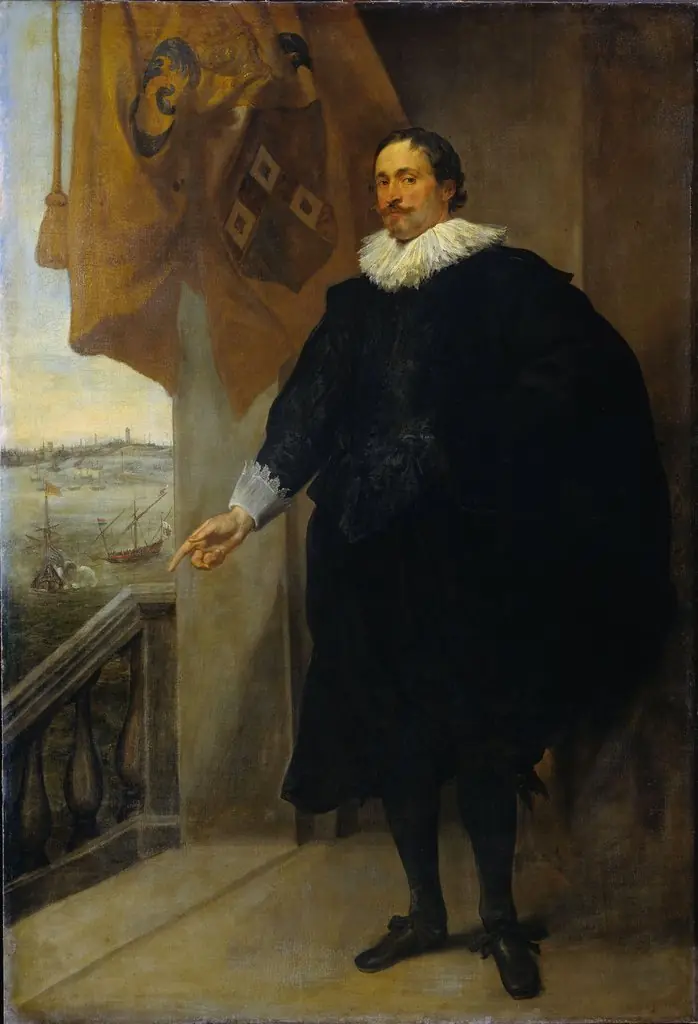 Portrait of Nicolaes van der Borght. Merchant of Antwerp
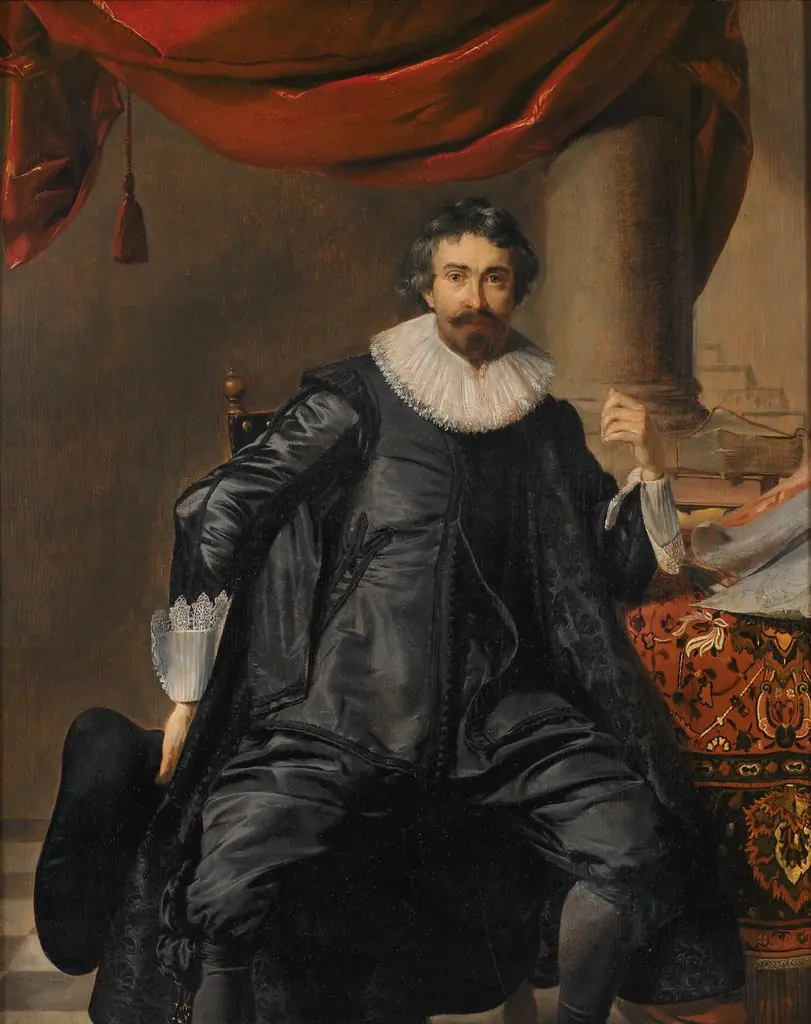 Portrait of a Man
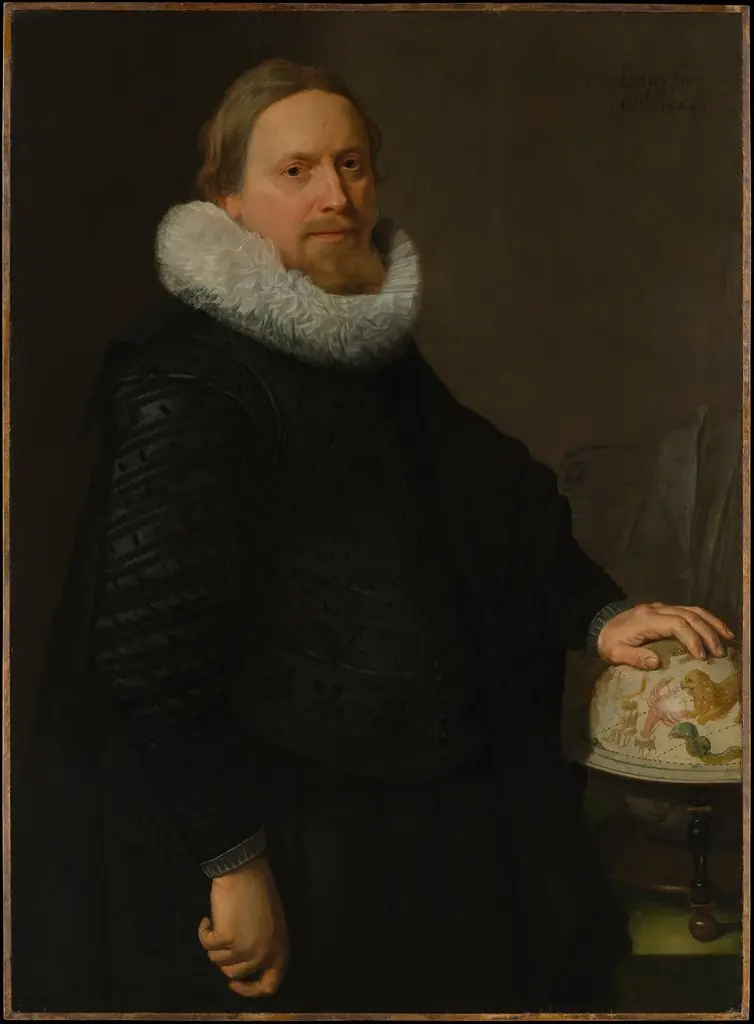 Man with a Celestial Globe
 Untitled
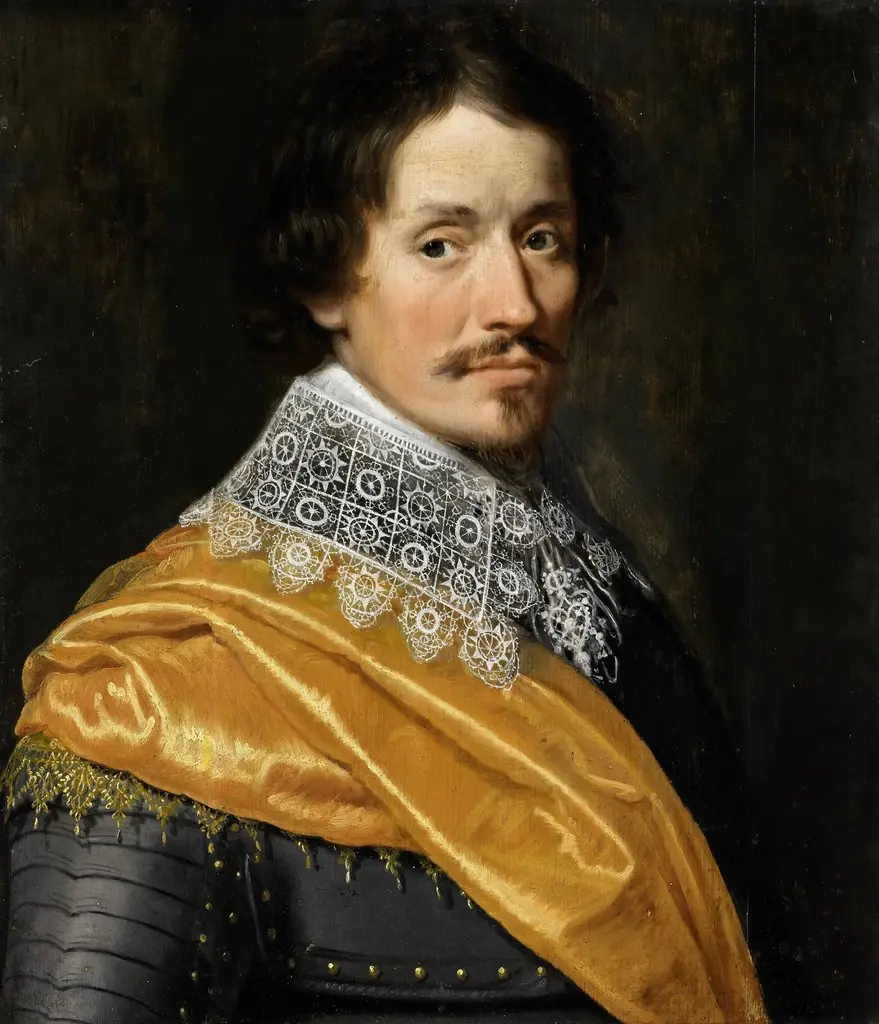 Portrait of an officer
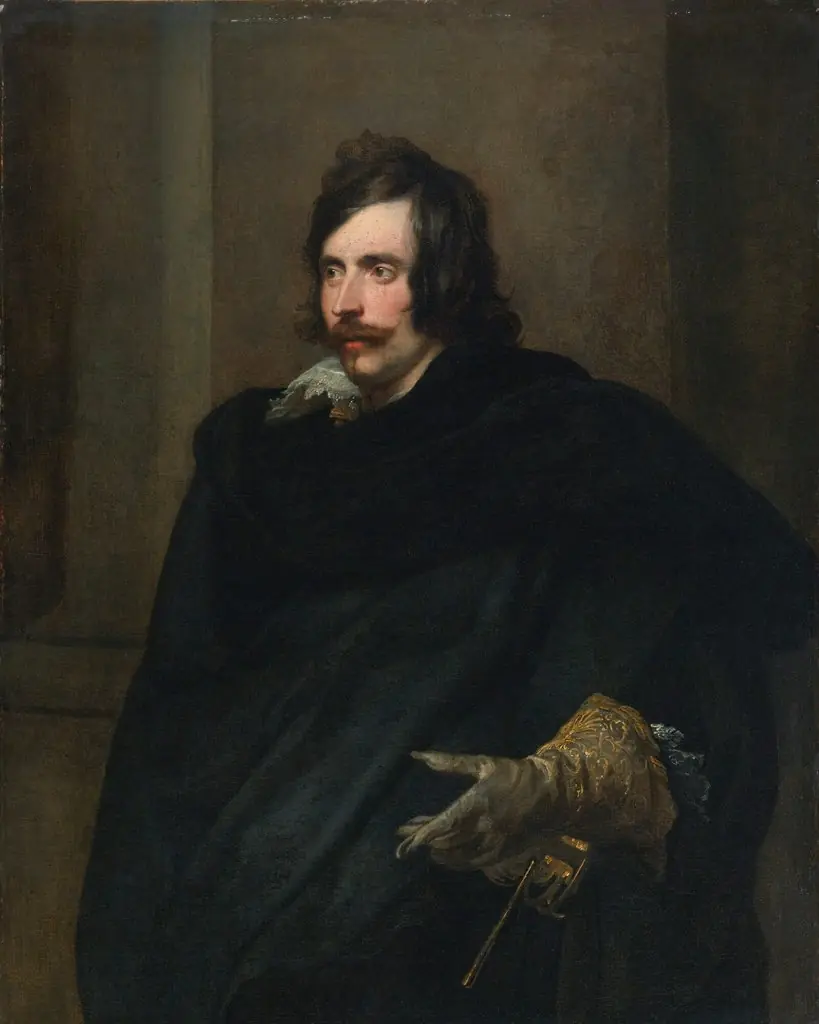 Portrait of a man, possibly Marcantonio Doria, Prince of Angri
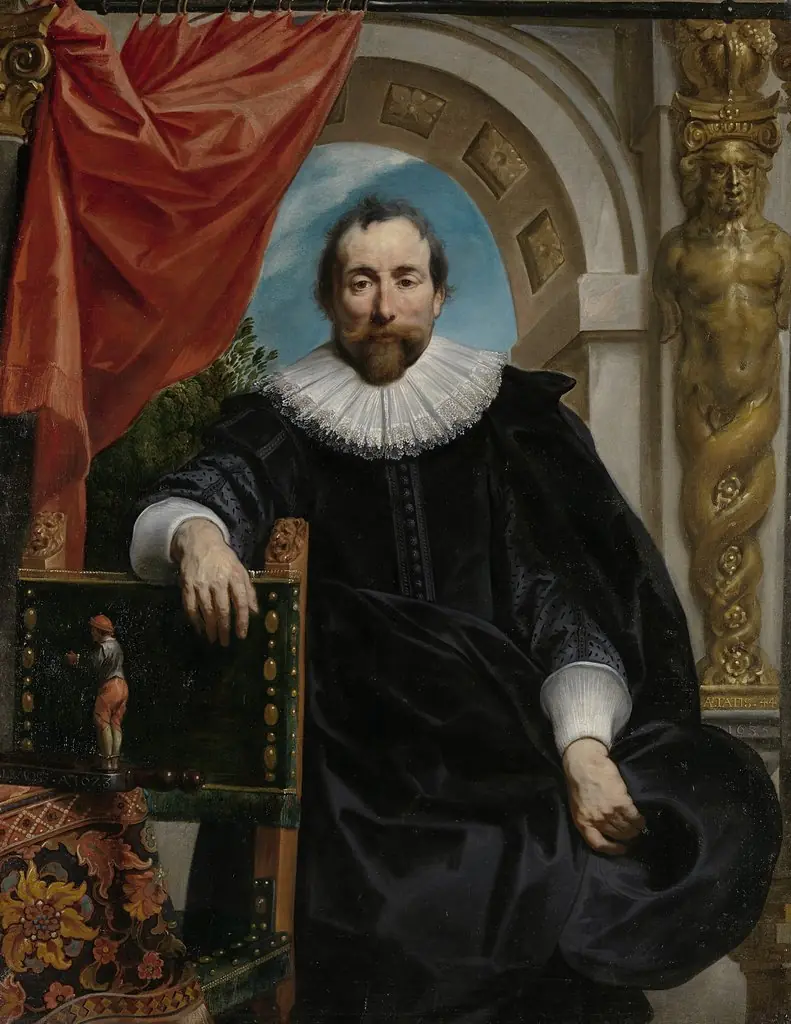 Portrait of Rogier Le Witer (1591-1678), Merchant in Antwerp
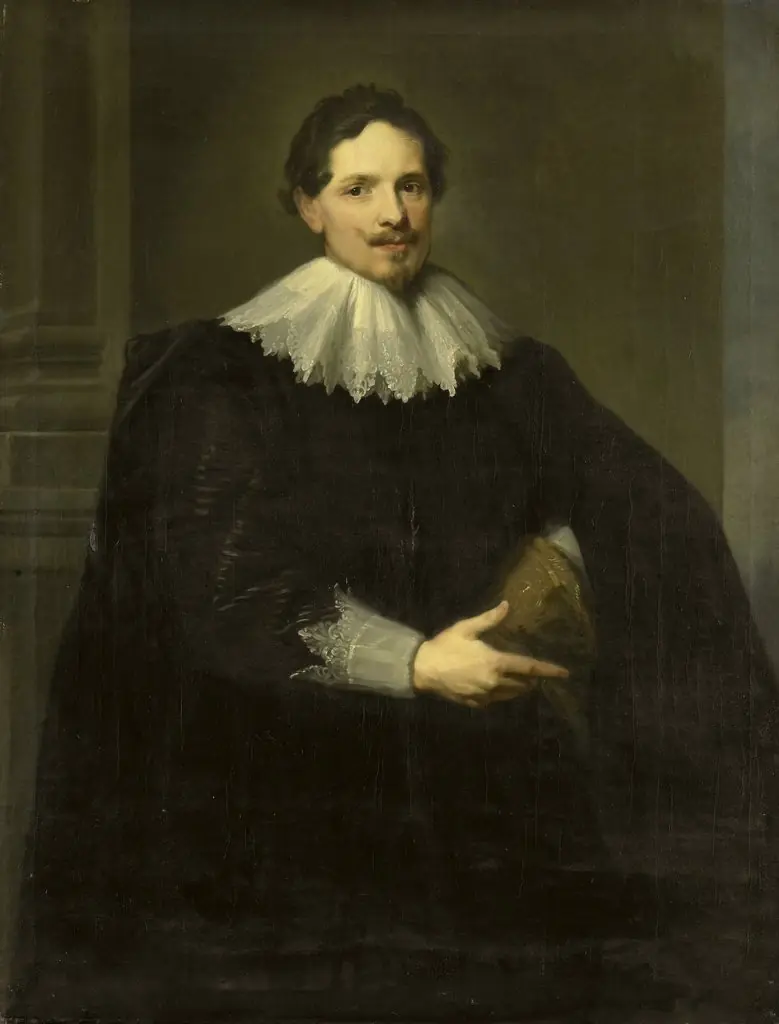 Sebastiaan Leerse, Antwerp Merchant
 King Charles I of England