Artwork
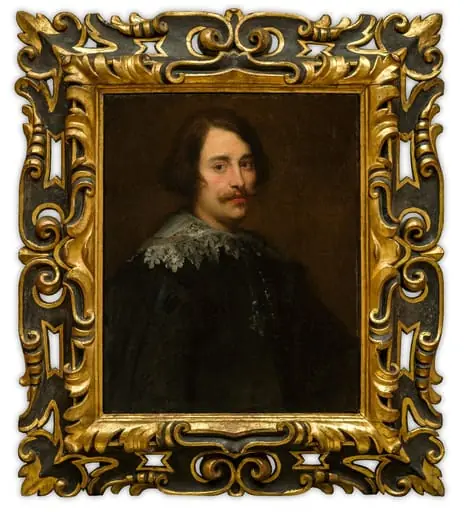
Portrait of a man, possibly Marcantonio Doria, Prince of Angri
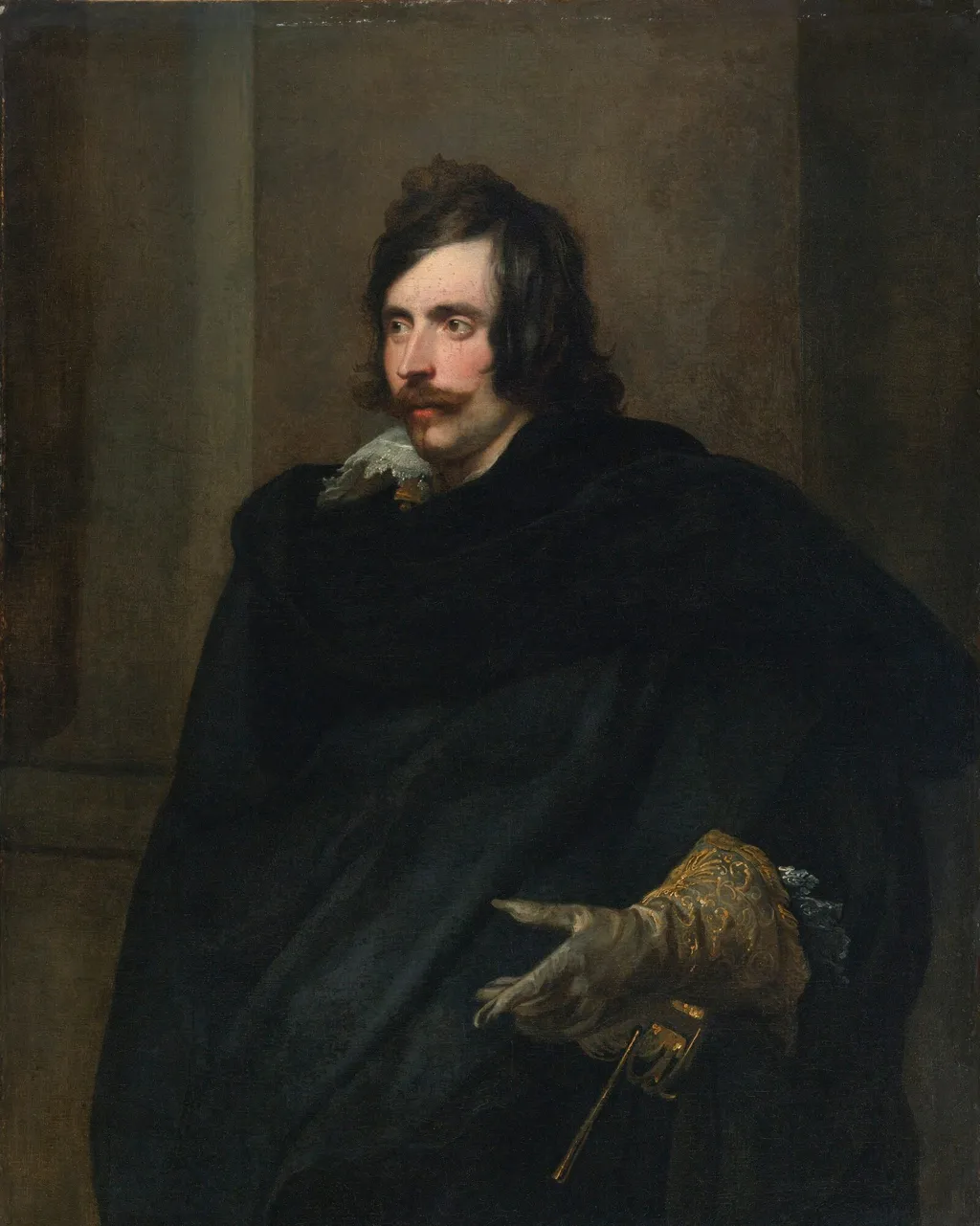
Portrait of a man, possibly Marcantonio Doria, Prince of Angri is an oil painting by the High Baroque Italian artist Anthony van Dyck. It dates from 1626 and is held in the collection of the Metropolitan Museum of Art.
About this work
Subject & Meaning
The portrait functions as a visual record of noble identity, emphasizing the sitter's status within the early-17th-century elite.
The painting portrays a man identified as Marcantonio Doria, Prince of Angri, a member of an Italian noble family. His attire and dignified posture signal aristocratic rank, presenting him as a figure of lineage and social authority. The portrait functions as a visual record of noble identity, emphasizing the sitter's status within the early-17th-century elite.
Executed by Anthony van Dyck in 1626 in oil on canvas, the work was later owned by George Greville, 2nd Earl of Warwick, and is now part of the Metropolitan Museum of Art collection.
Technique & Style
Created in 1626, the work is executed in oil paint on a canvas support. The painting measures 107.8 cm in height and 87.8 cm in width. Classified as a portrait, the piece depicts a man traditionally identified as Marcantonio Doria, Prince of Angri. The handling of the medium reflects the artist Anthony van Dyck's approach to portraiture during this period.
History & Provenance
Created in 1626 by Anthony van Dyck, this oil-on-canvas portrait depicts a man traditionally identified as Marcantonio Doria, the Prince of Angri. The work measures 107.8 by 87.8 centimeters. It was previously owned by George Greville, 2nd Earl of Warwick, who held it at Warwick Castle, and now resides in the collection of the Metropolitan Museum of Art. No exhibition history is documented in the provided sources.
Overview
Anthony van Dyck's Portrait of a man, possibly Marcantonio Doria, Prince of Angri, painted in 1626, exemplifies the artist's early career. This oil painting captures a distinguished sitter, believed to be the Prince of Angri, reflecting the period's emphasis on individual representation. The work demonstrates Van Dyck's developing skill in portraiture, a genre in which he would later excel as a prominent figure in European art.
Context
Anthony van Dyck, a pivotal Flemish Baroque painter, created this work during his formative years. Having trained extensively from an early age and refined his craft in Peter Paul Rubens' influential studio, he became a master in Antwerp's Guild of Saint Luke by 1617. This early portrait reflects his engagement with Italian artistic trends before he established himself as the preeminent court painter in England, shaping the visual culture of the British aristocracy.
Own this work as a print
Artist & collection
Artist
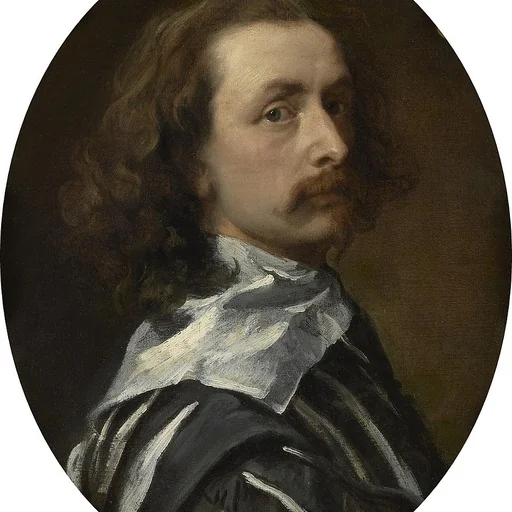
Sir Anthony van Dyck (; Dutch: Antoon van Dijck; 22 March 1599 – 9 December 1641) was a Flemish Baroque artist, who became the leading court painter in England after success in the Spanish Netherlands and Italy.

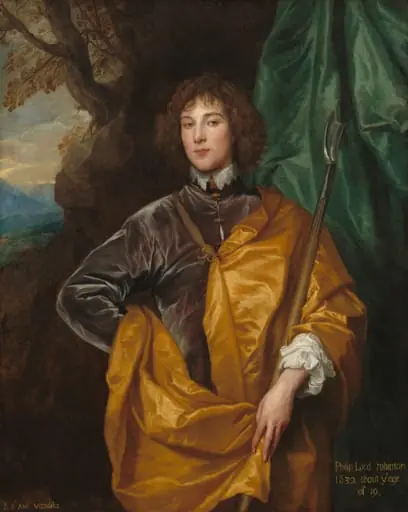
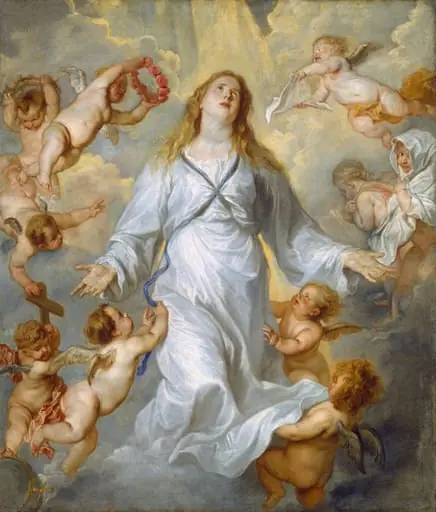
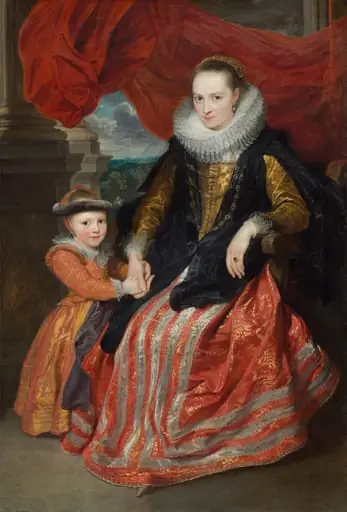
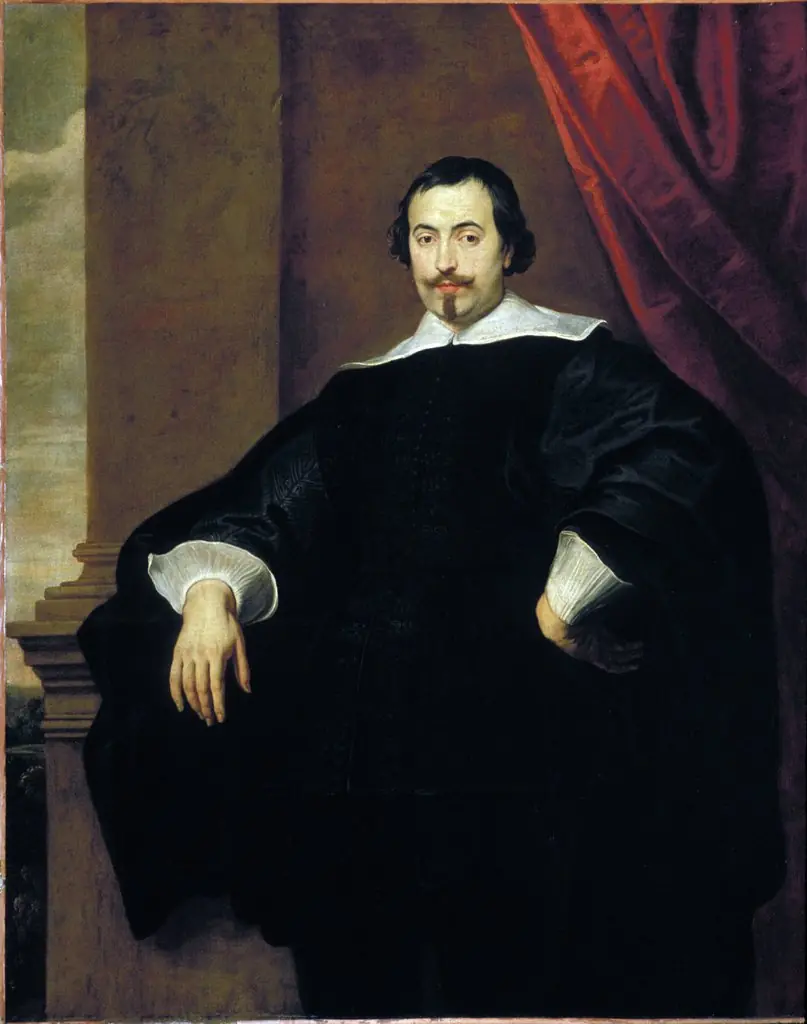
- Portrait of a Man
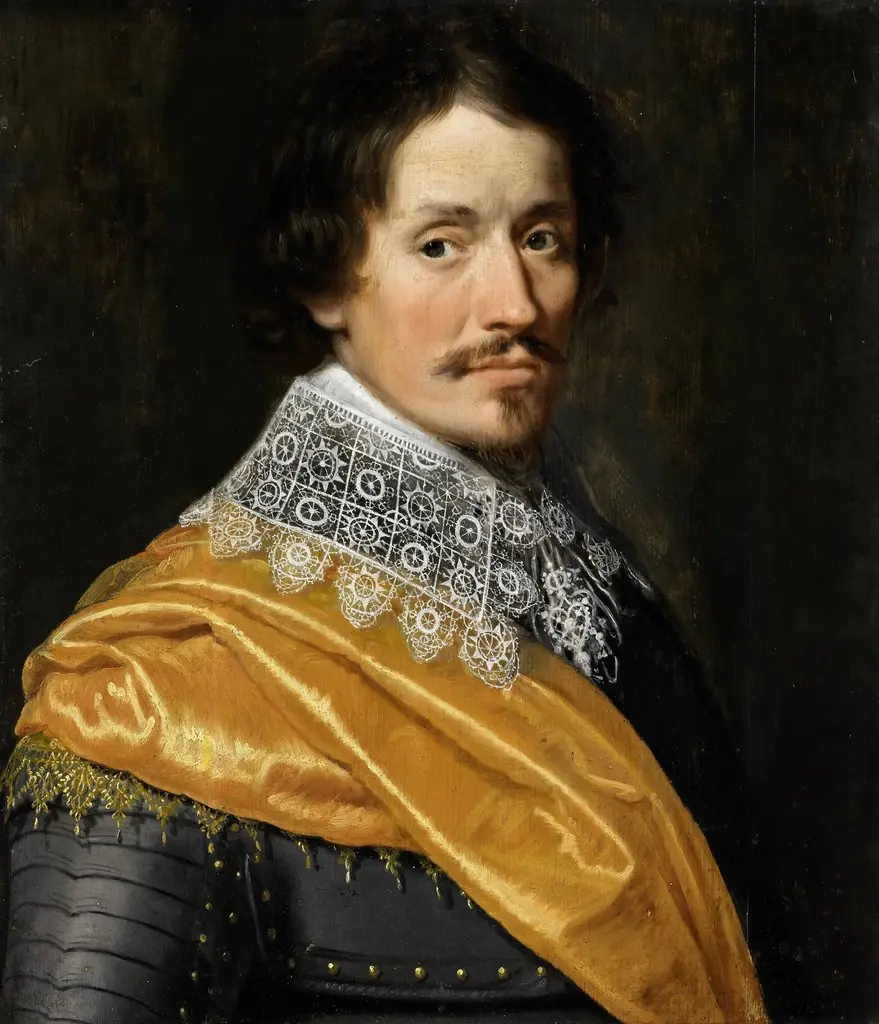 Portrait of an officer
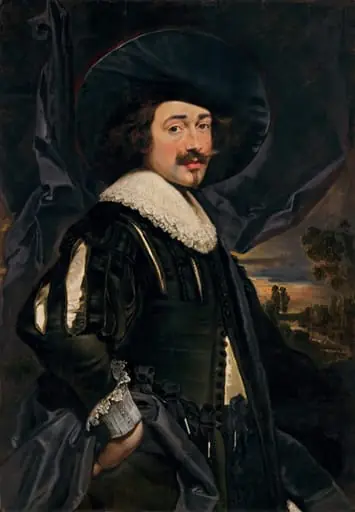 Portrait of a Man in a Wide-Brimmed Hat
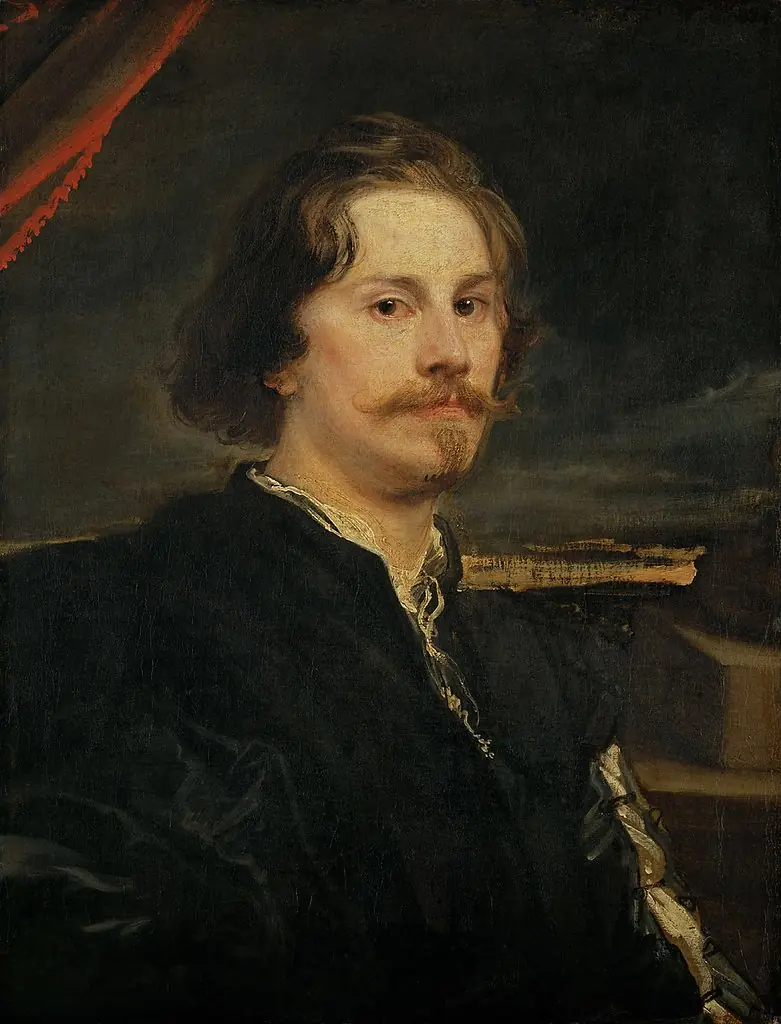 Portrait of Pieter Soutman
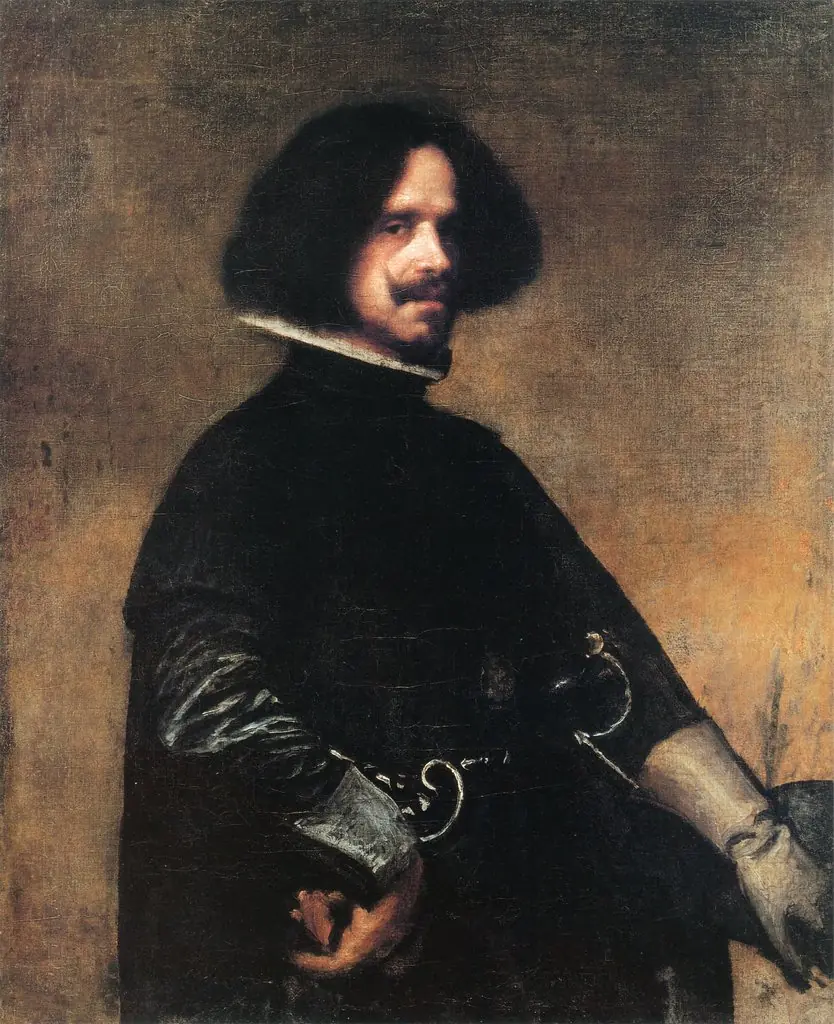 Self-portrait
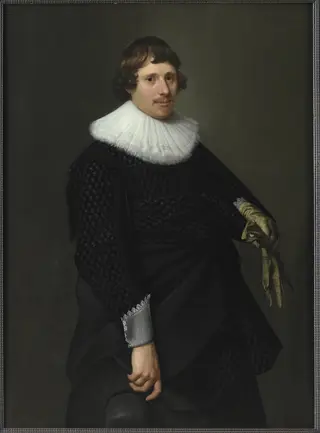 Portrait of a Man
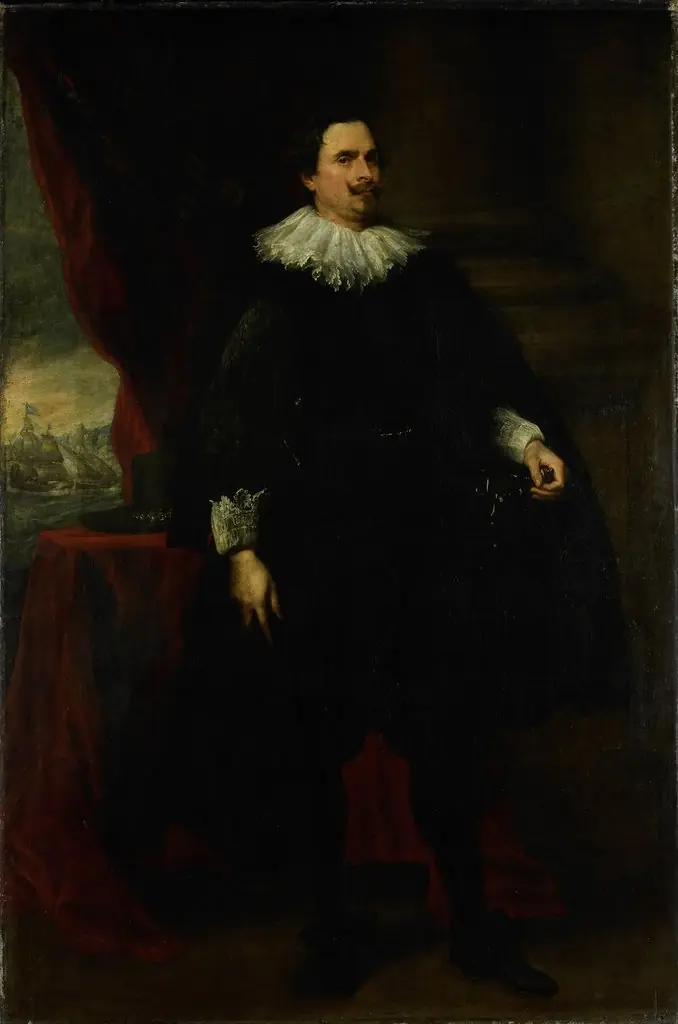 Portrait of a man from the van der Borght family, perhaps François van der Borght
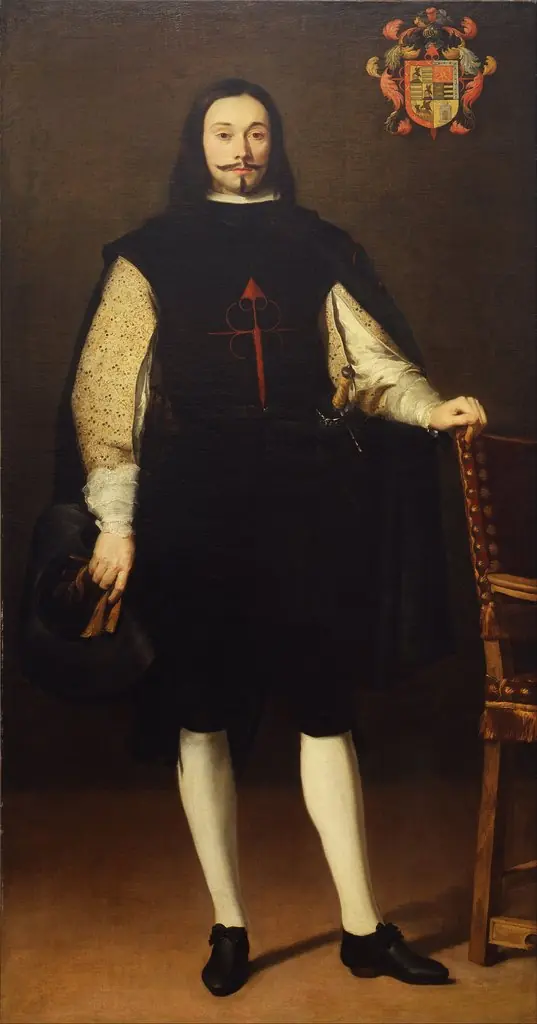 Portrait of Don Diego Felix de Esquivel y Aldama
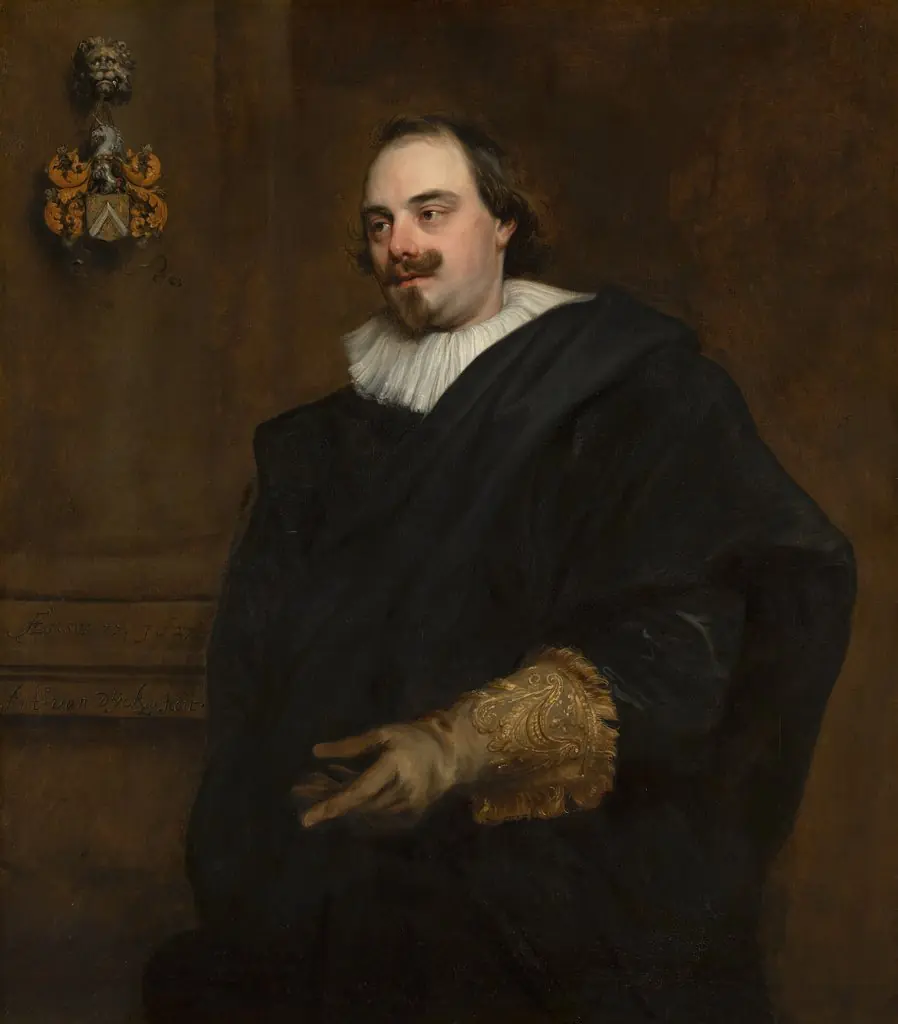 Portrait of Peeter Stevens
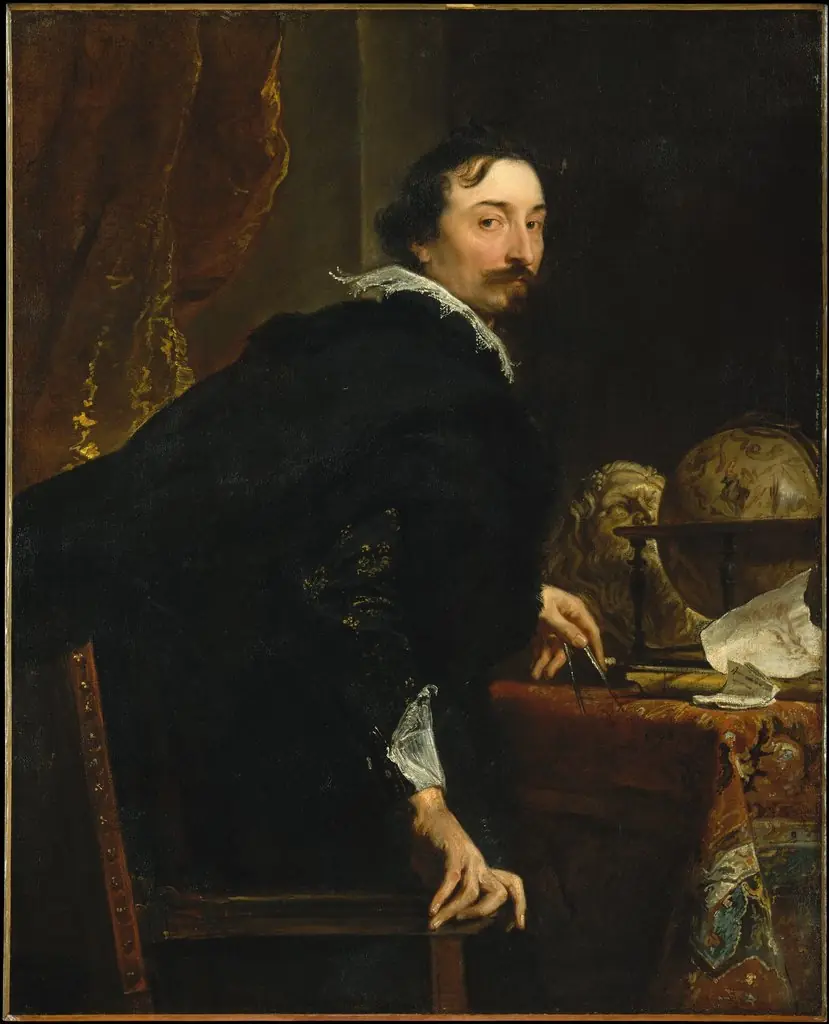 Portrait of Lucas van Uffel (died 1637)
 Self-portrait
 Miehen muotokuva