Artwork
Johannes Baptista Franck (ca. 1599-1663)
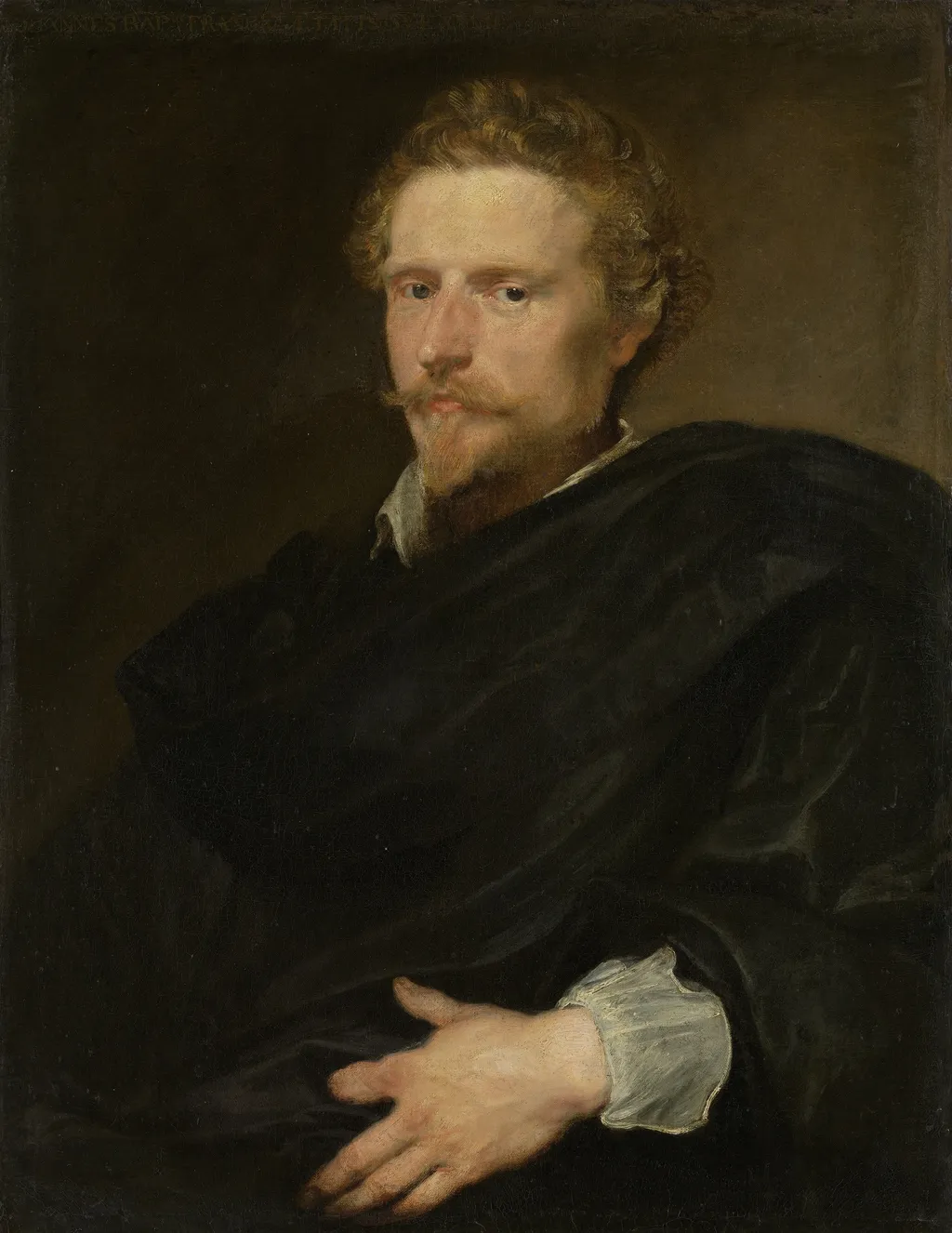
Johannes Baptista Franck (ca. 1599-1663) is an oil painting by the Flemish Baroque painting artist Anthony van Dyck. It dates from 1621 and is held in the collection of the Rijksmuseum.
About this work
Subject & Meaning
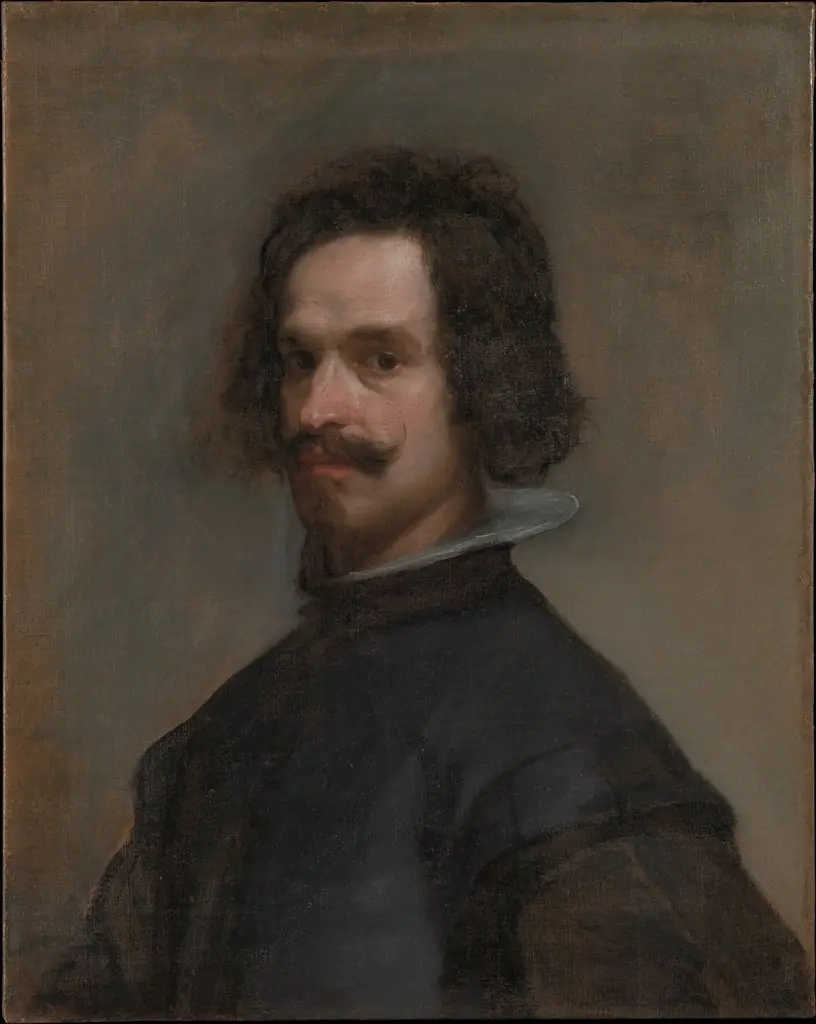
The painting shows a man identified as Johannes Baptista Franck, a prominent 17th-century Amsterdam regent and member of a distinguished merchant family.
The painting shows a man identified as Johannes Baptista Franck, a prominent 17th-century Amsterdam regent and member of a distinguished merchant family. He is depicted in typical portrait style of the era, wearing dark attire against a muted background that emphasizes his status and presence. The work belongs to the portrait genre and was created in Antwerp in 1621 using oil on canvas, measuring 75 cm by 59 cm. It is part of the collections of the Rijksmuseum and Amsterdam Museum, originally owned by Adriaan van der Hoop.
Franck's representation reflects the cultural and social standing of Amsterdam's elite during the Dutch Golden Age. As a sitter, he embodies the civic pride and artistic patronage characteristic of the period. The portrait's composition and execution by van Dyck highlight both the subject's prominence and the artist's mastery in capturing psychological depth within the conventions of early 17th-century portraiture.
Technique & Style
The portrait of Johannes Baptista Franck was executed in oil paint on a canvas support. Created in Antwerp in 1621, the work measures 75 cm in height and 59 cm in width. As a portrait by Anthony van Dyck, the piece exemplifies the artist's handling of the medium during this period, utilizing the standard materials of oil and canvas typical of his early career output in the Low Countries.
History & Provenance
Created in 1621 in Antwerp, this oil on canvas portrait depicts Johannes Baptista Franck. The work entered the collection of Adriaan van der Hoop, who owned the painting prior to its inclusion in major public institutions. It is currently held by the Rijksmuseum in Amsterdam, having been part of the Van der Hoop collection which was integrated into the museum's holdings.
Context
Johannes Baptista Franck was painted in Antwerp in 1621 by the renowned Flemish artist Anthony van Dyck. The portrait entered the collection of Adriaan van der Hoop and is now held by both the Rijksmuseum and the Amsterdam Museum. Van Dyck's work on this piece exemplifies his early mastery of portraiture, blending psychological depth with refined compositional balance.
The painting's provenance and preservation within Dutch institutional collections underscore its enduring significance in the study of 17th-century European portraiture.
Overview
Painted in 1621 by Anthony van Dyck, this oil portrait depicts Johannes Baptista Franck, a figure likely connected to the intellectual or ecclesiastical circles of Antwerp. Executed during van Dyck’s formative years under Rubens’s influence, the work exemplifies his emerging mastery in capturing quiet dignity through restrained composition and subtle lighting. The painting resides today in the Rijksmuseum’s collection.
Legacy
Though not among van Dyck’s most famous portraits, this work illustrates his early command of subtlety and restraint. It contributes to understanding his transition from Rubensian influence toward the refined, aristocratic portraiture he later perfected in England. The painting remains a quiet example of how individual presence could be conveyed without spectacle.
Own this work as a print
Artist & collection
Artist
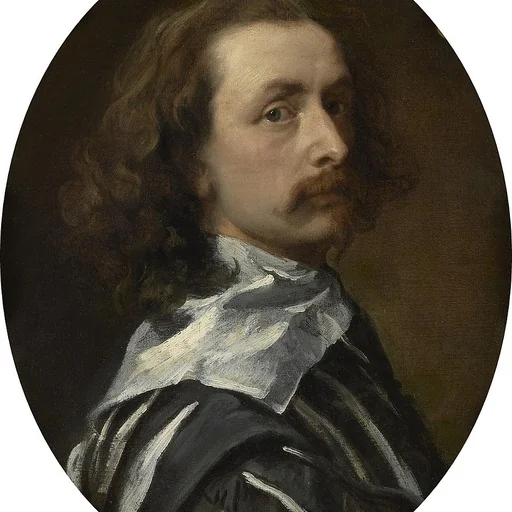
Sir Anthony van Dyck (; Dutch: Antoon van Dijck; 22 March 1599 – 9 December 1641) was a Flemish Baroque artist, who became the leading court painter in England after success in the Spanish Netherlands and Italy.

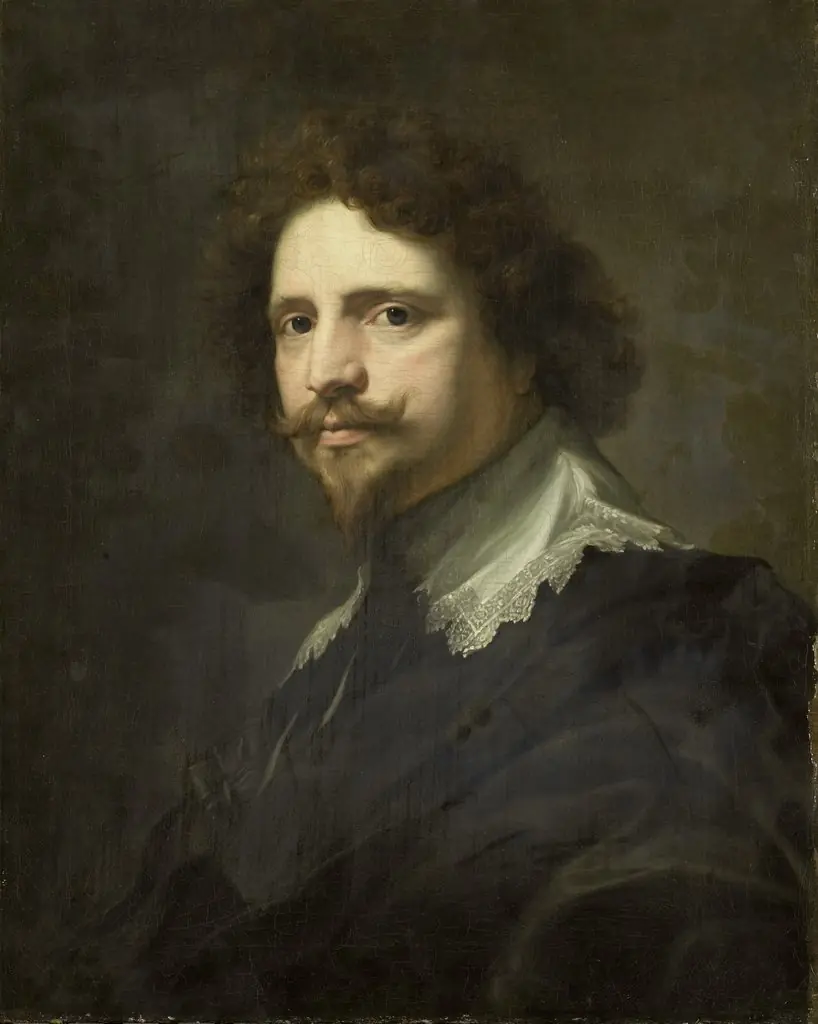 Portrait of Michel le Blon (1587-1657). Agent of Queen Christina of Sweden, goldsmith and engraver
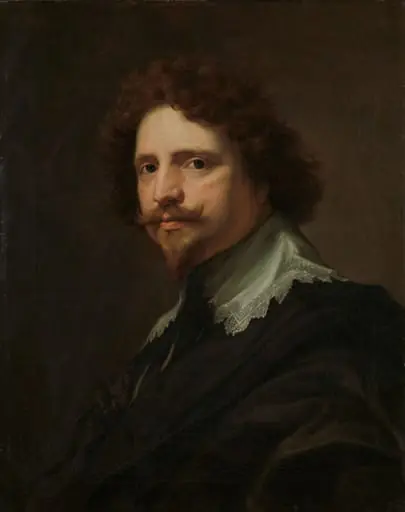 Portrait of Michel Le Blon (1587-1656)
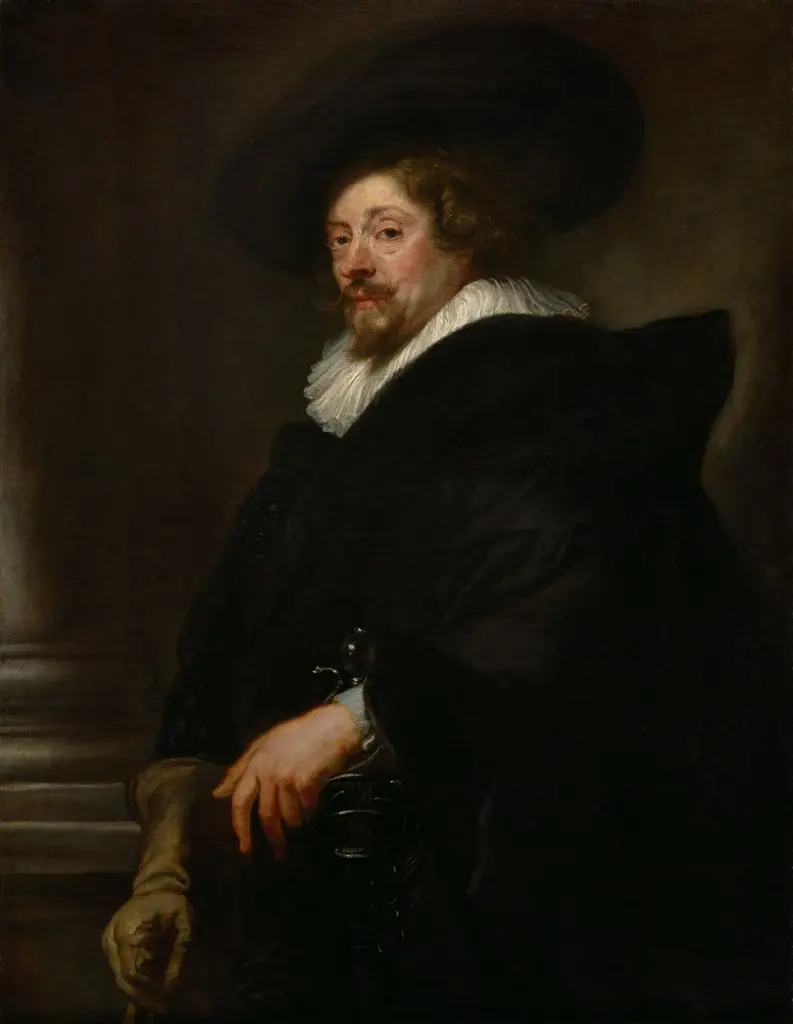 Self-portrait
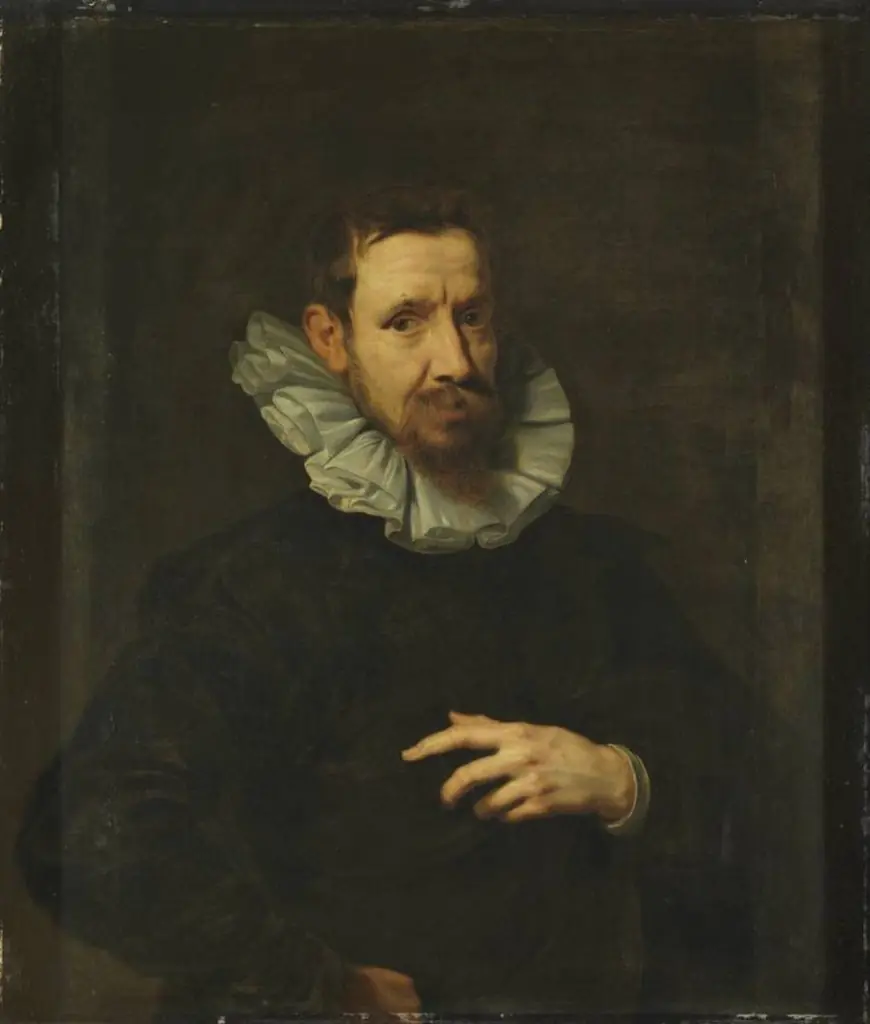 Portrait of the painter Jan Brueghel
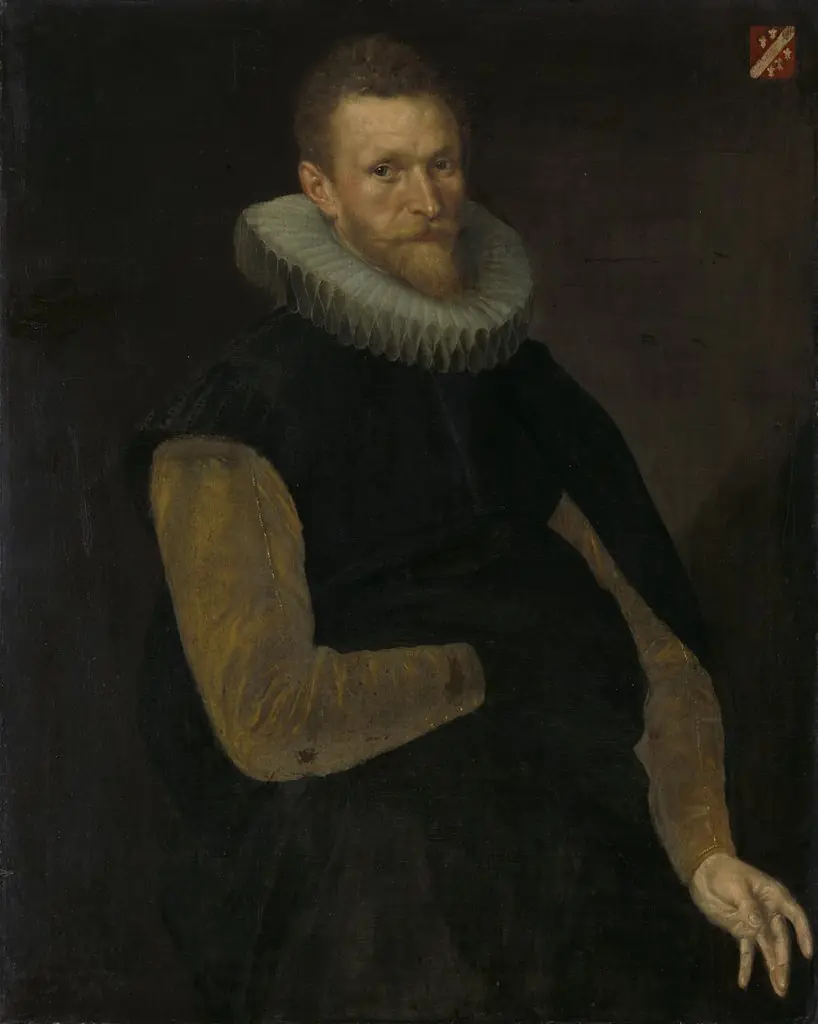 Portrait of Jacob Cornelisz Banjaert, called van Neck (1564-1638). Admiral & mayor of Amsterdam
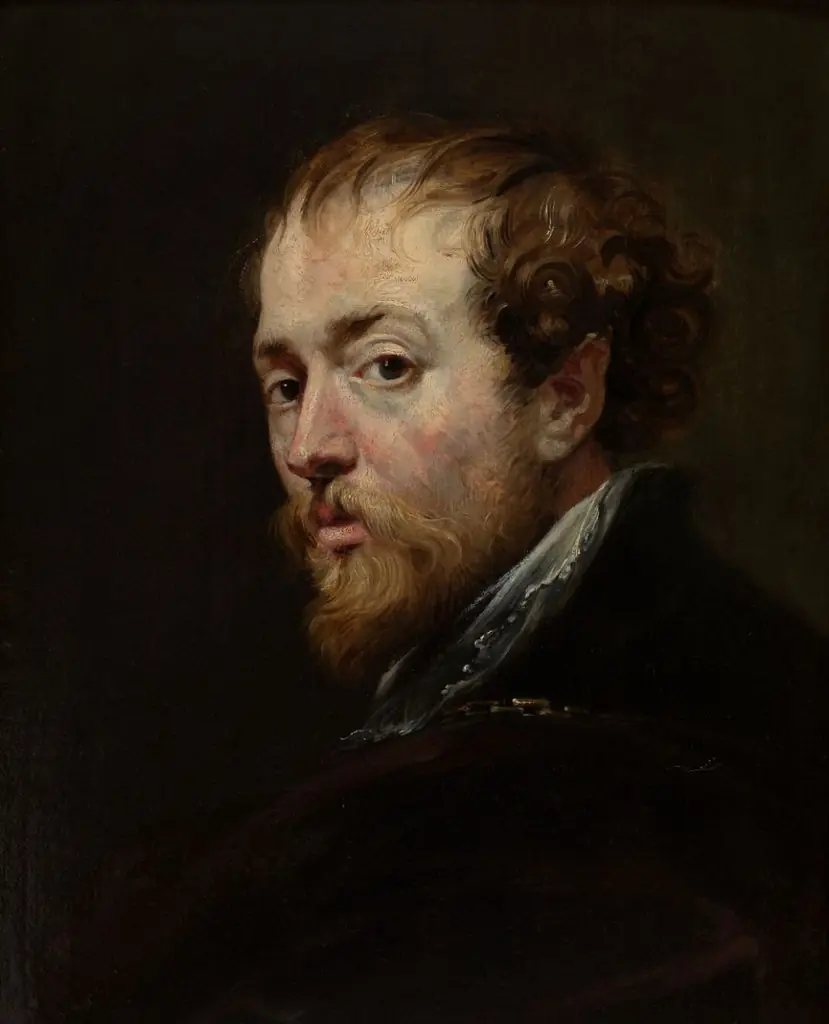 Portrait of Peter Paul Rubens
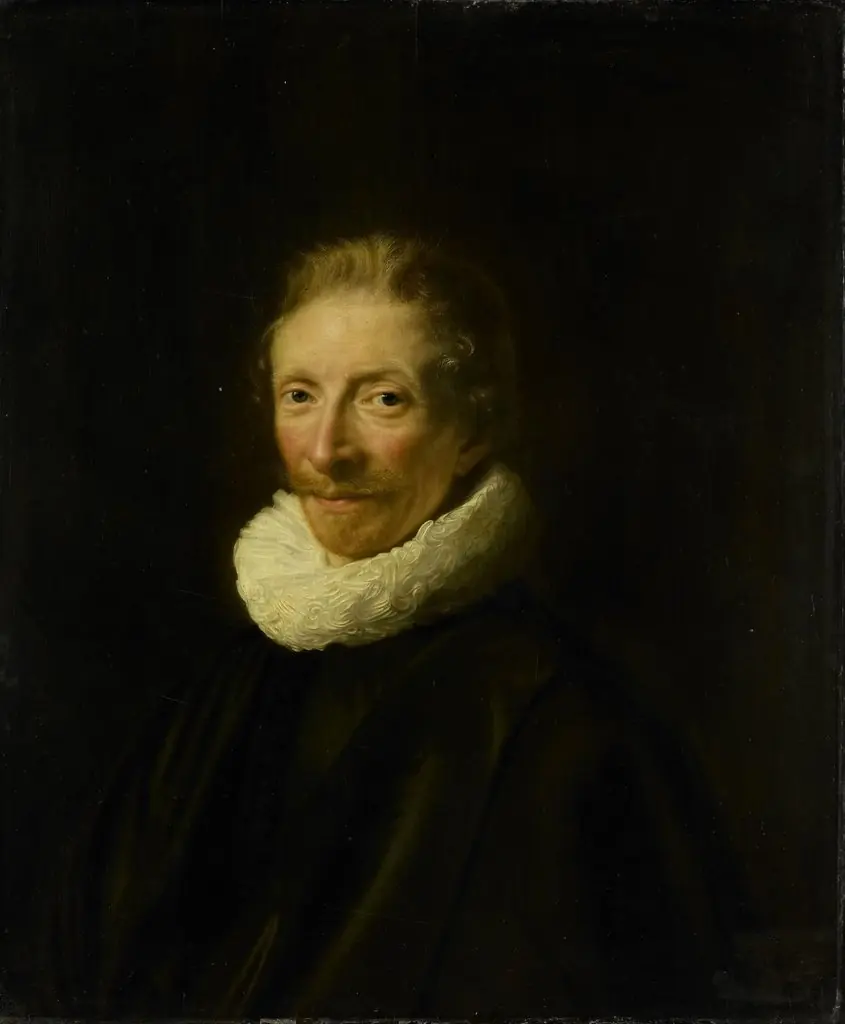 Portrait of David de Moor (1598-1643)
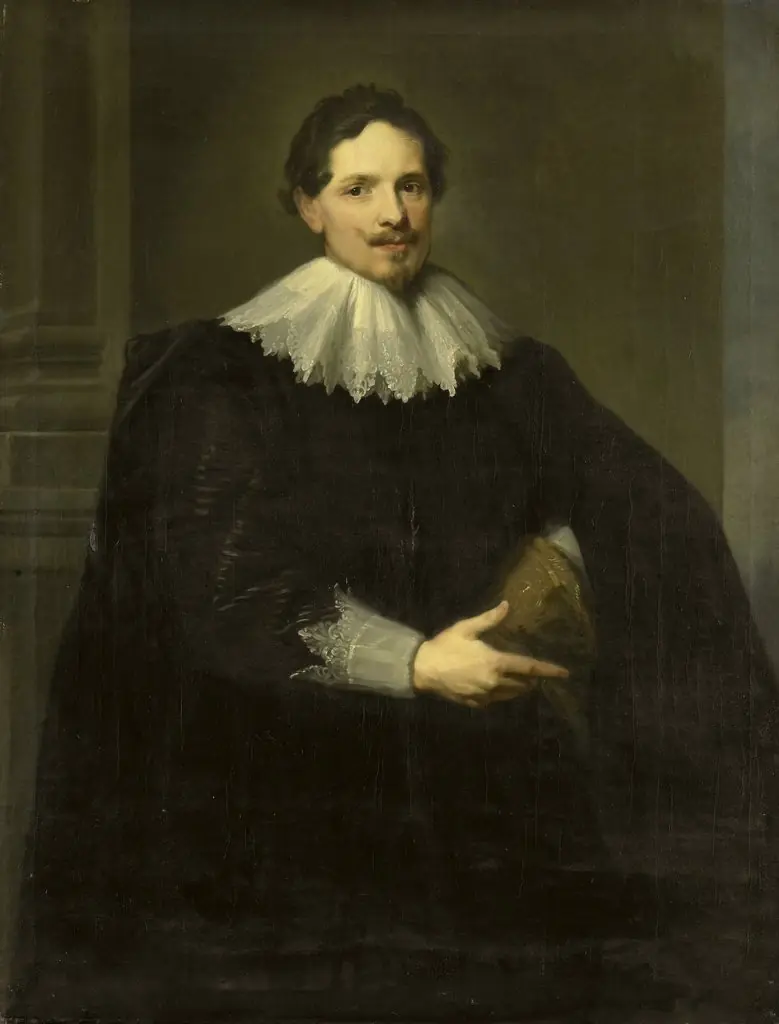 Sebastiaan Leerse, Antwerp Merchant
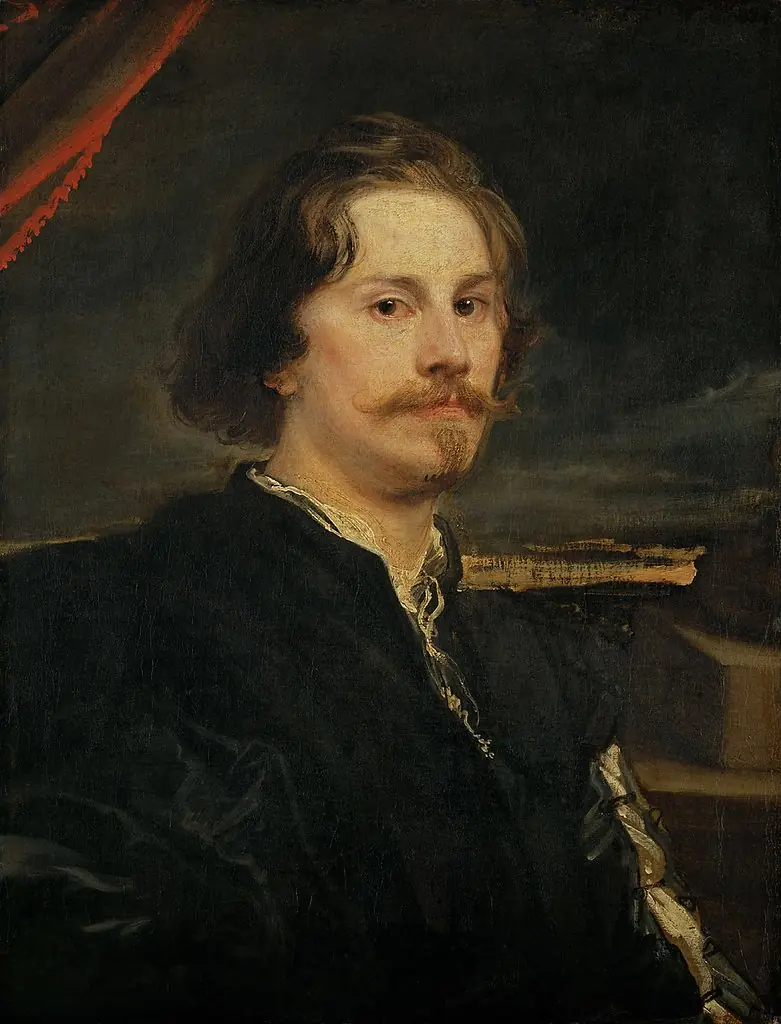 Portrait of Pieter Soutman
 Portrait of a Man
- Frans Hals (1582/83–1666)