Artwork
Portrait of Sir Rowland Wandesford (circa 1570 - after 1683)
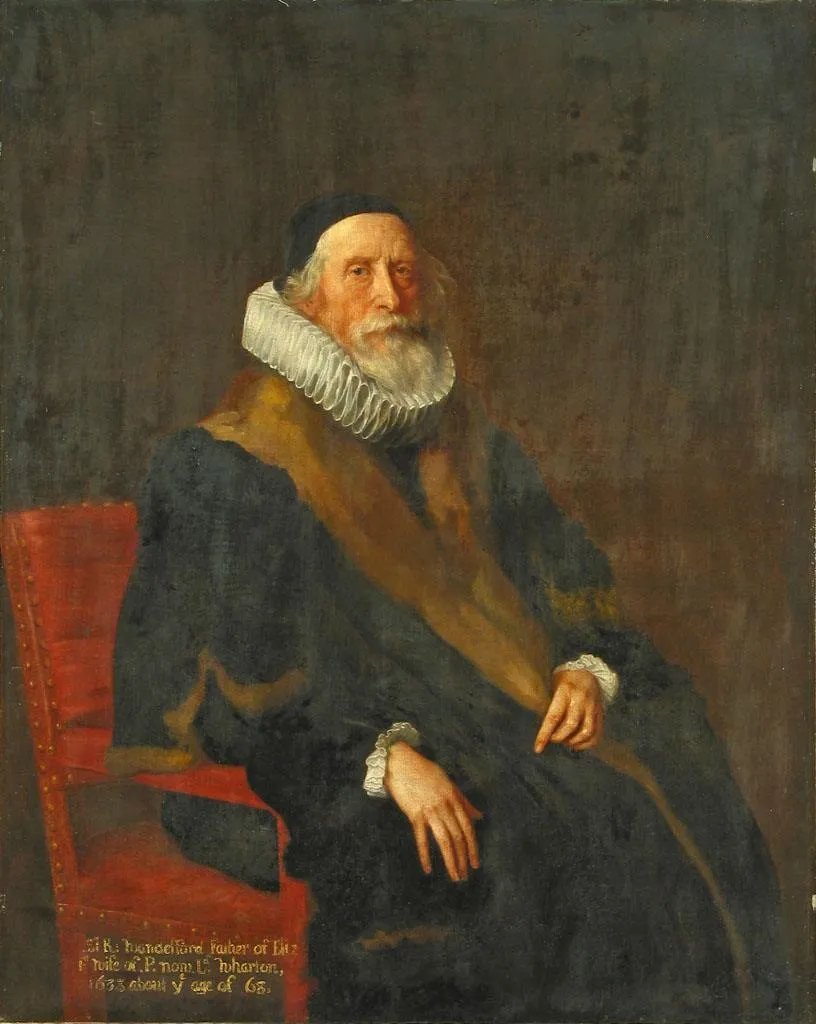
Portrait of Sir Rowland Wandesford (circa 1570 - after 1683) is an oil painting by the Flemish Baroque painting artist Anthony van Dyck. It dates from 1638 and is held in the collection of the Hermitage Museum.
About this work
If you're interested in learning more about the artist who created this painting, you might want to look up Anthony van Dyck.
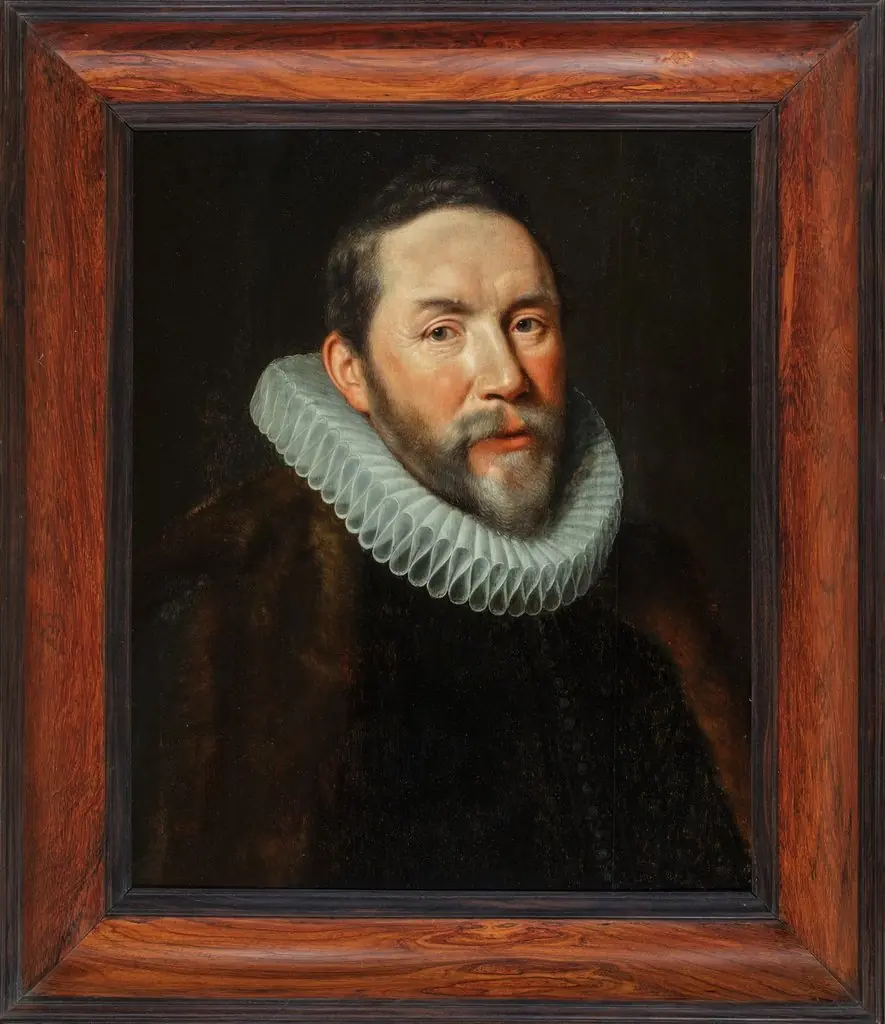
The painting depicts a man seated in a chair, wearing a dark robe with a brown sash and a white ruffled collar. He has a long white beard and is looking directly at the viewer. The background of the painting is a dark brown color.
The man's attire and the style of the painting suggest that it is a formal portrait from the 17th century. The artist's use of chiaroscuro, a technique that uses strong contrasts between light and dark to create a sense of volume and depth, adds to the overall sense of grandeur and dignity in the painting.
If you're interested in learning more about the artist who created this painting, you might want to look up Anthony van Dyck.
Overview
Portrait of Sir Rowland Wandesford (circa 1570 - after 1683) is a 1638 oil on canvas painting by Anthony van Dyck, created in Flanders. The artwork measures 132.5 cm in height and 106 cm in width. It depicts the aged Sir Rowland Wandesford seated in an upholstered chair, rendered with a restrained palette of blacks, browns, and deep reds. The painting is currently held in the State Hermitage Museum in St. Petersburg.
Subject & Meaning
The painting portrays Sir Rowland Wandesford, a weathered figure with a white beard and hair, seated slightly left of center and turned three-quarters toward the viewer. His attire communicates high social status and the fashion of the era. He wears a black cap, a large starched white ruff collar, and a dark robe with a broad brown fur collar and matching fur trim, with white lace cuffs emerging at his wrists. His right hand firmly grips the arm of his red upholstered chair, while his left hand rests on his lap, conveying a sense of authority and composed dignity appropriate to his standing.
Technique & Style
Van Dyck executed the portrait in oil on canvas, demonstrating a calculated approach to brushwork and lighting. Light falls from the left, illuminating the sitter's face, white collar, and hands, while leaving the dark robe largely in shadow to create strong tonal contrast. The brushwork appears smooth in the rendering of the face, shifting to a more textured handling in the depiction of fabrics. The background is largely undefined, consisting of a flat, dark tone with subtle variations that pushes the figure forward. Gold lettering appears in the lower left corner of the composition.
History & Provenance
Created in 1638, the painting was historically housed in the Drawing Room at Houghton Hall. It subsequently entered the collection of the State Hermitage Museum in St. Petersburg, where it resides today. The composition achieved broader circulation through a mezzotint produced by James Watson, published by John Boydell in 1778 after a drawing by George Farington. This print was included in volume one of The Houghton Gallery. A copy of this mezzotint, removed from George P. Marsh's copy of the Houghton Gallery volume, is held in the Smithsonian Institution's Marsh Collection, and another impression is in the National Portrait Gallery, London, acquired in 1965.
Context
The painting emerges from Anthony van Dyck's mature period, during his prolific output as a premier portraitist. While the work is catalogued as a painting by van Dyck, some historical attributions suggest workshop involvement, reflecting the common practice in his studio where assistants contributed to compositions under his direction. The dissemination of the Houghton Hall painting through reproductive prints by James Watson and John Boydell in the late eighteenth century underscores the enduring demand for van Dyck's compositions and the role of engravers in cementing his artistic legacy across Britain.
Artist & collection
Artist
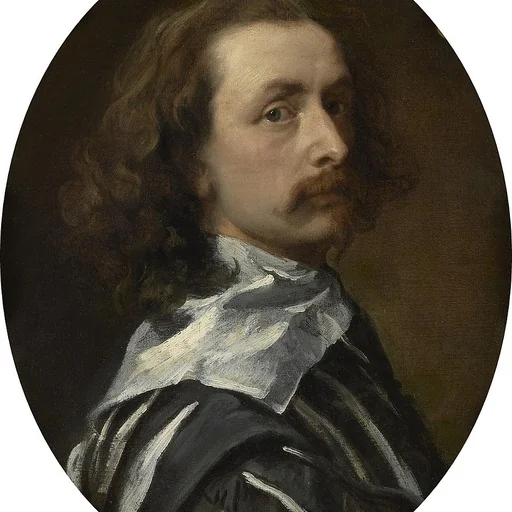
Sir Anthony van Dyck (; Dutch: Antoon van Dijck; 22 March 1599 – 9 December 1641) was a Flemish Baroque artist, who became the leading court painter in England after success in the Spanish Netherlands and Italy.

 Portrait of Gualtero del Prado
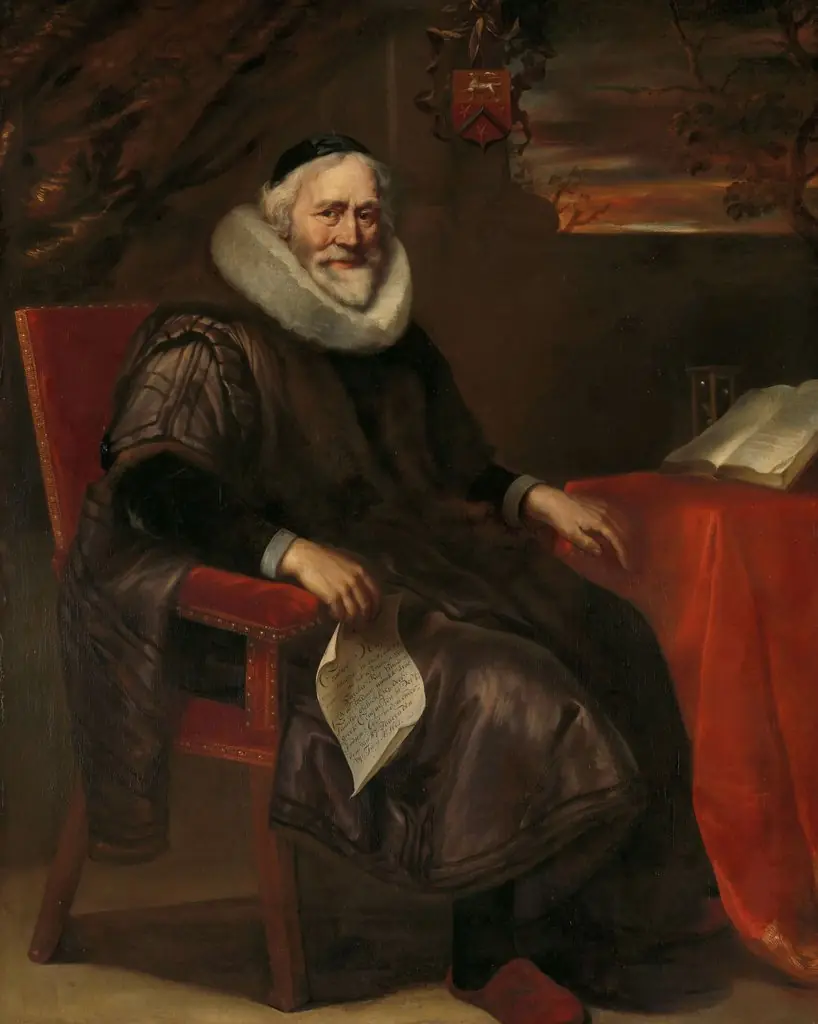 Cornelis Nuyts (1574-1661). Amsterdam merchant
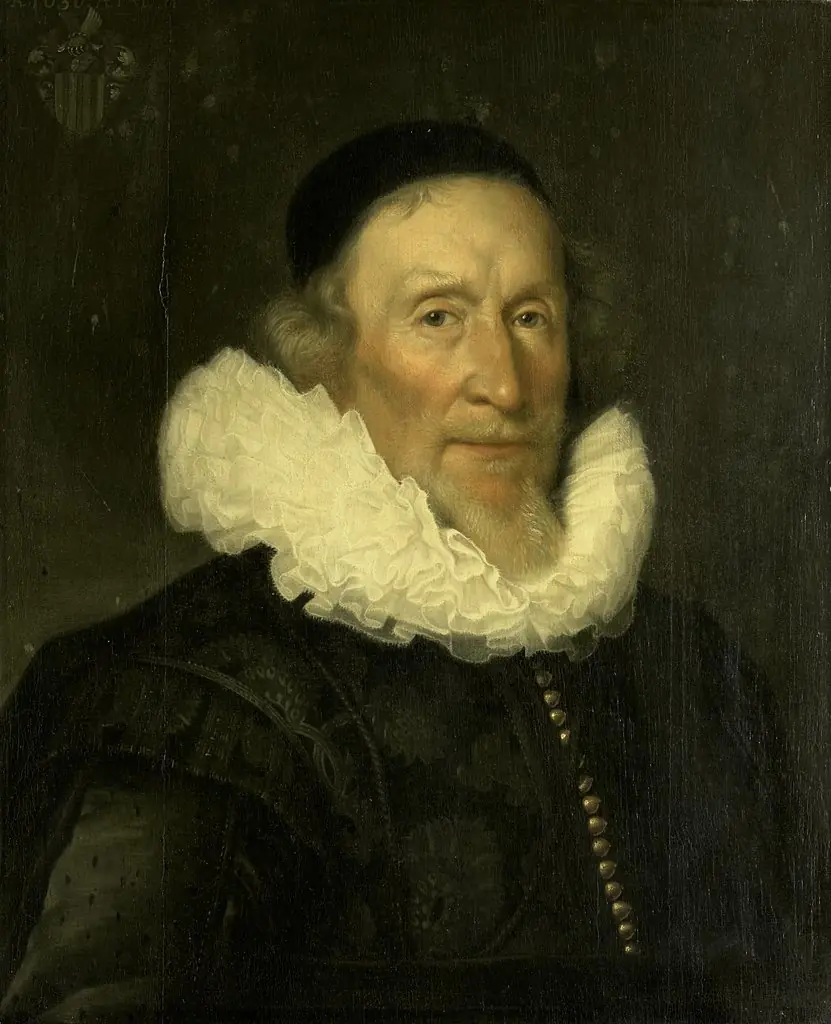 Portrait of Jacob Gerritsz van der Mij (1559/60-1635?)
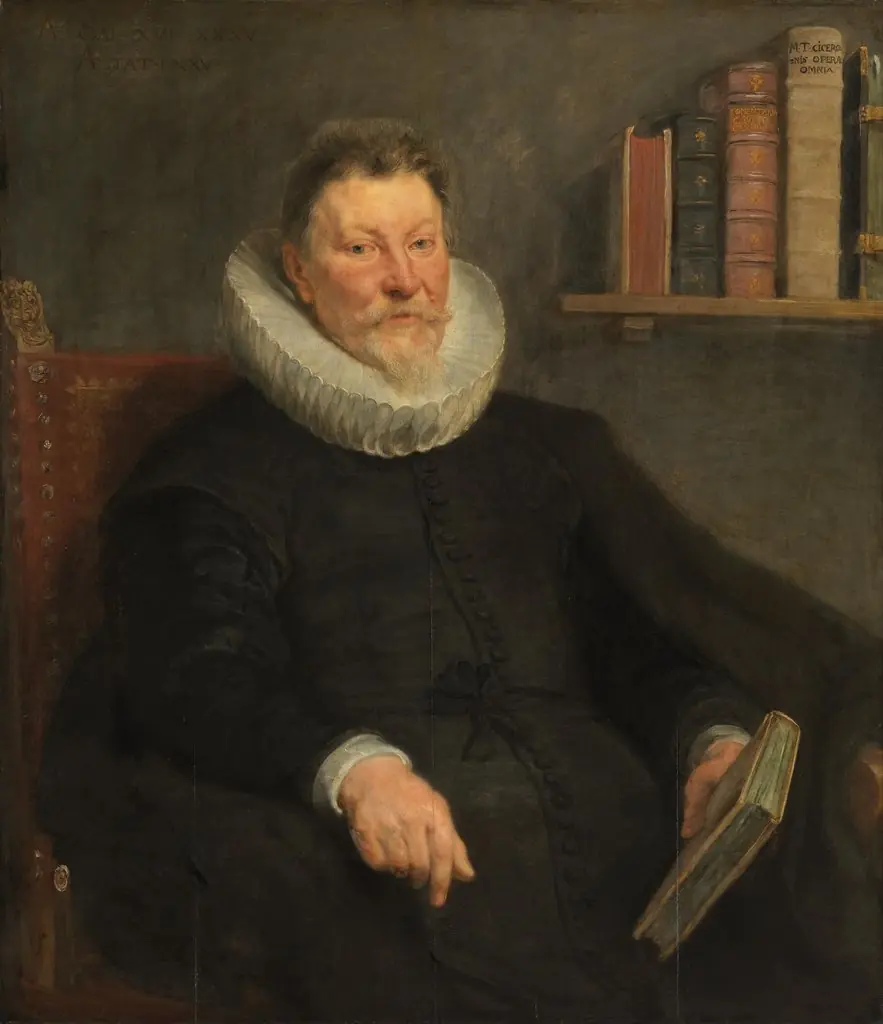 Portrait of Jan Brant
 Untitled
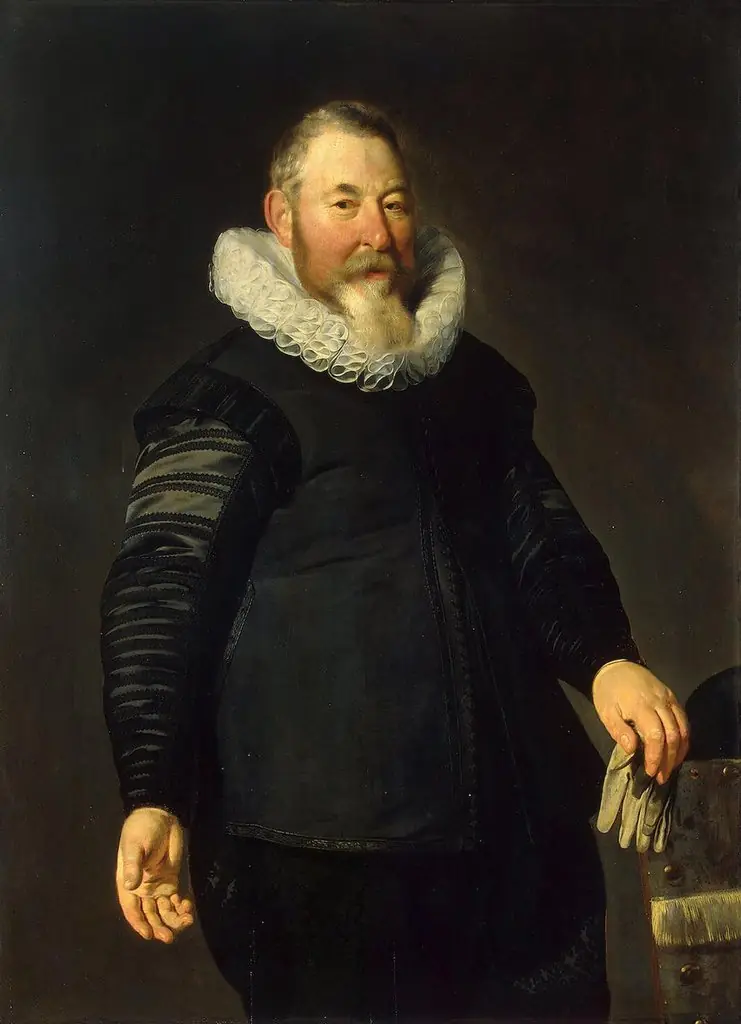 Portrait of a Man
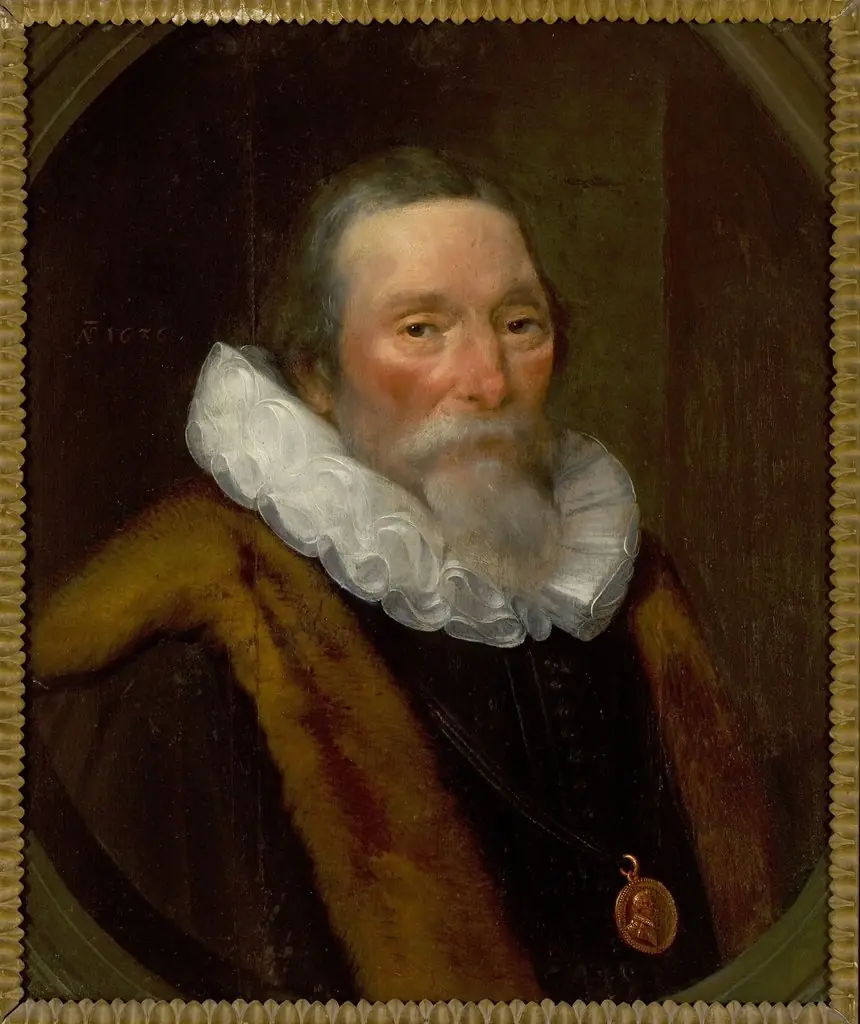 Portrait of a man in a frill with a fur collar
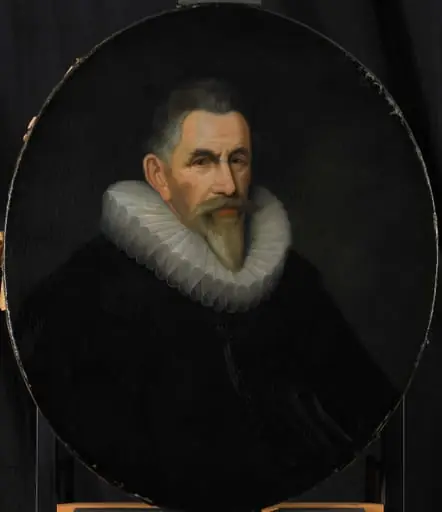 Portrait of Johan van der Veecque, Director of the Rotterdam Chamber of the Dutch East India Company, elected 1602
 Portrait of Antonius Antonides van der Linden, Physician in Amsterdam
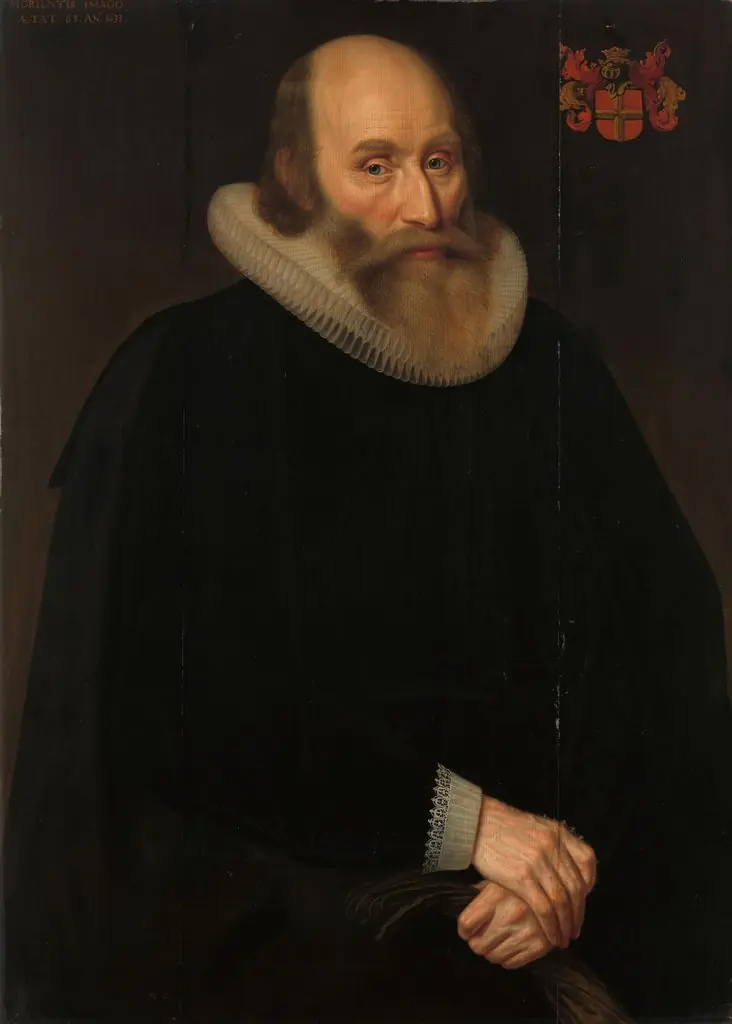 Portrait of Antonides van der Linden (1570-1633), Amsterdam physician
 Portrait of Nicolaes Grevinckhoven (1577-1632)