Artwork
Self-Portrait
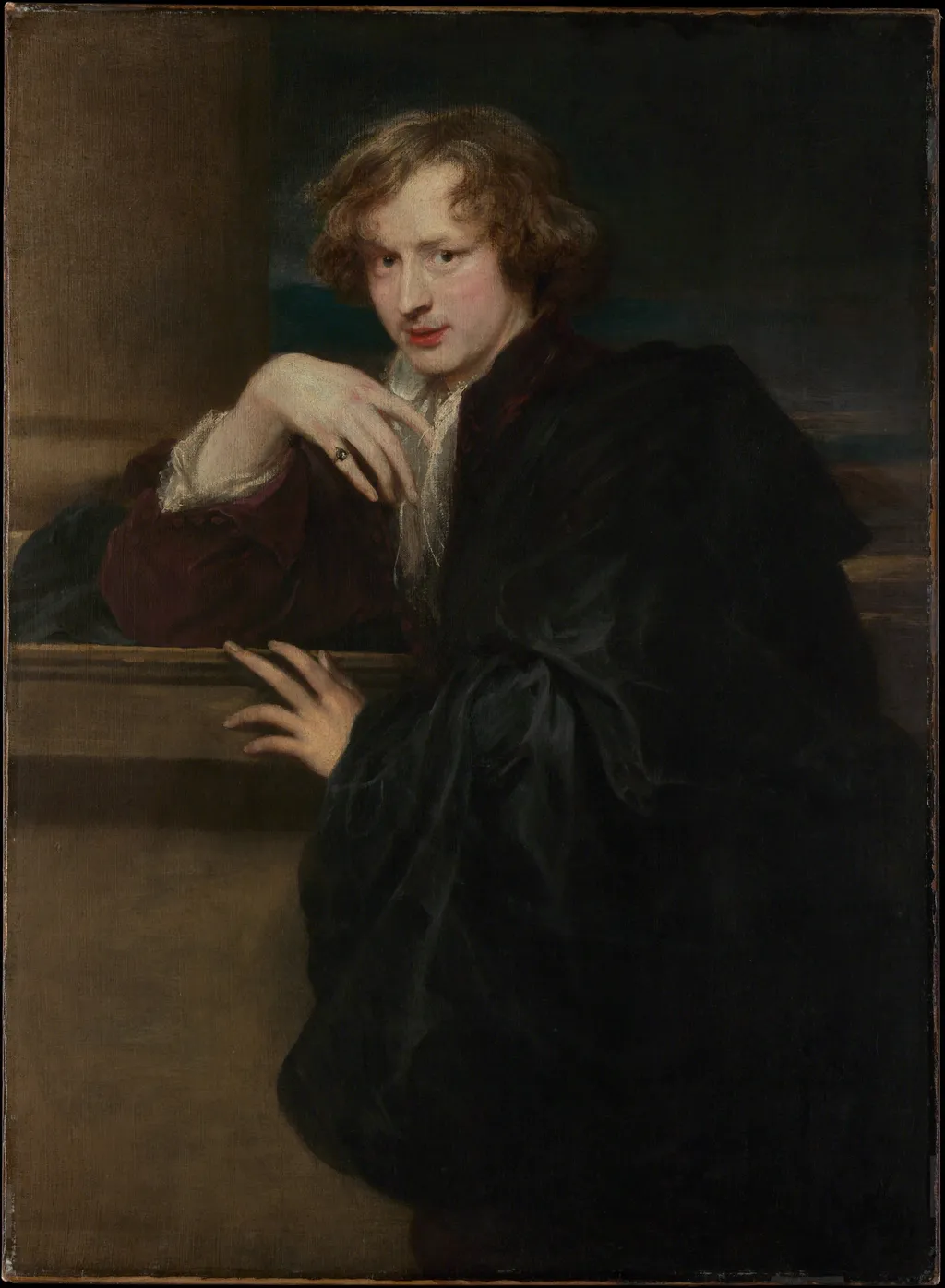
Self-Portrait is an oil painting by the Baroque artist Anthony van Dyck. It dates from 1620 and is held in the collection of the Metropolitan Museum of Art.
About this work
Subject & Meaning
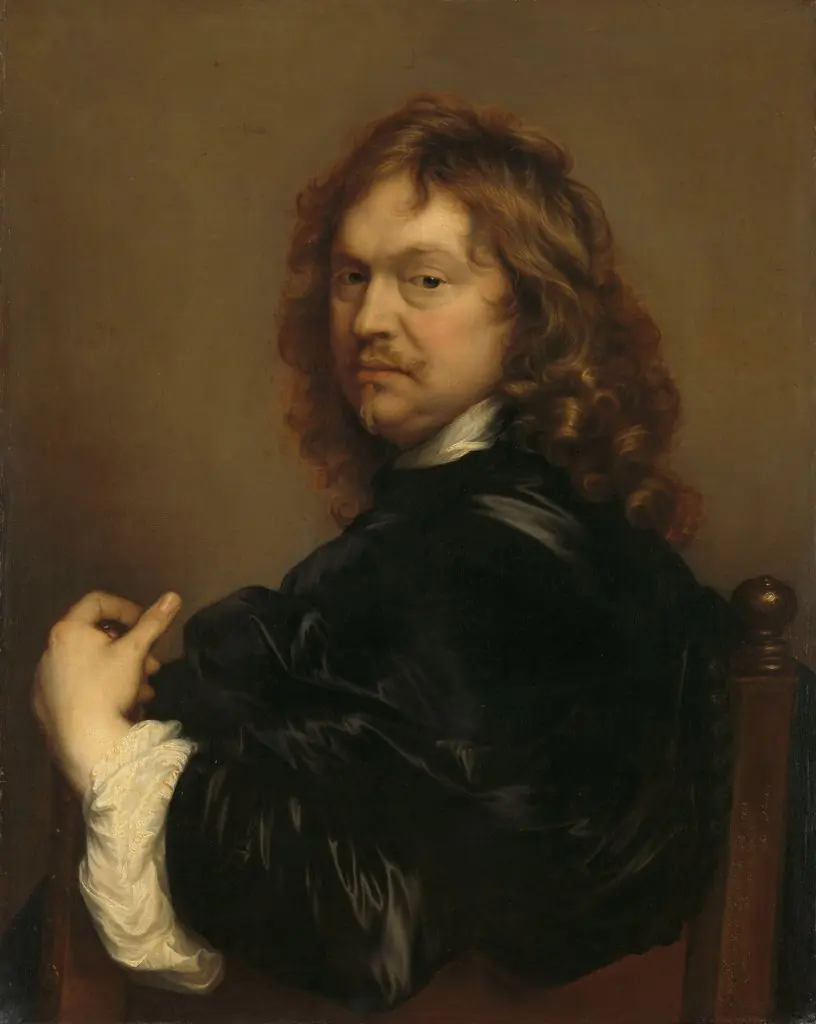
Van Dyck's pose reinforces this self-assured persona; he allows his hand, adorned with a ring, to rest in a relaxed gesture beneath his face.
Painted during the winter of 1620–1621 in London, this work depicts Anthony van Dyck in his early twenties. The artist constructs an image of himself as a confident country gentleman, distinguished by fine attire. Sources suggest this elegant presentation, featuring a black silk garment, reflects the wealth of his father, who was a successful clothier.
Van Dyck's pose reinforces this self-assured persona; he allows his hand, adorned with a ring, to rest in a relaxed gesture beneath his face. Rather than emphasizing the tools of his trade, the iconography focuses on social status and personal refinement, presenting the young Flemish painter not merely as an artisan but as a member of the gentry.
Technique & Style
The work is an oil painting executed on canvas, measuring approximately 119.7 cm by 87.9 cm. It belongs to the Baroque period and was created in the winter of 1620–1621 while van Dyck was resident in London. The composition shows the artist in the attire of a country gentleman, wearing a black silk garment and a ring, with a relaxed hand gesture that conveys confidence. The painting is housed in the Metropolitan Museum of Art, where it has been part of the collection since a 1949 donation by Jules Bache. Its formal qualities reflect the refined portraiture characteristic of early‑17th‑century Flemish art.
History & Provenance
The Self-Portrait was created by Anthony van Dyck in the winter of 1620–1621 while he was residing in London, as noted in contemporary records. Van Dyck depicted himself as a country gentleman, likely wearing attire obtained through his father’s profession as a clothier. The painting remained in the artist’s circle until it entered the collection of American banker Jules Bache, who later bequeathed it to the Metropolitan Museum of Art in 1949. The work is executed in oil on canvas and is documented in the museum’s holdings.
The Self-Portrait by Anthony van Dyck is held in the collection of the Metropolitan Museum of Art in New York. According to Wikidata, the painting is also associated with the location of Euston Hall. It was previously owned by the American banker Jules Bache, who donated the work to the Metropolitan Museum of Art in 1949.
The sources do not provide a specific accession number or a documented exhibition history for this painting beyond its current placement at the Metropolitan Museum of Art.
Context
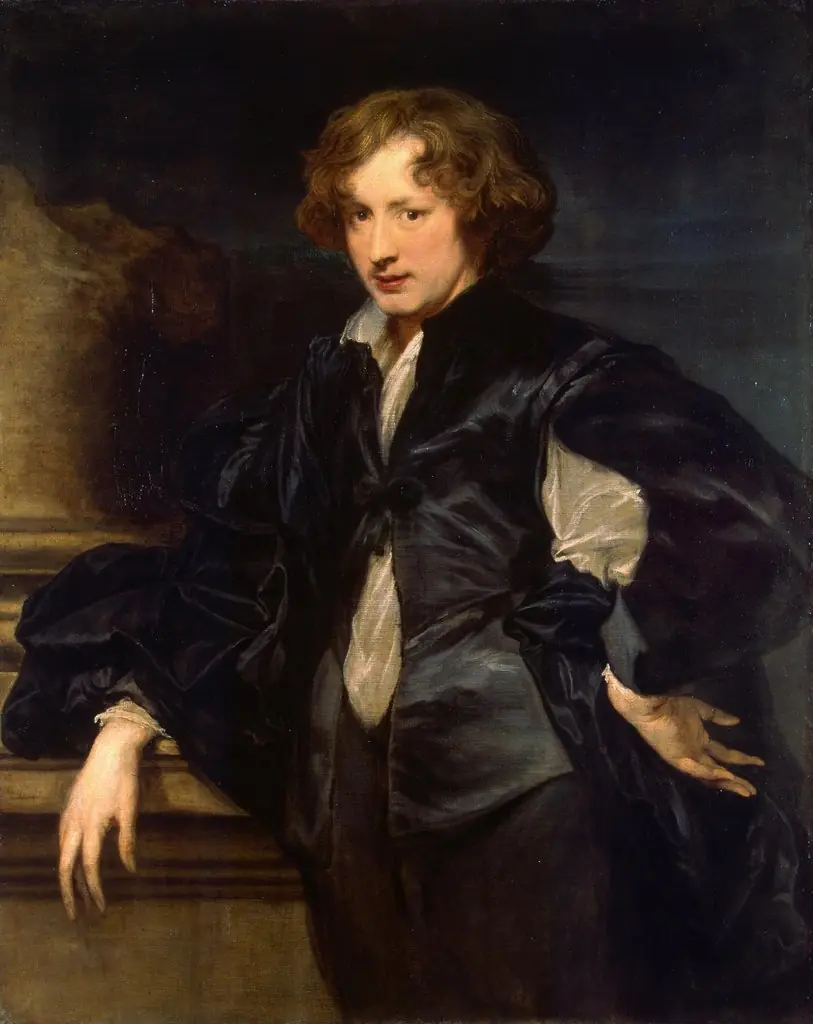
Anthony van Dyck’s early Self-Portrait (c. 1620–21) has been situated within the artist’s broader production of self-representations during his formative years, alongside contemporaneous examples in Munich, Saint Petersburg, and Madrid. Scholars note the work’s confident self-fashioning, emphasizing van Dyck’s deliberate presentation as a cultivated gentleman, a choice linked to his father’s profession as a wealthy clothier. The painting’s reception reflects its role in establishing van Dyck’s identity as a rising portraitist in the Baroque tradition, a narrative reinforced by later biographers such as Gian Pietro Bellori.
Its inclusion in the Metropolitan Museum of Art’s collection since 1949 has further cemented its place in art-historical discourse as an emblematic early work by the Flemish master.
Overview
Anthony van Dyck's Self-Portrait is an oil on canvas painting created during the artist's early twenties. This work, now housed at the Metropolitan Museum of Art in New York, offers a direct portrayal of the Flemish painter. It serves as a significant example of his early career, showcasing his developing skill in portraiture and self-representation.
Own this work as a print
Artist & collection
Artist
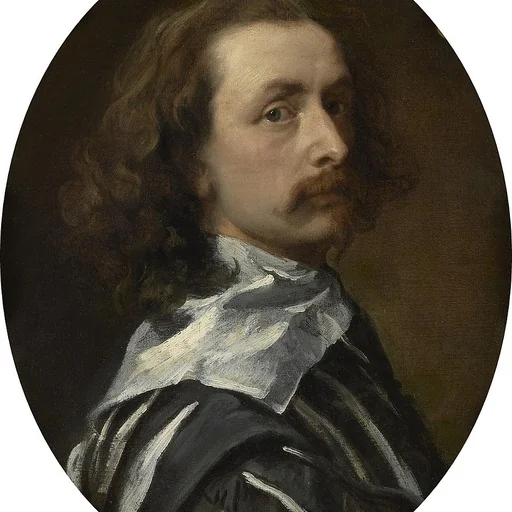
Sir Anthony van Dyck (; Dutch: Antoon van Dijck; 22 March 1599 – 9 December 1641) was a Flemish Baroque artist, who became the leading court painter in England after success in the Spanish Netherlands and Italy.

- Self-portrait
 Portrait of Pieter Groenendijk
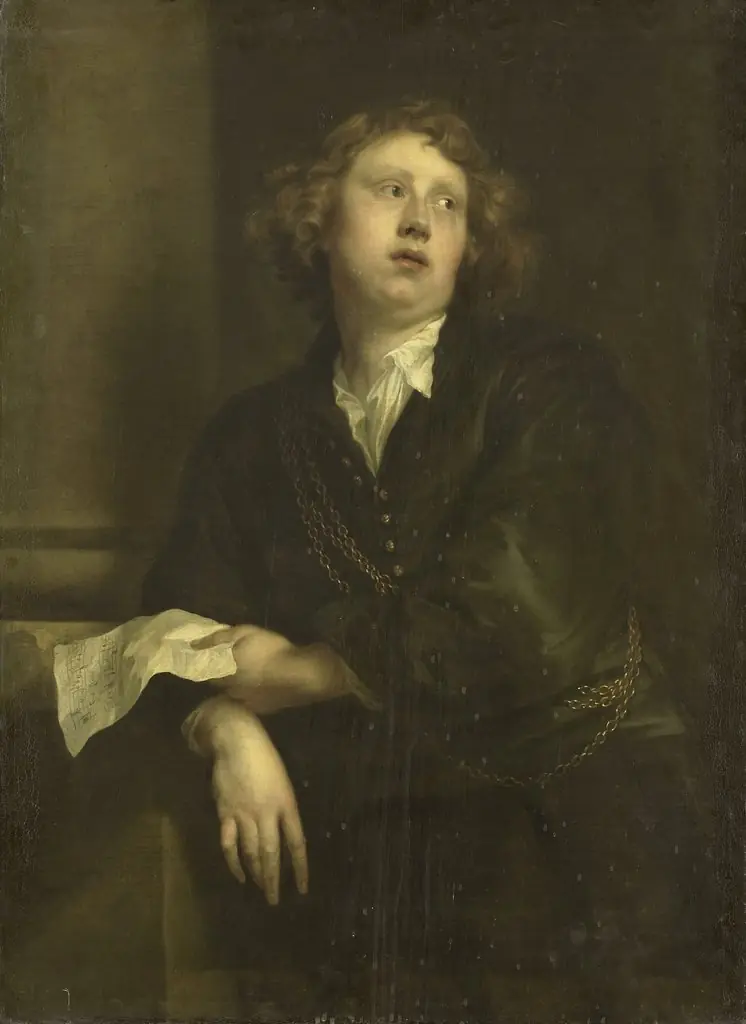 portrait of Henricus Liberti (1628-61). Composer and organist
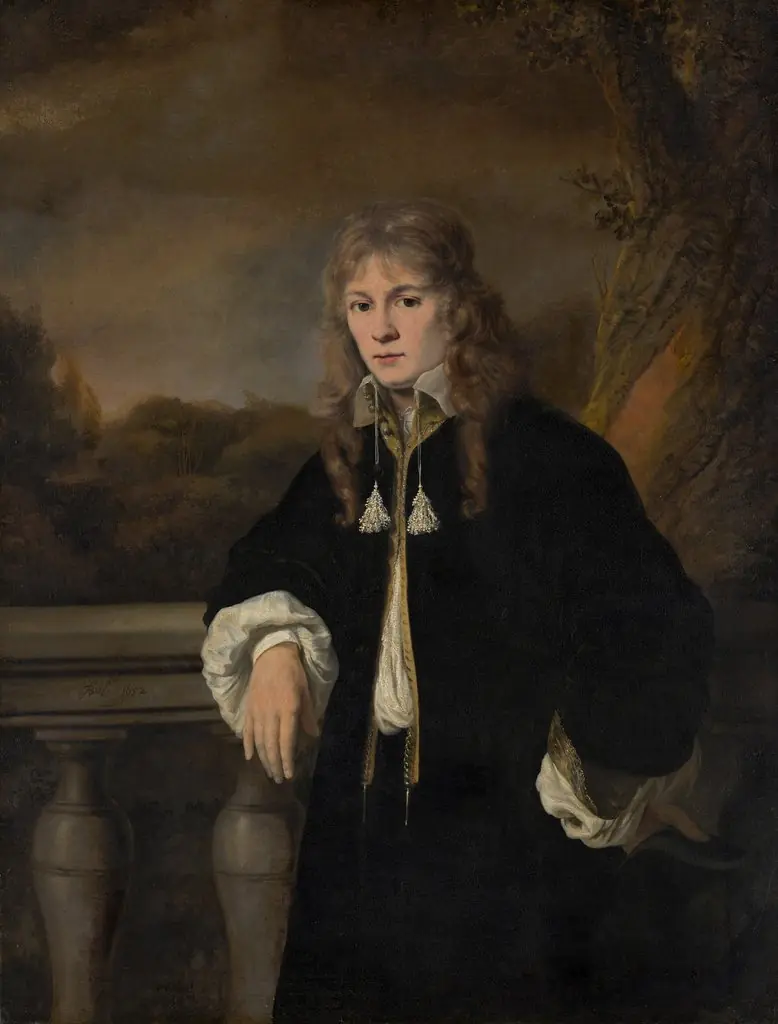 Portrait of a Young Man, presumably Louis Trip Jr (1638-1655)
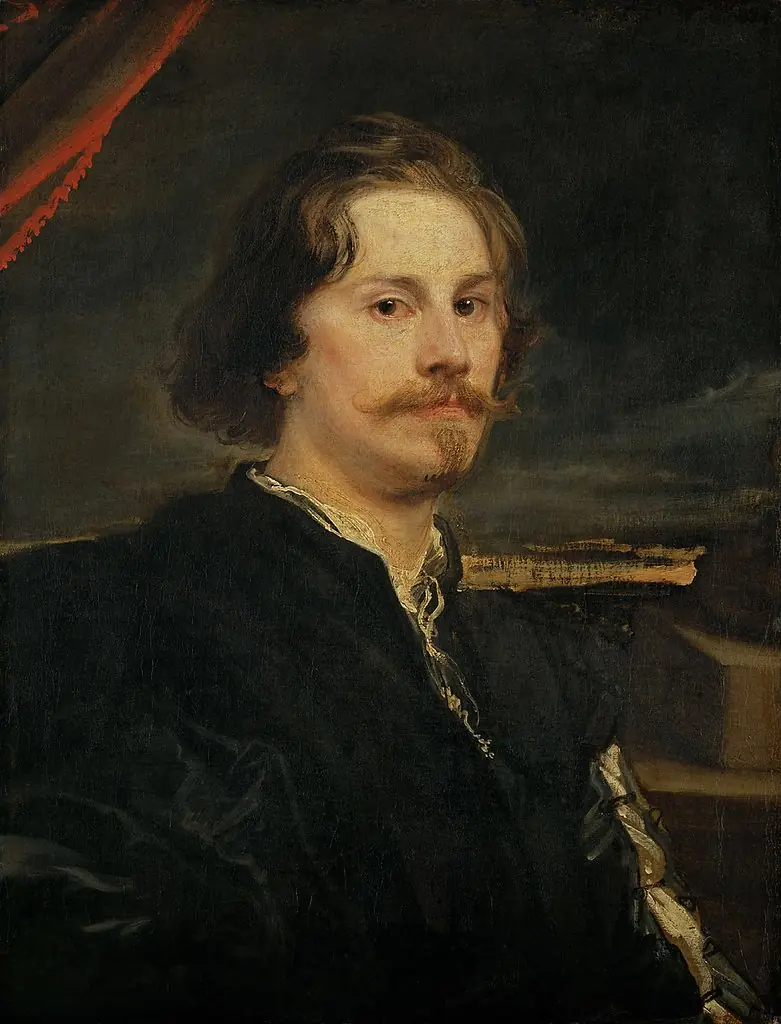 Portrait of Pieter Soutman
 Portrait of a Young Gentleman
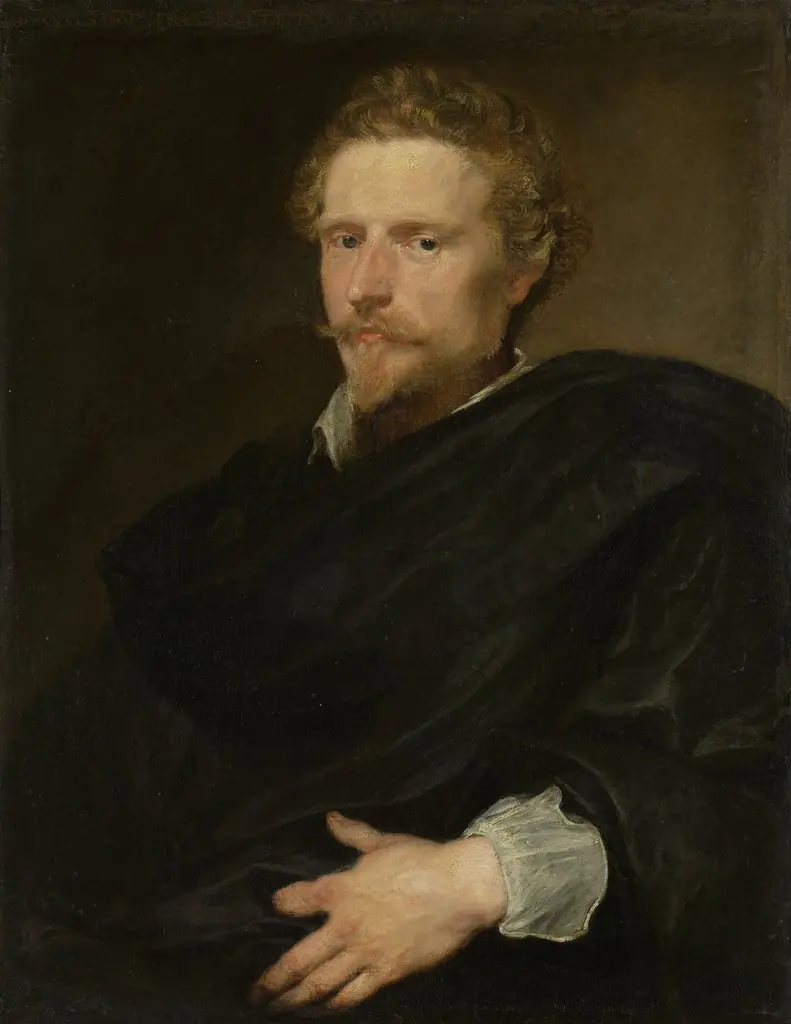 Johannes Baptista Franck (ca. 1599-1663)
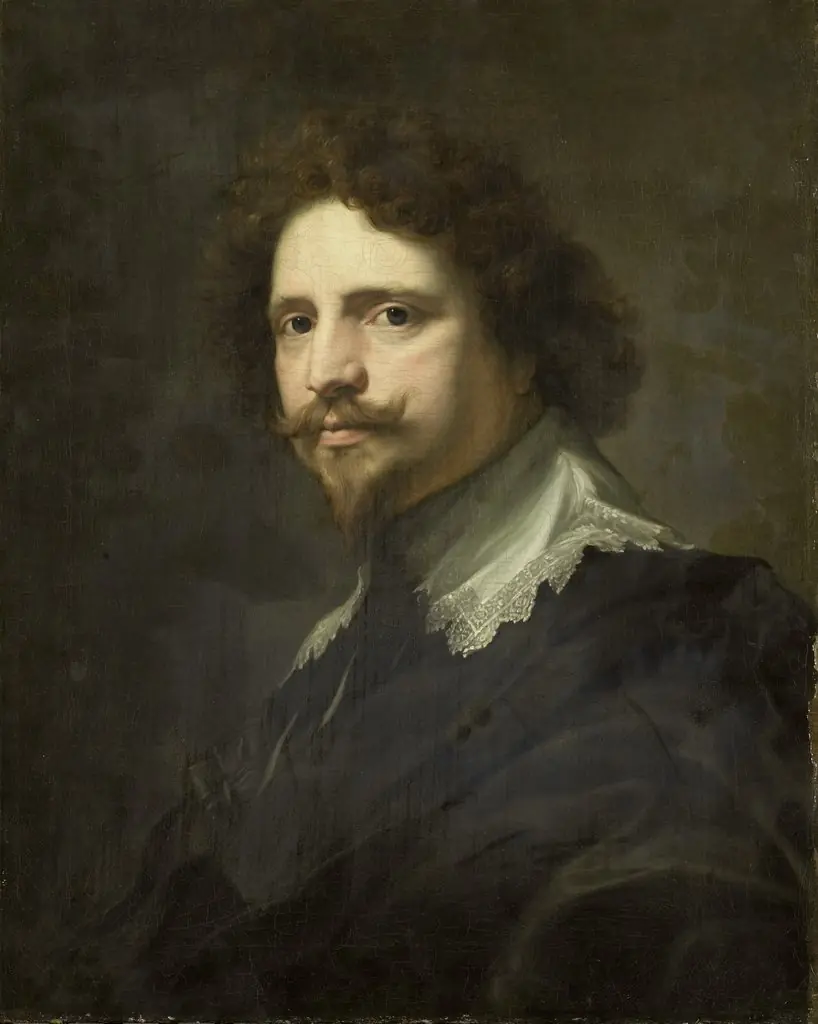 Portrait of Michel le Blon (1587-1657). Agent of Queen Christina of Sweden, goldsmith and engraver
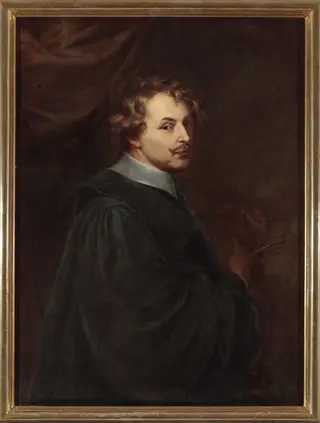 Portrait of Anthony van Dyck (1599–1641)
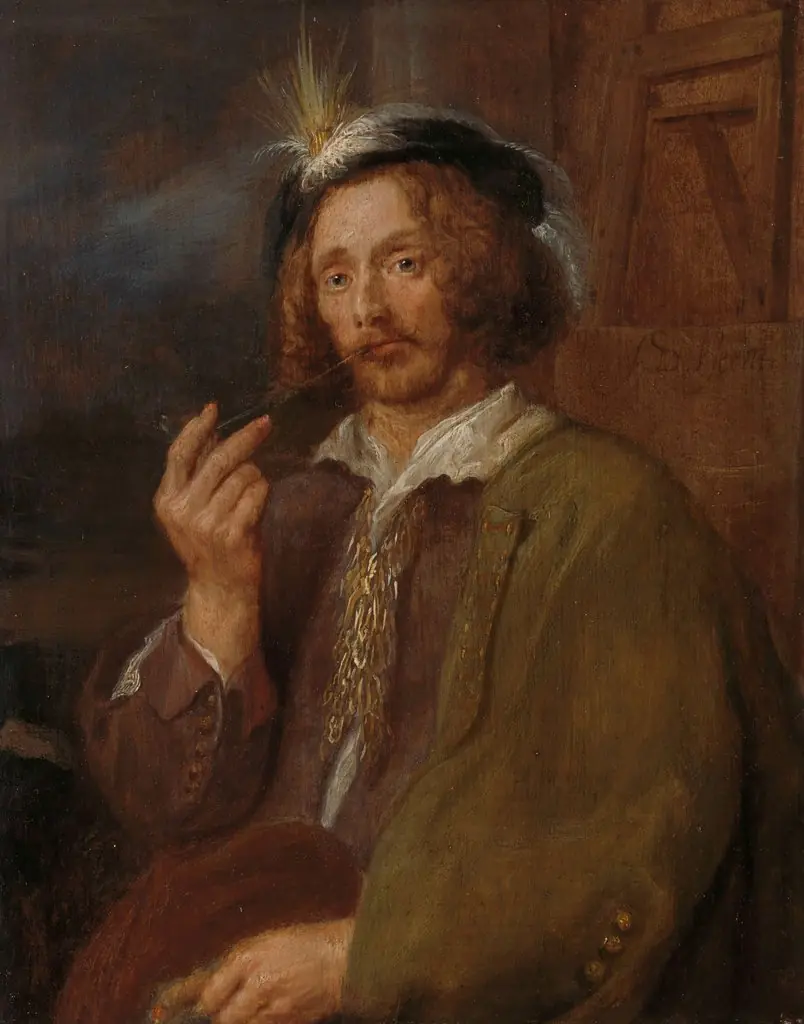 A Painter Smoking a Pipe
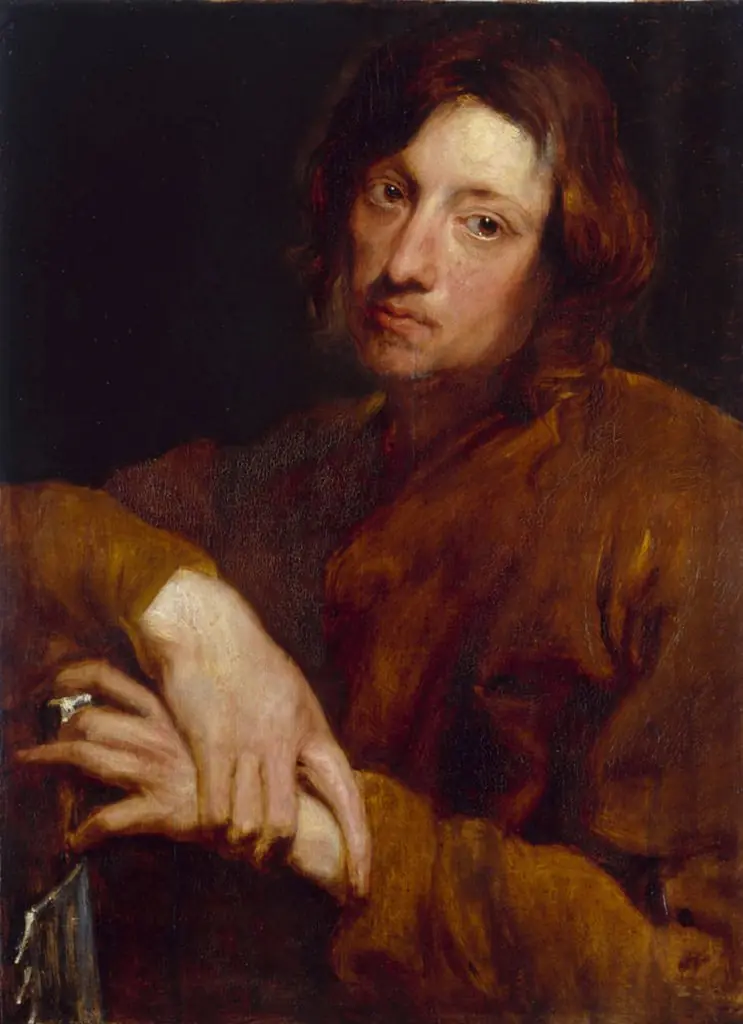 Simon the Apostle
 Self portrait