Artwork
Self-portrait
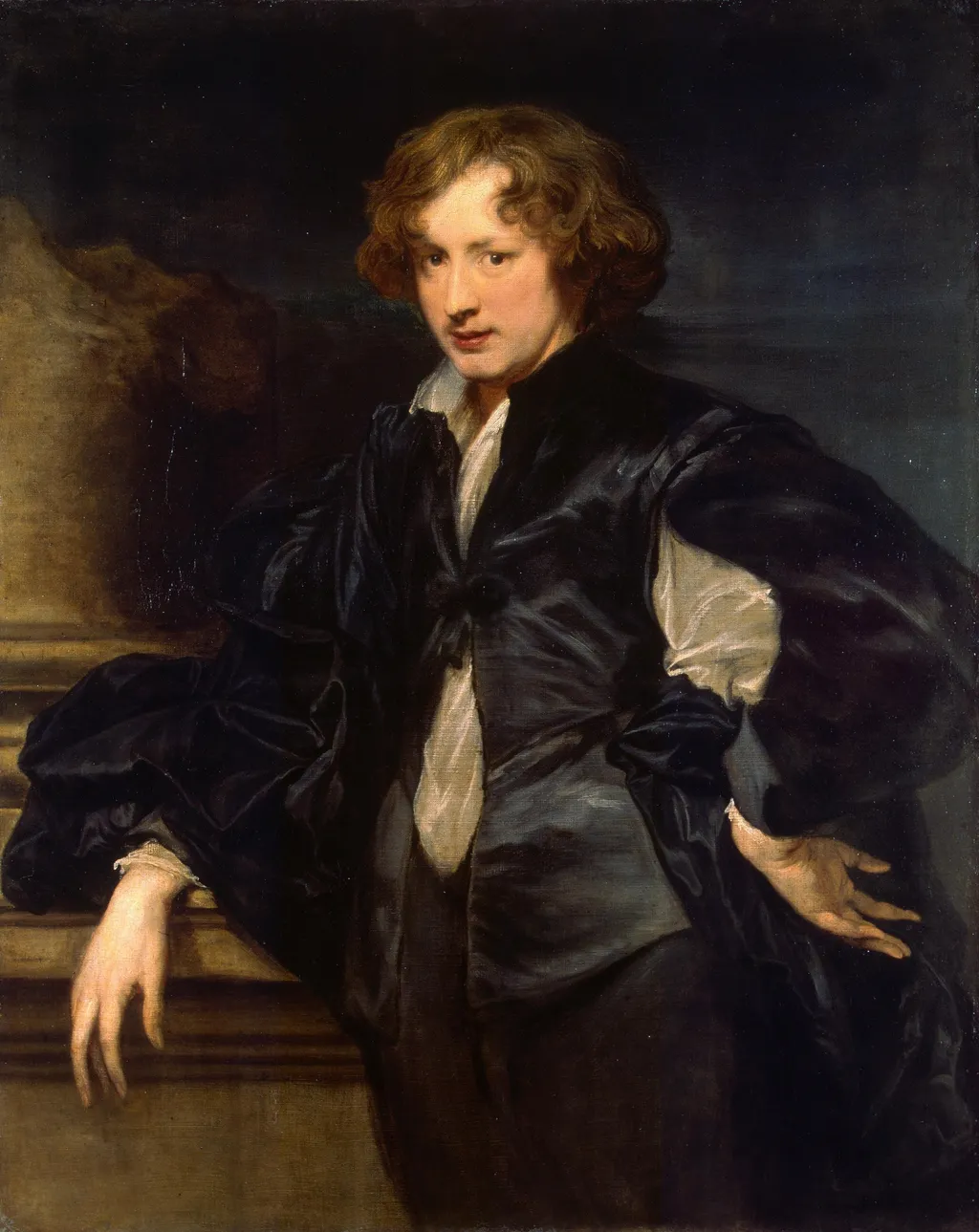
Self-portrait is an oil painting by the Baroque artist Anthony van Dyck. It dates from 1622 and is held in the collection of the Hermitage Museum.
About this work
Subject & Meaning
The painting shows van Dyck presenting himself with calm assurance, dressed in black silk and emphasizing his hands, white collar, and direct gaze.
The painting shows van Dyck presenting himself with calm assurance, dressed in black silk and emphasizing his hands, white collar, and direct gaze. The broken column behind him functions as a classical symbol, linking his self-representation to Greco‑Roman antiquity and to a Raphael portrait that van Dyck referenced in his Italian sketchbook. These visual cues locate the work within his Roman period, when he was roughly twenty‑four years old.
Technique & Style
The Self-portrait is executed in oil paint on canvas, measuring 116.5 cm in height and 93.5 cm in width, and is dated to 1622. The handling emphasizes the sitter’s hands and face, using delicate modeling to render the white of the shirt and the luminous skin against the dark silk of the costume. The composition centers on the artist’s direct gaze, conveying a composed yet assured presence.
A broken column appears at the left, a classical motif associated with antiquity and the passage of time, aligning with the artist’s documented stay in Rome around 1622–23. The stylistic treatment shows affinities with Raphael’s presumed self-portrait, which van Dyck recorded in his Italian sketchbook, suggesting an engagement with High Renaissance precedent within a broader Baroque sensibility.
History & Provenance
The Self-portrait painted by Anthony van Dyck in 1622 was created during his Roman period when he was approximately twenty-four years old. The work, executed in oil on canvas, features a black silk robe, a broken column symbolizing Greco-Roman antiquity, and a direct gaze that emphasizes the artist's confident presence. Comparative analysis with a Raphael portrait, documented in van Dyck's Italian Sketchbook, supports the dating to around 1620-1623.
The painting is part of the Hermitage Museum's collection in Saint Petersburg, where it has been housed since its acquisition.
Anthony van Dyck's 1622 Self-portrait is held in the collection of the Hermitage Museum in Saint Petersburg. The work is described as an oil painting on canvas measuring 116.5 cm in height by 93.5 cm in width. Sources indicate that around 1620, the artist produced three self-portraits, with this specific version residing in Saint Petersburg while others are located in New York and Munich.
The painting is frequently contextualized within the artist's Roman period, where he was approximately twenty-four years old. While the text details the visual elements and historical context of the work, no specific inventory or accession numbers are provided in the available records. Furthermore, the sources do not list any specific exhibition history or dates for public display of this piece.
Context
Created during Anthony van Dyck's Roman sojourn around 1622, this self-portrait is situated within his early Baroque development and the broader Flemish tradition of the 1620s. The work is one of three self-portraits the artist produced circa 1620, alongside those now held in New York and Munich. Art historical analysis places the execution during his time in Rome at approximately age twenty-four, a period marked by his engagement with classical antiquity and the Italian Renaissance.
The painting's composition, featuring a broken column and a direct gaze, demonstrates van Dyck's study of Raphael, whose work the artist had previously documented in his Italian sketchbook. This engagement with high Italian models helped define van Dyck's emerging style before his later prominence in England.
Scholarly attention to the work includes its documentation in Marco Horak's 2011 study on artist portraits in Piacenza collections and references in major biographical surveys by Didier Bodart and Christopher Brown.
Overview
Anthony van Dyck’s self‑portrait, executed in oil in 1622, presents the artist at the age of twenty‑three. The work measures roughly a half‑meter square and is now housed in the State Hermitage Museum in St. Petersburg. It captures a young van Dyck before his later fame as a court painter to Charles I of England, offering a glimpse of his early artistic identity.
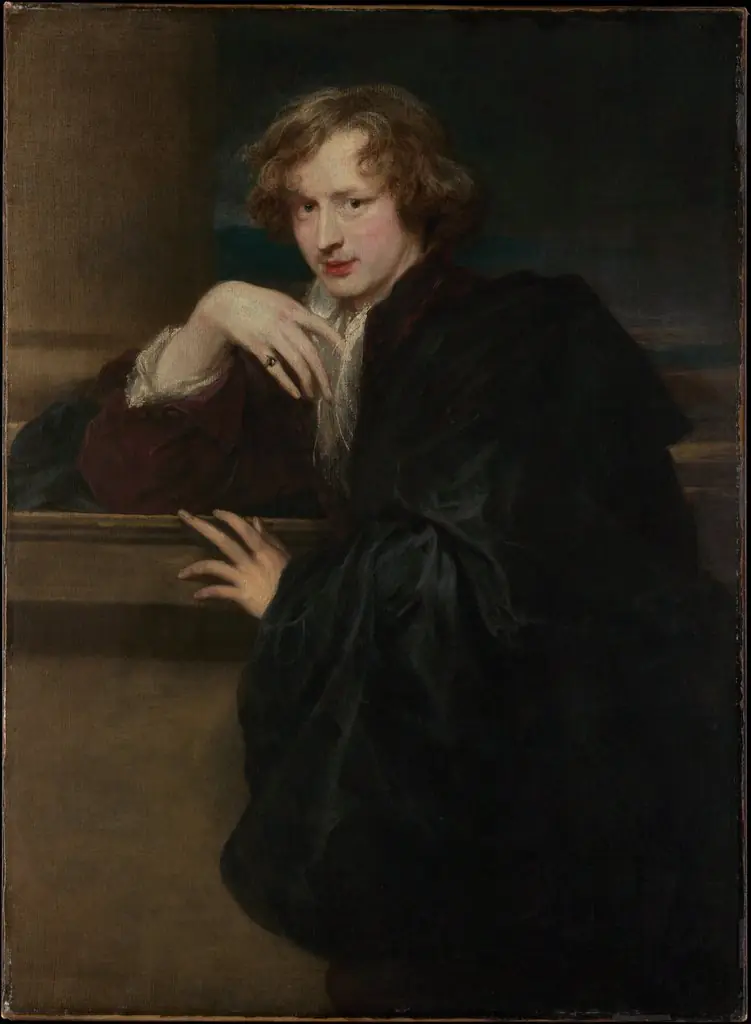
Own this work as a print
Artist & collection
Artist
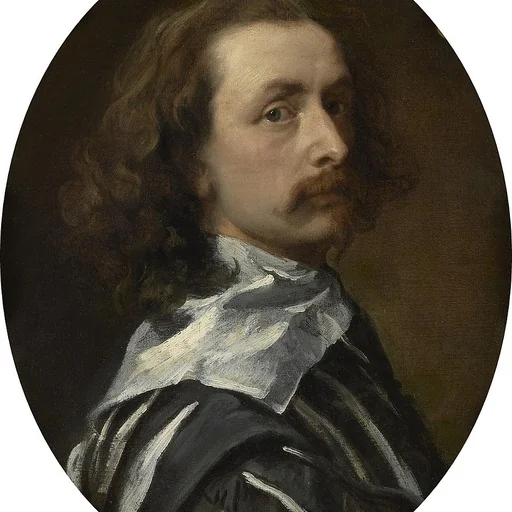
Sir Anthony van Dyck (; Dutch: Antoon van Dijck; 22 March 1599 – 9 December 1641) was a Flemish Baroque artist, who became the leading court painter in England after success in the Spanish Netherlands and Italy.

- Self-Portrait
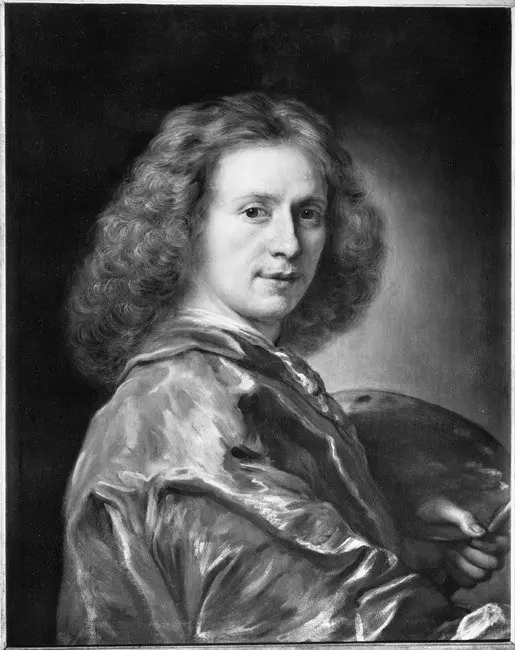 Self-portrait
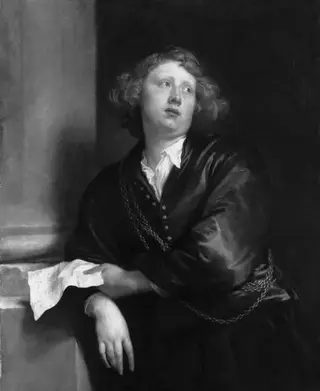 Portrait of the organ player Hendrik Liberti
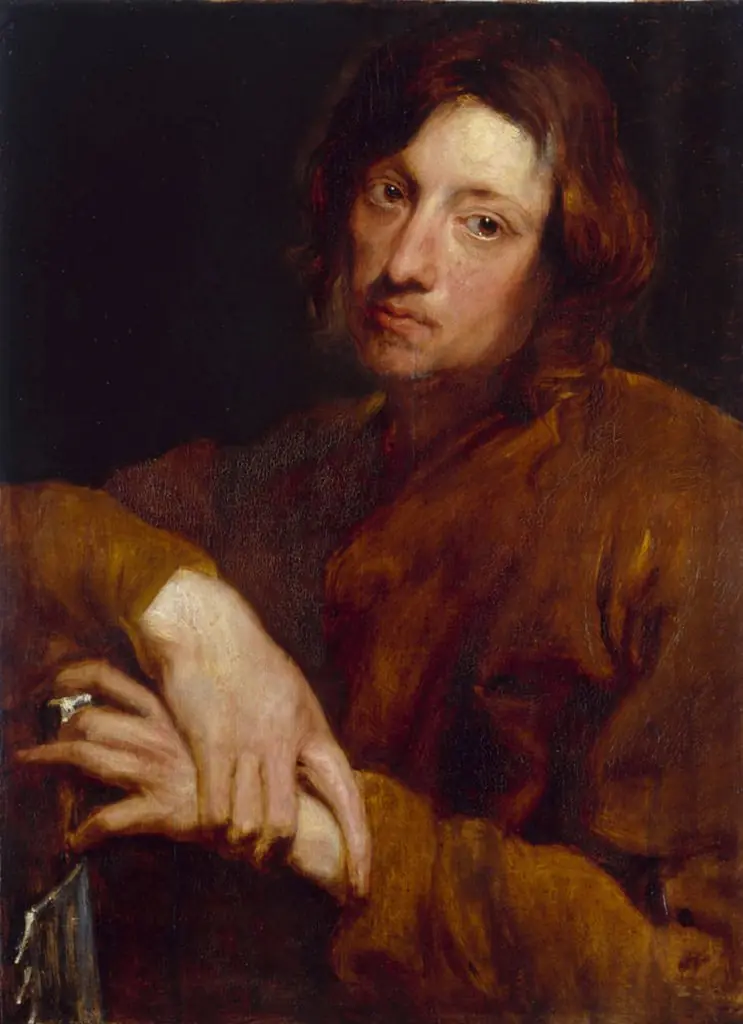 Simon the Apostle
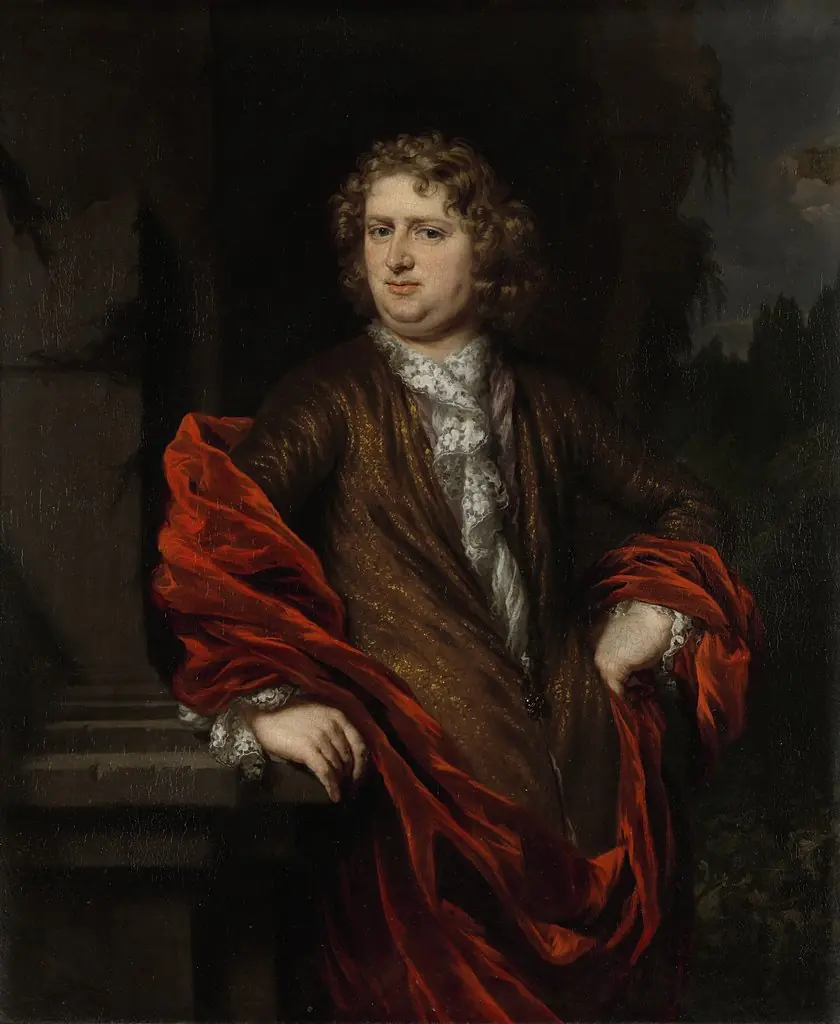 Portrait of Pieter Groenendijk
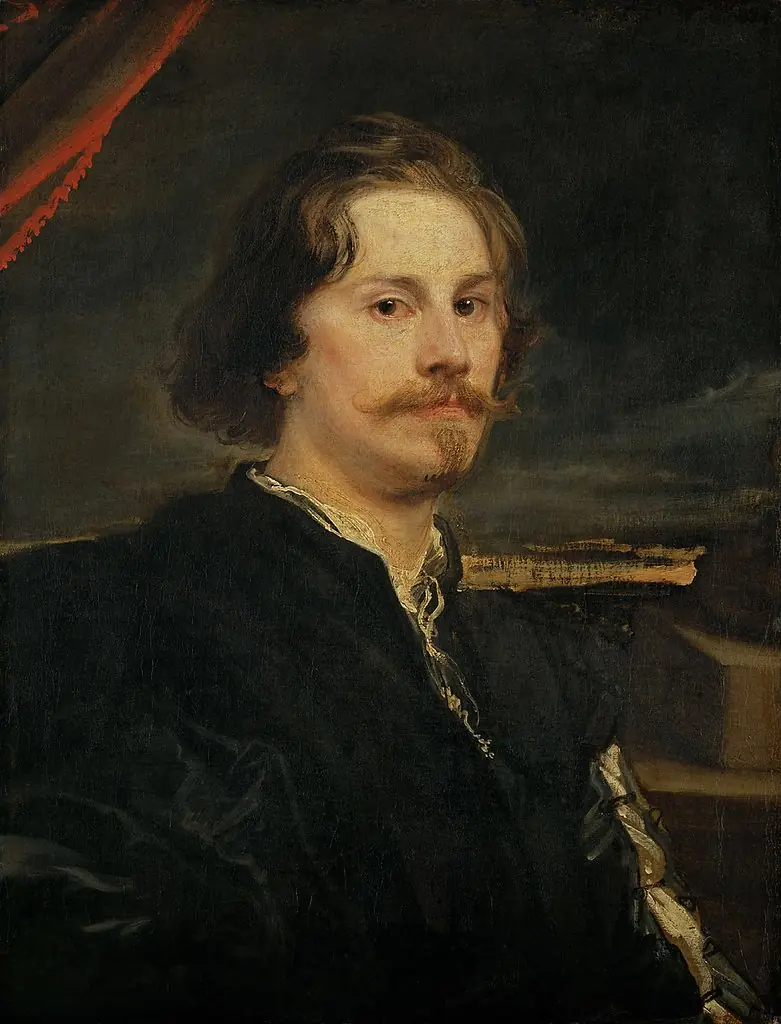 Portrait of Pieter Soutman
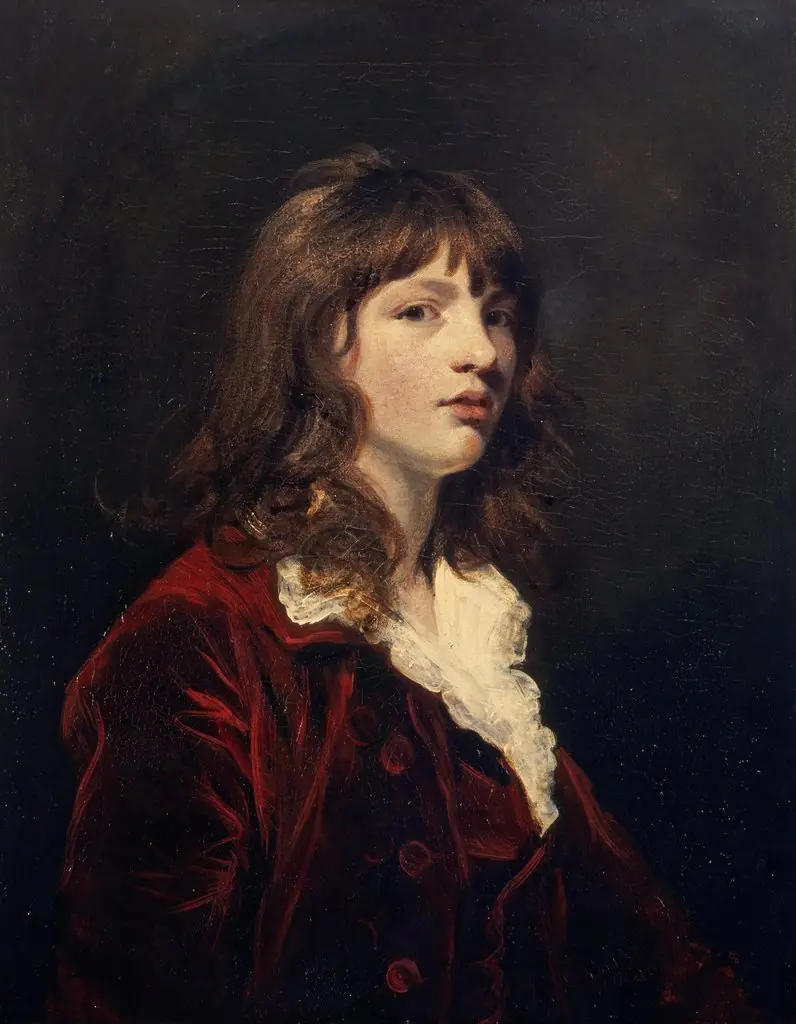 Alexander Douglas-Hamilton, later 10th Duke of Hamilton and 7th Duke of Brandon (1767 - 1852)
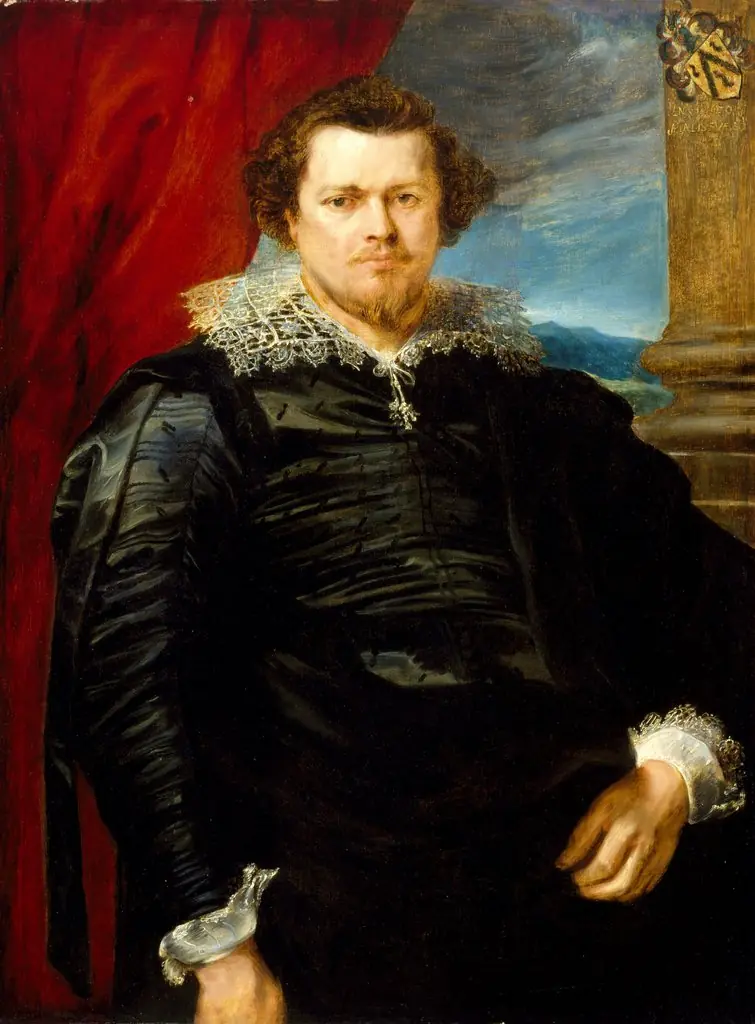 Portrait of Jaspar de Charles van Nieuwenhoven
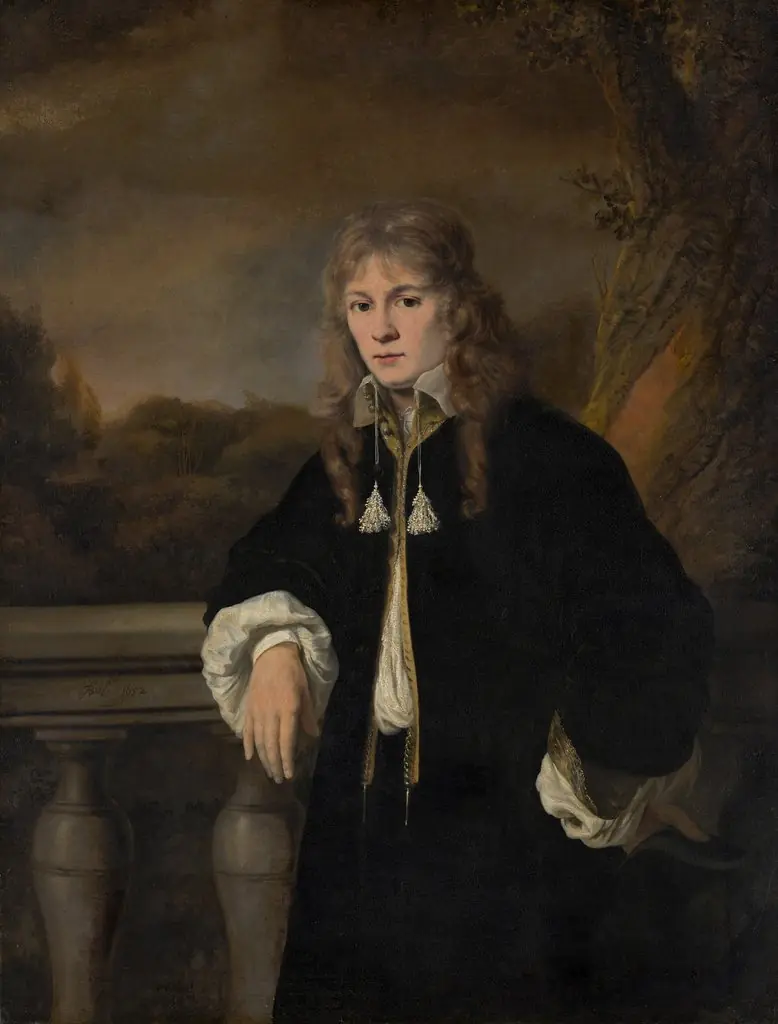 Portrait of a Young Man, presumably Louis Trip Jr (1638-1655)
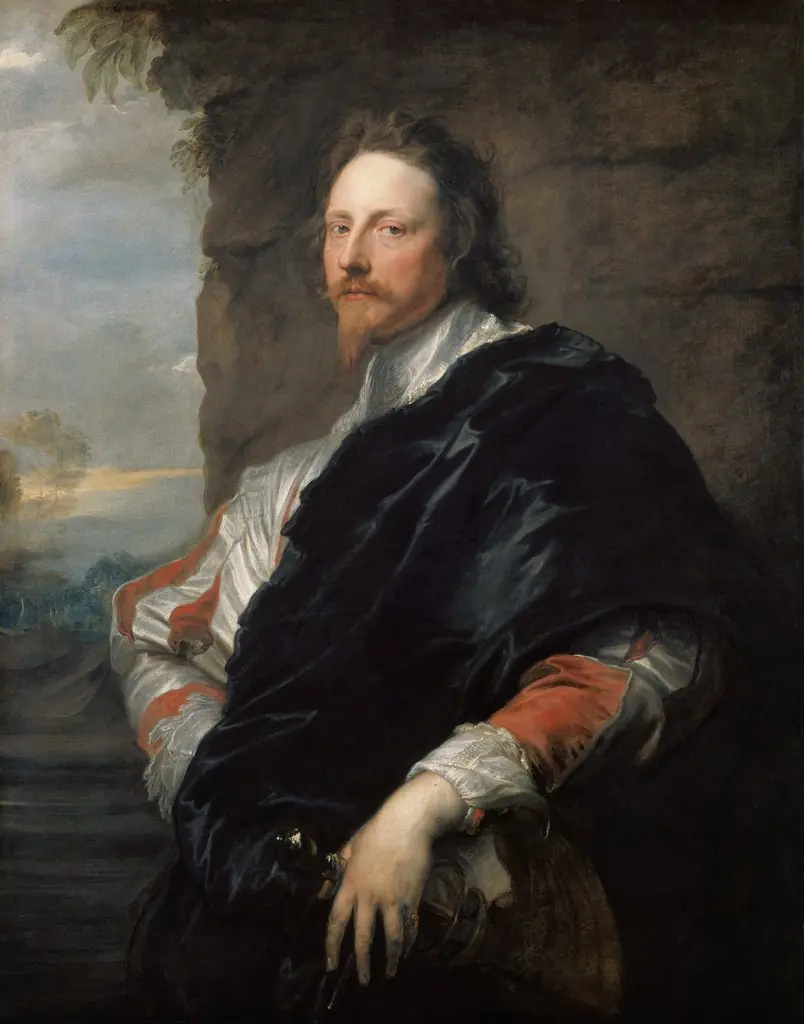 Nicolas Lanier
 Portrait of a Man