Artwork
Signing the Declaration of Independence
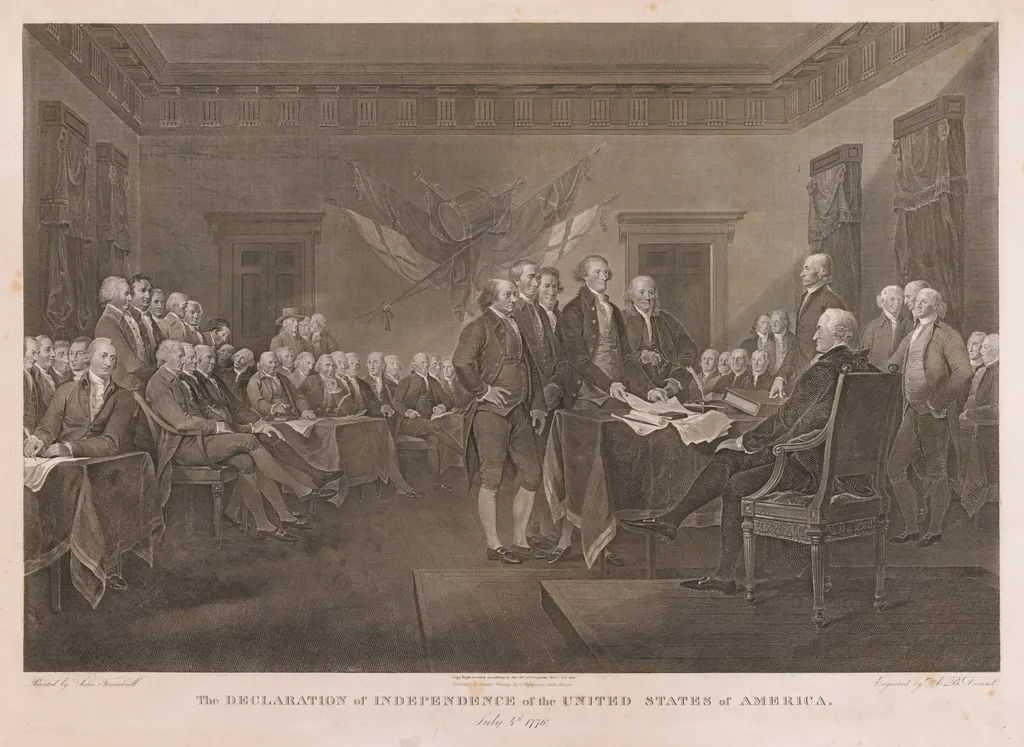
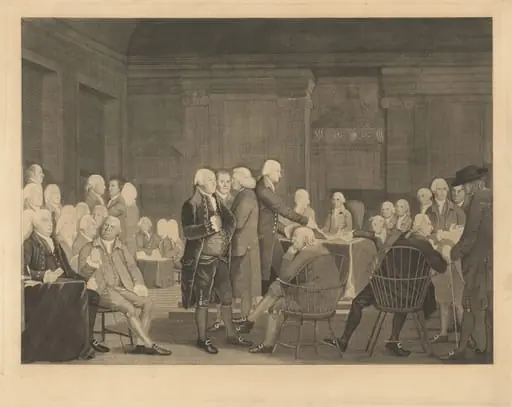
Signing the Declaration of Independence is a print by the Romanticist artist Asher Brown Durand. It dates from 1823 and is held in the collection of the Cleveland Museum of Art. Asher B.
- Accession no.
- 1919.675
- Credit line
- Gift of George A. Goddard
About this work
The title at the bottom says "The Declaration of Independence of the United States of America, July 4th 1776.
This black-and-white print shows a crowded room with men in old-fashioned coats and wigs. Some stand at a table, holding papers, while others sit watching. The room has fancy moldings and tall windows. Outside, ships and a flag are faintly visible through the glass.
The title at the bottom says "The Declaration of Independence of the United States of America, July 4th 1776." But this wasn’t painted in 1776, it’s a later version of the event.
Look up Romanticism next to see how this style shaped history paintings.
Overview
Asher B. Durand produced this black-and-white engraving in 1823, nearly fifty years after the event it portrays. Created early in his career, the work reflects his initial interest in historical subjects before he turned primarily to landscape painting. As an engraver trained in commercial reproduction, Durand translated a widely circulated scene into a detailed print, meeting public demand for visual representations of national origins.
Subject & Meaning
The scene captures the moment delegates gathered to sign the Declaration of Independence on July 4, 1776. Figures are arranged around a long table, some signing documents, others observing. The composition emphasizes collective action and solemnity, reinforcing the gravity of the act.
Faint glimpses of ships and a flag beyond the windows subtly connect the interior moment to the broader struggle for sovereignty and maritime independence.
Technique & Style
Durand employed fine-line engraving to render intricate details of clothing, architecture, and facial expressions. The monochrome palette enhances the formal dignity of the scene, while the precise rendering of moldings, windows, and drapery reflects his training in commercial printmaking. The arrangement of figures and lighting follows conventions of historical painting, aligning with Romantic-era ideals of heroism and civic virtue.
History & Provenance
The print was made for widespread distribution, likely as part of a series commemorating American revolutionary events. It was not commissioned by the government but emerged from the growing market for patriotic imagery in the early 19th century. Durand’s version drew from existing portraits and textual accounts, adapting them into a cohesive narrative suitable for public consumption and educational use.
Context
In the 1820s, the United States was consolidating its national identity, and visual depictions of founding moments became culturally significant. Durand’s print responded to this need, offering a tangible image of unity and resolve during a period of political realignment. Though not historically accurate in every detail, it served as a symbolic anchor for emerging civic ideals.
Legacy
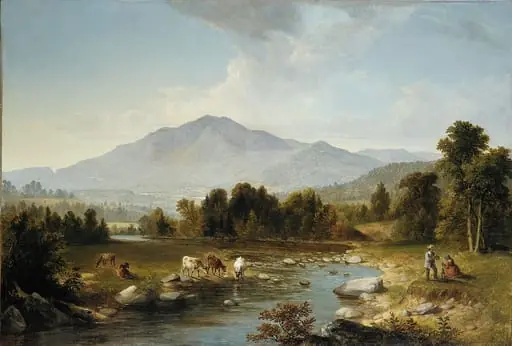
Though Durand later abandoned historical subjects for landscapes, this engraving remains one of the earliest widely circulated visual interpretations of the Declaration’s signing. It influenced later artists and illustrators who sought to depict American history with similar gravitas. Its endurance lies not in its precision, but in its role as a cultural touchstone in shaping collective memory of the Revolution.
Own this work as a print
Artist & collection
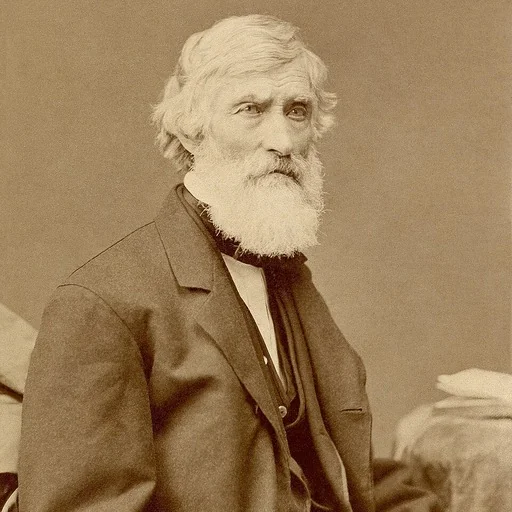
Artist
Asher Brown Durand spent his life in the rolling hills of New Jersey, where the forests and farmland shaped his quiet, deliberate way of seeing.

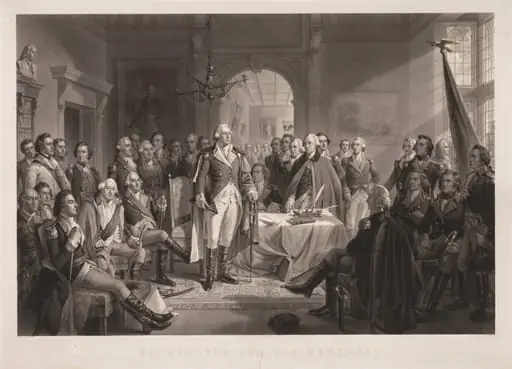
- Washington and His Generals with Key
 Congress Voting Independence
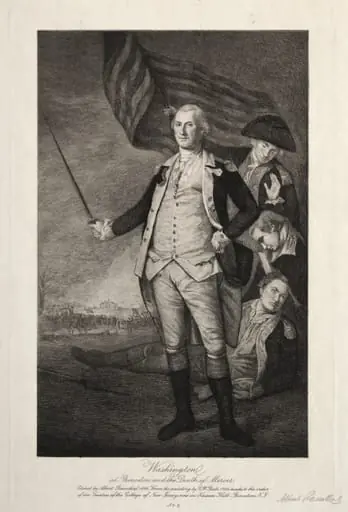 George Washington at Princeton
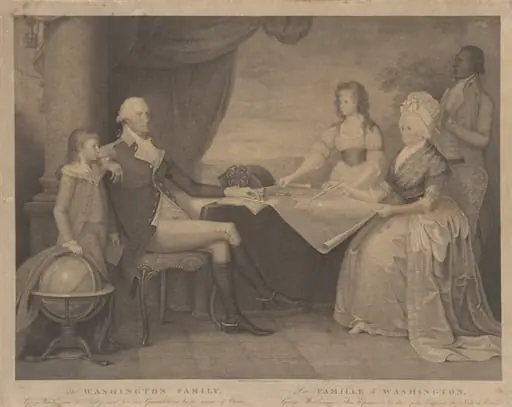 The Washington Family
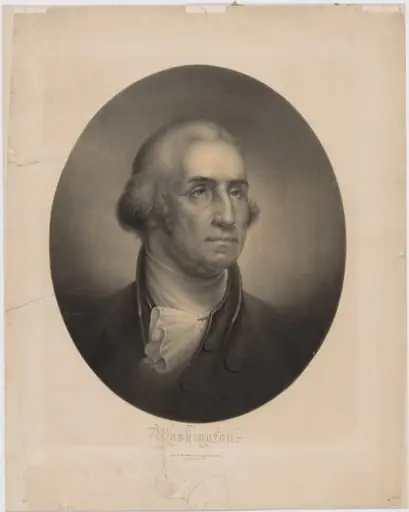 Washington
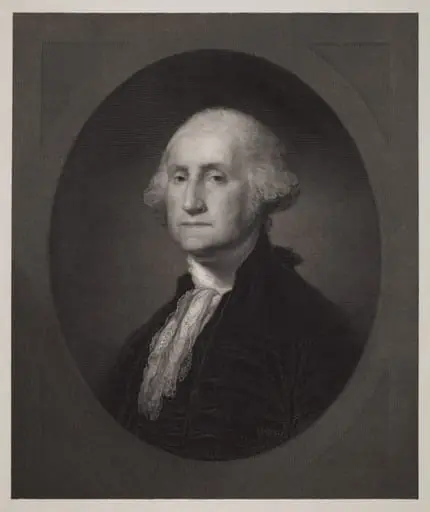 George Washington
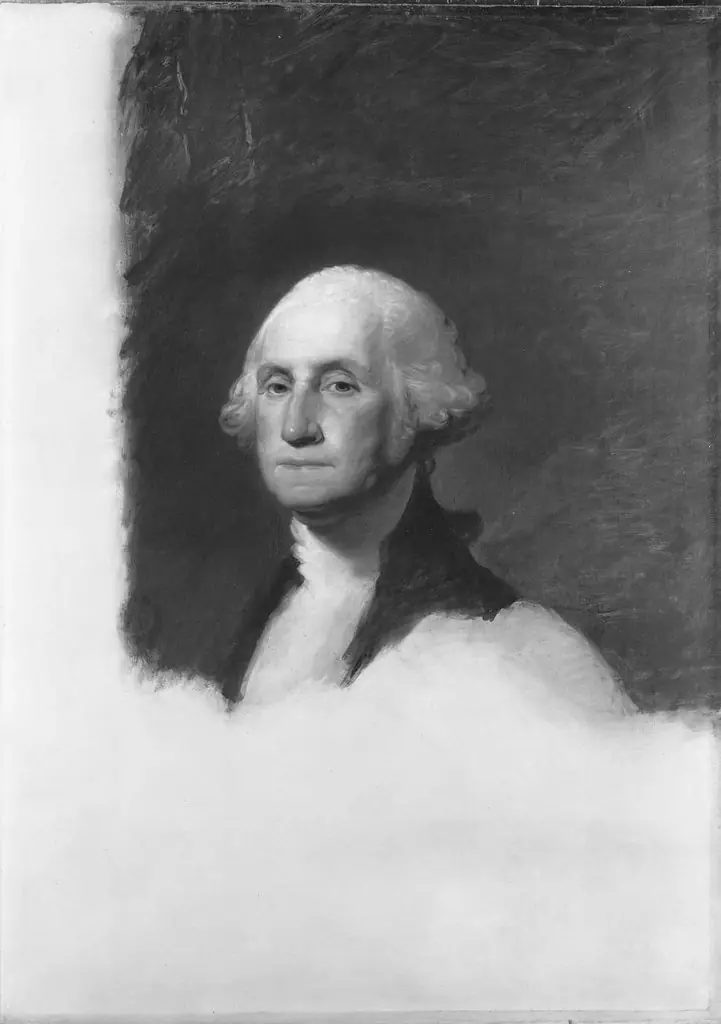 George Washington
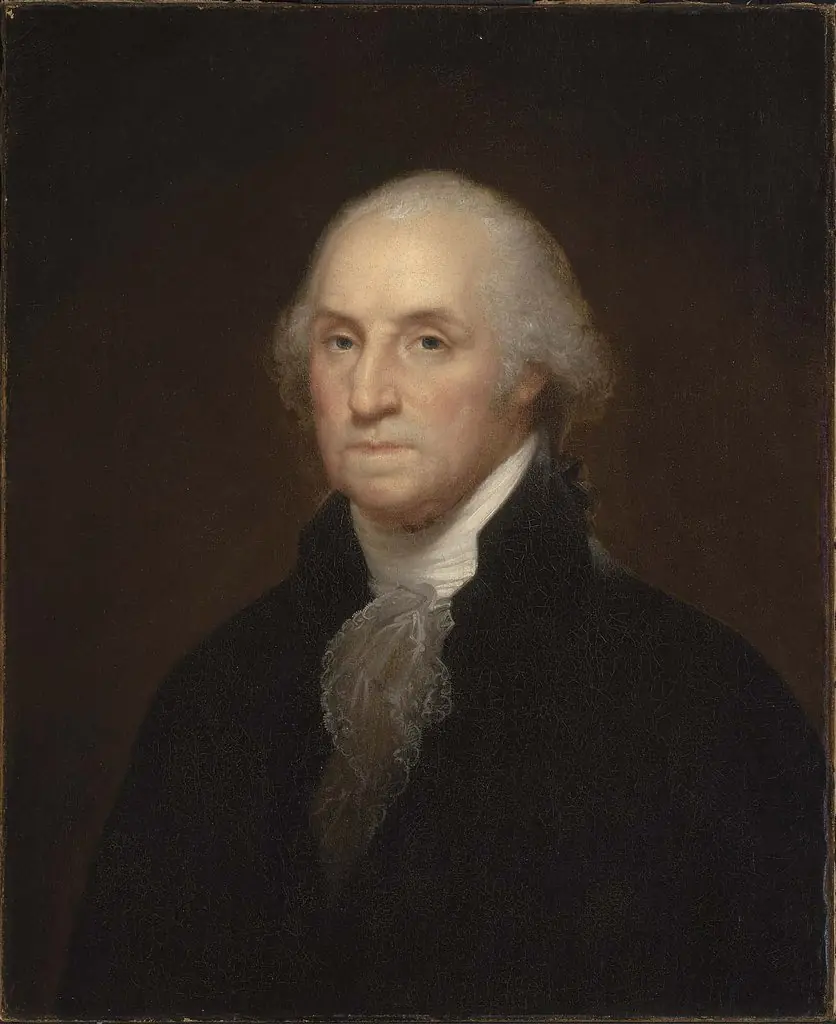 George Washington
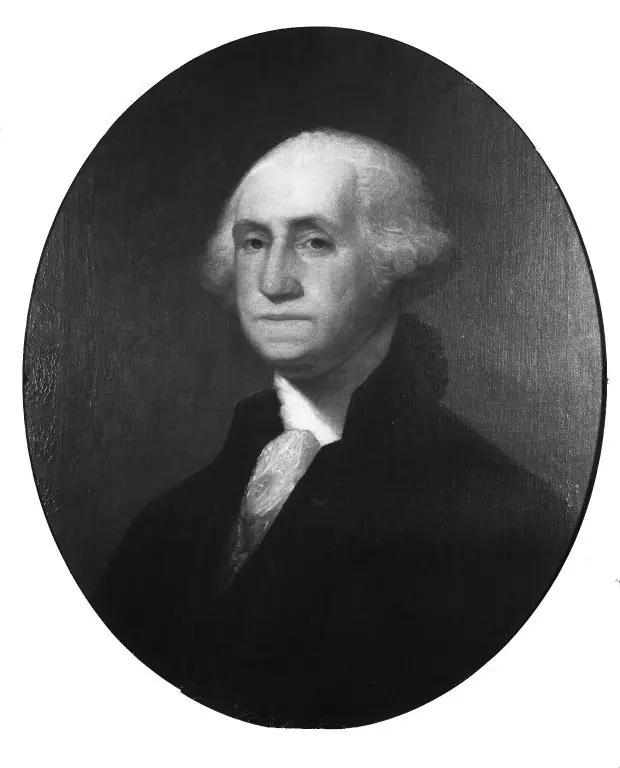 George Washington (after Gilbert Stuart)
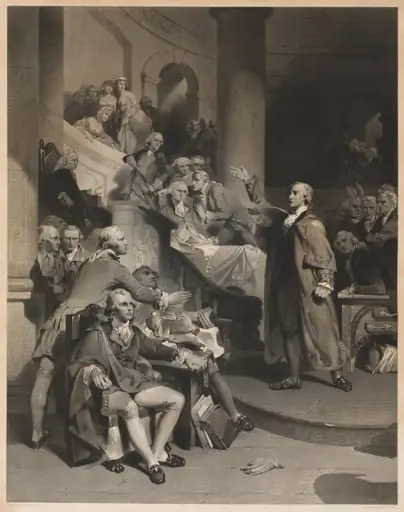 Patrick Henry Delivering His Celebrated Speech in the House of Burgesses, Virginia
 George Washington
 George Washington