Artwork
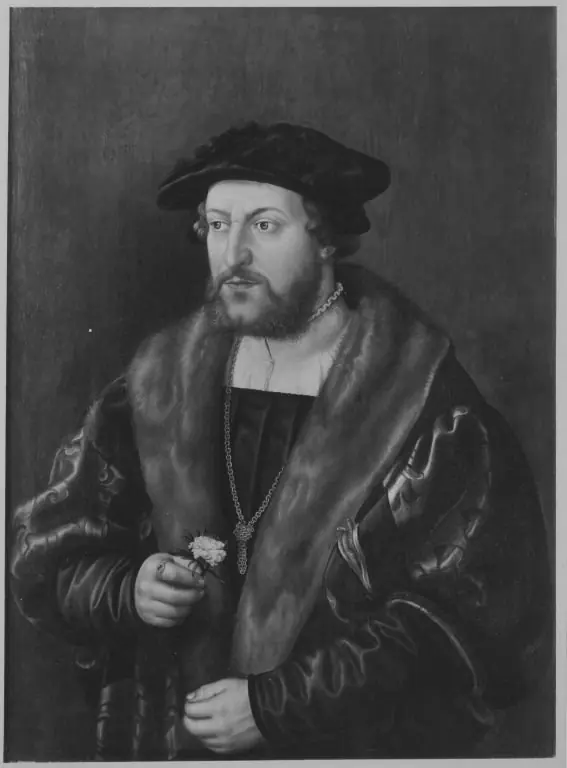
Hans Urmiller and his son
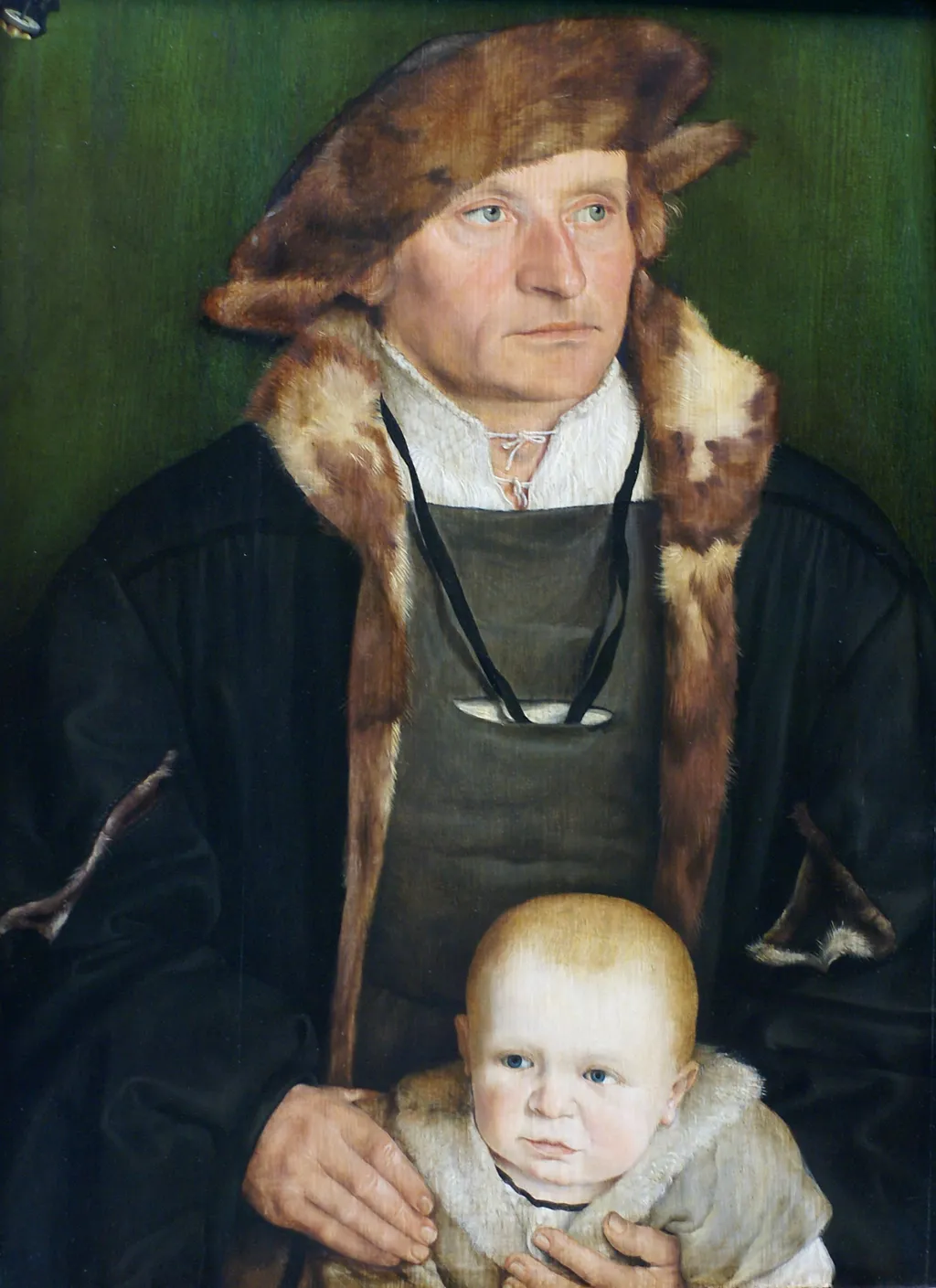
Hans Urmiller and his son is an unspecified painting by the Early Baroque Italian artist Barthel Beham. It dates from 1525 and is held in the collection of the Städel Museum.
About this work
Overview
Painted in 1525 by Barthel Beham, this mixed-media portrait captures Hans Urmiller, a Nuremberg merchant, with his infant son. The work is part of the Städel Museum’s collection in Frankfurt. Its intimate scale and detailed rendering reflect the Northern Renaissance tradition of domestic portraiture, emphasizing familial bonds rather than public status.
Subject & Meaning
The father’s attire, brown hat, black coat with fur trim, signals affluence, yet the composition avoids overt display of wealth.
The painting portrays a father holding his young child, the boy’s gaze directed outward, engaging the viewer. The father’s attire, brown hat, black coat with fur trim, signals affluence, yet the composition avoids overt display of wealth. The tender physical connection between parent and child suggests themes of lineage, care, and the continuity of family, common in civic humanist ideals of the period.
Technique & Style
Beham employed mixed media, likely tempera and oil on panel, to achieve fine detail in textures: the fur collar, the infant’s linen shirt, and the rich green background. The figures are rendered with precise line work and subtle modeling, typical of the Nuremberg school. The flat, unmodulated backdrop isolates the subjects, focusing attention on their interaction and clothing.
History & Provenance
The painting has remained in institutional hands since at least the 19th century, entering the Städel Museum’s collection through documented acquisitions. Its survival through centuries of political and cultural change reflects its recognized value among collectors of early German art. No earlier ownership records are publicly known, but its subject’s identity as a Nuremberg burgher aligns with local patronage patterns of the time.
Context
Created during the early Reformation, the portrait reflects the rising prominence of secular, non-noble families in German art. Unlike religious altarpieces, such works celebrated civic identity and domestic life. Beham, influenced by Dürer, contributed to this shift, portraying individuals with psychological presence rather than symbolic function.
Legacy
Though not widely reproduced, the painting exemplifies the quiet dignity of Northern Renaissance portraiture. It contributes to scholarly understanding of how merchant classes used art to assert social standing through familial imagery. Beham’s handling of texture and expression influenced later genre scenes in German and Dutch painting.
Own this work as a print
Artist & collection

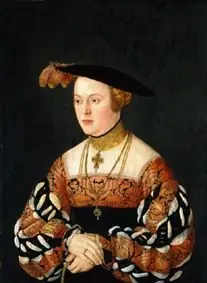 Portrait of Marie of Baden
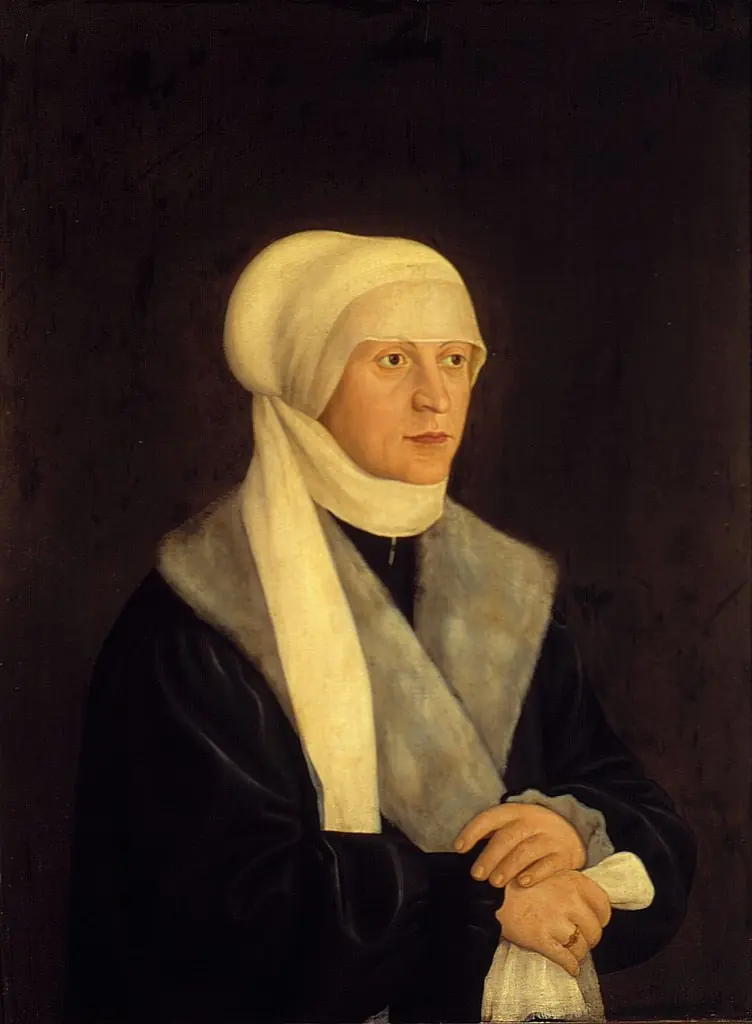 Portrait of Sabina of Bavaria
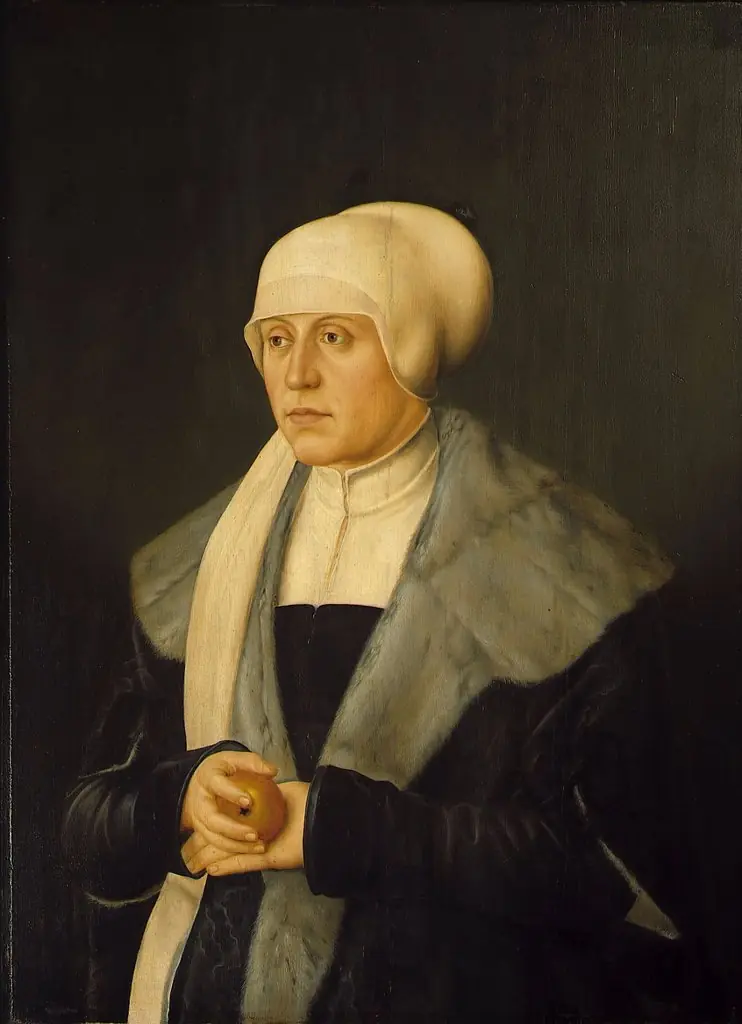 Kunigunde of Austria, wife of Duke Albrecht IV of Bavaria
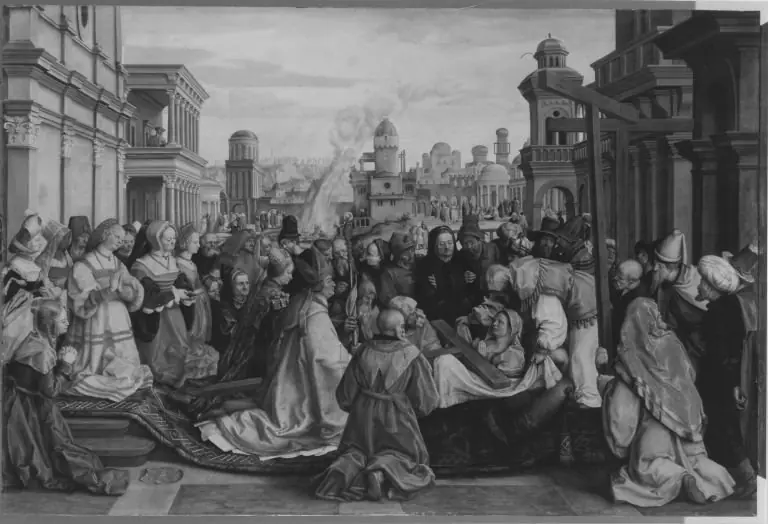 Historienzyklus: Kreuzauffindung der hl. Helena
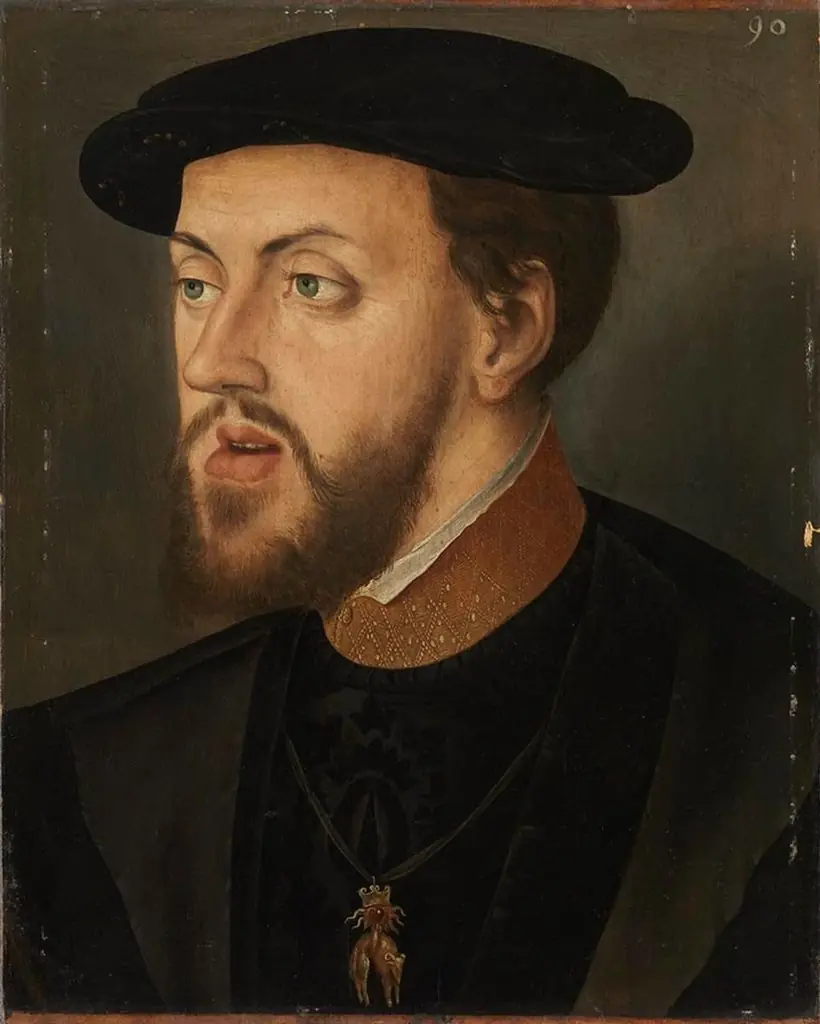 Emperor Charles V
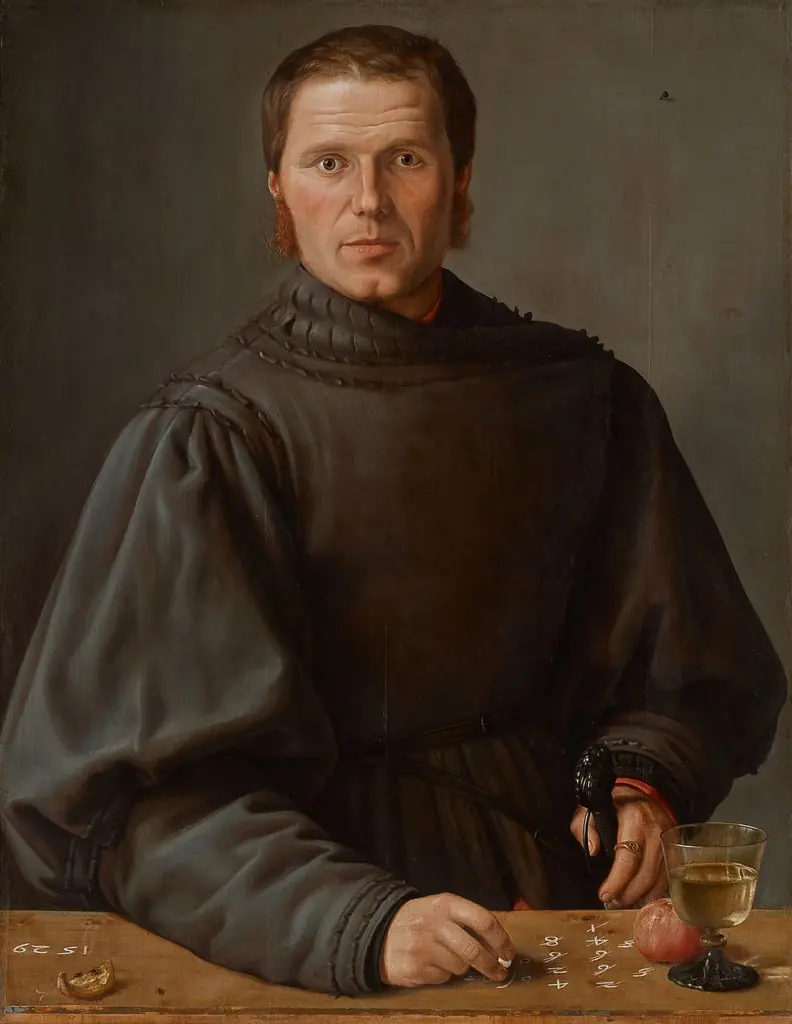 Portrait of a Man
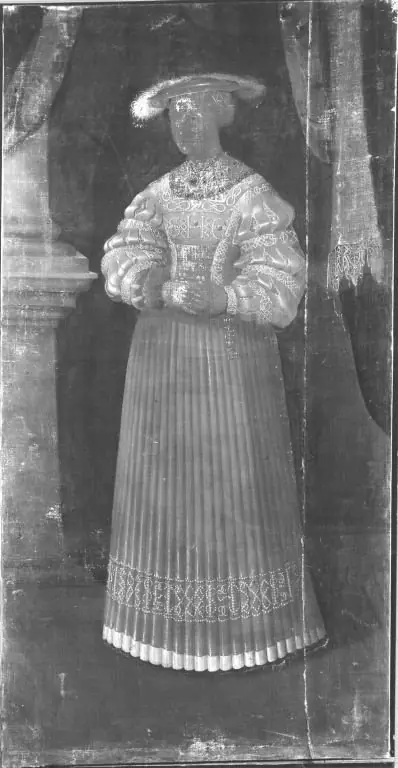 Susanna von Brandenburg, Gemahlin Ottheinrichs (Seitenverkehrte Kopie nach Inv.-Nr. 2450) (Kopie nach)
 Portrait of Herzog Johann III, Paltzgraf bei Rhein (1488-1538)