Artwork
Self portrait
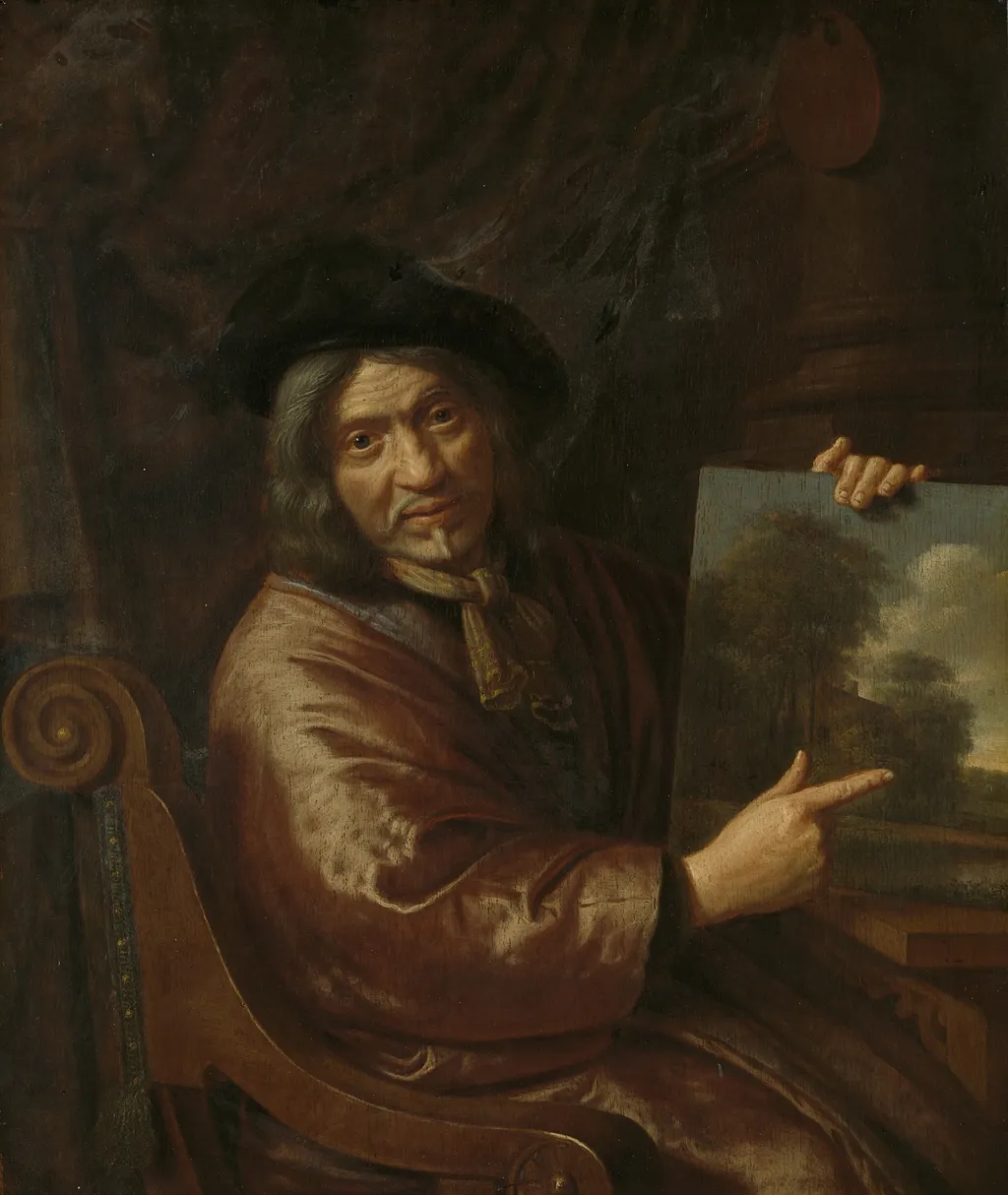
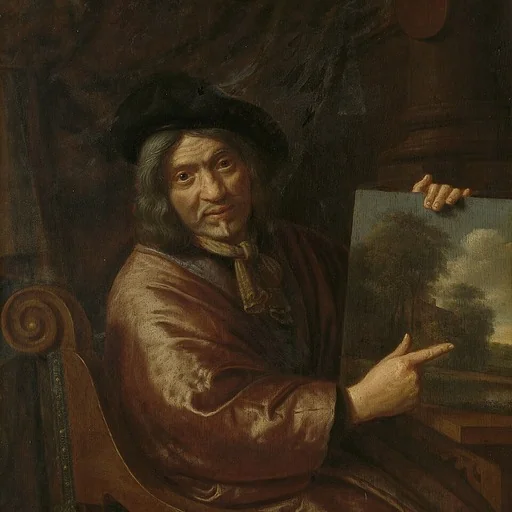
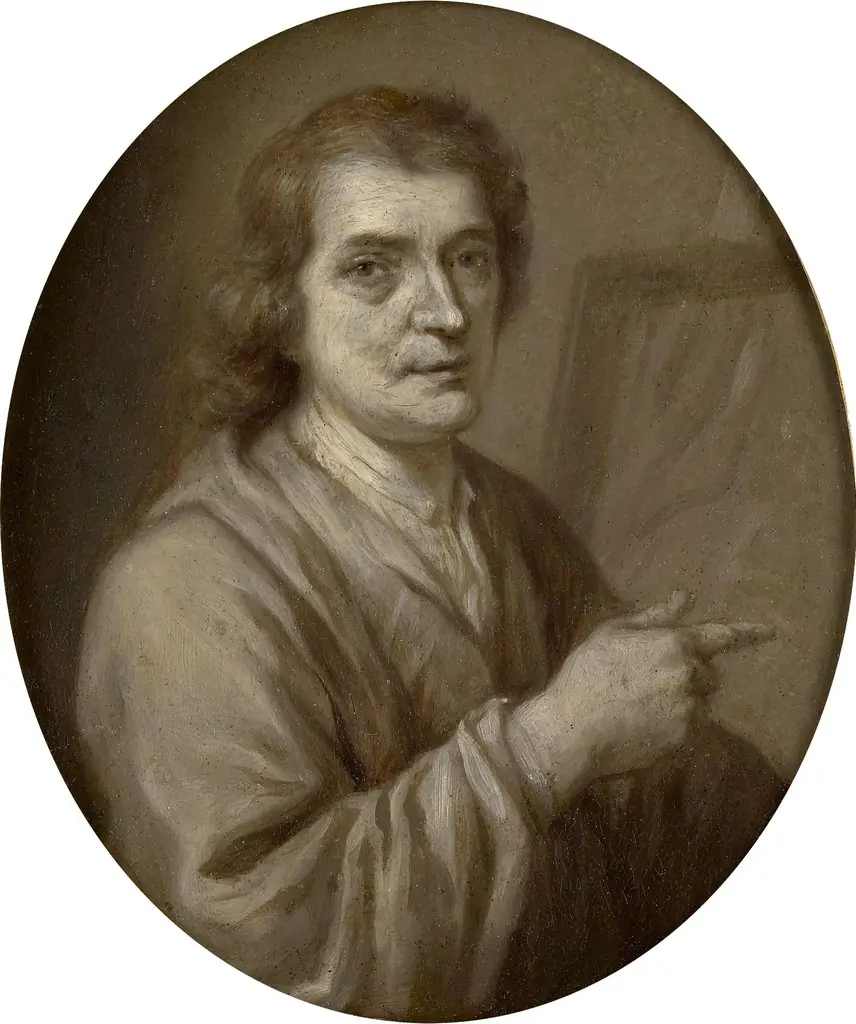
Self portrait is an oil painting by the Rococo painting artist Pieter van Asch. It is held in the collection of the Rijksmuseum.
About this work
Technique & Style
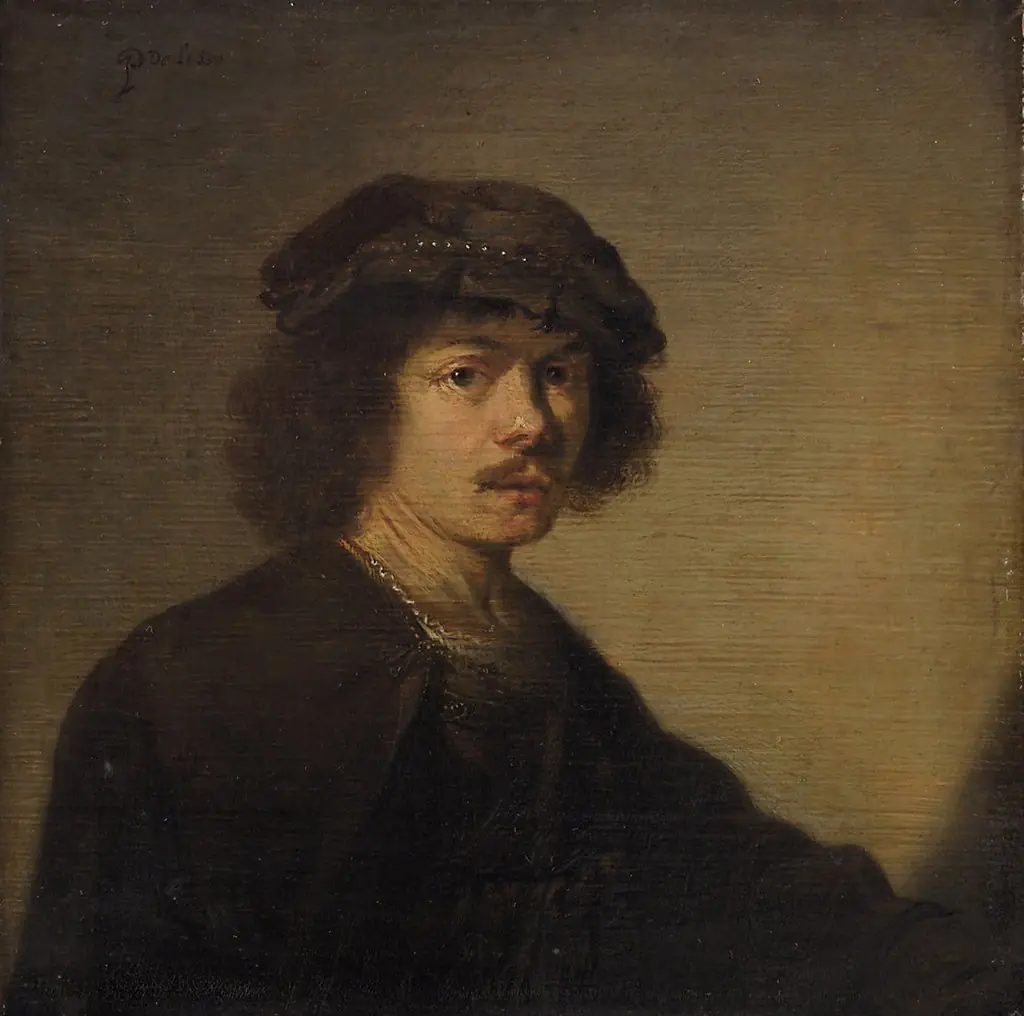
Pieter van Asch's Self portrait, executed in 1700, is an oil painting on a panel support. The work measures 51.5 cm in height and 43.5 cm in width. As a self-portrait, the composition focuses entirely on the artist as the main subject, adhering to the conventions of the genre. The piece is currently held in the collection of the Rijksmuseum.
History & Provenance
The work was created as a personal likeness rather than a commissioned piece, reflecting the artist's practice of documenting his own appearance in later life.
Pieter van Asch painted a self portrait in 1700 as an oil work on panel measuring 51.5 by 43.5 centimeters. The painting entered the collection of the Rijksmuseum and remains part of its holdings, continuing to be displayed in the museum's gallery dedicated to Dutch portraiture.
The work was created as a personal likeness rather than a commissioned piece, reflecting the artist's practice of documenting his own appearance in later life. Its creation history is documented solely by the date recorded in the artist's catalogue entries, with no evidence of external patronage or specific commissioning details.
The Self portrait by Pieter van Asch is held in the collection of the Rijksmuseum, where it is recorded as part of that institution's holdings. According to the available records, the painting entered the museum's collection, and its location is documented as the Rijksmuseum.
The work is catalogued as an oil-on-panel painting measuring 51.5 cm in height by 43.5 cm in width, dated to 1700. It depicts the artist himself and is classified within the museum's collection as a self-portrait.
No specific accession number or detailed exhibition history is recorded in the available sources for this work.
Context
The work occupies a pivotal place in early Dutch portraiture, reflecting the emergence of self-representation as a means of artistic identity during the late Baroque period. Contemporary scholarship notes its technical precision and psychological depth, positioning it alongside other early 18th-century self-portraits that explore individuality within the constraints of genre conventions. The painting's subject, Pieter van Asch, was a minor yet documented figure in Amsterdam's artistic circles, and this portrait contributes to the broader narrative of artists asserting intellectual agency through visual self-commentary.
Its formal qualities, particularly the rendering of texture and light, have been cited in academic analyses as exemplars of regional stylistic traits within the Dutch Republic's painting tradition.
Overview
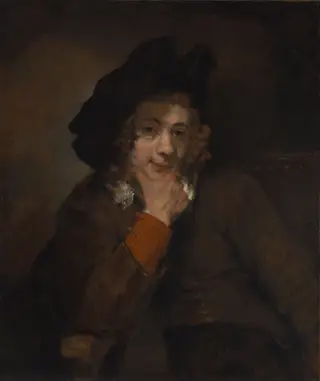
Pieter van Asch’s self‑portrait, executed in oil around 1700, is part of the Rijksmuseum’s collection. The work presents the artist seated, his posture directing attention toward an unseen point. Dressed in a dark hat, a high‑collared brown coat and a light‑toned shirt, he adopts a composed, slightly amused expression that captures a moment of personal introspection.
Subject & Meaning
The painting functions as a visual autobiography, allowing van Asch to control his own representation. By pointing forward, he suggests engagement with his craft or an intellectual pursuit, while the subtle smile hints at confidence in his artistic identity. The composition therefore serves both as a likeness and a statement of professional self‑awareness.
Own this work as a print
Artist & collection