Artwork
Nicolás Omazur
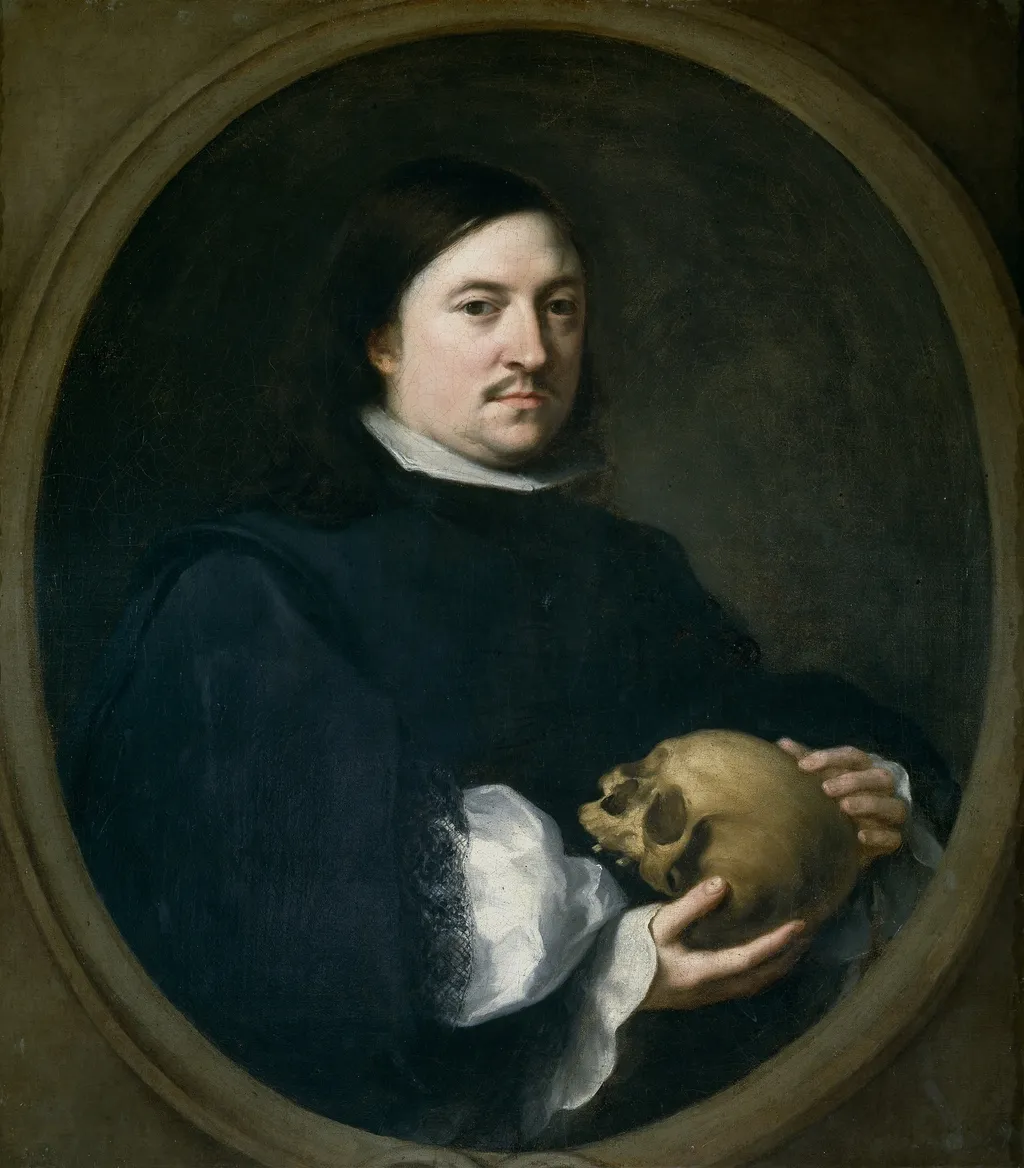
Nicolás Omazur is an oil painting by the Spanish Baroque Tenebrist artist Bartolomé Esteban Murillo. It dates from 1672 and is held in the collection of the Museo del Prado.
About this work
Subject & Meaning
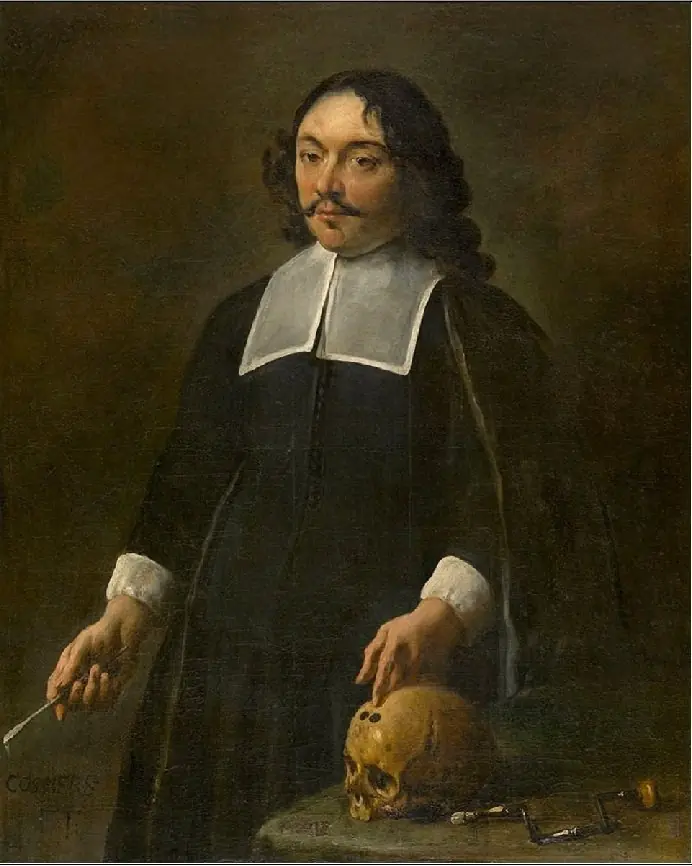
The defining symbolic element is a skull incorporated into the composition, transforming the work from a straightforward likeness into a memento mori.
Murillo's portrait of Nicolás Omazur centers on the sitter himself, rendered in the tradition of seventeenth-century Spanish portraiture. The defining symbolic element is a skull incorporated into the composition, transforming the work from a straightforward likeness into a memento mori. The presence of the skull signals a meditation on mortality, reminding the viewer of the transience of life even within the context of an individual's painted image.
By pairing the sitter's features with this emblem of death, Murillo imbues the portrait with a moralizing dimension typical of Baroque devotional and commemorative imagery, where personal identity is set against the universal certainty of human finitude.
Technique & Style
Nicolás Omazur is an oil-on-canvas portrait executed by Bartolomé Esteban Murillo in 1672. The work depicts a skull, a subject often associated with vanitas themes, rendered through the artist's characteristic handling of oil paint. Measuring 83 cm in height and 73 cm in width, the painting is held in the collection of the Museo del Prado. The medium and support consist of oil paint applied to a canvas surface.
History & Provenance
The portrait of Nicolás Omazur was created by Bartolomé Esteban Murillo in 1672. Executed in oil paint on canvas, the work measures 83 cm in height and 73 cm in width. The painting is currently held in the collection of the Museo del Prado, where it remains located.
Context
Murillo painted this portrait in 1672, depicting a skull within an oil on canvas composition measuring 83 by 73 centimeters. The work belongs to the portrait genre and is part of the Museo del Prado's collection, reflecting the Spanish Baroque period's preoccupation with vanitas themes. Scholarship emphasizes its significance within Murillo's oeuvre as a meditation on mortality, situating it within broader Spanish Golden Age artistic traditions and the development of portraiture that blends realism with symbolic meaning.
Overview
Created in 1672 by the Spanish Baroque artist Bartolomé Esteban Murillo, this oil painting presents a solitary figure clutching a skull. The composition is dominated by deep shadows, drawing the eye to the illuminated objects in the foreground. The work is part of the Museo del Prado’s permanent collection and exemplifies Murillo’s engagement with moralizing imagery.
Own this work as a print
Artist & collection
Artist
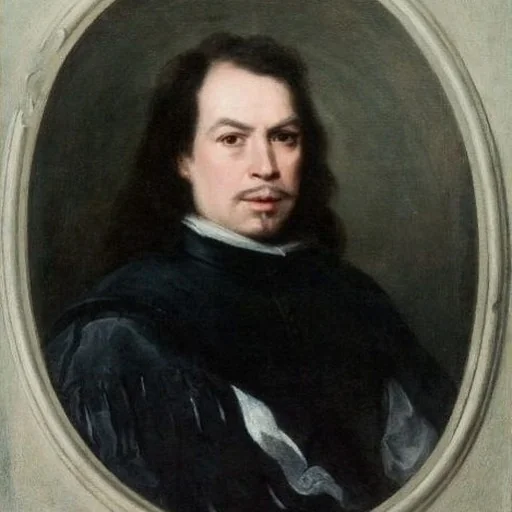
Bartolomé Esteban Murillo ( mure-IL-oh, m(y)uu-REE-oh, Spanish:; late December 1617, baptised 1 January 1618 – 3 April 1682) was a Spanish Baroque painter.

- Portrait of a Man
 Portrait of a physician
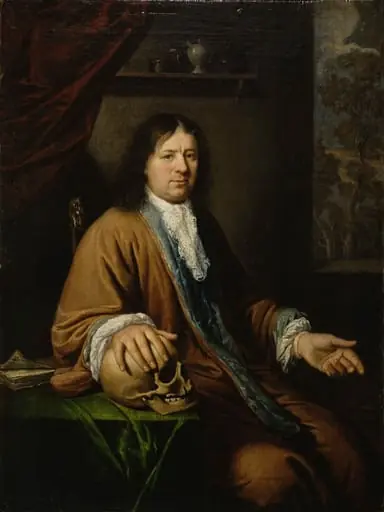 Lääkärin muotokuva
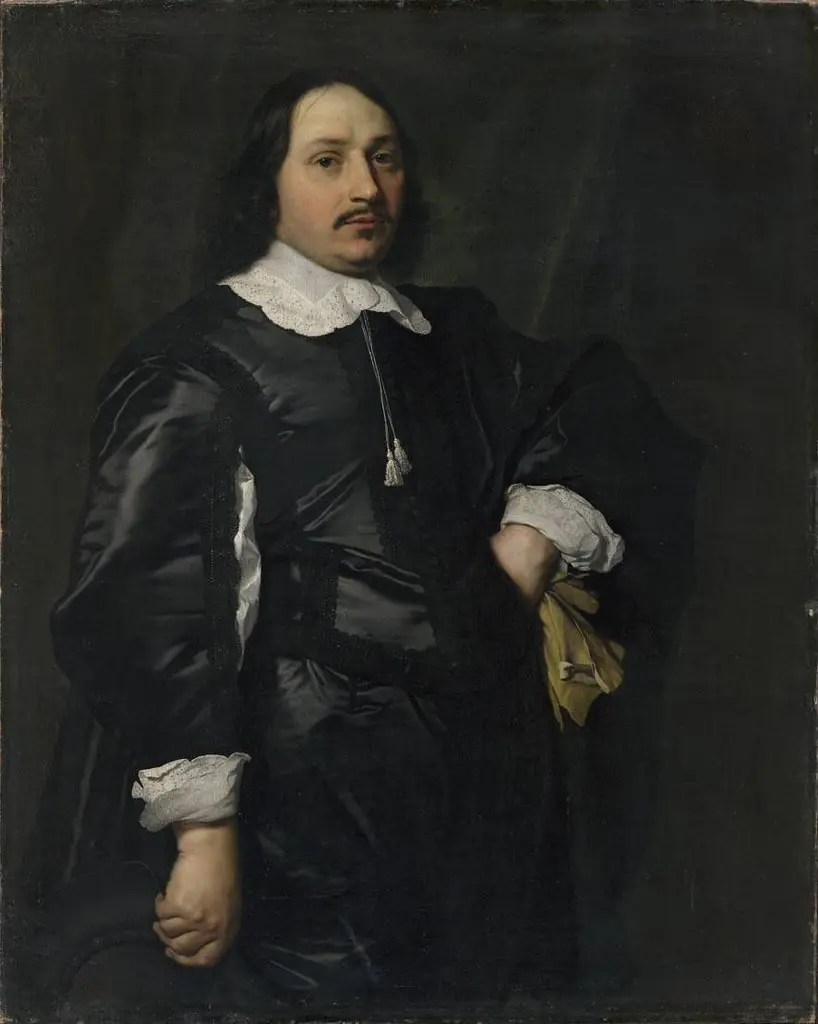 Portrait of a Man in Black
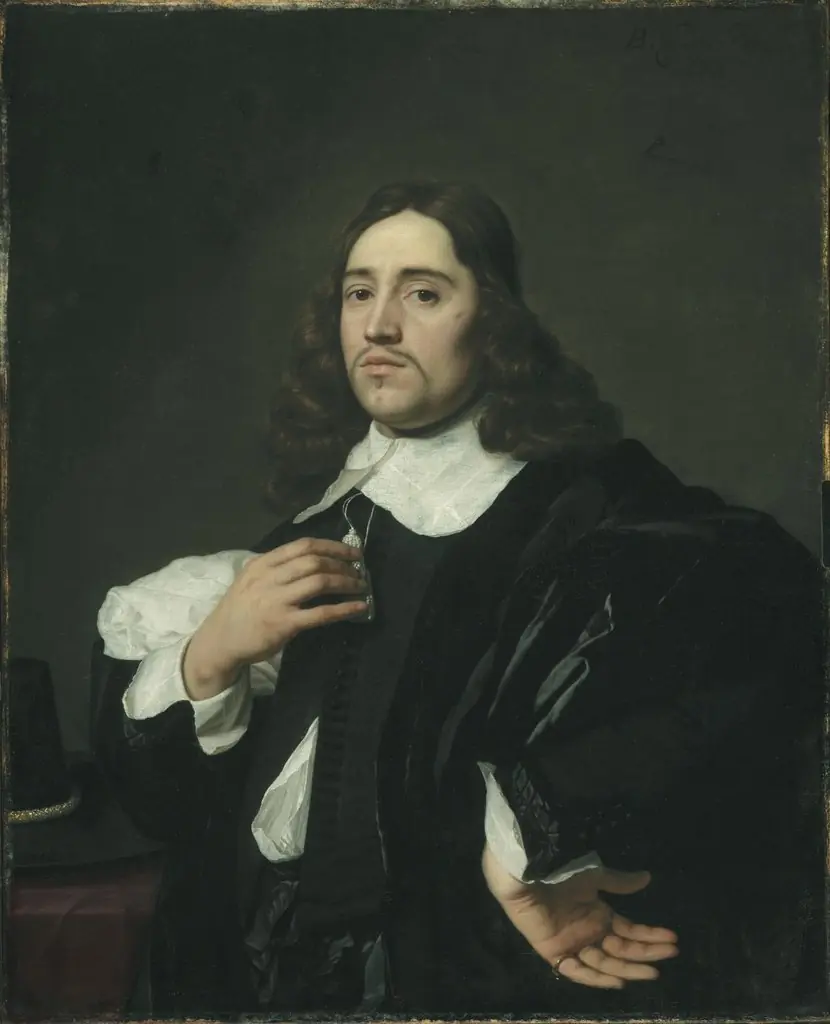 Portrait of a Gentleman (hand on hip)
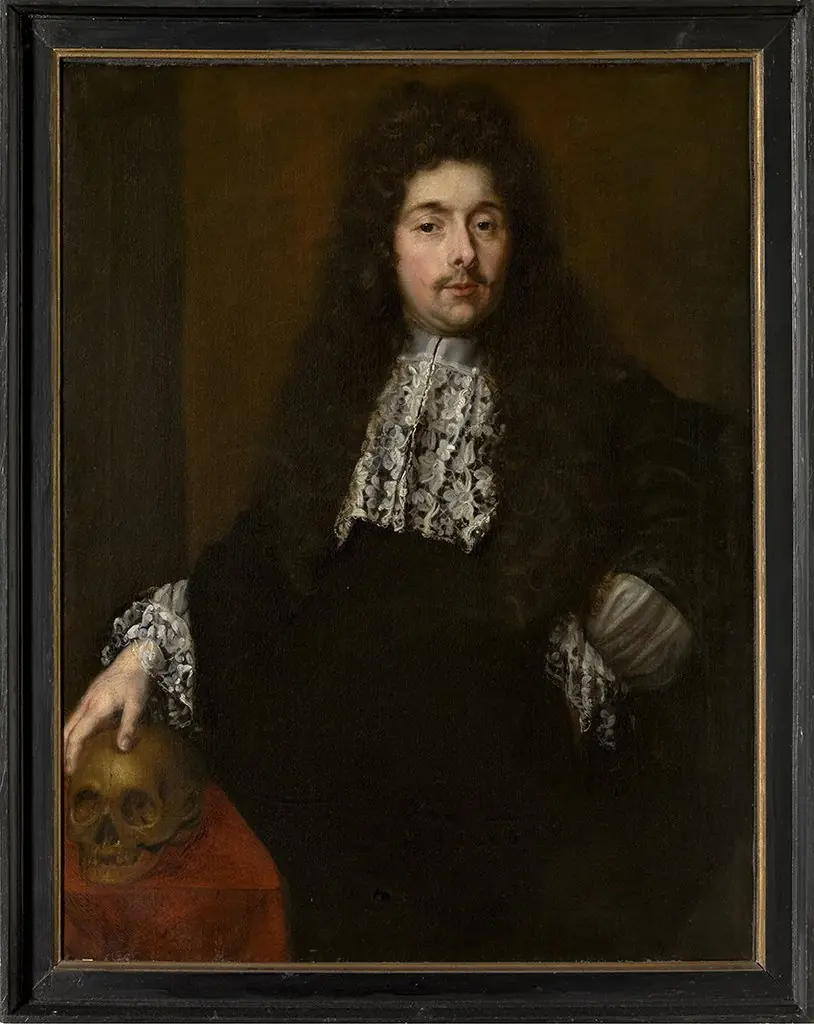 Portrait of Hendrik Franssens, Dean of the Surgeons' Guild in Bruges
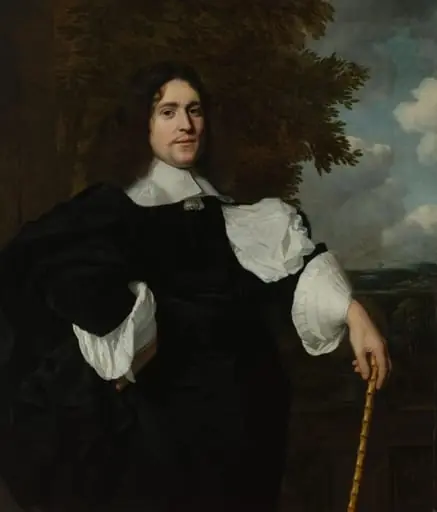 Jacobus Trip (1627-70), Armaments Dealer of Amsterdam and Dordrecht
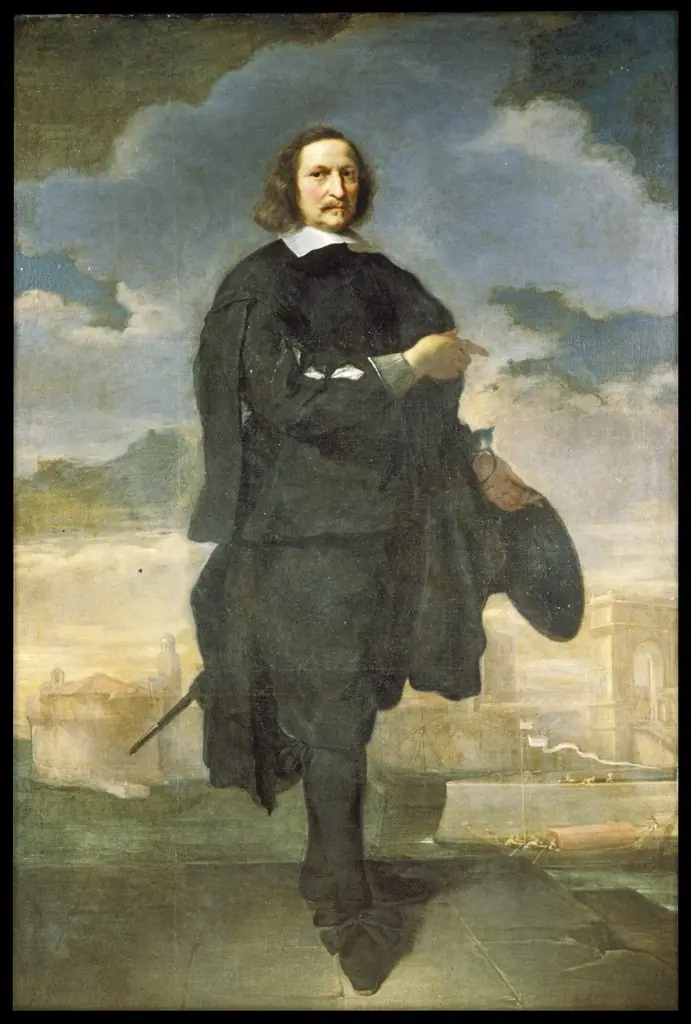 Portrait of Balthasar van der Goes
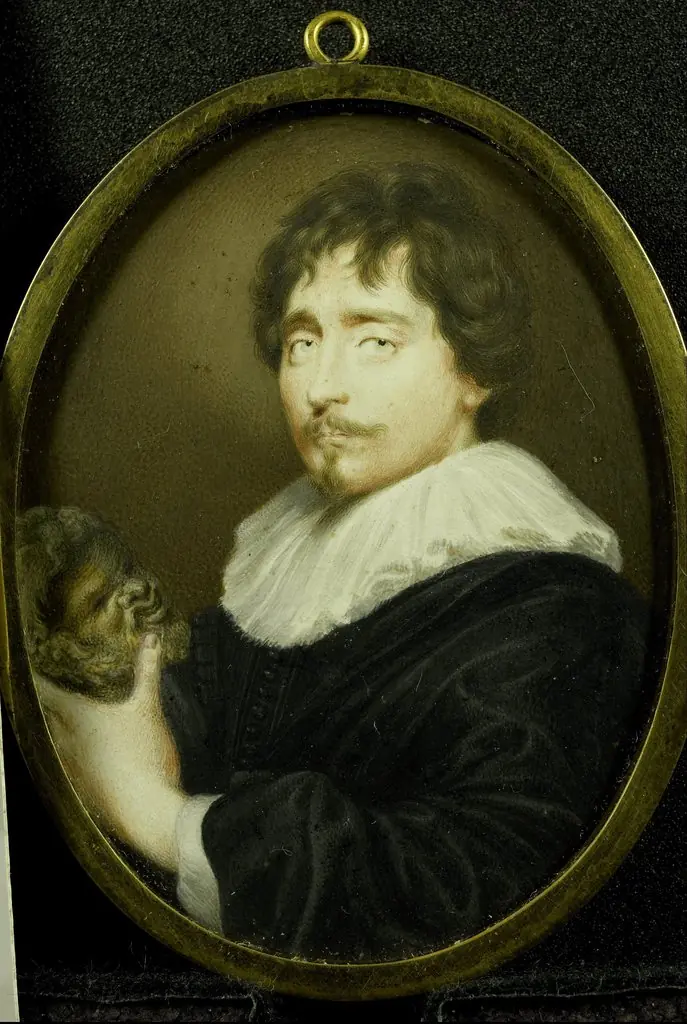 Portrait of a man with a sculpture of a head of Silenus in his hand
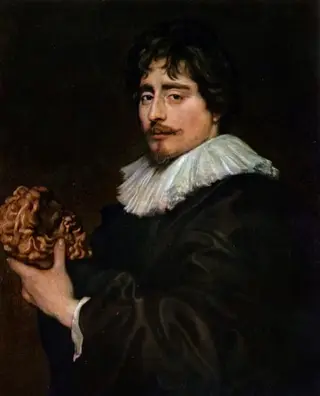 Portrait of the Sculptor François Duquesnoy
 Portret van een man
 Self portrait