Artwork
The Holy Family
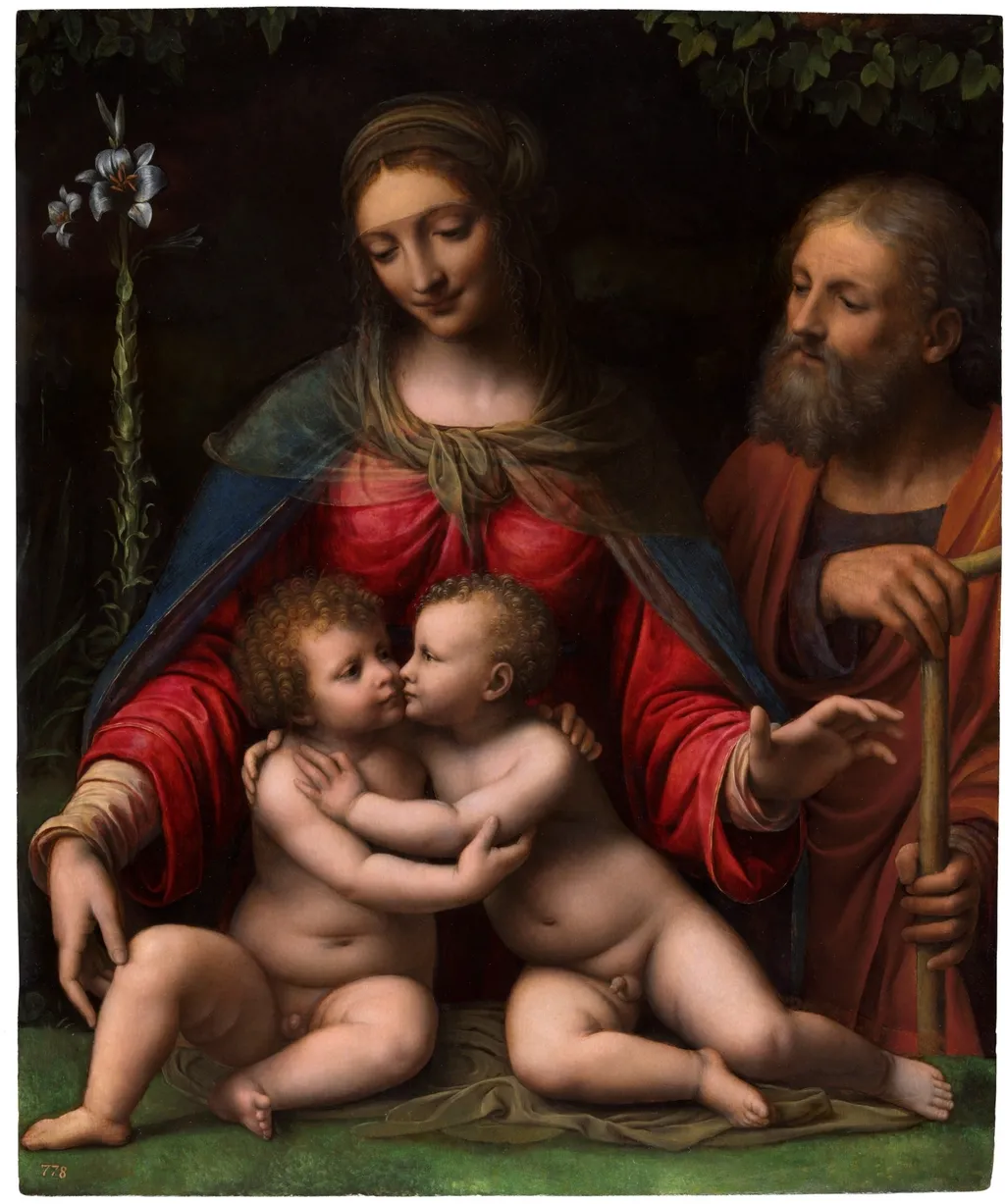
The Holy Family is an unspecified painting by the High Renaissance artist Luini Bernardino. It dates from 1501 and is held in the collection of the Museo del Prado.
About this work
Subject & Meaning
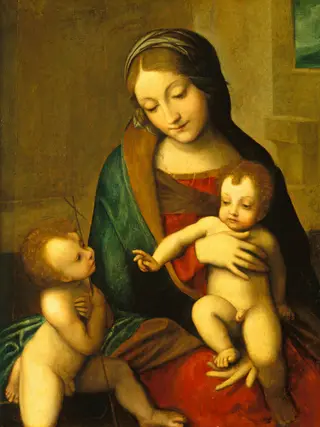
Luini's panel focuses on the tender interaction among the three figures, presenting the Child at the center of his parents' attention.
The painting depicts the Holy Family, a devotional subject comprising the Virgin Mary, the Christ Child, and Saint Joseph. In Christian iconography, this grouping represents the earthly nuclear family of Jesus and serves as a model of piety, humility, and domestic harmony, a theme especially favored during the Renaissance for private devotion.
Luini's panel focuses on the tender interaction among the three figures, presenting the Child at the center of his parents' attention. The Holy Family as a unified subject emphasizes both the humanity of Christ and the sanctity of family life, themes that resonated with patrons commissioning religious works in early sixteenth-century Italy.
Technique & Style
Executed on a wooden panel, this religious painting measures 100 cm in height and 84 cm in width. The work depicts the Holy Family, featuring the figures of Mary, the Christ Child, and Joseph. Attributed to Bernardino Luini, the piece is dated to 1501, though some records suggest an inception around 1550. The composition adheres to traditional devotional formats characteristic of the artist's treatment of sacred subjects.
History & Provenance
The Holy Family is a panel painting by Bernardino Luini dated to 1501, with an alternative inception date of 1550 also recorded. The work depicts the Mary, Christ Child, and Joseph as its main subject. It is held in the collection of the Museo del Prado, where it is catalogued as P00242.
No further details regarding its commission, prior ownership, or chain of custody are documented in the available sources.
The Holy Family by Bernardino Luini is held in the collection of the Museo del Prado. The work is cataloged within the museum's inventory under the identifier P00242. While the painting's inception is variously dated between 1501 and 1550 in available records, its current location remains the Prado. No specific exhibition history for this panel is detailed in the provided sources.
Overview
Created circa 1501, The Holy Family is a tempera panel by the Lombard painter Bernardino Luini. The work presents the infant Christ together with Mary and Joseph in an intimate domestic setting, surrounded by modest flora. Currently it belongs to the Museo del Prado’s collection, where it is displayed among other Renaissance pieces.
Context
Luini worked in Milan during the High Renaissance, closely associated with Leonardo’s workshop. The Holy Family exemplifies the Lombard tradition of integrating Leonardo’s naturalism with local devotional conventions, catering to private patrons who favored intimate, emotionally resonant religious scenes.
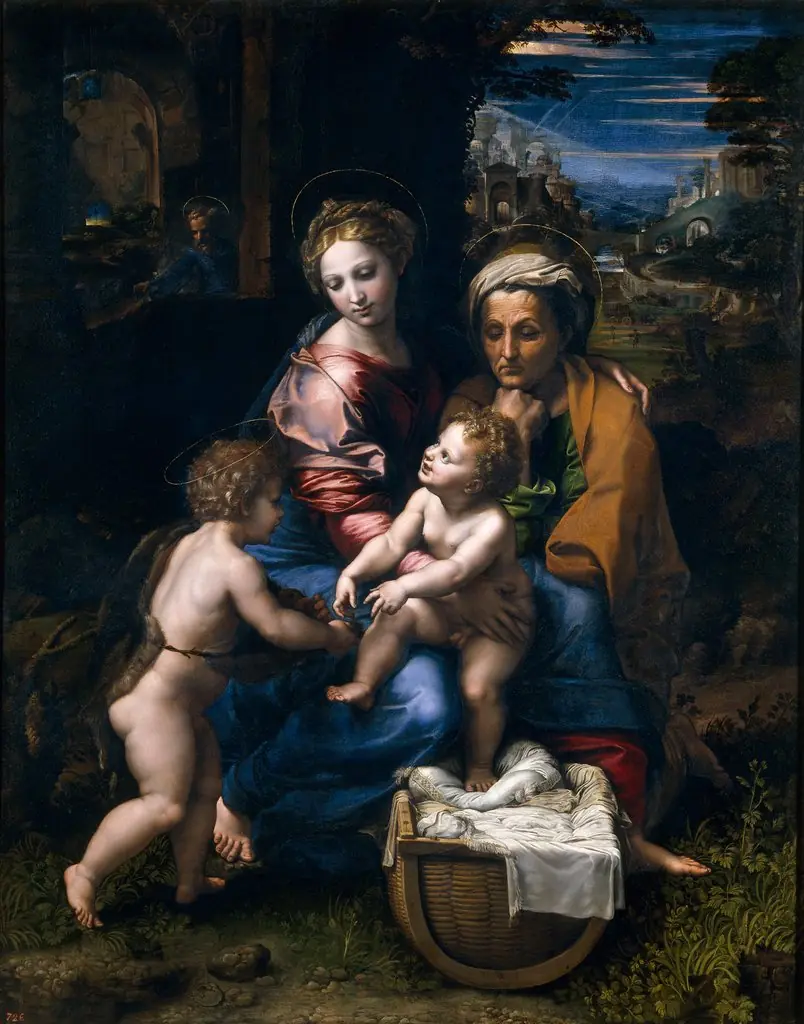
Own this work as a print
Artist & collection

Artist
Bernardino Luini (c. 1480/82 – June 1532) was a north Italian painter from Leonardo's circle during the High Renaissance. Both Luini and Giovanni Antonio Boltraffio were said to have worked with Leonardo directly; he…

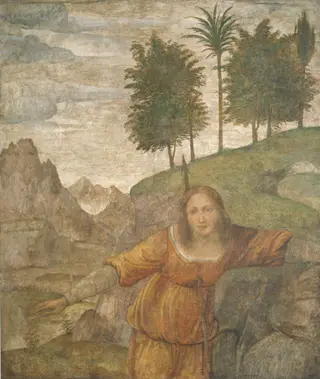
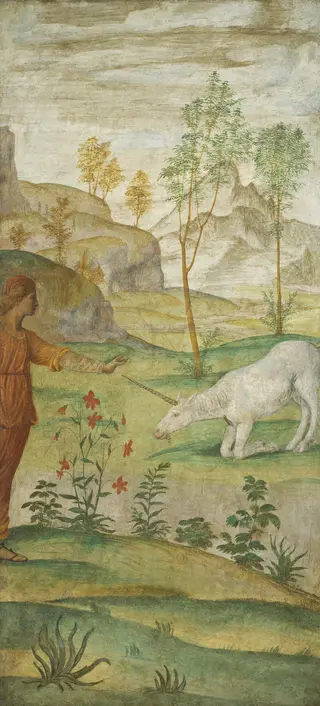
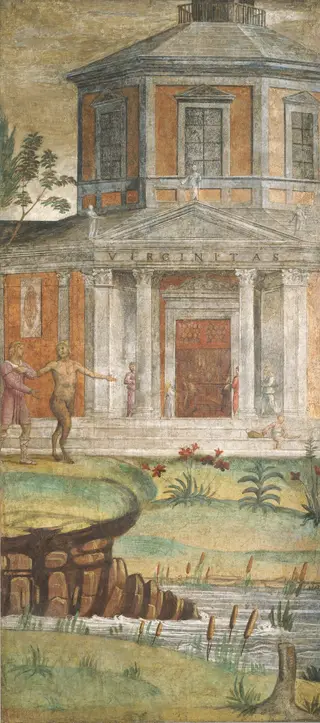
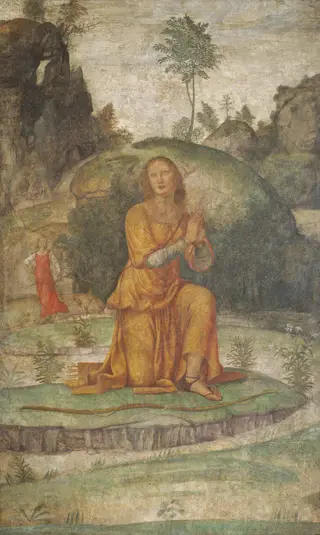
- The Holy Family
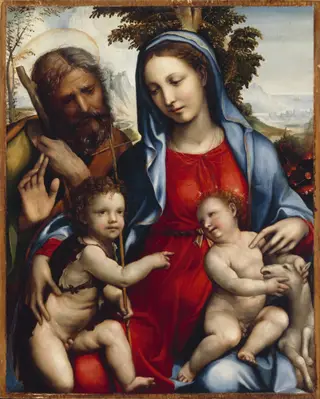 The Holy Family and St. John
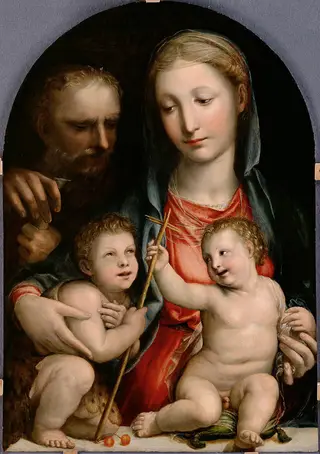 Holy Family with St. John the Baptist as child
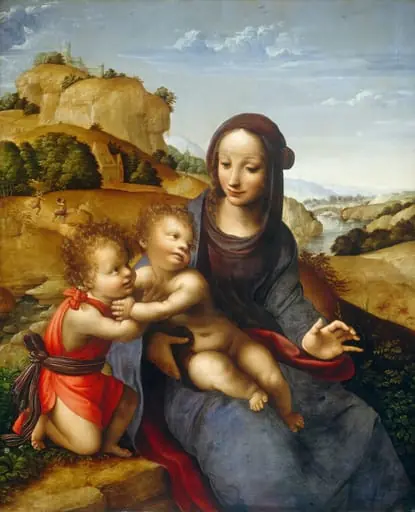 Madonna and Child with the Infant Saint John
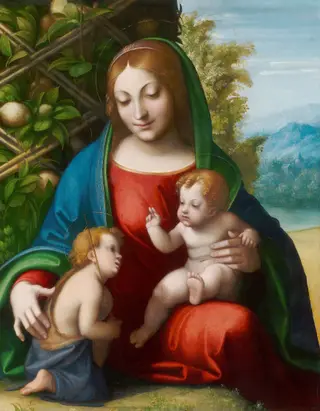 Virgin and Child with the Young Saint John the Baptist
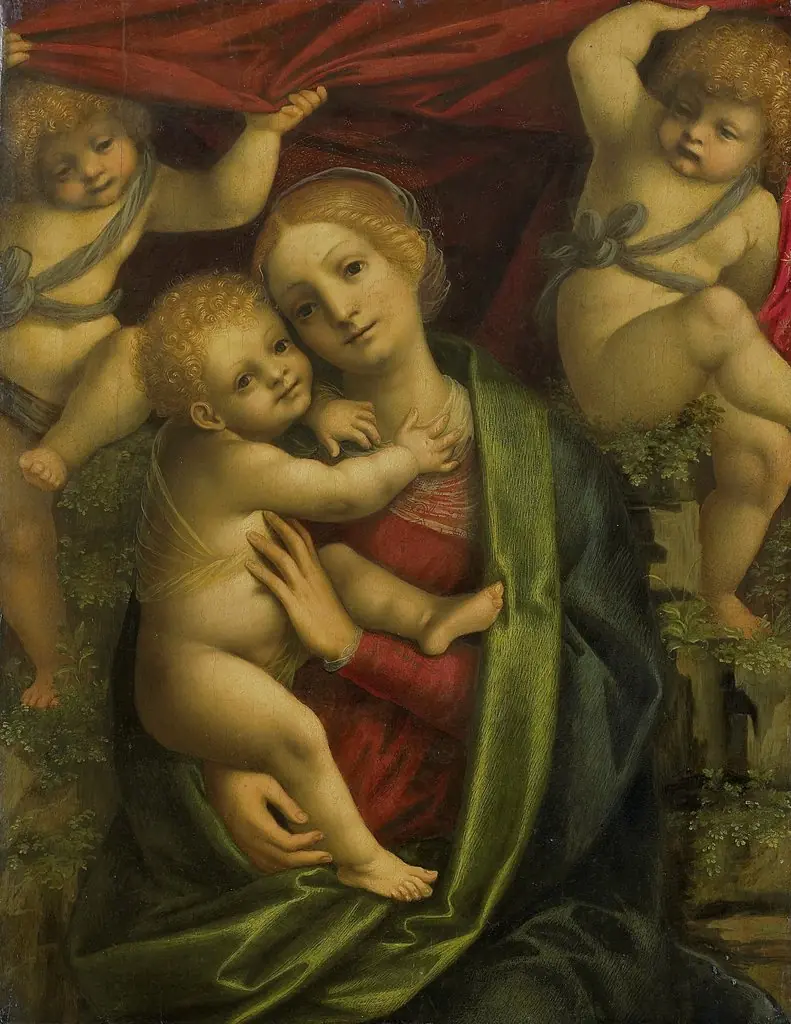 Virgin and Child
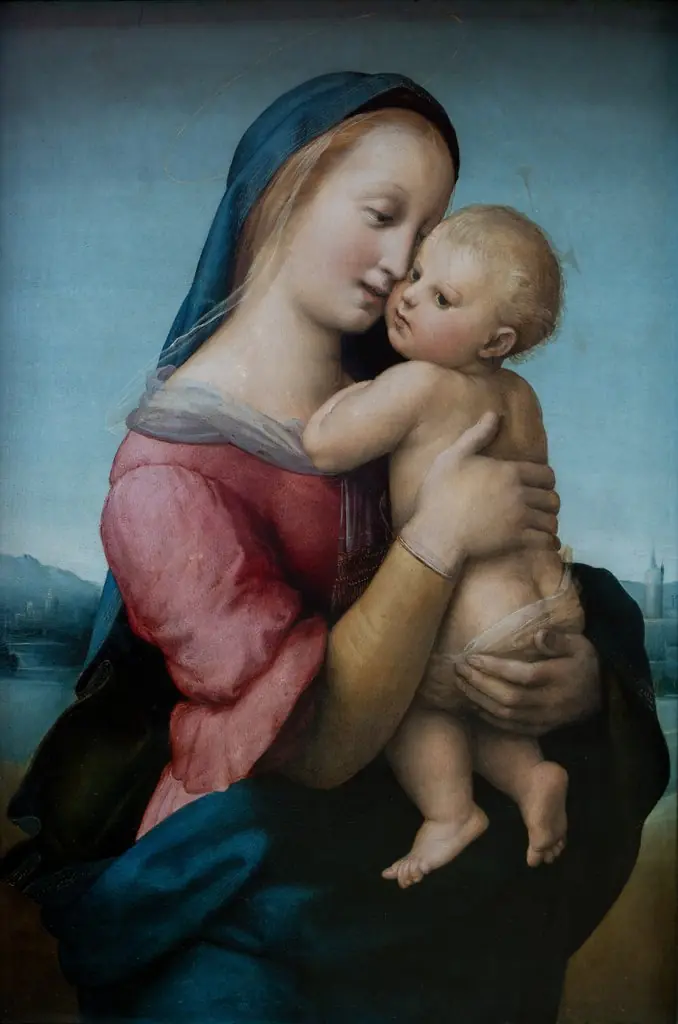 Tempi Madonna
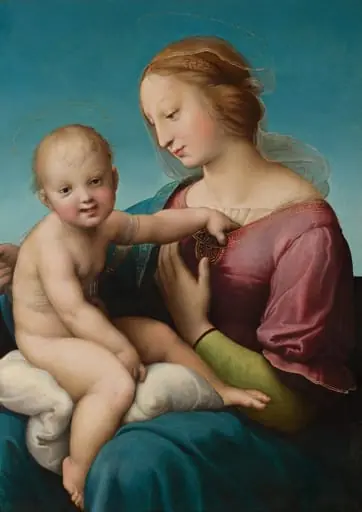 The Niccolini-Cowper Madonna
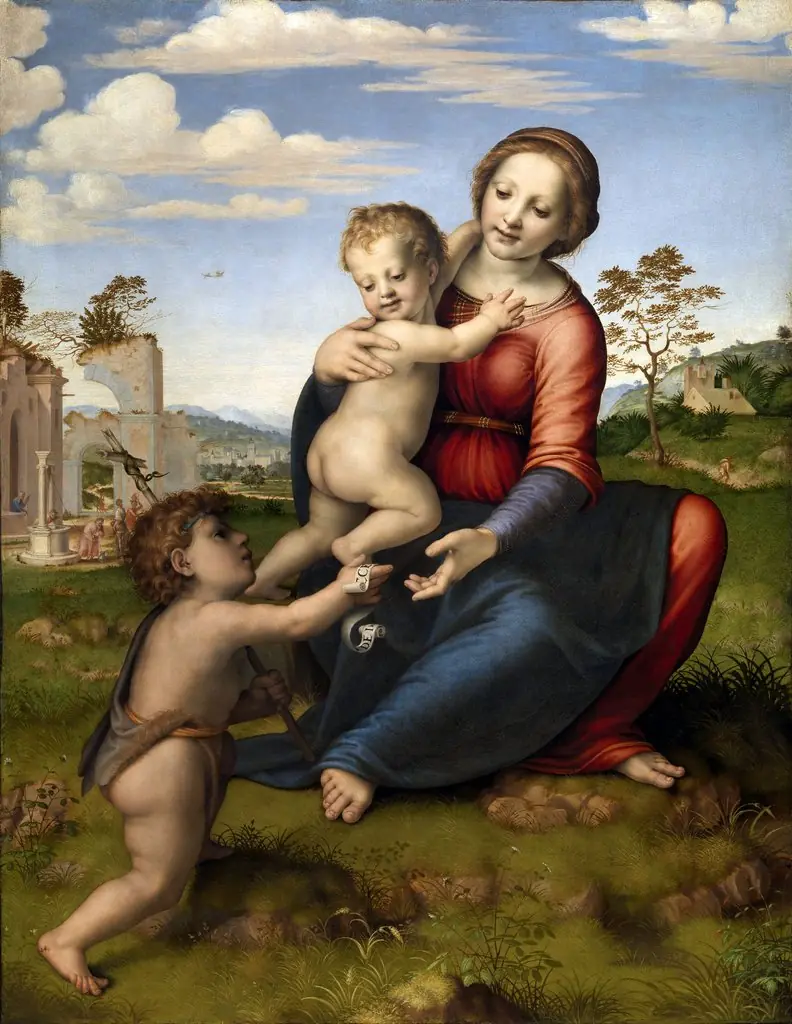 Madonna of the Well or Madonna and Child with the young St. John the Baptist
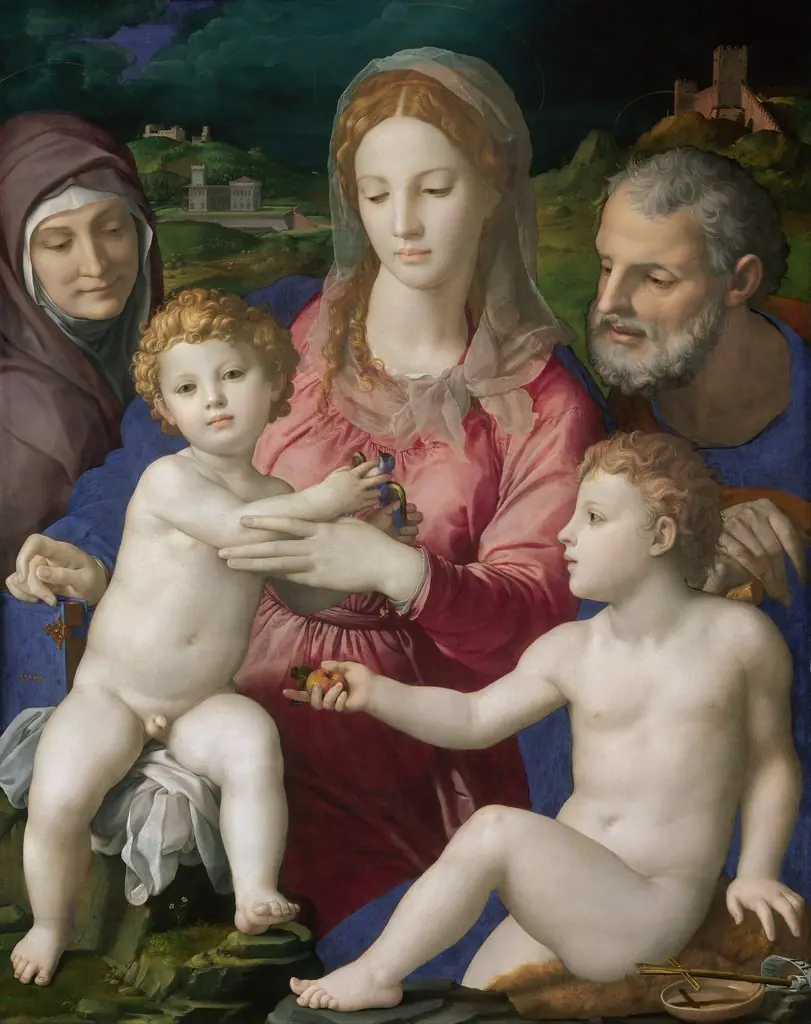 Holy Family with St. Anne and the Infant St. John
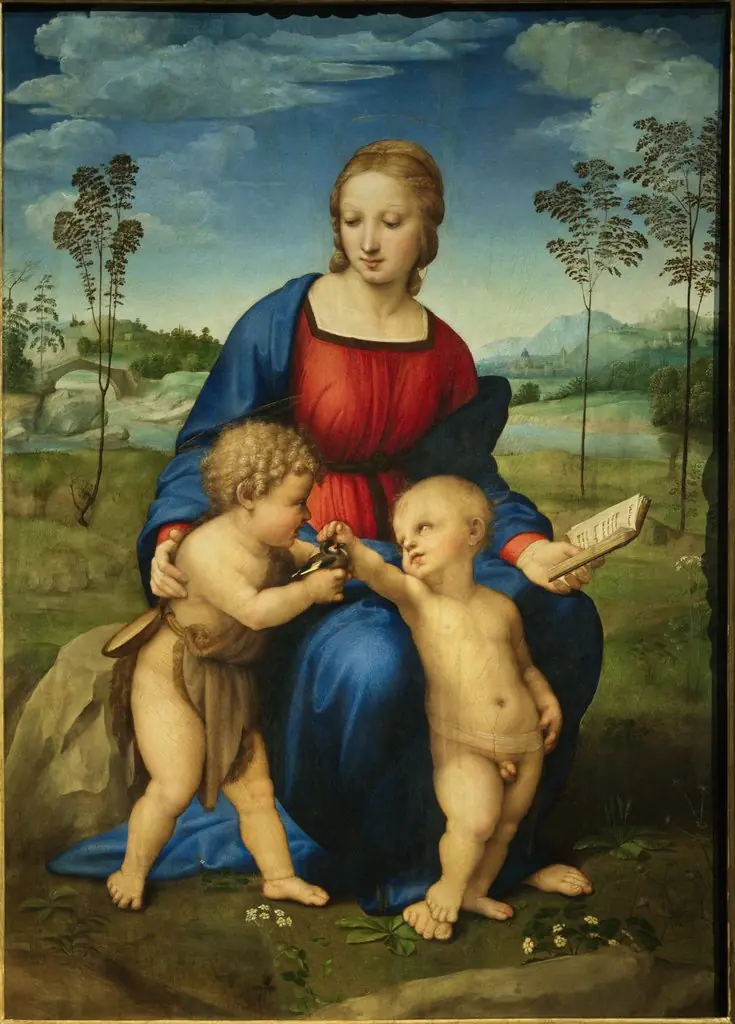 Madonna of the Goldfinch
 Madonna and Child with the Infant Saint John