Artwork
The Crowning with Thorns
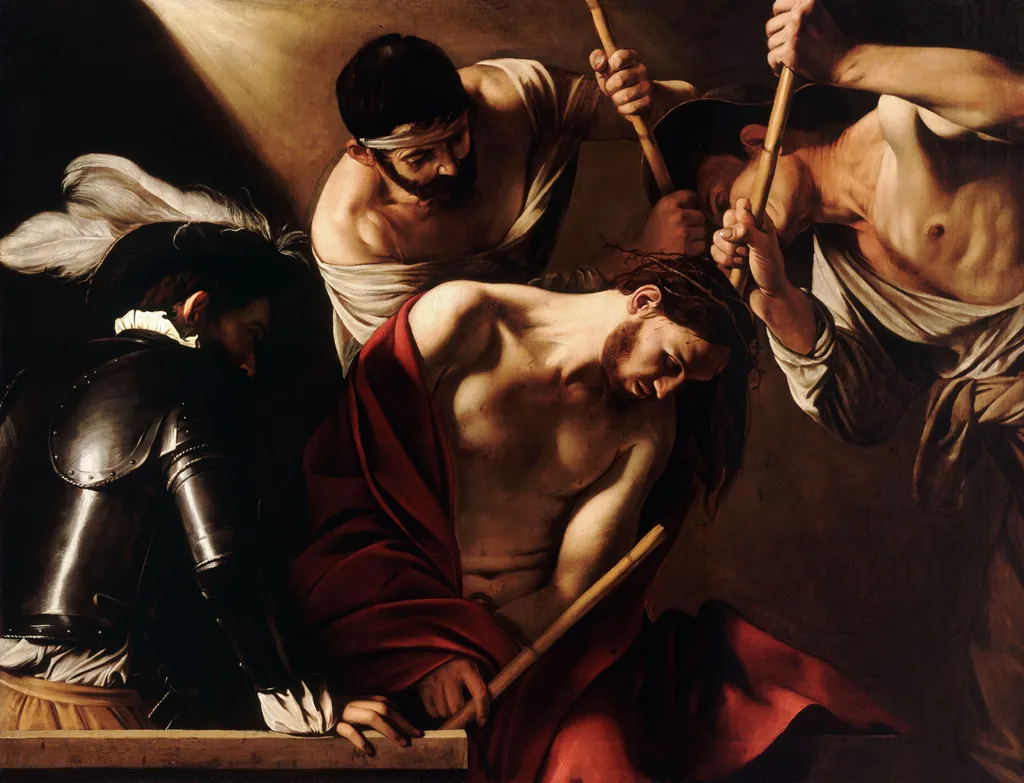
The Crowning with Thorns is an oil painting by the Baroque artist Caravaggio. It dates from 1602 and is held in the collection of the Kunsthistorisches Museum.
About this work
Subject & Meaning
Light illuminates Christ's shoulder and neck, elevating him into a suspended, metaphysical realm distinct from the earthly suffering of the surrounding figures.
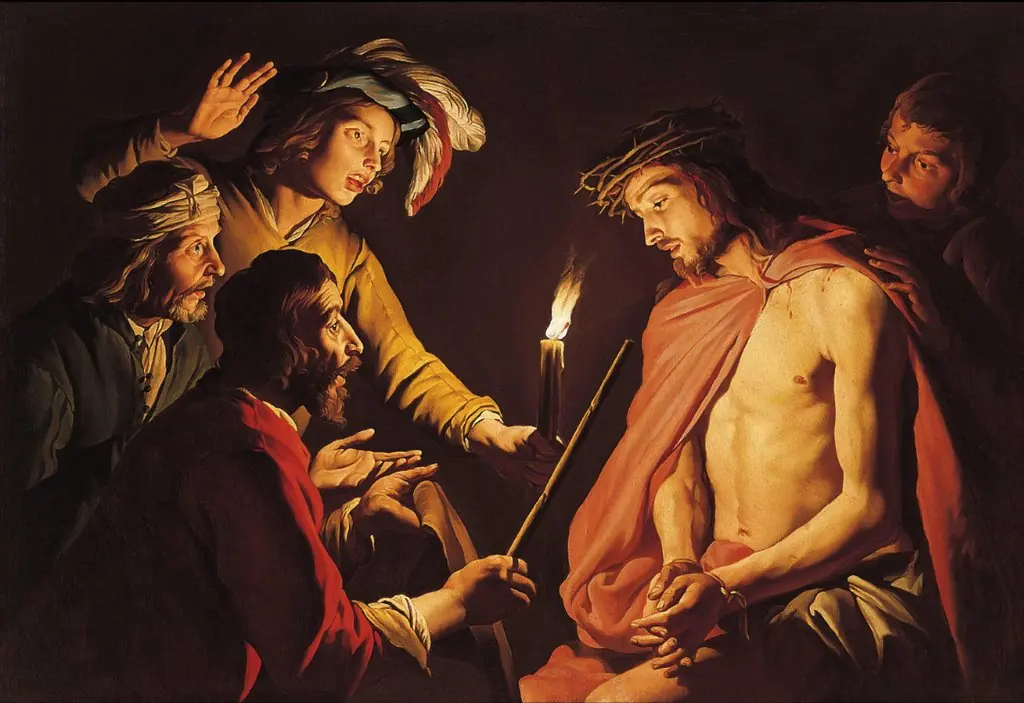
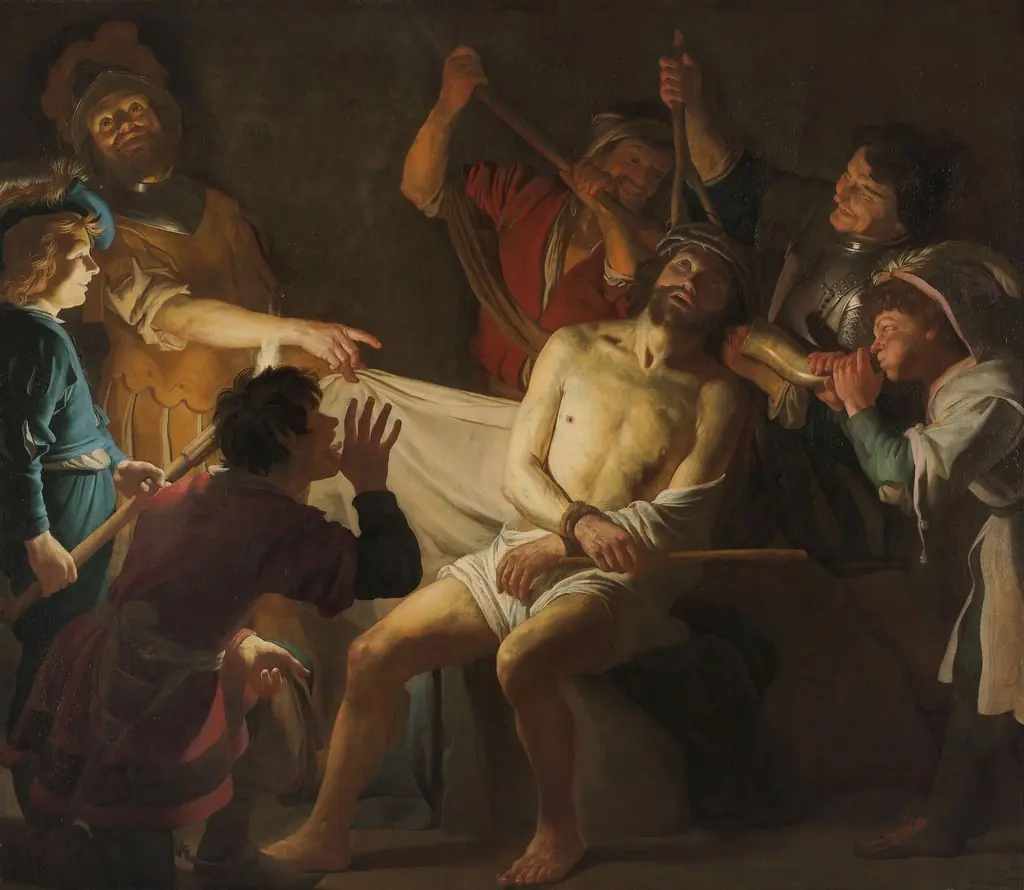
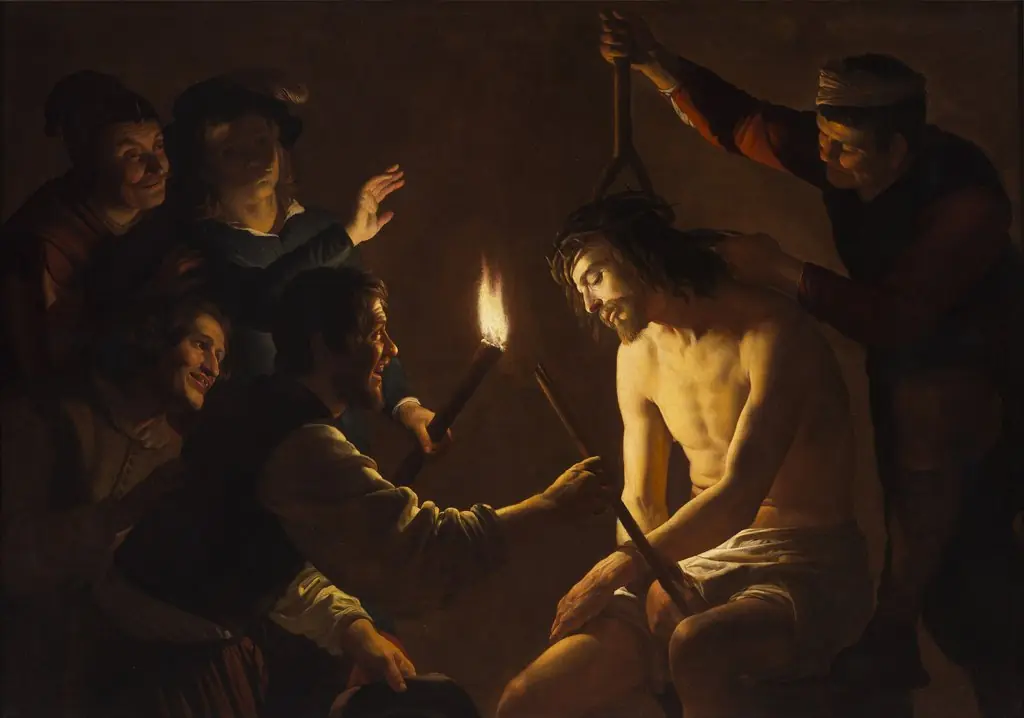
The painting depicts the biblical episode where Roman soldiers mock Jesus Christ by forcing a crown of thorns onto his head to ridicule his claim of kingship. Christ is shown wearing a purple mantle, enduring the torture of two aggressors who hammer the thorns into his scalp using long rods. A fourth figure, identified as Pontius Pilate, observes the scene with a detached, contemplative demeanor while leaning on a balustrade.
The work symbolizes the intersection of extreme physical cruelty and divine patience, contrasting the violent actions of the torturers with Christ's supreme dignity and spiritual detachment. Light illuminates Christ's shoulder and neck, elevating him into a suspended, metaphysical realm distinct from the earthly suffering of the surrounding figures. This composition transforms the narrative of sadism into a meditation on silent endurance and the divine nature of the subject.
Technique & Style
The painting is executed in oil on canvas, a standard support for Caravaggio’s mature works, and measures 127 cm by 165.5 cm. Caravaggio renders the scene with stark chiaroscuro, emphasizing the brutal realism of the torturers’ gestures and the patient endurance of Christ, while arranging the figures within a tightly balanced composition of intersecting horizontals and diagonals. The work was conceived as a supraporte, intended to hang above a doorway, and its formal treatment reflects Vincenzo Giustiniani’s ideal of combining lifelike observation with classical compositional order. Contemporary accounts note that the piece was commissioned by Giustiniani, remained in his collection until 1809, and was later acquired by the Austrian ambassador for the Kunsthistorisches Museum in Vienna, where it has been displayed since 1816.
History & Provenance
The Crowning with Thorns was commissioned by Caravaggio's patron, Vincenzo Giustiniani, and is recorded in the Giustiniani collection by 1638. While the exact date of creation remains debated among scholars, estimates range from 1599 to 1607, with the majority of specialists favoring a period between 1602 and 1604. The work was designed as a supraporte, intended to be hung above a doorway.
It remained in the Giustiniani family until 1809, when it was purchased in Rome by the Austrian ambassador to the Vatican, Baron Ludwig von Lebzelter, acting for Emperor Francis I. Due to legal complications regarding its export, the painting did not arrive in Vienna until 1816, where it has been housed in the Kunsthistorisches Museum ever since.
The Crowning with Thorns has been held by the Kunsthistorisches Museum in Vienna since 1816. It was commissioned by the Marchese Vincenzo Giustiniani and recorded in the Giustiniani collection in 1638, where it remained until 1809. In that year it was purchased in Rome by the Austrian Imperial ambassador, Baron Ludwig von Lebzelter, acting on behalf of Francis I of Austria, though legal complications delayed its arrival in Vienna until 1816.
No specific inventory or accession number is recorded in the available sources, and no exhibition history beyond its long-term residence at the Kunsthistorisches Museum is documented.
Context
Scholarly consensus places The Crowning with Thorns within Caravaggio’s mature Roman period, likely executed between 1602 and 1604 for Vincenzo Giustiniani, an influential collector and theorist who ranked Caravaggio alongside Annibale Carracci as masters of combined realism and stylistic refinement. Giustiniani’s 1610 treatise explicitly praised this pairing, and the painting exemplifies his ideal: brutal realism in the torturers’ actions contrasts with Christ’s transcendent endurance, structured by intersecting diagonals and horizontals that frame the scene as a classical tableau.
Longhi’s mid-twentieth-century rehabilitation resolved lingering doubts about attribution, anchoring the work’s place in Caravaggio’s oeuvre despite earlier fluctuations in Viennese museum attributions. Its function as a supraporte, intended for placement above a doorway, shapes the composition’s upward perspective and compressed figuration, aligning with contemporary Roman decorative practices.
Legacy
The Vienna Crowning with Thorns secured its artistic reputation through its historical association with the esteemed collector Vincenzo Giustiniani, who valued Caravaggio as a master capable of uniting realism and style. Its modern critical standing was solidified in the 20th century following its rediscovery and re-attribution by the art historian Roberto Longhi, resolving earlier doubts held even by museum curators. While the work was originally designed as a supraporte to be hung above a doorway, its legacy is defined by its intense depiction of pain and its classical composition of intersecting diagonals.
The painting remains a central example of Baroque religious art in the Kunsthistorisches Museum, where it has resided since its arrival in Vienna in 1816.
Overview
Caravaggio’s oil painting titled The Crowning with Thorns dates from the early 1600s, most likely between 1602 and 1604, though some scholars suggest a later date around 1607. The work is part of the collection of the Kunsthistorisches Museum in Vienna, where it has been displayed since the early nineteenth century.
Own this work as a print
Artist & collection
Artist
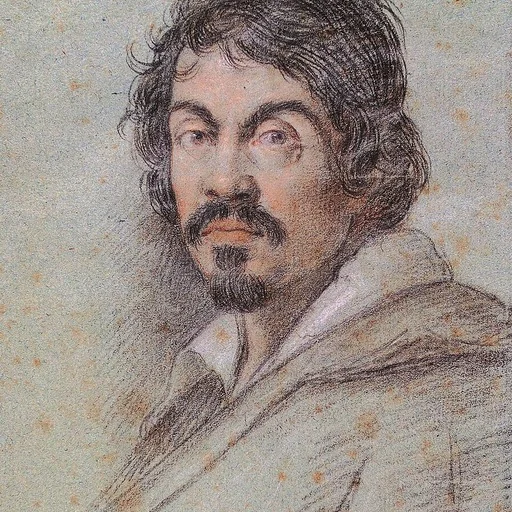
Michelangelo Merisi da Caravaggio (also Michele Angelo Merigi or Amerighi da Caravaggio; 29 September 1571 – 18 July 1610), known mononymously as Caravaggio, was an Italian painter active in Rome for most of his artistic life.