Artwork
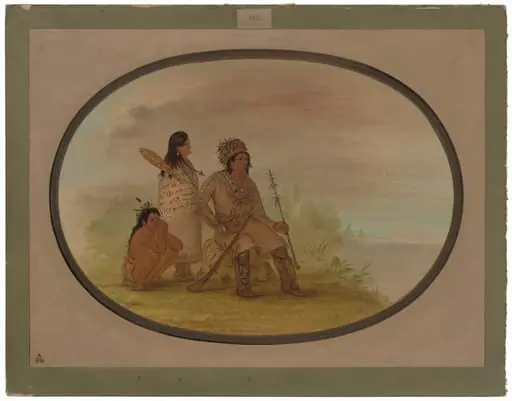
Nayas Indians
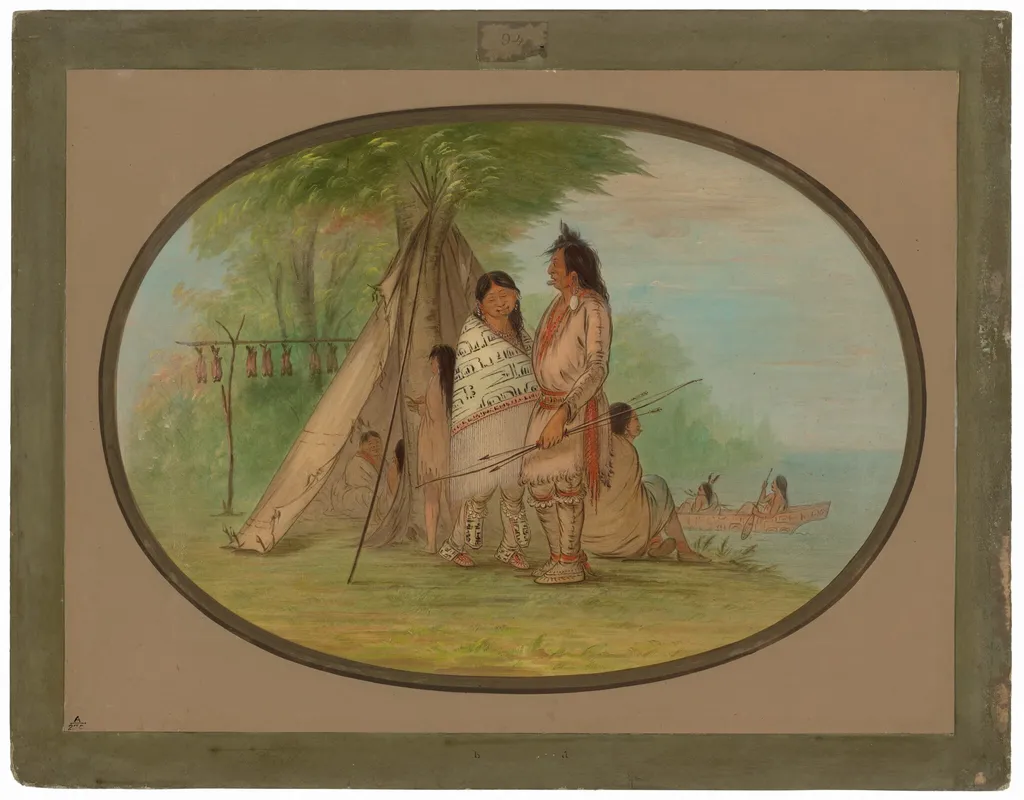
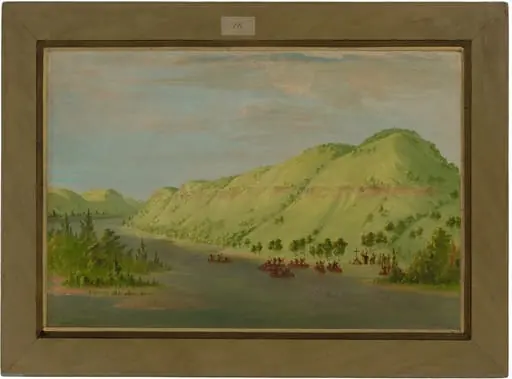
Nayas Indians is an oil painting by the American Folk Art artist George Catlin. It dates from 186 and is held in the collection of the National Gallery of Art.
- Inscription
- Inscribed:lower center: Geo. Catlin 186[2?]
About this work
Subject & Meaning
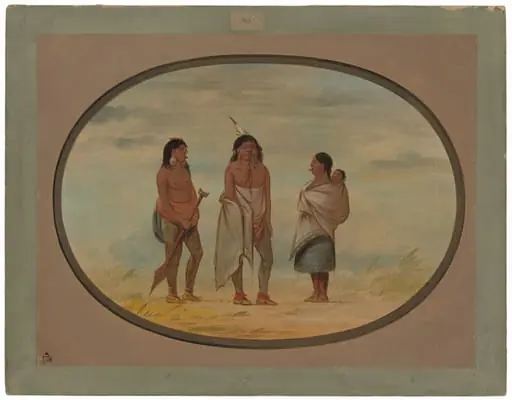
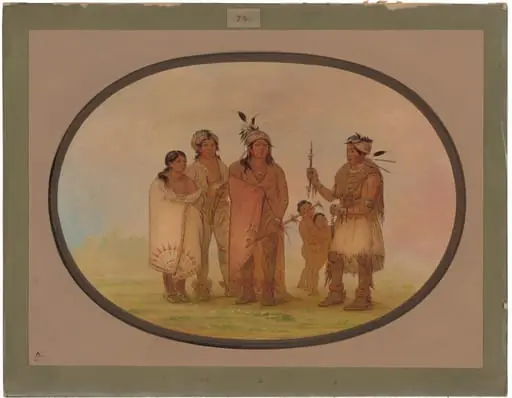
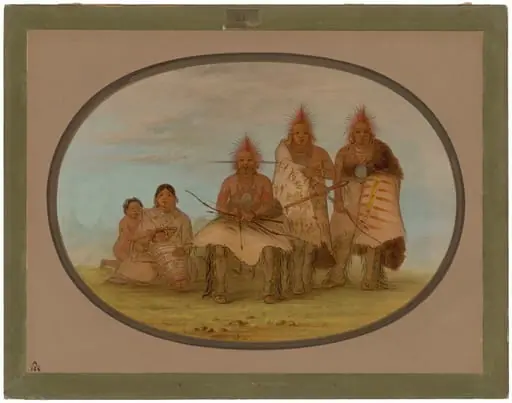
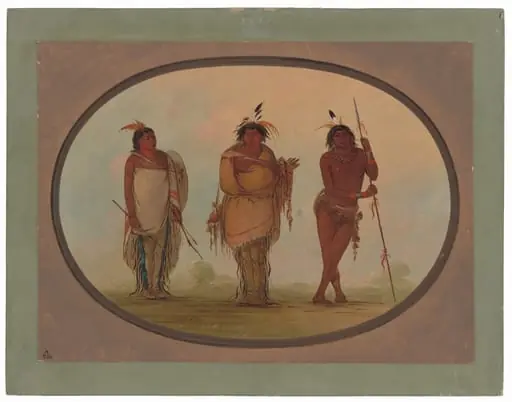
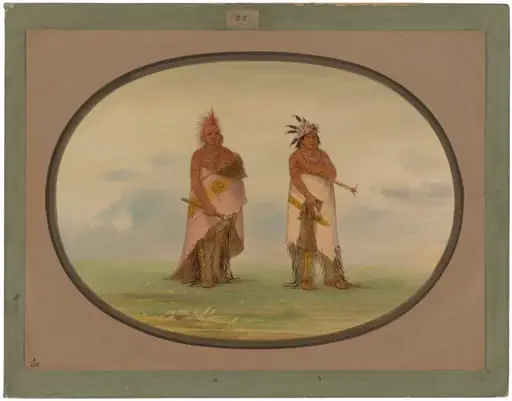
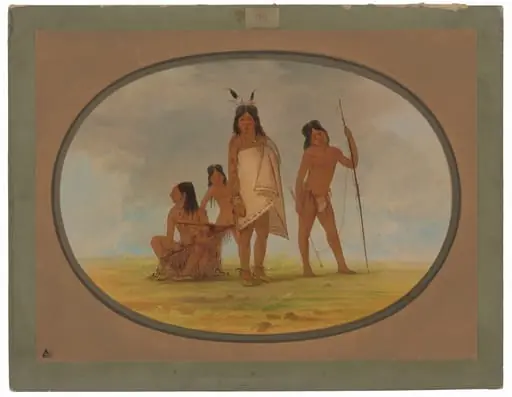
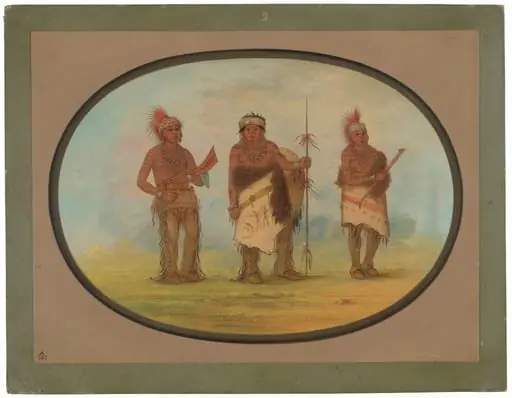
The painting depicts a group identified as Nayas Indians, likely a term Catlin used for a specific Plains community he encountered during his travels.
The painting depicts a group identified as Nayas Indians, likely a term Catlin used for a specific Plains community he encountered during his travels. It portrays figures in attire and poses typical of nineteenth-century Plains Indian life, including men on horseback and others engaged in communal activities, set against a sparse landscape.
Catlin’s composition emphasizes daily and ceremonial practices, capturing aspects of dress, weaponry, and social interaction that he recorded as ethnographic documentation. The work reflects his broader project to preserve visual records of Indigenous cultures perceived as vanishing, aligning with the genre of Native American ethnographic portraiture of the period.
Technique & Style
Executed in oil on card mounted to paperboard, this work measures 46.7 by 62.8 centimeters. The piece is classified as a genre scene painting, depicting a subject related to the Nayas Indians. Created by George Catlin, the work dates to approximately 1862, though the specific year contains some uncertainty in historical records.
The physical construction involves a rigid support system where the painted card is affixed to a heavier paperboard backing, a method consistent with the artist's later production techniques.
History & Provenance
Created by George Catlin circa 1862, the oil-on-card painting Nayas Indians was originally owned by the artist until his death in 1872. Upon his passing, the work descended to his daughters: Clara Gregory Catlin, Louise Catlin Kinney, and Elizabeth Wing Catlin. In 1912, the American Museum of Natural History purchased the piece from Elizabeth Wing Catlin.
The museum retained ownership until 1959, when it sold the painting through Kennedy Galleries in New York to Mr. Paul Mellon of Upperville, Virginia. The work entered its current public collection in 1965 as a gift from Paul Mellon to the National Gallery of Art in Washington, D.C.
The painting is held by the National Gallery of Art, Washington, D.C., where it is inventoried as accession number 1965.1.101. It entered the Gallery’s collection in 1965 as a gift of Paul Mellon, who had acquired it in 1959 through Kennedy Galleries, New York, from the American Museum of Natural History.
Its exhibition history is not documented in the cited sources.
Legacy
The painting's presence in the National Gallery of Art in Washington, D.C., since its acquisition by the museum in 1965 has solidified its institutional reputation as a significant example of 19th-century ethnographic art. Its inclusion in major Catlin retrospectives and scholarly discussions of American frontier documentation has contributed to renewed academic interest in his work, particularly regarding depictions of Native American subjects. The work's journey from Catlin's personal collection through the artist's daughters to prominent collectors like Paul Mellon, followed by its donation to a major U.S. museum, reflects its recognized cultural value within the narrative of American art history.
Overview
George Catlin’s Nayas Indians is an oil painting executed on card that has been mounted on paperboard. The work dates from the mid‑19th century, around 1860, and belongs to the genre of American folk art that records everyday scenes of Native life.
Context
Created during a period when European‑American expansion heightened interest in Indigenous cultures, the painting aligns with Catlin’s mission to preserve the customs and appearances of Native peoples before they were altered by contact with settlers.
Own this work as a print
Artist & collection

Artist
George Catlin ( KAT-lin; July 26, 1796 – December 23, 1872) was an American lawyer, painter, author, and traveler, who specialized in portraits of Native Americans in the American frontier.

 Bulls Fighting
 Expedition Encamped on a Texas Prairie. April 1686
 An Alligator's Nest
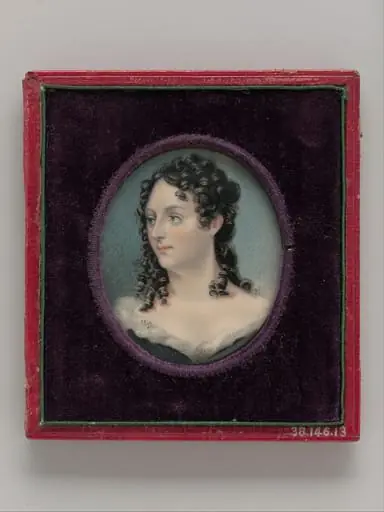 Mrs. George Catlin (Clara Bartlet Gregory)
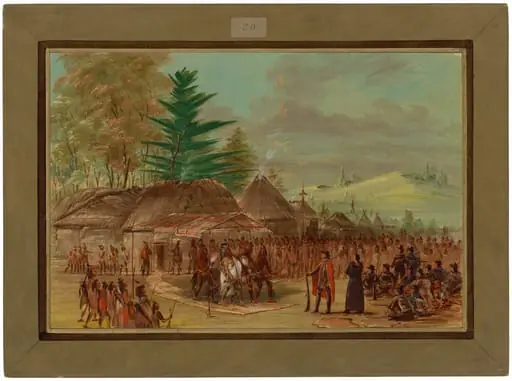 Chief of the Taensa Indians Receiving La Salle. March 20, 1682
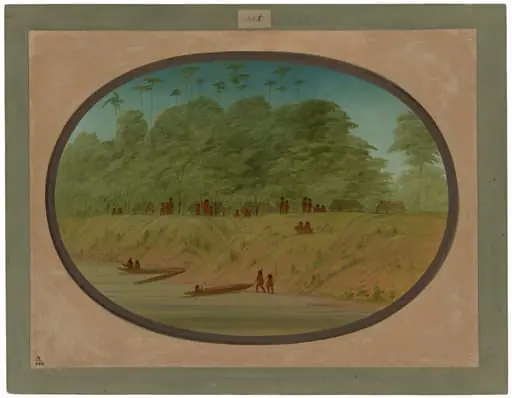 A Small Village - Payaguas Indians
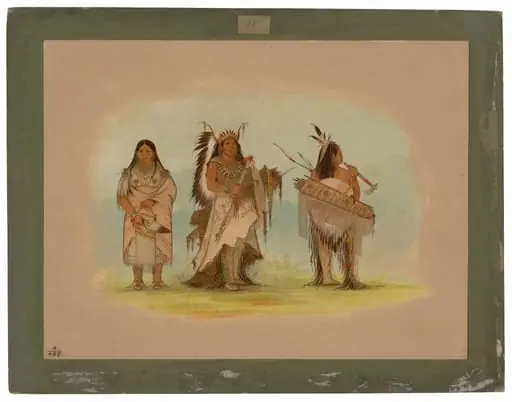 Omaha Chief, His Wife, and a Warrior
 Father Hennepin Leaving the Mississippi to Join La Salle. May 8, 1680