Subject
Mary Magdalene
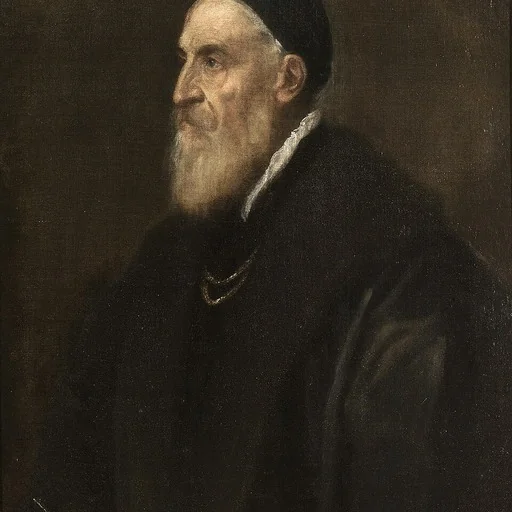
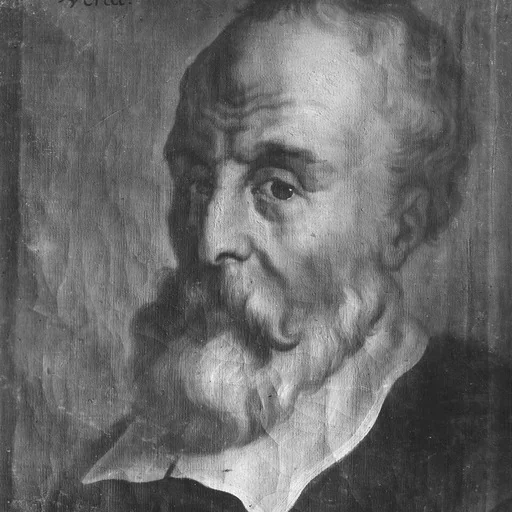
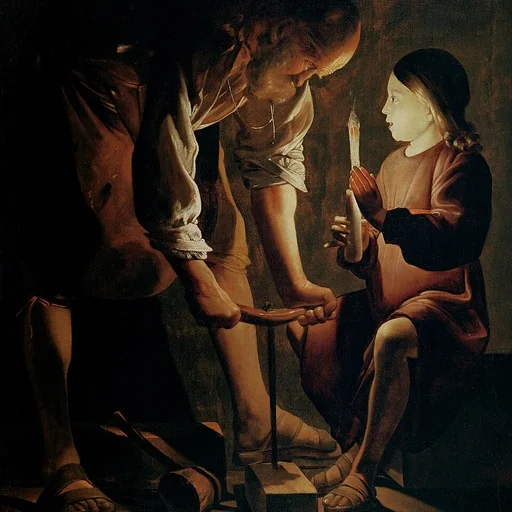
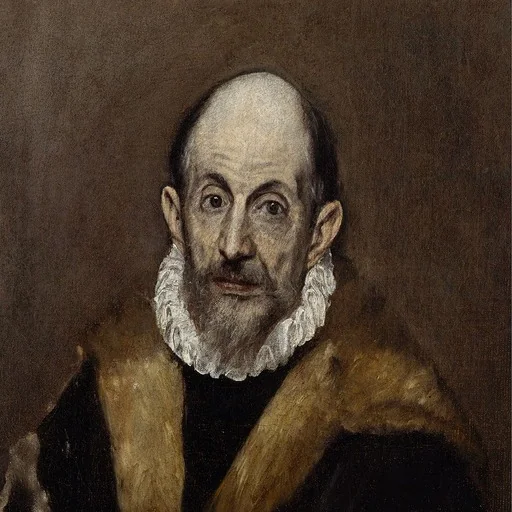
Mary Magdalene is a subject in art. The gallery holds 200 works in this subject in art, including works by Titian, Paolo Veronese and Georges de La Tour.
Mary Magdalene is among the most frequently depicted figures in Western art, and her enduring visual identity owes as much to legend as to scripture. The Gospels name her as a follower of Jesus from whom seven demons were cast out, the witness to the Crucifixion, and the first to encounter the risen Christ — earning her the title "Apostle to the Apostles." In a homily delivered in Rome in 591, Pope Gregory the Great fused her with the unnamed "sinful woman" who anointed Christ's feet in Luke and with Mary of Bethany, creating a single repentant penitent. This "composite Magdalene" governed her imagery for nearly fourteen centuries until the Vatican disentangled the figures in its 1969 calendar reform; Pope Francis raised her July 22 commemoration to a full liturgical feast in 2016.
This conflation generated an exceptionally rich iconography. The Magdalene is identifiable by the jar of ointment recalling her anointing of Christ, by long, loose, often uncovered hair, and — in penitential images — by a skull, crucifix, open Bible, and a setting amid wilderness rocks. Artists could thus portray her as grieving mourner, ecstatic visionary, sensual beauty, or gaunt ascetic, frequently exploiting the tension between worldly allure and spiritual remorse.
The canonical works span sculpture and painting across centuries. Rogier van der Weyden's calm Magdalen Reading and Donatello's harrowing wooden Penitent Magdalene (c. 1453–55, Museo dell'Opera del Duomo, Florence), emaciated by fasting and shrouded in her own hair, mark the Northern and Italian poles of the early image. Titian's luminous Noli me tangere (c. 1514, National Gallery, London) and his later Penitent Magdalene typify the Venetian treatment, while Correggio and Caravaggio pushed the subject toward eroticized devotion and stark realism respectively.
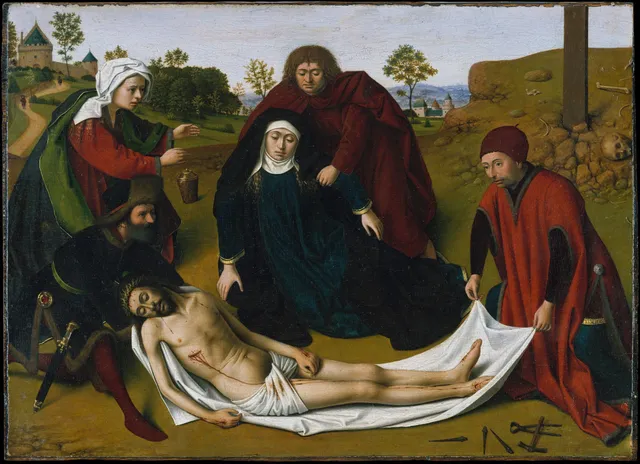
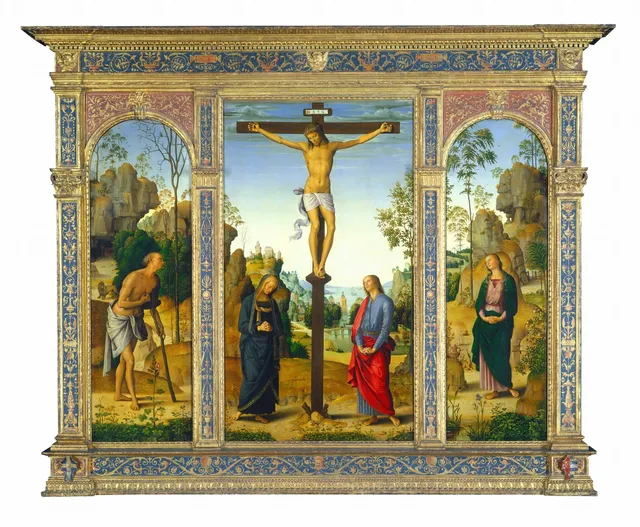
The Baroque produced the theme's most celebrated meditations in the candlelit canvases of Georges de La Tour — including The Penitent Magdalen (c. 1640, Metropolitan Museum of Art), The Repentant Magdalen (National Gallery of Art), and the Magdalene with the Smoking Flame — where mirror, skull, and flame distil vanity, mortality, and enlightenment. The motif also threads through Crucifixion and Lamentation scenes, as in Petrus Christus's Lamentation and Perugino's Crucifixion. From medieval altarpieces to Pre-Raphaelite reinterpretations, the Magdalene remained a vehicle for Counter-Reformation ideas of penance and a rare prominent female protagonist in sacred art.
Key artists
Works
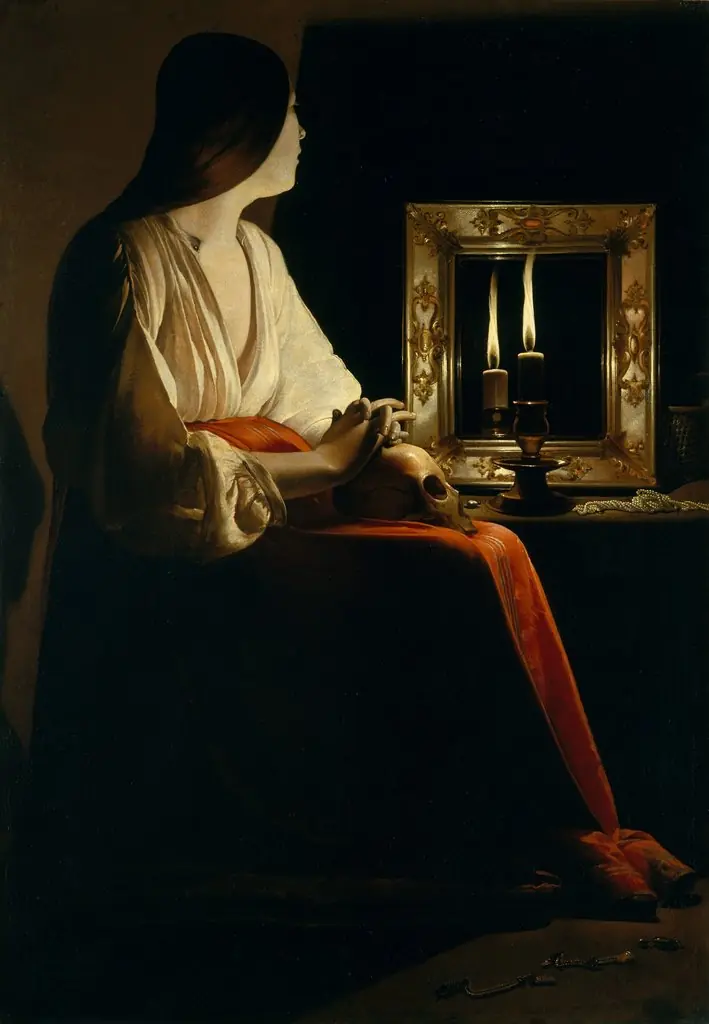 The Penitent Magdalen
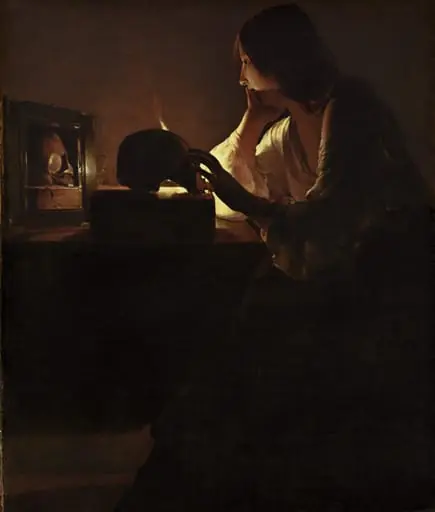 The Repentant Magdalen
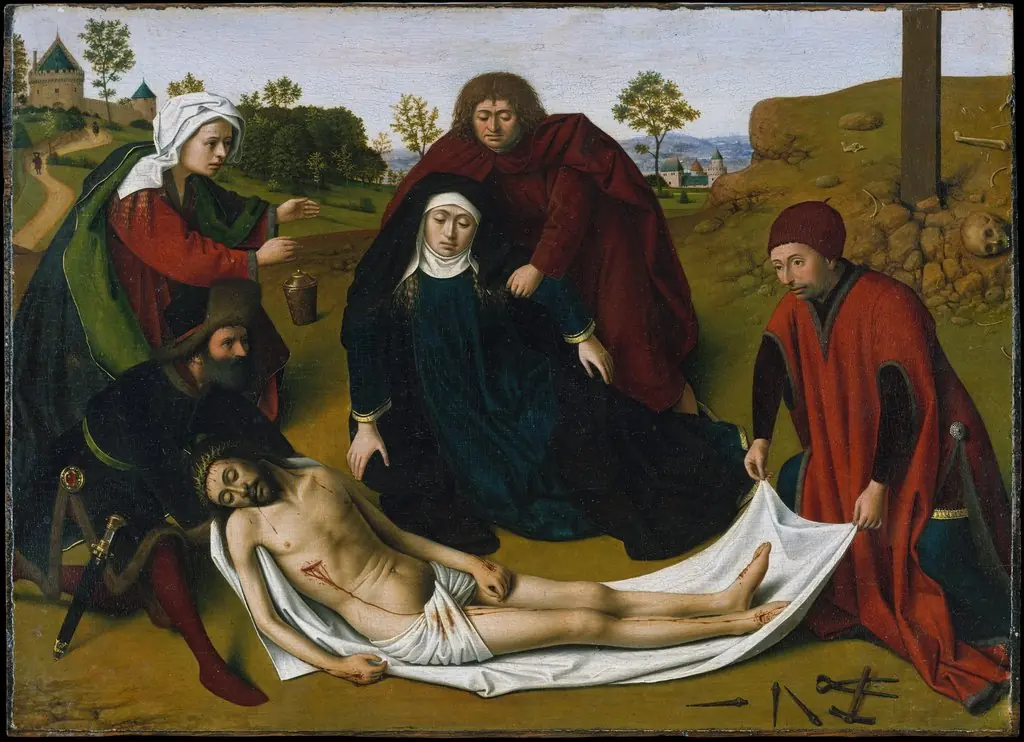 The Lamentation
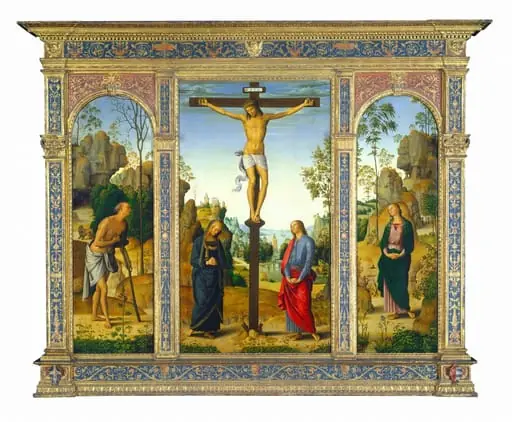 The Crucifixion with the Virgin, Saint John, Saint Jerome, and Saint Mary Magdalene
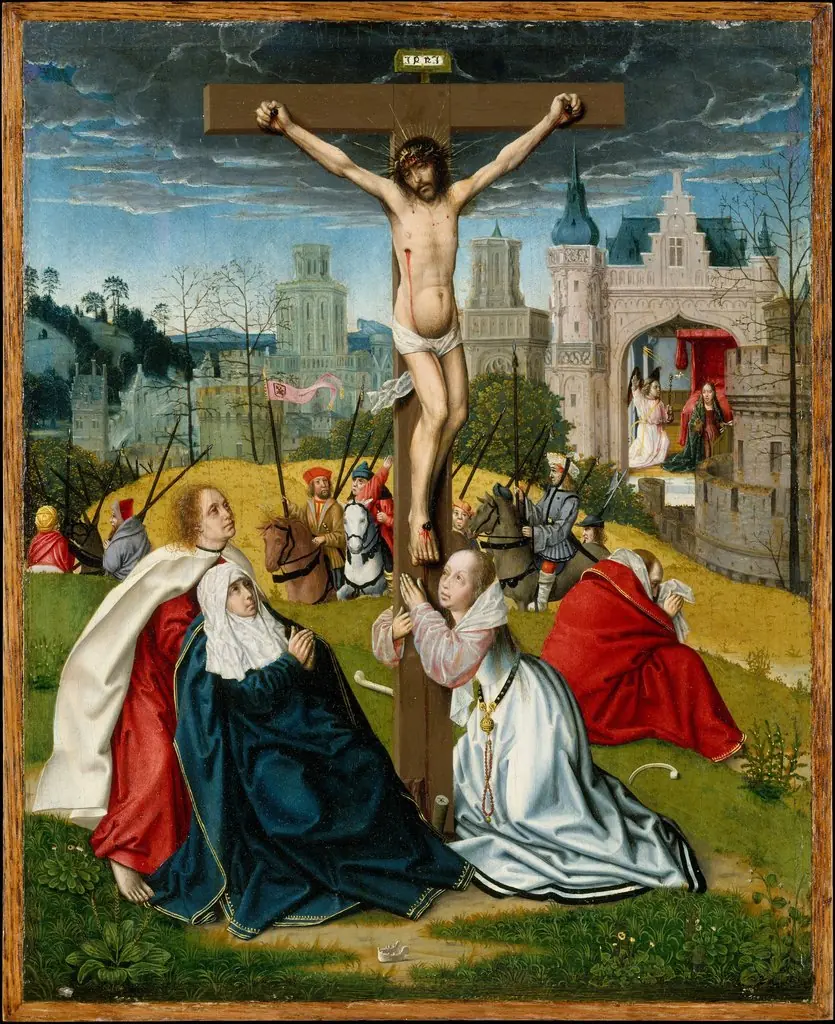 The Crucifixion
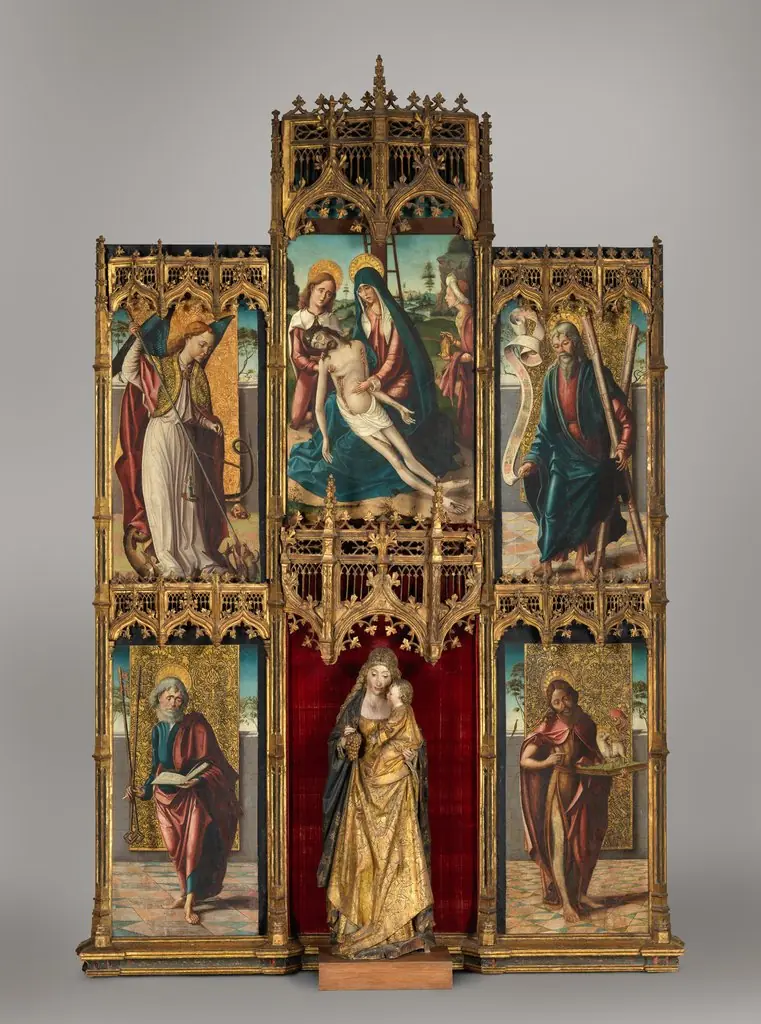 Virgin and Child with the Pietà and Saints
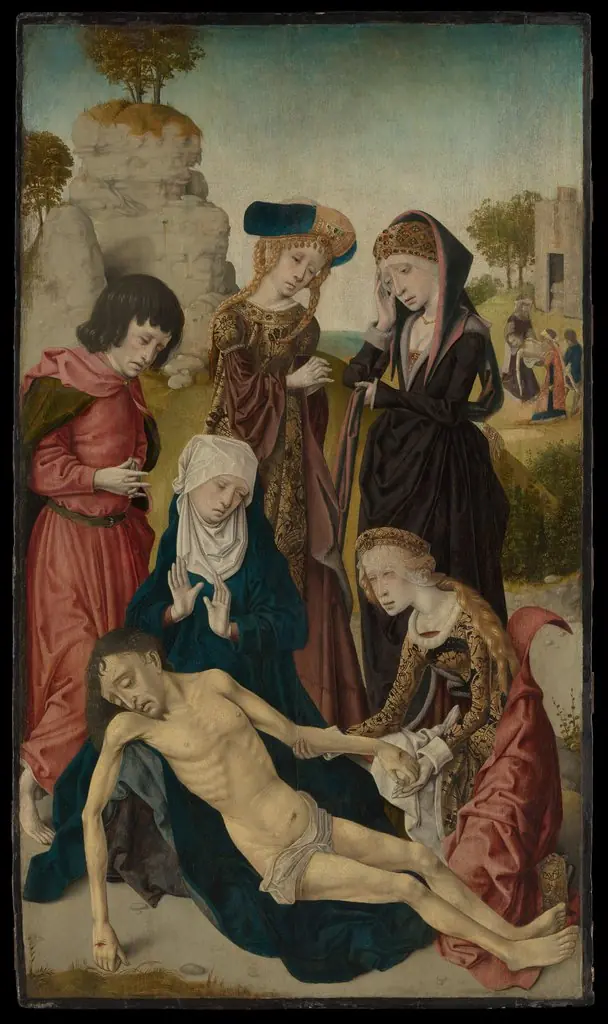 The Lamentation
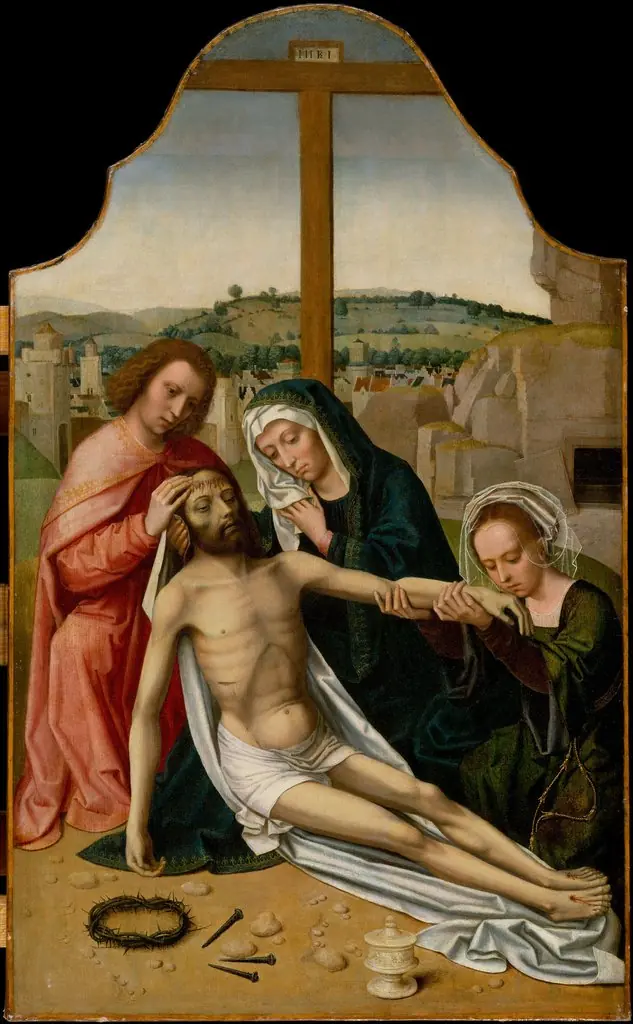 The Lamentation
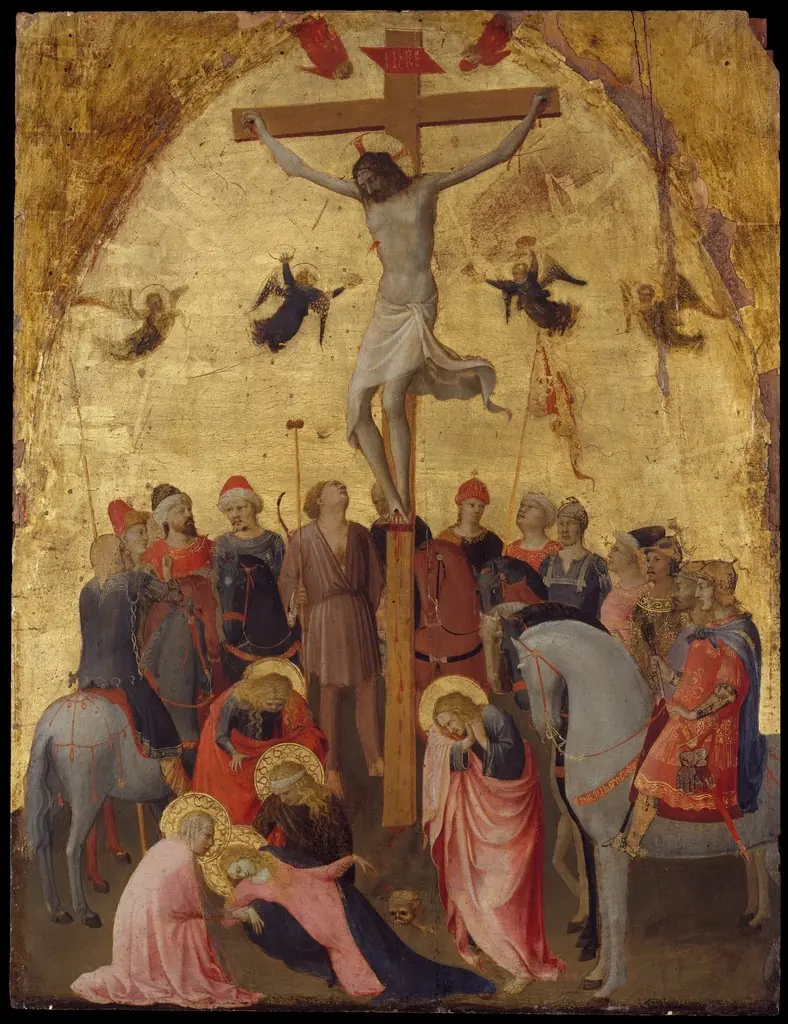 The Crucifixion
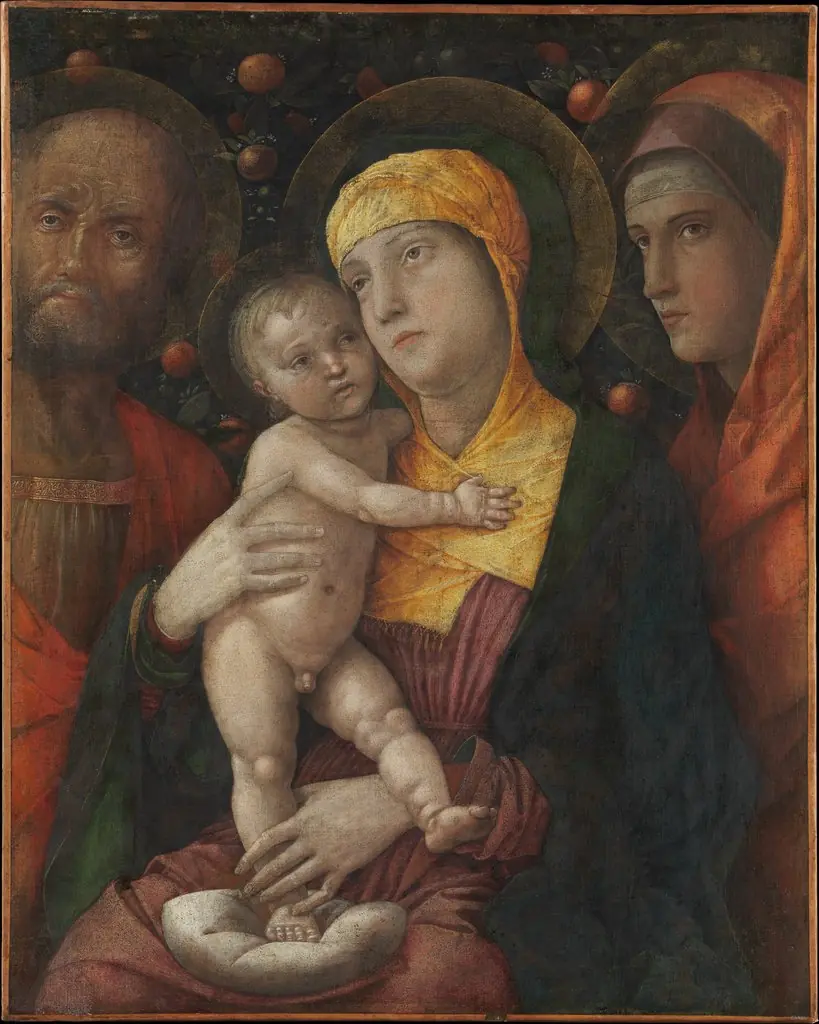 The Holy Family with Saint Mary Magdalen
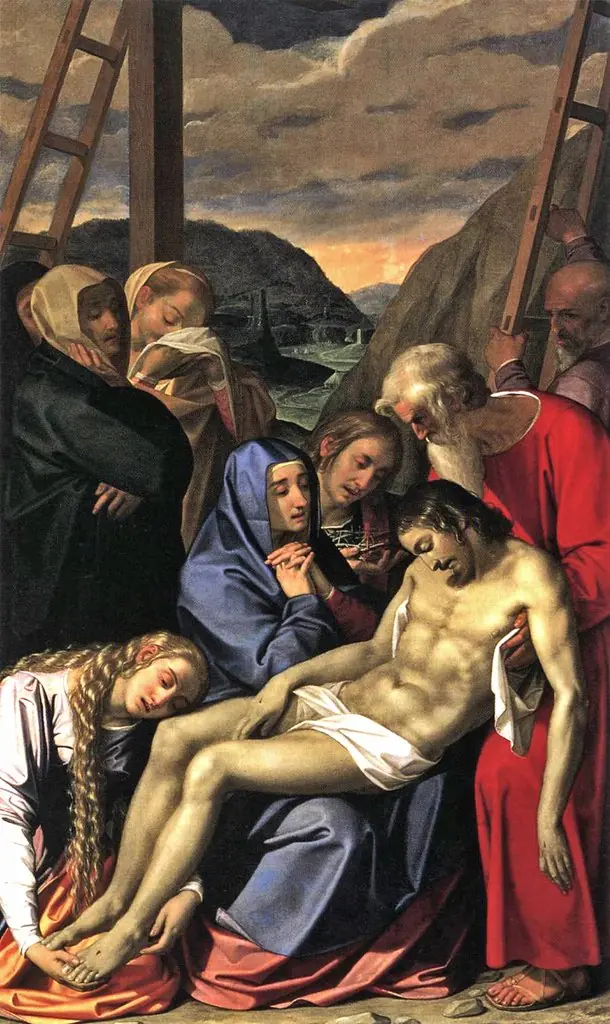 The Lamentation
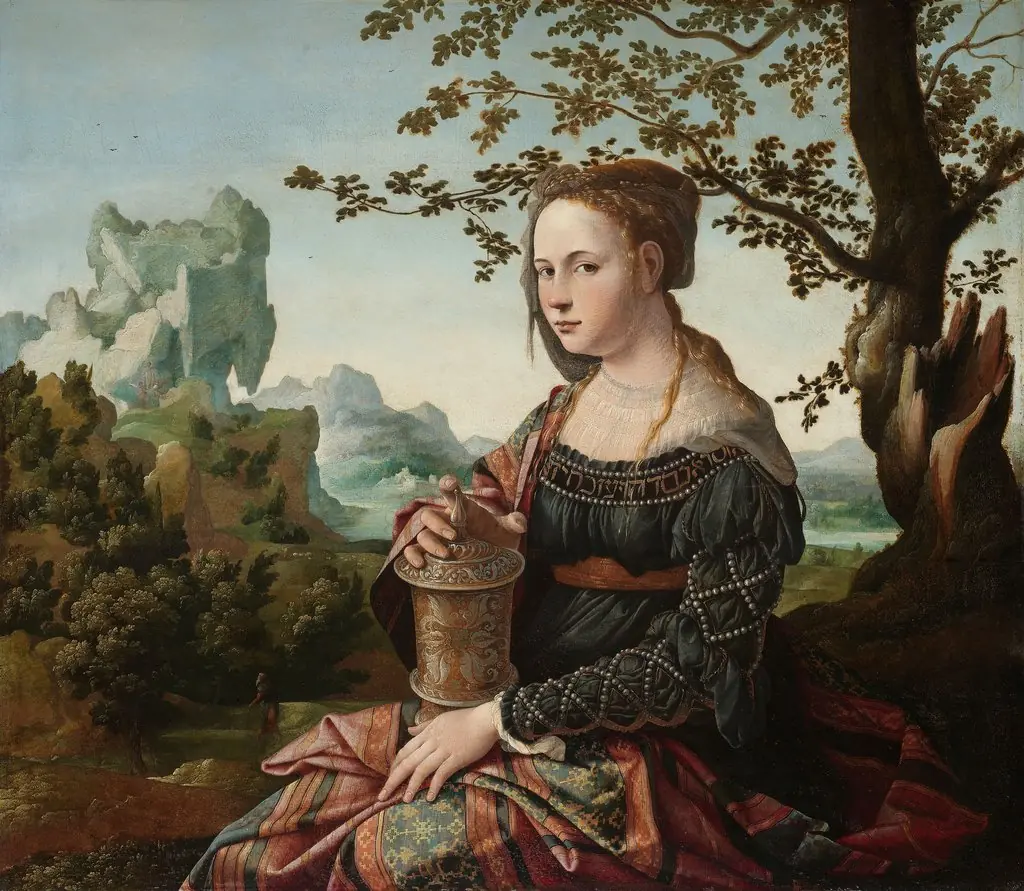 Mary Magdalene
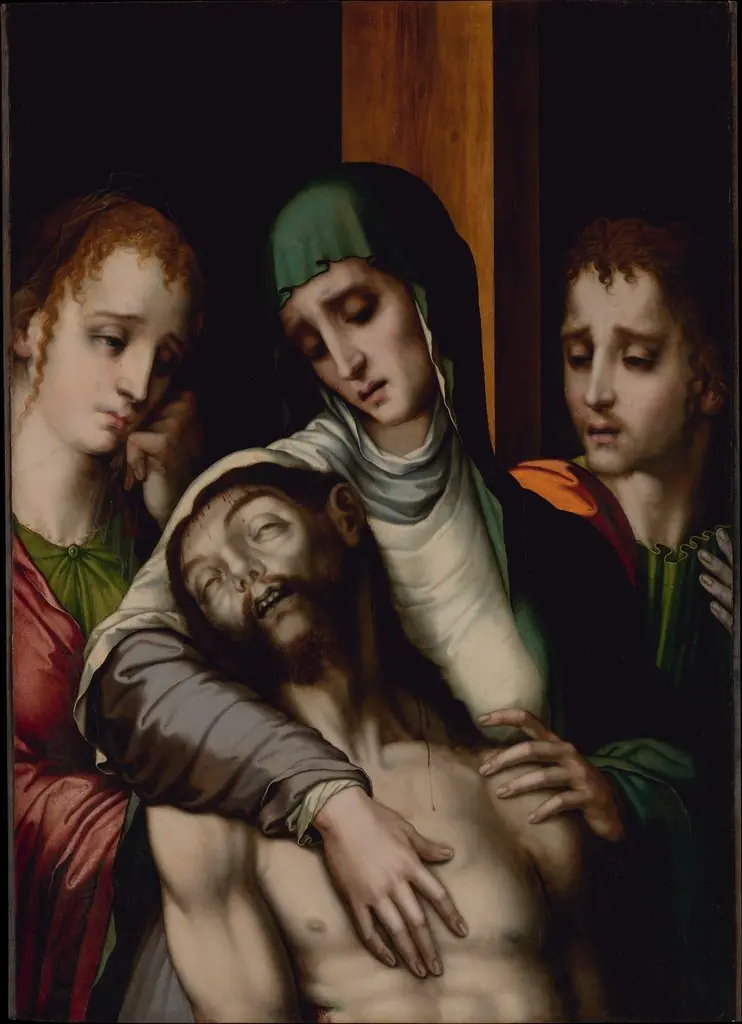 The Lamentation
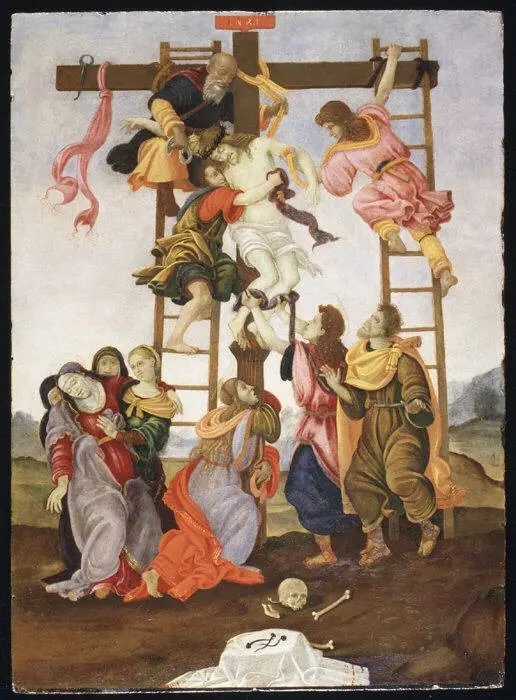 The Descent from the Cross
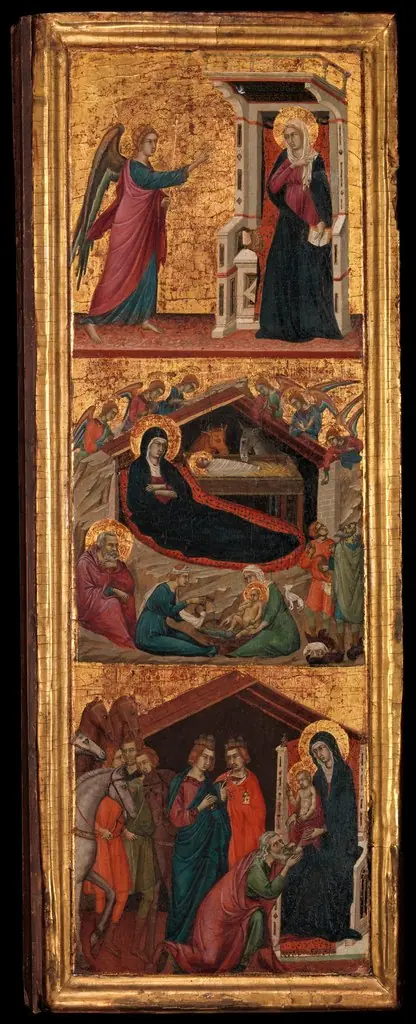 Saints and Scenes from the Life of the Virgin
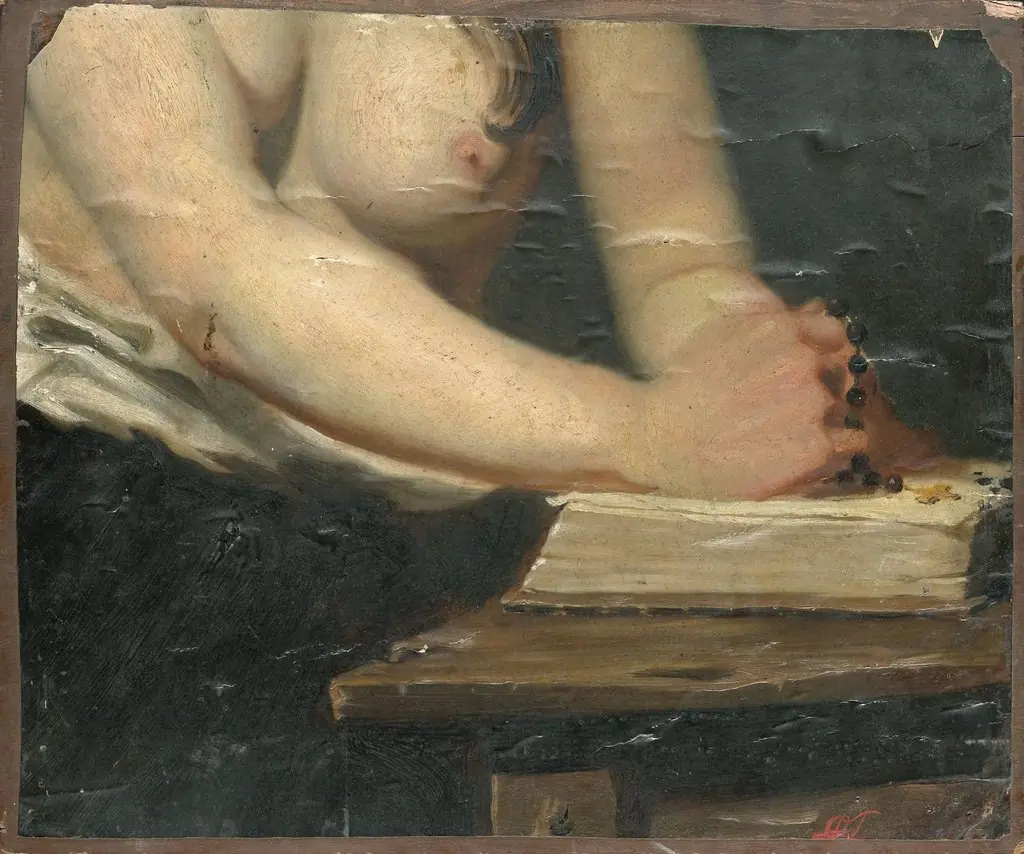 Mary Magdalene
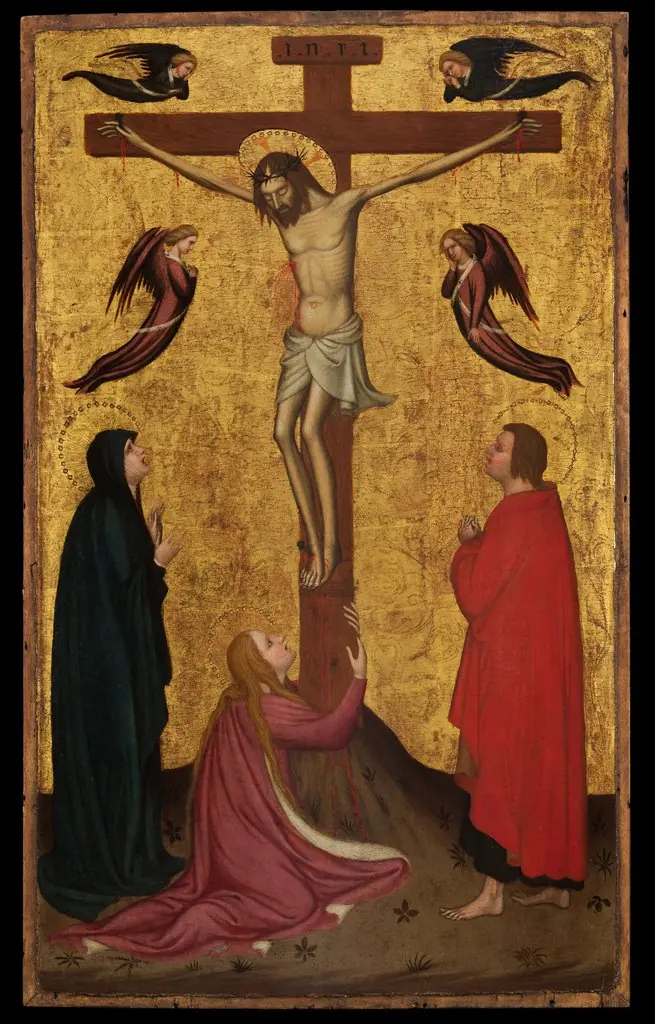 The Crucifixion
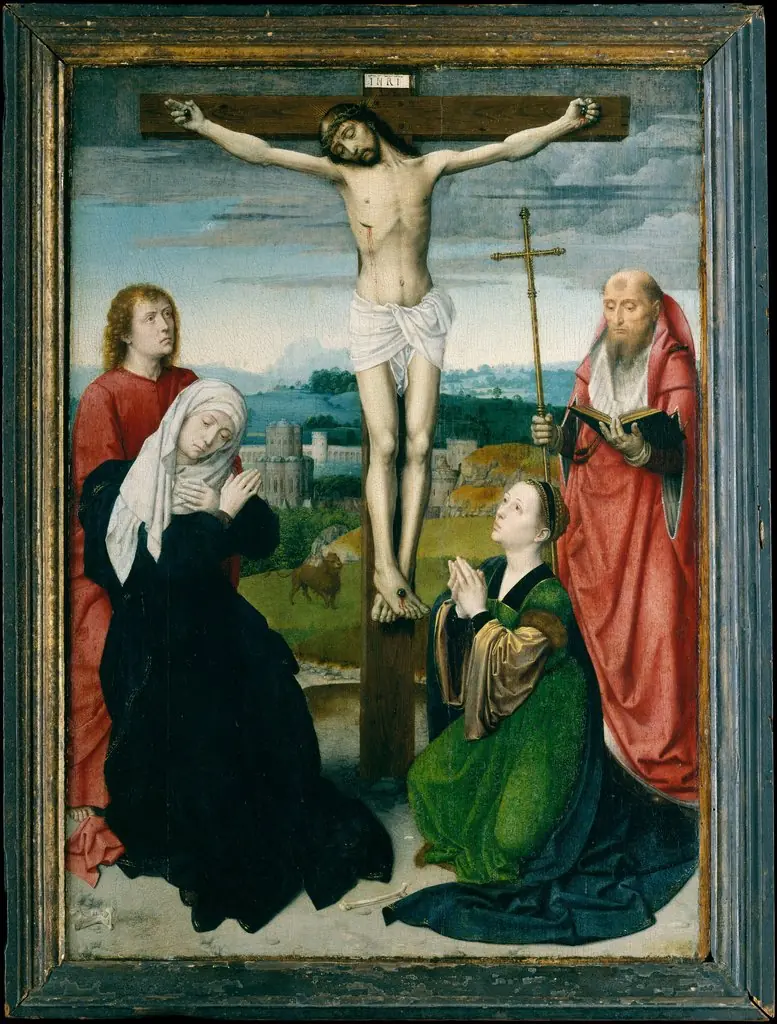 The Crucifixion
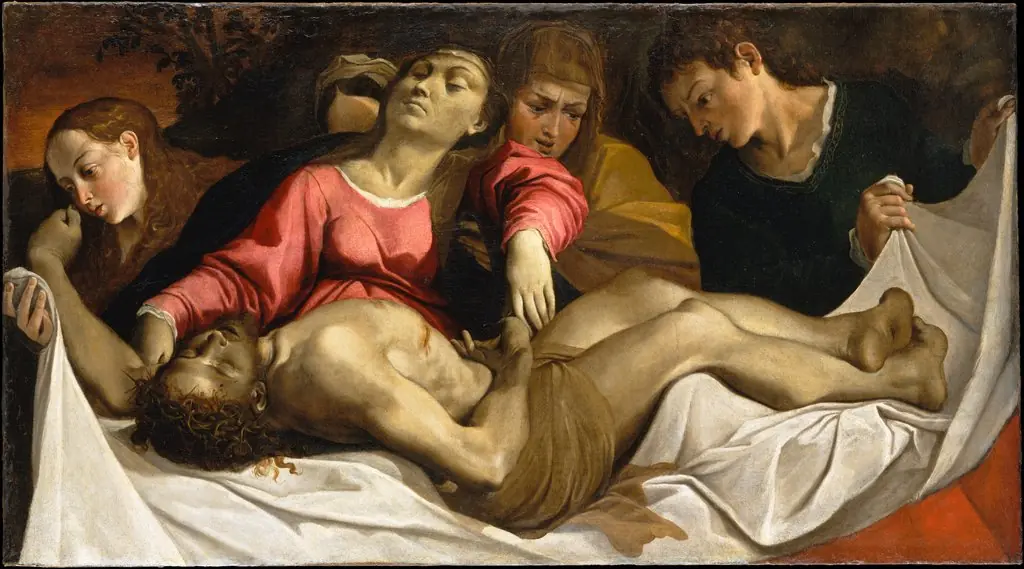 The Lamentation
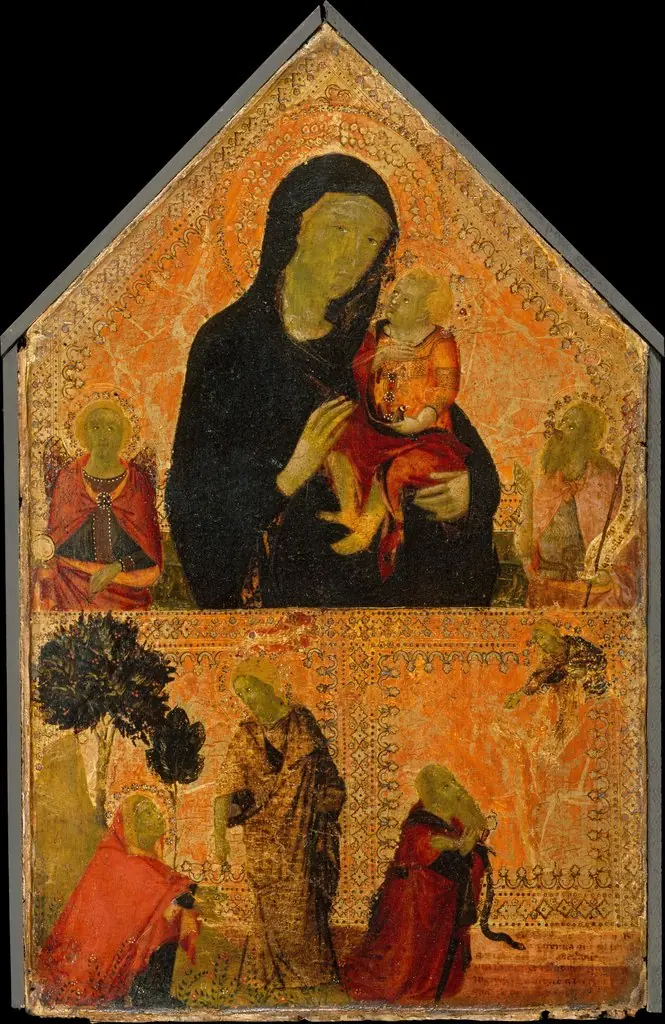 Madonna and Child with Saints Michael and John the Baptist; The Noli Me Tangere; The Conversion of Saint Paul
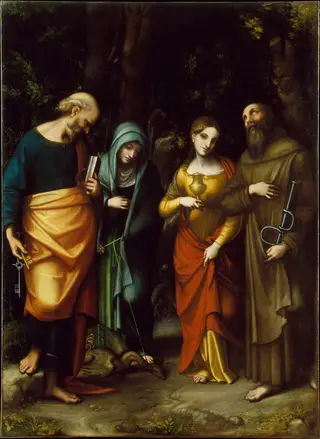 Saints Peter, Martha, Mary Magdalen, and Leonard
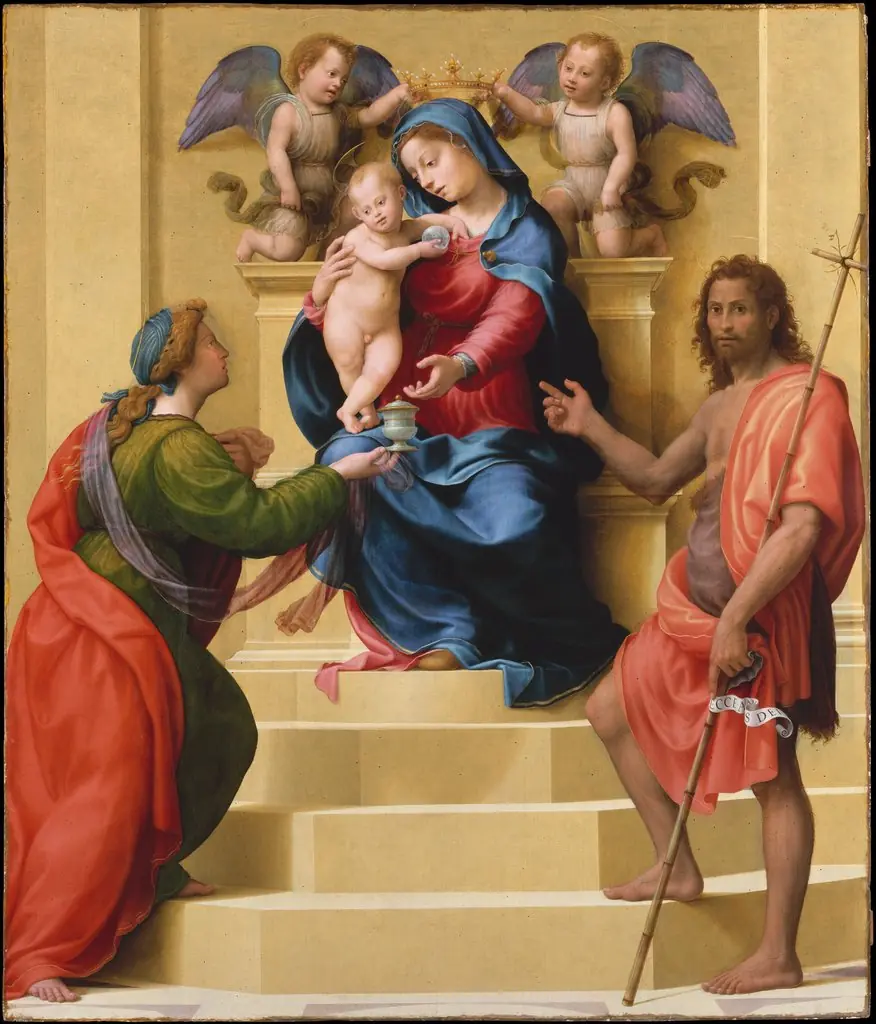 Madonna and Child Enthroned with Saints Mary Magdalen and John the Baptist
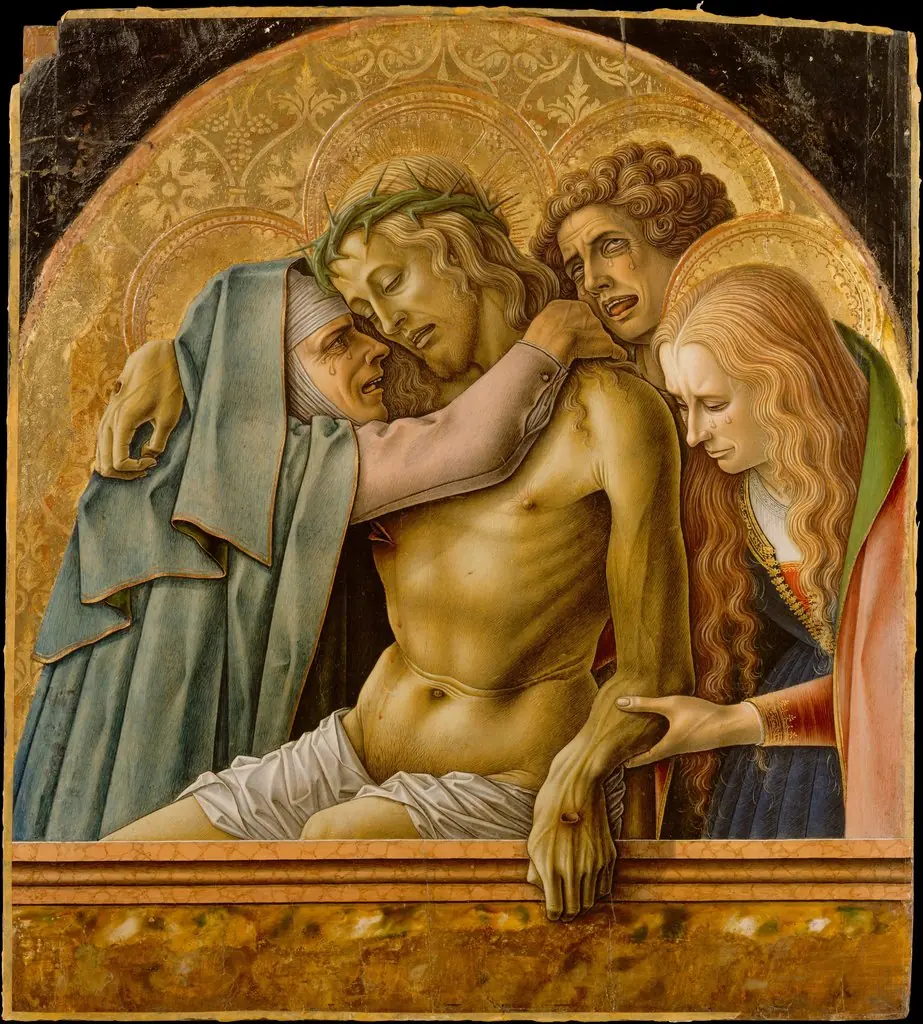 Pietà
Pietà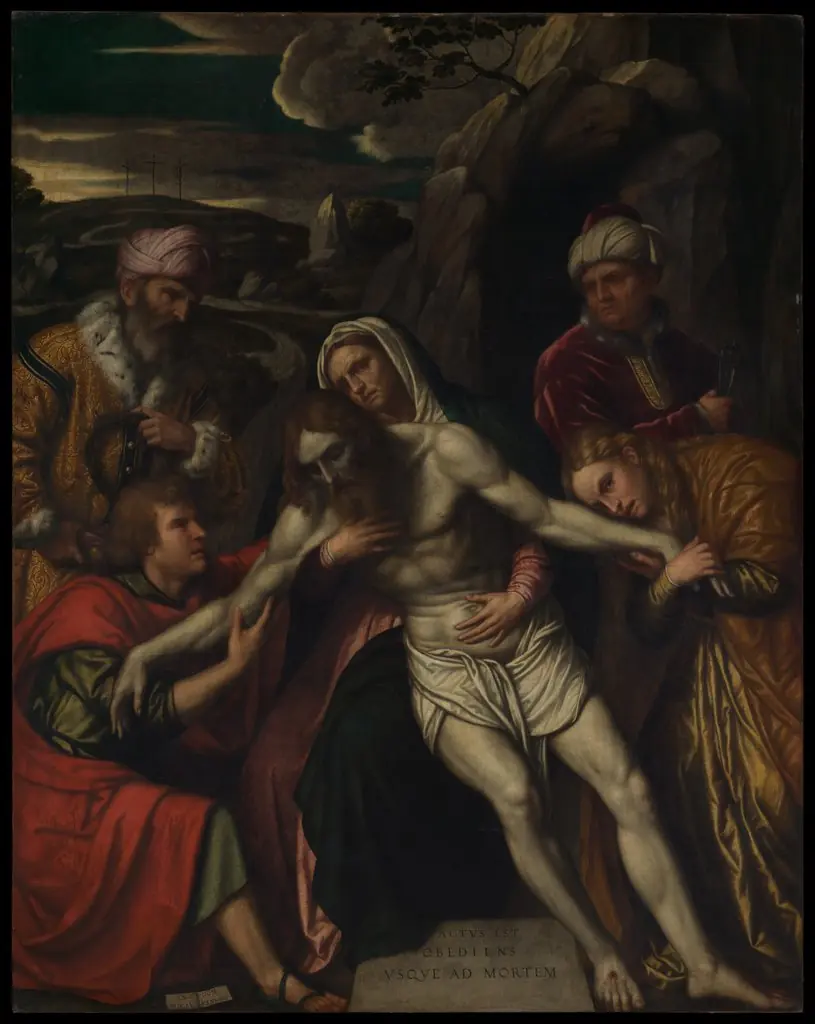 The Entombment
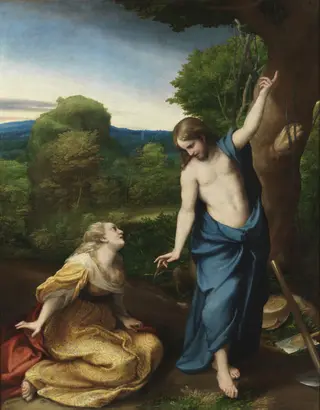 Noli me tangere
![The Crucifixion with the Virgin, Saint John, Saint Jerome, and Saint Mary Magdalene [right panel]](https://artifactworldgallery.com/img/pietro-perugino--the-crucifixion-with-the-virgin-saint-john-saint-jerome-and--7d9a2b1f47b9fc9b-w320.webp) The Crucifixion with the Virgin, Saint John, Saint Jerome, and Saint Mary Magdalene [right panel]
The Crucifixion with the Virgin, Saint John, Saint Jerome, and Saint Mary Magdalene [right panel]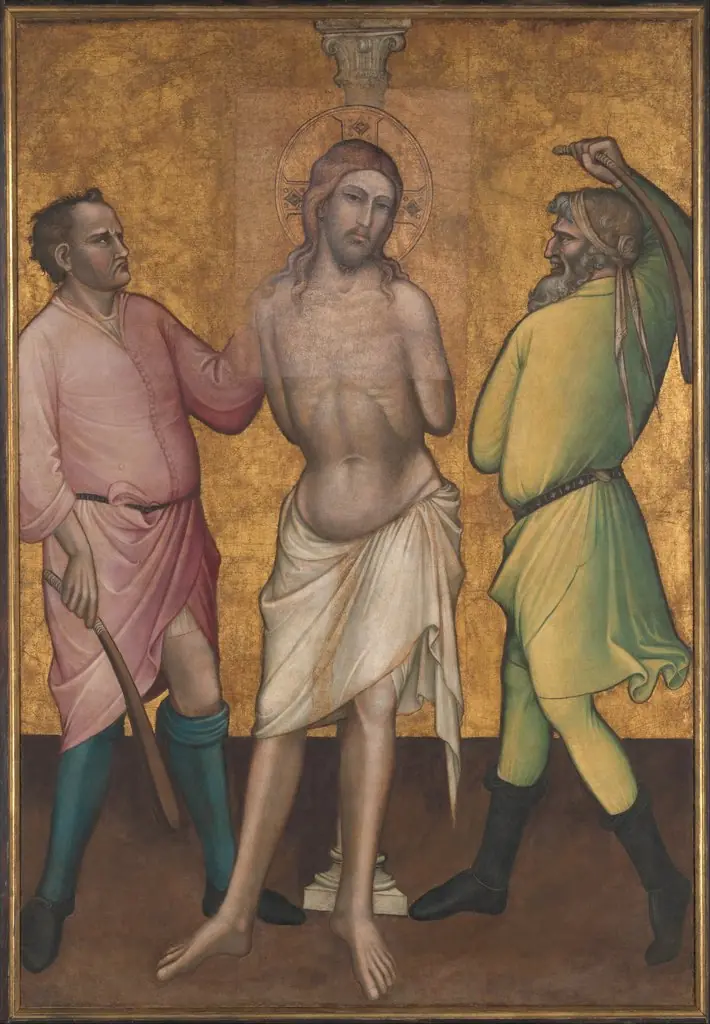 Saint Mary Magdalen Holding a Crucifix; (reverse) The Flagellation
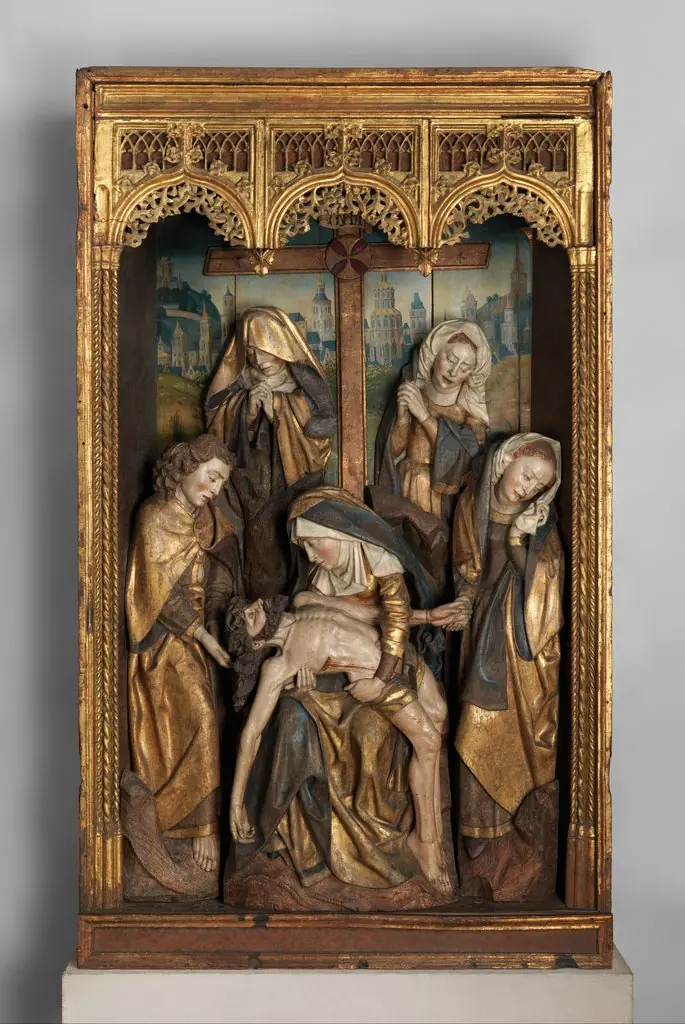 The Lamentation
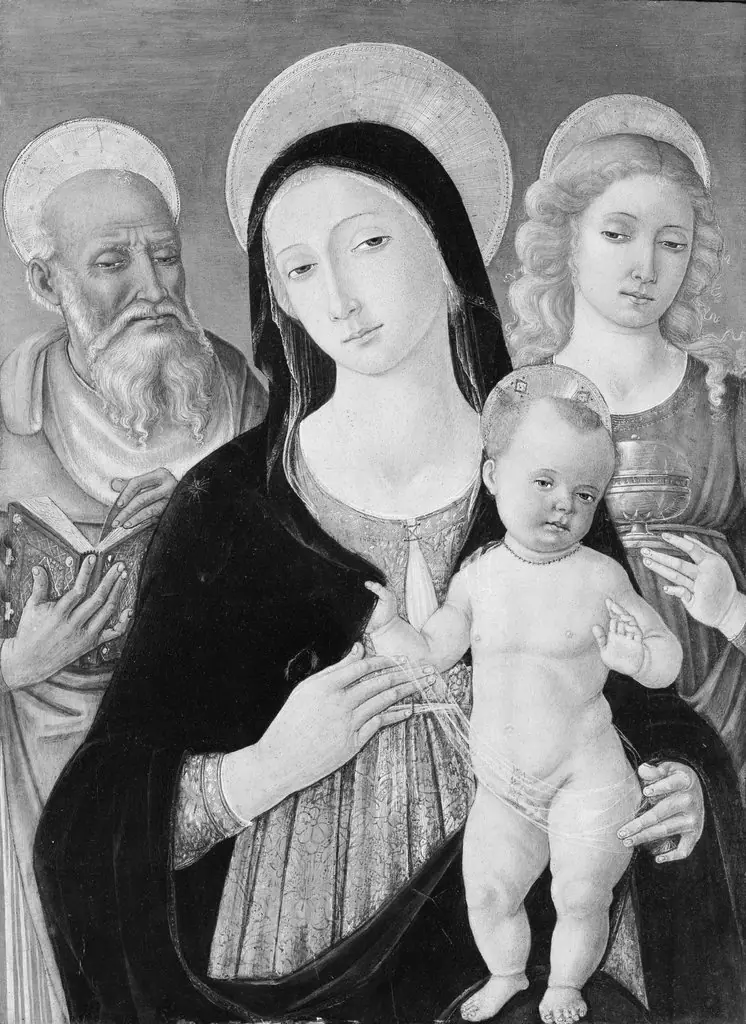 Madonna and Child with Saints Jerome and Mary Magdalen
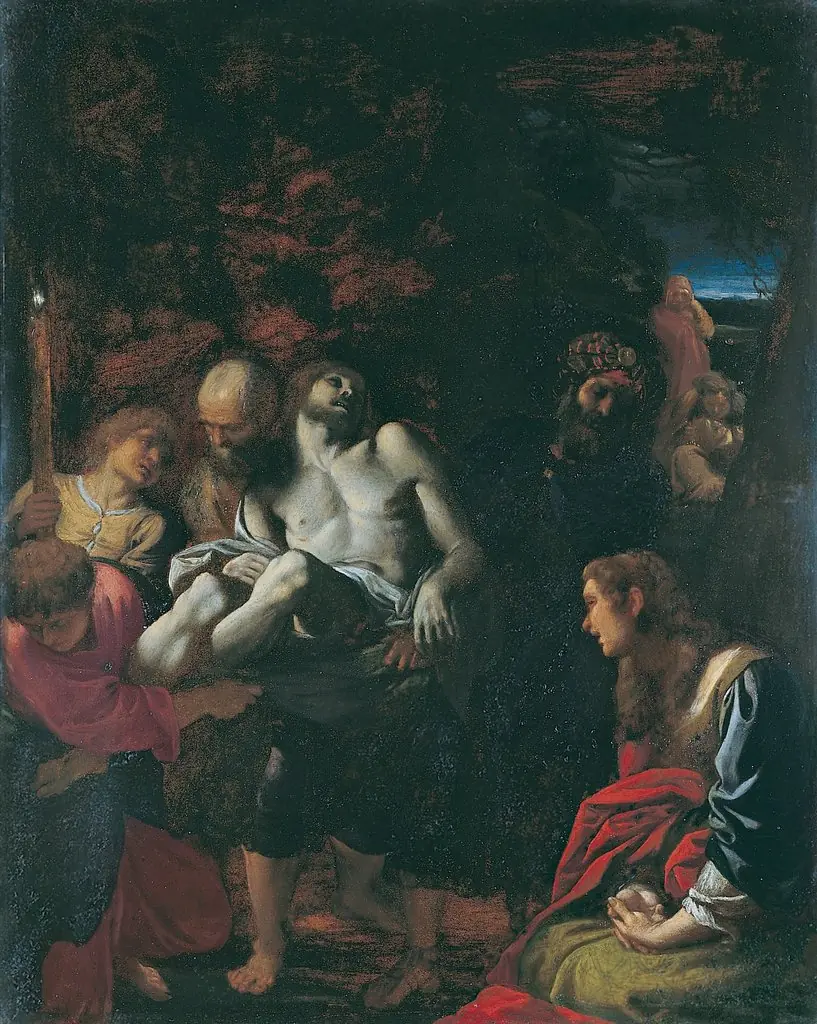 The Burial of Christ
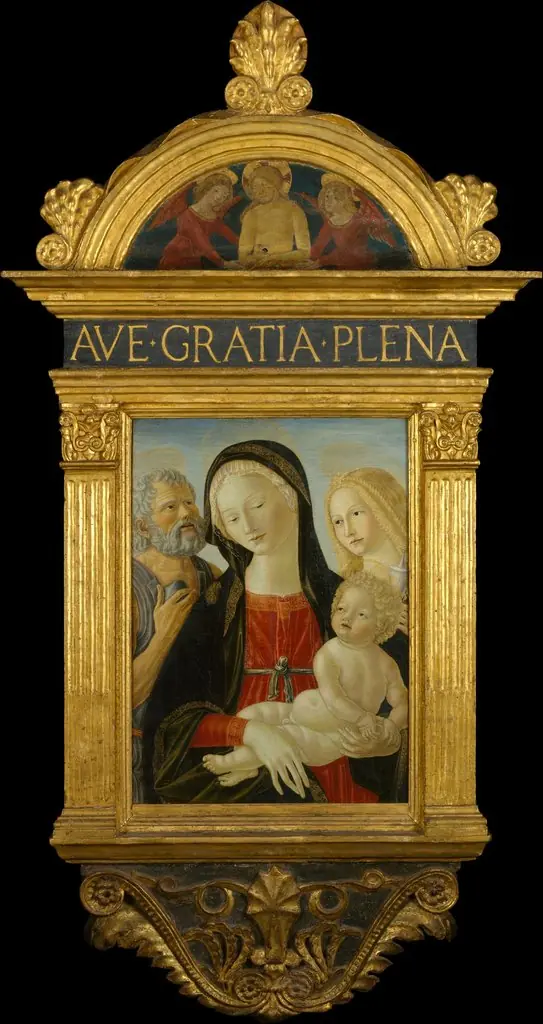 Madonna and Child with Saints Jerome and Mary Magdalen
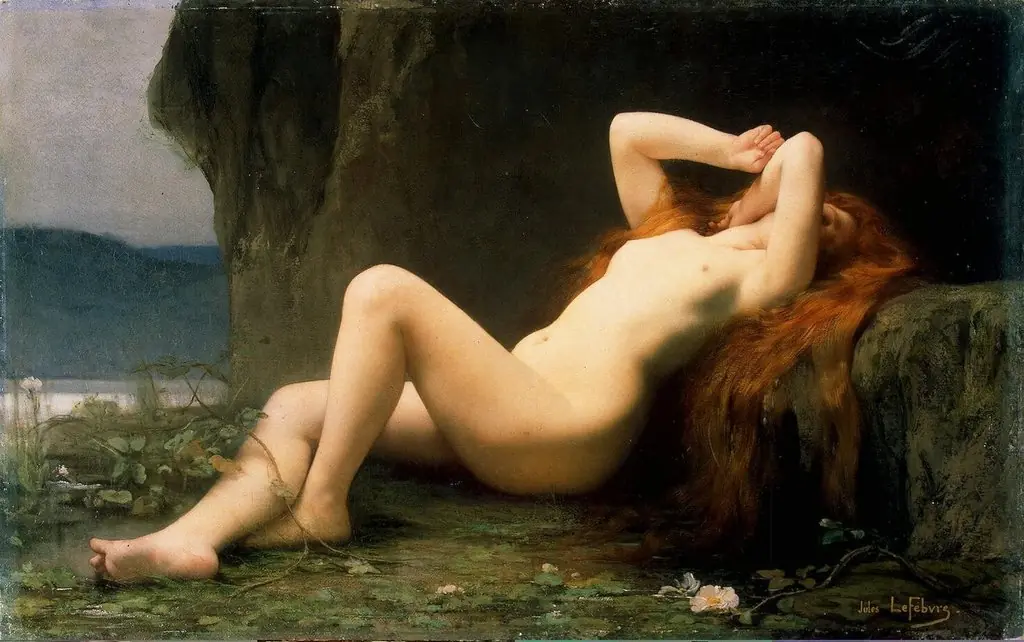 Mary Magdalene in a Grotto
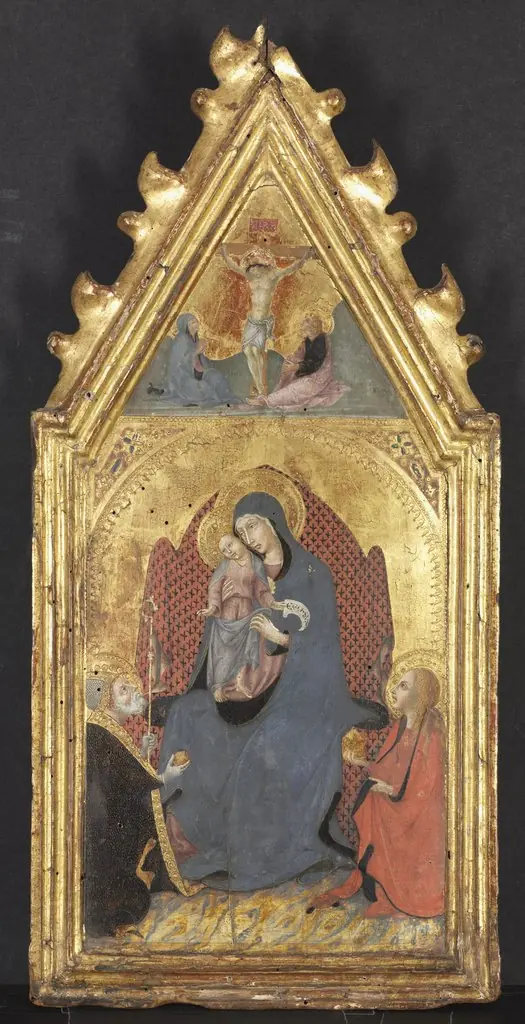 Virgin and Child Adored by Saints Mary Magdalene and Nicolas of Bari; Christ Crucified with the Virgin and Saint John the Evangelist
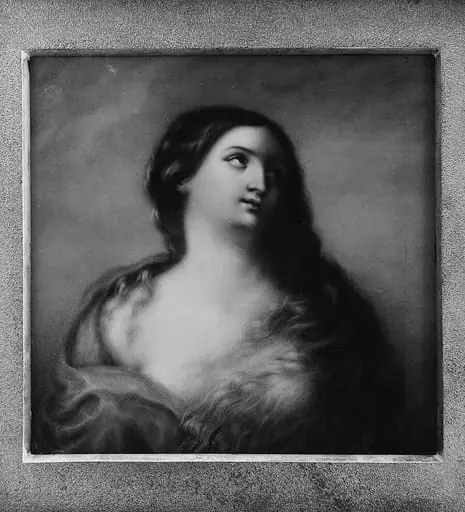 The Magdalen
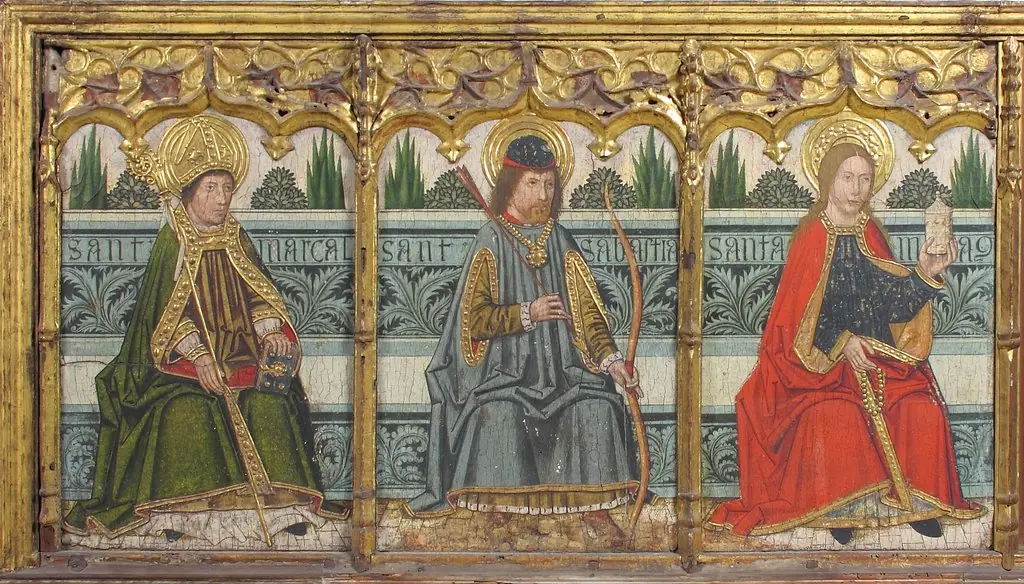 Predella panel with Saint Martial, Saint Sebastian, and Saint Mary Magdalen from Retable
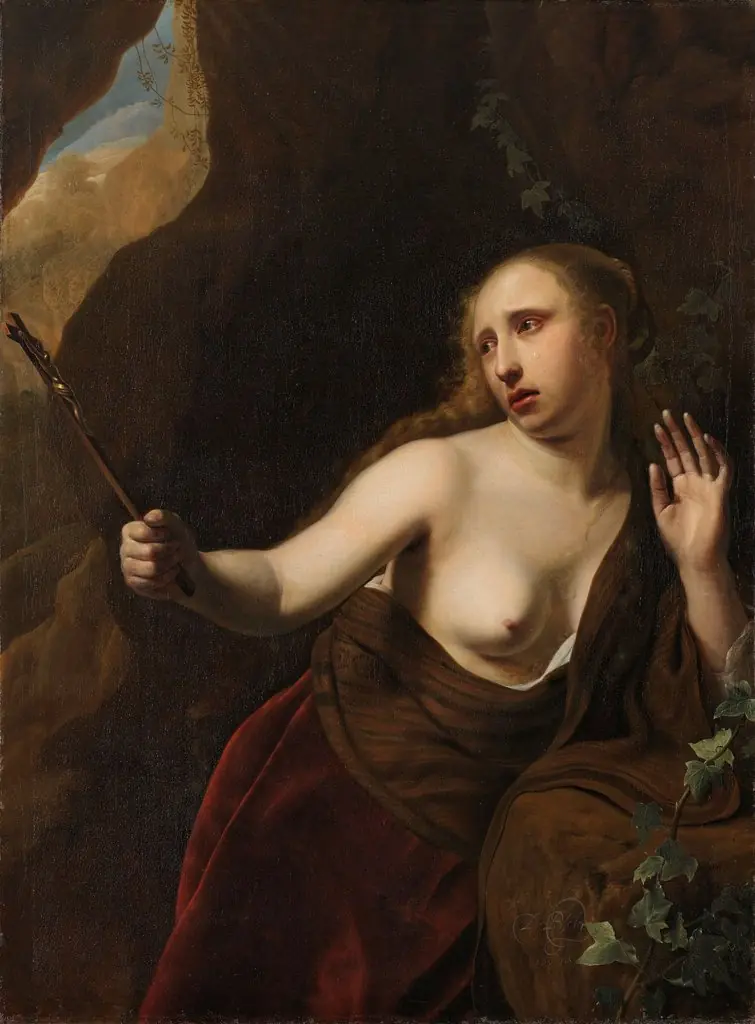 The penitent Mary Magdalene
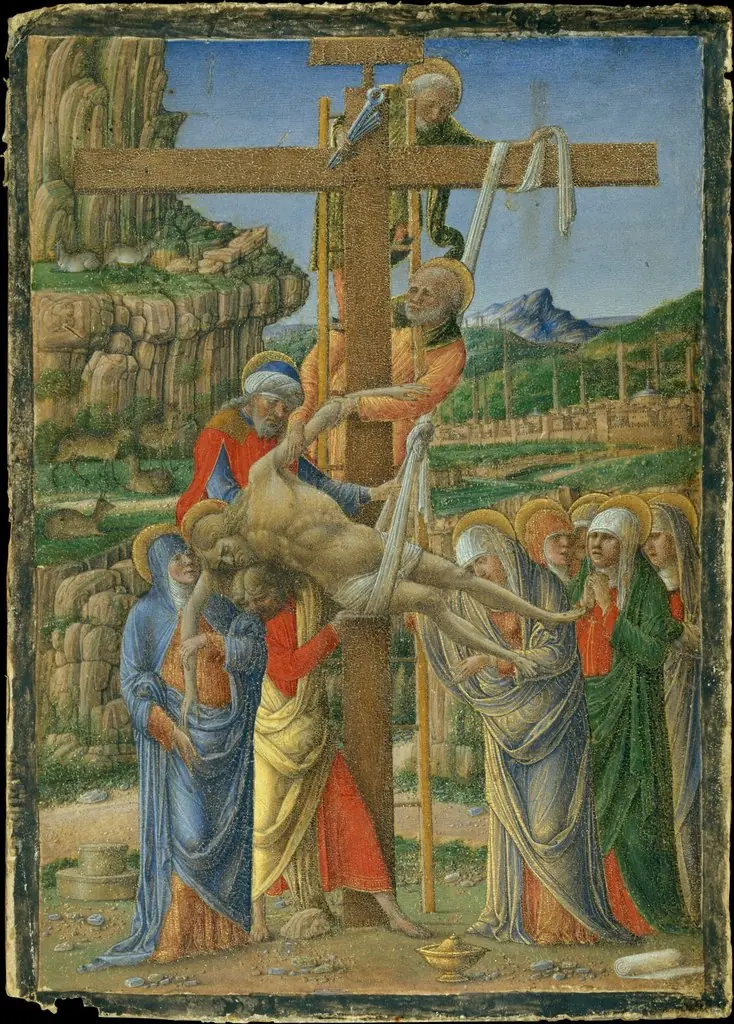 Descent from the Cross
![Saint Mary Magdalene, with an Angel [left panel]](https://artifactworldgallery.com/img/pietro-lorenzetti--saint-mary-magdalene-with-an-angel-left-panel--c015f106a0790d0d-w320.webp) Saint Mary Magdalene, with an Angel [left panel]
Saint Mary Magdalene, with an Angel [left panel]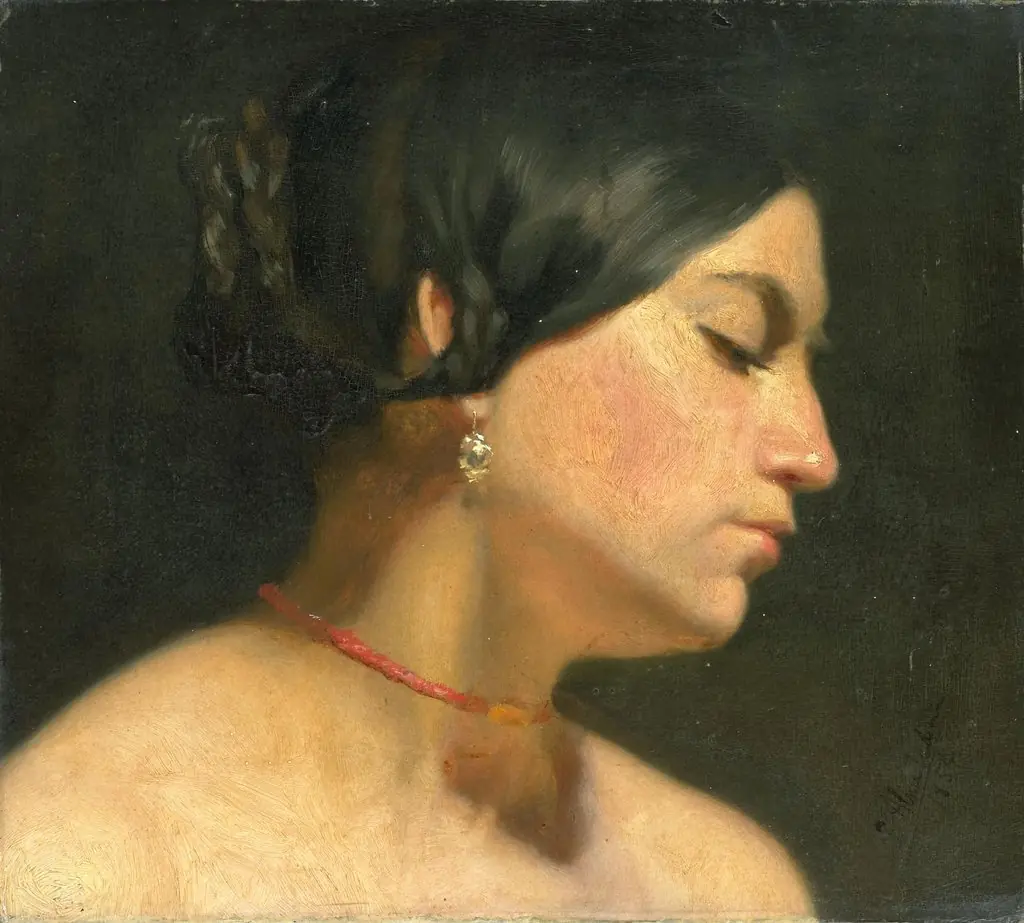 Mary Magdalene
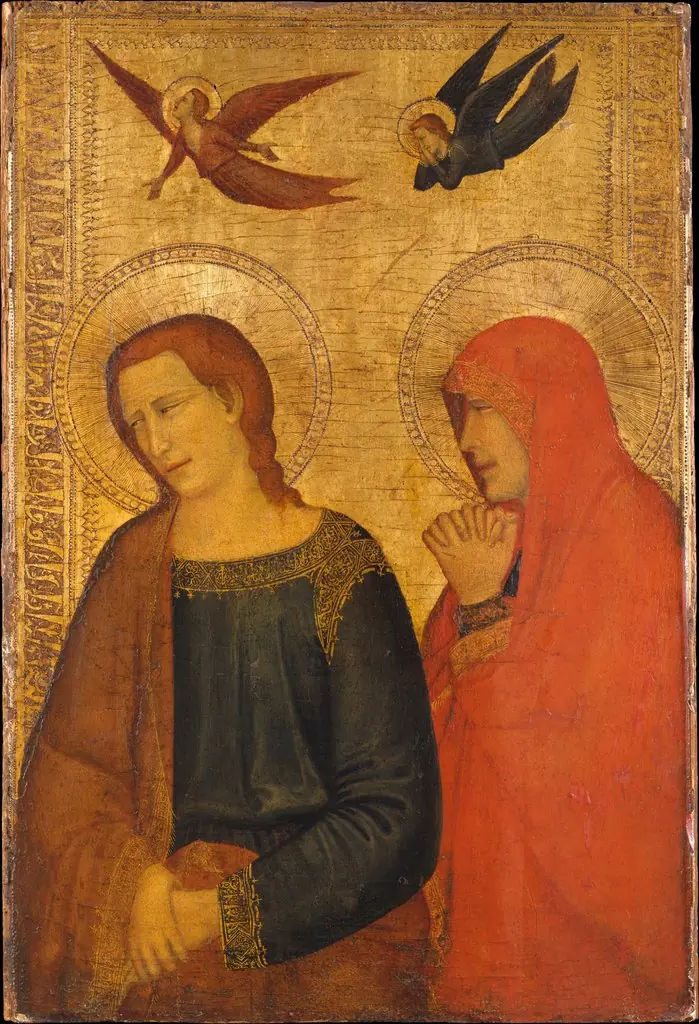 Saints John the Evangelist and Mary Magdalene
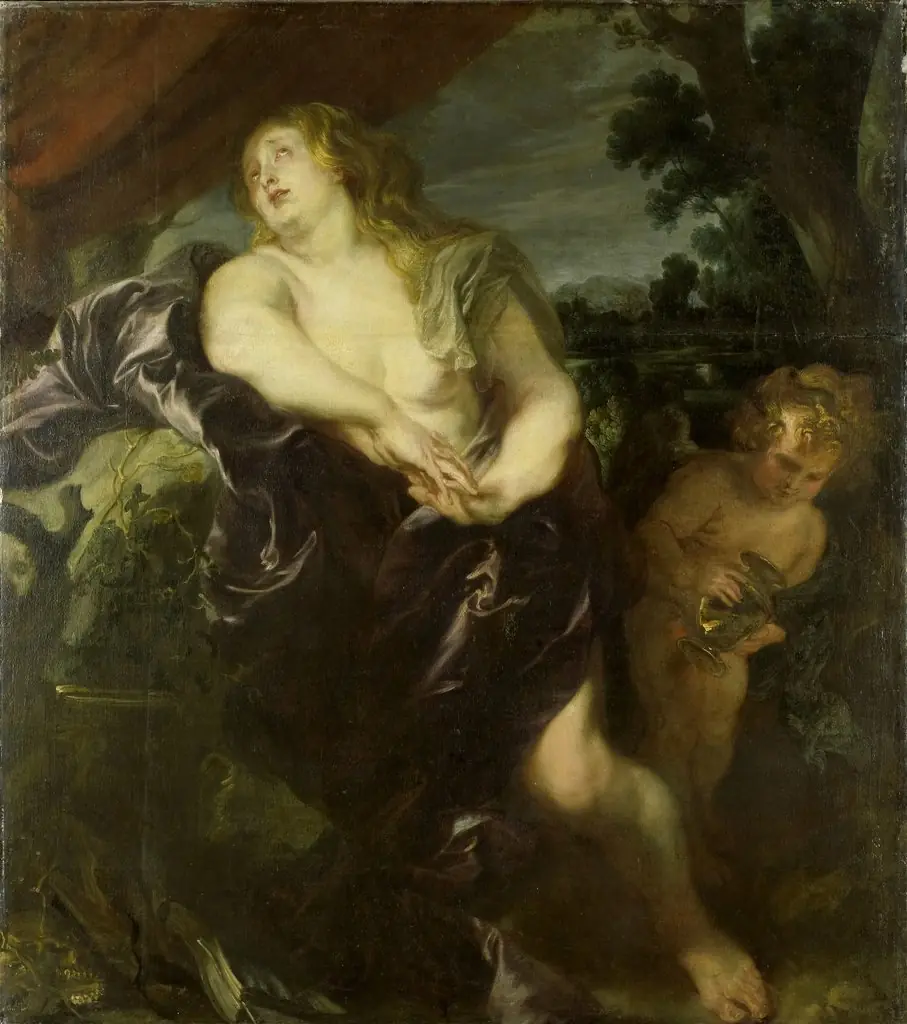 The penitent Mary Magdalene
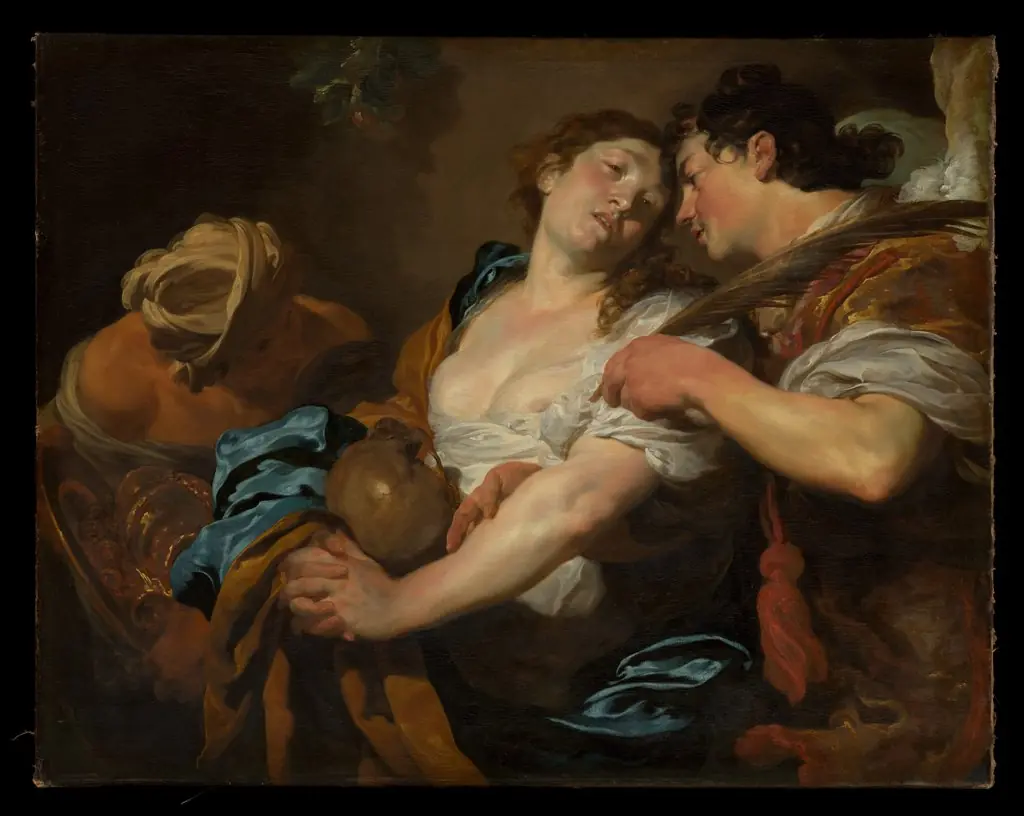 The Temptation of Saint Mary Magdalen
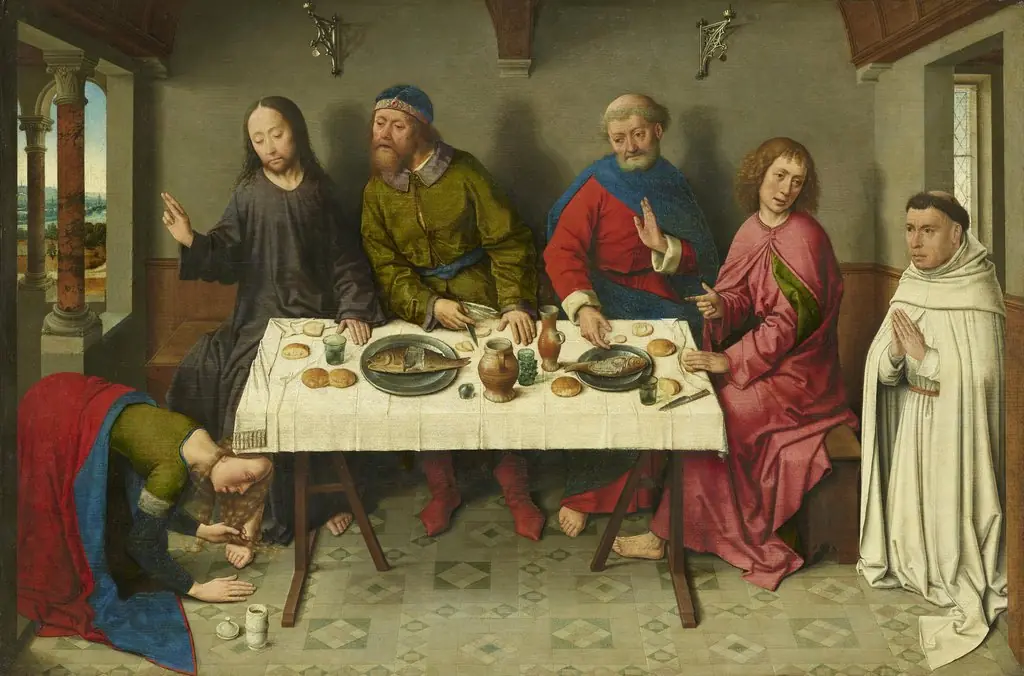 Christ in the house of the Pharisee Simon
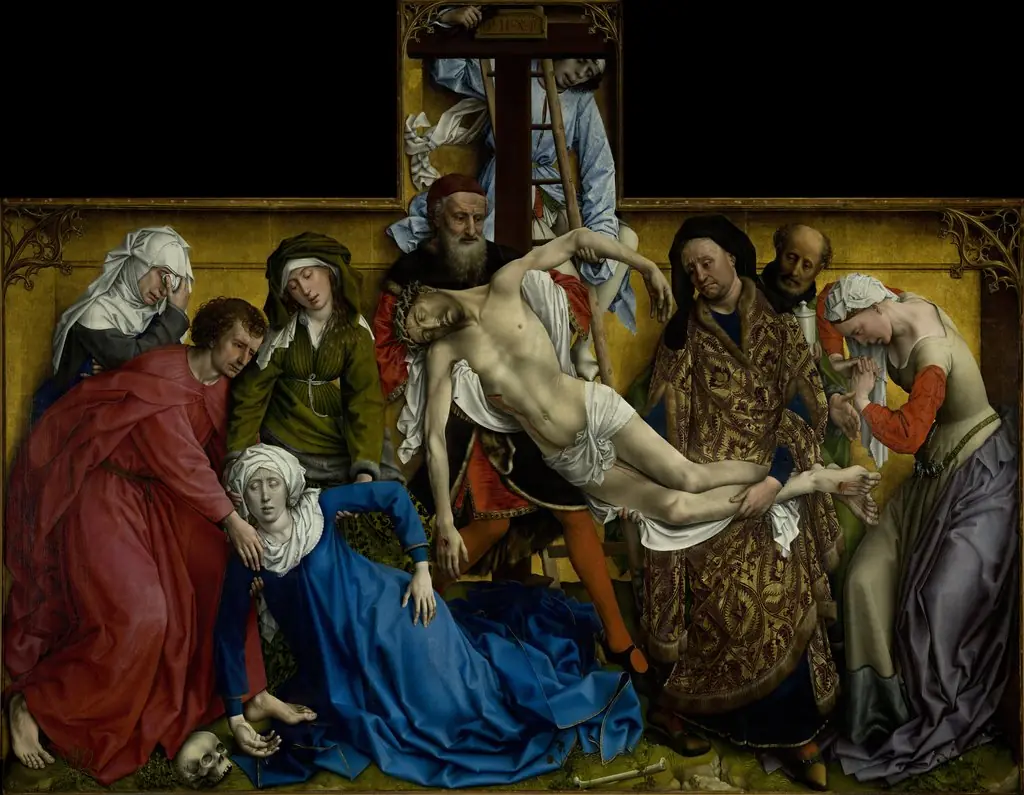 The Descent from the Cross
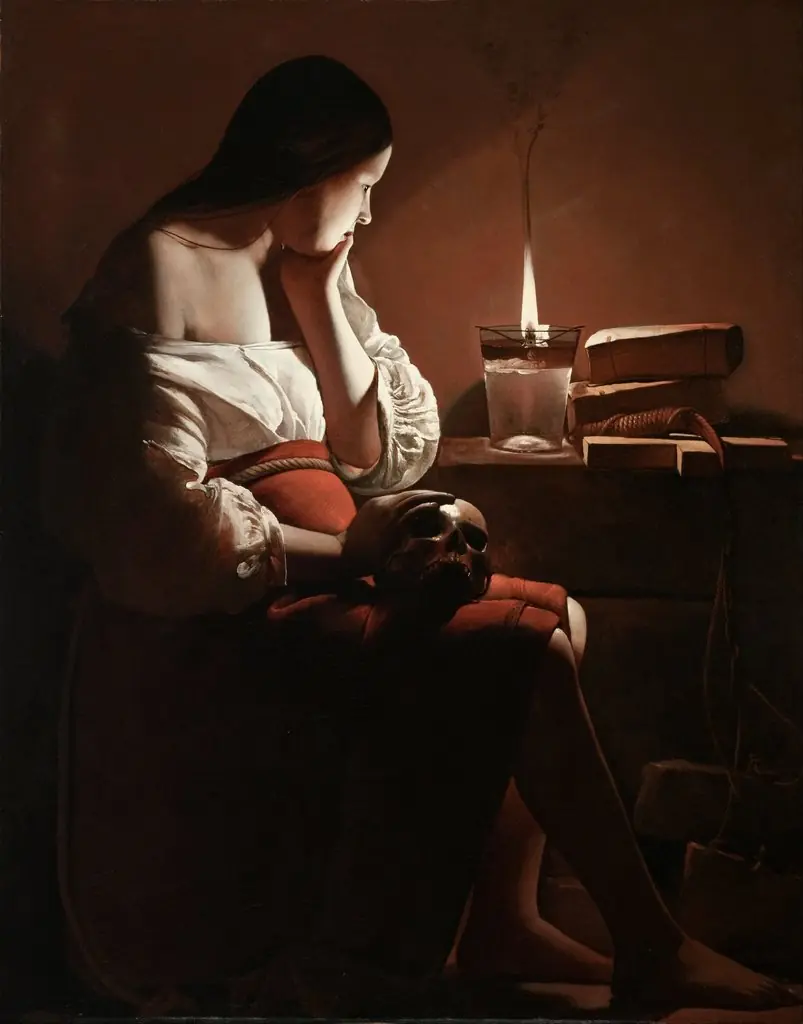 Magdalen with the Smoking Flame
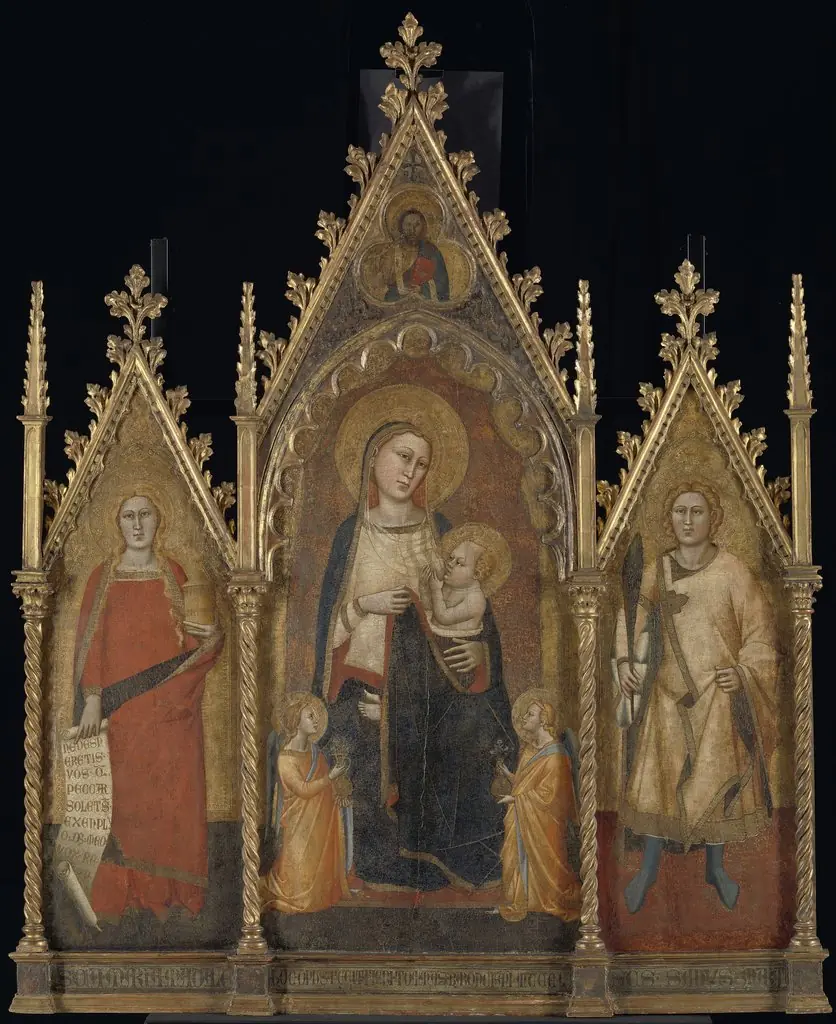 Triptych with the Virgin and Child, and Saints Mary Magdalene and Ansanus
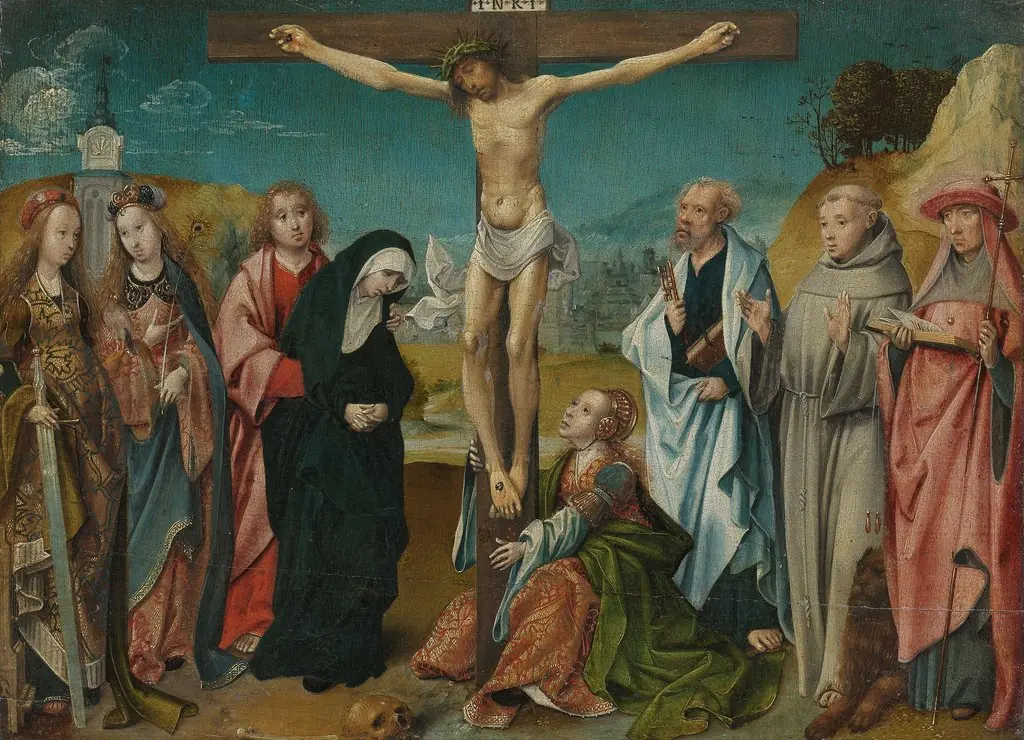 Christ on the cross with the Virgin, St John the Evangelist, Mary Magdalen, and Sts Cecilia and Barbara (left), and Sts Peter, Francis and Jerome (right)
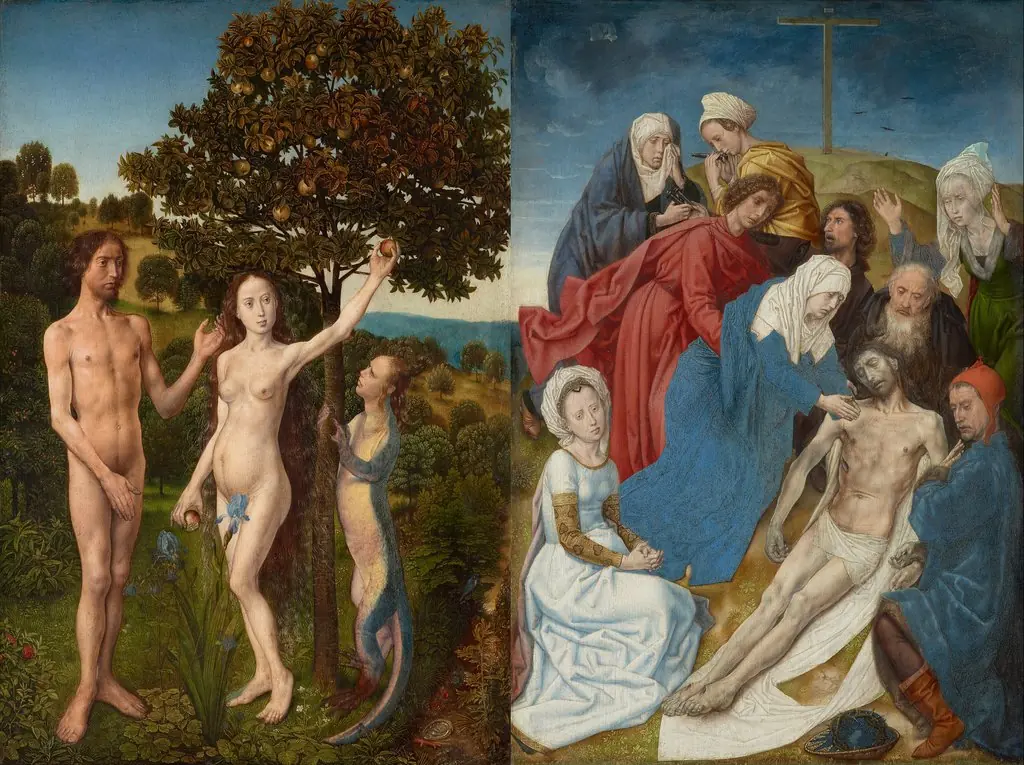 Vienna Diptych
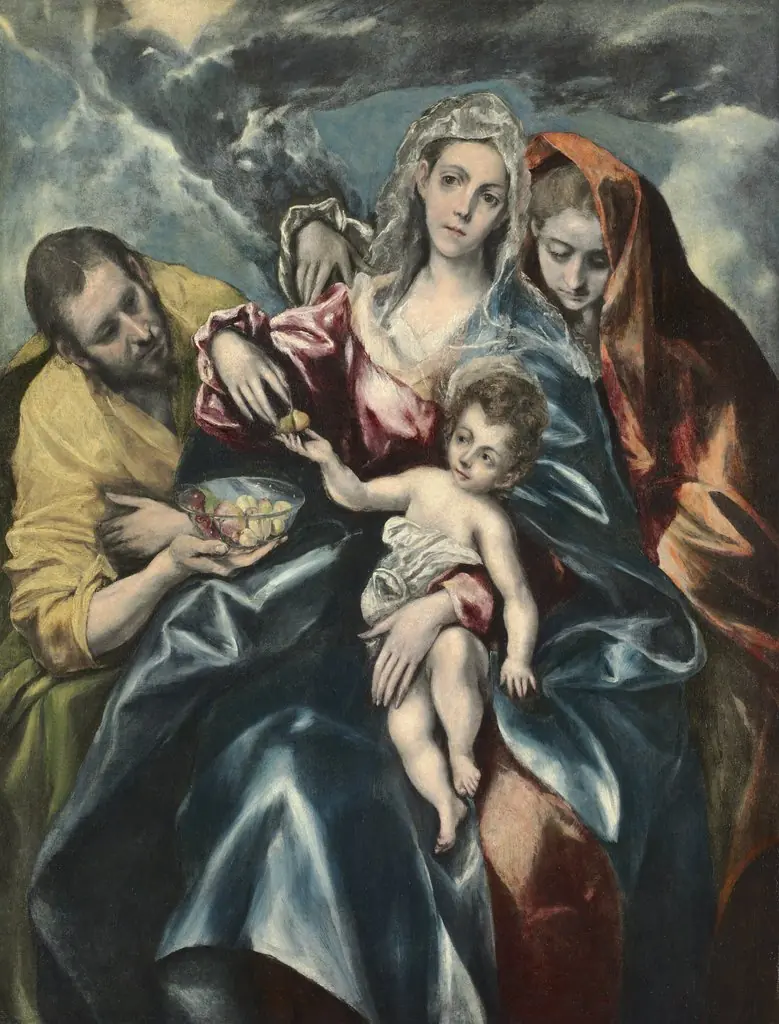 The Holy Family with Mary Magdalen
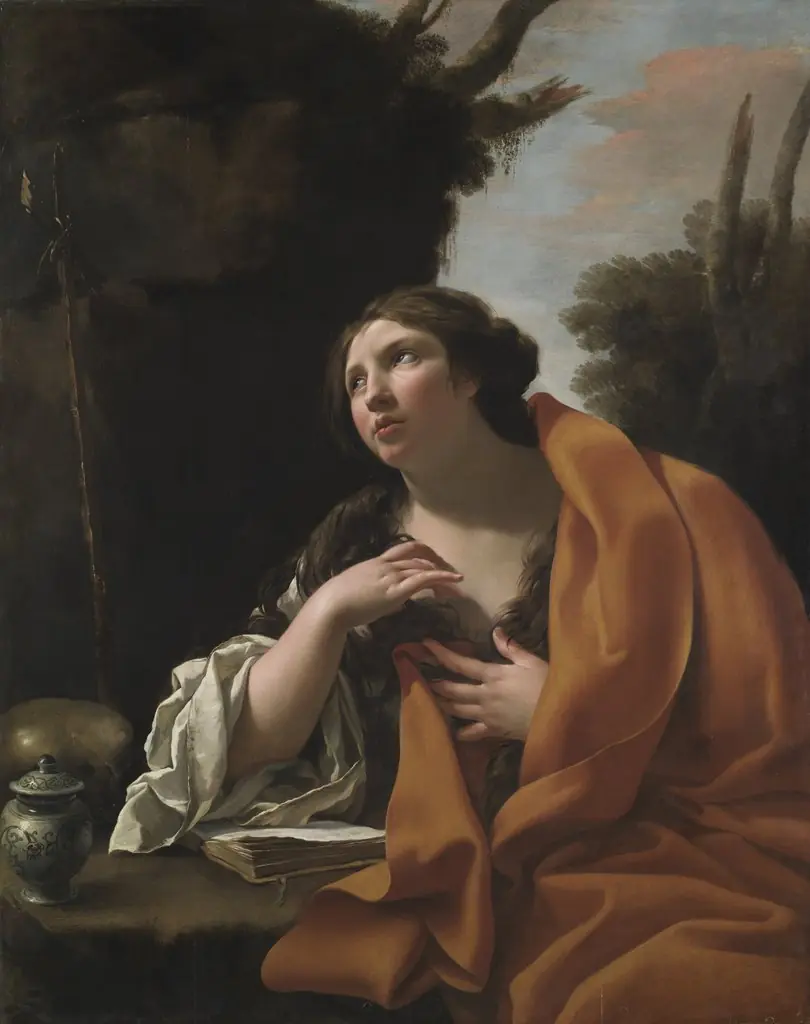 Saint Mary Magdalen
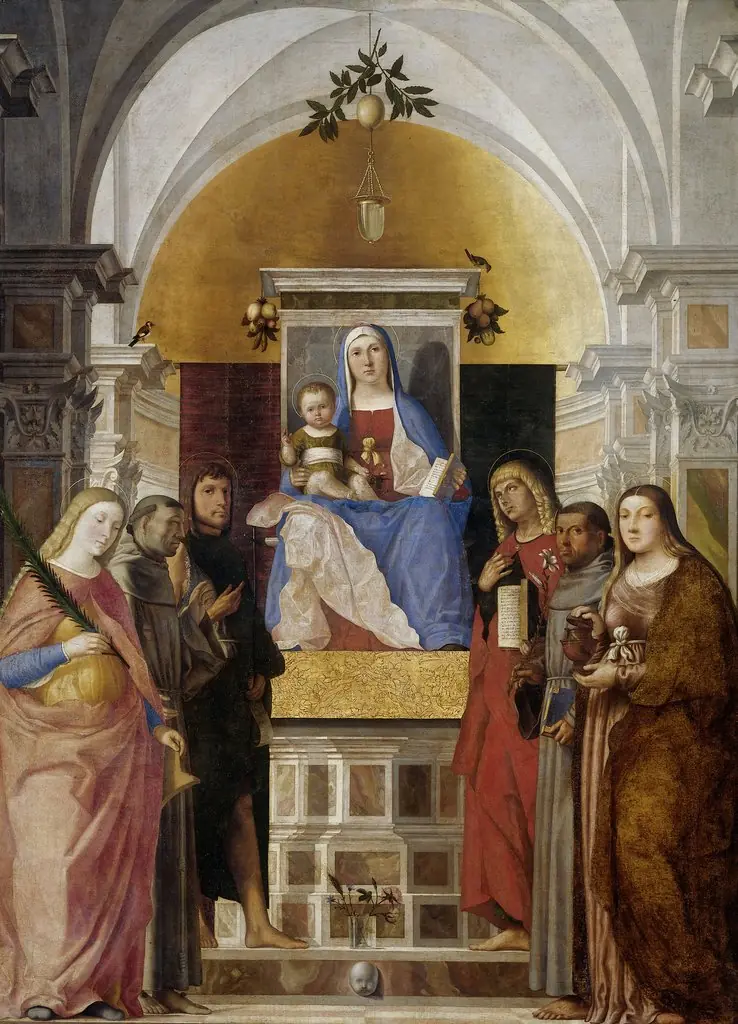 Virgin and Child with Saints Catherine, Francis, John the Baptist, Mary Magdalene, Antony of Padua, John the Evangelist
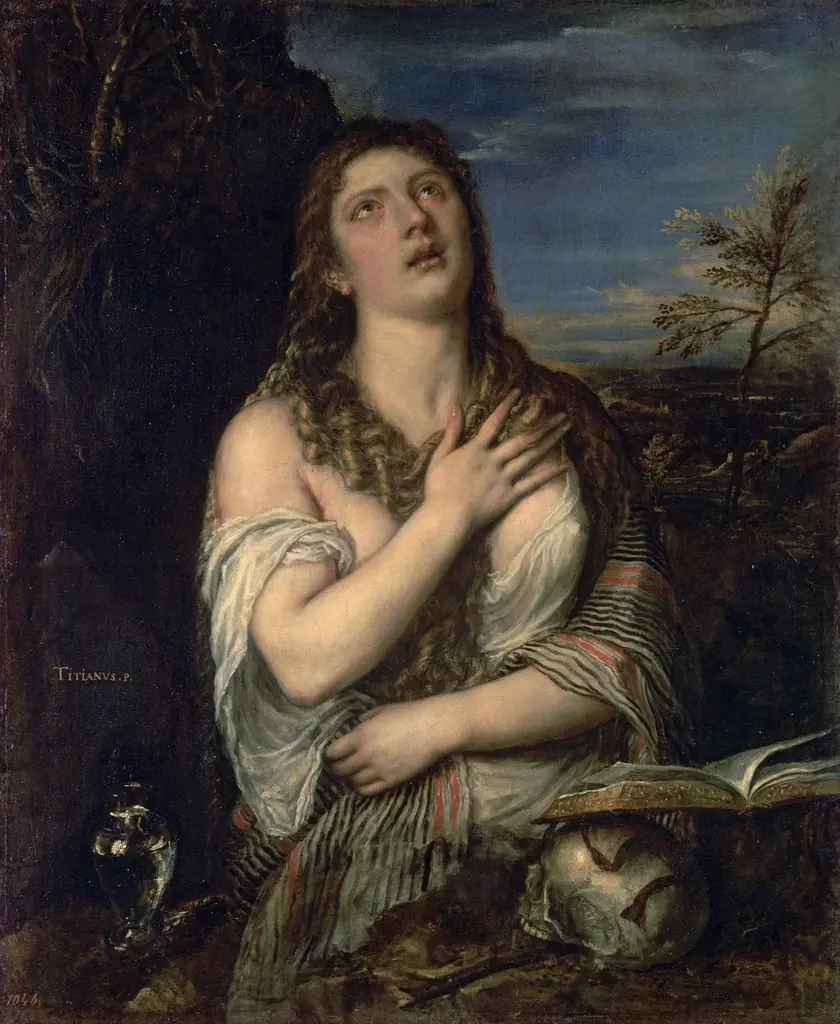 Penitent Magdalene
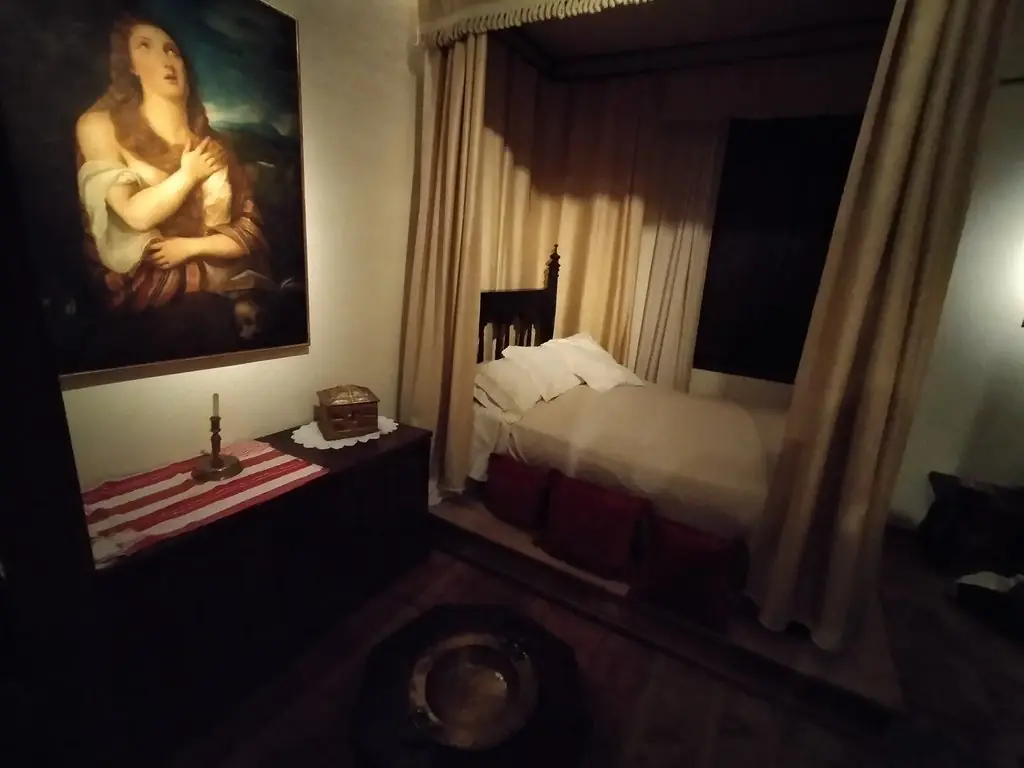 Penitent Magdalene
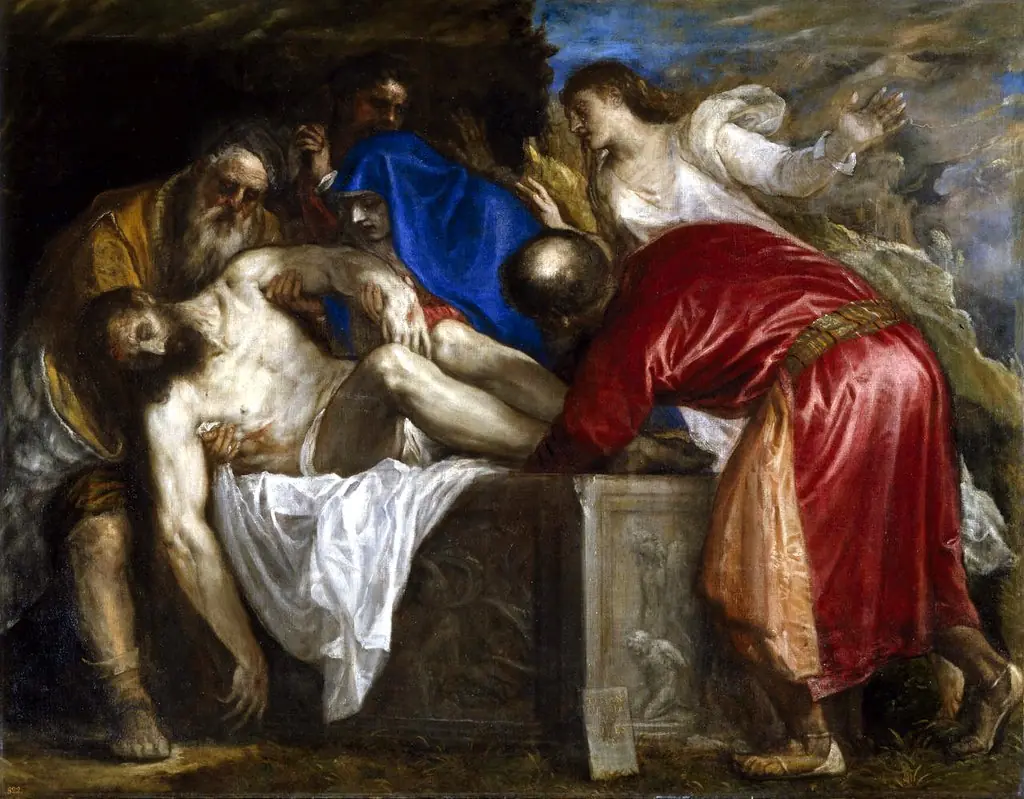 The Entombment
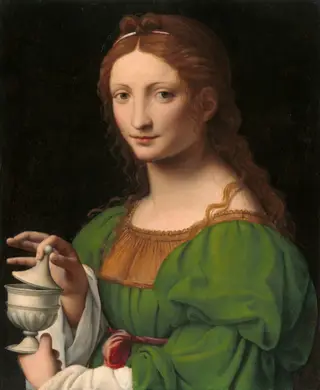 The Magdalen
![Saint Barbara [left wing exterior]](https://artifactworldgallery.com/img/master-of-the-starck-triptych--saint-barbara-left-wing-exterior--dc6b24dbebc95d32-w320.webp) Saint Barbara [left wing exterior]
Saint Barbara [left wing exterior]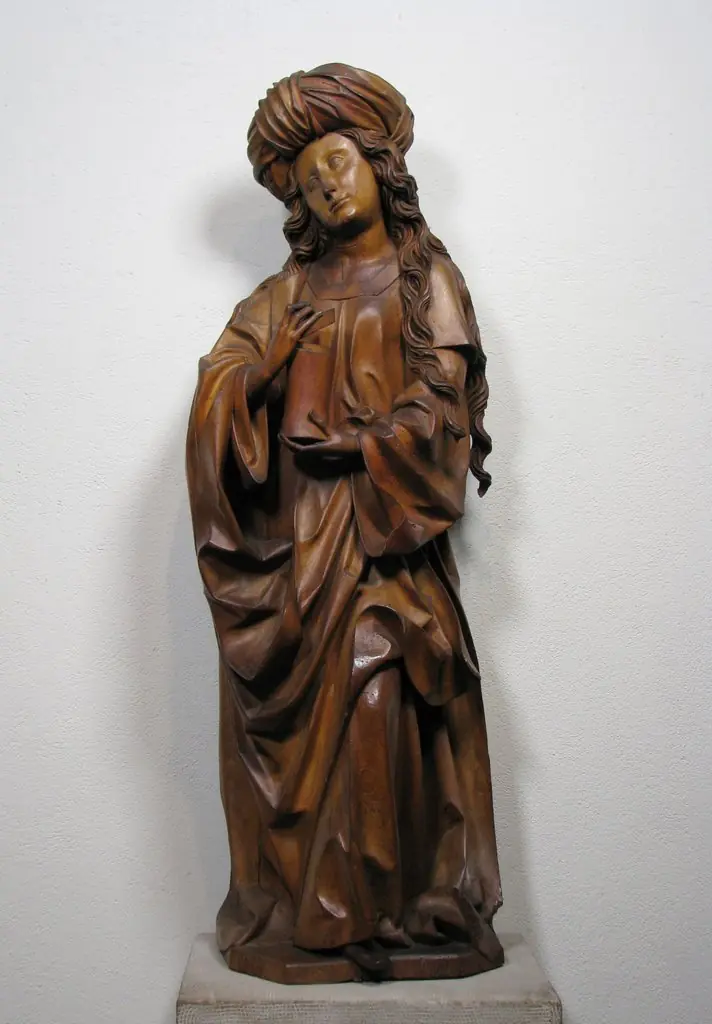 Saint Mary Magdalene
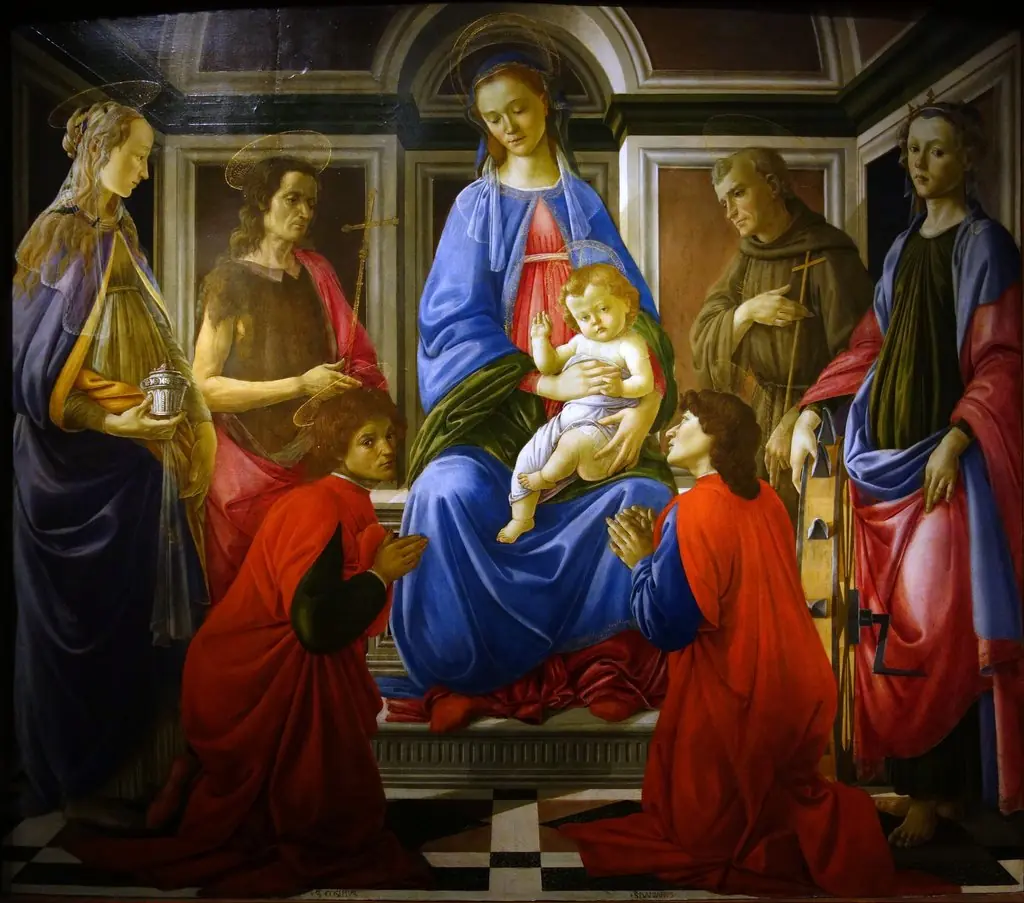 Sant'Ambrogio Altarpiece
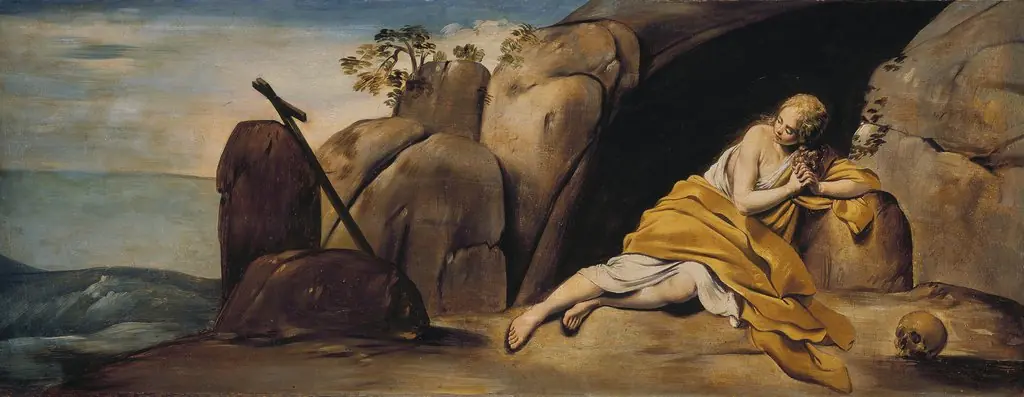 Magdalena penitente en la gruta de Sainte-Baume
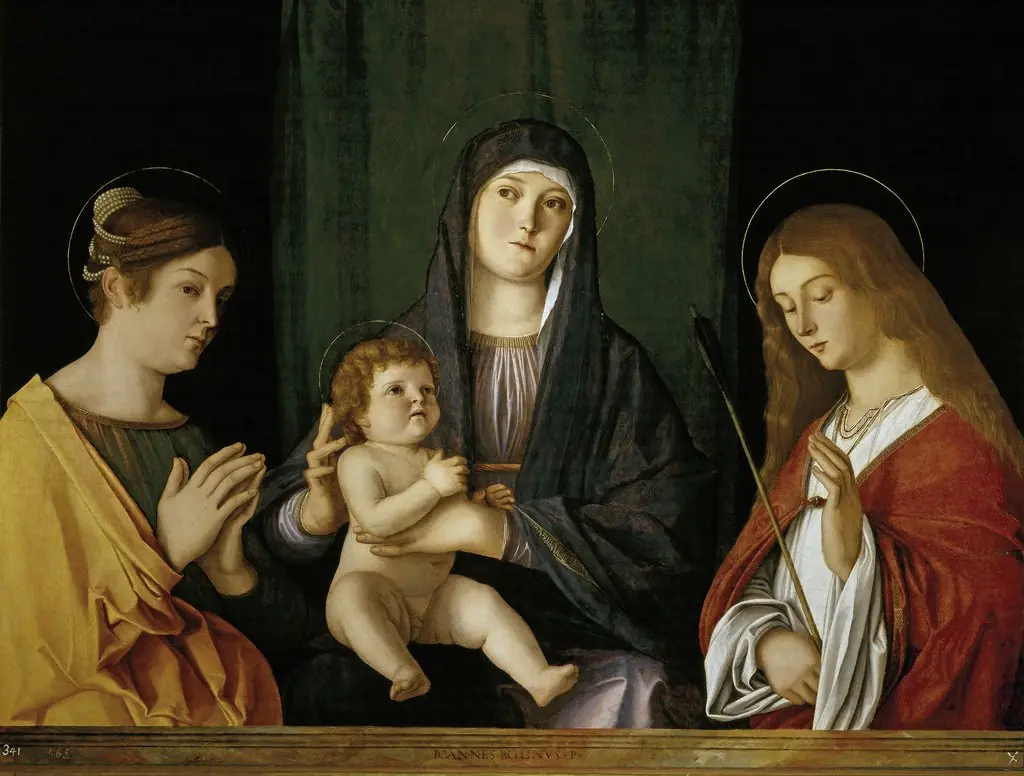 The Virgin and Child between two Saints
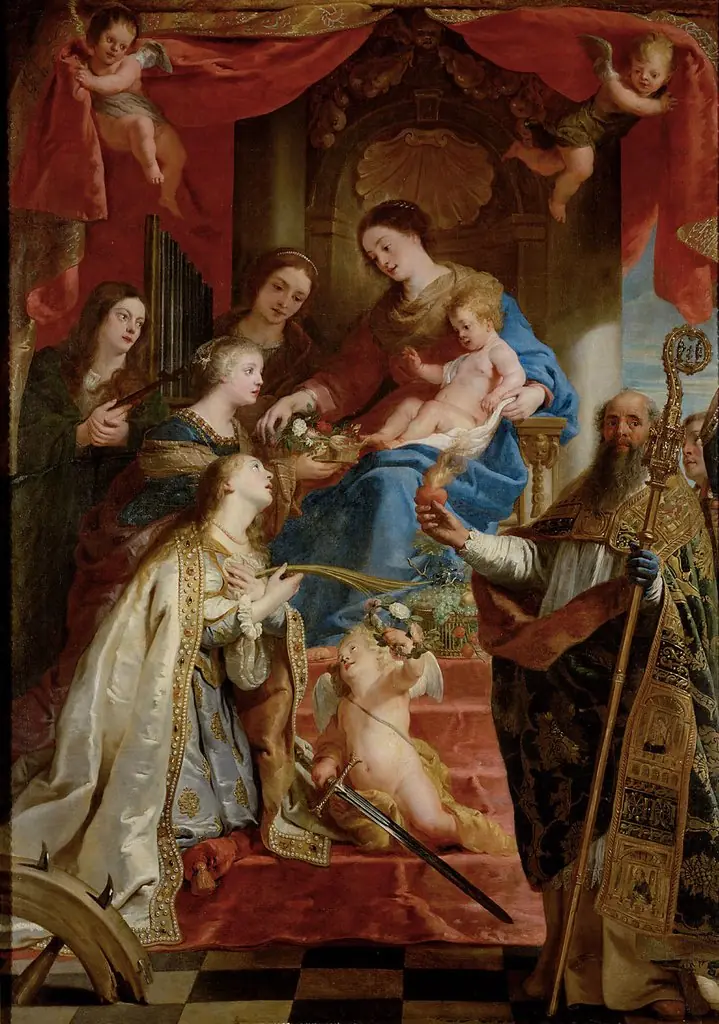 Virgin with child and saints Maria Magdalen, Cecilia, Dorothea, Catharina and Augustine
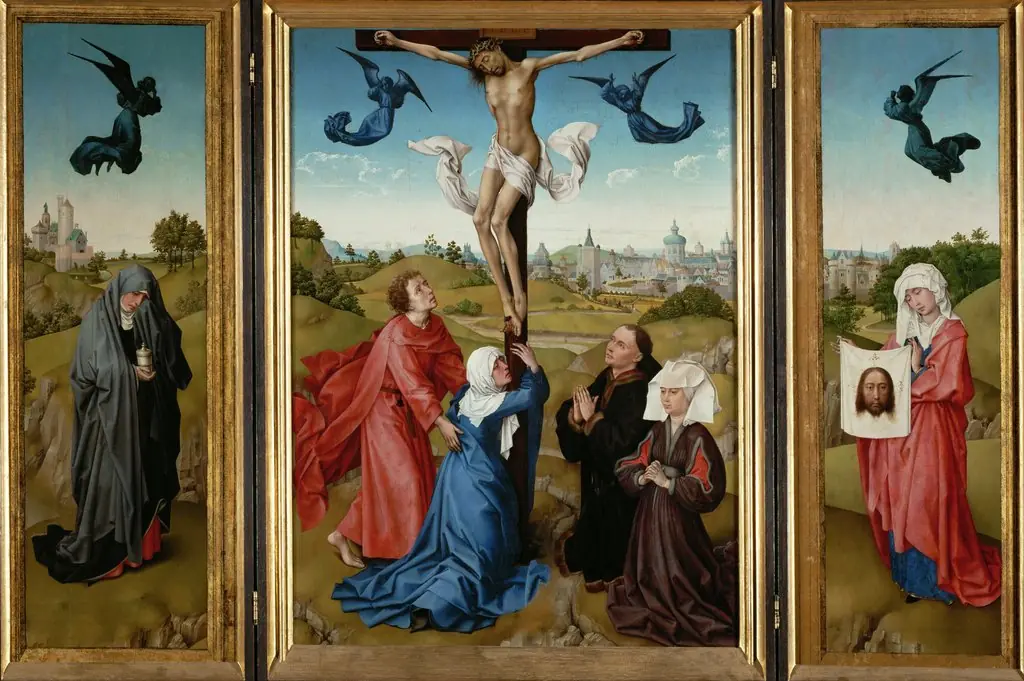 Crucifixion Triptych
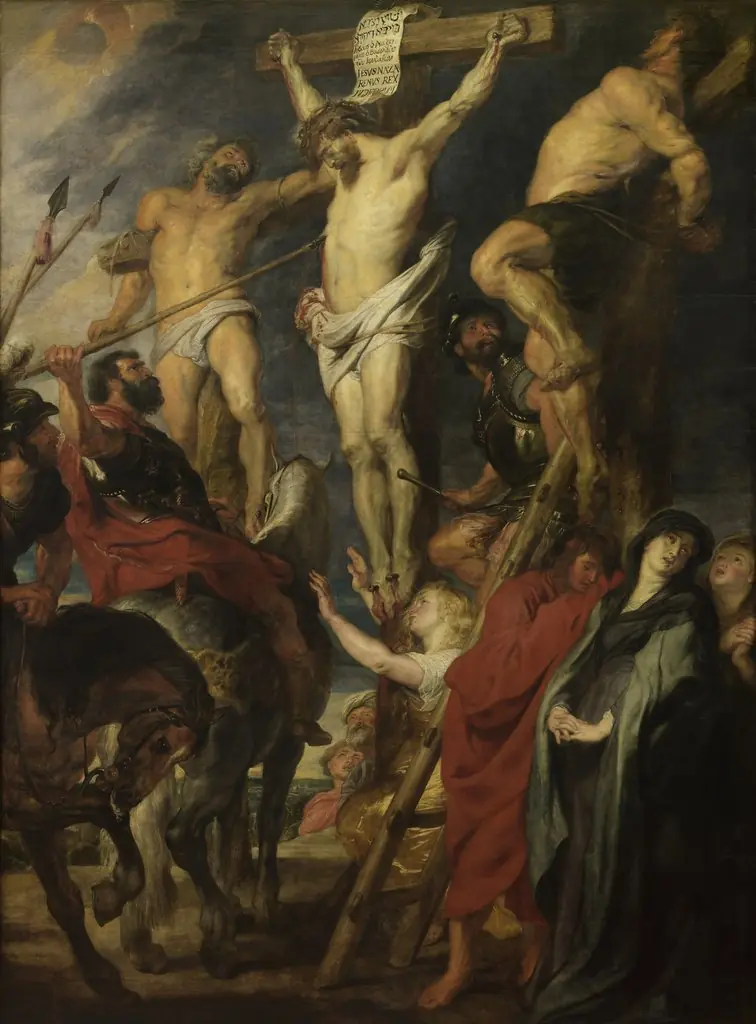 Christ on the Cross between the two criminals
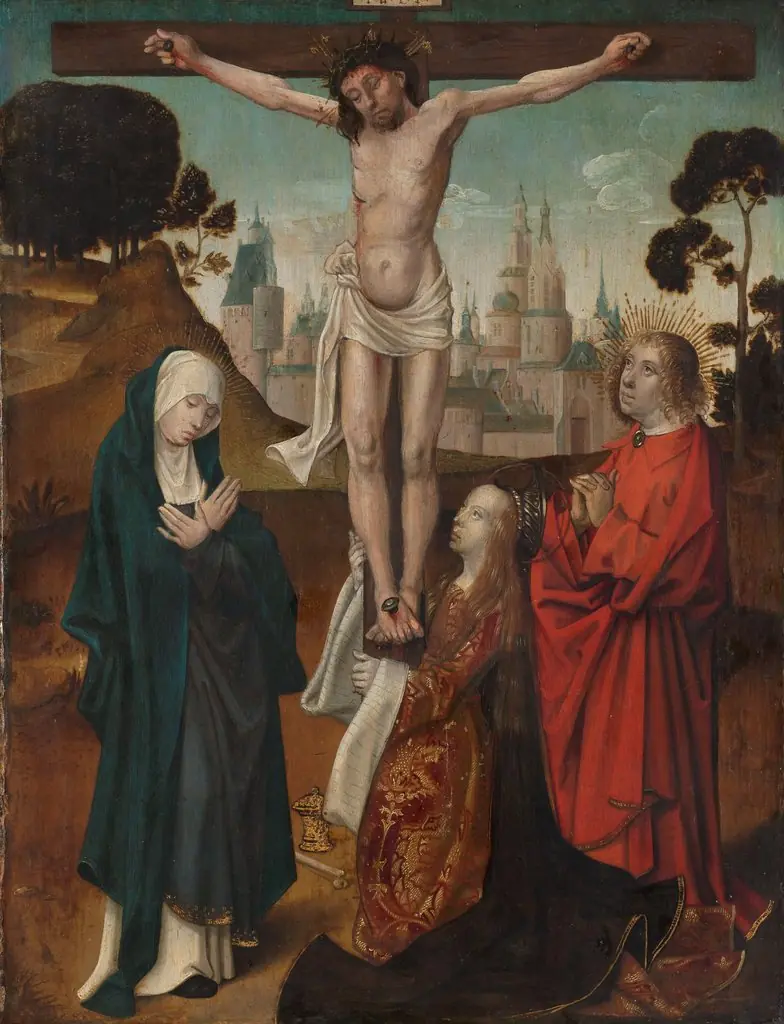 Crucifixion with the Virgin, Mary Magdalen and St John the Evangelist
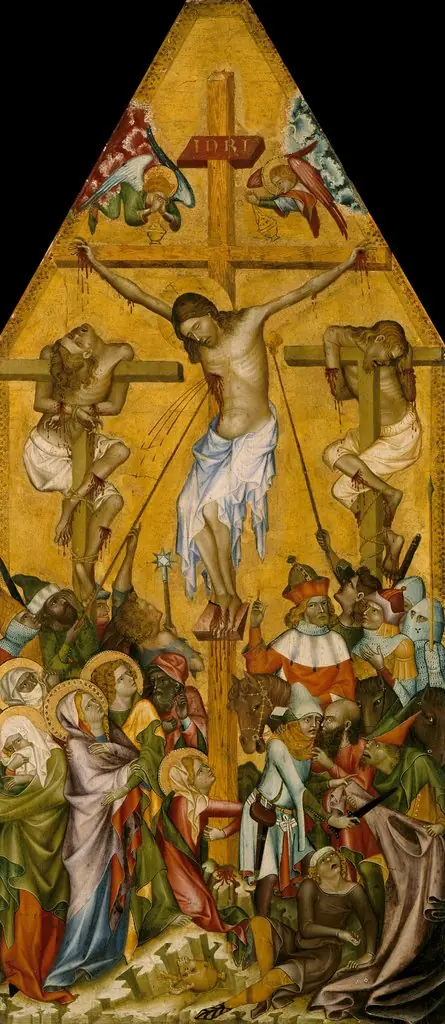 The Crucifixion of Christ
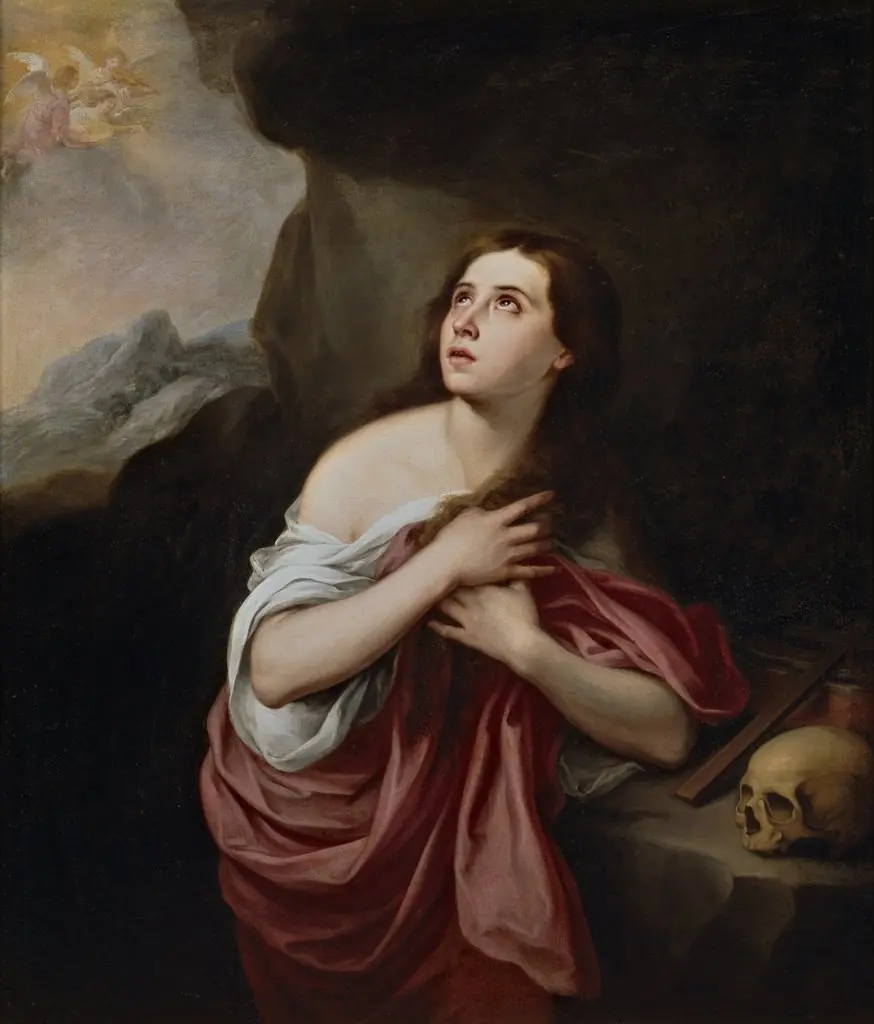 Penitent Magdalen
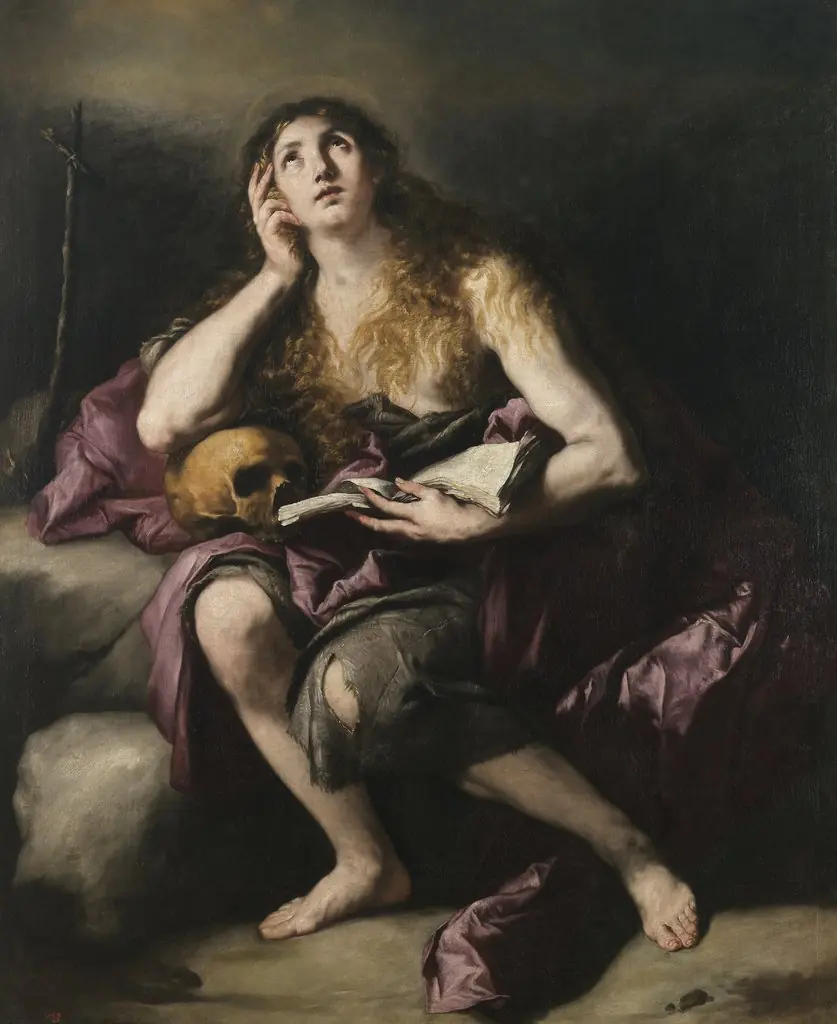 Penitent Mary Magdalene
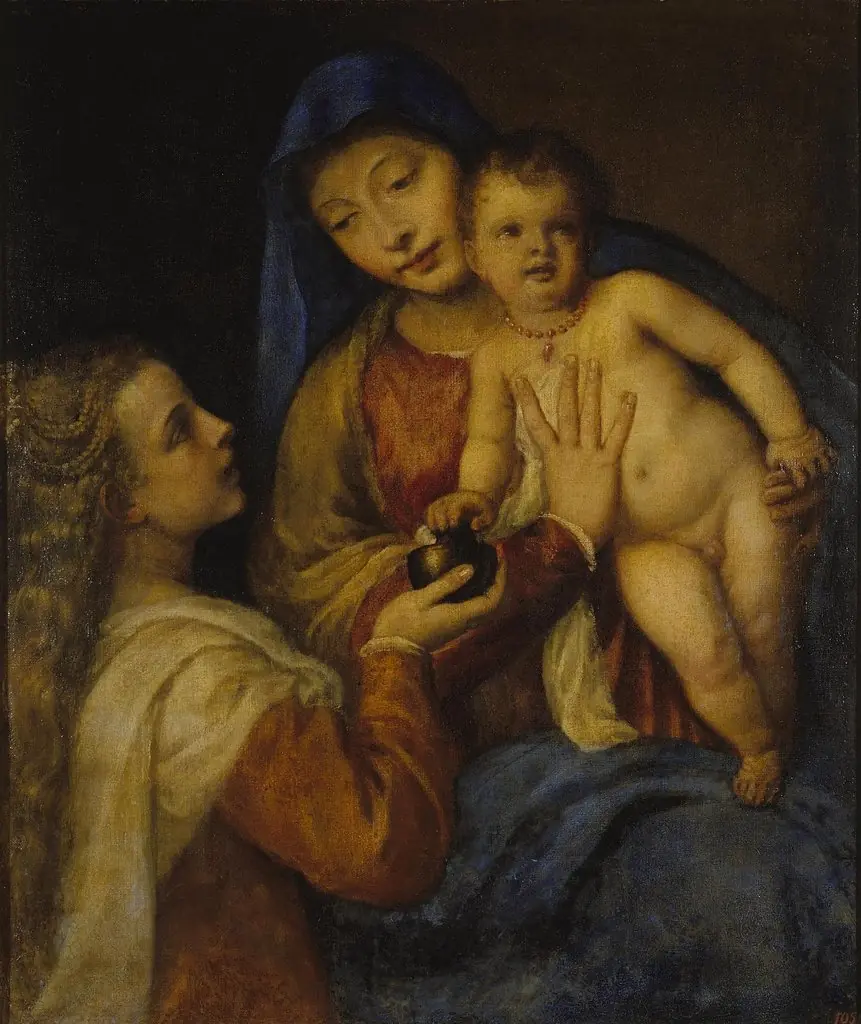 Madonna and Child with Mary Magdalene
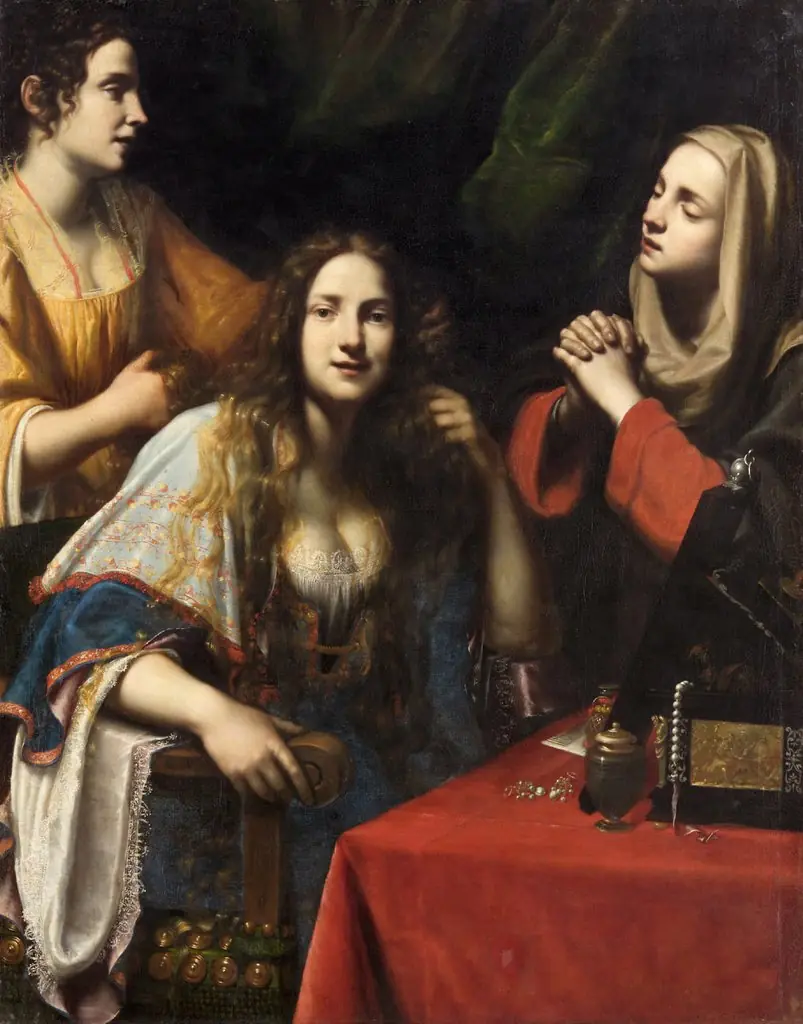 Martha scolding her vain sister Mary Magdalene
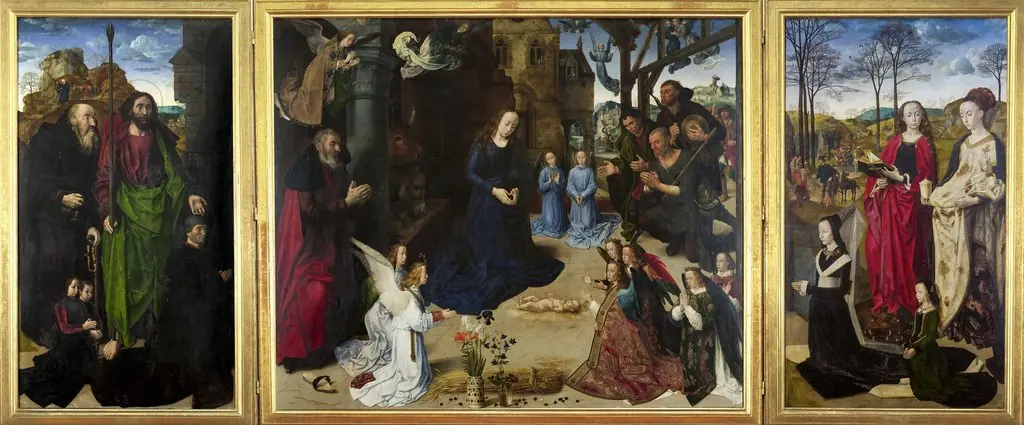 Portinari Triptych
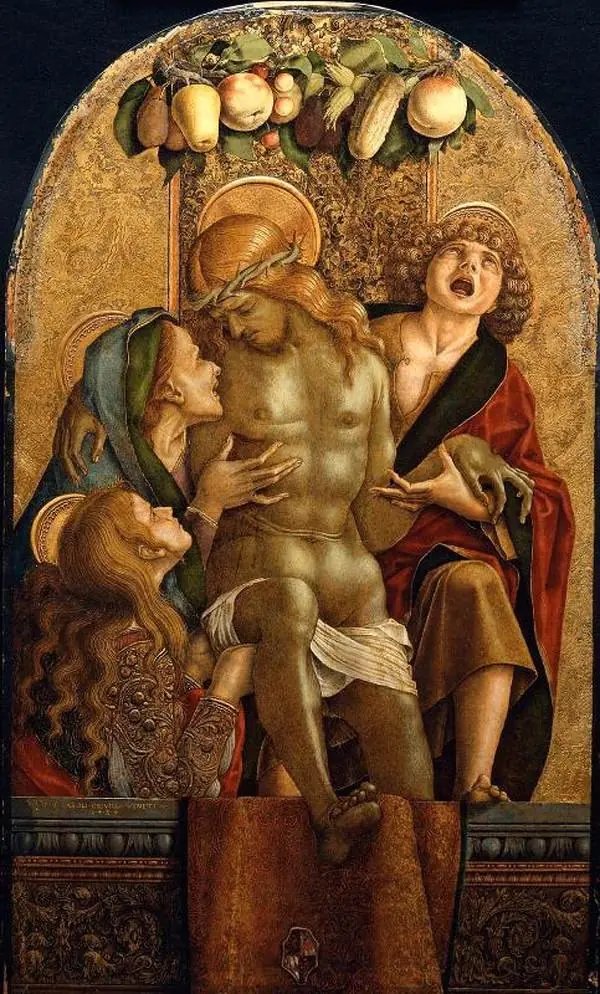 Lamentation over the Dead Christ
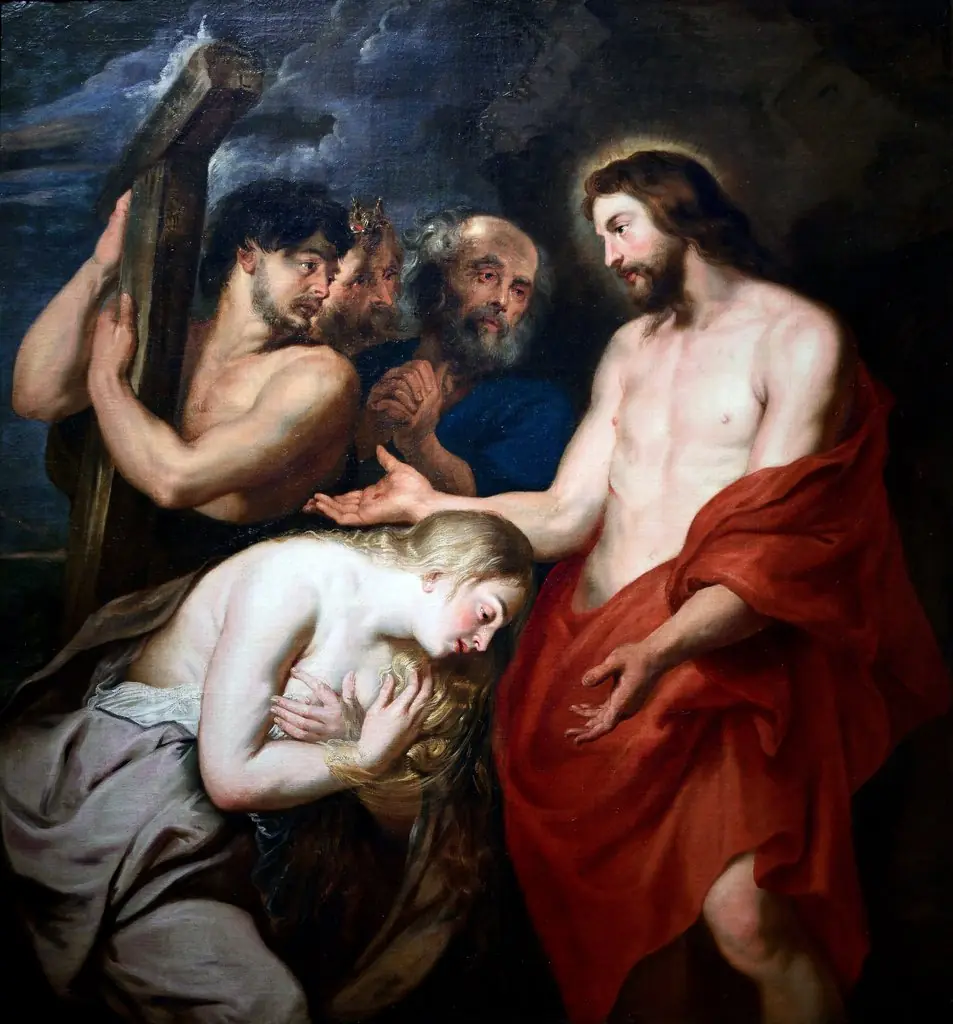 Christ and the Penitent Sinners
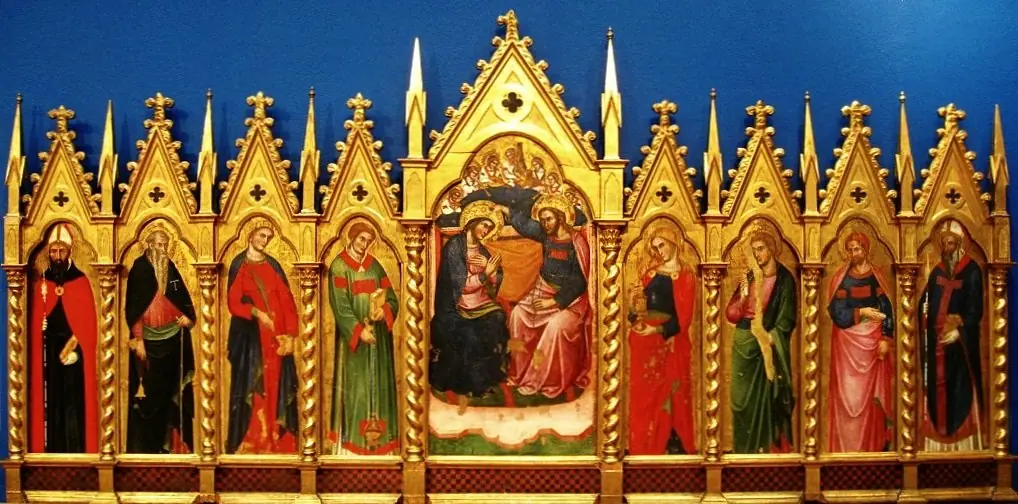 Coronation of Mary and Saints
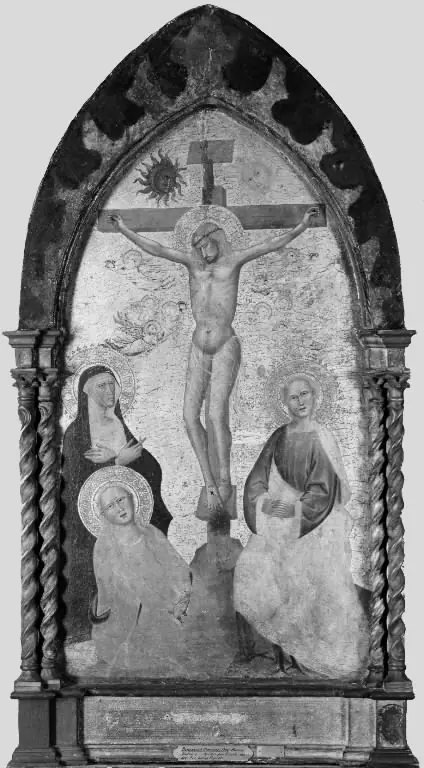 Christ on the Cross mourned by the Virgin Mary and Saints Mary Magdalene and John
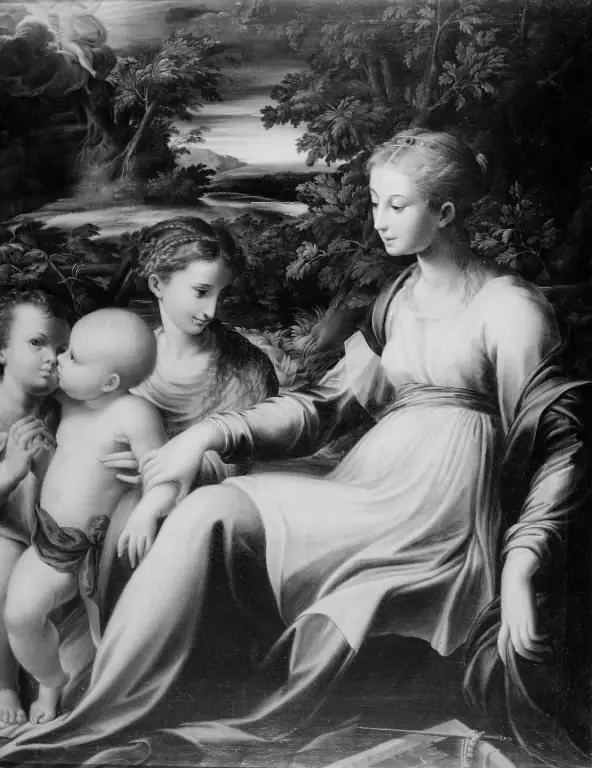 The Holy Family
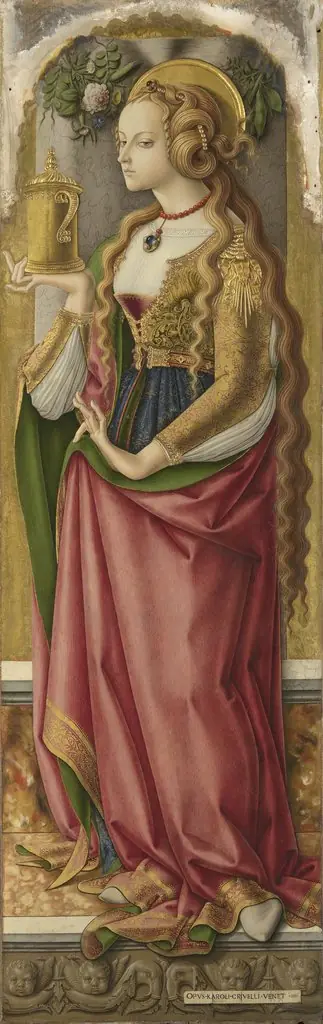 Mary Magdalen
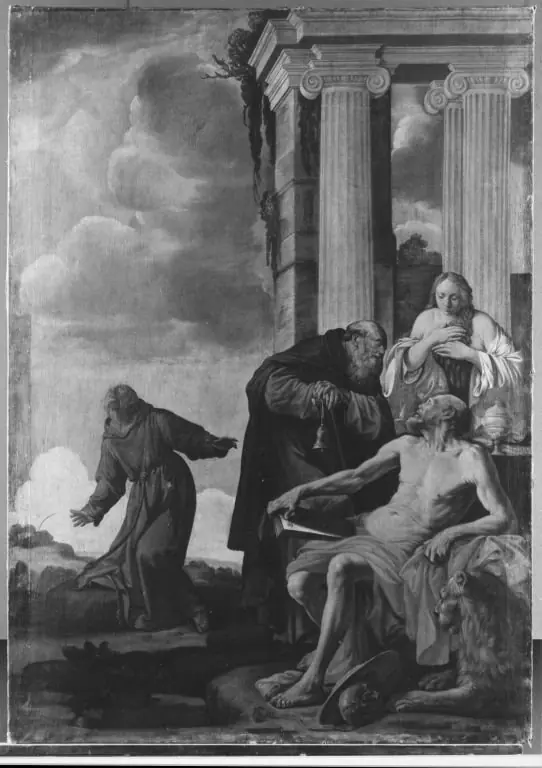 Die hll. Hieronymus, Maria Magdalena, Antonius und Franziskus (Kopie nach)
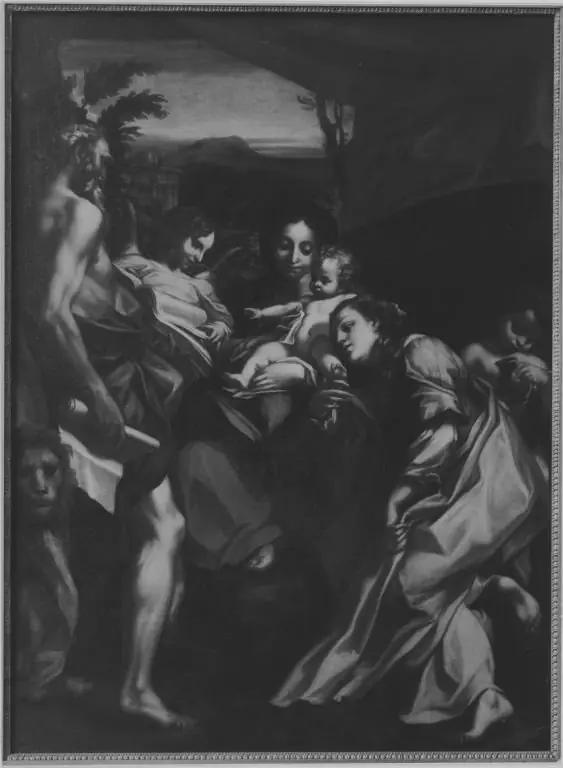 Madonna del S. Gerolamo (Maria mit Kind, hll. Maria Magdalena, Hieronymus und Engeln)
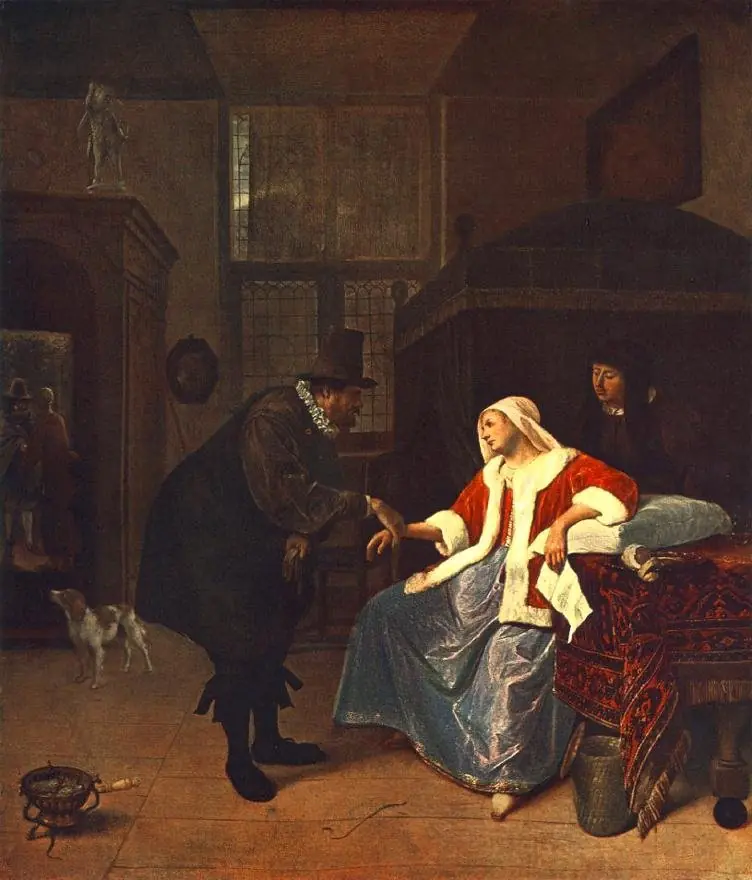 Love Sickness
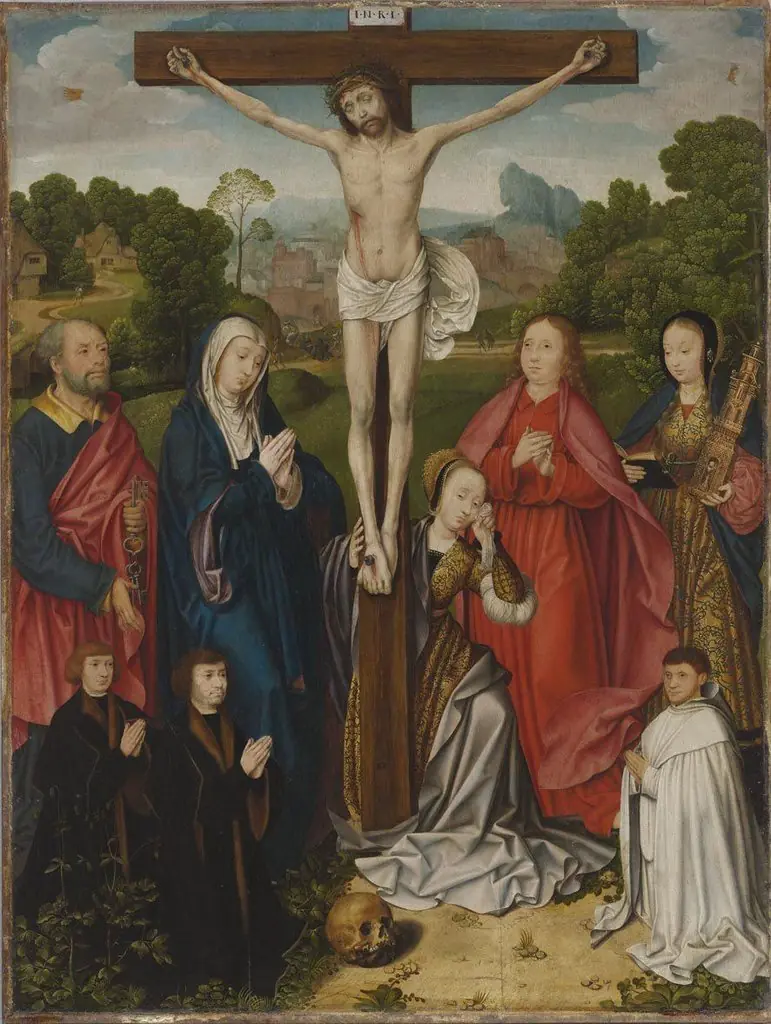 Christ on the cross with the saints Peter, Mary, Mary Magdalene, John the Evangelist and Barbara, with three donors
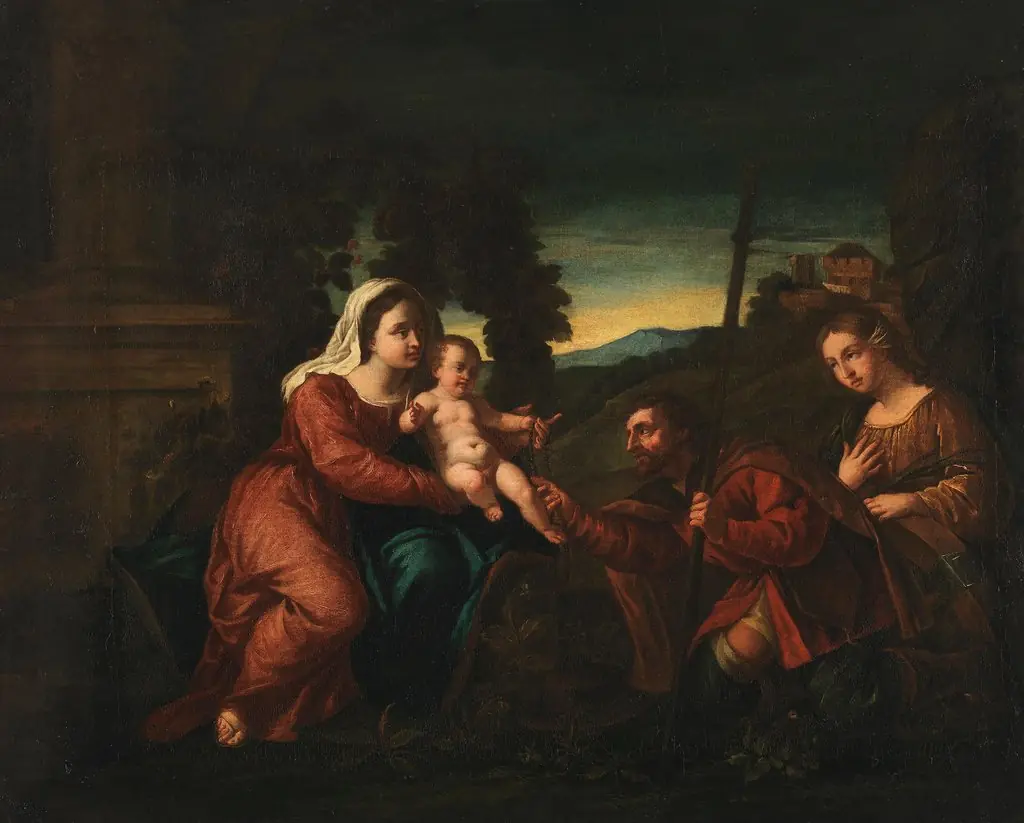 Madonna and Child with Saints Roche and Mary Magdalene
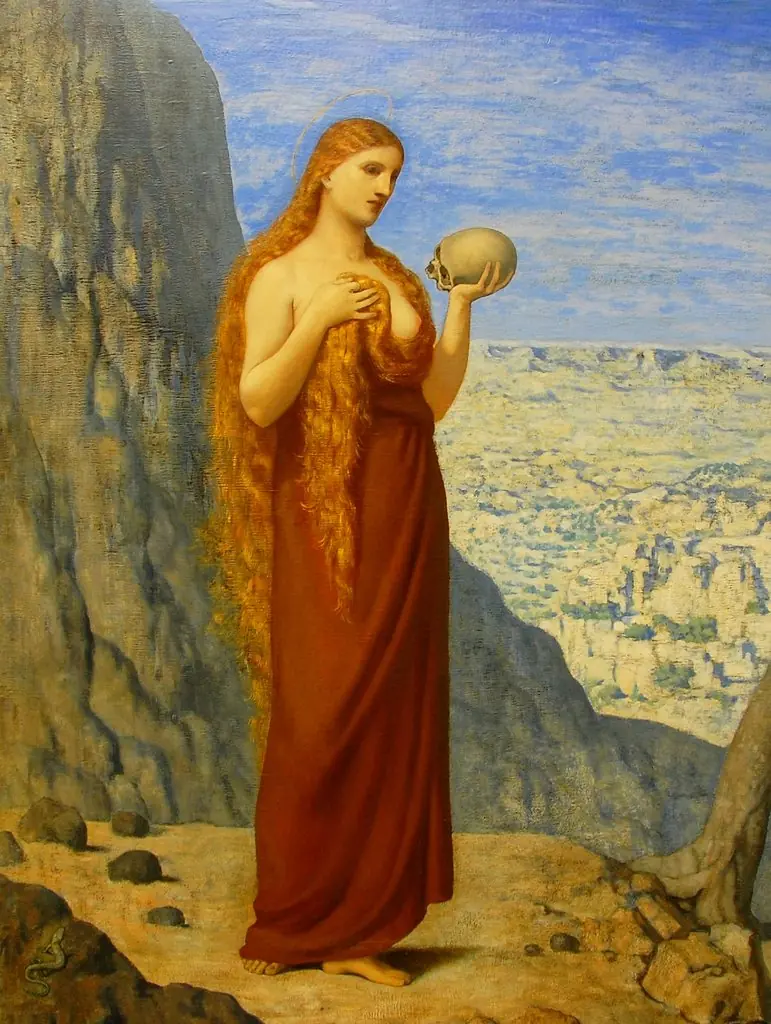 Mary Magdalene in the Desert
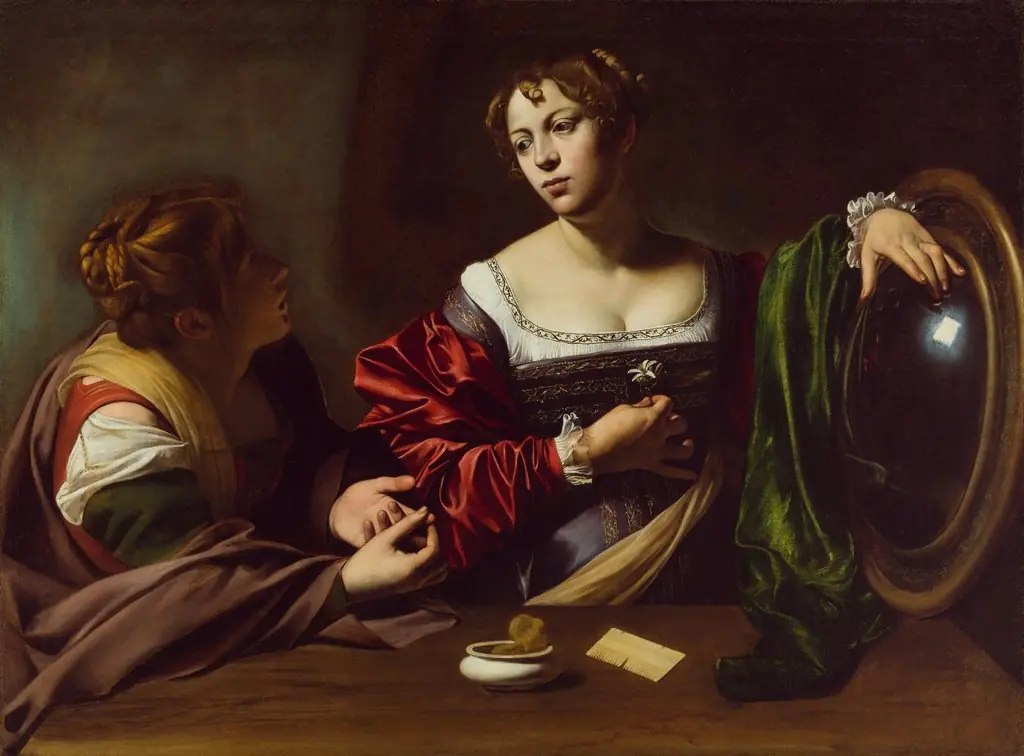 Martha and Mary Magdalene
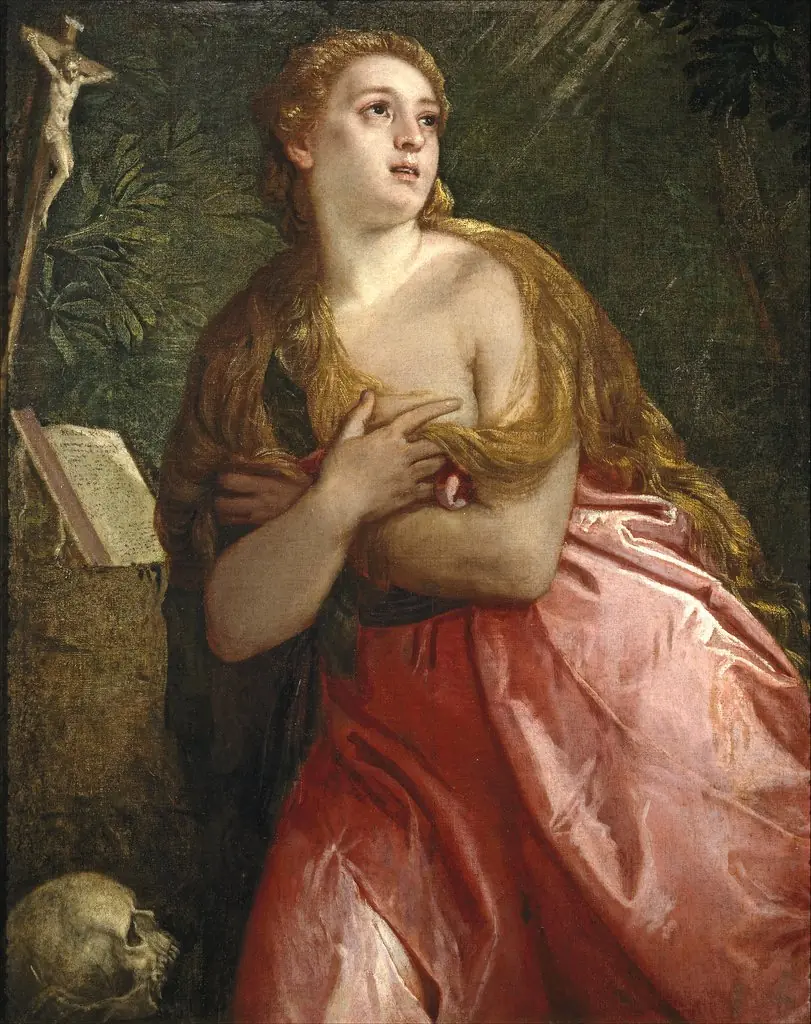 The Penitent Magdalen
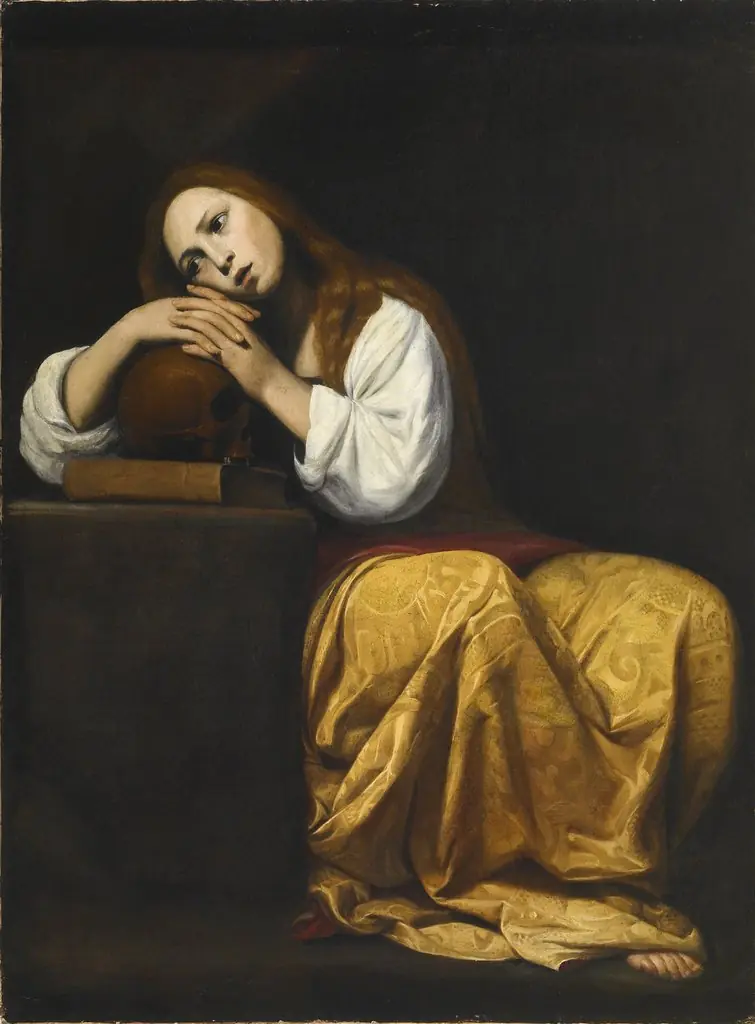 The Penitent Mary Magdalene
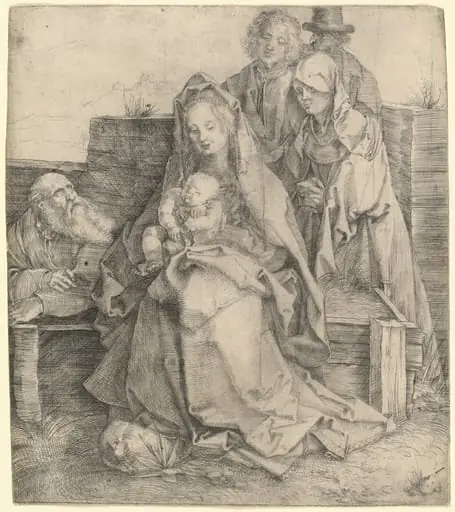 The Holy Family
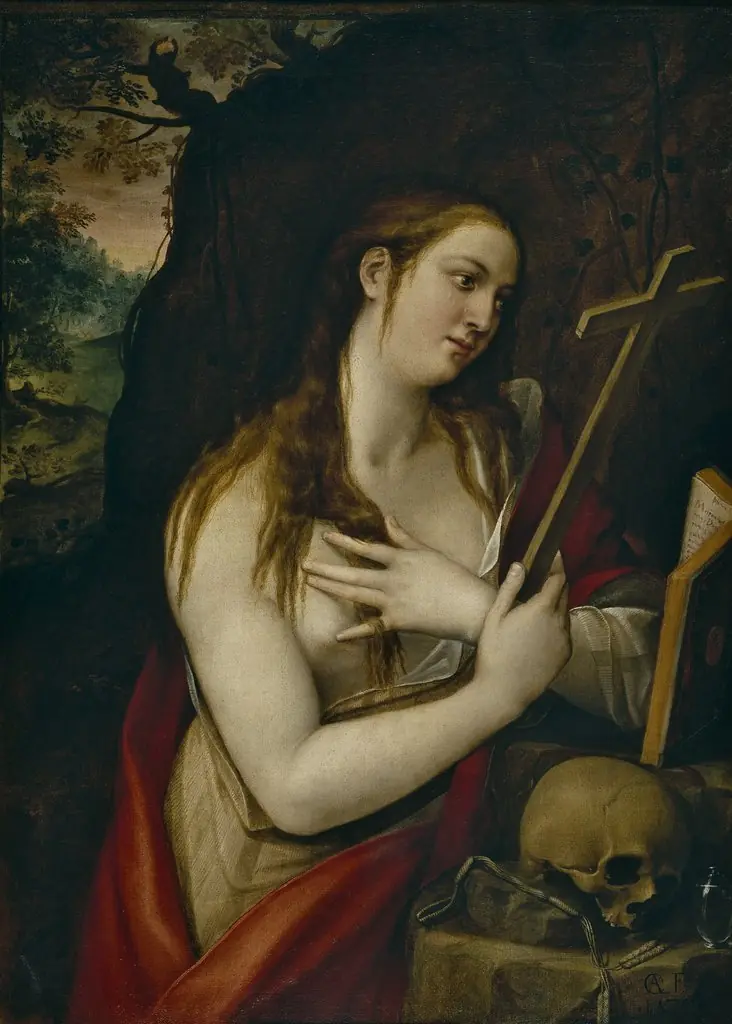 The Penitent Magdalen
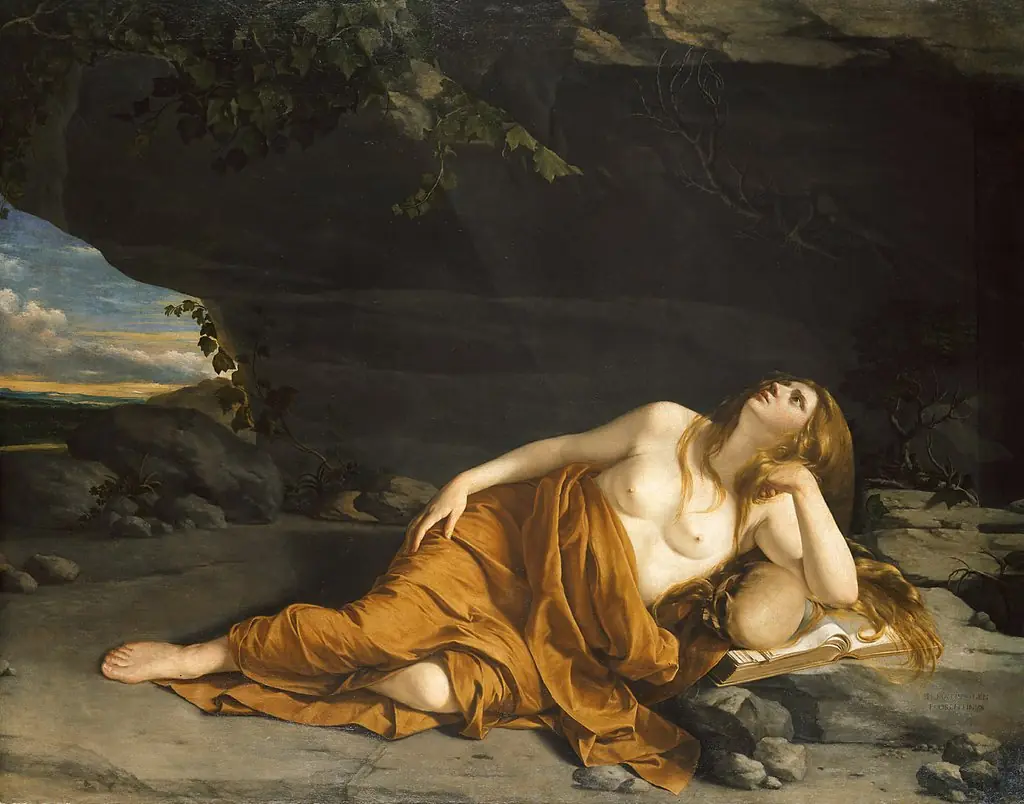 Penitent Magdalene
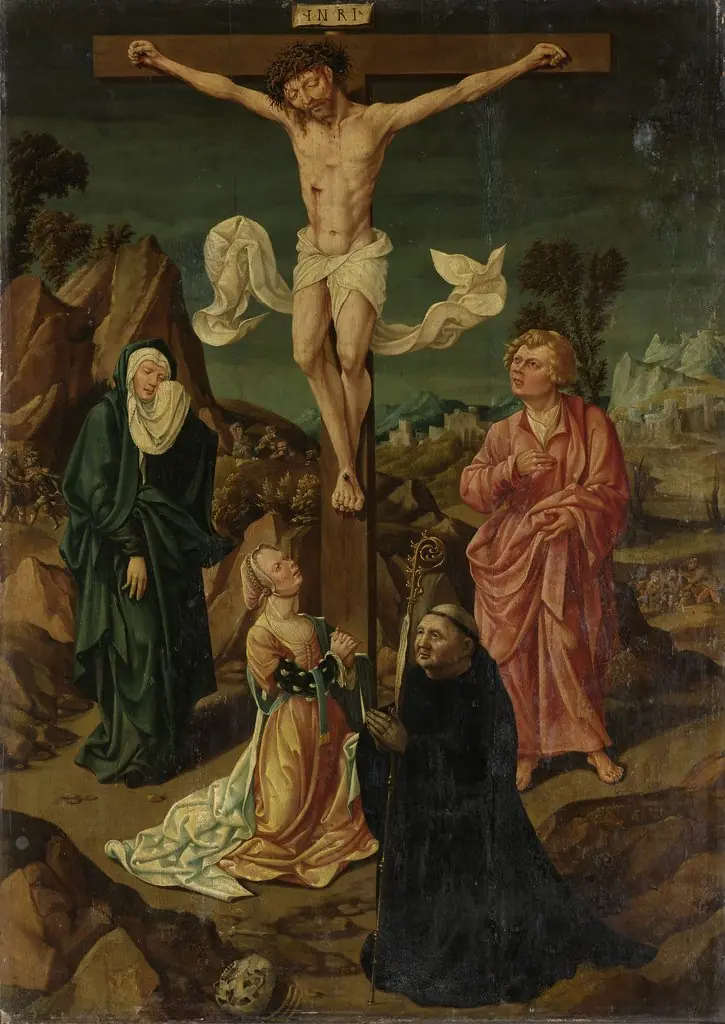 Crucifixion with the Virgin, Saint John, Mary Magdalene, a Donor
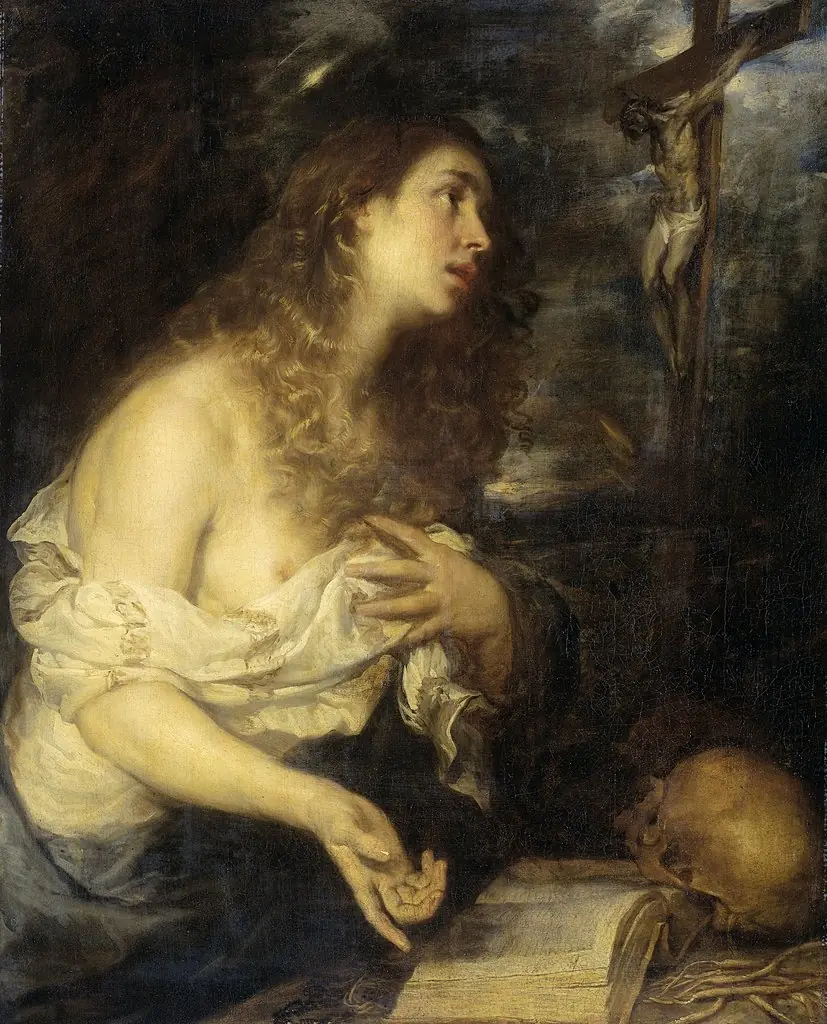 The Penitent Mary Magdalene
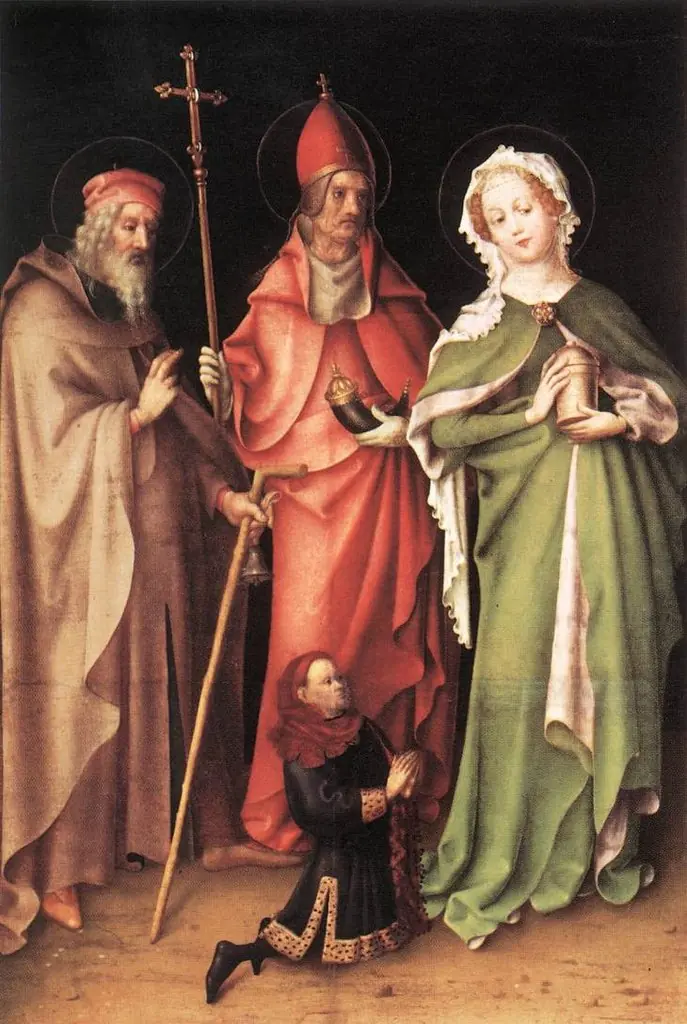 Sts Anthony the Hermit, Cornelius and Mary Magdalen with a Donor
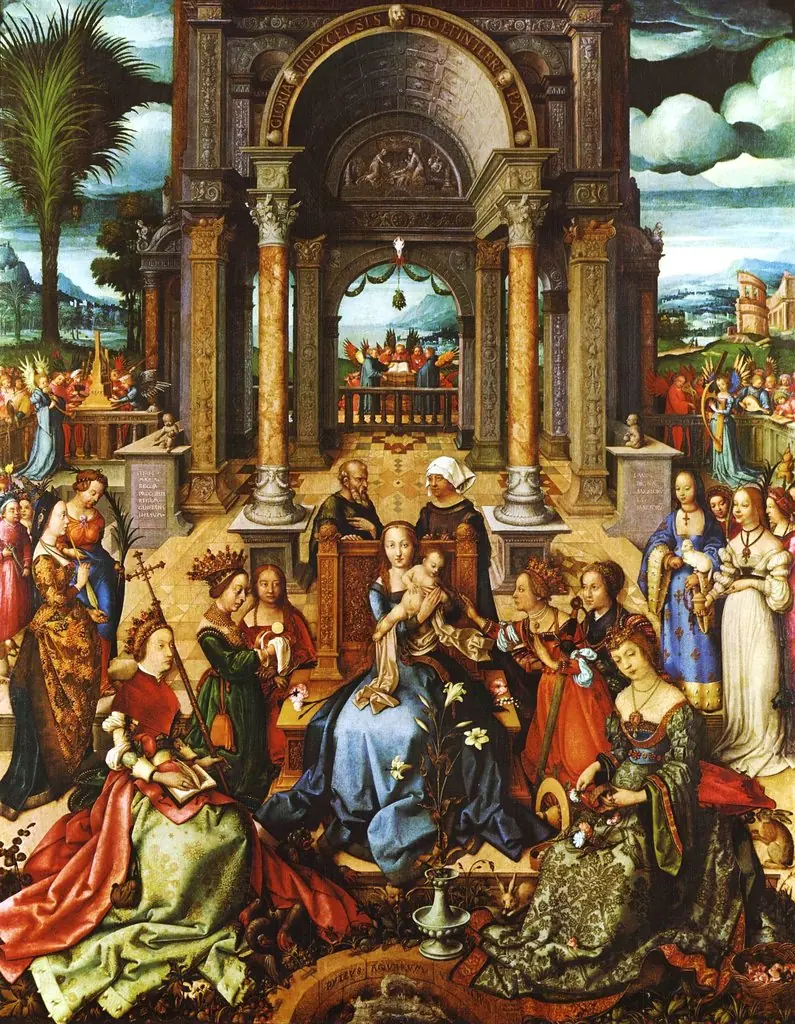 Virgin with Child by Hans Holbein the Elder, Museu Nacional de Arte Antiga
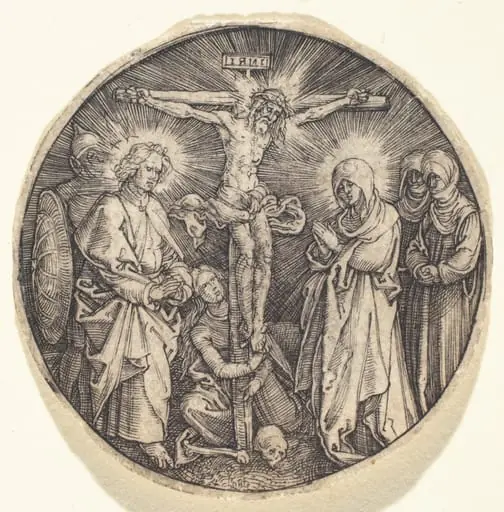 The Crucifixion called the Sword Pommel of Maximilian
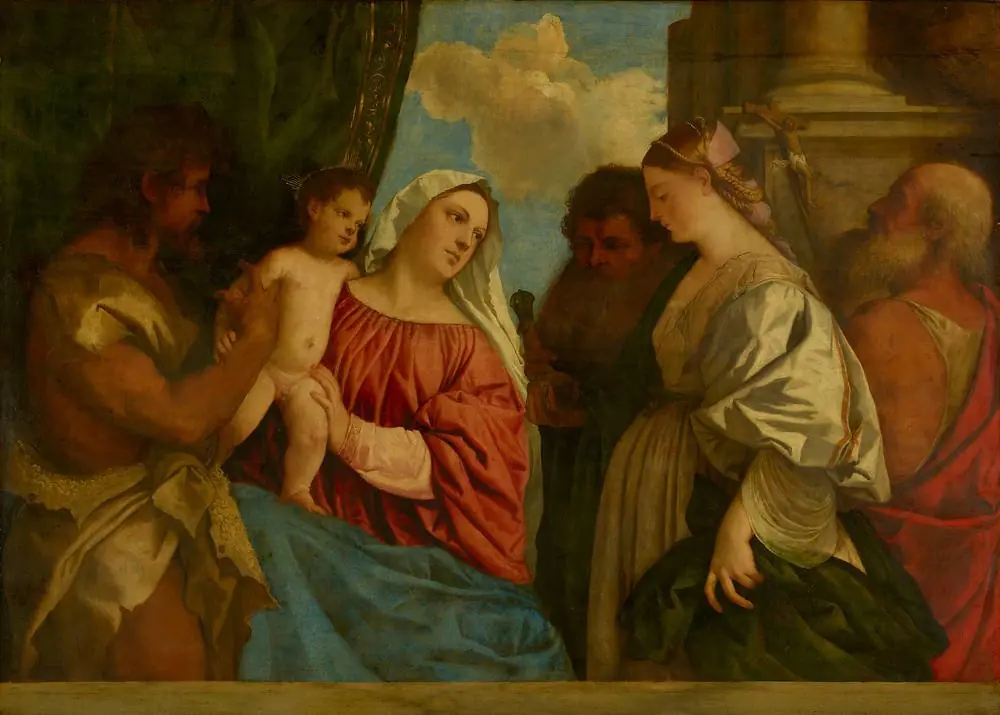 Madonna and Child with Four Saints
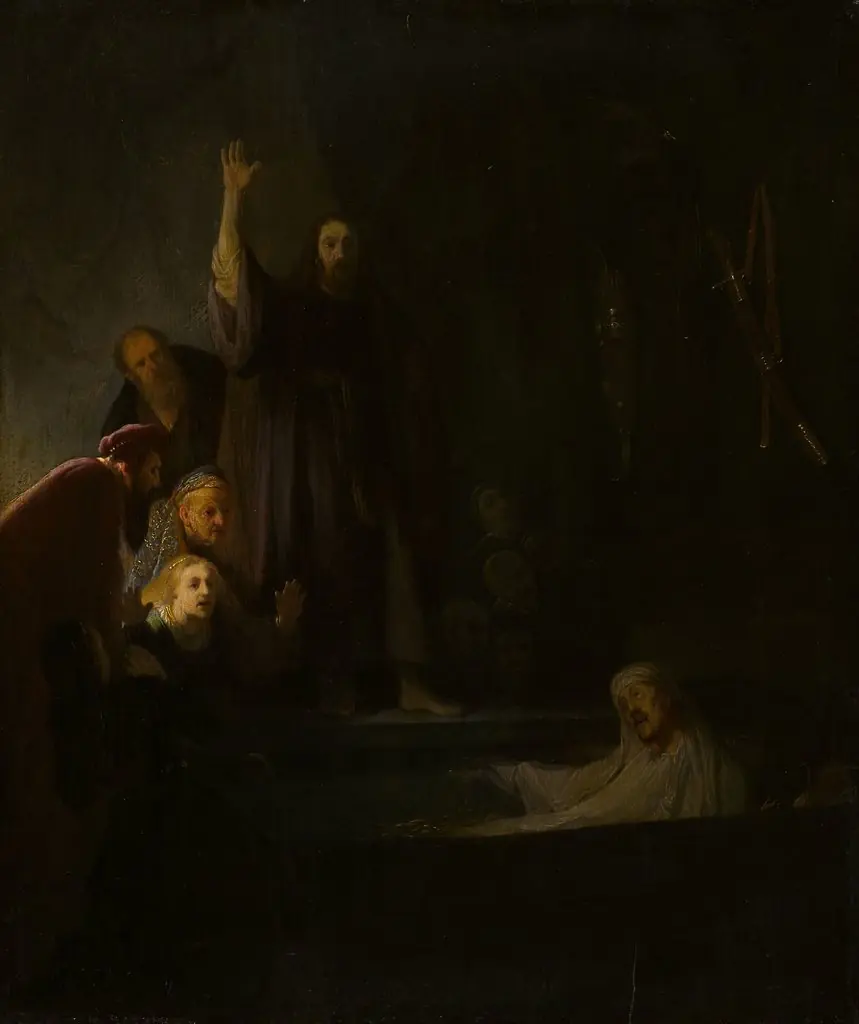 The Raising of Lazarus
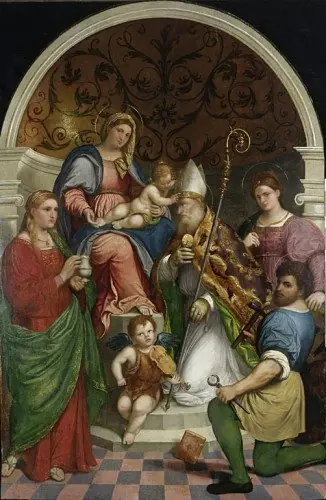 Sacra conversazione
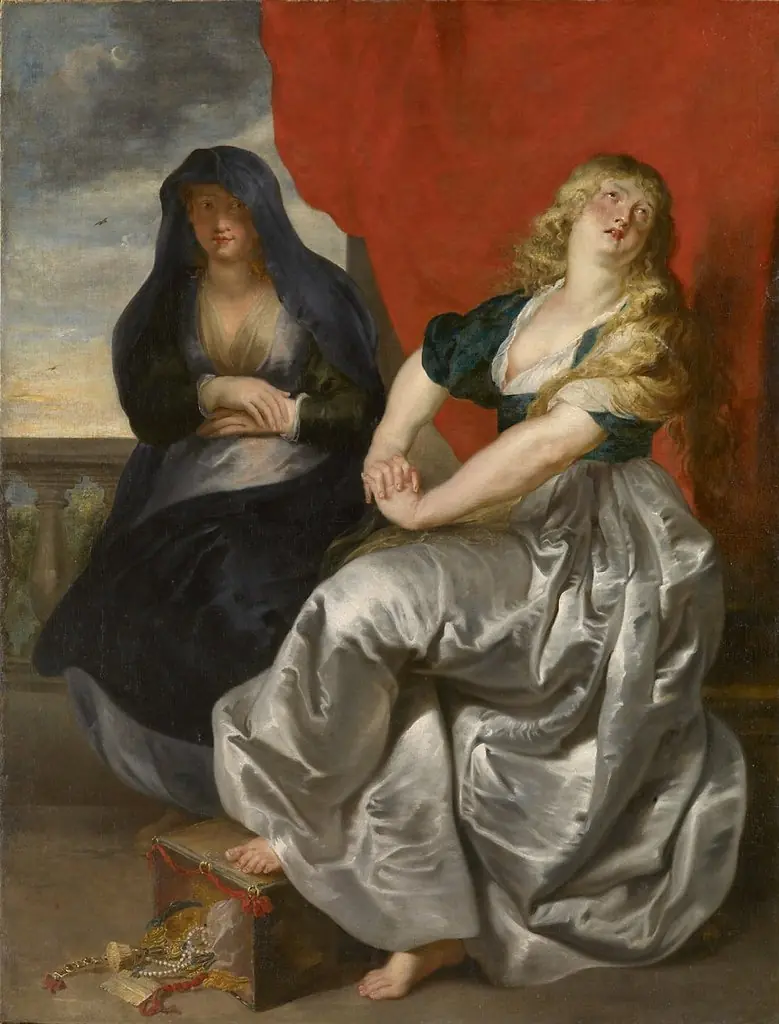 Penitent Maddalene with her sister Martha
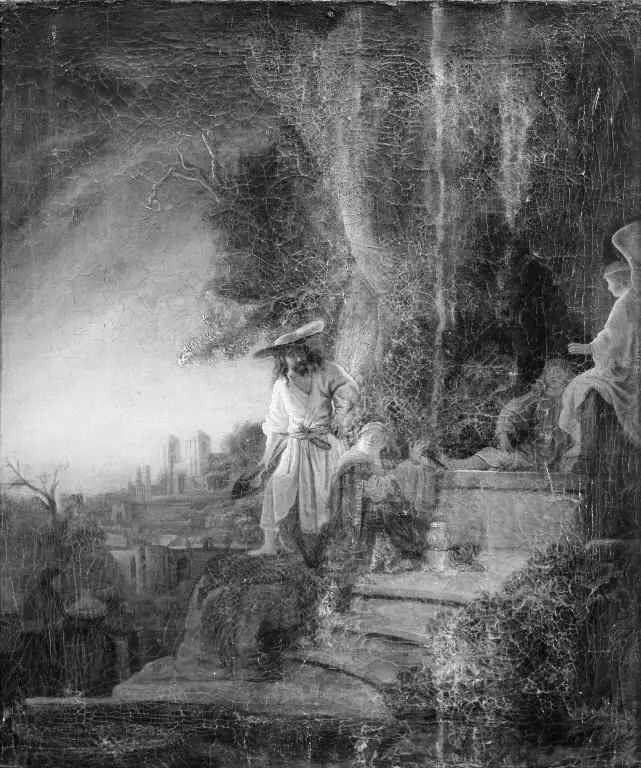 Christ and Mary Magdalene
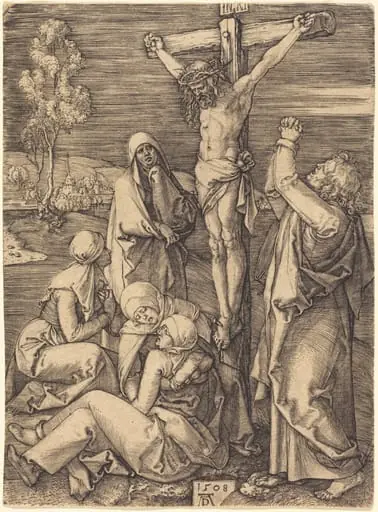 The Crucifixion
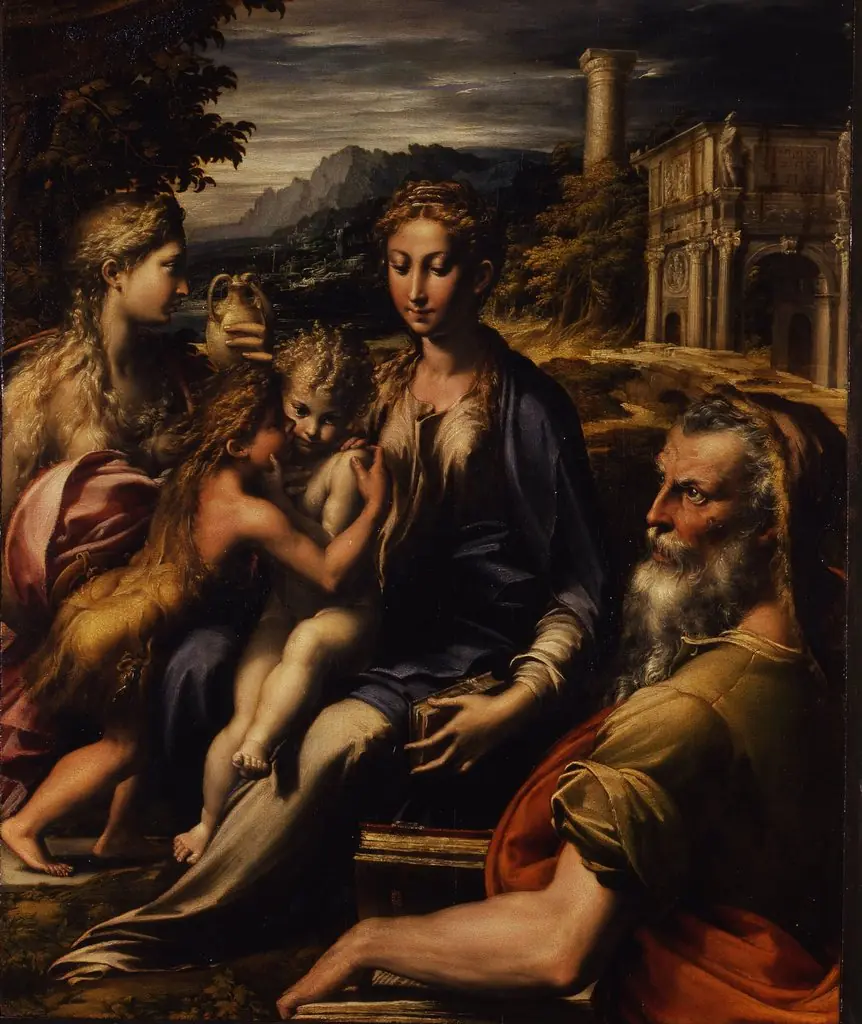 Madonna and Child with Saints
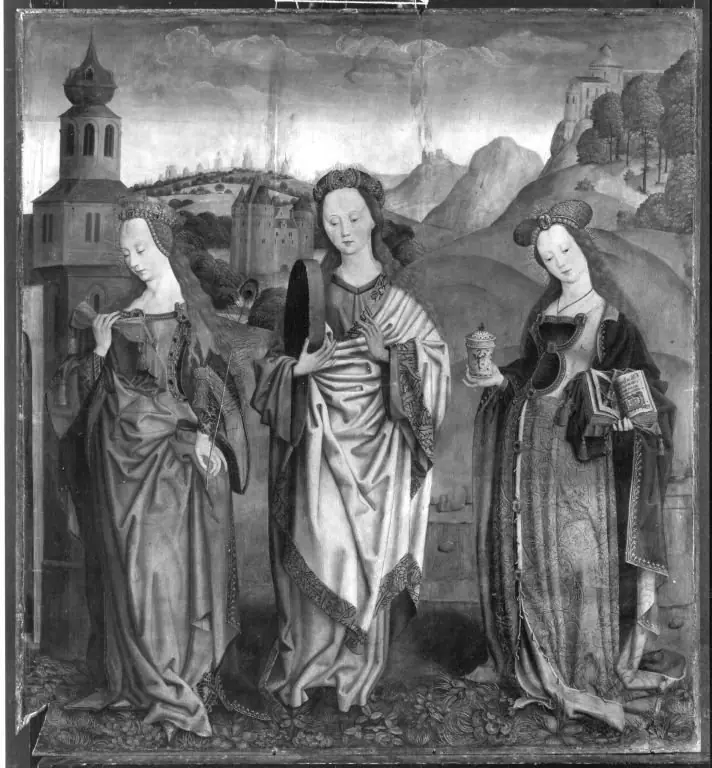 Beschneidungsaltar: Die hll. Barbara(?), Christina und Maria Magdalena
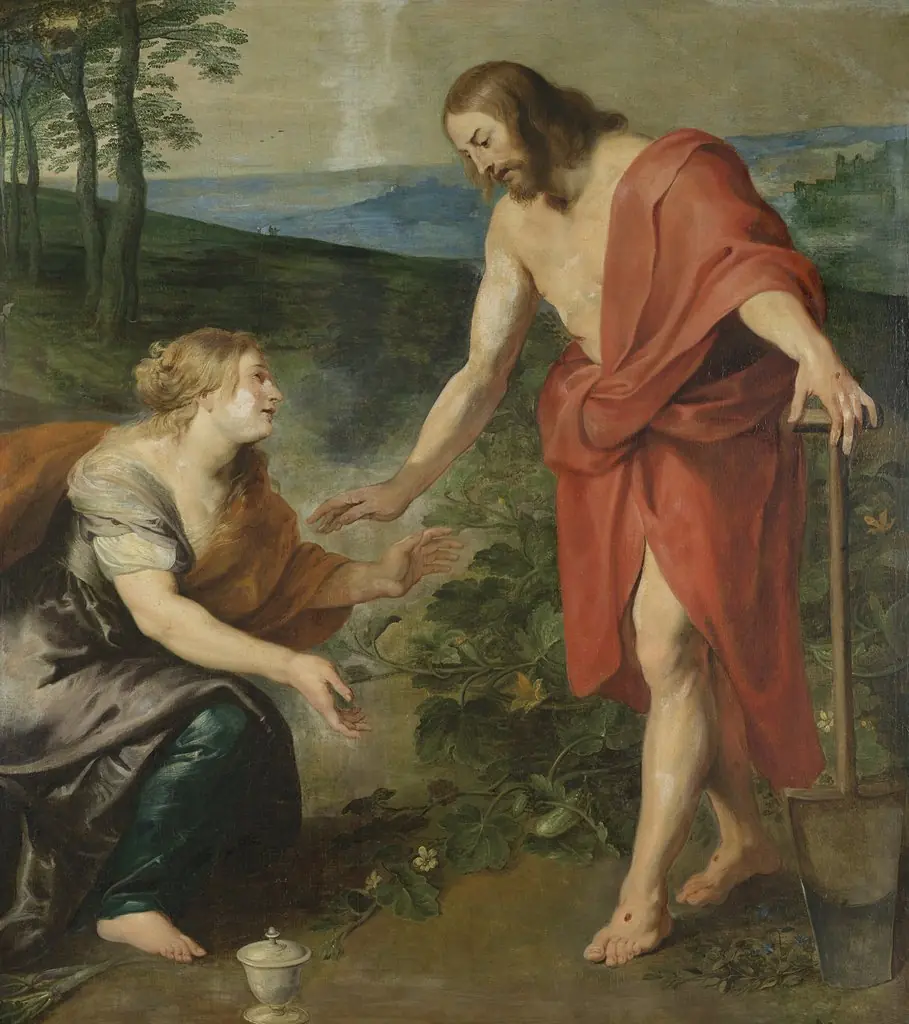 'Noli me tangere': the meeting of Christ and Mary Magdalene
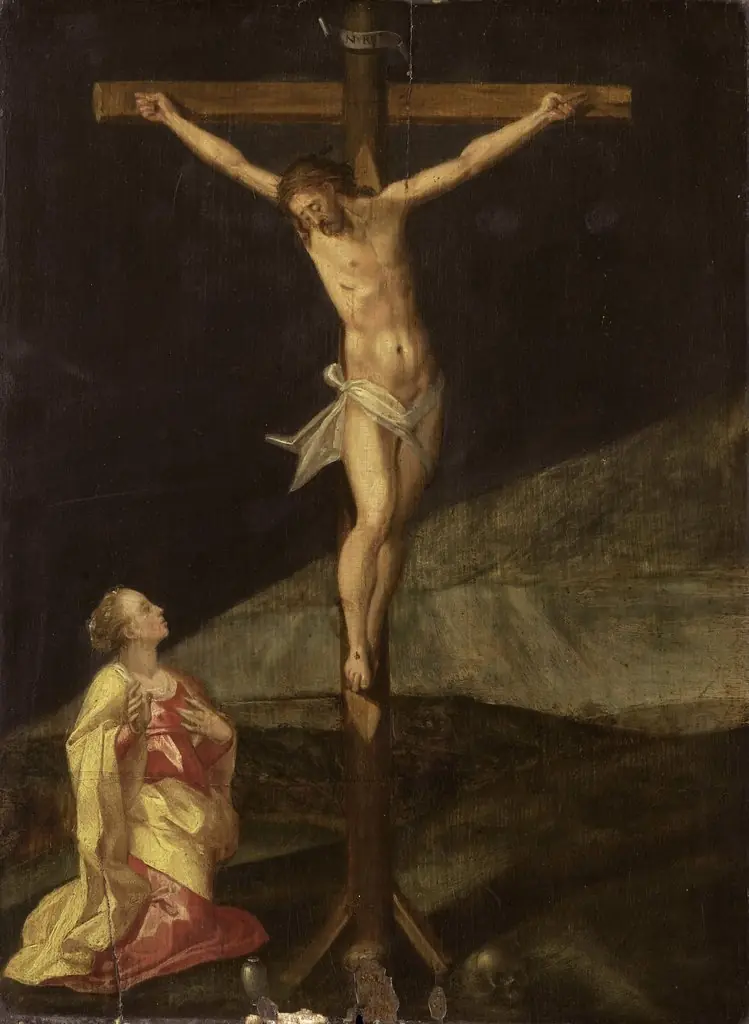 Mary Magdalene at the foot of the cross
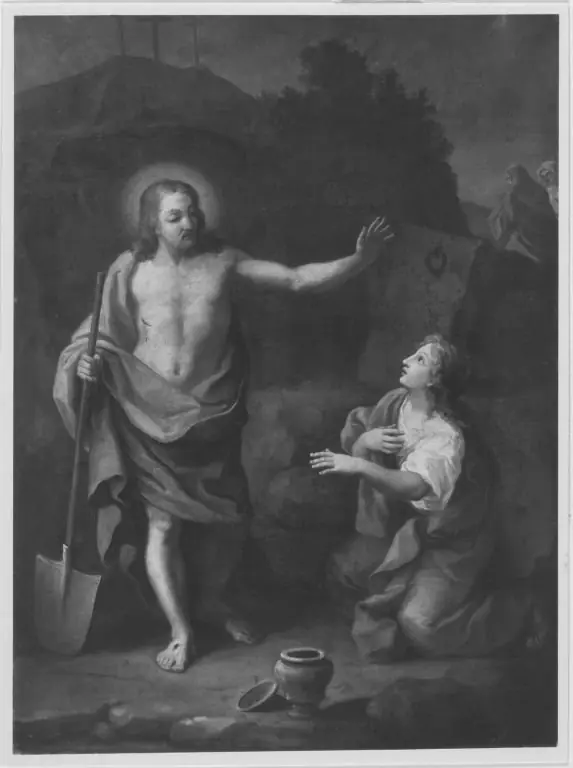 Noli me tangere
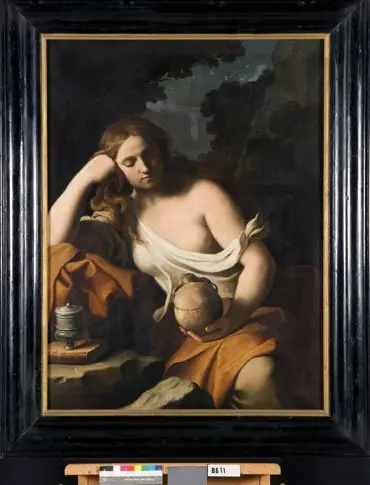 Mary Magdalene
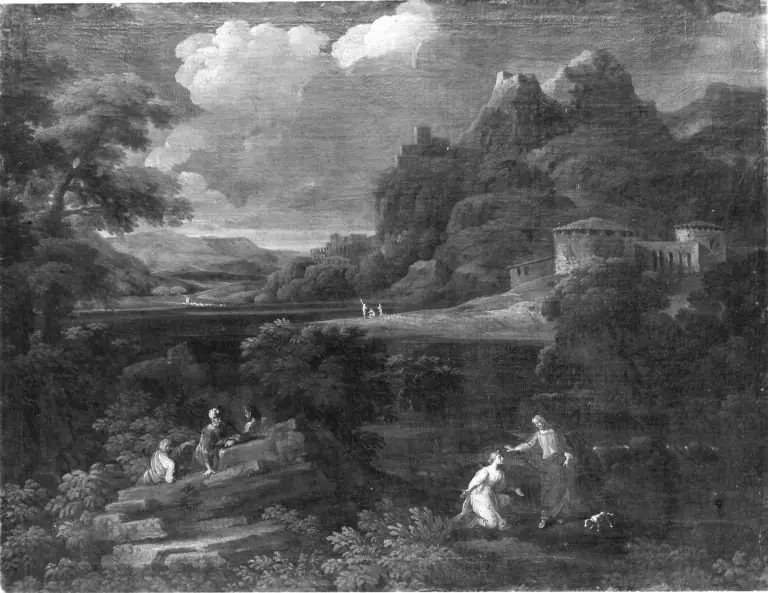 Landschaft mit Christus und Maria Magdalena (Noli me tangere) (Umkreis)
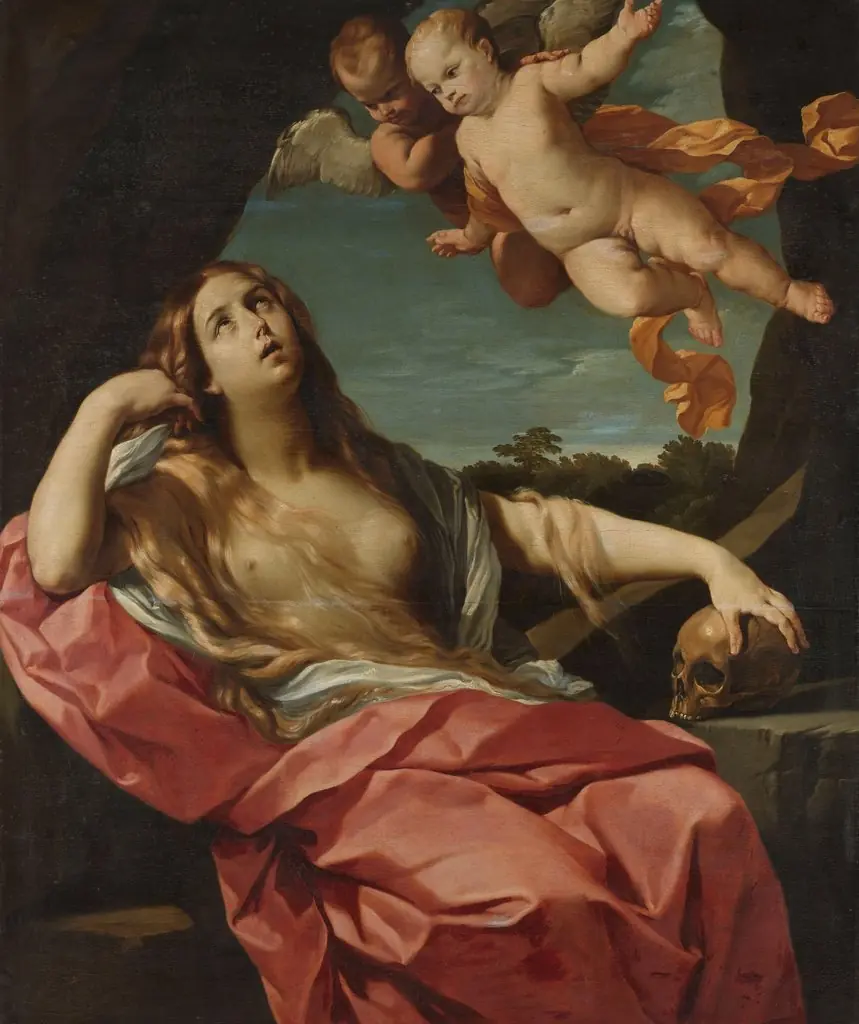 Mary Magdalene
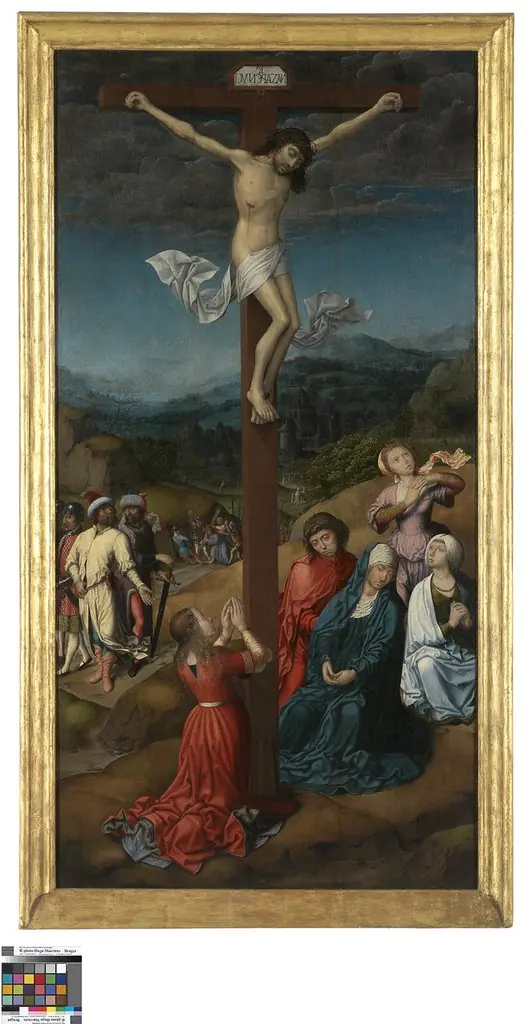 Crucifixion
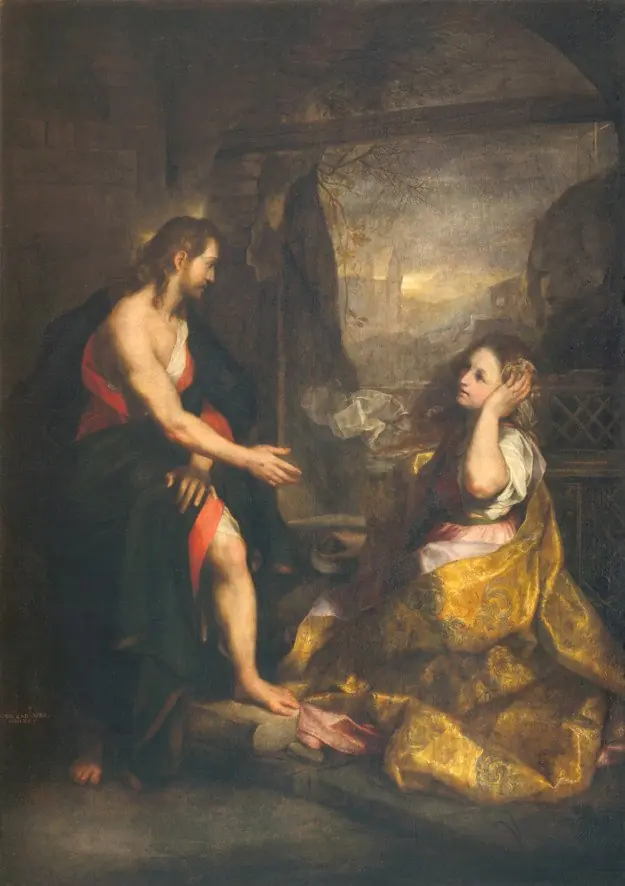 Cristo e la Maddalena
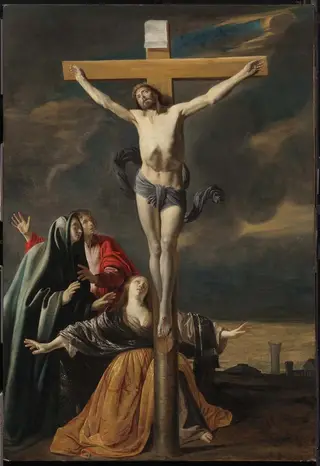 The Crucifixion with the Virgin, Saints John, and Mary Magdalen
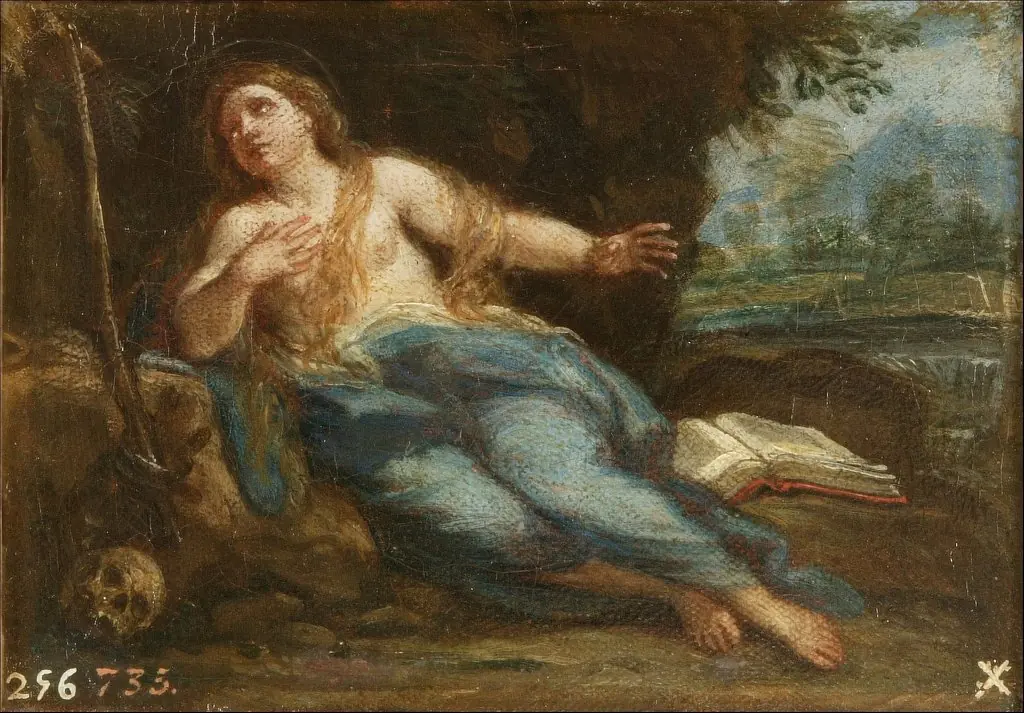 Magdalene in the desert
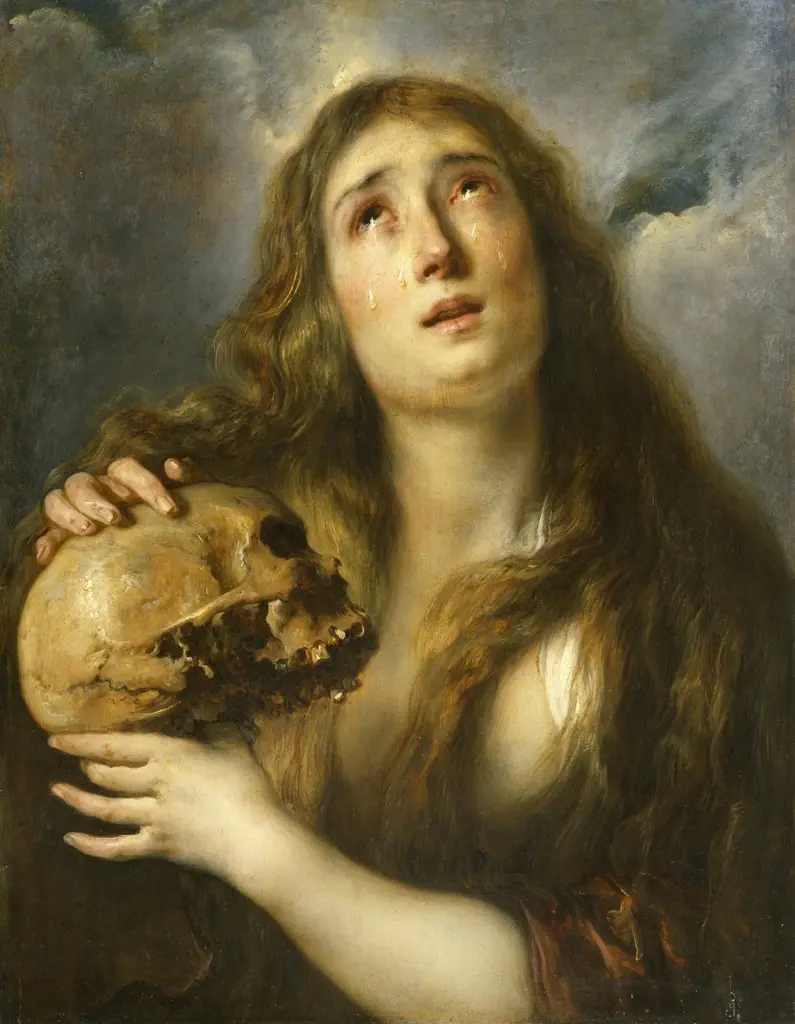 Mary Magdalene
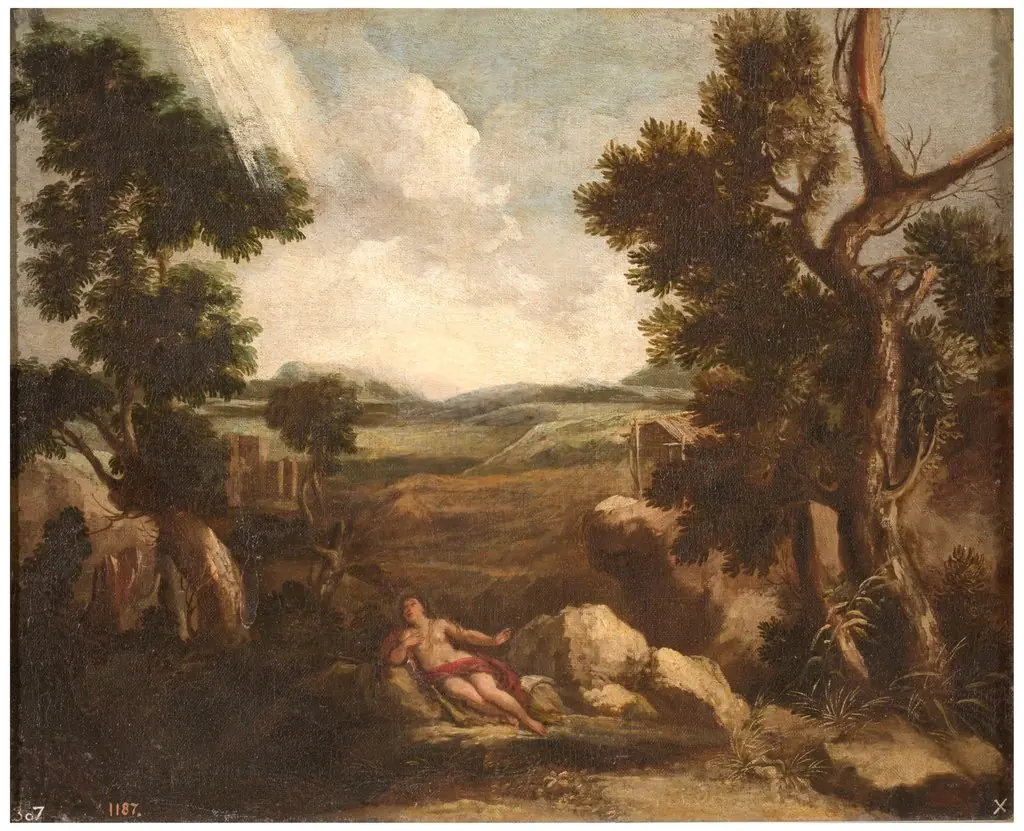 Penitent Magdalen
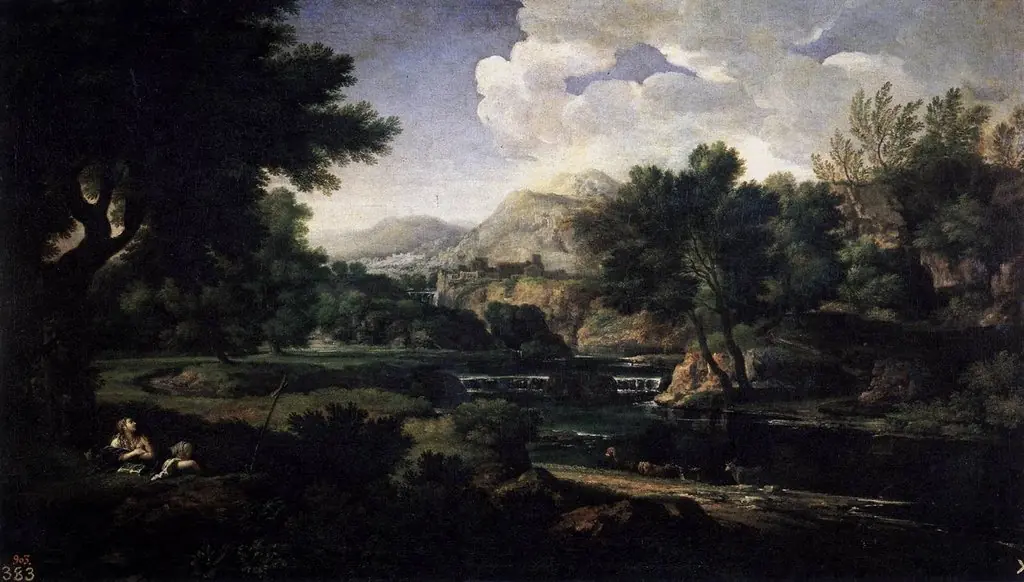 Landscape with Magdalen Worshipping the Cross
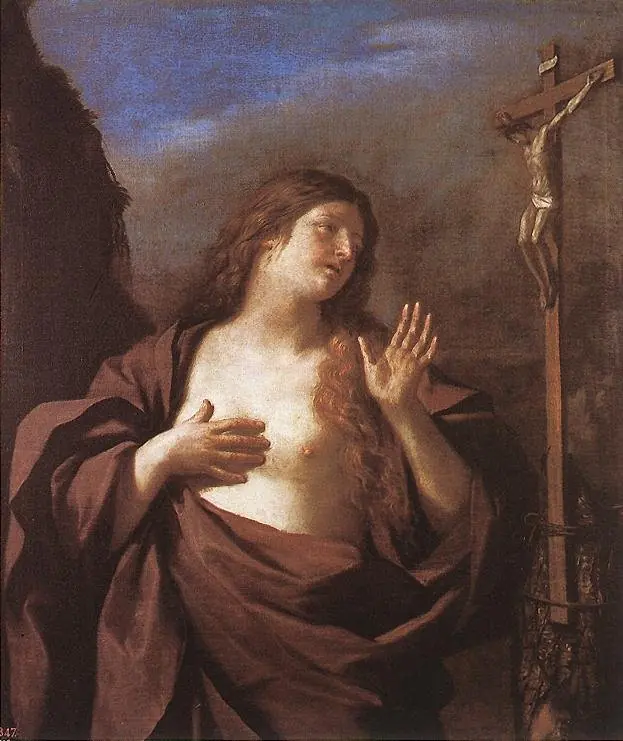 The Penitent Magdalen
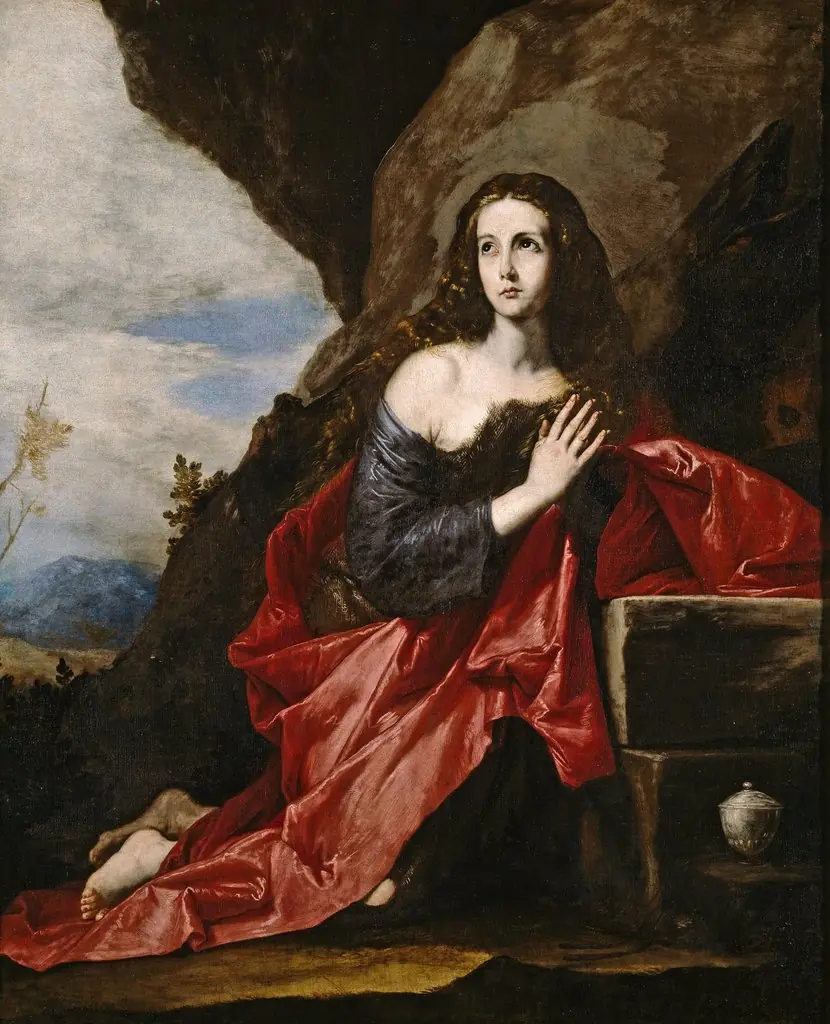 Penitent Magdalene
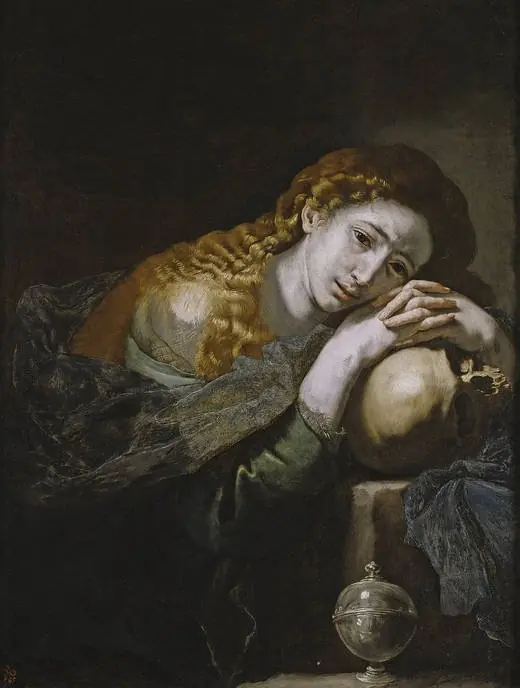 Penitent Magdalene
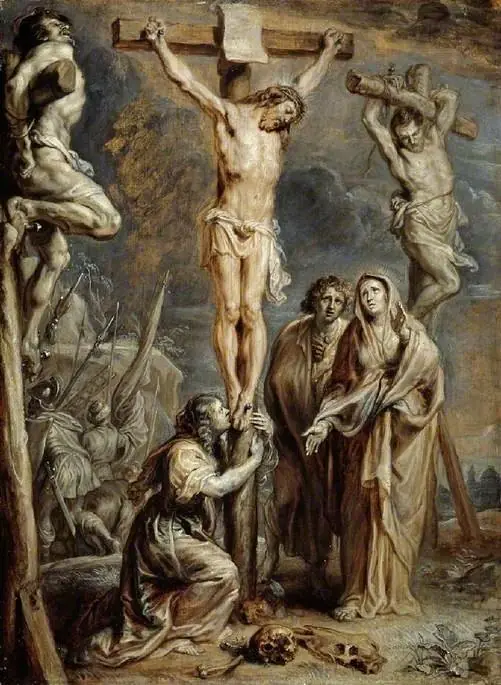 The Crucifixion
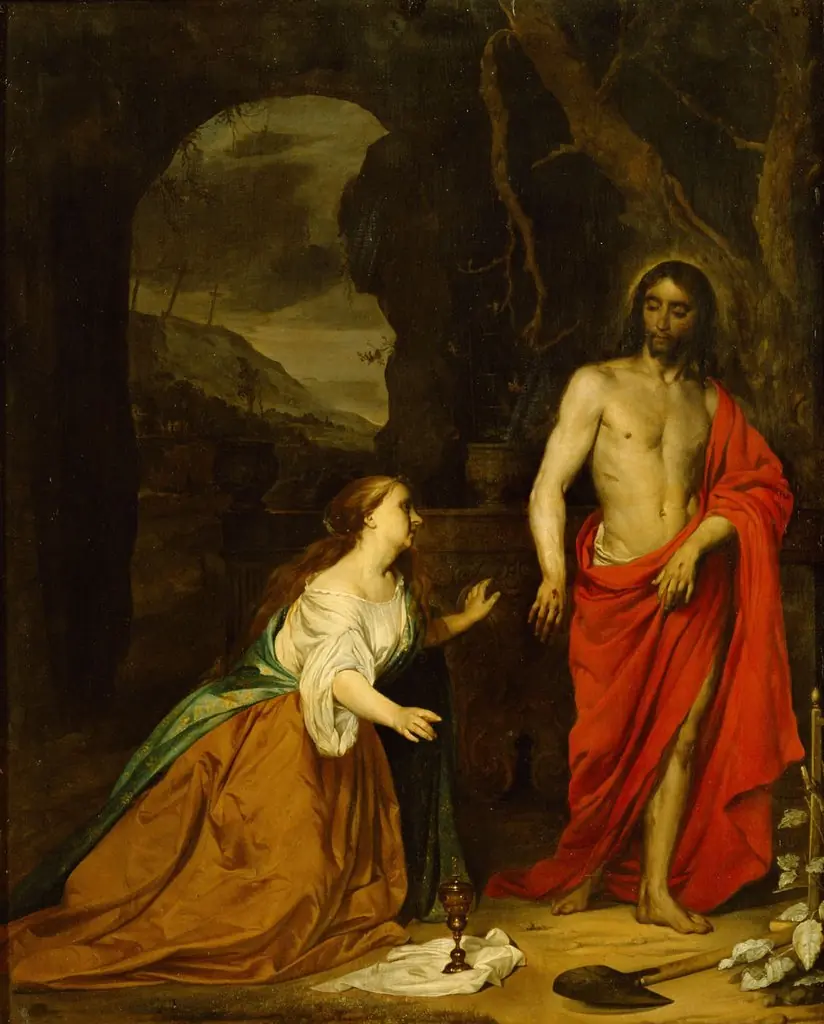 Noli me tangere
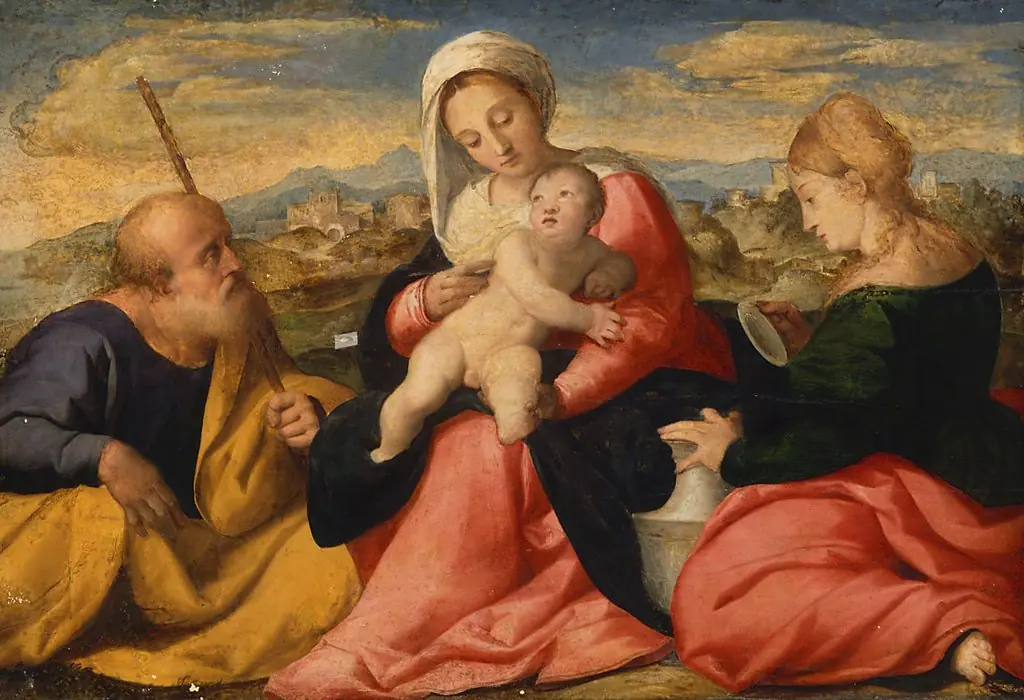 Madonna and Child with Sts Joseph and Magdalene
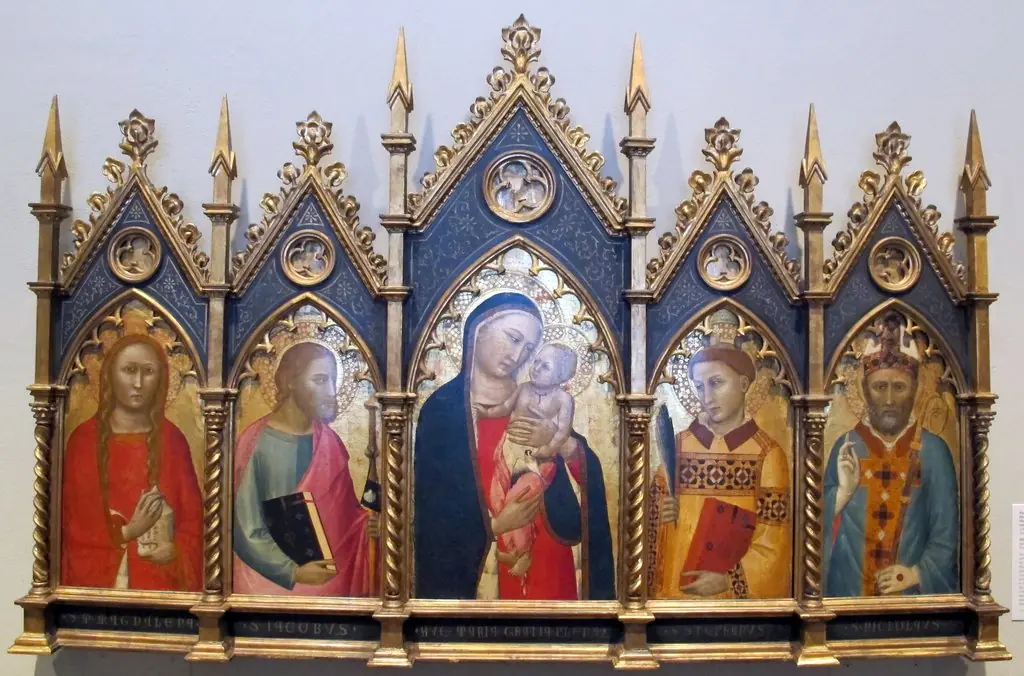 Virgin and Child, with Saints Mary Magdalene, James Major, Stephen, and a Bishop Saint
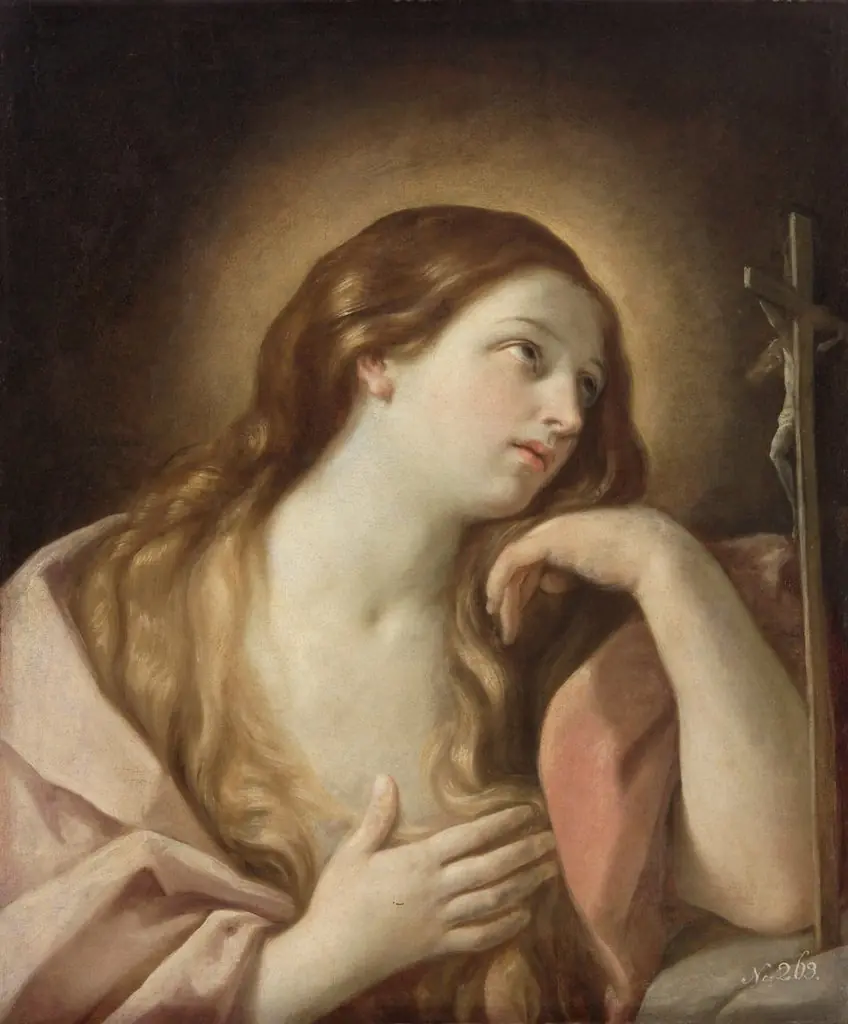 Maria Magdalena
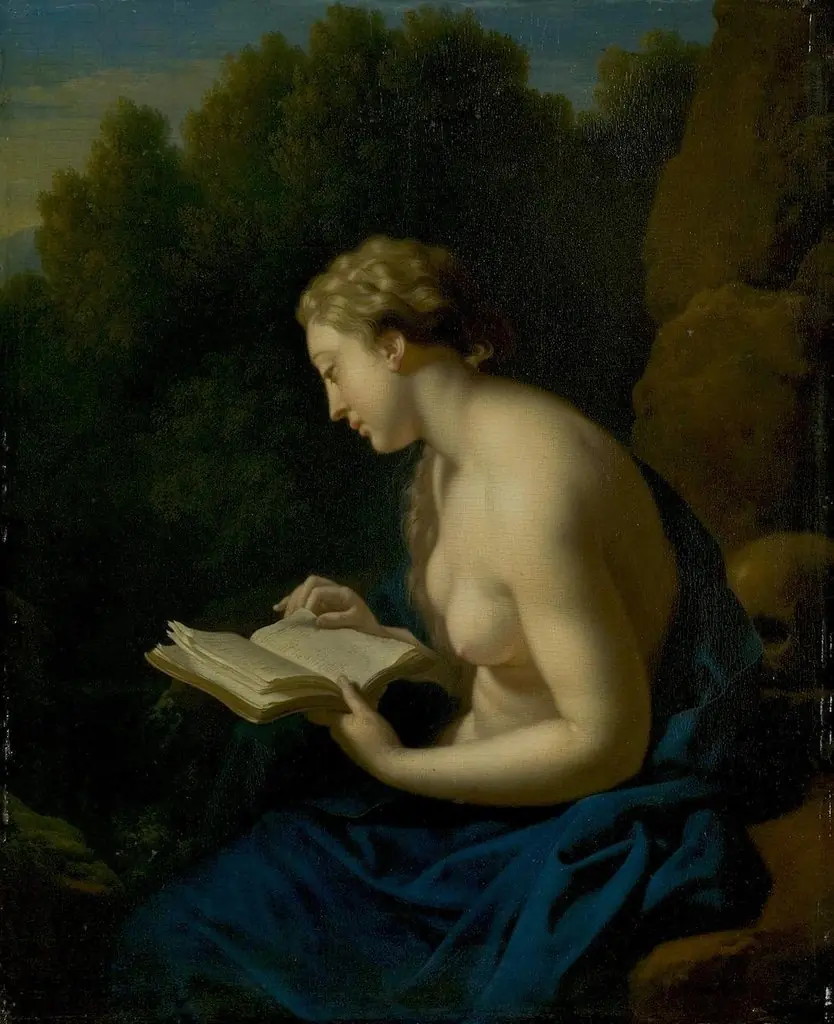 Mary Magdalene in the Desert
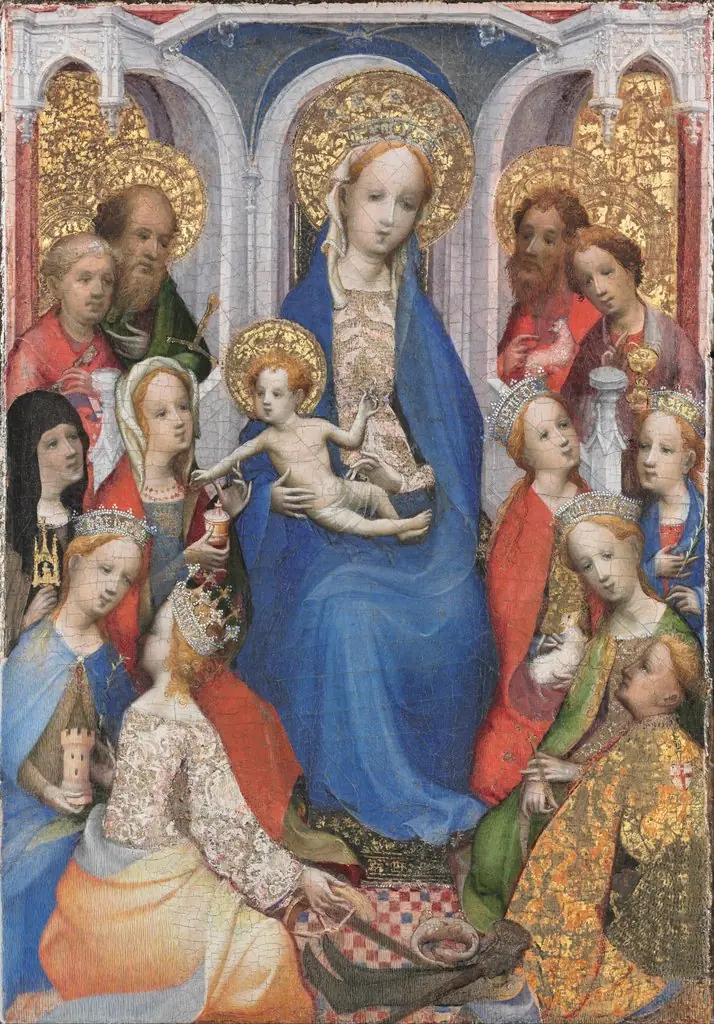 Enthroned Virgin and Child, with Saints Paul, Peter, Clare of Assisi, Mary Magdalene, Barbara, Catherine of Alexandria, John the Baptist, John the Evangelist, Agnes, Cecilia, Margaret of Antioch, and George
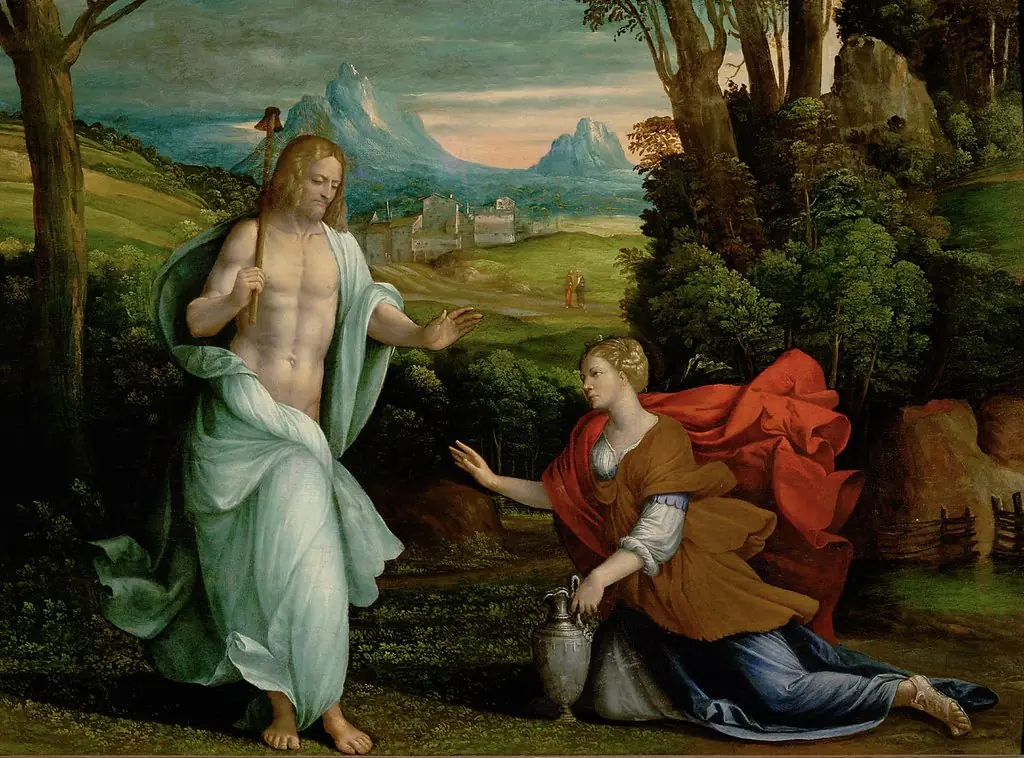 Noli me tangere
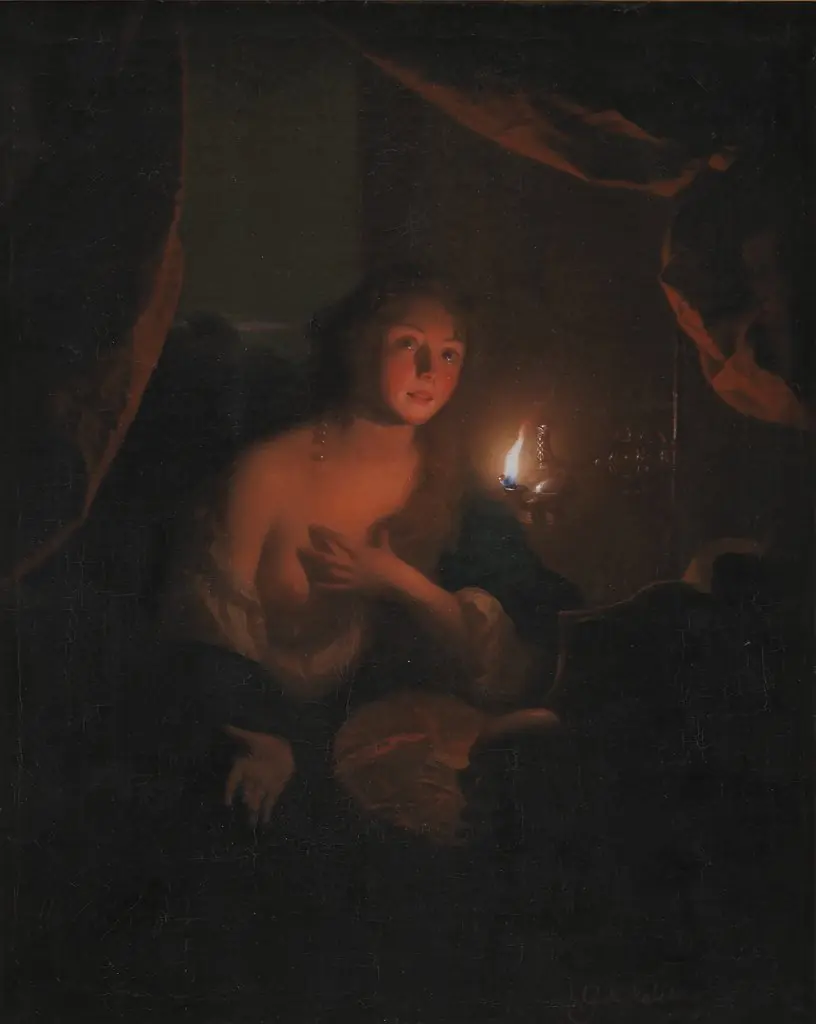 The Penitent Saint Mary Magdalene
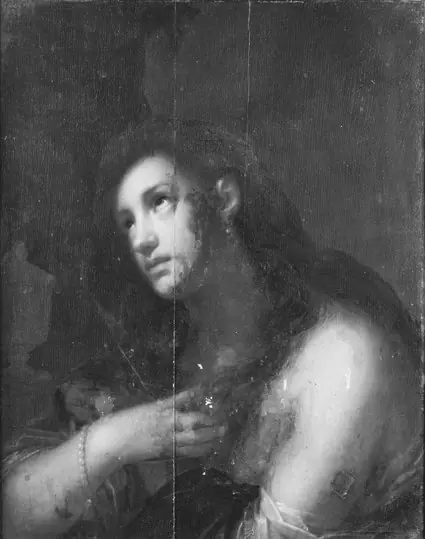 The Penitent Mary Magdalene
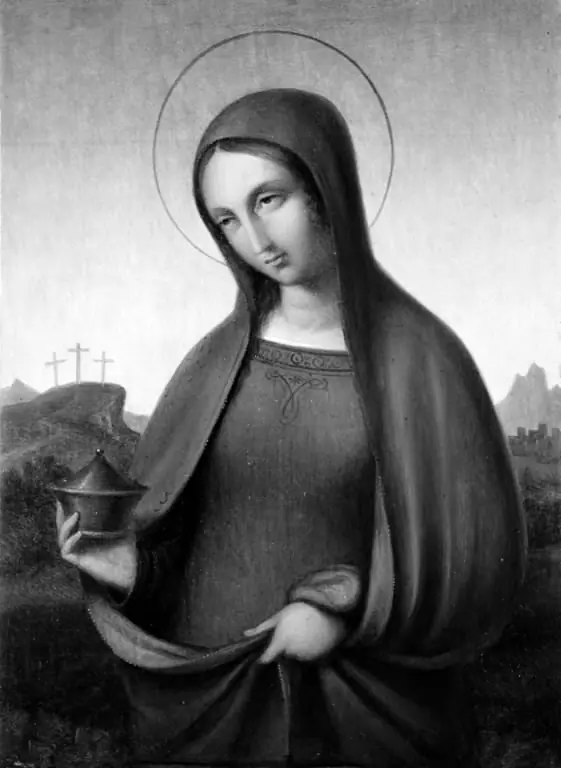 Magdalene med salvekrukken
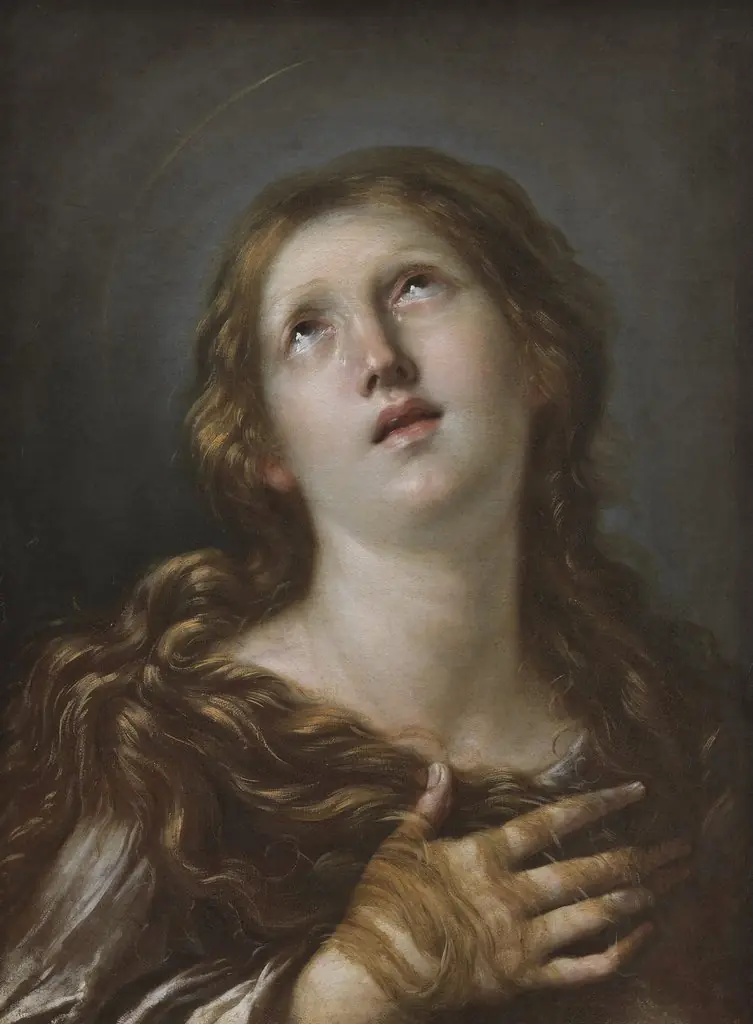 The Penitent St Mary Magdalene
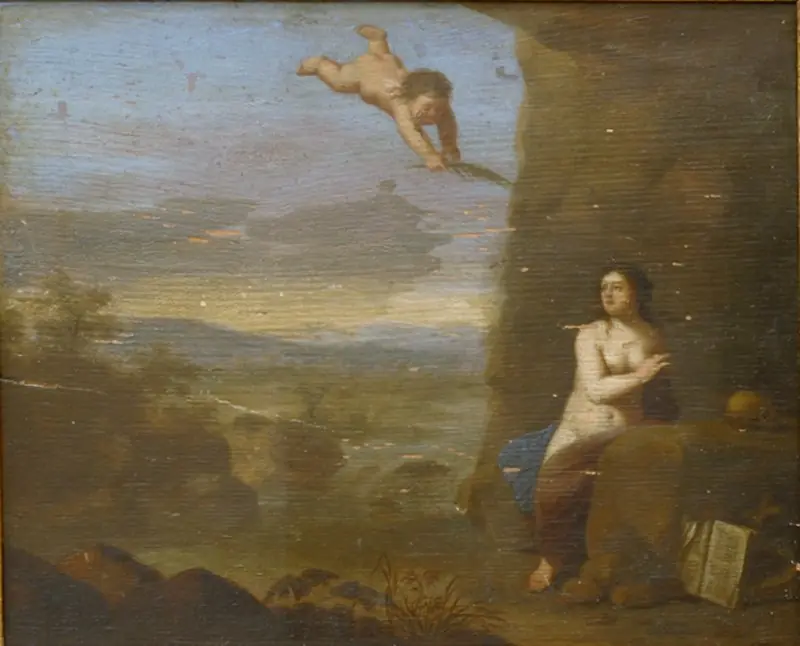 The Penitent Saint Mary Magdalene
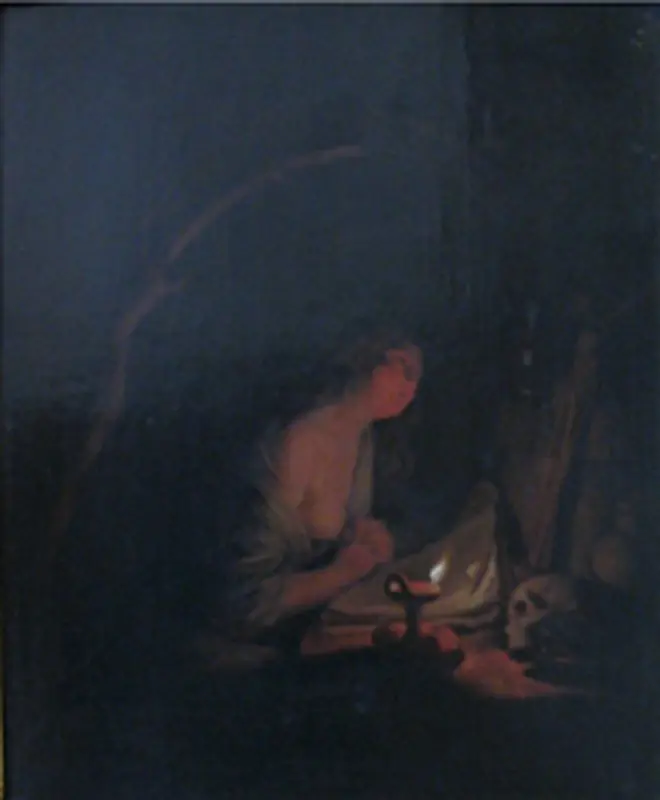 The Penitent Saint Mary Magdalene
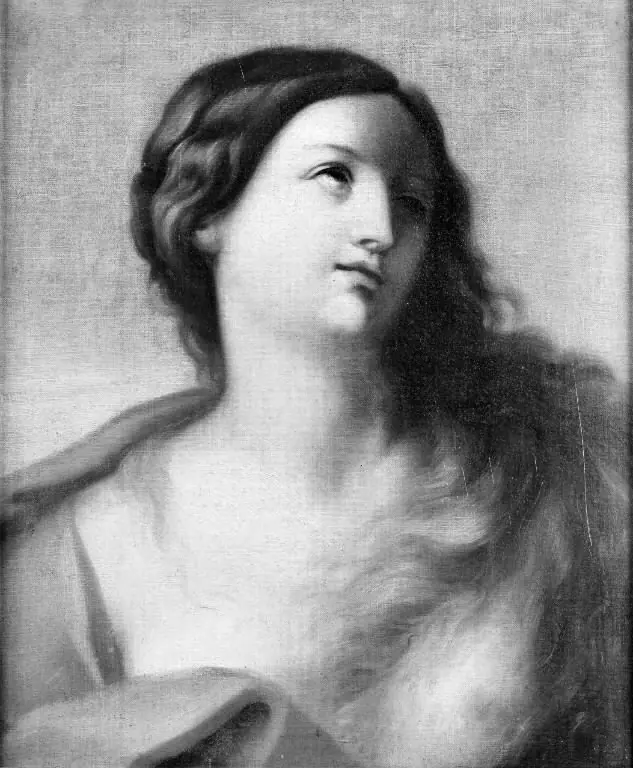 The Penitent Mary Magdalene
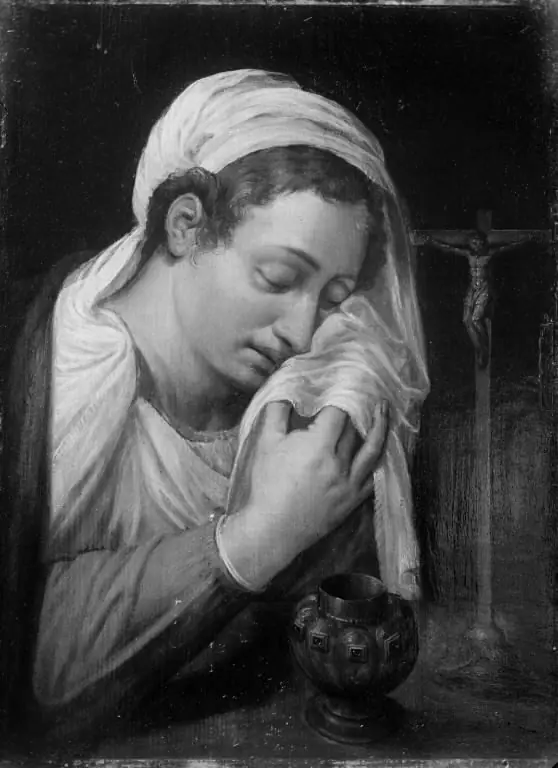 The Penitent Mary Magdalene
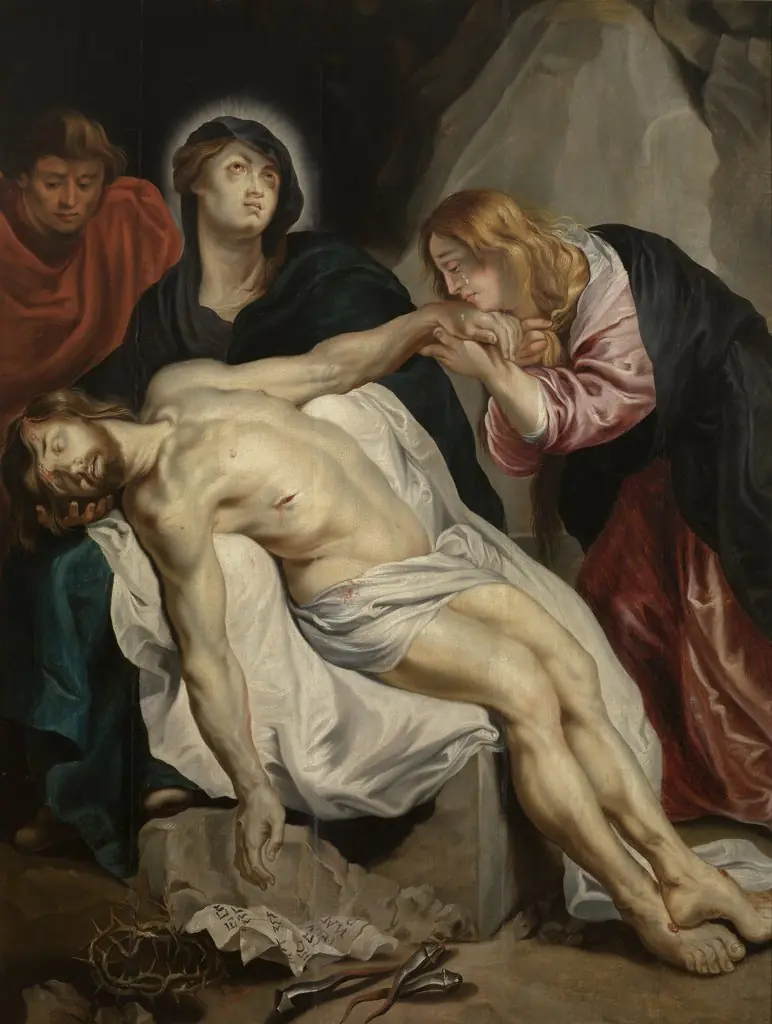 The Lamentation over the Dead Christ
 The Penitent Saint Mary Magdalene
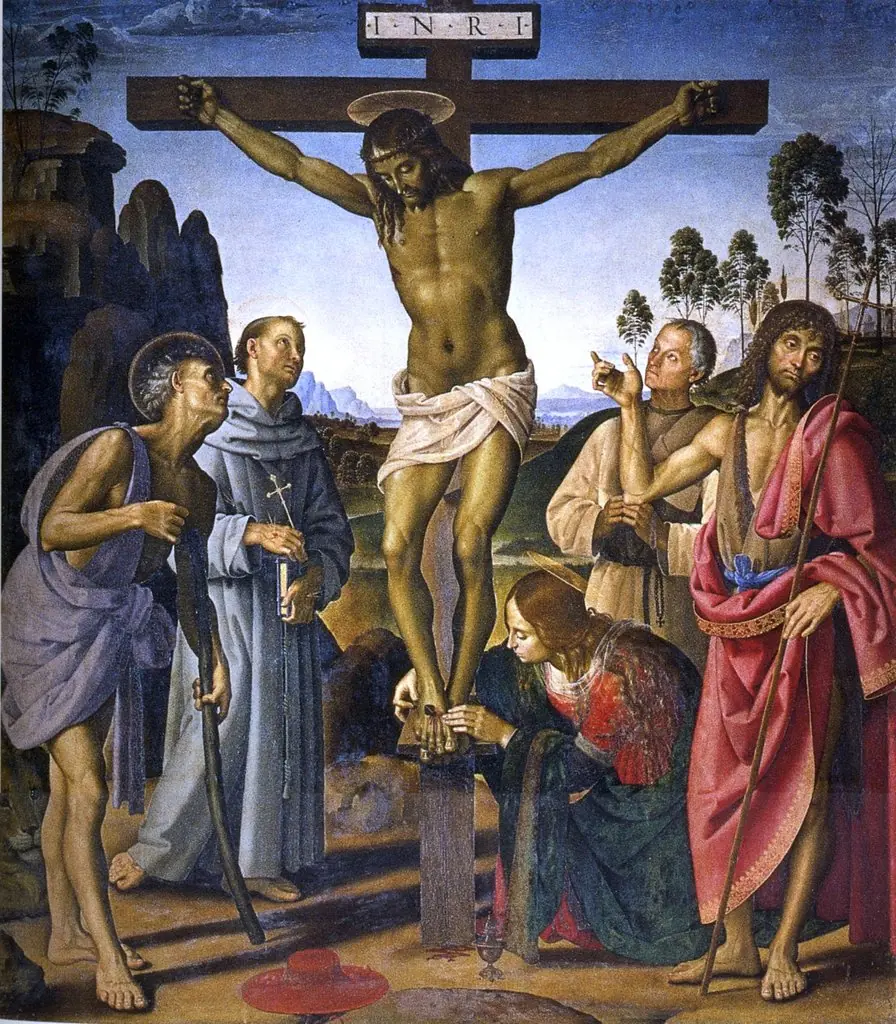 Crucifixion of Christ with saints
 Deposition of Christ
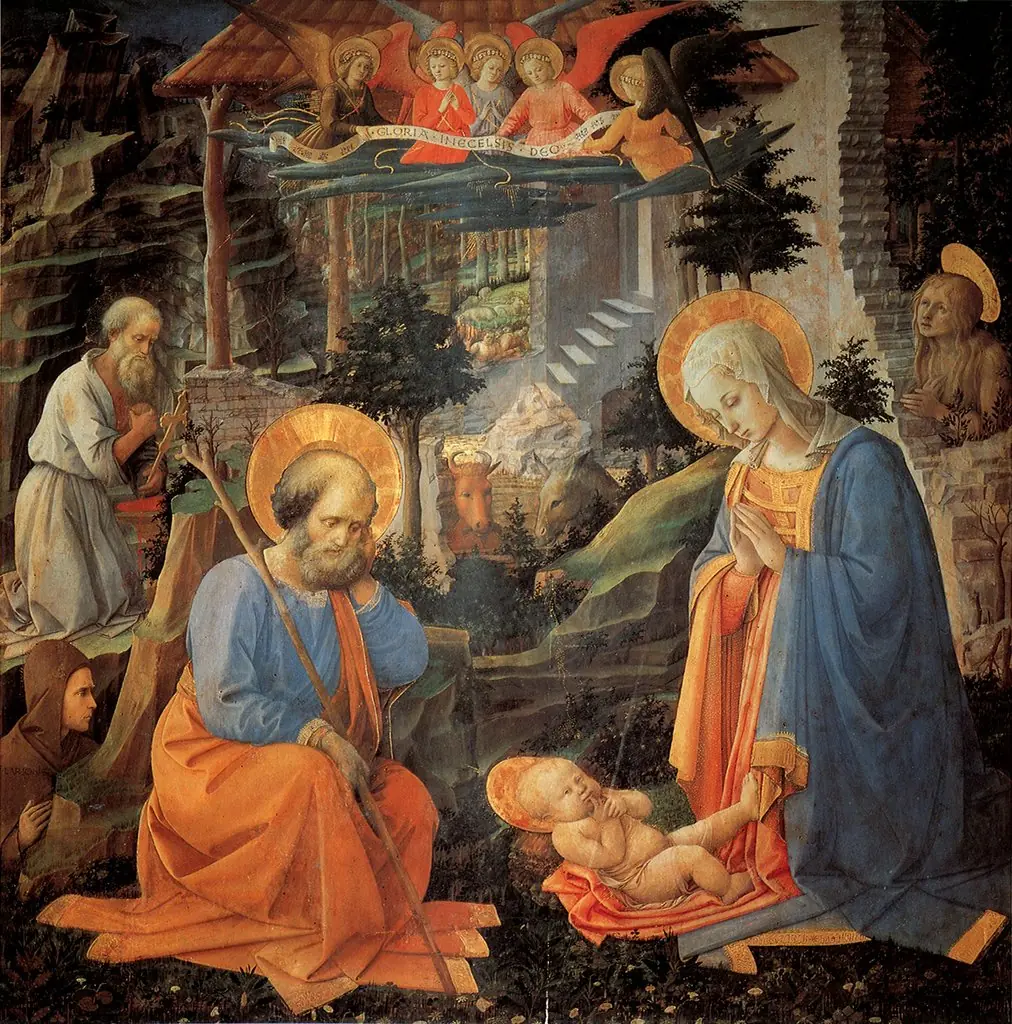 Adoration of the Child with SS. Joseph, Jerome, Hilarion, Magdalena and angels
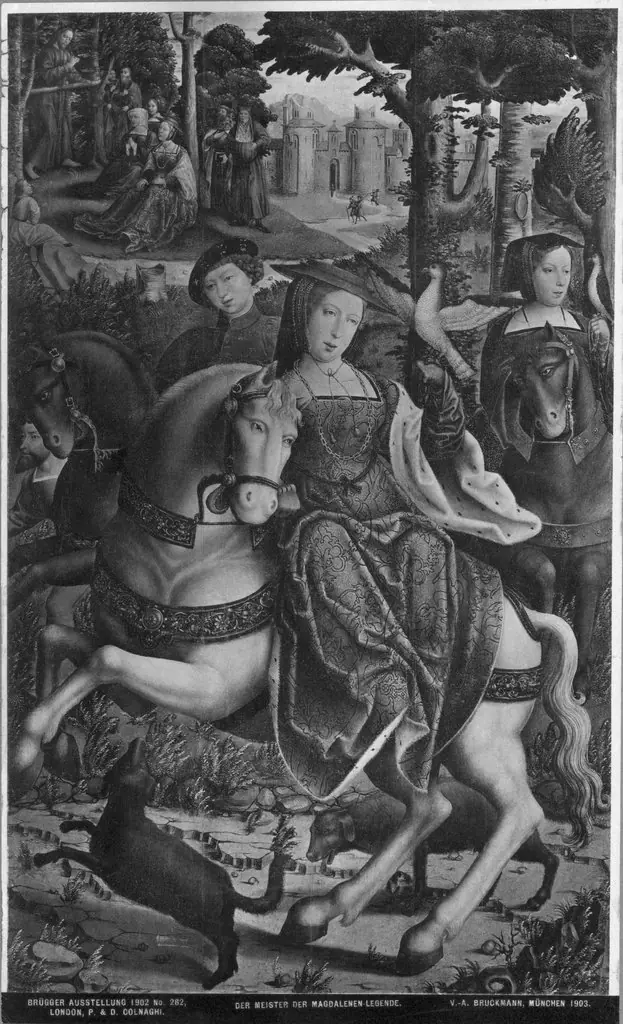 St. Mary Magdalene hunting before her conversion
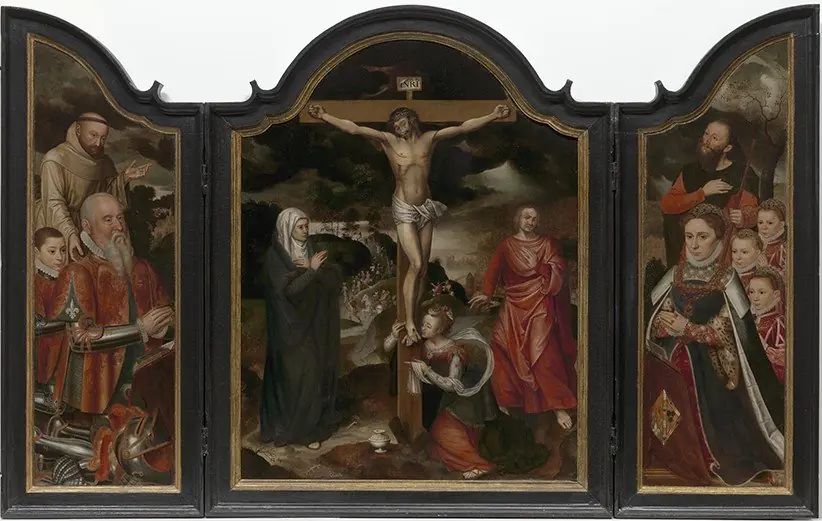 Crucified Christ with Mary, John and Mary Magdalene
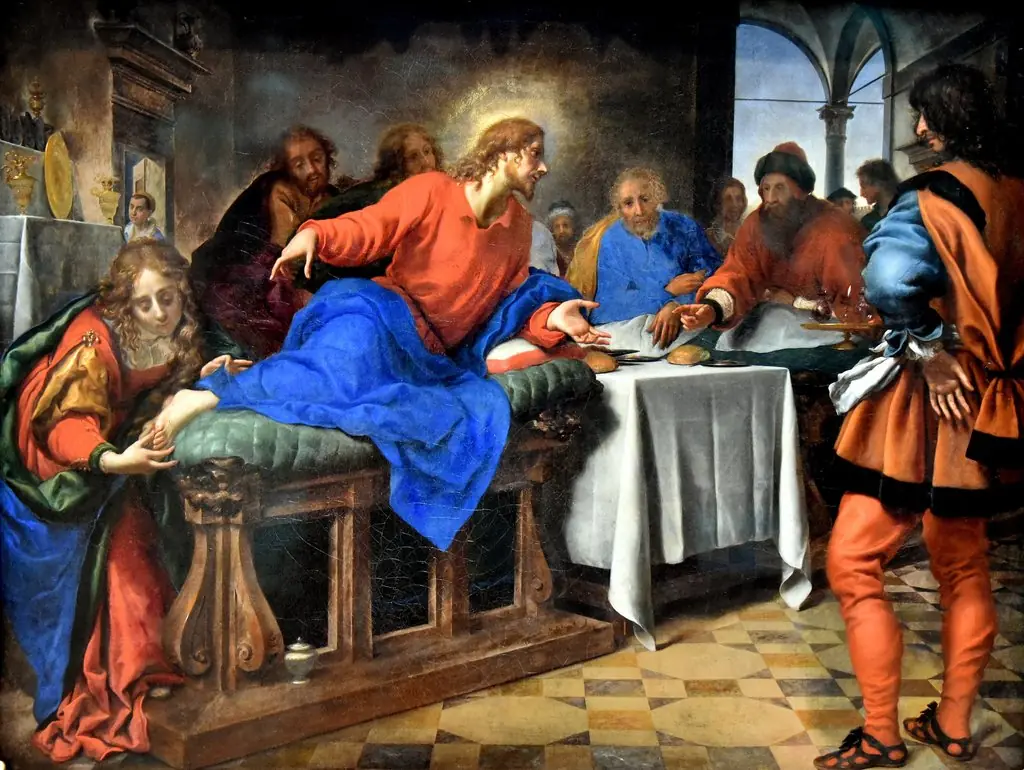 Christ and Mary Magdalen in the House of Simon
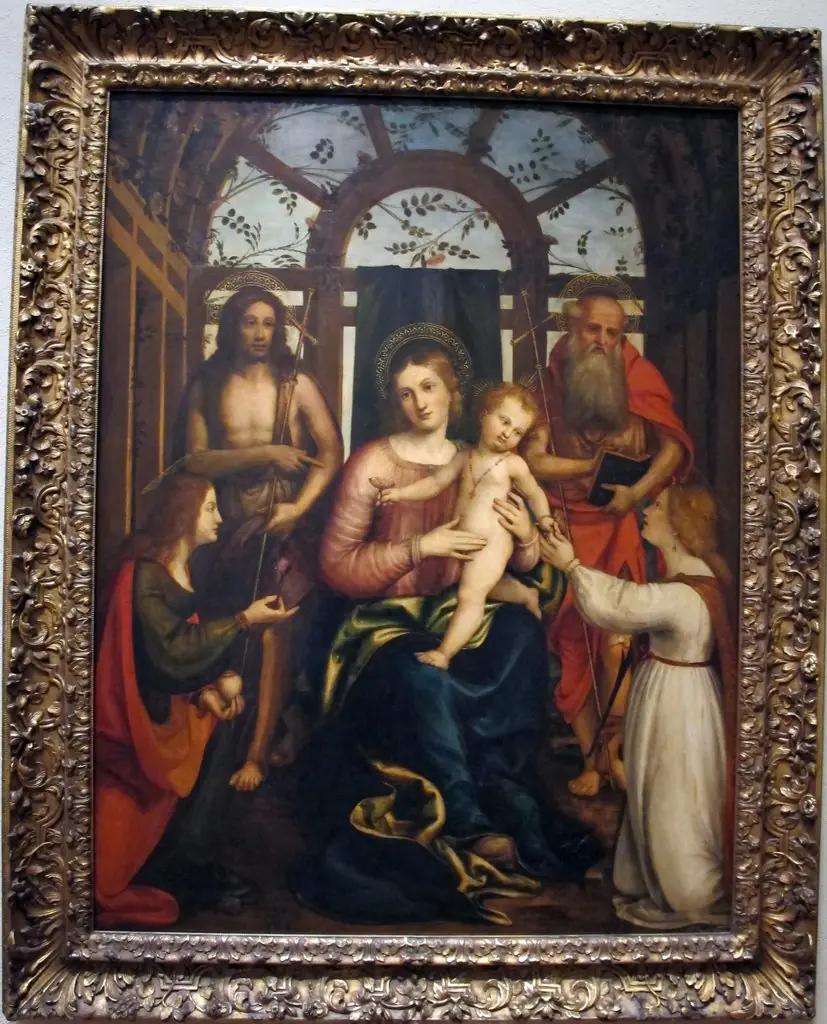 Virgin and Child, with Saints Mary Magdalene, John the Baptist, Jerome, and Catherine of Alexandria
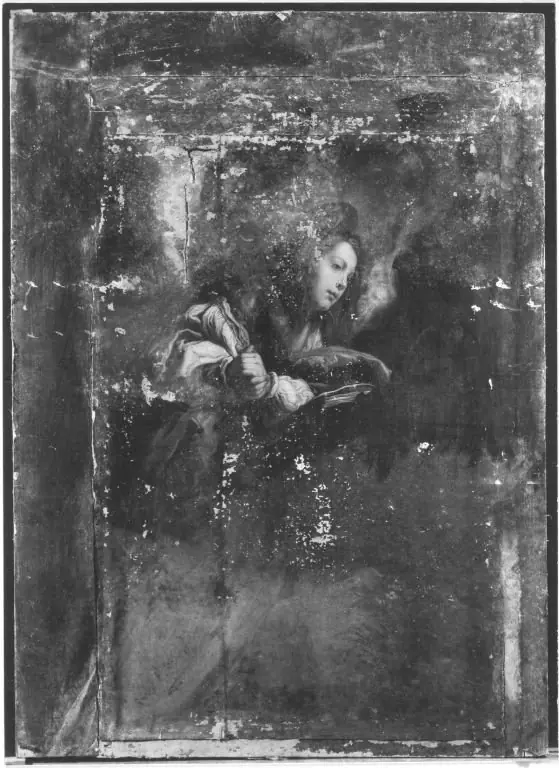 Penitent Magdalene with clasped hands
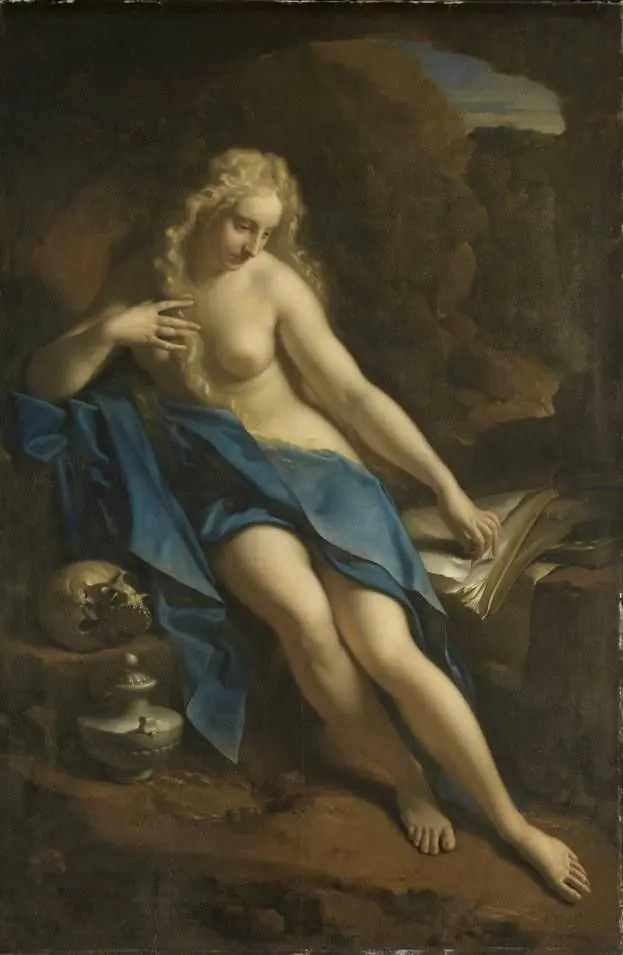 The penitent Mary magdalene in the wilderness
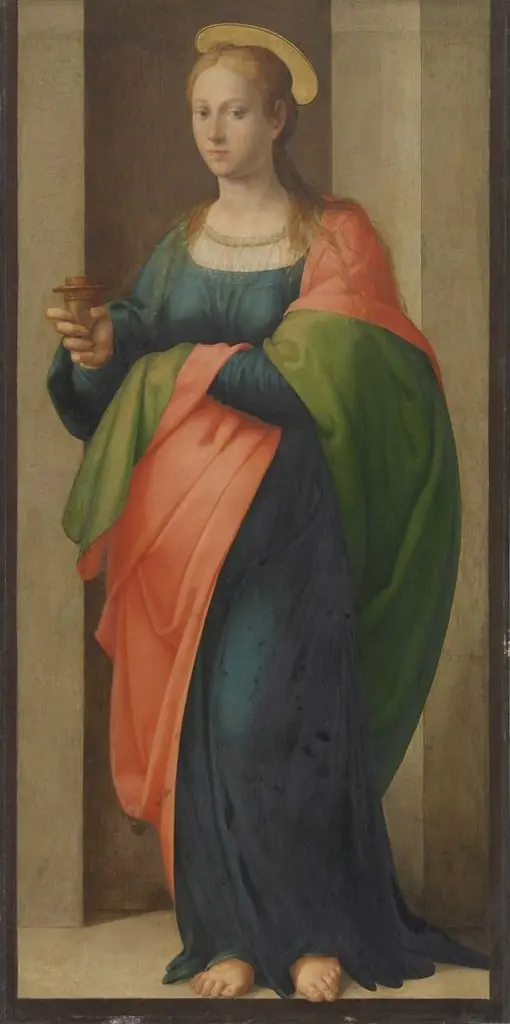 Saint Mary Magdalene
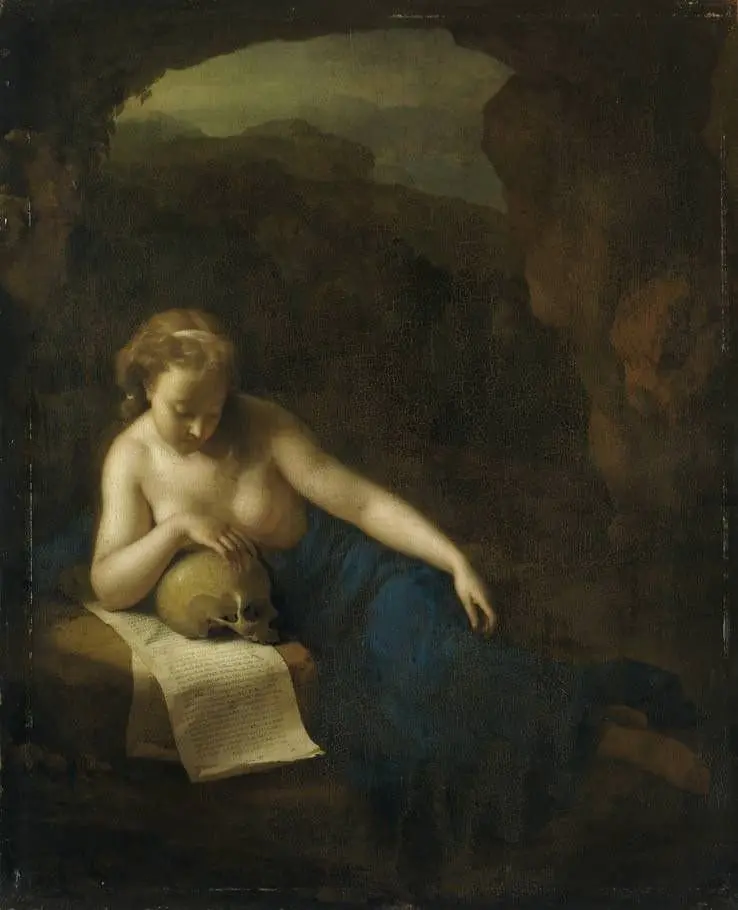 The penitent Mary Magdalene contemplating in the wilderniss
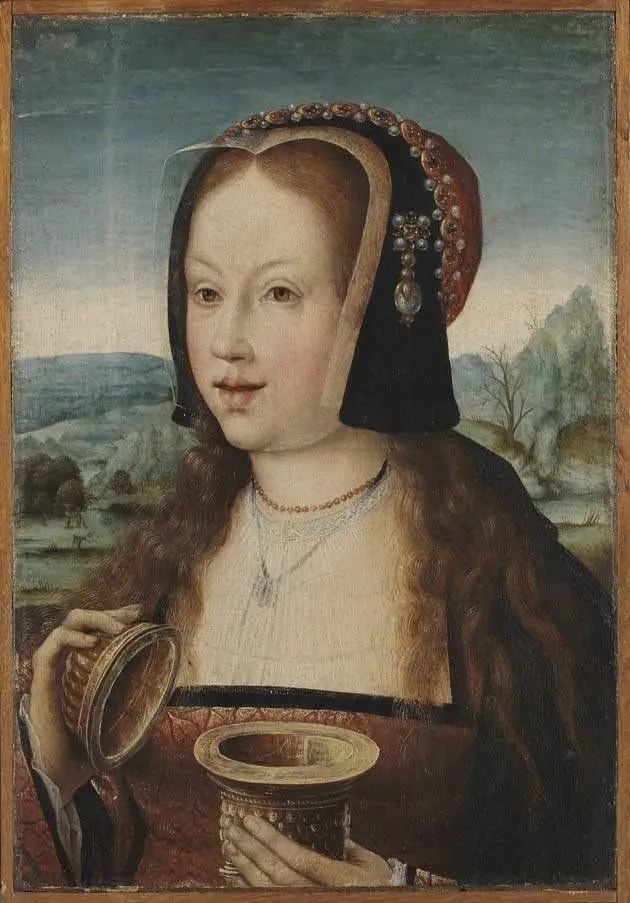 Portrait of Margaret of Austria (1480-1530) as Mary Magdalene
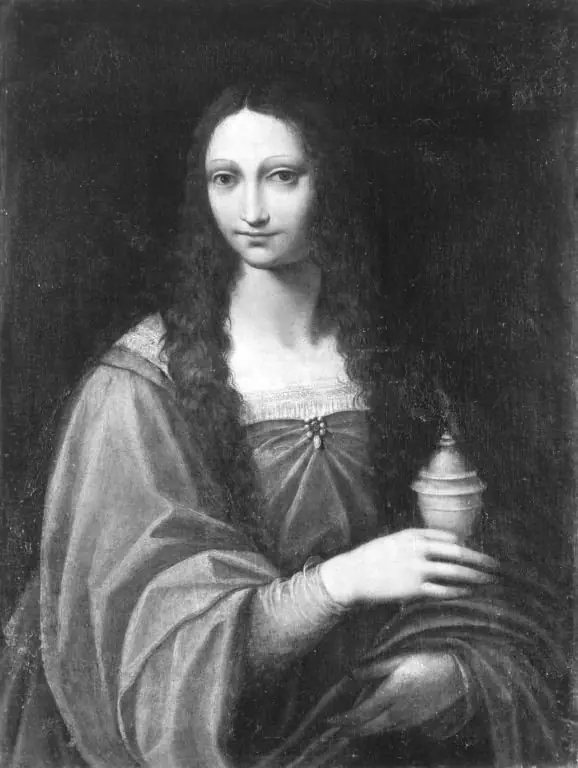 Hl. Magdalena
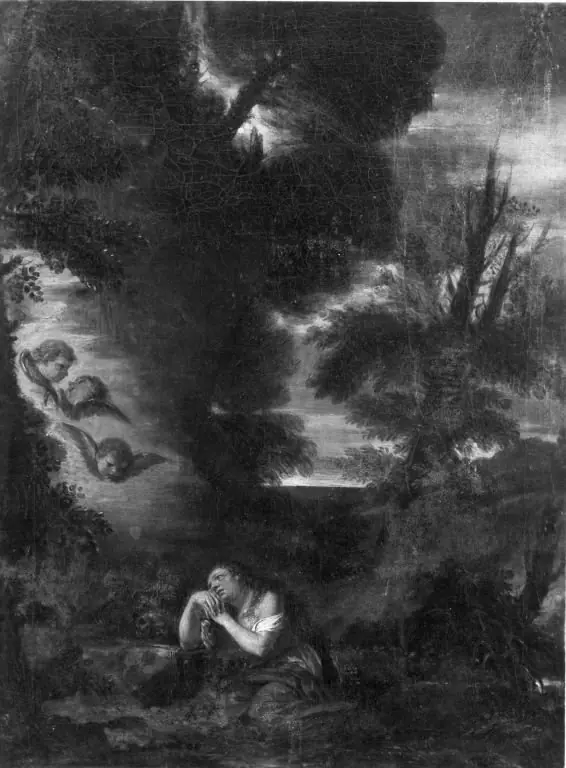 Hl. Magdalena
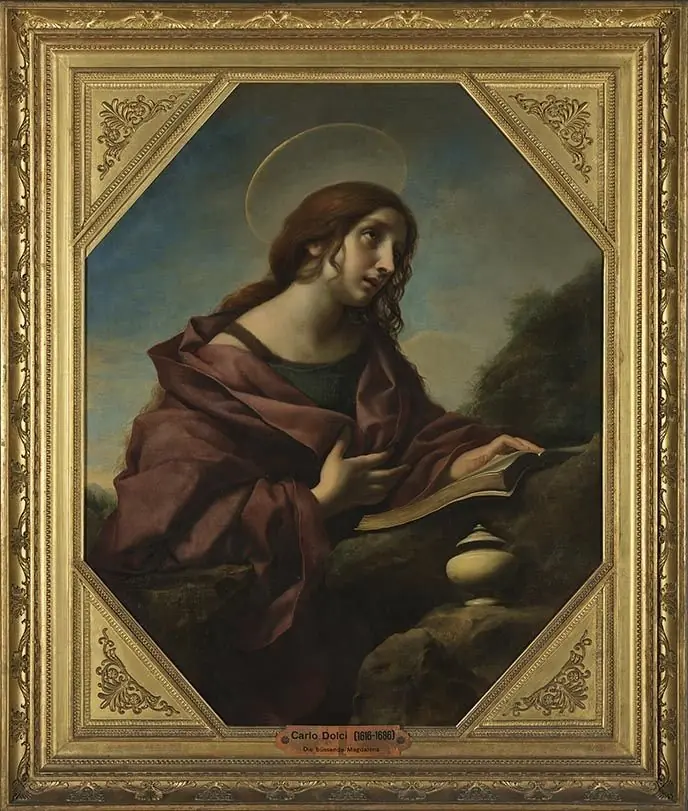 Die büßende Magdalena
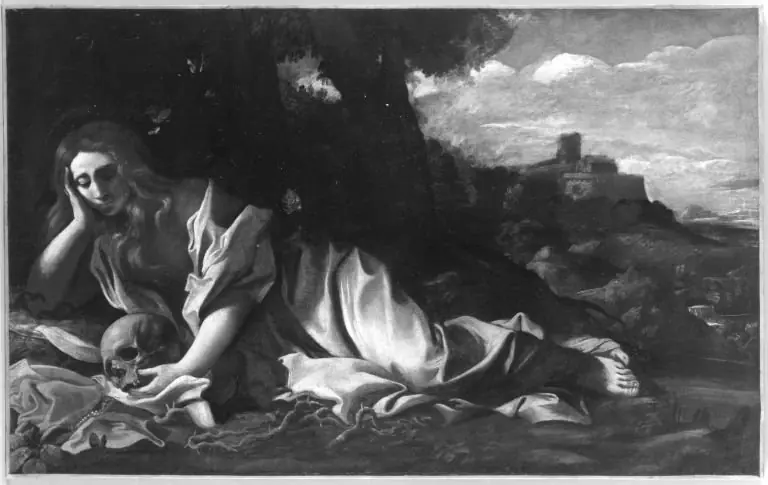 Büßende Magdalena
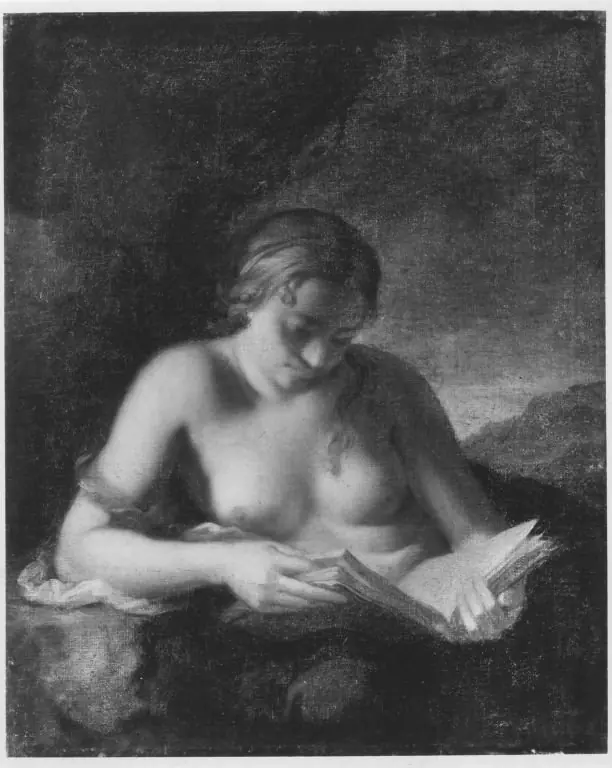 Büßende Magdalena
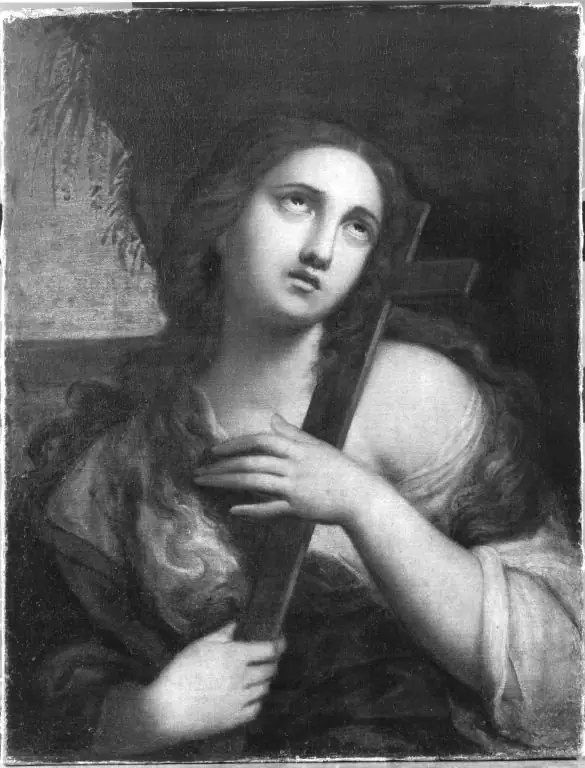 Hl. Magdalena
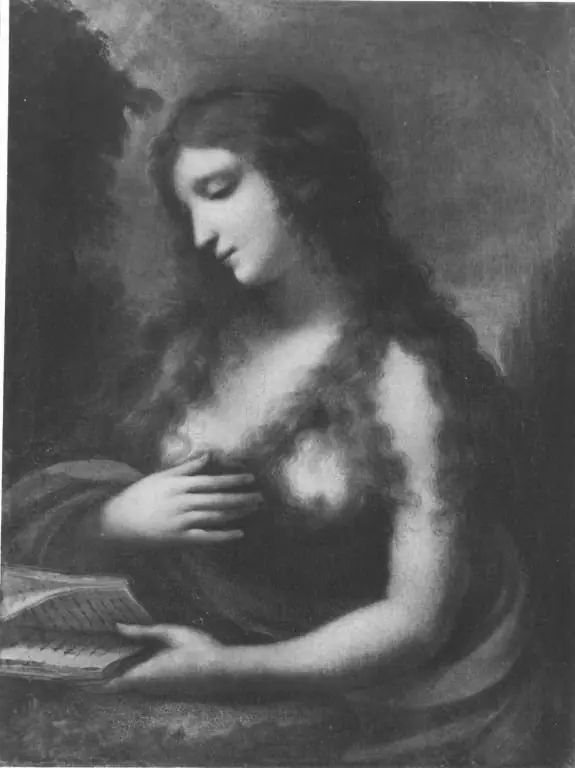 Hl. Magdalena
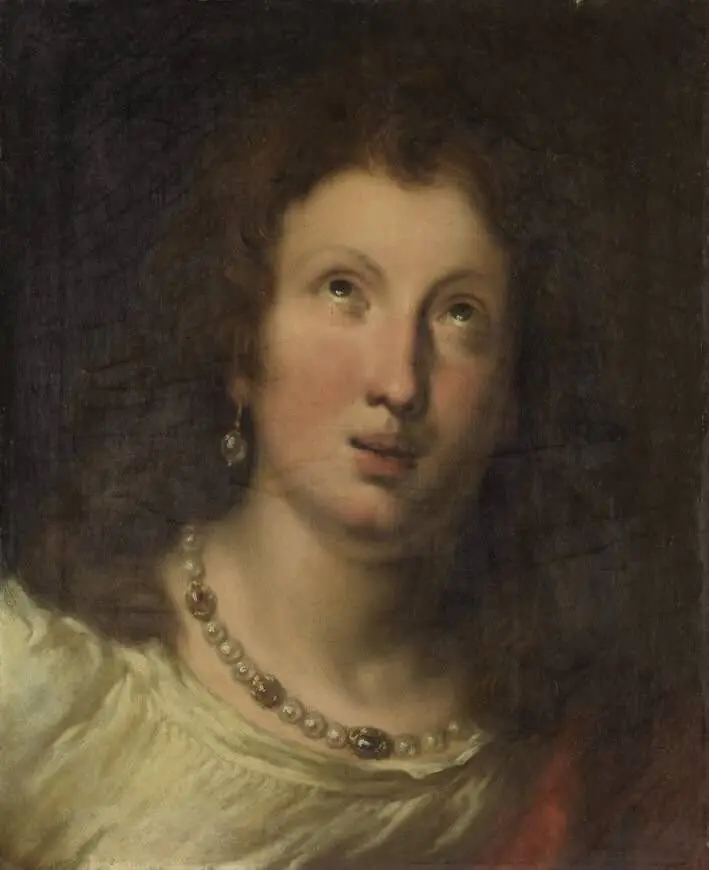 Mary Magdalene
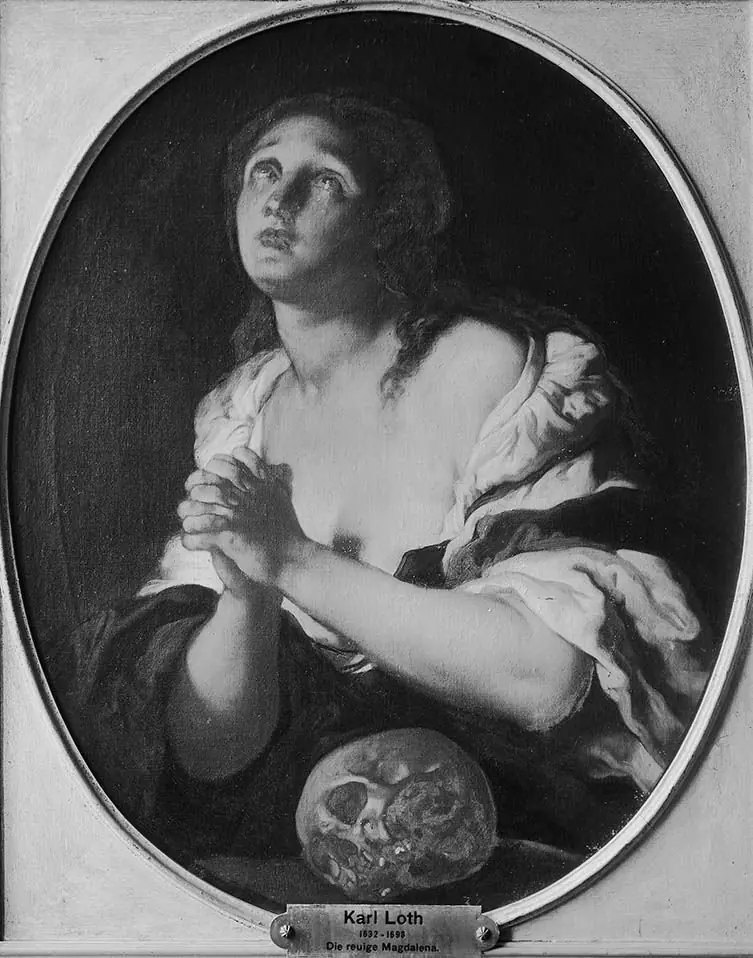 Die reuige Magdalena
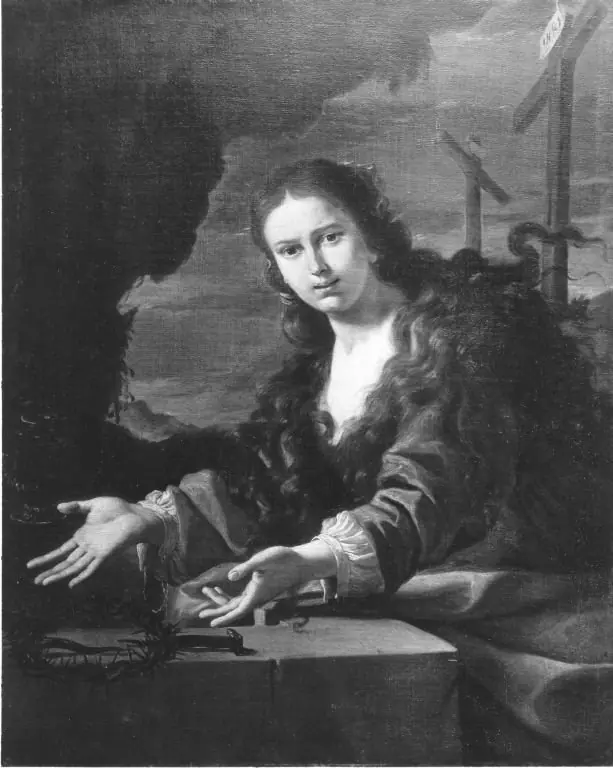 Maria Magdalena
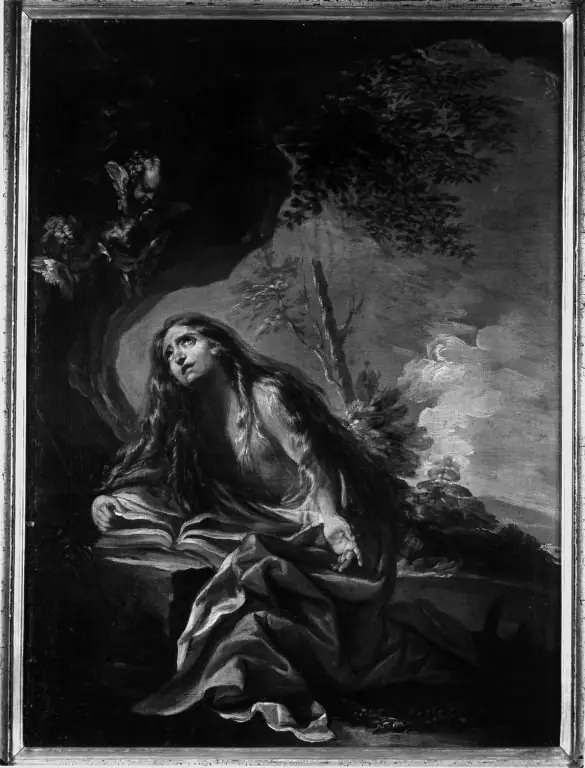 Hl. Magdalena
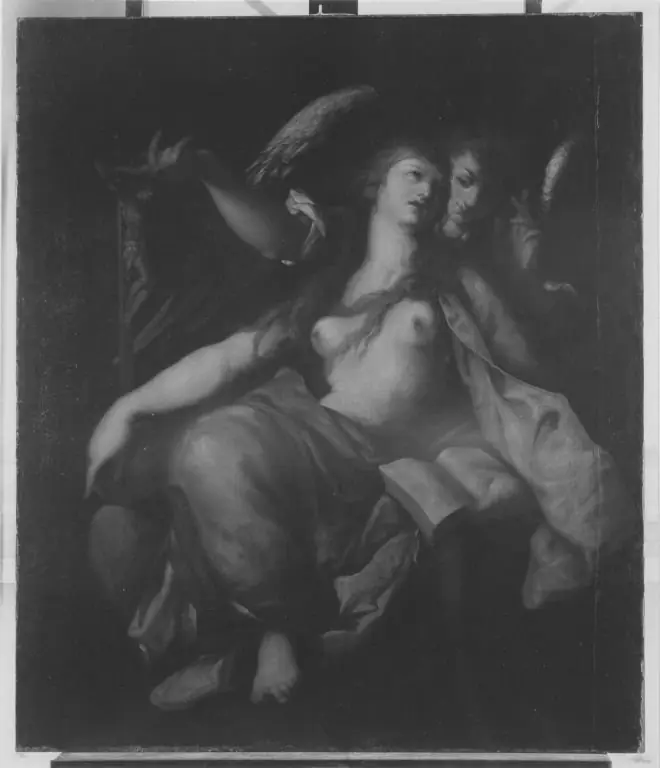 Die hl. Maria Magdalena (?)
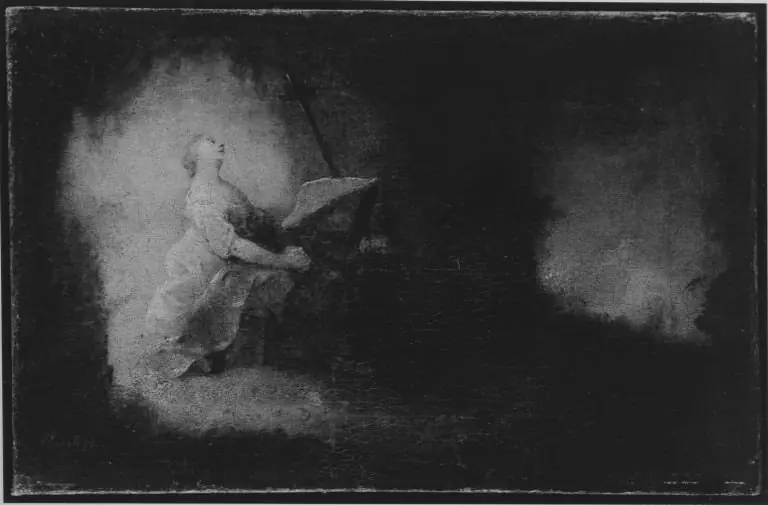 Hl. Maria Magdalena
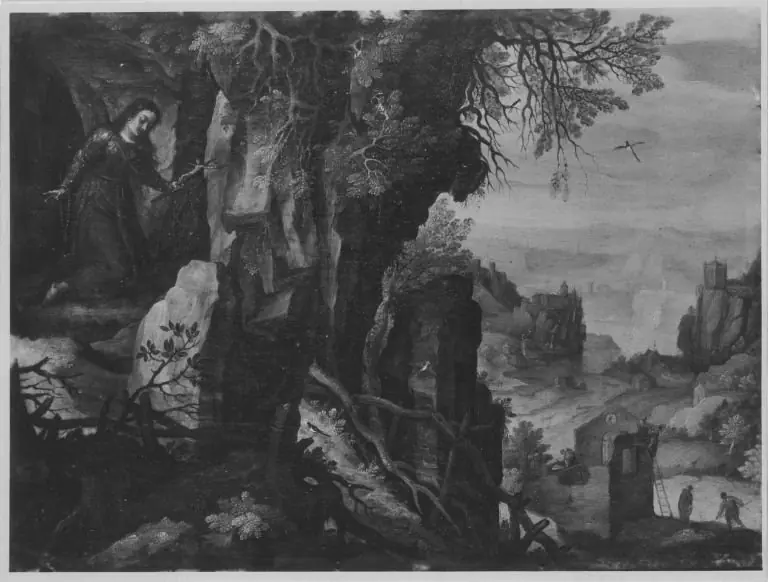 Büßende Magdalena
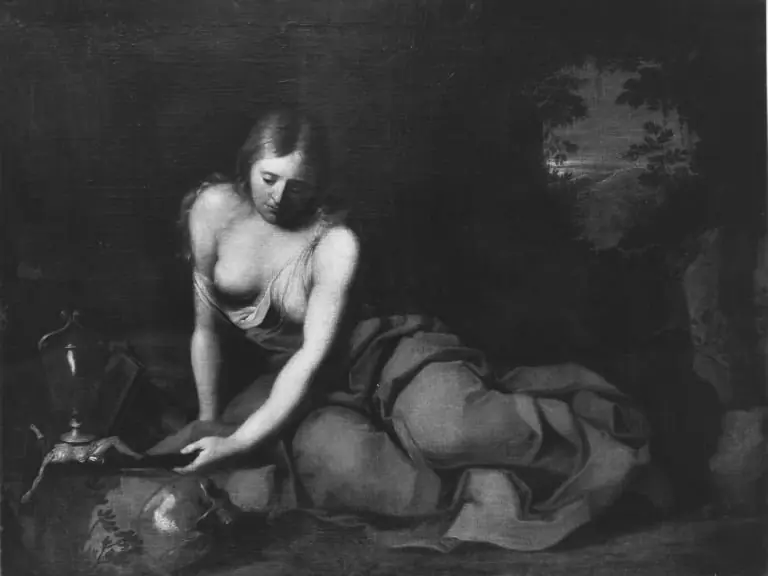 Büßende Magdalena
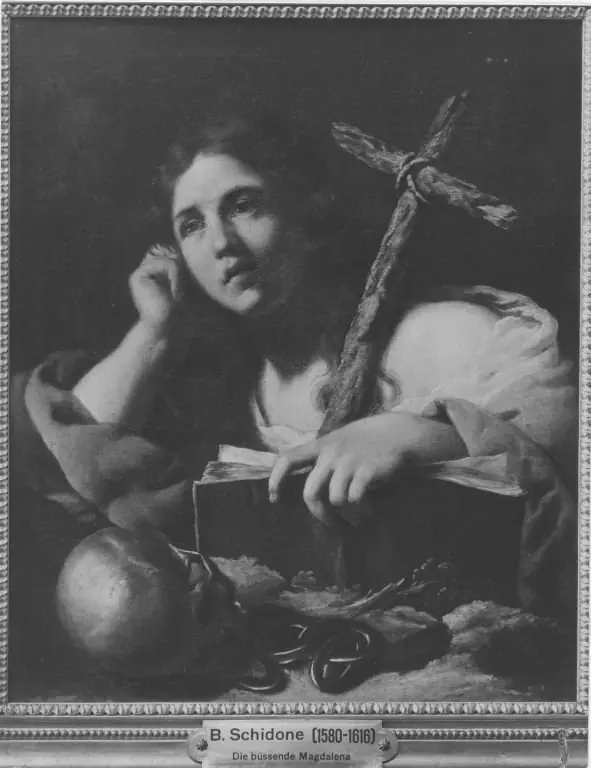 Hl. Magdalena
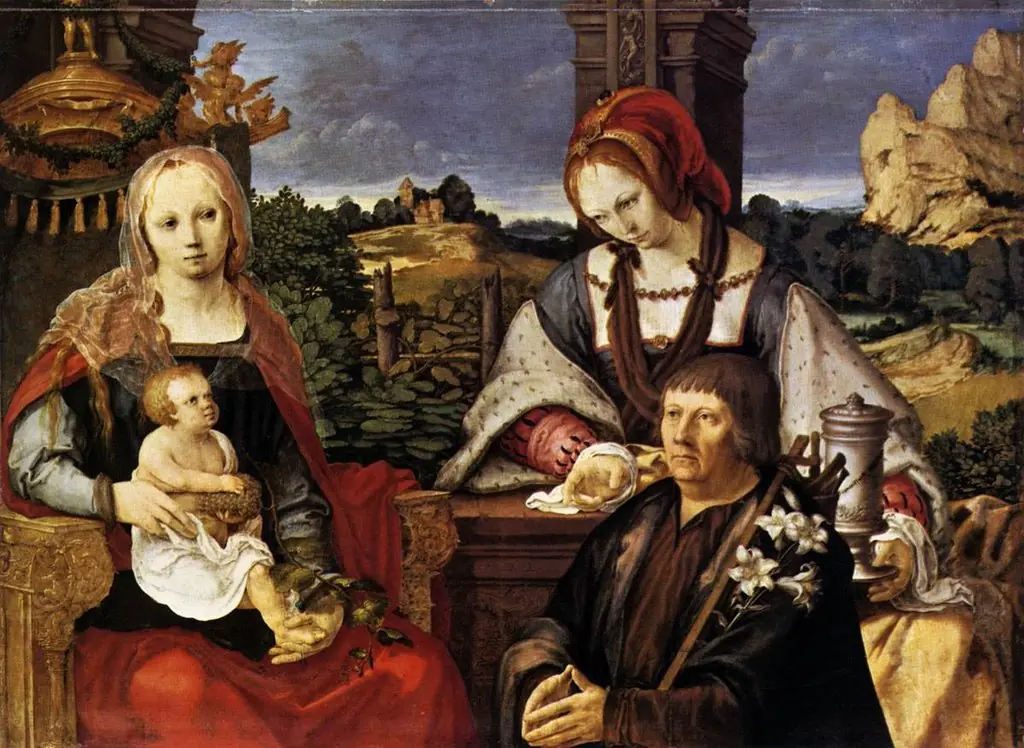 Mary with Child, St. Maria Magdalena and founder (separate outside, Inv. No. 7713)
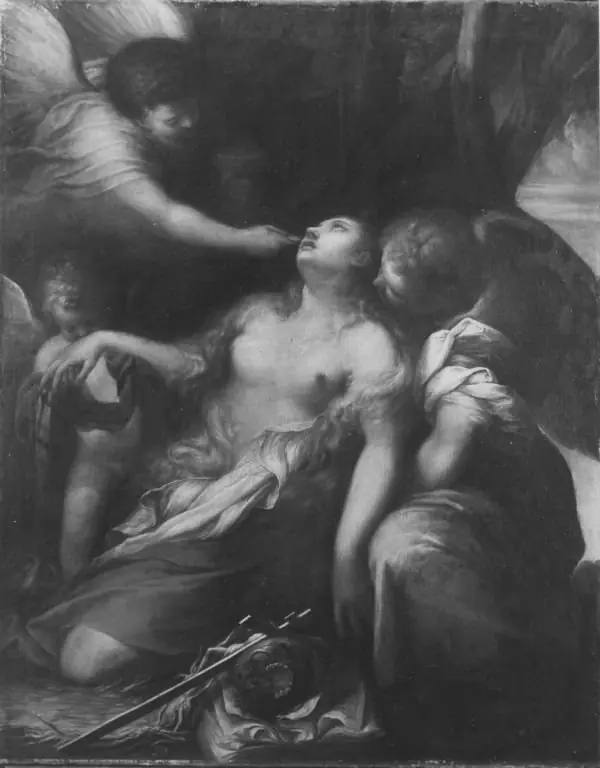 Kommunion der hl. Magdalena
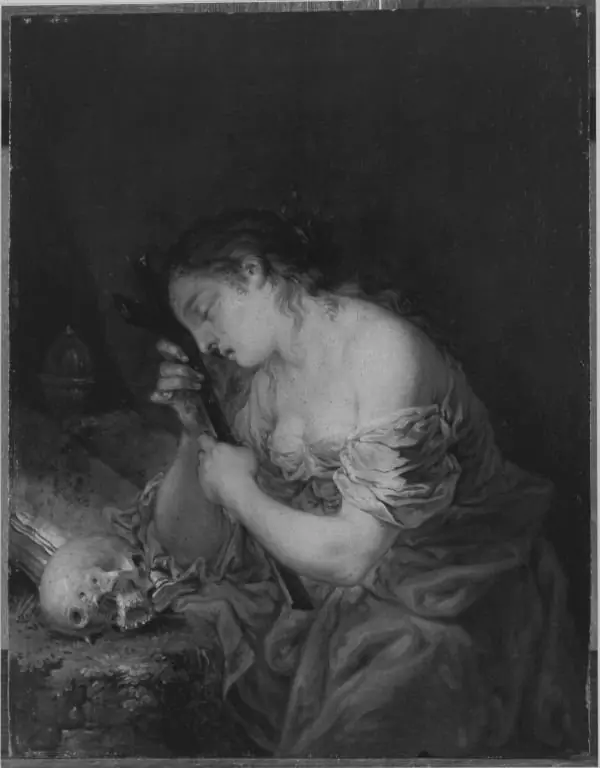 Hl. Maria Magdalena als Büßerin
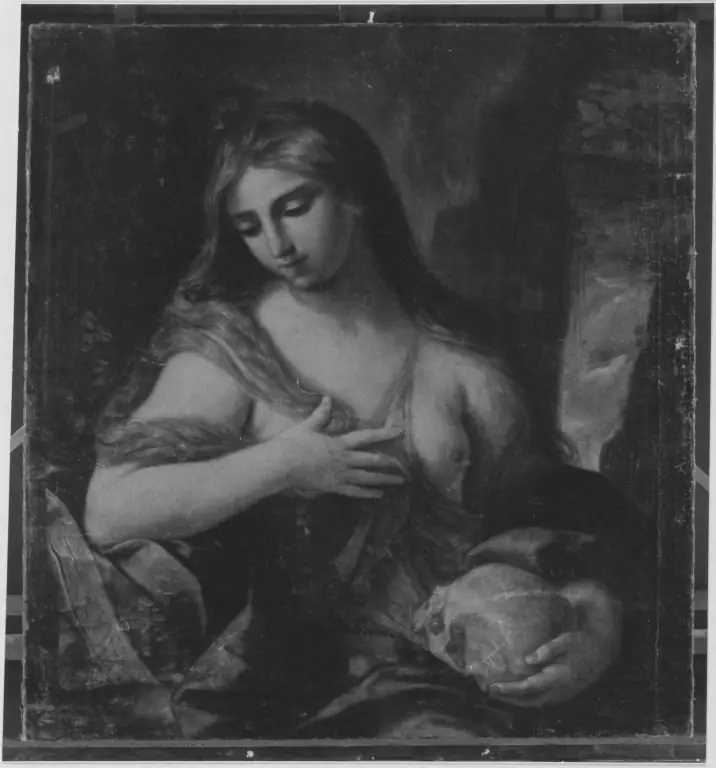 Hl. Magdalena
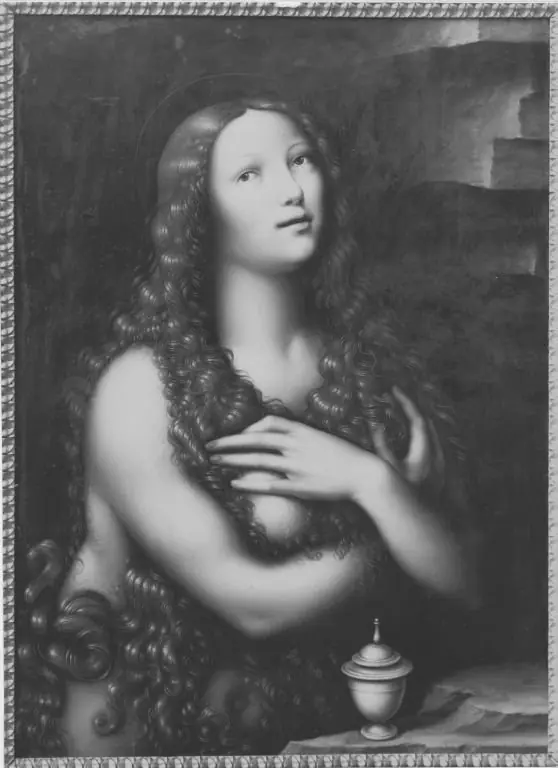 Hl. Magdalena
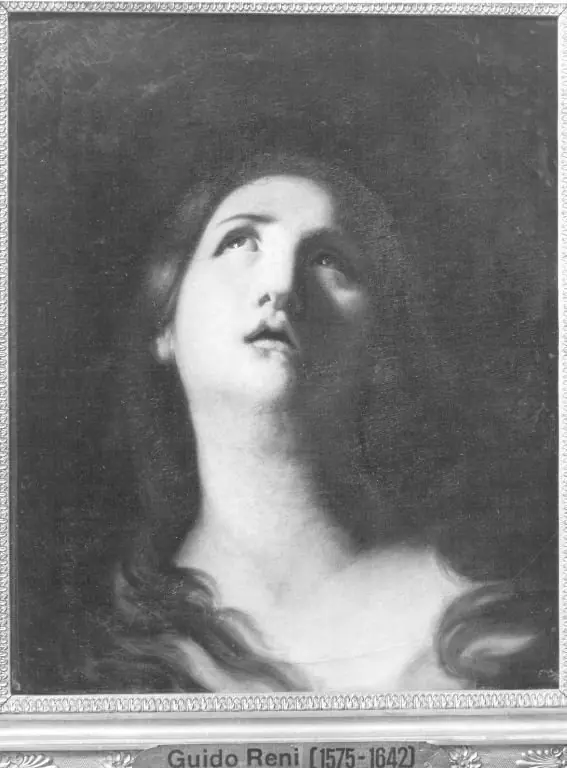 Hl. Magdalena
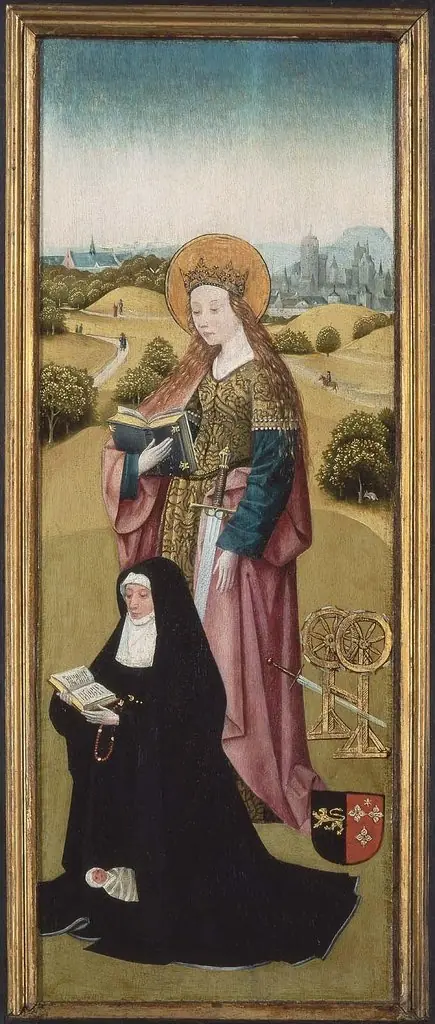 Heilwich van der Rullen and Her Daughters with Saint Mary Magdalen (outer face); Hendrixke van Langhel and Her Deceased Child with Saint Catherine (inner face)
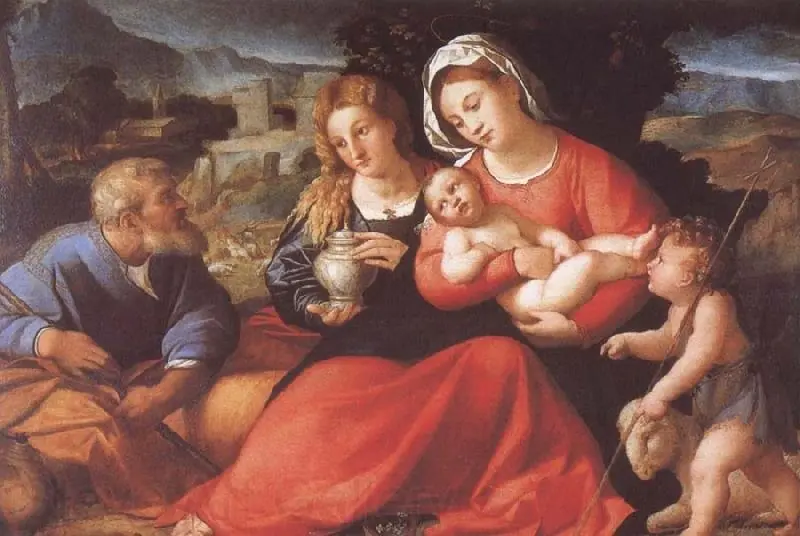 Holy Family with St. John and Mary Magdalene
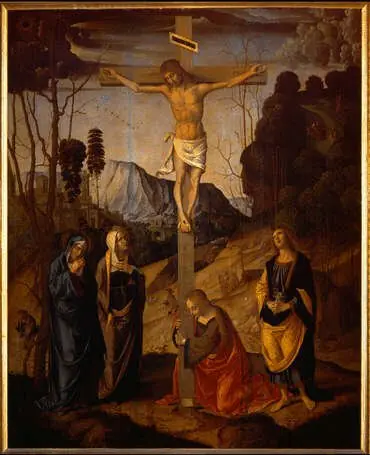 Crucifixion
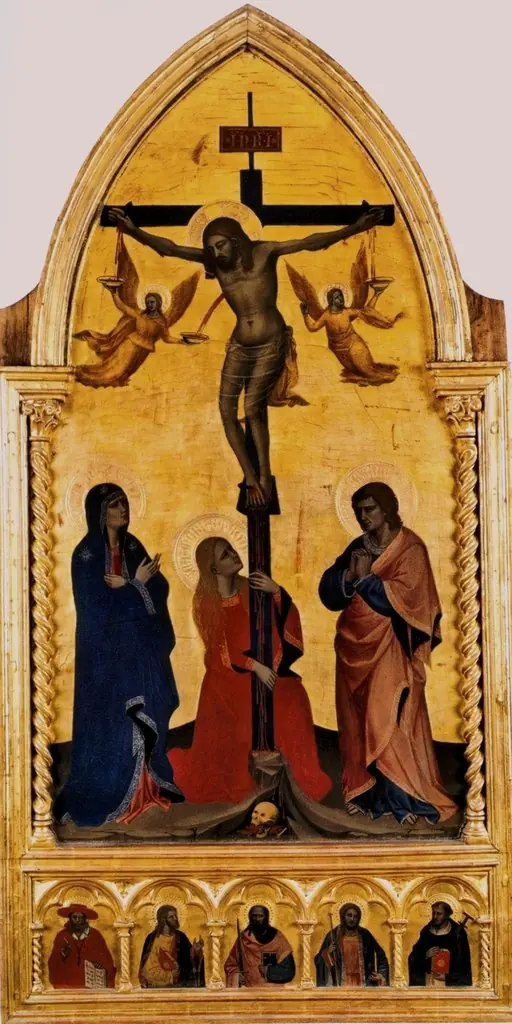 Crucifixion
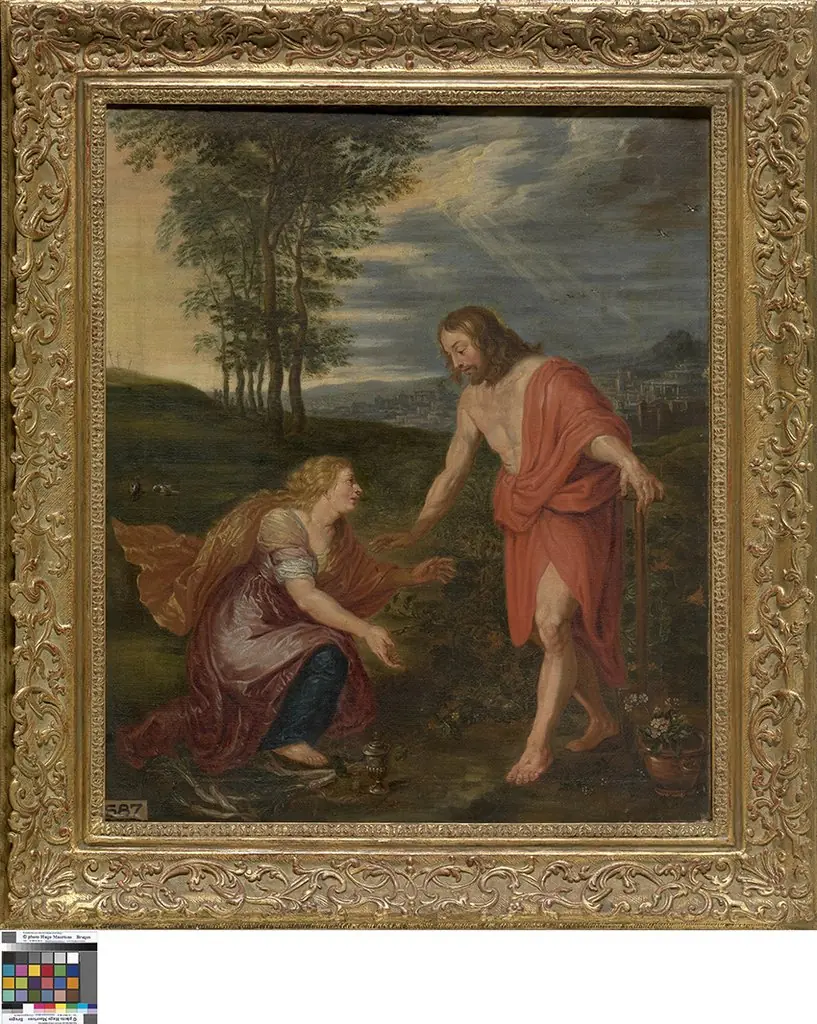 Noli me tangere
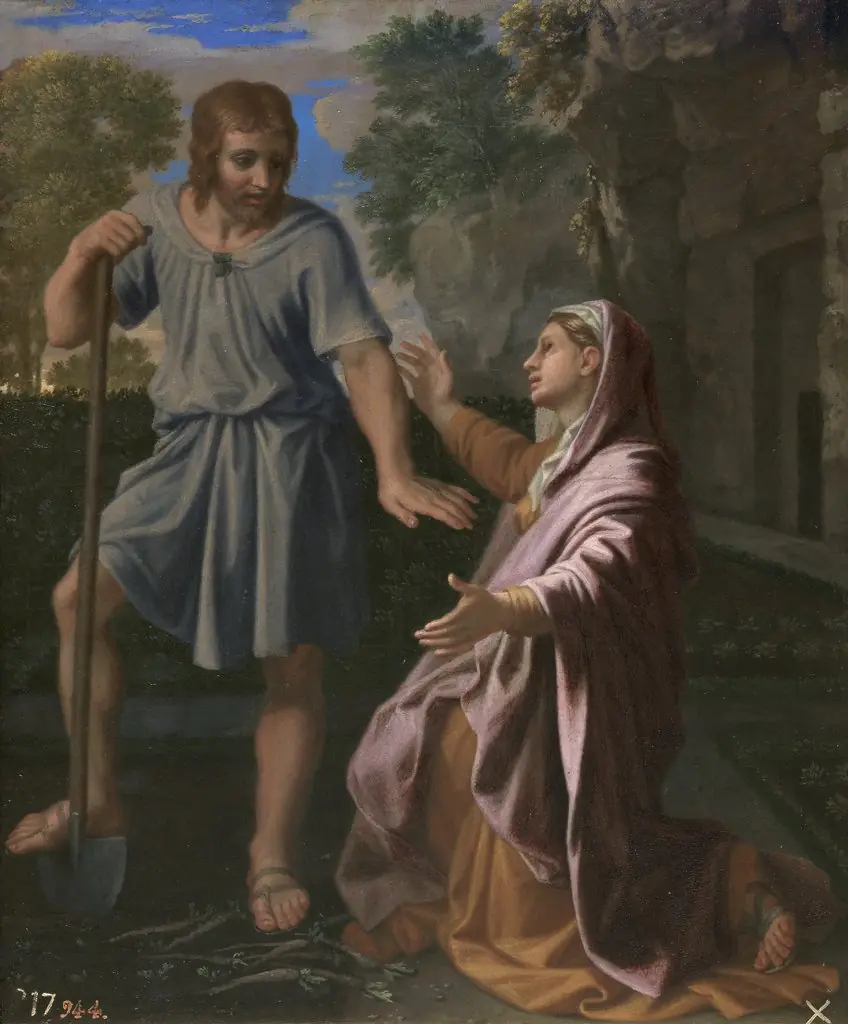 Noli me tangere
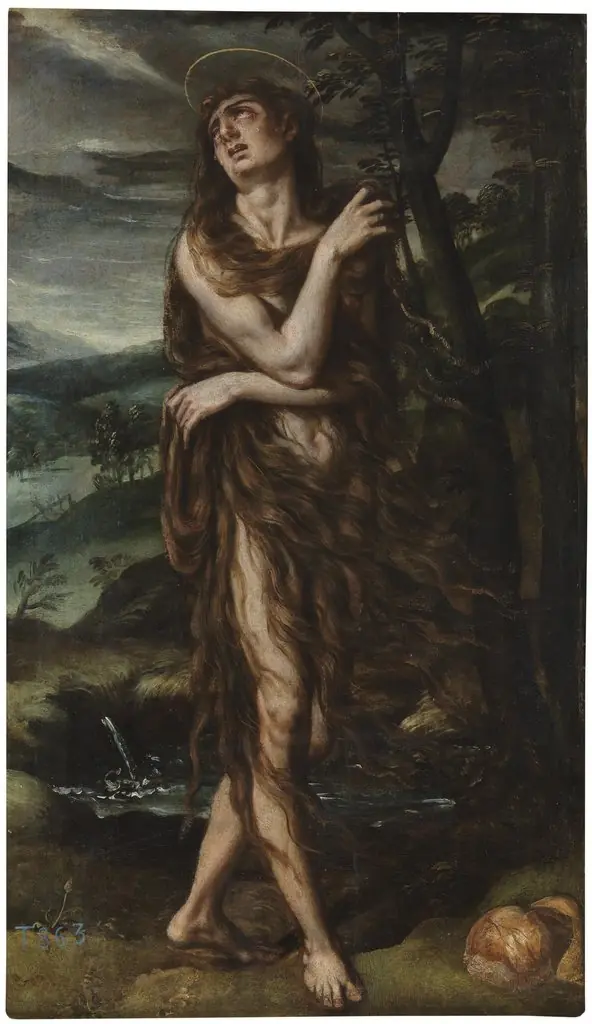 Penitent Magdalene
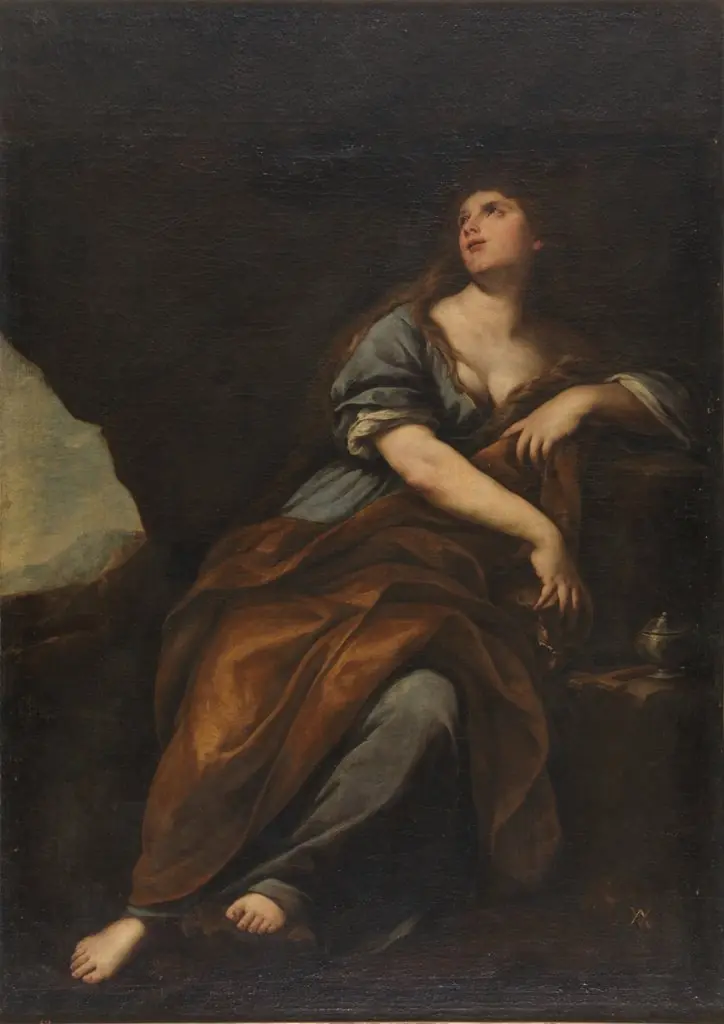 Penitent Magdalene
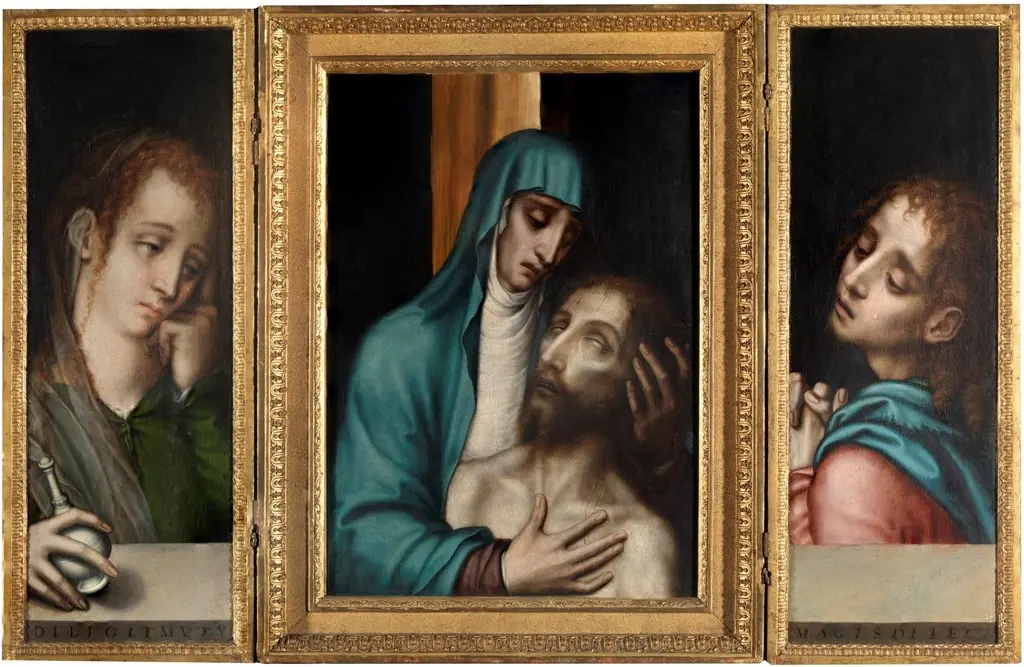 Triptych of the Pietà, St John and St Mary Magdalene
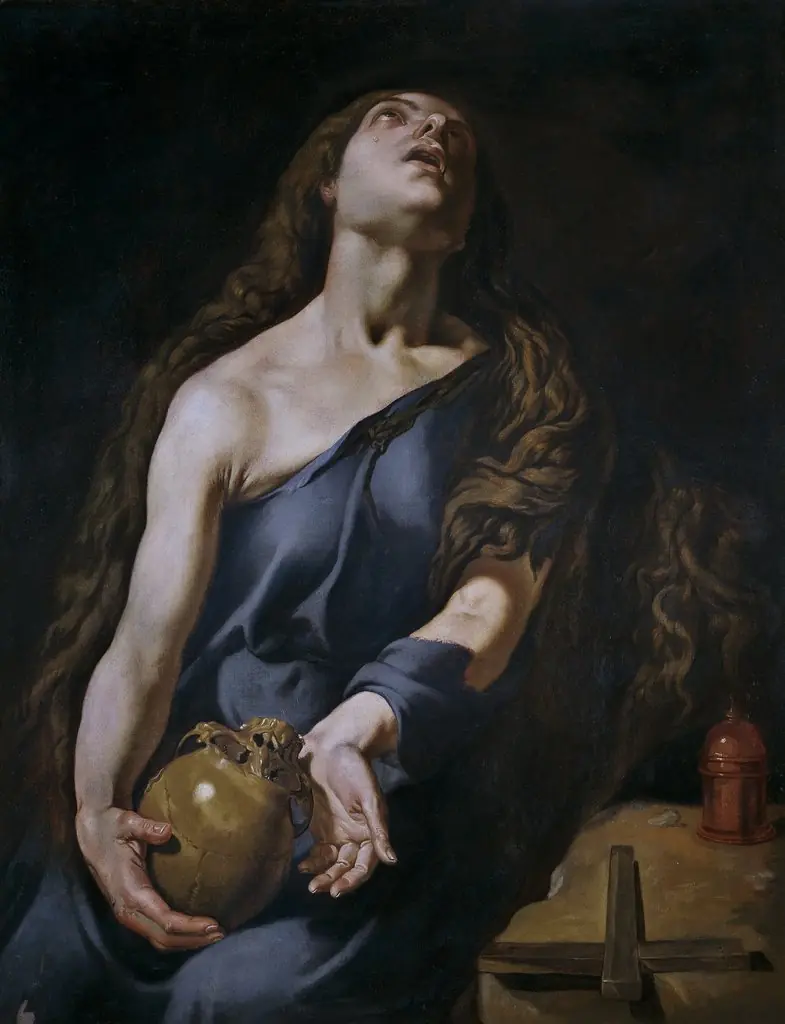 Penitent Magdalene
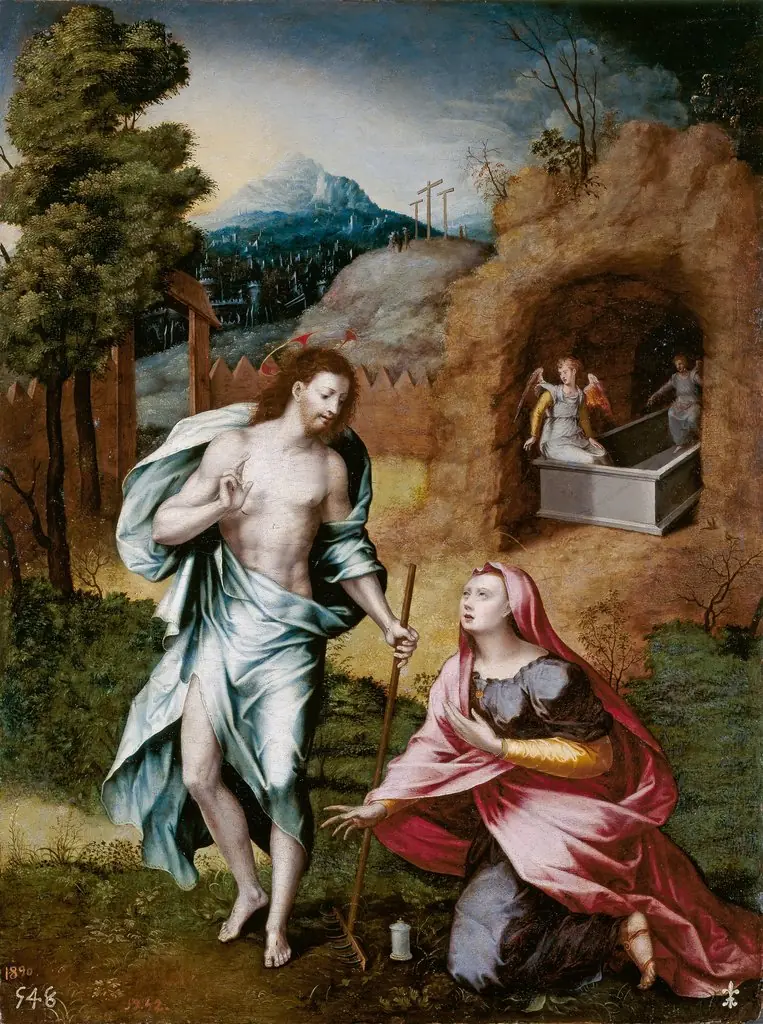 Noli Me Tangere
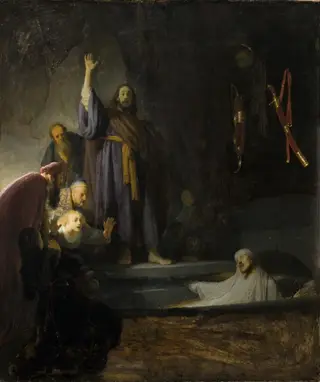 The Raising of Lazarus
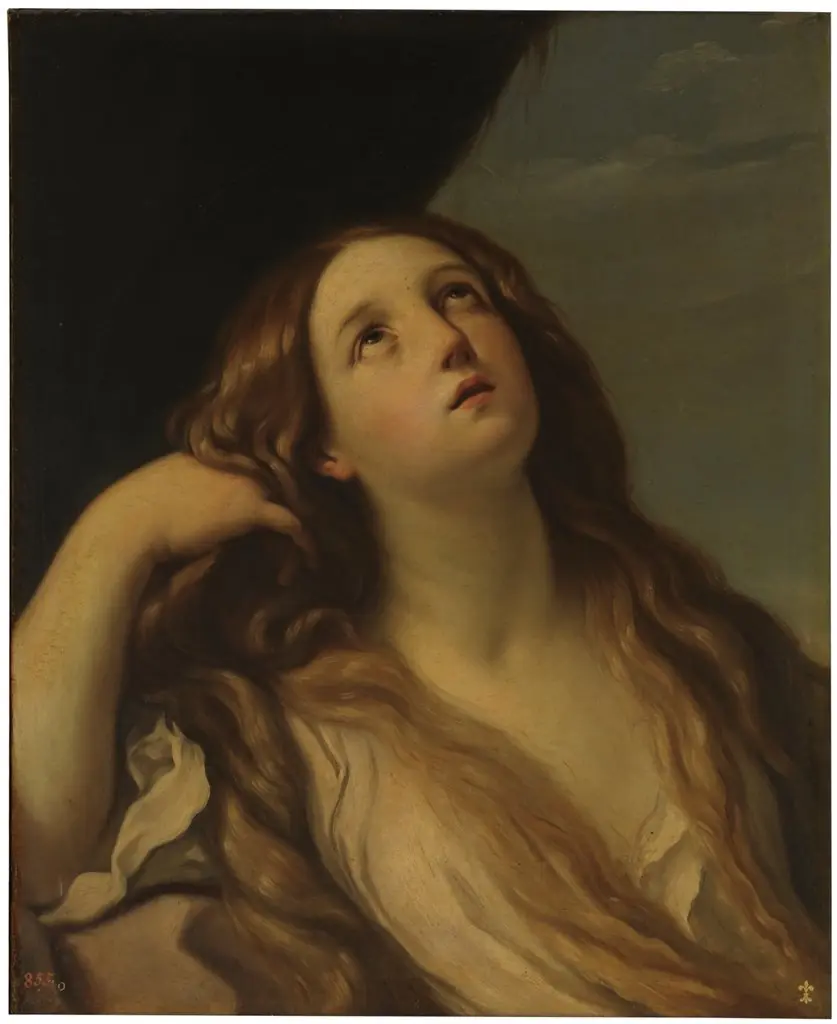 La Magdalena
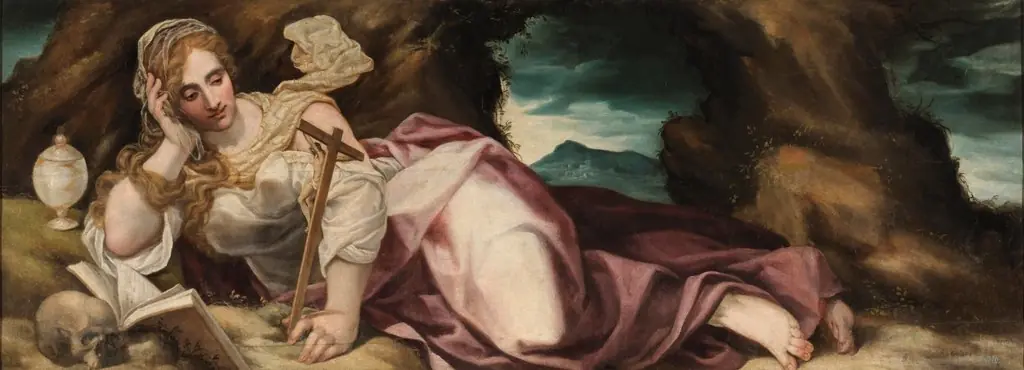 Penitent Magdalen
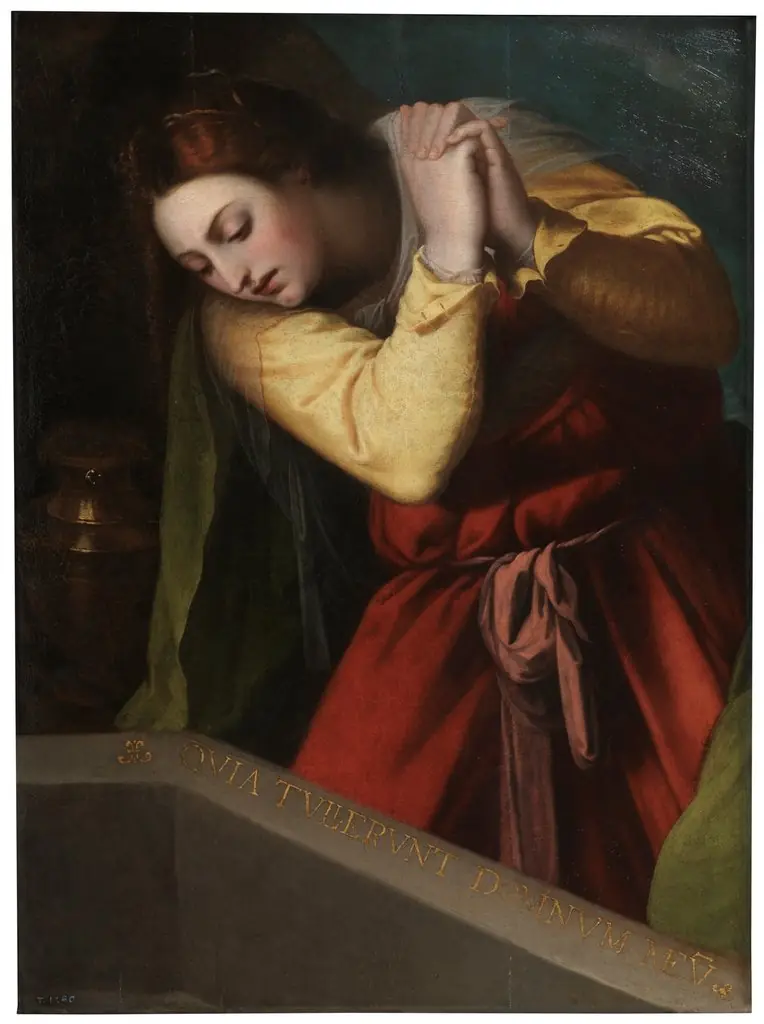 Mary Magdalene before Christ’s Tomb
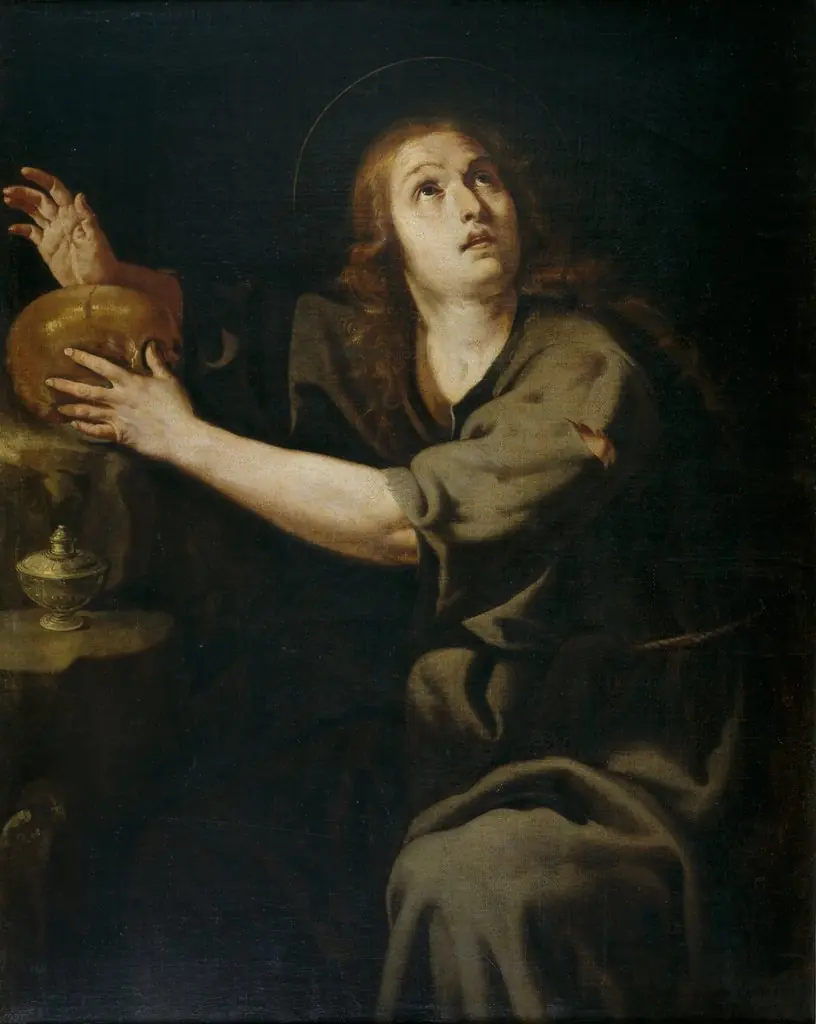 Mary Magdalene
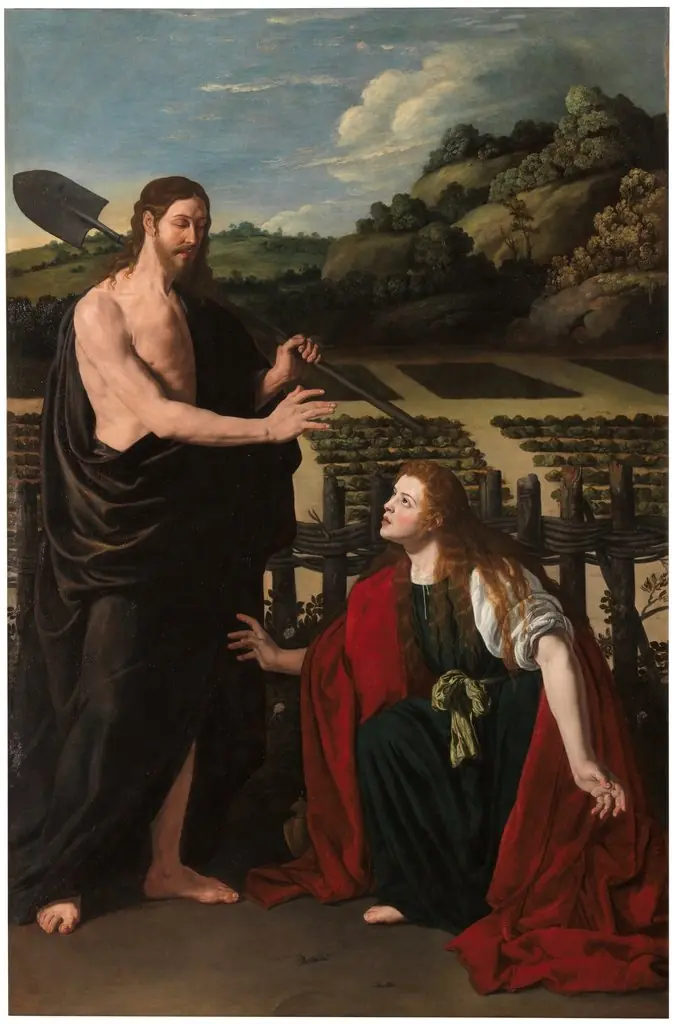 Noli me Tangere
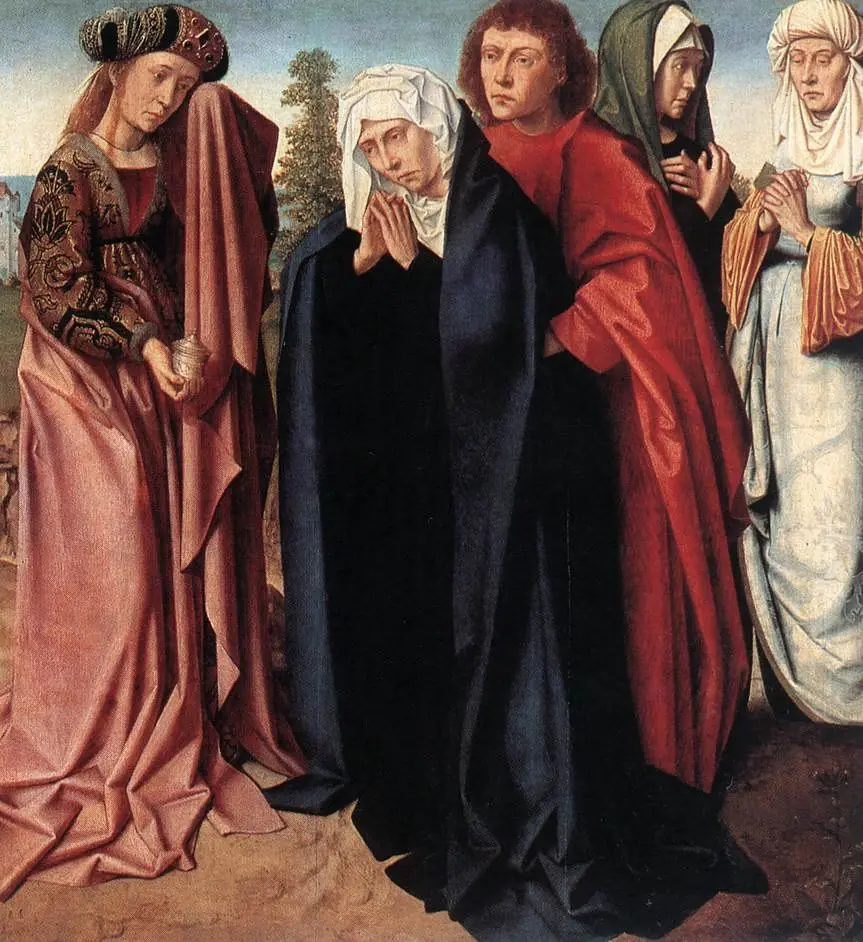 The Holy Women and Saint John at Golgotha
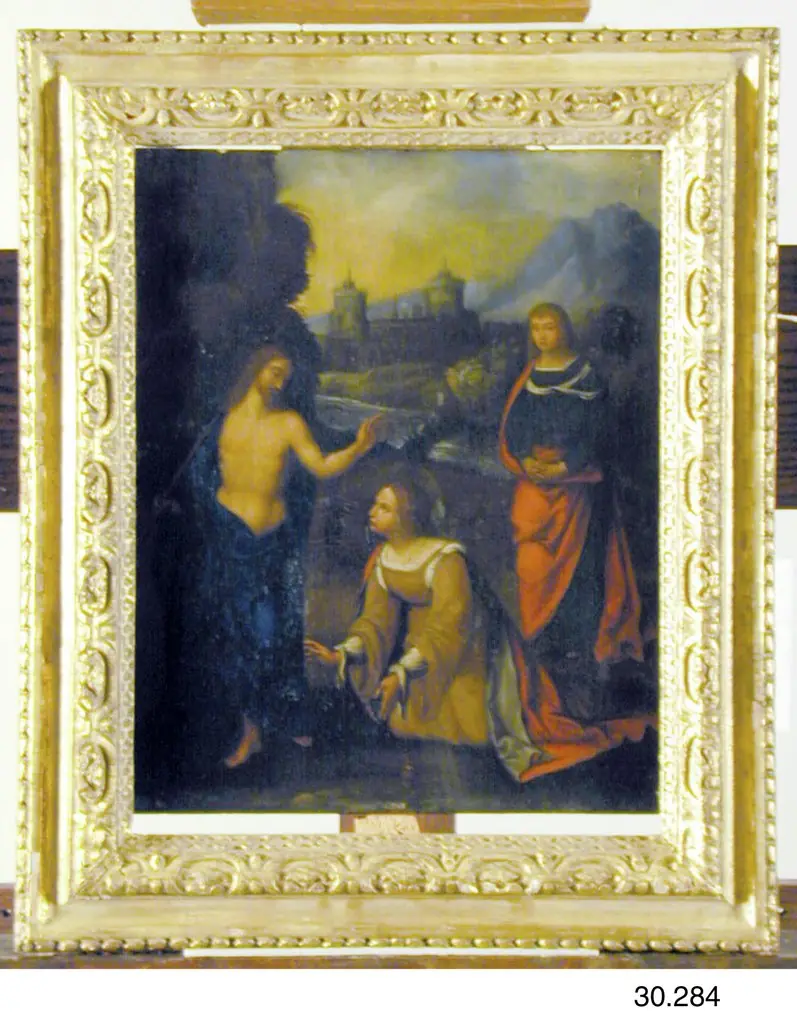 Noli Me Tangere
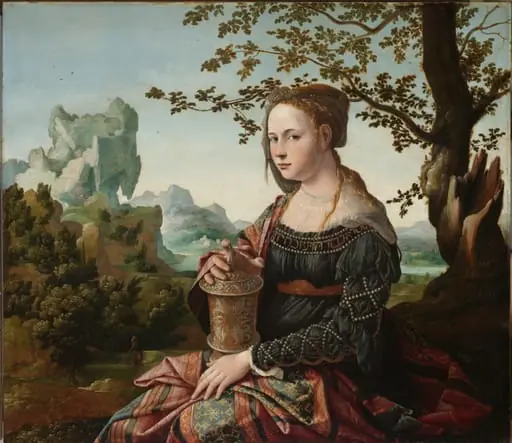 Maria Magdalena
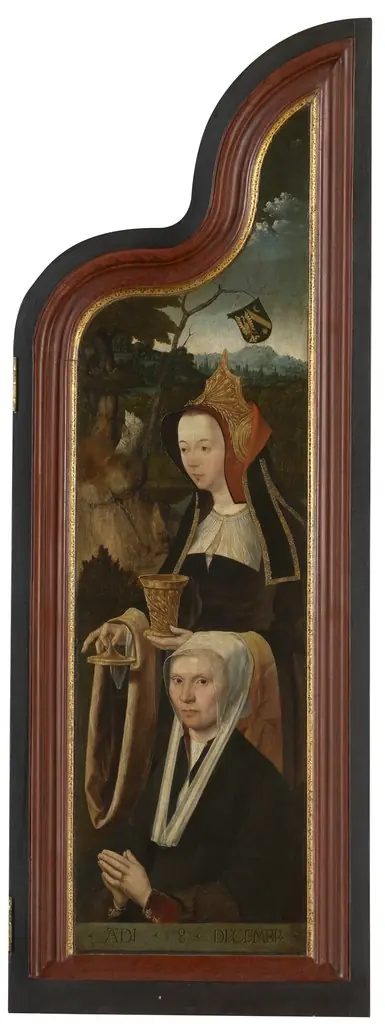 Portrait of Gerbrich Claesdr
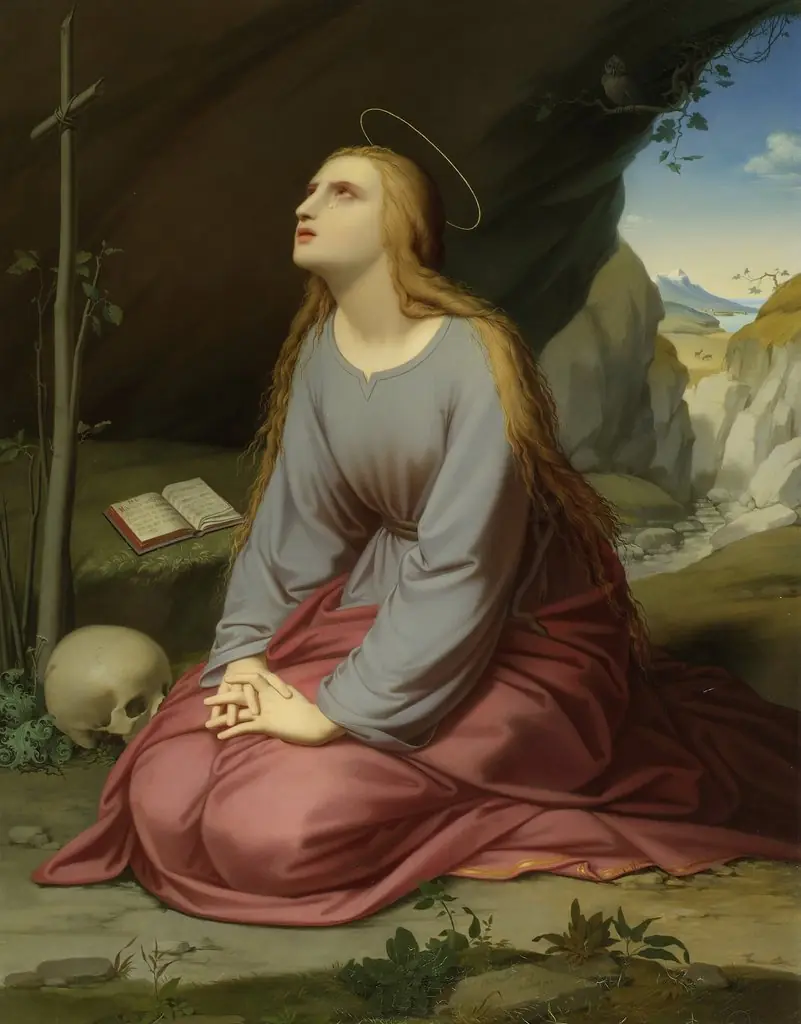 Saint Mary Magdalene
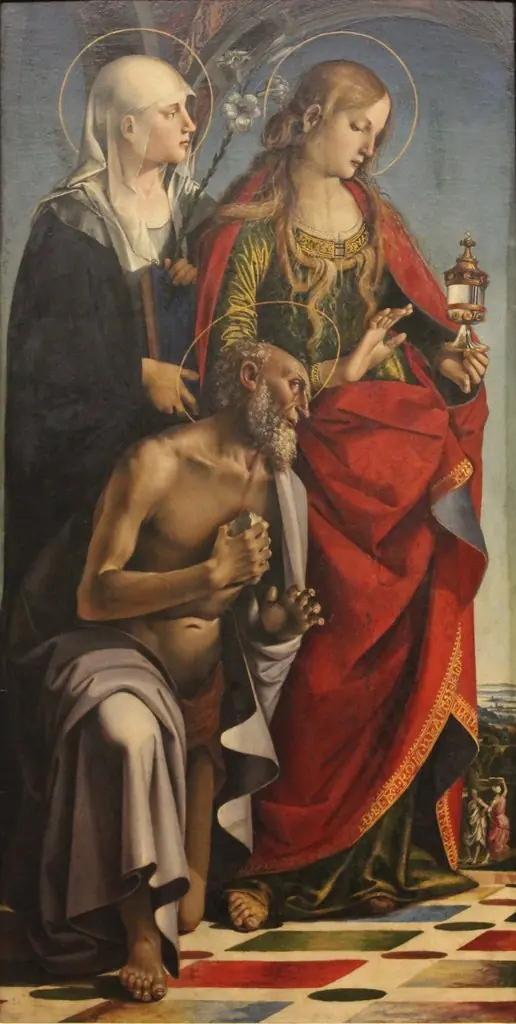 Saints Eustachia, Mary Magdalene and Saint Jerome
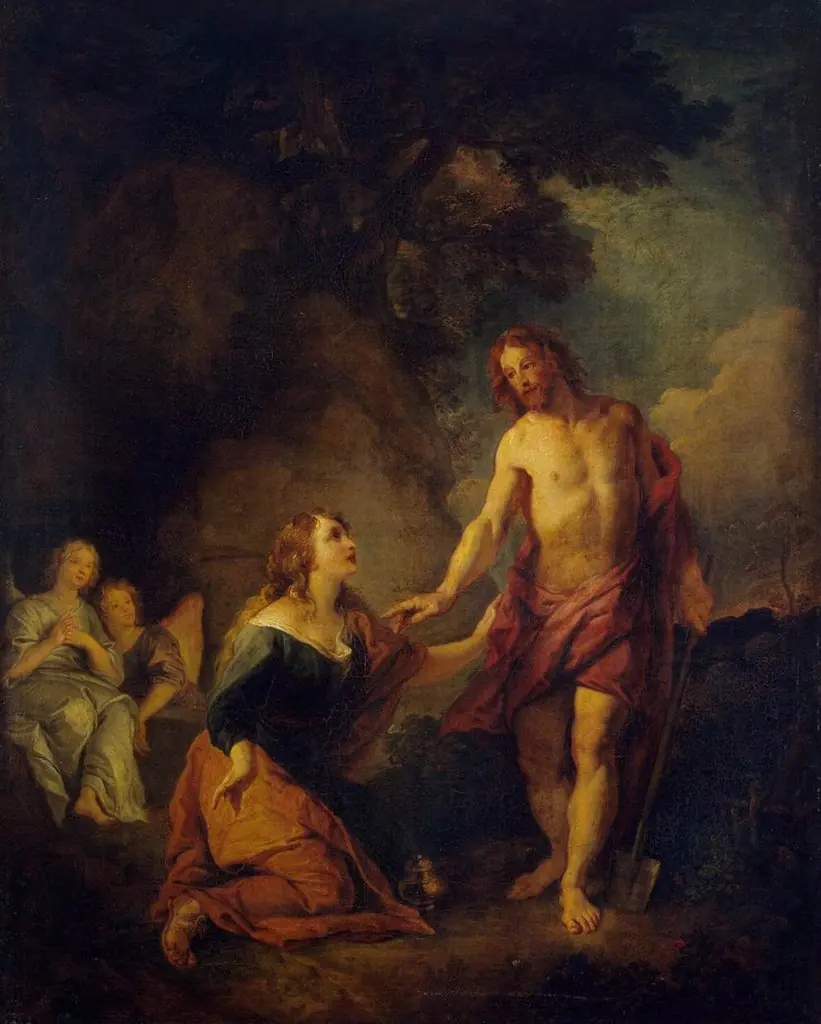 Christ Appearing to Mary Magdalene
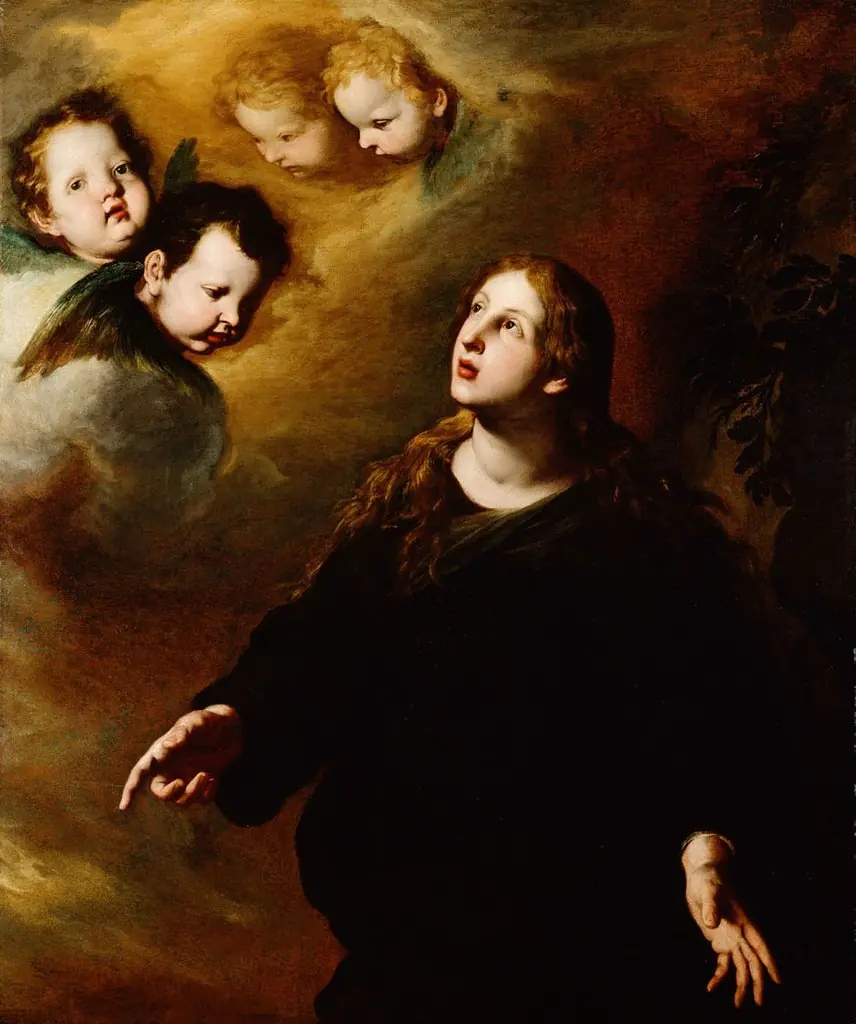 Mary Magdalene
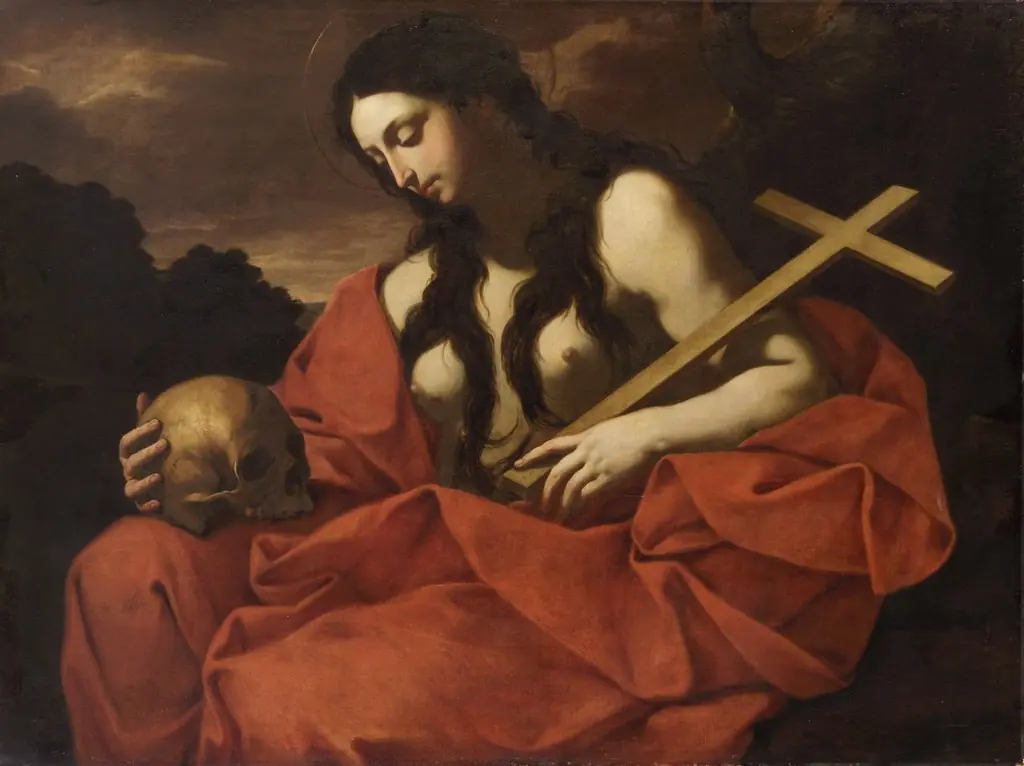 Penitent Mary Magdalene
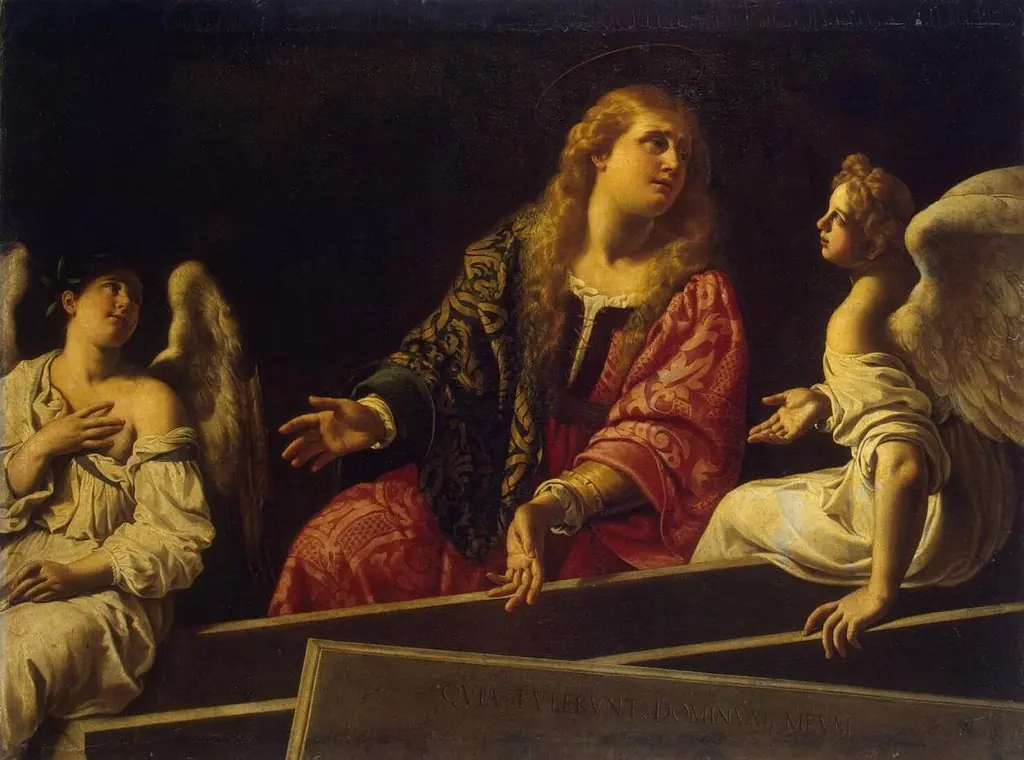 Mary Magdalene at the Tomb of the Risen Christ
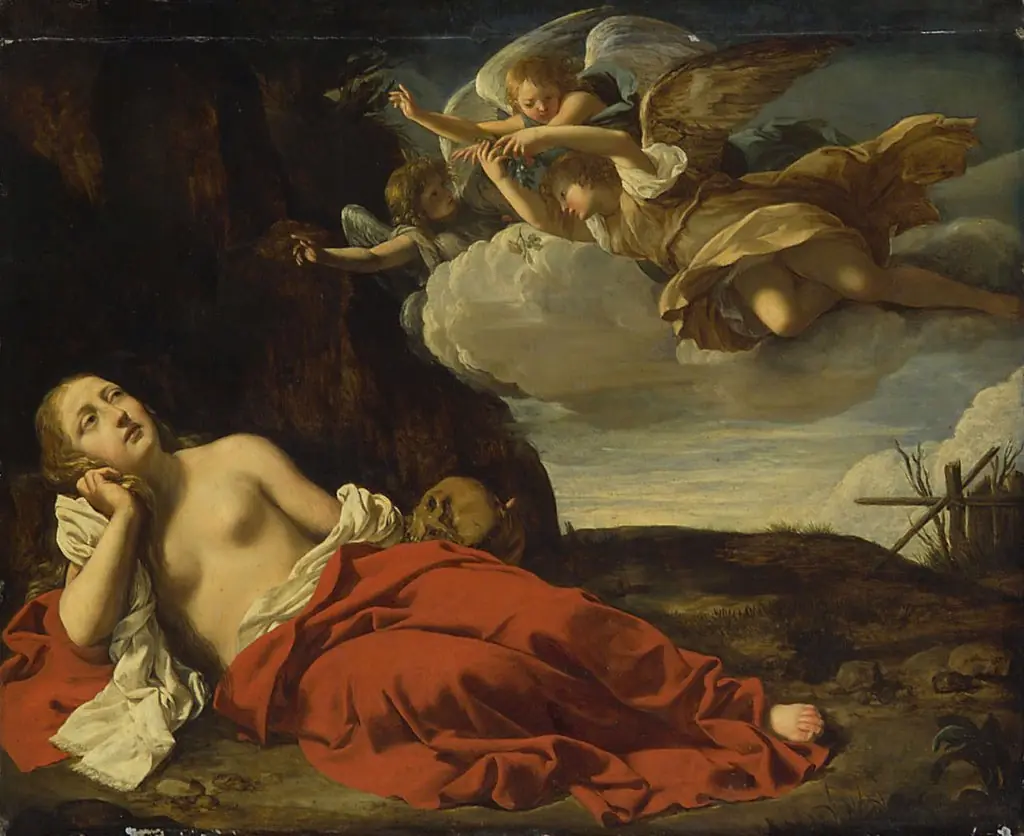 Penitent Magdalene
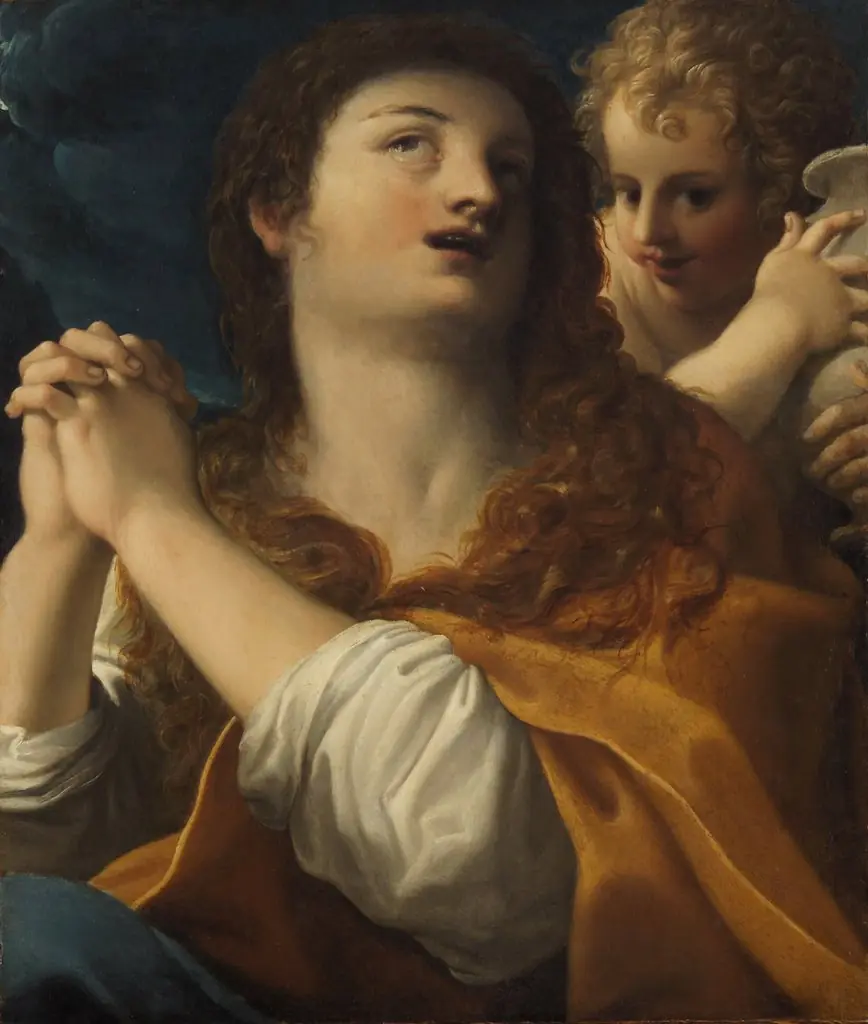 Penitent Mary Magdalene
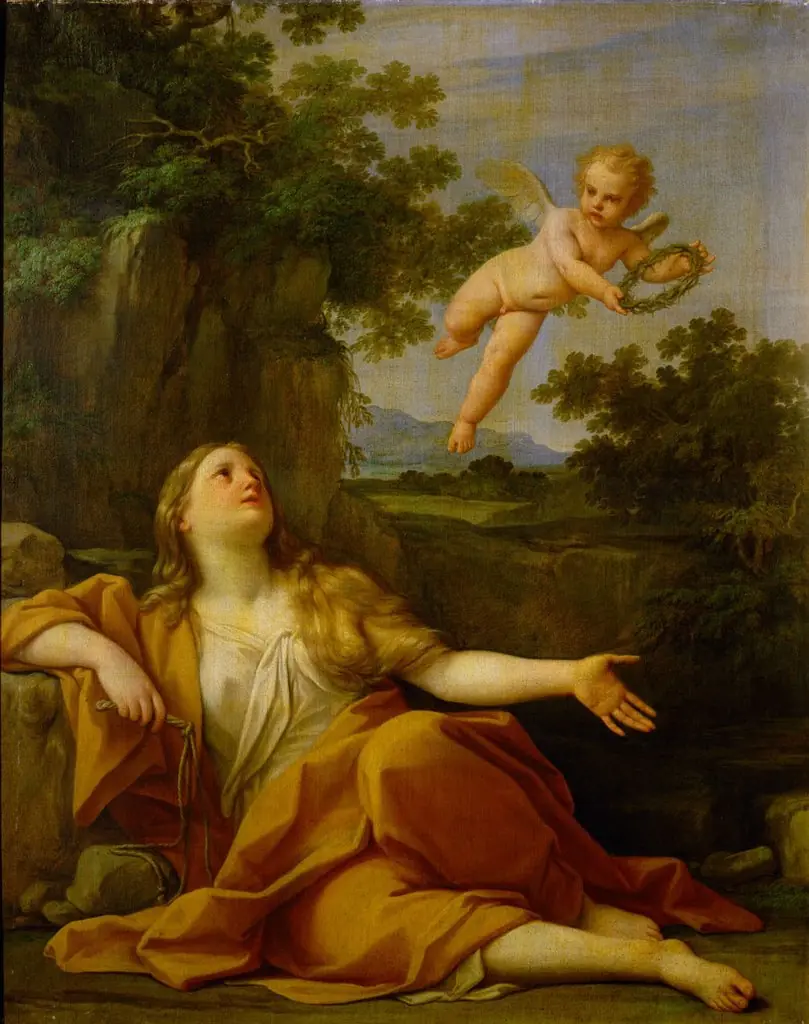 Büßende Maria Magdalena
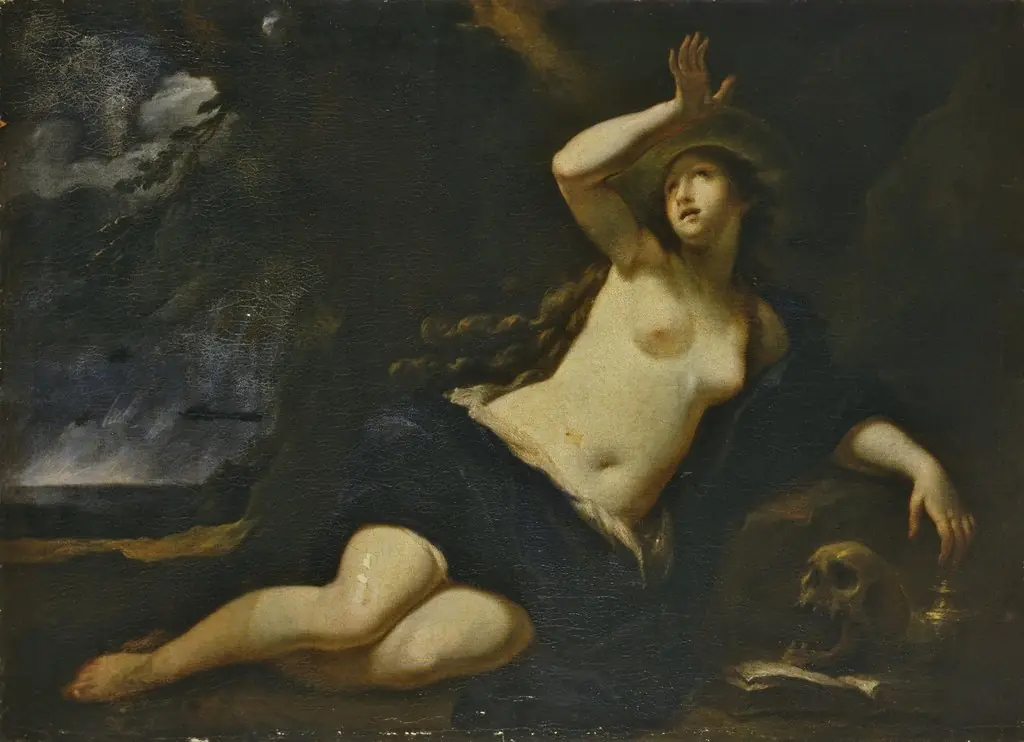 Mary Magdalene
Frequently asked questions
What is Mary Magdalene?
Mary Magdalene is a religious figure in Christianity.
How many Mary Magdalene works does Artifact World Gallery have?
Artifact World Gallery holds 200 public-domain Mary Magdalene works, all free to view and download.
Who are the key Mary Magdalene artists?
Key Mary Magdalene artists in the collection include Titian, Paolo Veronese and Georges de La Tour.
Where can I see Mary Magdalene works?
Mary Magdalene works in the collection are held by Bavarian State Painting Collections, Metropolitan Museum of Art and Museo del Prado.