Artwork
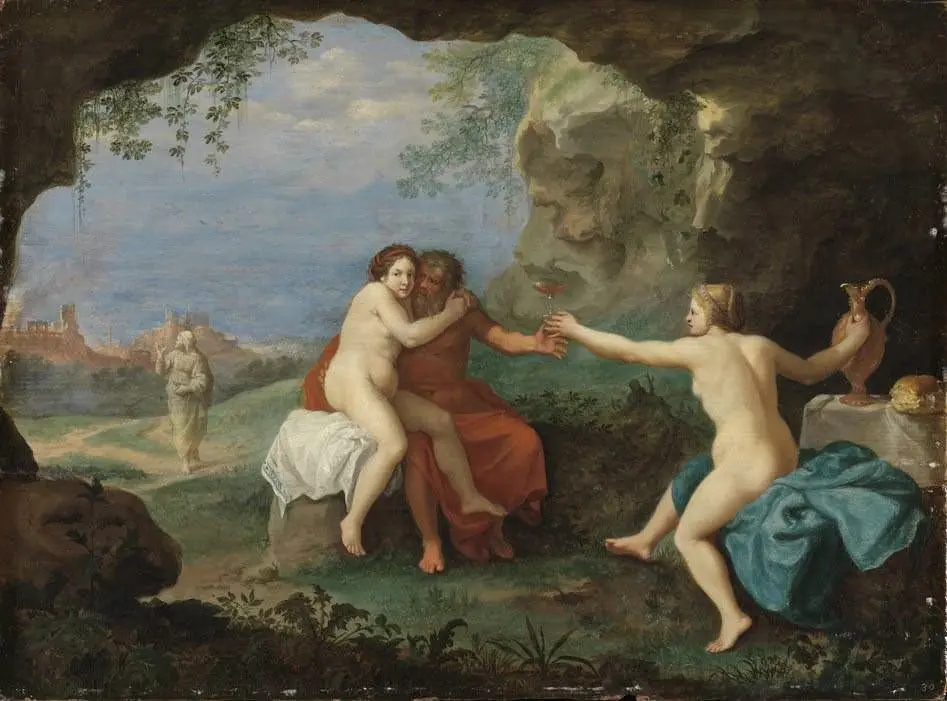
Cimon and Iphigenia (Boccaccio, Decamerone, 5:1)
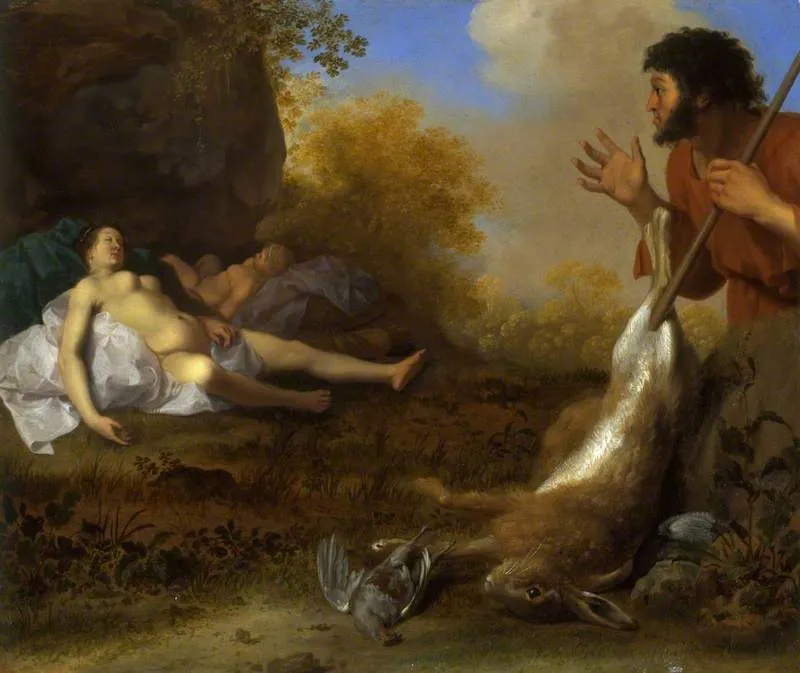
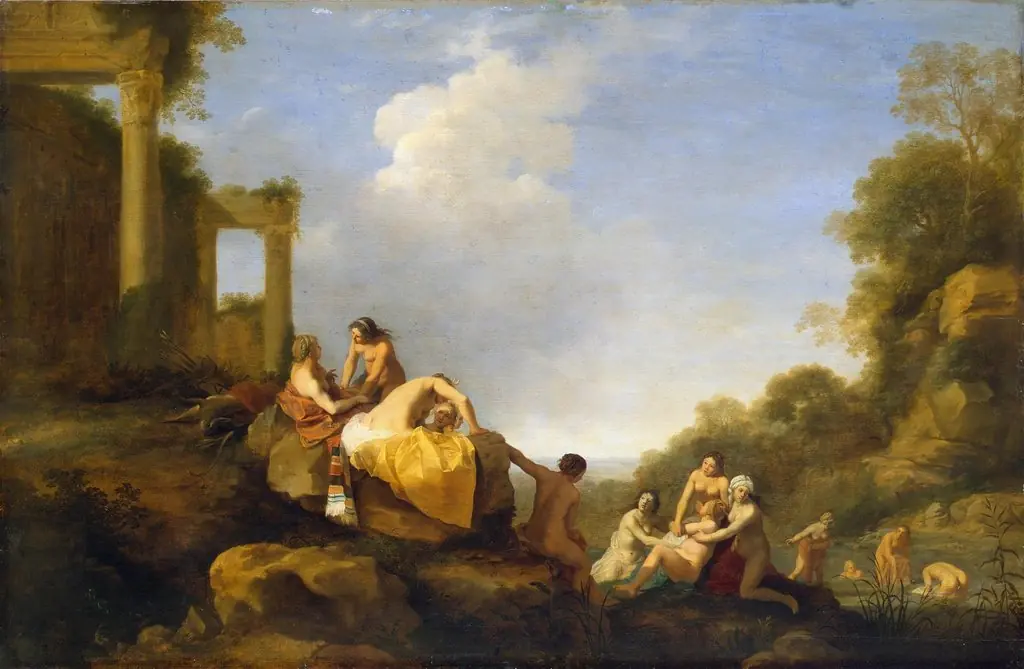
Cimon and Iphigenia (Boccaccio, Decamerone, 5:1) is an oil painting by the Flemish Baroque painting artist Cornelius van Poelenburgh. It dates from 1640 and is held in the collection of the National Galleries Scotland.
About this work
Overview
Cornelius van Poelenburgh created the copper painting Cimon and Iphigenia in 1640. Executed on a small copper panel, the work reflects the artist’s preference for intimate, finely detailed compositions. It is part of the Scottish National Gallery’s collection and exemplifies the Flemish Baroque style that Poelenburgh brought to his Italianate subjects.
Subject & Meaning
The scene draws on Giovanni Boccaccio’s Decameron (story 5:1), portraying the mythic pair Cimon and Iphigenia. Cimon, in a red tunic, gestures toward the reclining Iphigenia, who lies beneath a white cloth with her head on a green pillow. The narrative focus is the gentle interaction between the two figures, suggesting themes of compassion and rescue within the literary source.
Technique & Style
Poelenburgh rendered the figures with delicate modeling, employing subtle chiaroscuro to suggest volume against the smooth copper surface. The landscape behind them is rendered in a calm, Italianate manner, with soft sfumato transitions in the sky and distant rocks. A modest impasto on the figures’ clothing adds tactile contrast, while the overall palette remains restrained.
History & Provenance
After its execution in Rome, where Poelenburgh spent much of his early career, the copper work entered private collections before being acquired by the Scottish National Gallery. Its provenance traces a typical path for Dutch artists working abroad, moving from Italian patrons to northern European institutions.
Context
Poelenburgh was a leading Dutch landscape painter who settled in Rome in the early 17th century. He specialized in small-scale, narrative scenes that combined classical architecture with pastoral settings, catering to the taste of collectors who favored mythological and biblical subjects rendered with a gentle, lyrical tone.
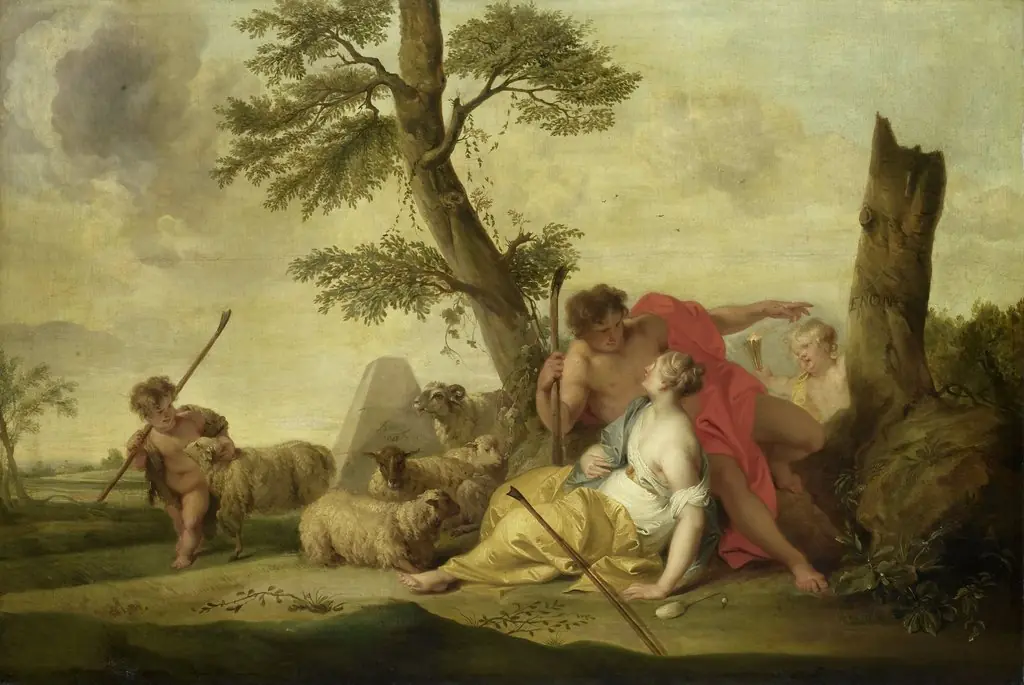
Artist & collection
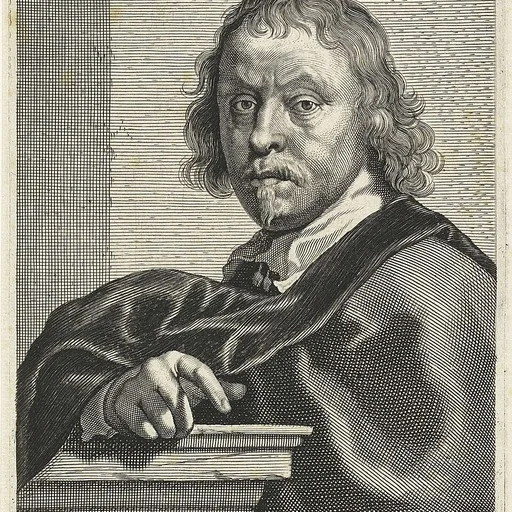
Artist
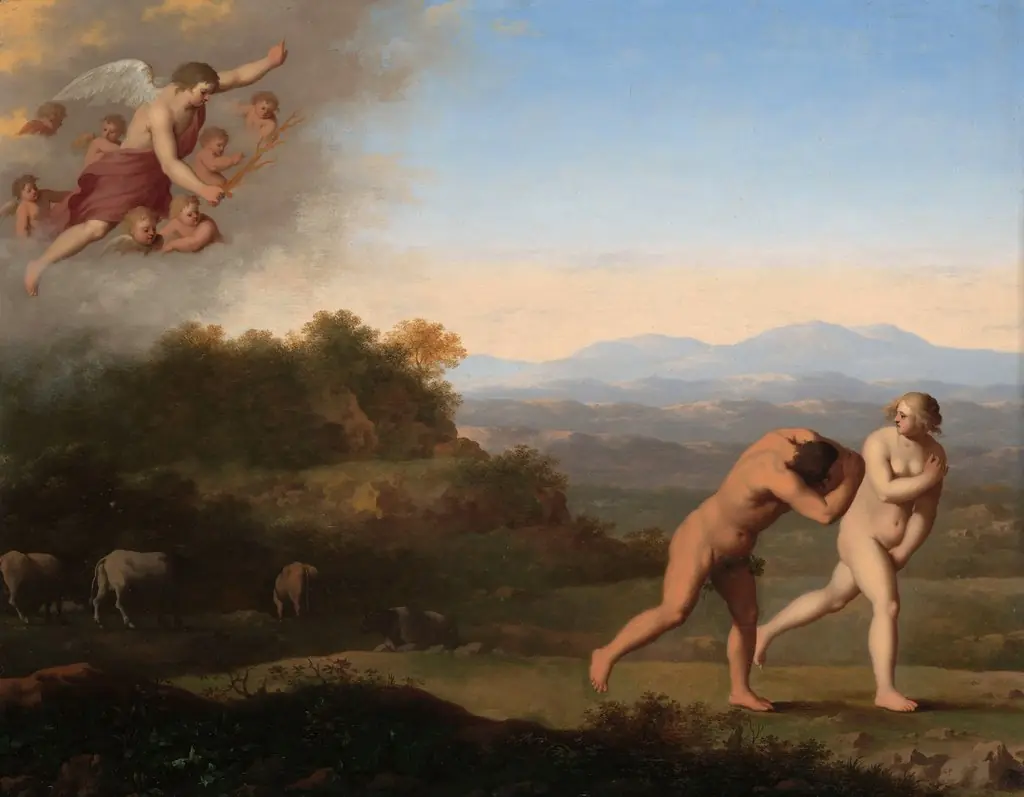
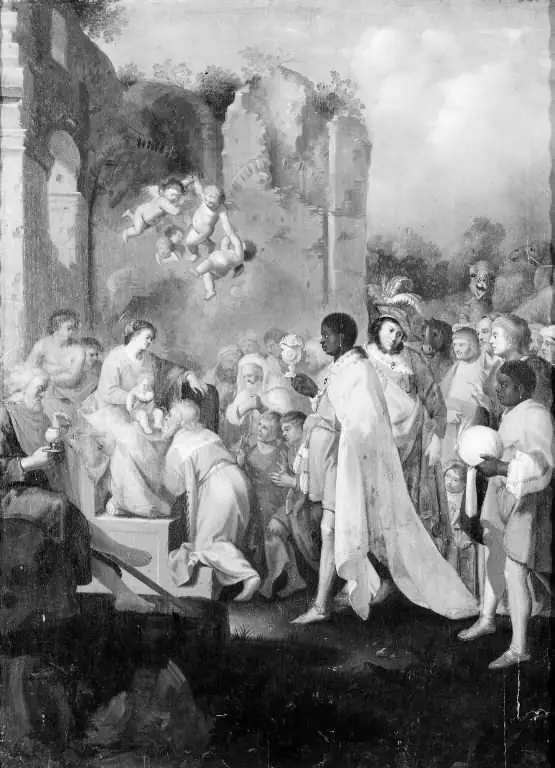
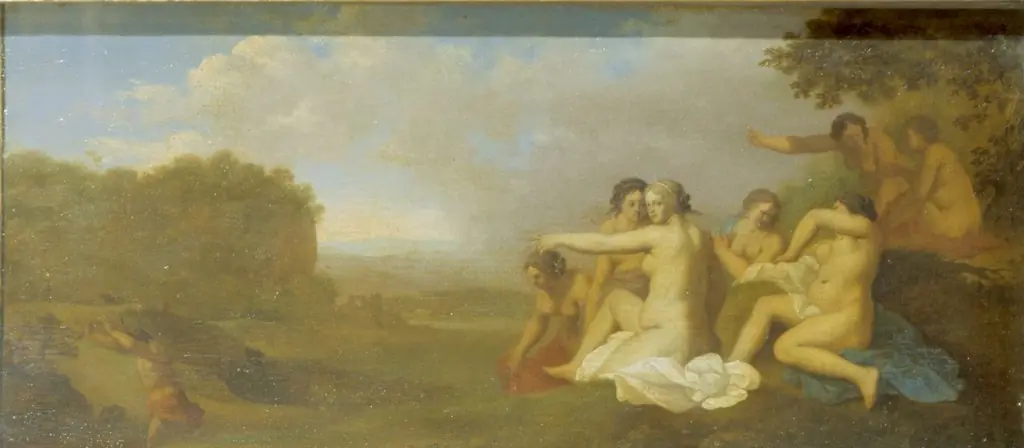
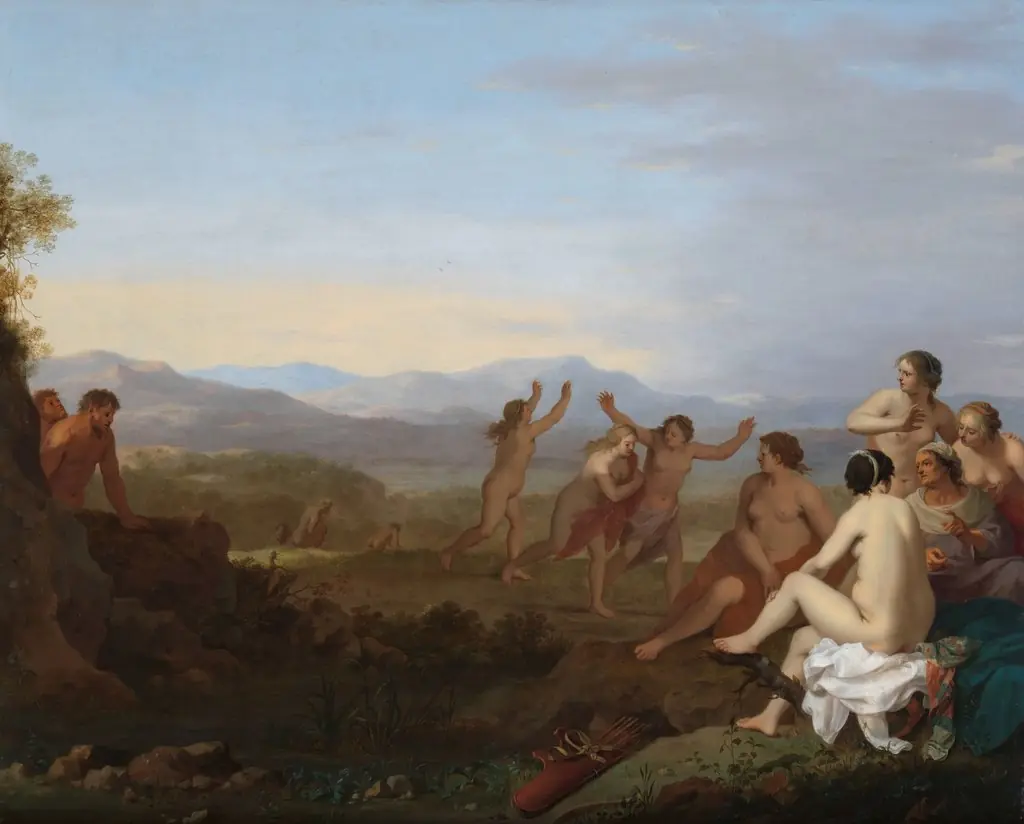
Cornelis van Poelenburgh or Cornelis van Poelenburch (1594 – 12 August 1667), was a Dutch landscape painter and draughtsman.


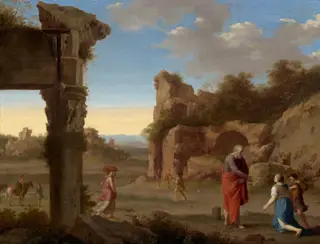
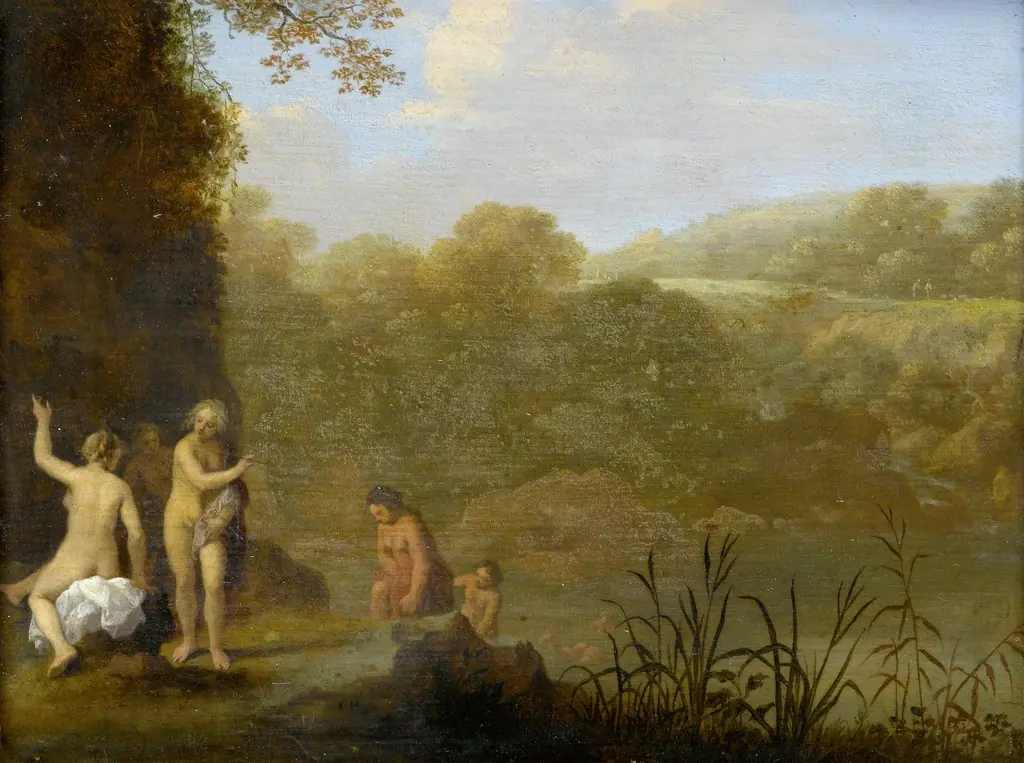
- Paris and Oenone
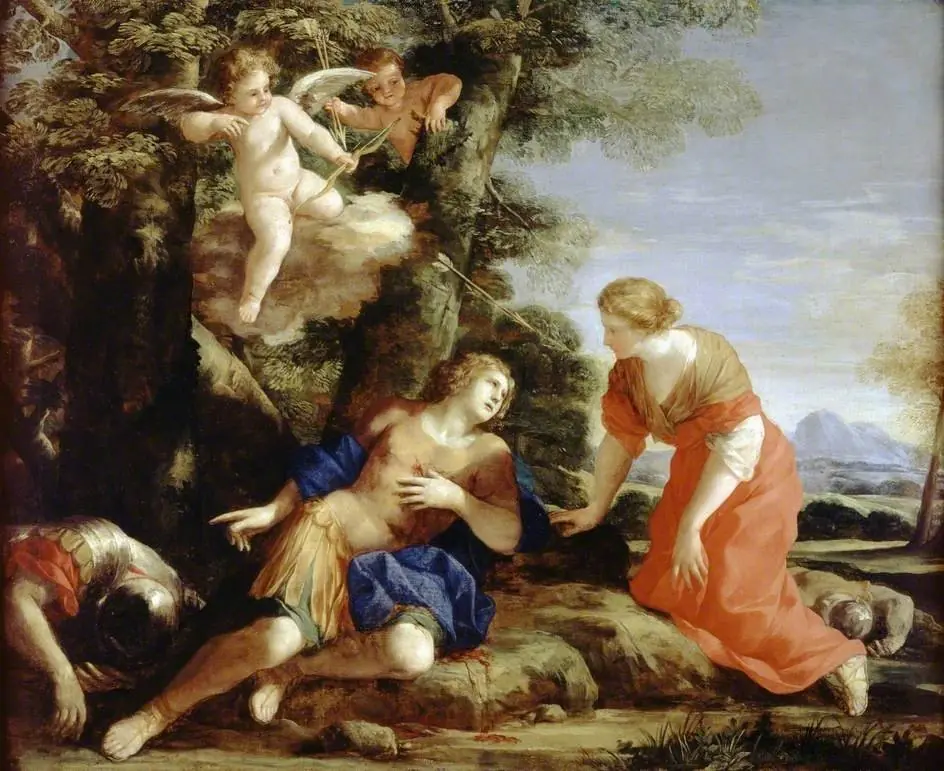 Angelica encountering the wounded Medoro
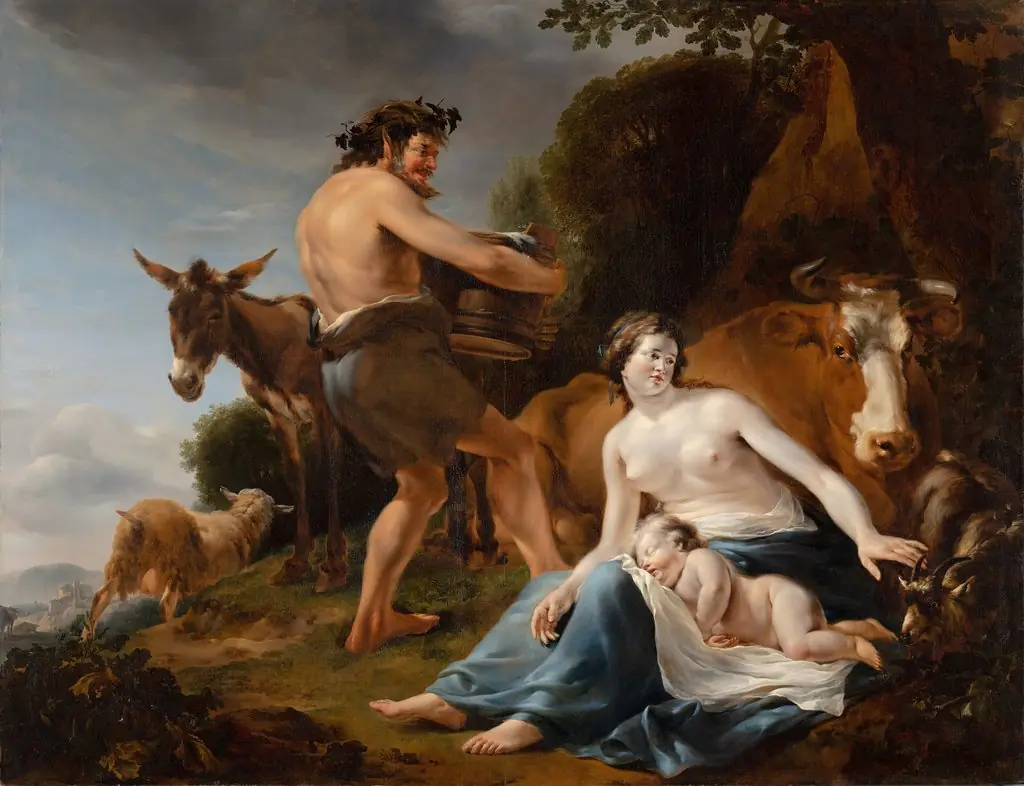 The infancy of Zeus
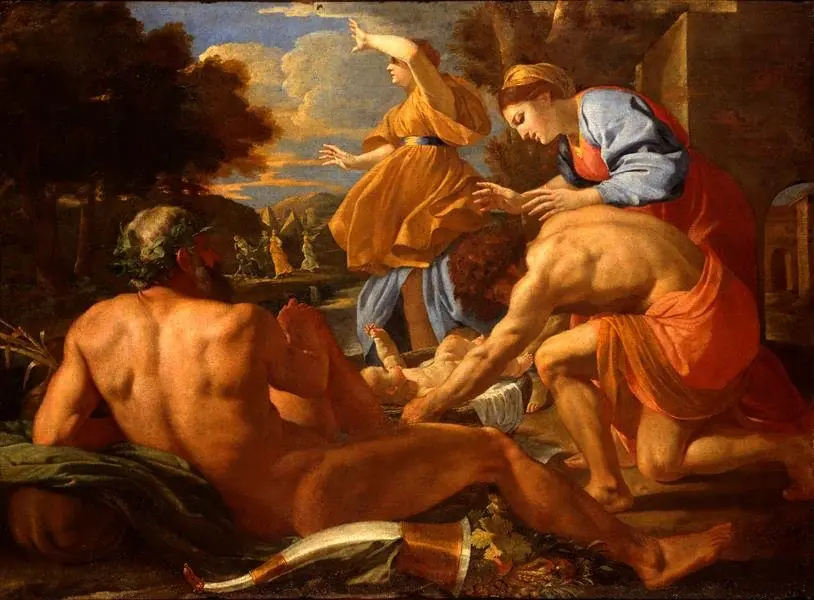 The Exposition of Moses
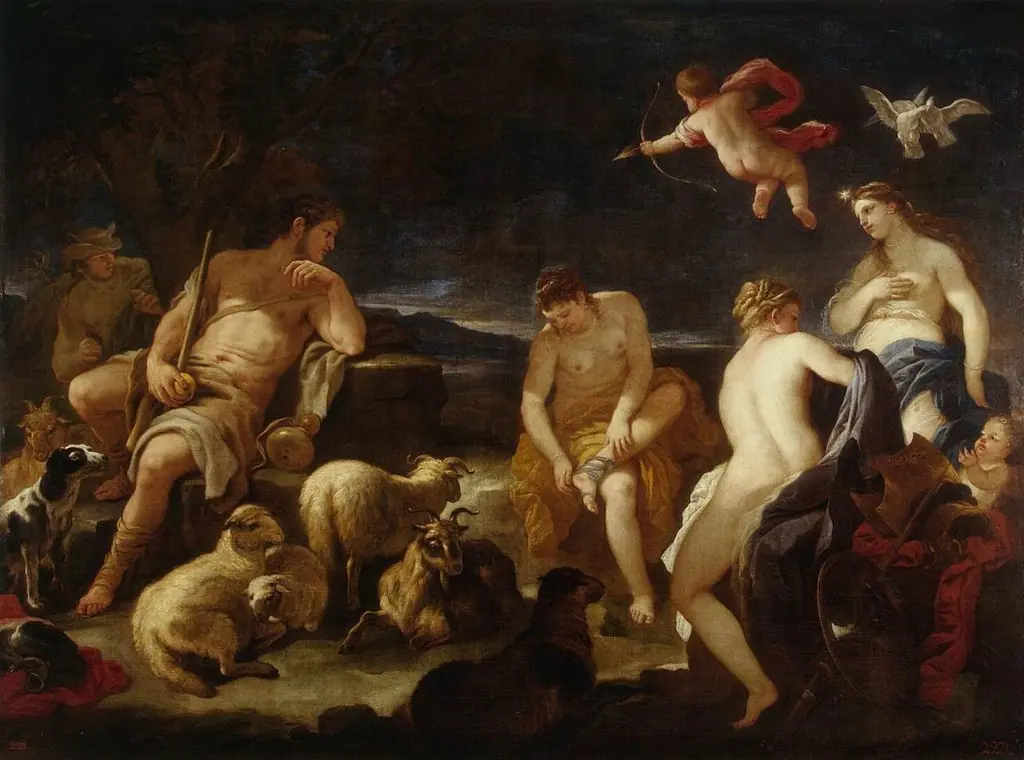 Paris's Judgement
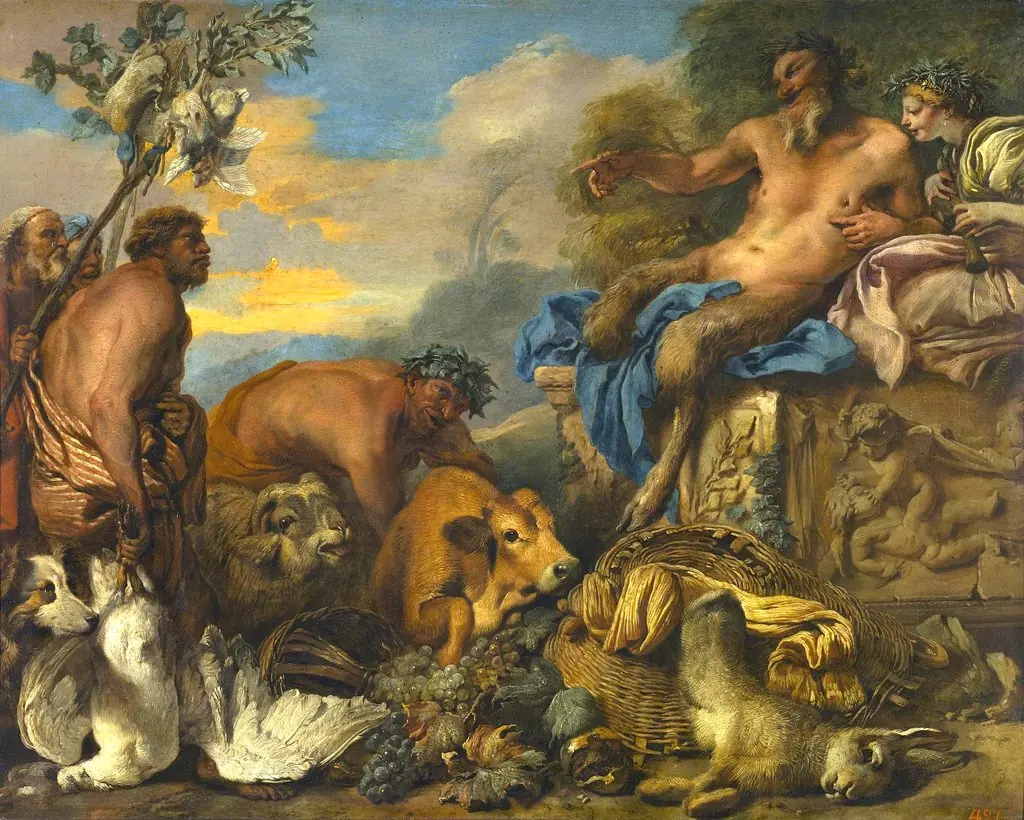 Satyrs Bringing their Gifts
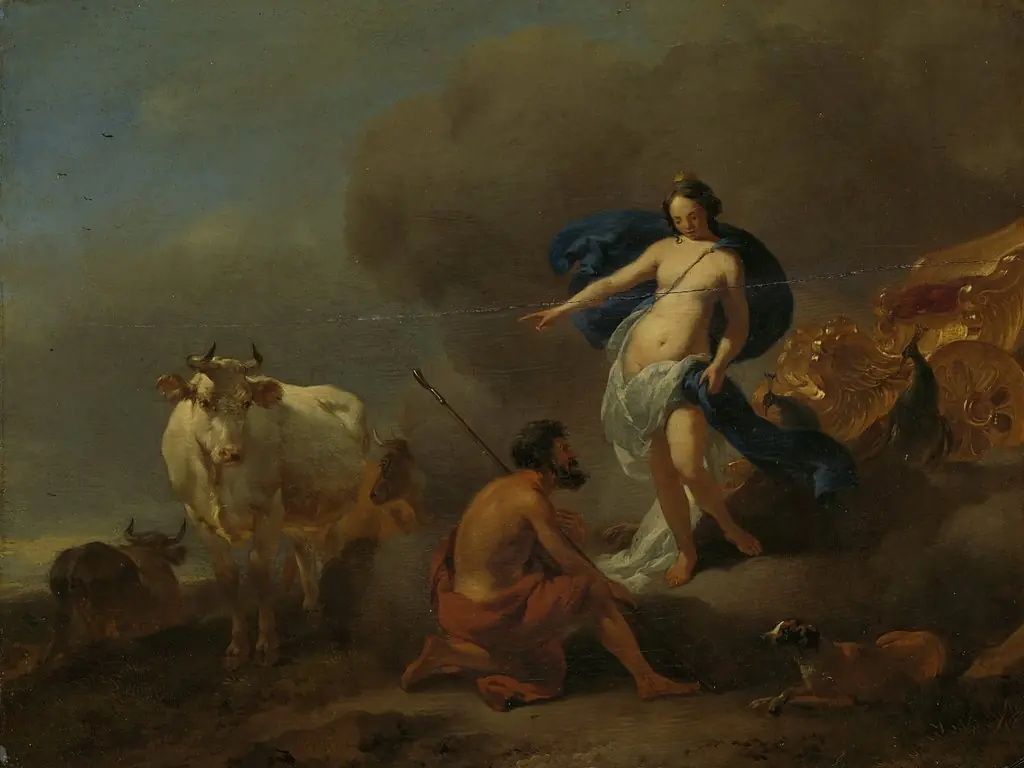 Juno commanding Argus to keep watch on Io
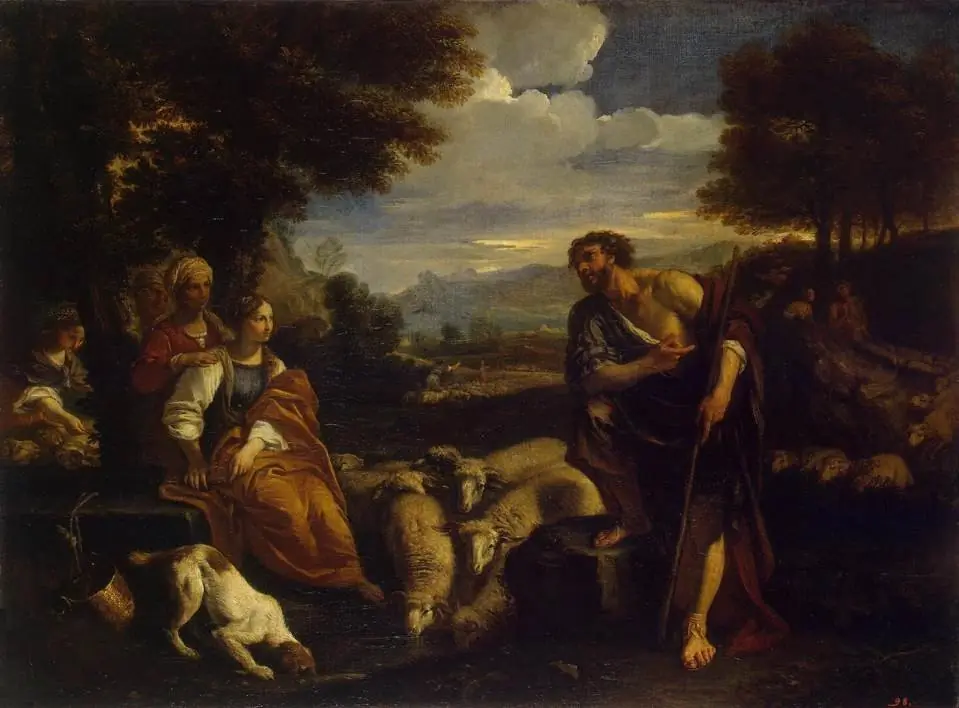 Jacob Meeting Rachel
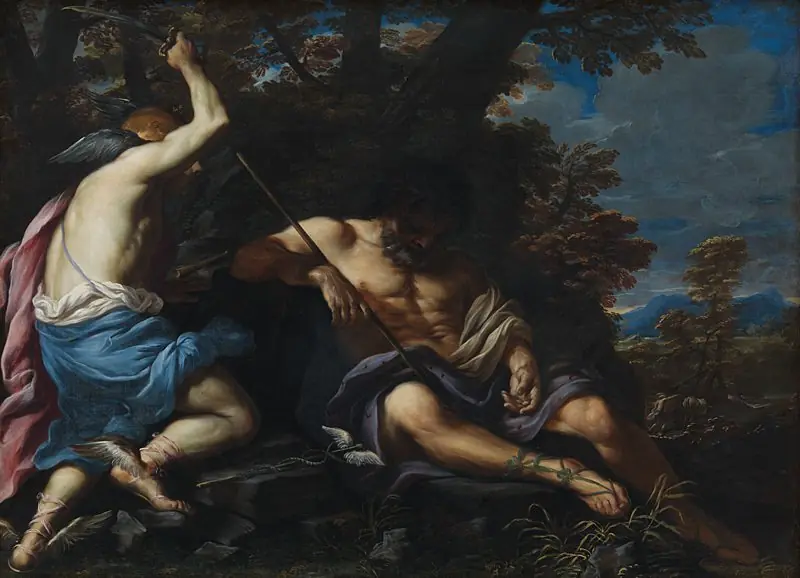 Mercury Killing Argus
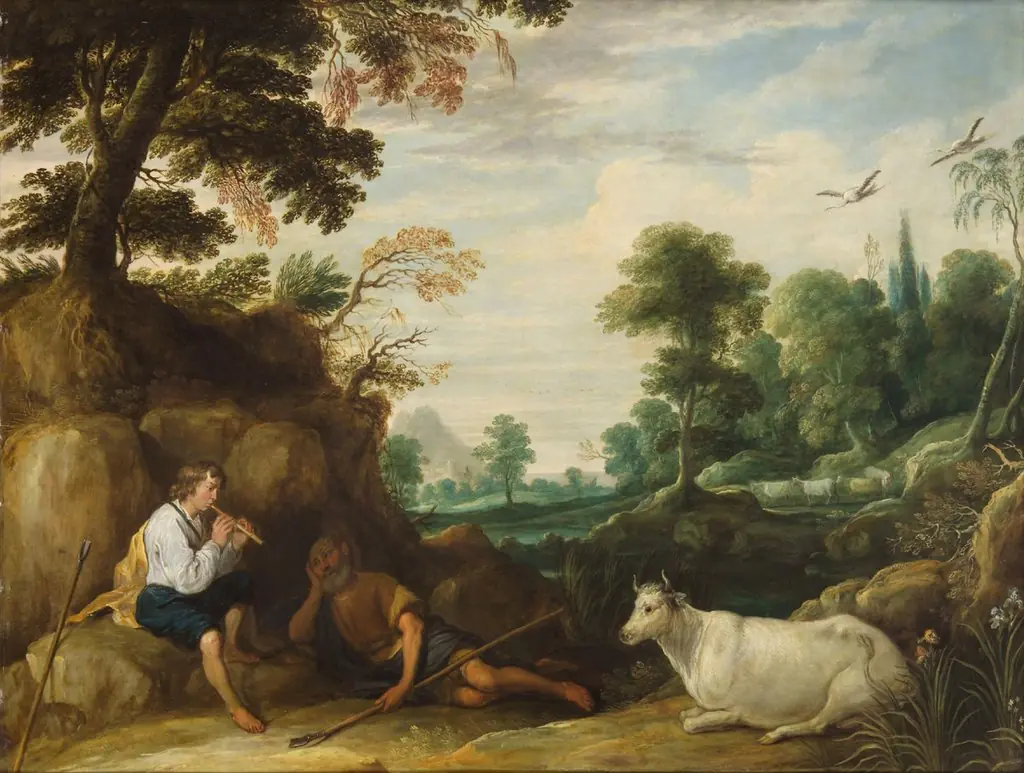 Mercury playing the flute for Argus
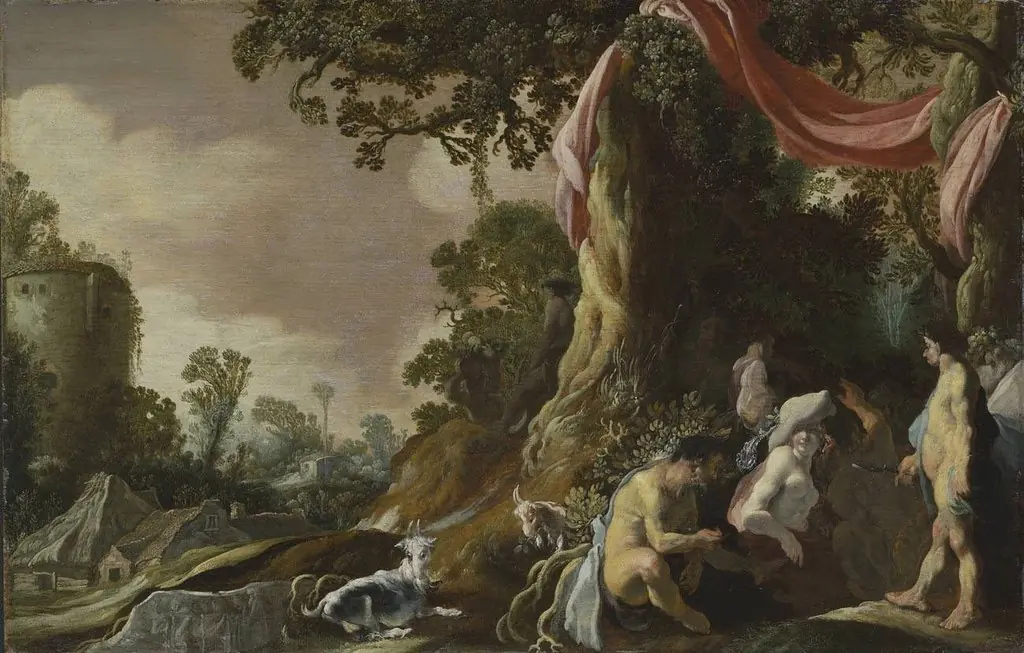 Bucolic scene (shepherd scene ?)
 Landscape with Diana and Callisto