Artwork
Portrait of Philip IV in Armour
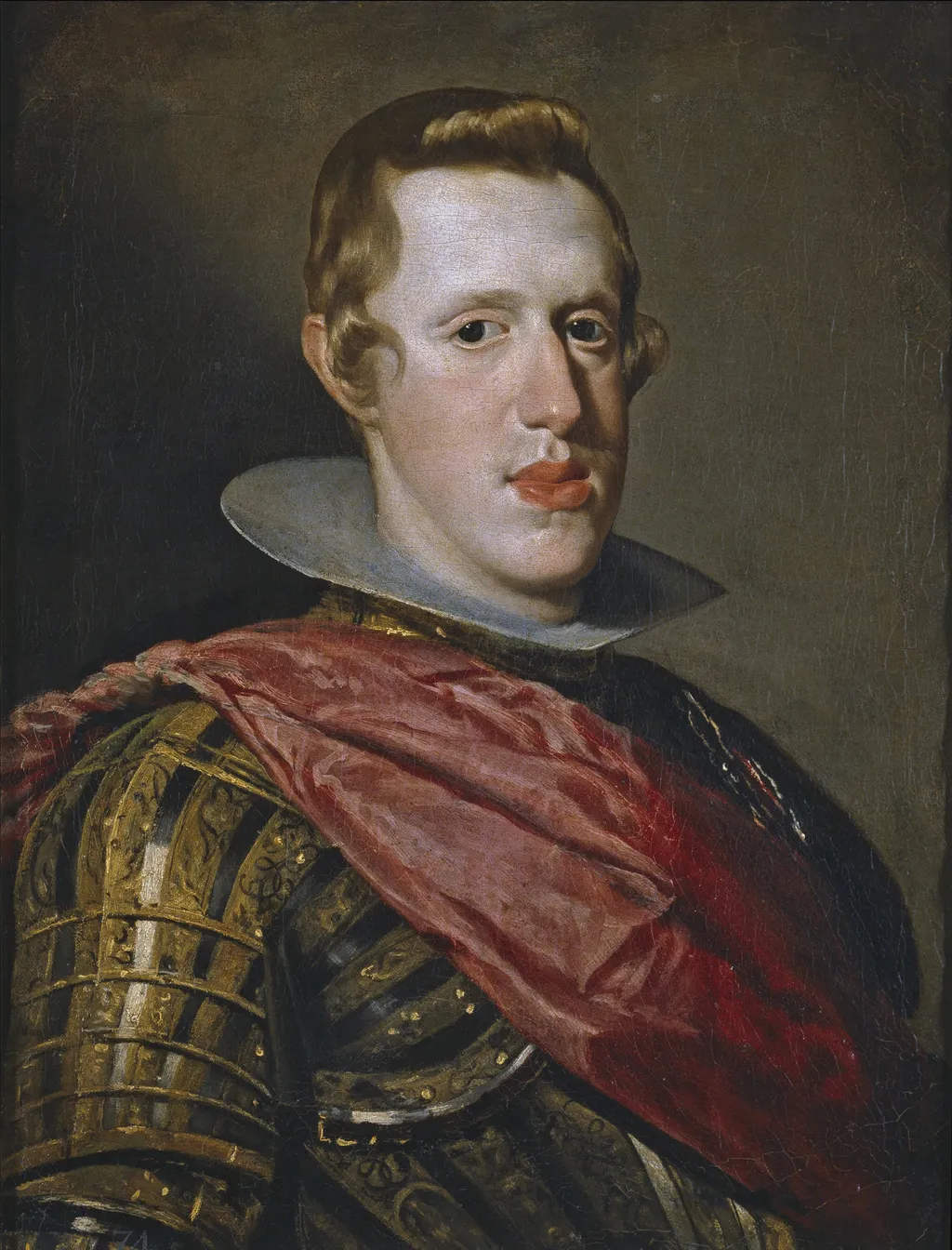
Portrait of Philip IV in Armour is an oil painting by the Baroque artist Diego Velázquez. It dates from 1626 and is held in the collection of the Museo del Prado.
About this work
The style comes from Velázquez’s early years in Seville, with sharp contrasts between light and dark.
This is a portrait of King Philip IV of Spain in armor, painted by Diego Velázquez in oil. It shows the king right after Velázquez became his official painter in 1623. The style comes from Velázquez’s early years in Seville, with sharp contrasts between light and dark.
The painting looks almost like a three-dimensional bust. Velázquez used bold contrasts to make the armor stand out against the background.
To see more works in this style, look up Diego Velázquez.
Subject & Meaning
Portrait of Philip IV in Armour depicts the young King Philip IV of Spain in a gilded cuirass with a red sash across his chest, symbols of his monarchical authority and martial role. The bust-like composition presents the sitter in a sculptural manner with stark colour contrasts, reflecting the early Baroque style of Velázquez's Sevillian beginnings. Executed soon after Velázquez was appointed court painter in 1623, it is among his first royal portraits and is now in the Museo del Prado, Madrid.
The armor and sash serve as iconographic cues to the king's power and the ceremonial expectations of his office.
Technique & Style
Executed in oil paint on canvas, this bust-length portrait exhibits a sculptural style reminiscent of a portrait bust, characterized by abrupt color contrasts and a neutral gray background. X-ray analysis reveals that Velázquez painted the work in two stages, initially creating a version that was subsequently altered. The artist introduced significant rectifications, including adjustments to the shoulder position and the addition of a vivid red sash across the king's chest, while preserving the original facial drawing.
The canvas appears to have been trimmed on all four sides, though historical records from the Duke of Arco's collection indicate these dimensions were already established by that time.
History & Provenance
Created by Diego Velázquez around 1626–1628, the work was likely executed in two stages following his 1623 appointment as painter to King Philip IV. The painting entered the royal collection in 1745, having previously belonged to the Duke of Arco's holdings at the Quinta del Duque in El Pardo; a 1794 inventory of that estate erroneously catalogued the work as a copy after Velázquez. Despite theories that it might be a fragment of a lost equestrian portrait, the neutral background and uncovered head indicate it was conceived as an independent bust intended as a model for subsequent royal portraits.
It remains in the Museo del Prado, Madrid, and has featured in the exhibition "Spain's Golden Age: The Era of Velázquez in Painting and Sculpture."
Context
The portrait is regarded as one of Velázquez's most realistic depictions of Philip IV and among the first he produced after his 1623 appointment as painter to the king, situating the work at the outset of his court career in Madrid. Its sculptural, bust-like treatment with abrupt colour contrasts reflects the artist's Sevillian beginnings, and the painting is classified within the Baroque movement.
Scholarship has examined the canvas through technical analysis: radiography reveals an earlier version beneath the surface, with Velázquez revising the shoulders and costume and notably adding the red sash across the torso while preserving the original drawing of the face. Its execution overlaps with the production of the full-length Philip IV in the Museo del Prado, for which the bust served as a reference for the head. Allende-Salazar proposed that the work is a fragment of an equestrian portrait, a hypothesis undermined by the bare head and neutral grey background, though the military dress suggests it may have functioned as a model for subsequent royal portraits, including equestrian ones.
Overview
This oil painting by Diego Velázquez, titled Portrait of Philip IV in Armour, depicts King Philip IV of Spain. Housed in the Museo del Prado in Madrid, it stands as one of the artist's initial and most realistic portrayals of the monarch. The work was completed soon after Velázquez began his official role as painter to the king in 1623.
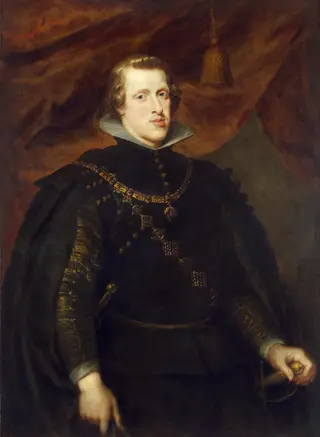
Own this work as a print
Artist & collection
Artist
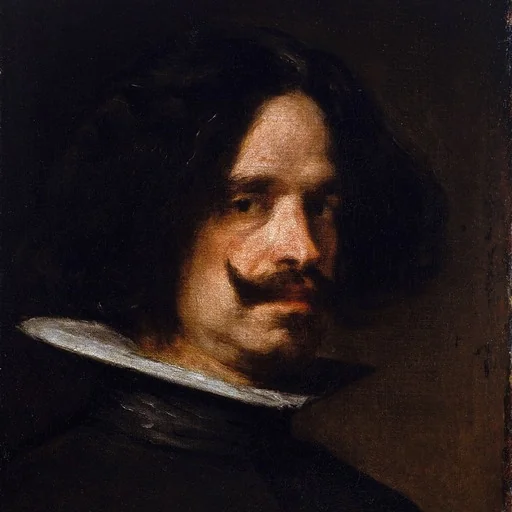
Diego Rodríguez de Silva y Velázquez was a Spanish Baroque painter, the leading artist in the court of King Philip IV of Spain and Portugal, and of the Spanish Golden Age.

- Portrait of Philip IV, King of Spain
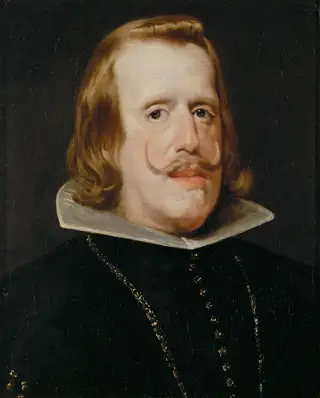 Portrait of King Philip IV of Spain
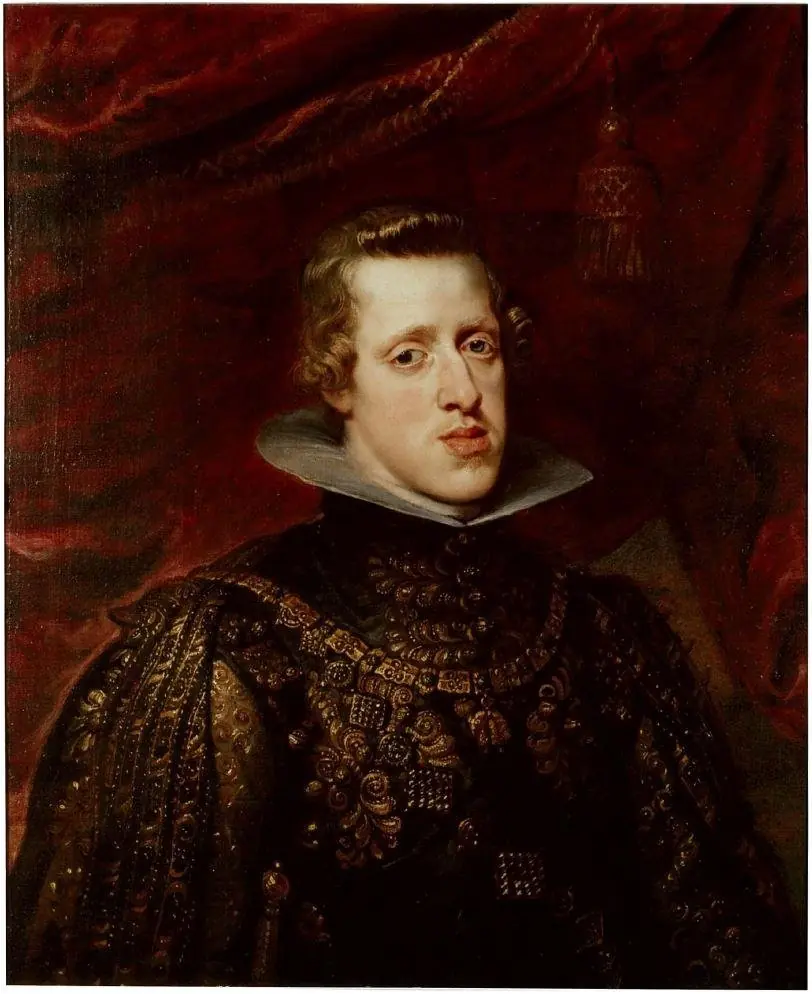 Portrait of Philip IV (1605-1665), King of Spain
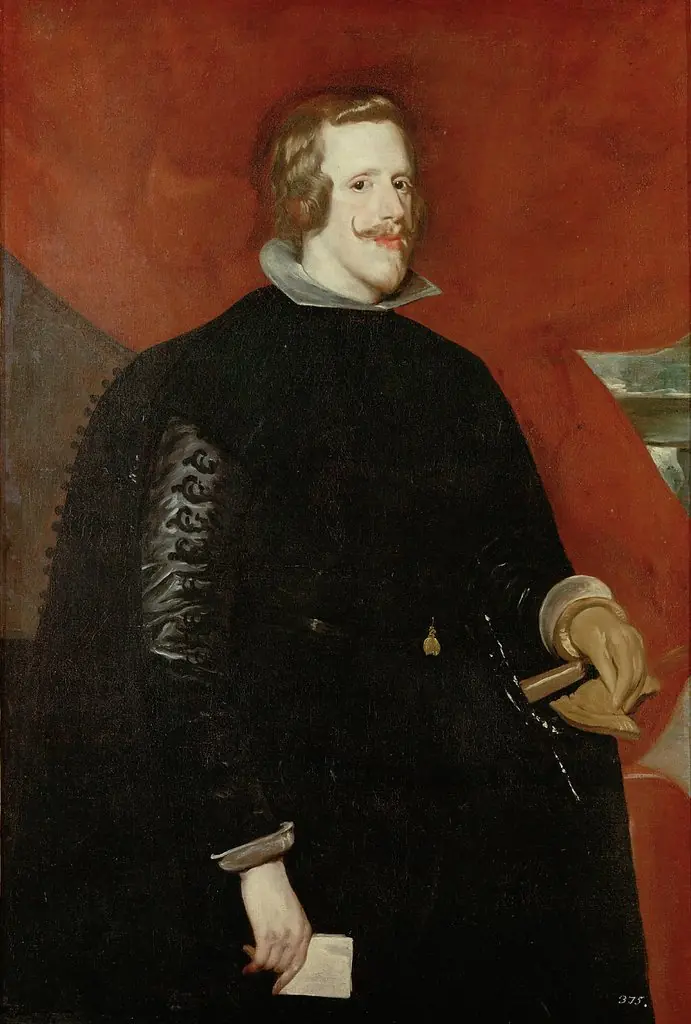 Portrait of Phillip IV of Spain, at three-quarter length
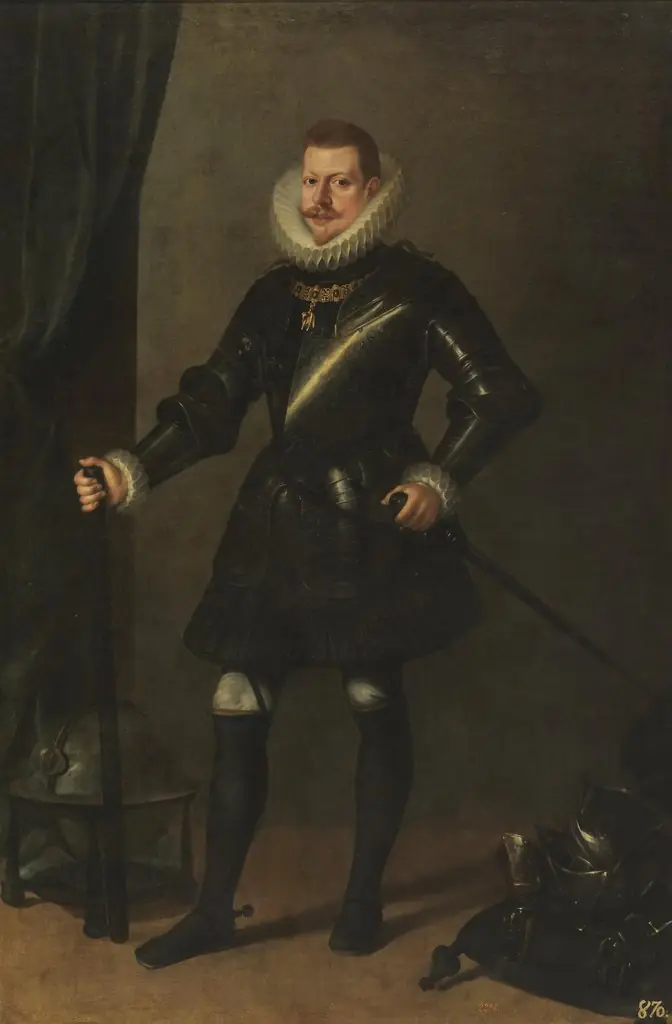 Philip III in Armour
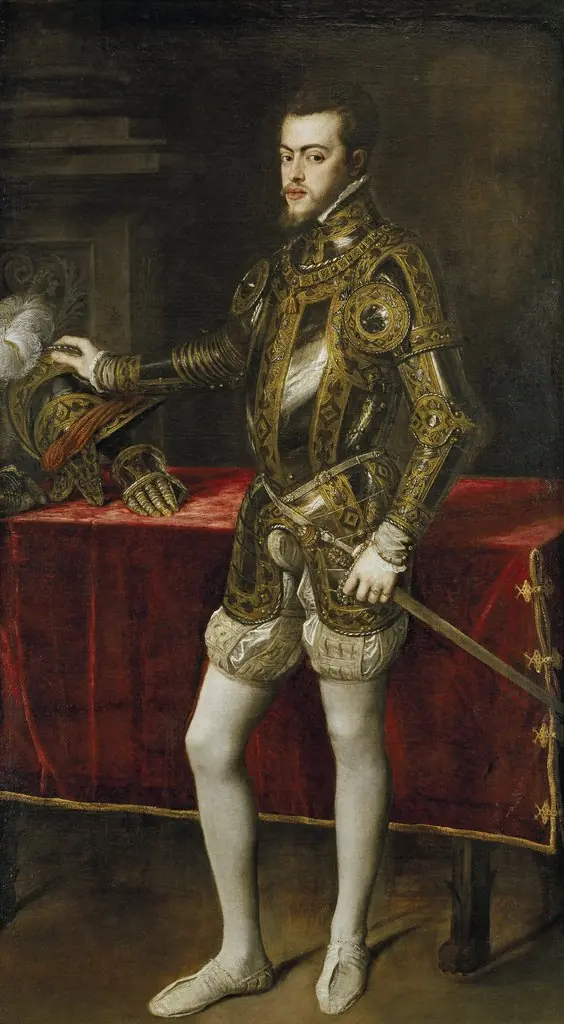 Philip II in Armour
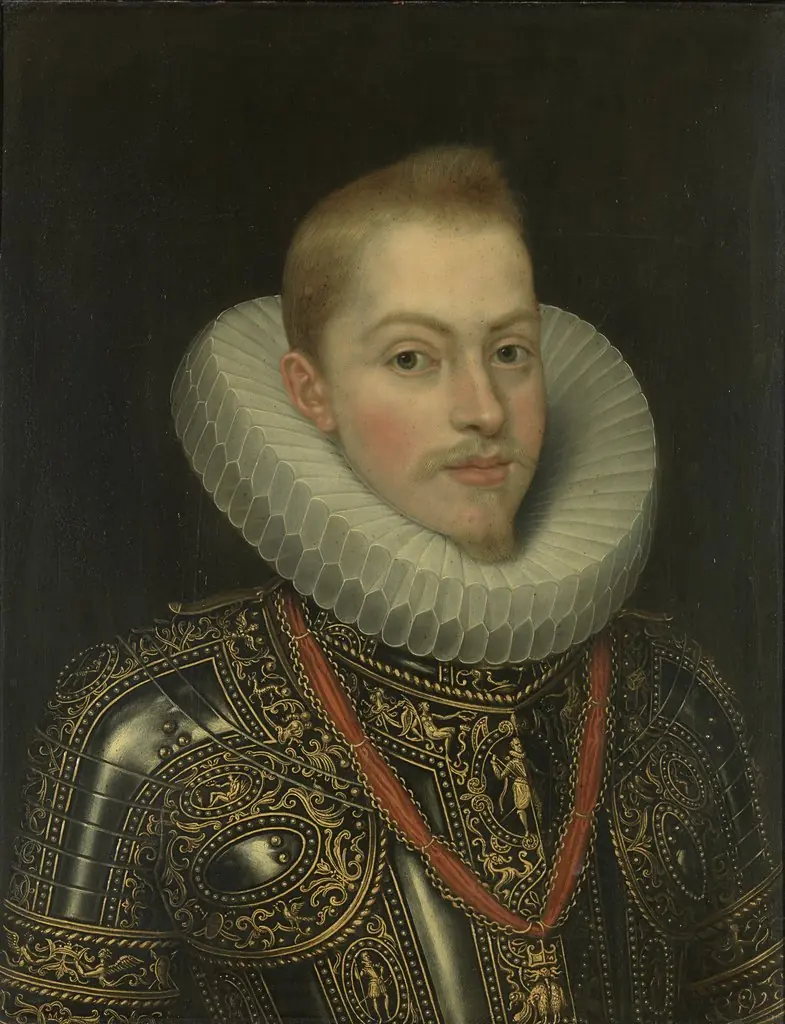 Portrait of Philip III, King of Spain
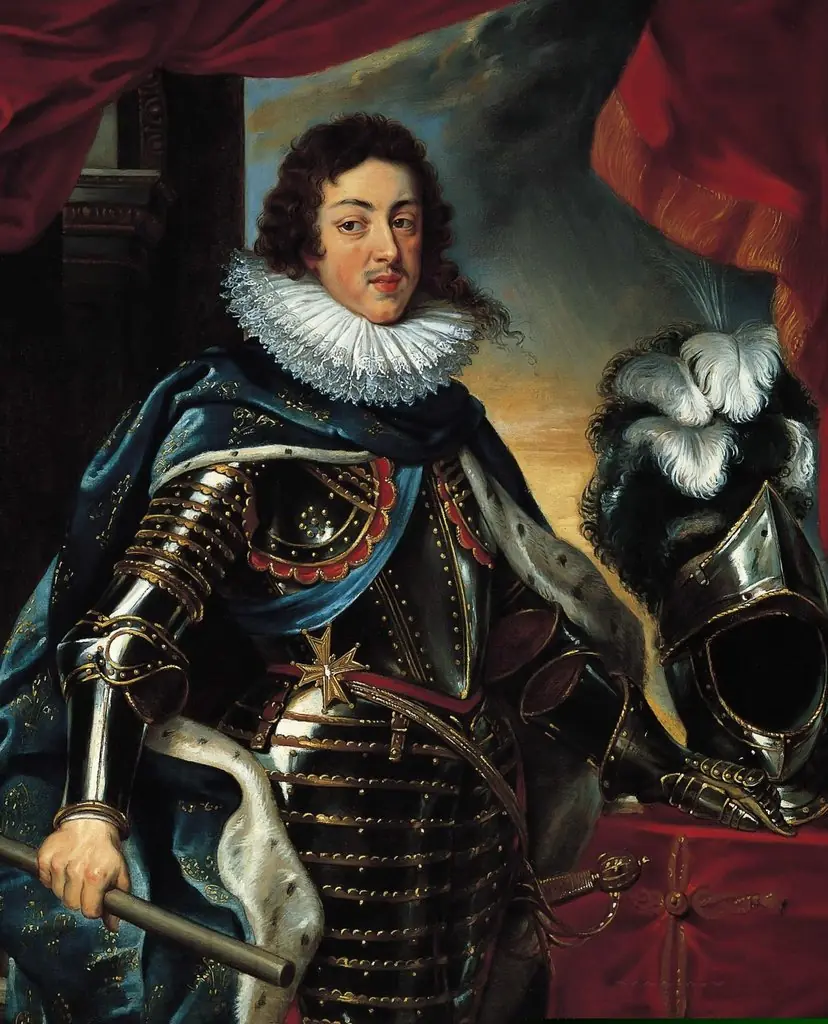 Portrait of Louis XIII in Armour
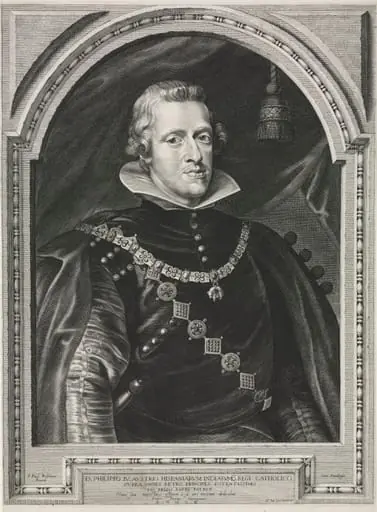 Portrait of Philip IV
 Portrait of a Man in Armor
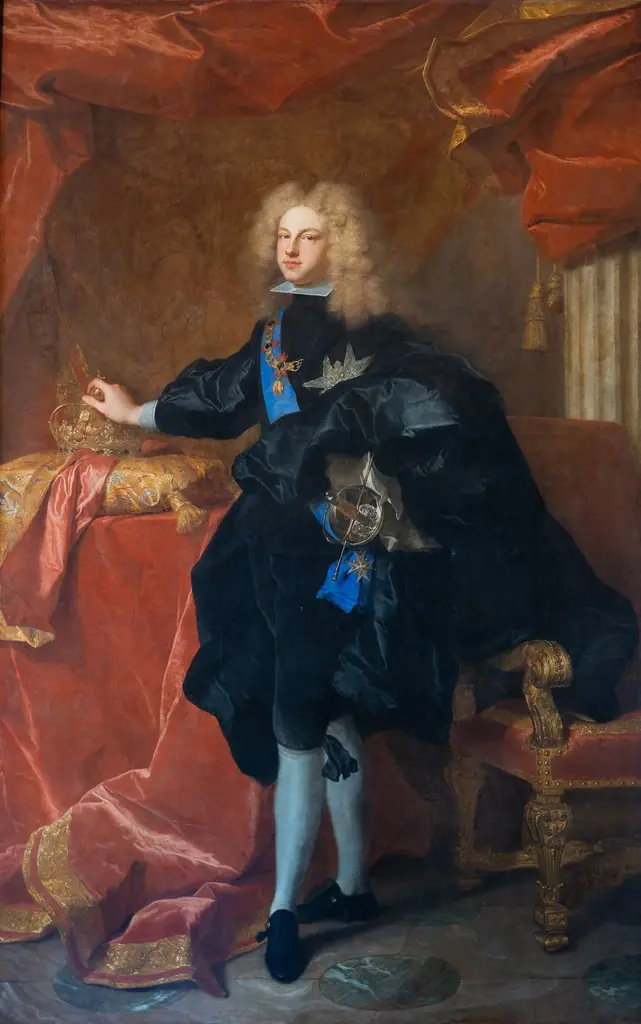 Portrait of Philip V, King of Spain