Artwork
Christ Cleansing the Temple
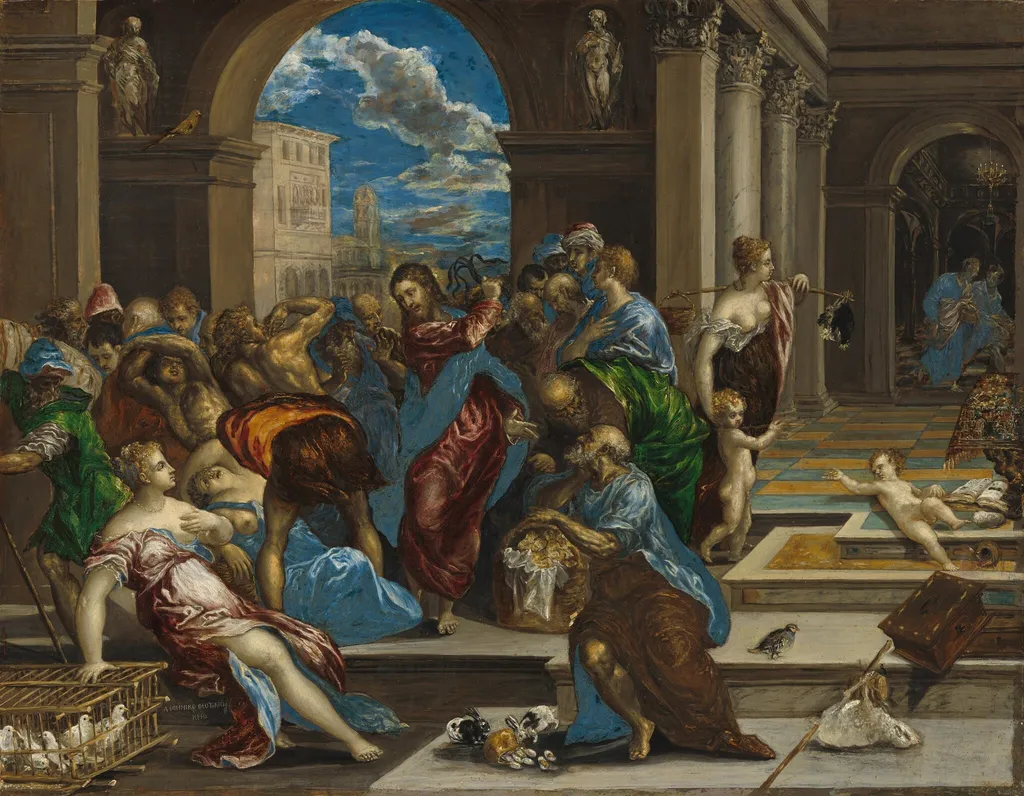
Christ Cleansing the Temple is an oil painting by the Mannerist artist El Greco. It dates from 1570 and is held in the collection of the National Gallery of Art.
- Inscription
- Inscribed:lower left to right of bird cage: (DOMÉNIKOS THEOTOK[O]POULOS KR[E]S) (Domenicos Theotocopoulos Cretan)
About this work
Subject & Meaning
The composition reflects the artist's Venetian period, balancing learned perspective with an immature handling of figure integration and spatial clarity.
The painting depicts the Cleansing of the Temple, a biblical episode where Jesus expels money changers and animal sellers from the Jerusalem Temple. This subject was rarely represented in medieval art due to the incongruity of an wrathful Christ with traditional savior imagery, making El Greco's series of seven versions on this theme a rarity, particularly during the Counter-Reformation. The work synthesizes diverse Italian Renaissance influences: the asymmetrical composition, dramatic tension, and spectral background figures derive from Tintoretto, while specific motifs like the reclining woman reference Titian, and architectural niches containing Apollo and Athena echo Raphael.
Although the scene intends monumentality, the inclusion of small animals like rabbits sniffing coins introduces an incongruous element. The composition reflects the artist's Venetian period, balancing learned perspective with an immature handling of figure integration and spatial clarity.
Technique & Style
The work is executed in oil on a wooden panel, a support typical of El Greco’s early Italian period, and is handled as a portable altarpiece that has retained its original framing integrity. Technical study notes an impasto application that reveals the artist’s relative inexperience in modeling forms, while the composition employs linear perspective and a single vanishing point to organize figures in a shallow stage. Formal analysis identifies strong Venetian influences from Tintoretto, Veronese and Raphael, yet points out compositional weaknesses such as an absent central viewpoint and crowded, loosely integrated groups.
The color palette is vivid and dramatic, emphasizing chiaroscuro to heighten the narrative of Christ’s expulsion of merchants.
History & Provenance
El Greco's Christ Cleansing the Temple, an oil on panel, is dated 1568–1570 and is considered one of the earliest securely attributed works from his Venetian period, possibly painted shortly after his arrival in Rome around 1571. The painting's provenance may trace back to the collection of the Marqués de Salamanca in Madrid, who died in 1866. It subsequently passed to Sir John Charles Robinson in London, who documented it in his 1868 Memoranda on Fifty Pictures and offered it at the Hôtel Drouot in Paris on 7–8 May 1868.
Sir Francis Cook, 1st Bt., acquired the panel for Doughty House, Richmond, Surrey, where it descended through three generations of the Cook baronetcy. In May or June 1955, Sir Francis Ferdinand Maurice Cook, 4th Bt., sold it through Margaret Drey, London, and Rosenberg and Stiebel, New York. On 17 October 1955, the Samuel H. Kress Foundation purchased the work and gifted it in 1957 to the National Gallery of Art in Washington, D.C.
The painting is held by the National Gallery of Art, Washington, D.C., where it is accessioned as part of the Samuel H. Kress Collection (inventory no. 1957.14.1). It entered the Gallery in 1957 as a gift from the Samuel H. Kress Foundation. Prior to that, it was sold on 17 October 1955 through Rosenberg and Stiebel, New York, to the Foundation from the estate of Sir Francis Ferdinand Maurice Cook, who had acquired it in 1955 via Margaret Drey, London.
Context
Scholars widely regard Christ Cleansing the Temple (1568) as El Greco’s Venetian-period masterpiece, marking a decisive shift from his Cretan training toward Italian Mannerist synthesis. Its layered borrowings, from Tintoretto’s dramatic asymmetry and Titian’s sensual figuration to Raphael’s architectural motifs and Michelangelo’s sculptural anatomy, reveal the young artist’s assimilation of Venetian cinquecento currents. Yet contemporaneous criticism notes technical shortcomings: unresolved perspectival inconsistencies, overcrowded compositional groups, and awkward modeling, reflecting an emergent rather than fully mature hand.
Within El Greco’s evolving corpus this composition anchors a seven-painting sequence on the theme, allowing scholars to trace his stylistic progression from Venetian colorism to Spanish spiritual elongation. The work’s rarity, sparse Counter-Reformation depictions of an irate Christ, further underscores its significance as a transitional node between Byzantine icon tradition and European Renaissance narrative painting.
Overview
Christ Cleansing the Temple is an oil on panel painting created by El Greco in 1568. This particular version resides in the National Gallery of Art in Washington, D.C. The artwork depicts a significant event from the life of Christ, where he expels merchants and money changers from the sacred space of the Temple. It is one of several interpretations of this biblical narrative undertaken by the artist throughout his career.
Own this work as a print
Artist & collection
Artist
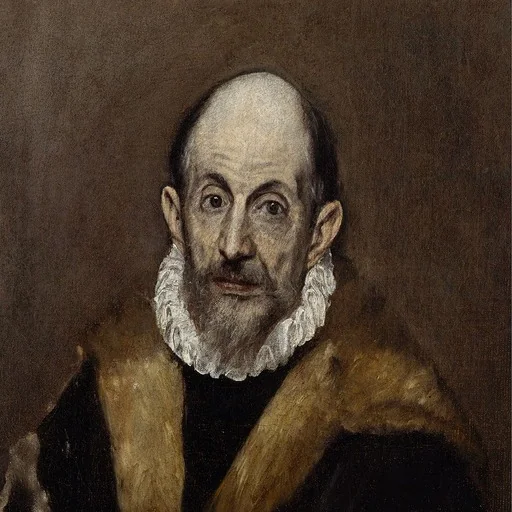
Doménikos Theotokópoulos was born in 1541 in Candia (modern Heraklion), the capital of Venetian-ruled Crete, where he was trained in the post-Byzantine tradition of icon painting.

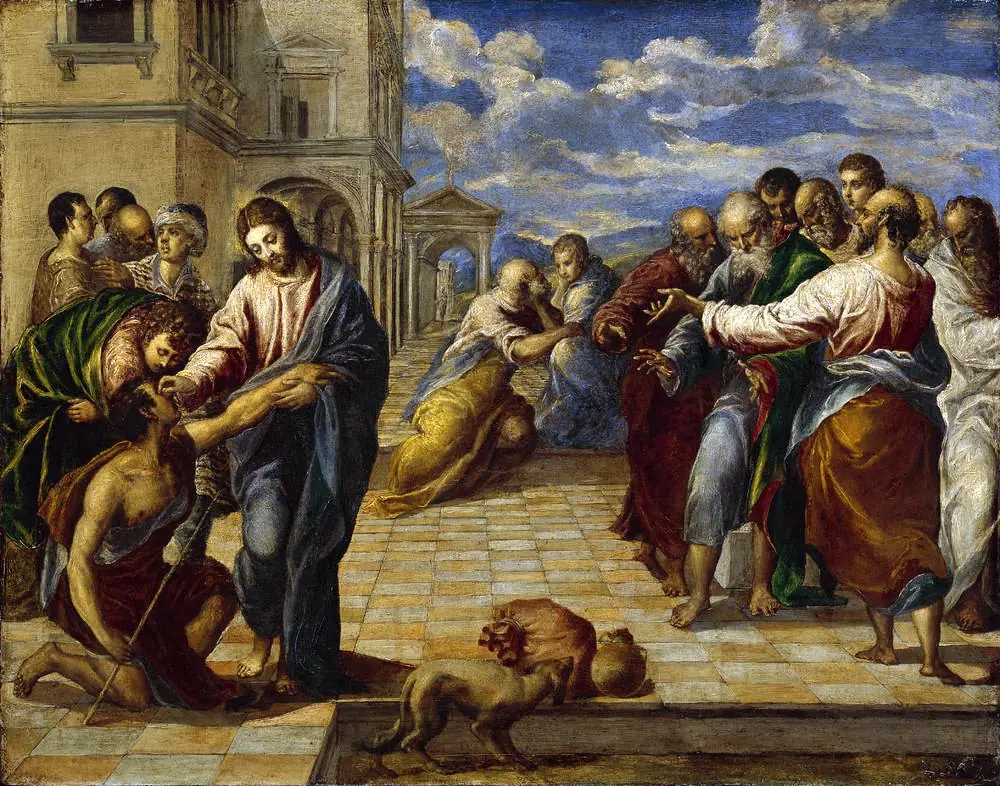 Christ Healing the Blind
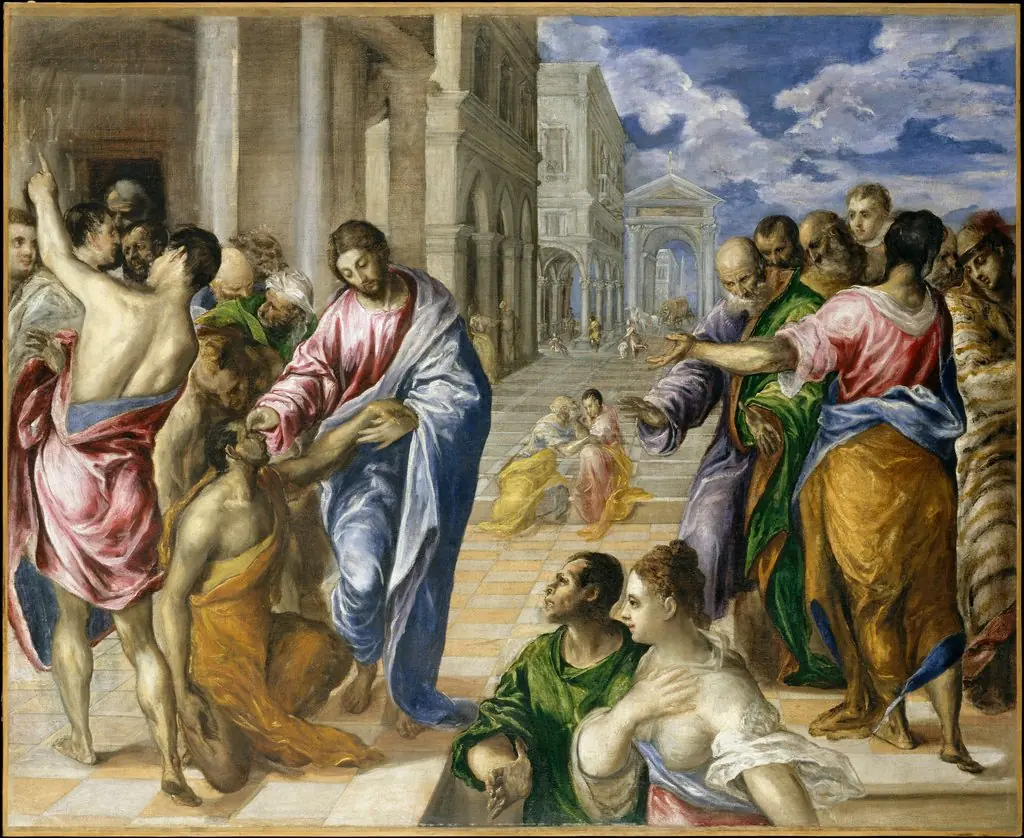 Christ Healing the Blind
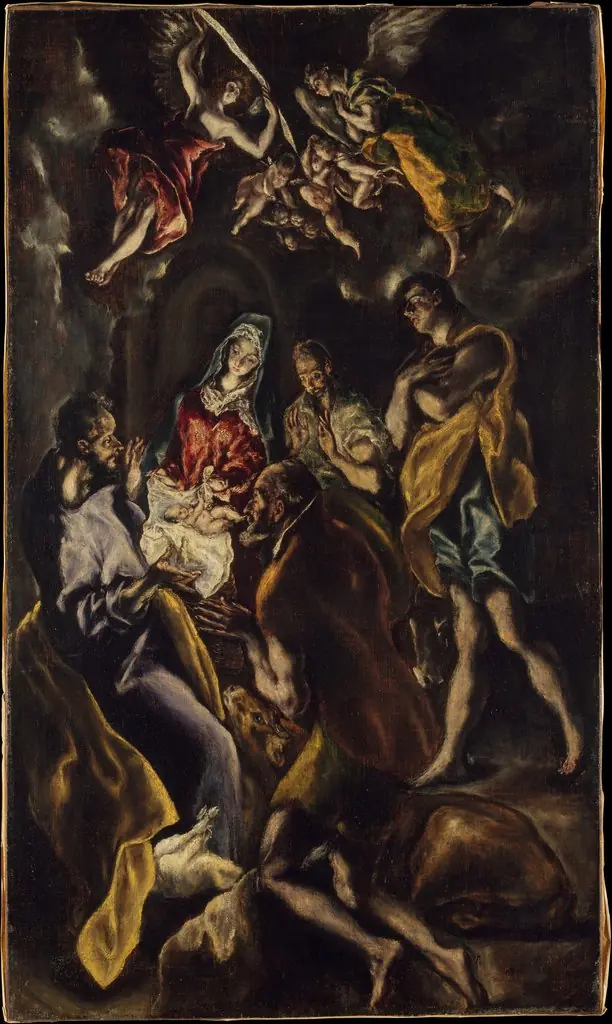
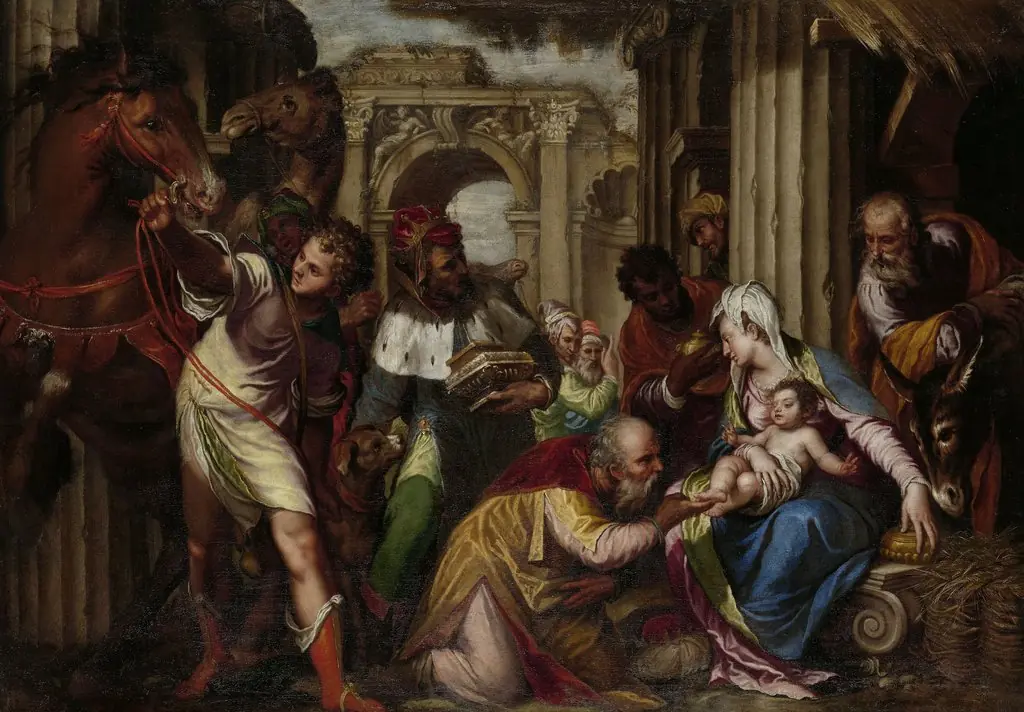 The Adoration of the Magi
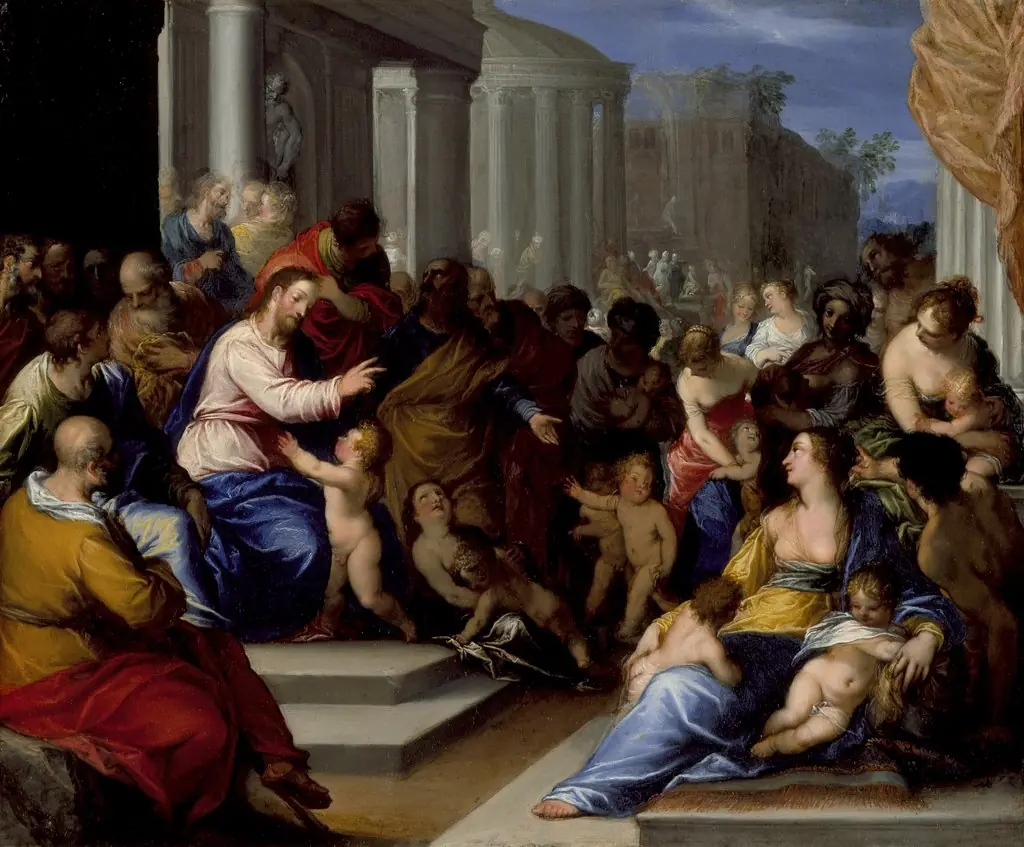 Suffer Little Children to Come Unto Me
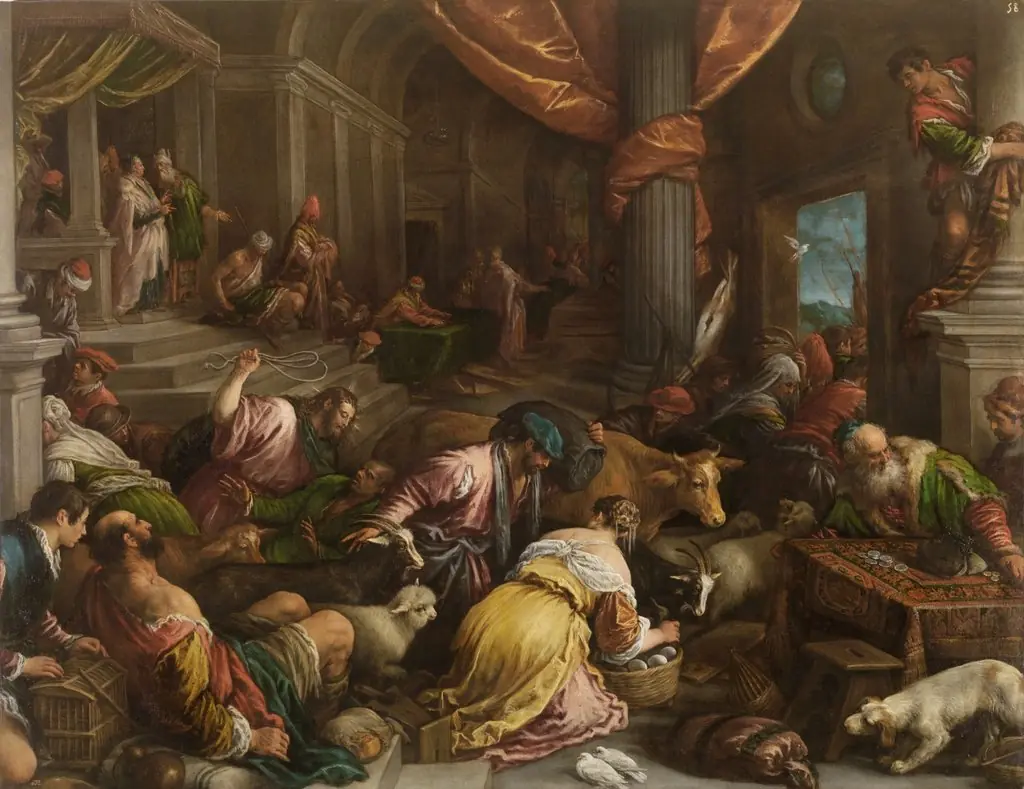 The Traders Cast out of the Temple
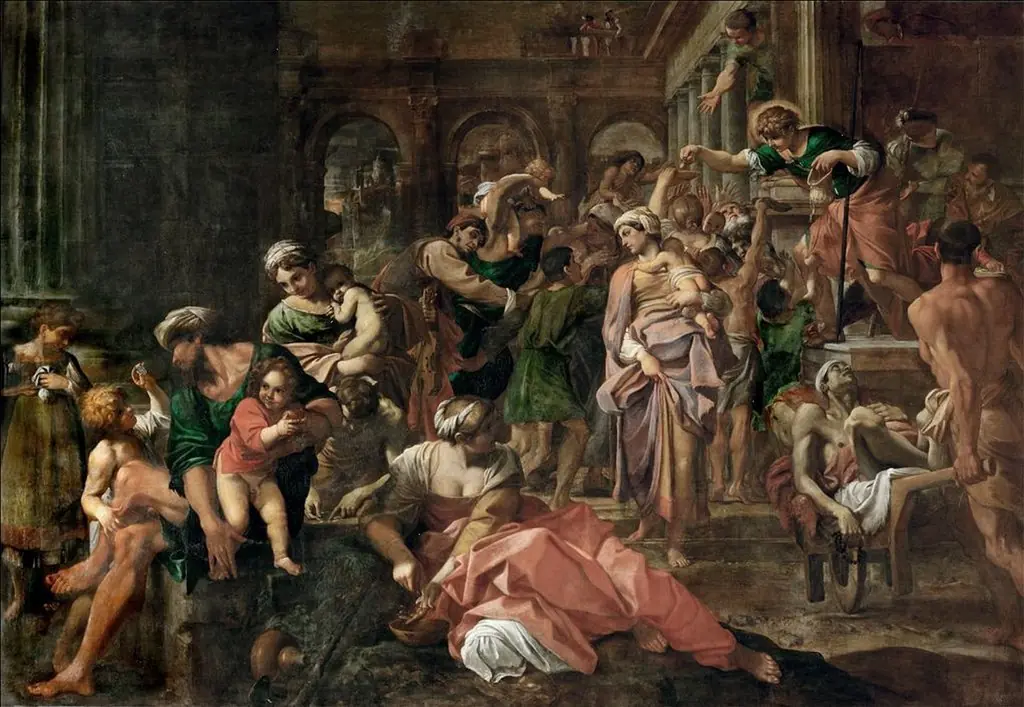 Saint Roch Distributing Alms
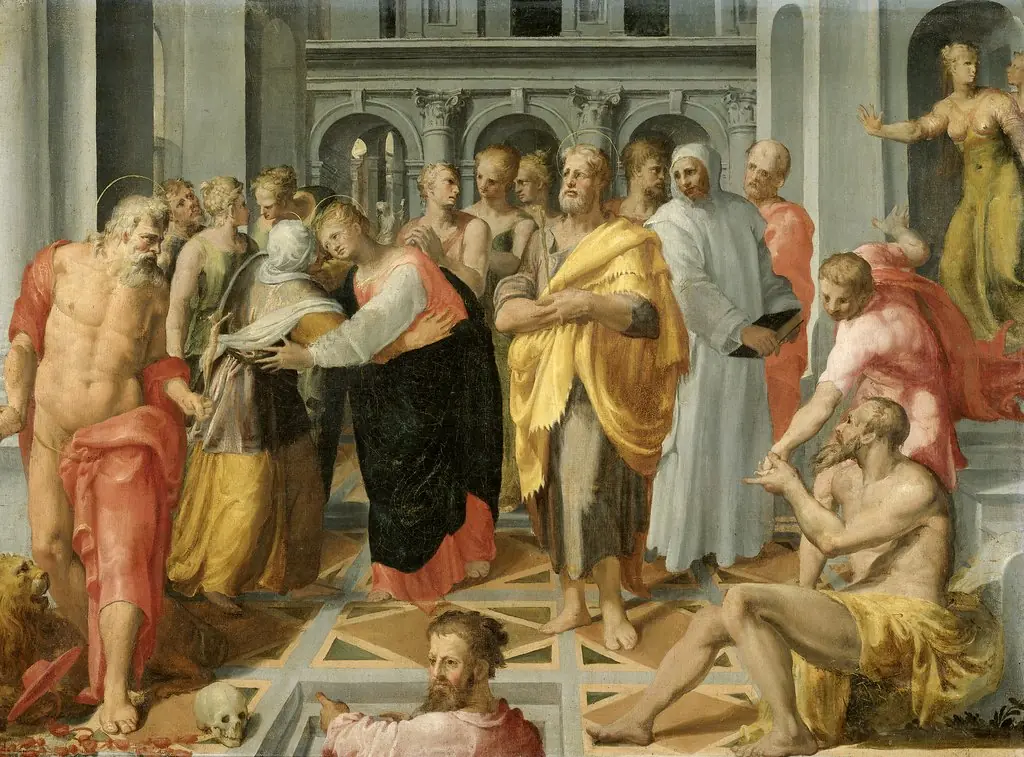 Visitation (Meeting of Mary and Elizabeth in the Presence of Saints Joseph and Jerome)
 Visitation (Meeting of Mary and Elizabeth in the Presence of Saints Joseph and Jerome)