Artwork
Portrait of Dominican (or Trinitarian) Friar
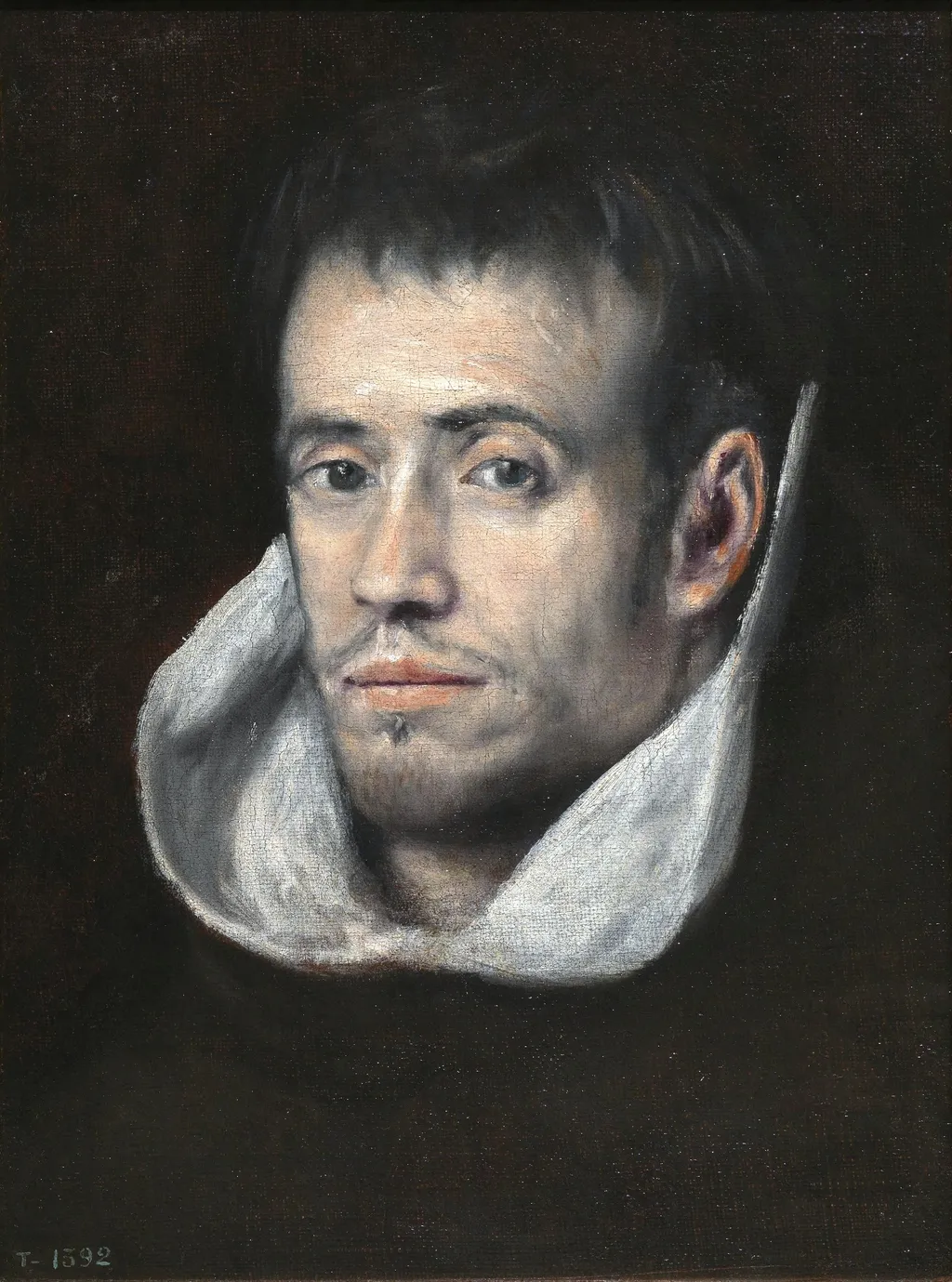
Portrait of Dominican (or Trinitarian) Friar is an oil painting by the Mannerist artist El Greco. It dates from 1599 and is held in the collection of the Museo del Prado.
About this work
Subject & Meaning
The painting depicts an anonymous monk, who is likely a member of the Trinitarian or Franciscan order rather than the Dominican order.
The painting depicts an anonymous monk, who is likely a member of the Trinitarian or Franciscan order rather than the Dominican order. The composition focuses almost exclusively on the religious figure's head and bust, a format that emphasizes his expression, which is conveyed through his lively eyes. Vigorous brushstrokes and a dark background illuminated by a single light source highlight the white tones of the friar's habit and his face, creating a naturalism that anticipates the later works of Velázquez and Goya.
Technique & Style
The work is executed in oil on canvas, measuring 35 by 26 cm. The composition is tightly cropped to the friar's head and bust, a format that concentrates attention on the sitter's expression. The handling features vigorous brushwork, with a dark background illuminated by a focused light source that heightens the contrast of the white habit and the face. The treatment of the subject conveys a marked naturalism in the rendering of the religious figure.
History & Provenance
The work was painted in 1597 by a follower of El Greco, likely a Dominican or Trinitarian friar, and was initially owned by Pablo Bosch y Barrau before entering the collection of the Museo del Prado in Madrid, where it remains on display in one of the museum’s galleries
The painting measures 35 cm by 26 cm and depicts a man in a style that reflects the influence of El Greco’s workshop during the early 17th century
The Portrait of a Dominican (or Trinitarian) Friar is held in the Museo del Prado in Madrid. Its inventory number is not specified in the sources, and it has been displayed in exhibitions at the Museo del Prado, though no specific exhibition titles or years are provided.
The work is attributed to a follower of El Greco and dates to between 1600 and 1650. It measures 35 cm in height by 26 cm in width and depicts a man in a religious habit. It has been part of the museum's collection since at least the early 20th century, previously owned by Pablo Bosch y Barrau.
The painting has been featured in exhibitions at the Museo del Prado, including displays highlighted in Spanish and French language sources describing its presentation in museum rooms.
Context
Scholarship has re-evaluated the attribution of this work, shifting it from El Greco to a follower active between 1600 and 1650. The painting is noted for its remarkable naturalism, which critics suggest anticipates the later portraiture of Velázquez and Goya. By focusing almost exclusively on the head and bust of an anonymous monk, likely Trinitarian or Franciscan, the composition highlights the figure's expressive, lively eyes. Vigorous brushwork and a dark background, illuminated by a focused light that accentuates the white tones of the habit and the face, define the work's technique. The piece is held in the Museo del Prado.
Own this work as a print
Artist & collection
Artist
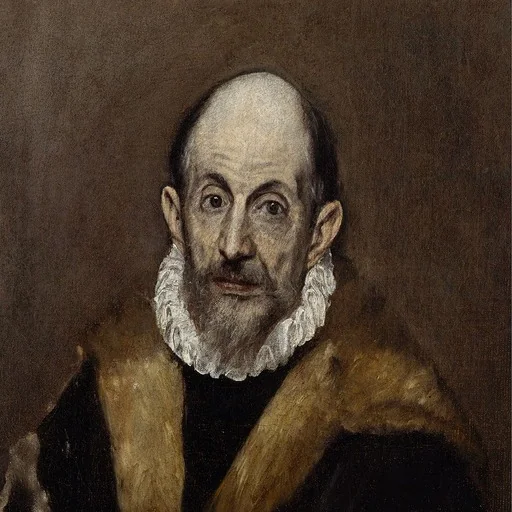
Doménikos Theotokópoulos was born in 1541 in Candia (modern Heraklion), the capital of Venetian-ruled Crete, where he was trained in the post-Byzantine tradition of icon painting.

 Portrait of a cardinal
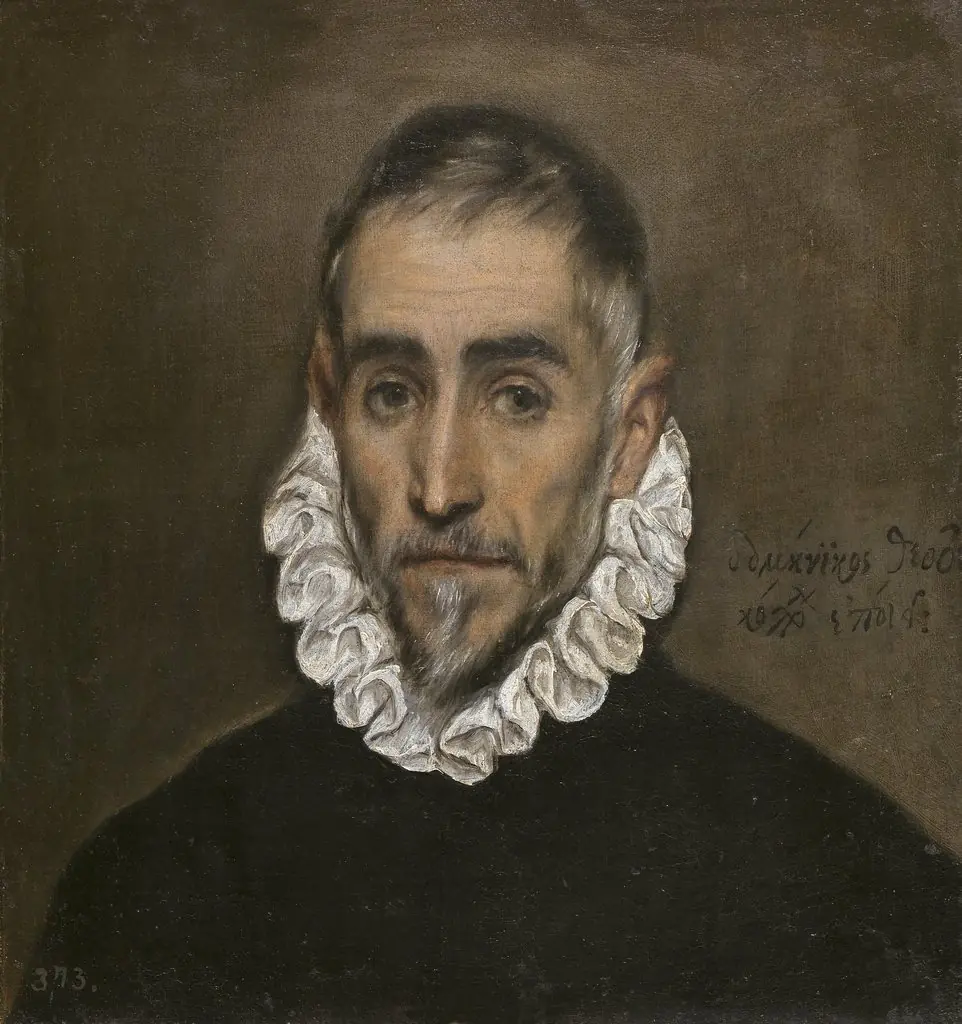 Portrait of an Elderly Man
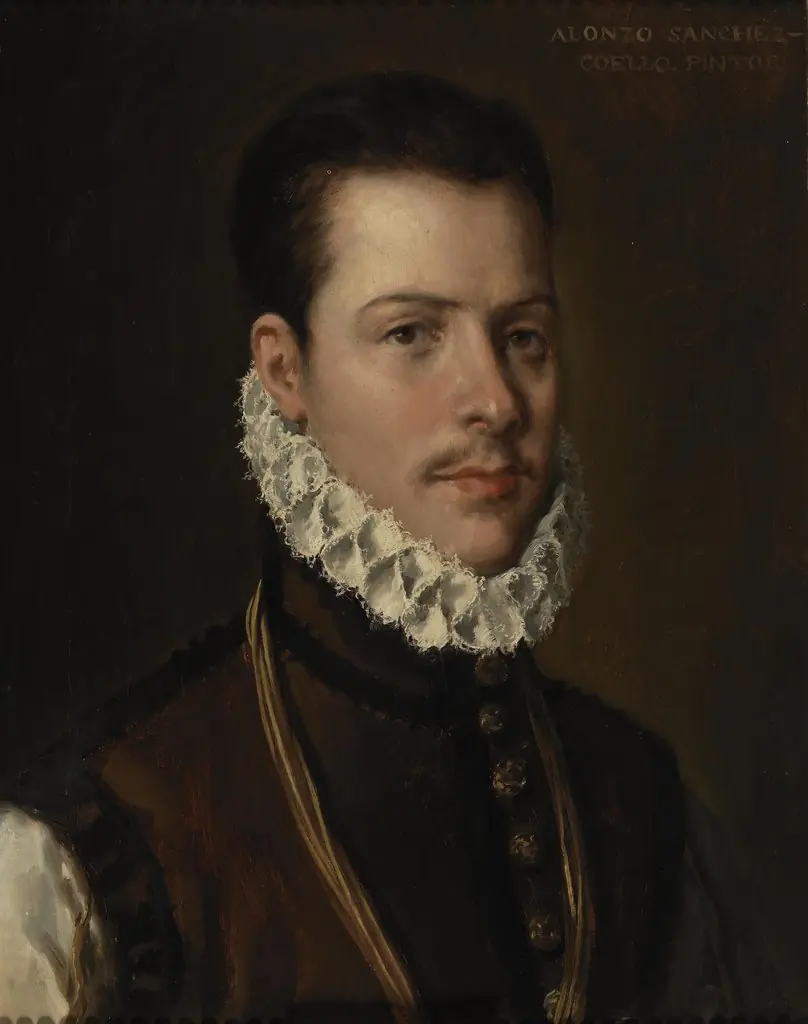 Fernando de Aragón y Borja duque de Villahermosa y conde de Ribagorza (copia)
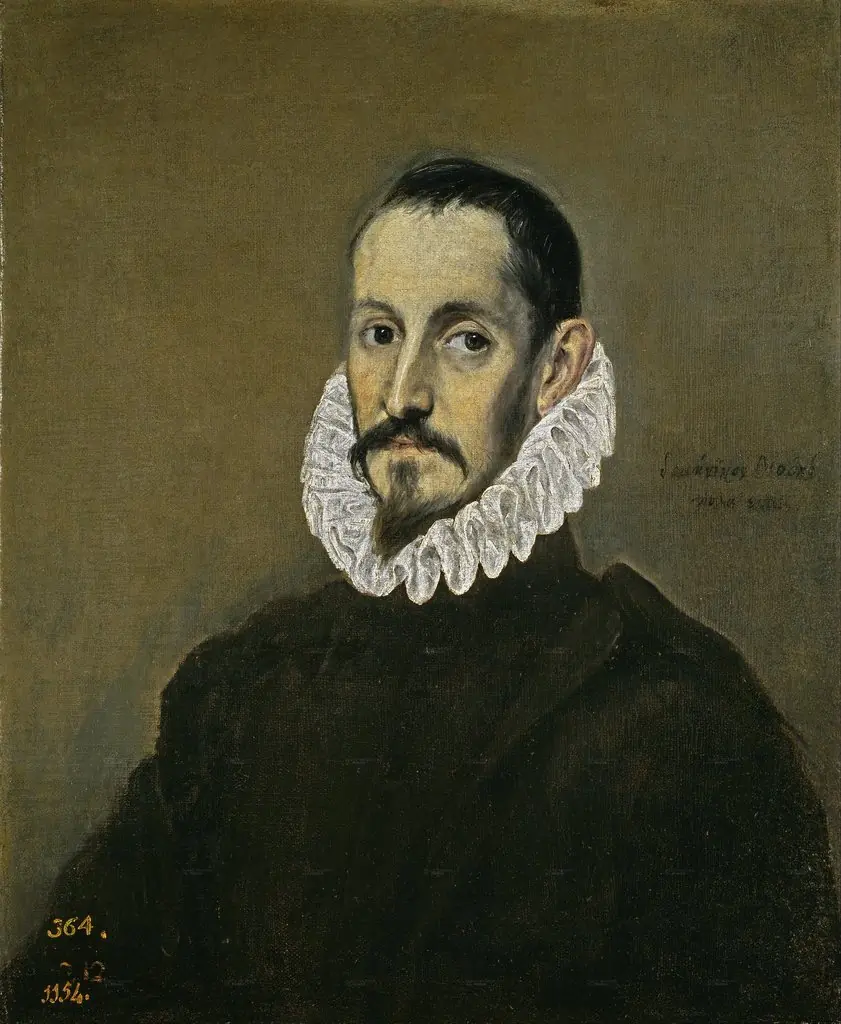 Portrait of a gentleman
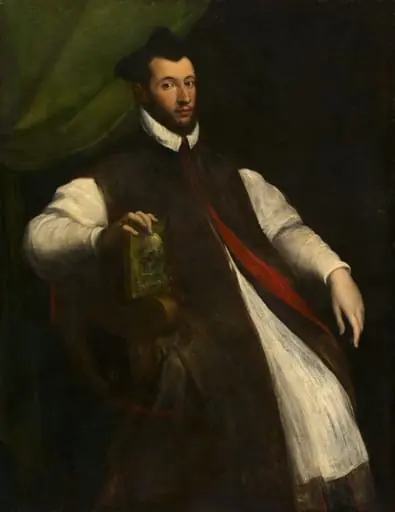 Portrait of a Prelate
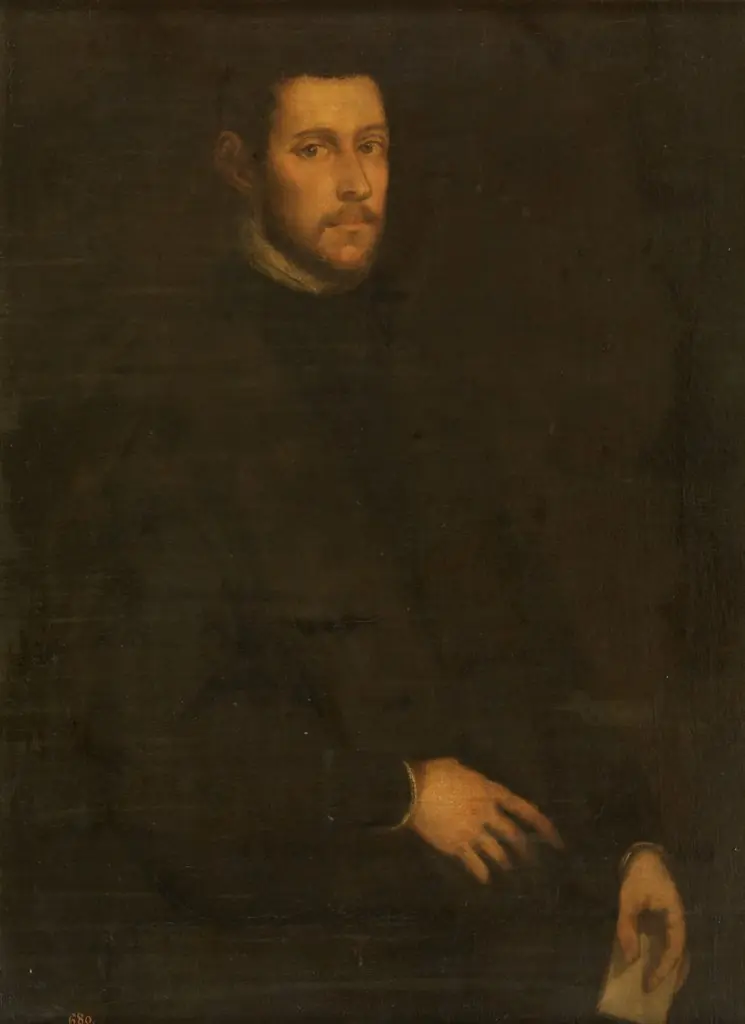 Self-portrait (?)
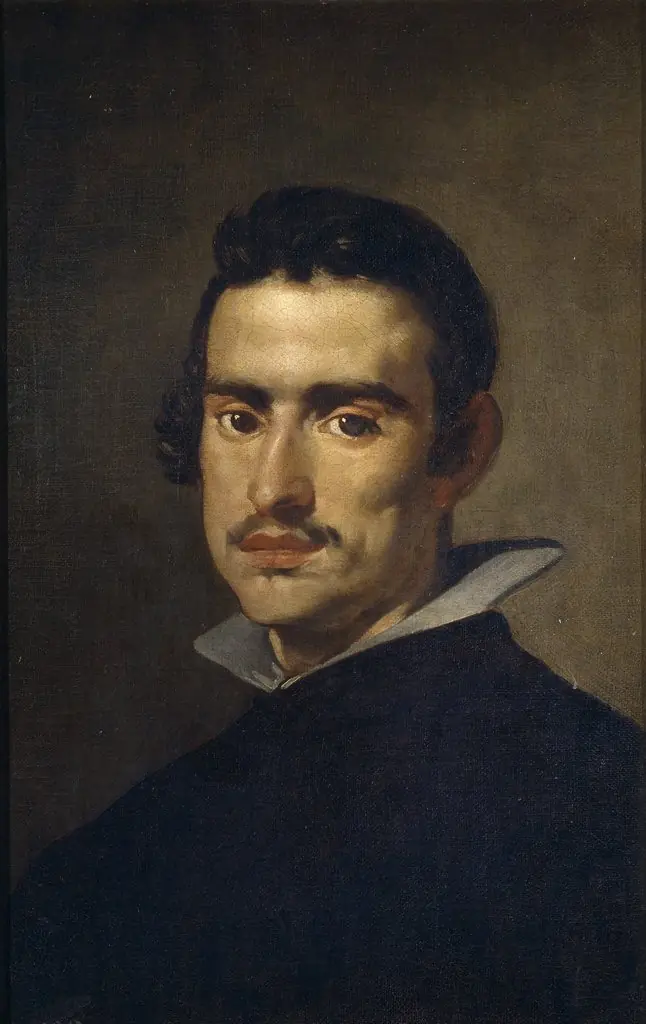 Portrait of a Man
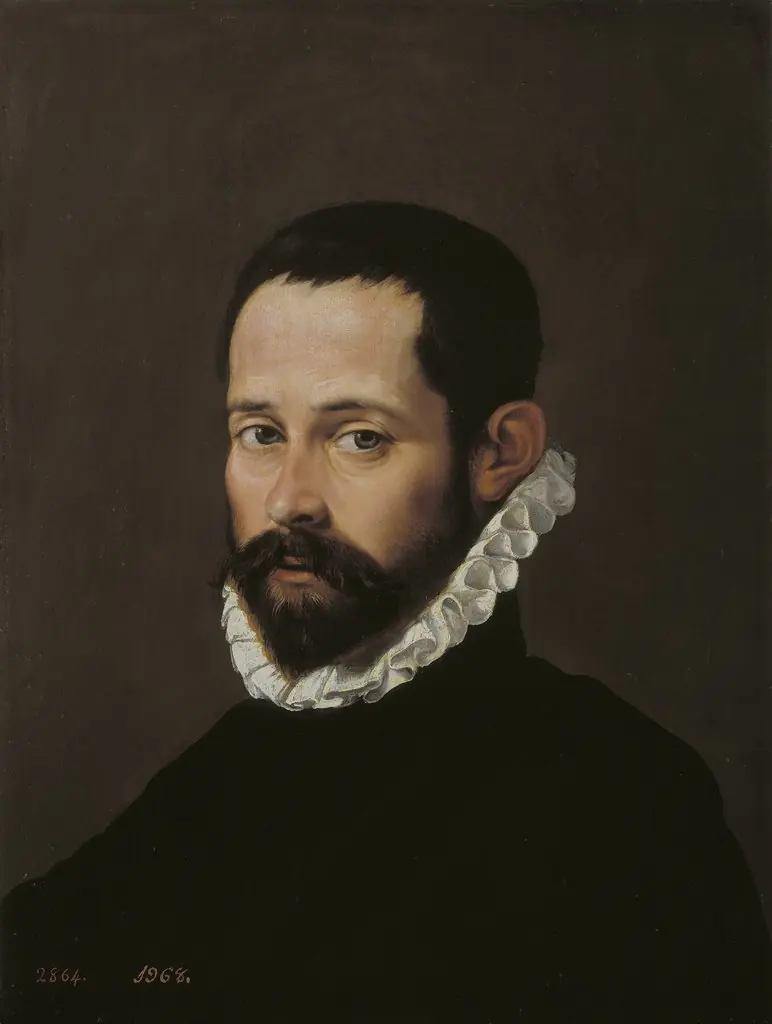 Portrait of Diego Hurtado de Mendoza
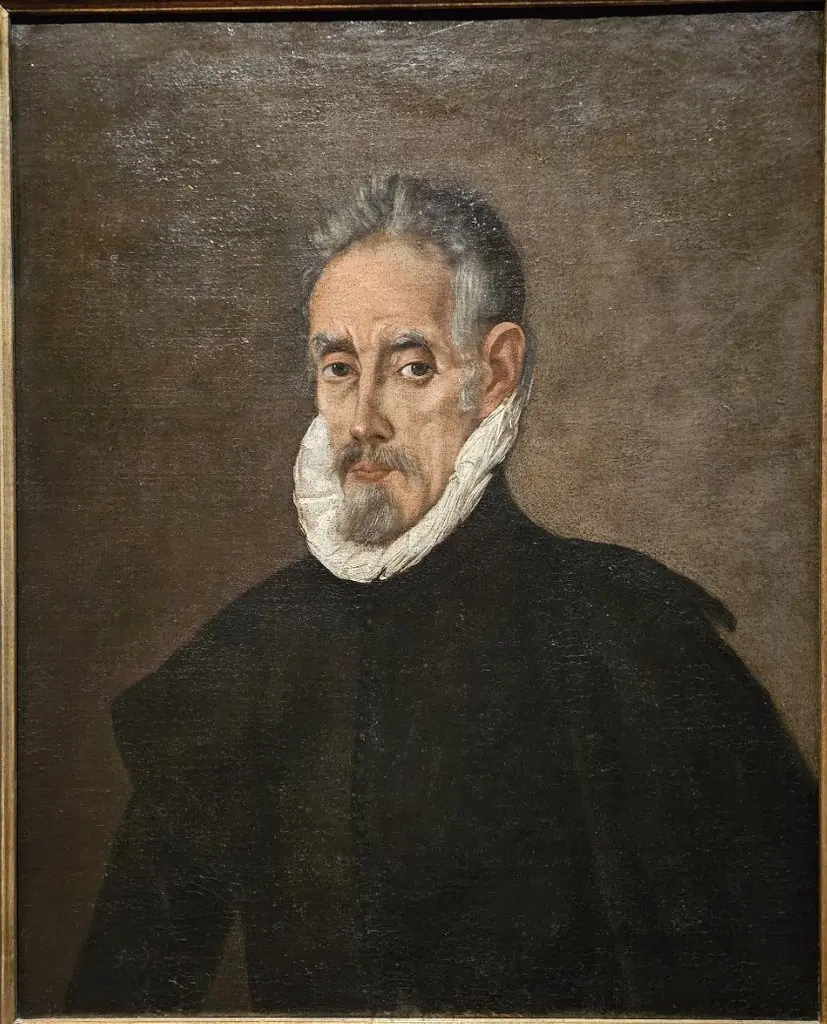 Retrato Masculino (António Gomes da Mata?)
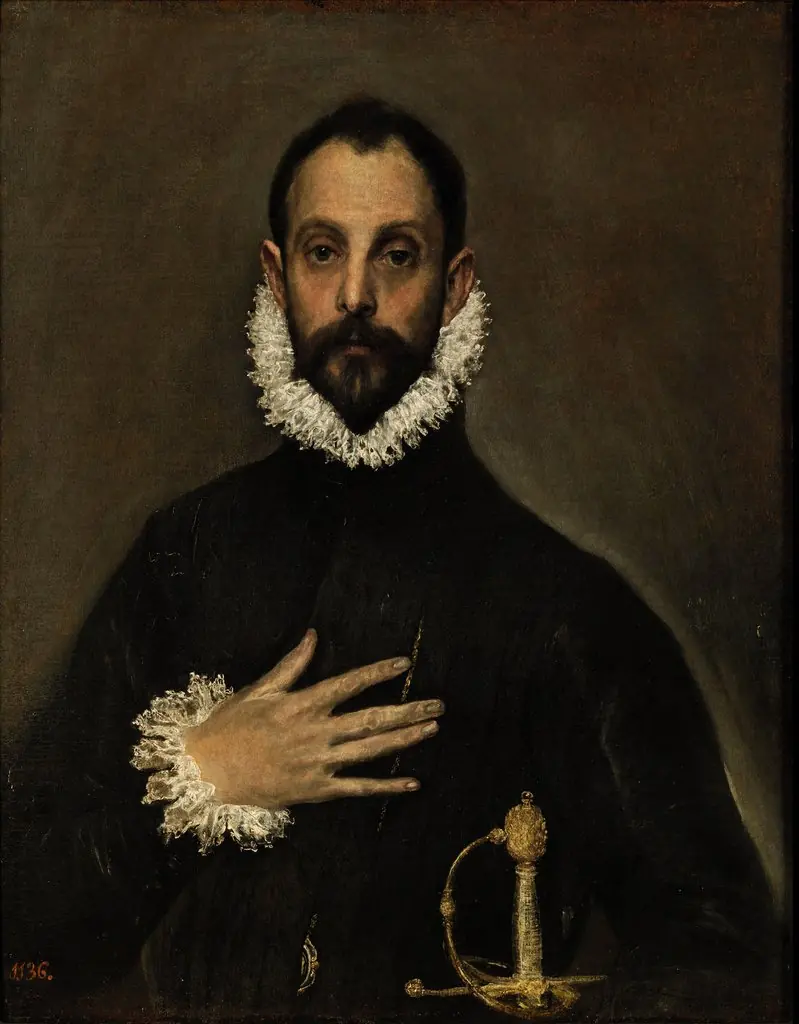 The Nobleman with his Hand on his Chest