Artwork
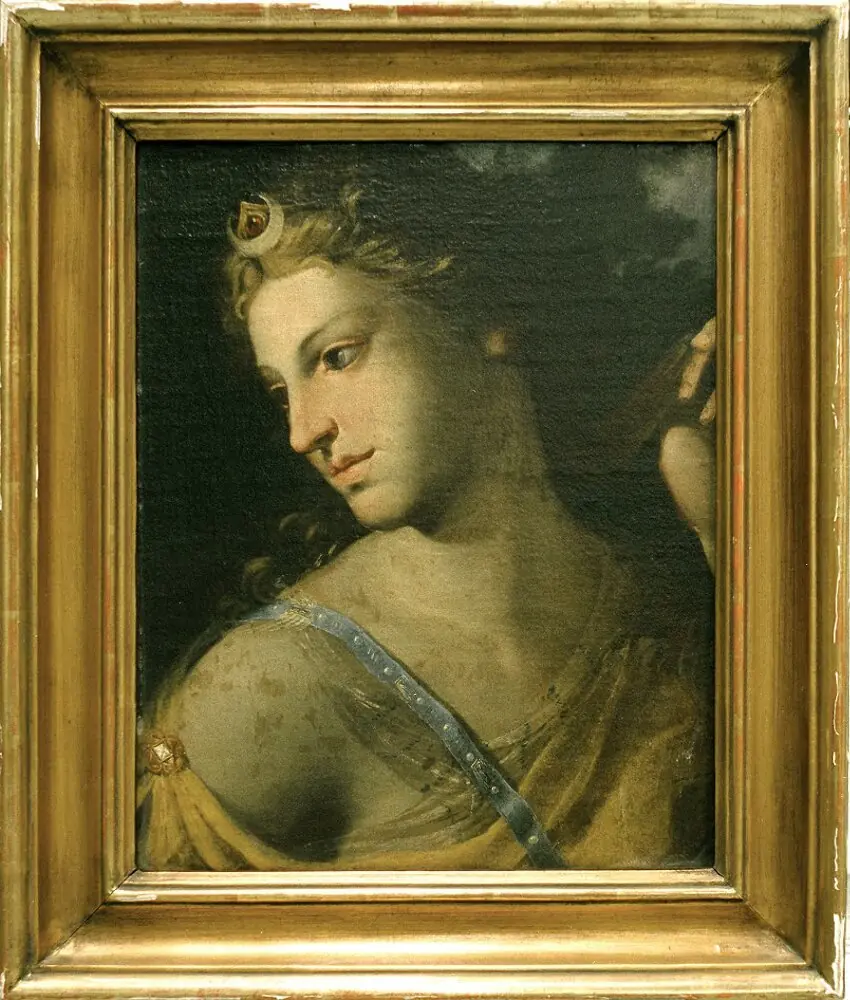
Head of Medusa
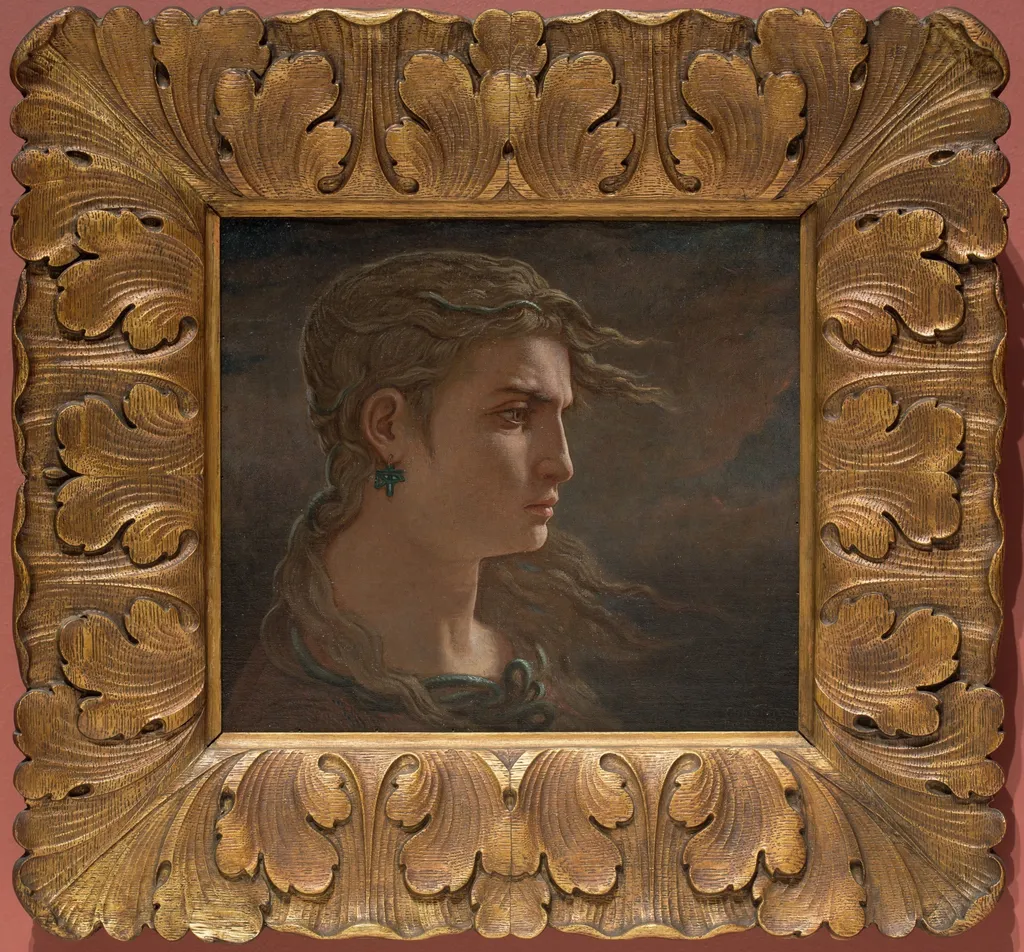
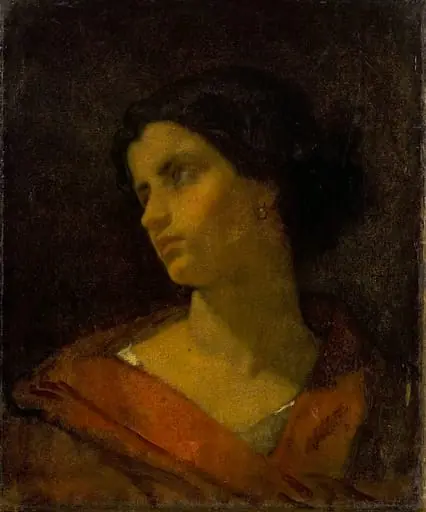
Head of Medusa is an oil painting by the American Impressionist artist Elihu Vedder. It dates from 1890 and is held in the collection of the Detroit Institute of Arts.
About this work
Overview
Head of Medusa is an 1890 oil painting by American symbolist artist Elihu Vedder, depicting the mythological figure Medusa. The work combines elements of American Impressionism with symbolic themes, characteristic of Vedder's style.
Subject & Meaning
The painting focuses on Medusa, portrayed with long, wind-blown hair and a serious expression, set against a dark background. The depiction emphasizes her individual presence, drawing attention to her facial expression and detailed attire, including a blue earring.
Technique & Style
Vedder employed chiaroscuro to create strong contrasts between light and dark, enhancing the subject's prominence. The oil paint medium allowed for intricate details, such as the textured hair and folds in Medusa's clothing, showcasing Vedder's attention to visual nuance.
History & Provenance
Created in 1890, Head of Medusa is part of the Detroit Institute of Arts' collection. While Vedder was known for his contributions to American Symbolism and illustration, this work reflects his engagement with mythological subjects through a distinctly Impressionist-inflected approach.
Context
Within the broader art historical context, Head of Medusa situates itself at the intersection of American Impressionism and Symbolism, reflecting late 19th-century interests in both naturalistic representation and mythological symbolism.
Legacy
As a work by Elihu Vedder, Head of Medusa contributes to the artist's legacy in exploring symbolic and mythological themes through detailed, expressive oil paintings. It remains a characteristic example of his style, inviting viewers to contemplate the enigmatic figure of Medusa.
Own this work as a print
Artist & collection
Artist
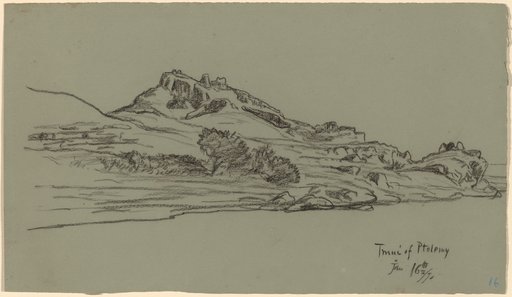
Elihu Vedder (26 February 1836 – 29 January 1923) was an American symbolist painter, book illustrator and poet from New York City.

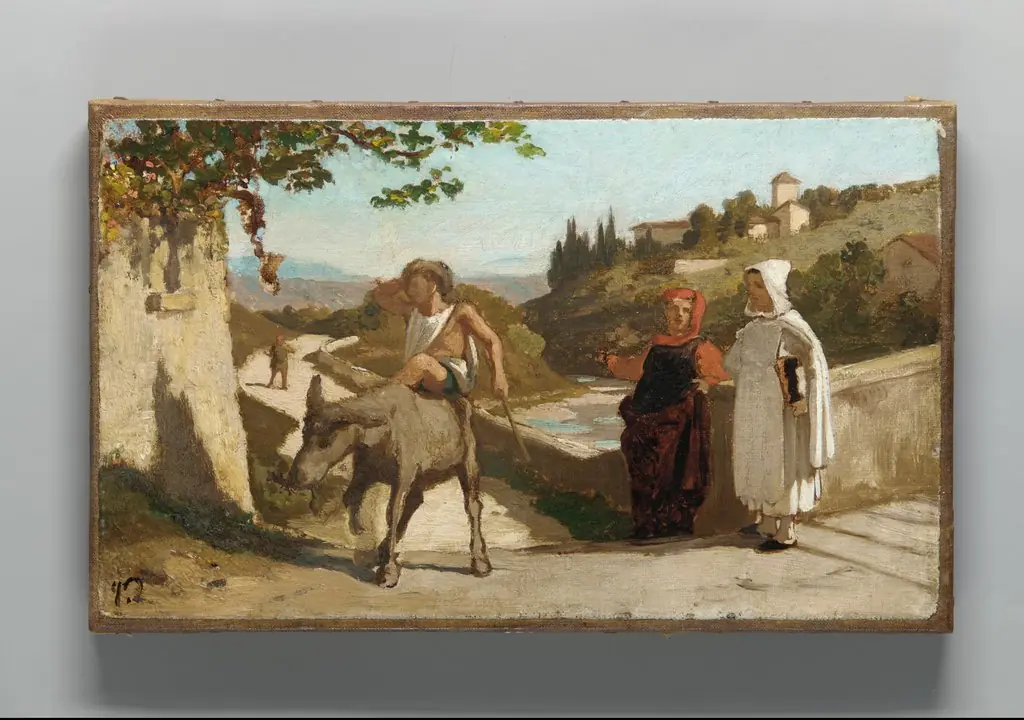 The Fable of the Miller, His Son, and the Donkey
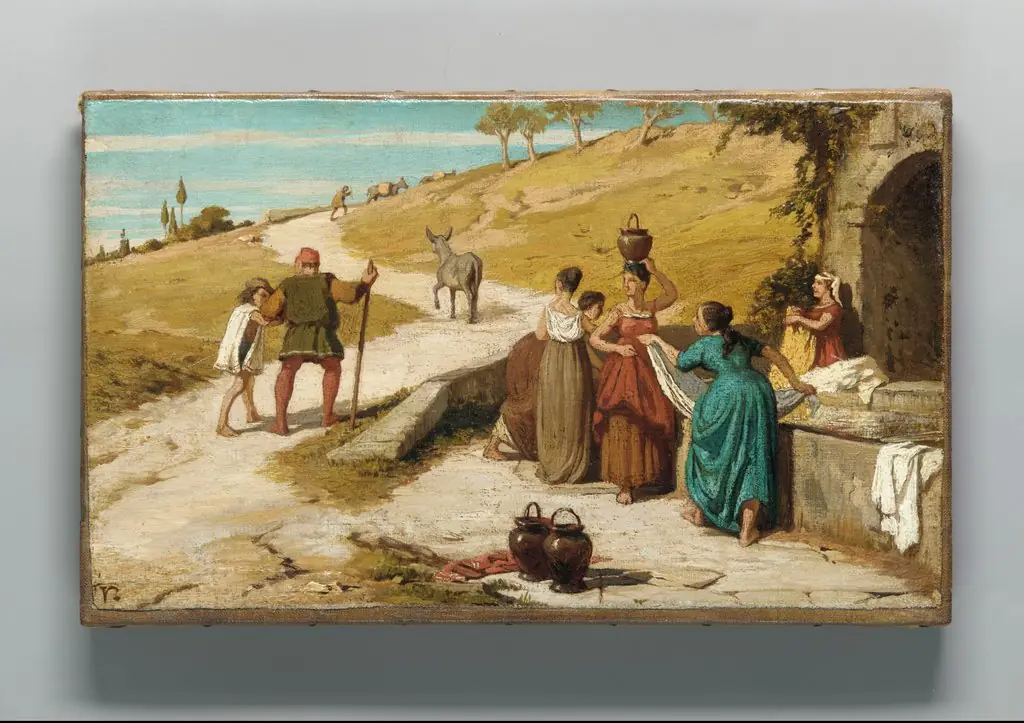 The Fable of the Miller, His Son, and the Donkey
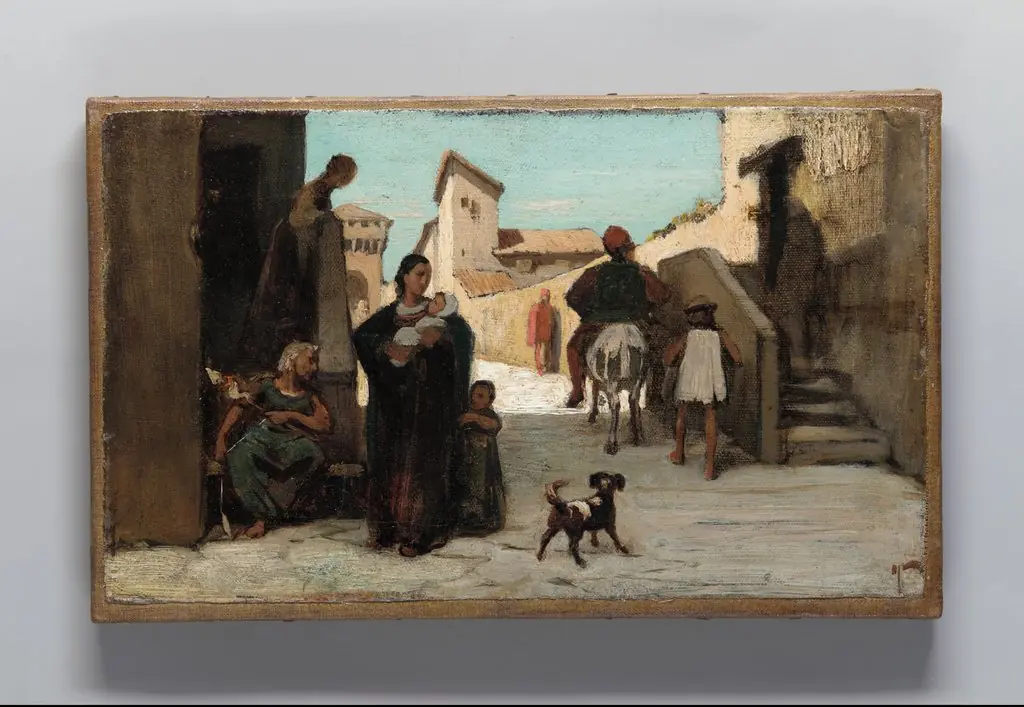 The Fable of the Miller, His Son, and the Donkey
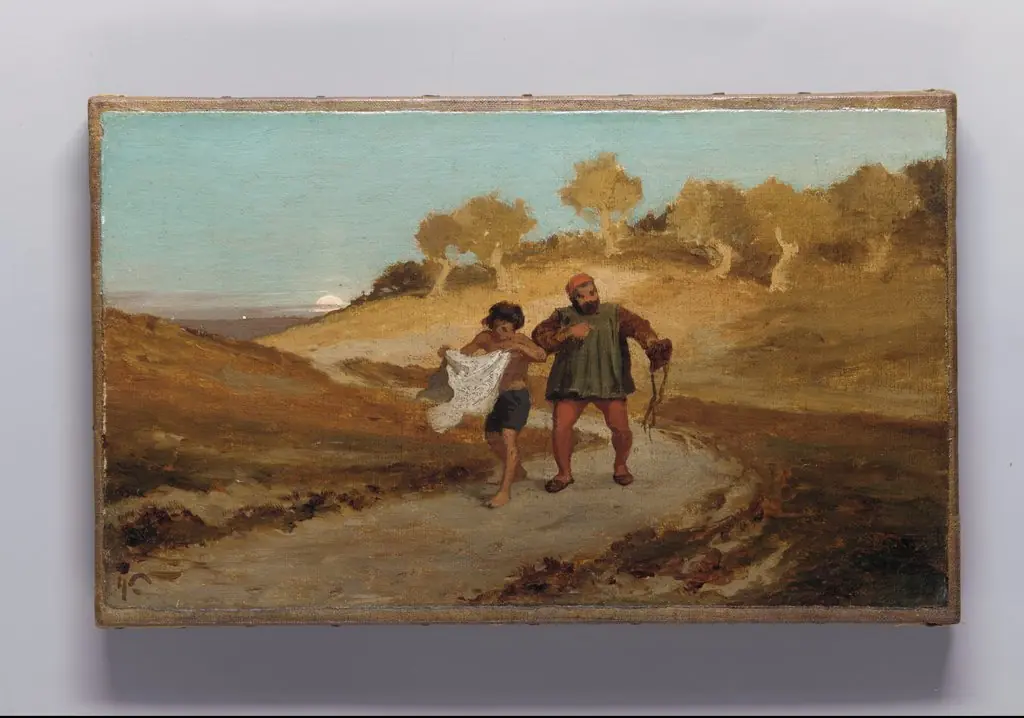 The Fable of the Miller, His Son, and the Donkey
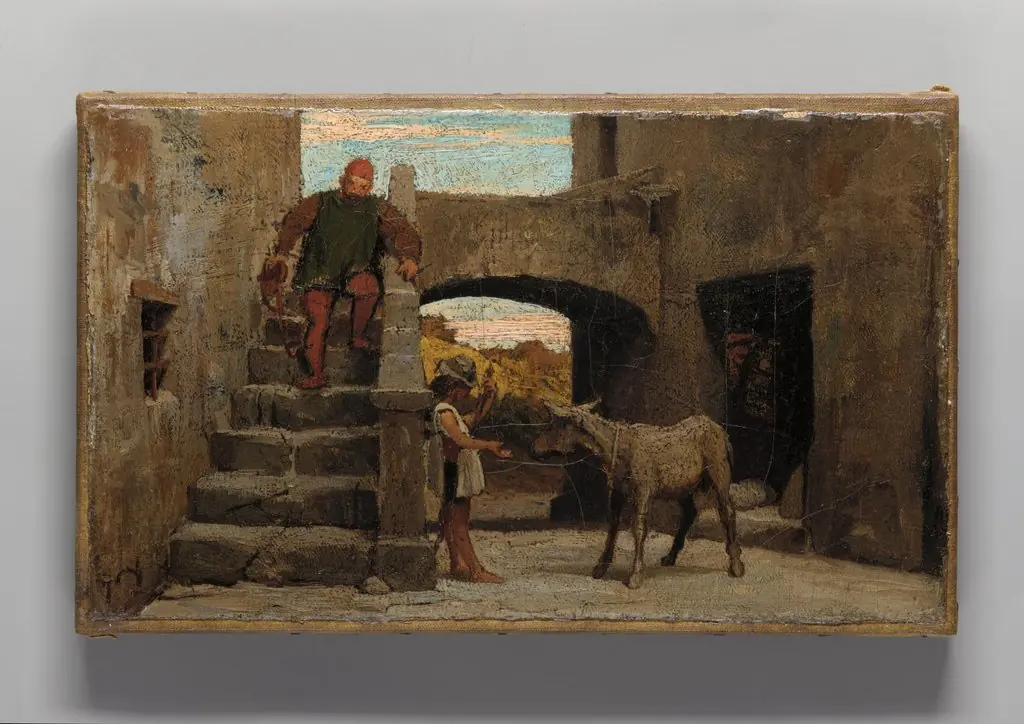 The Fable of the Miller, His Son, and the Donkey
 The African Sentinel
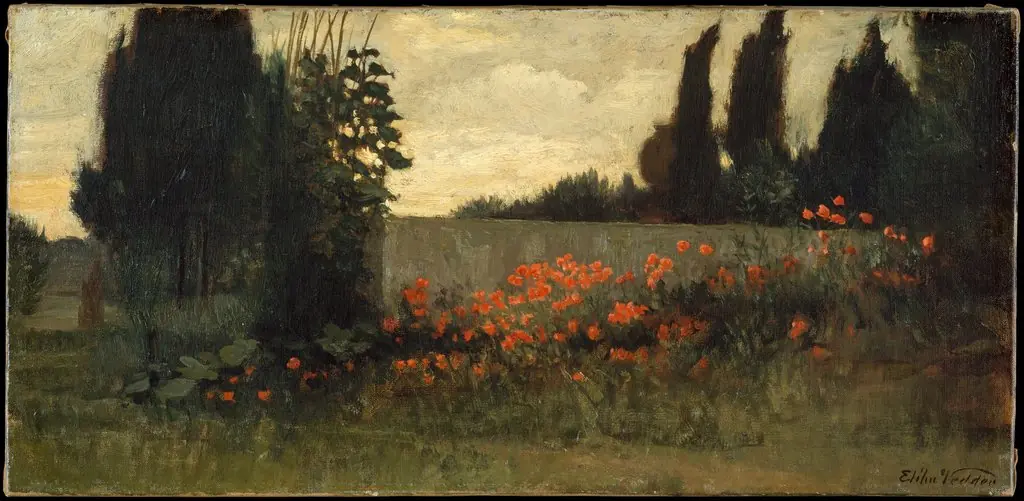 Cypress and Poppies
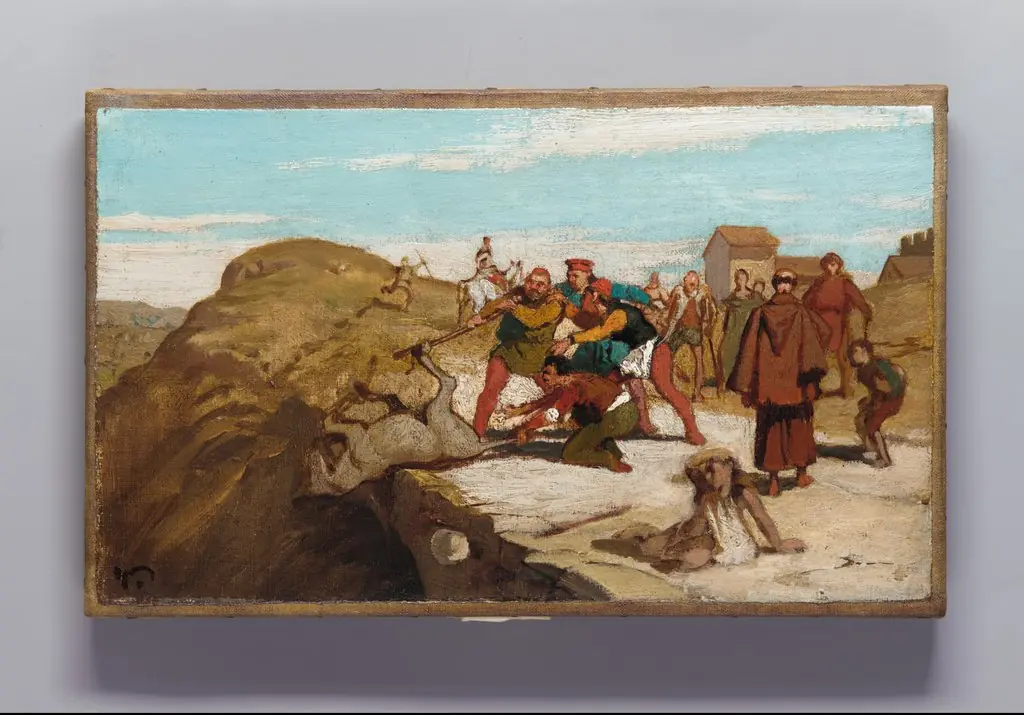 The Fable of the Miller, His Son, and the Donkey