Artwork
Still Life with Candlestick
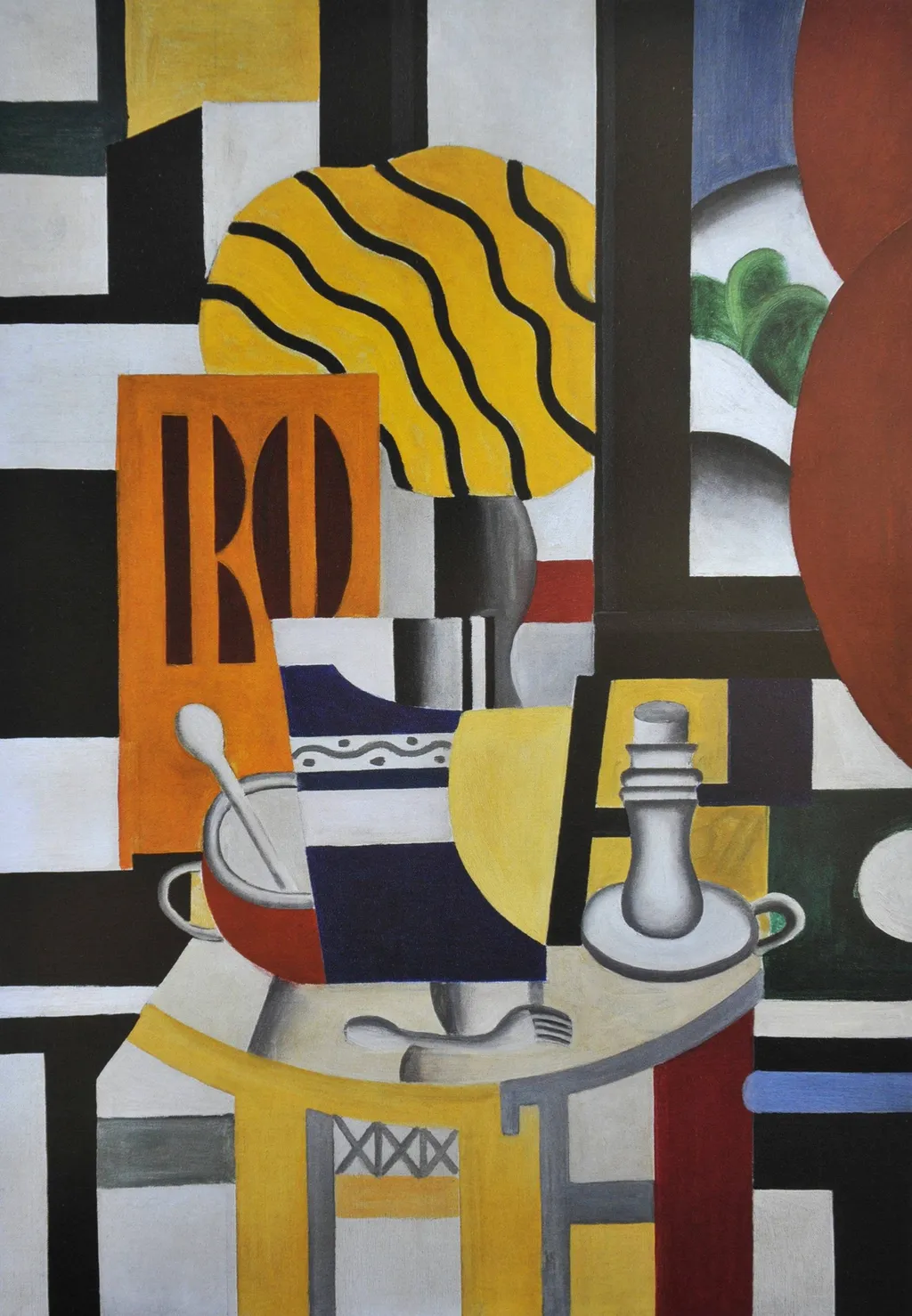
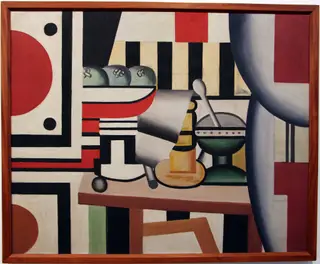
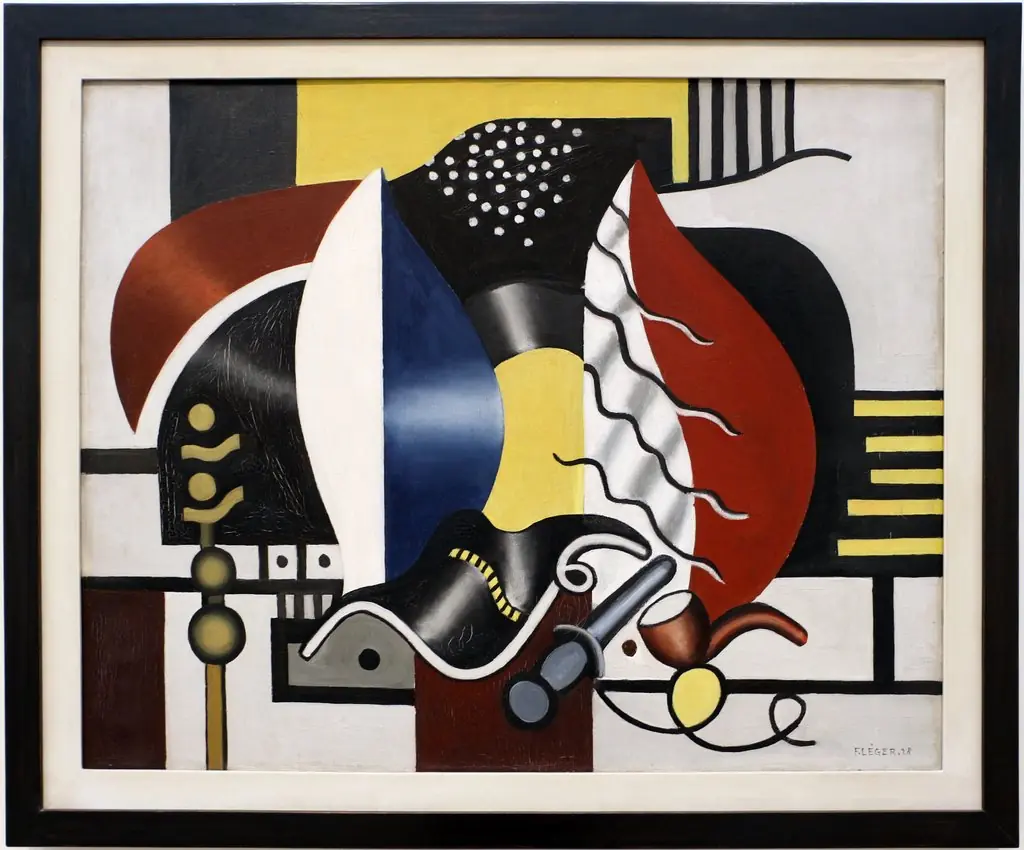
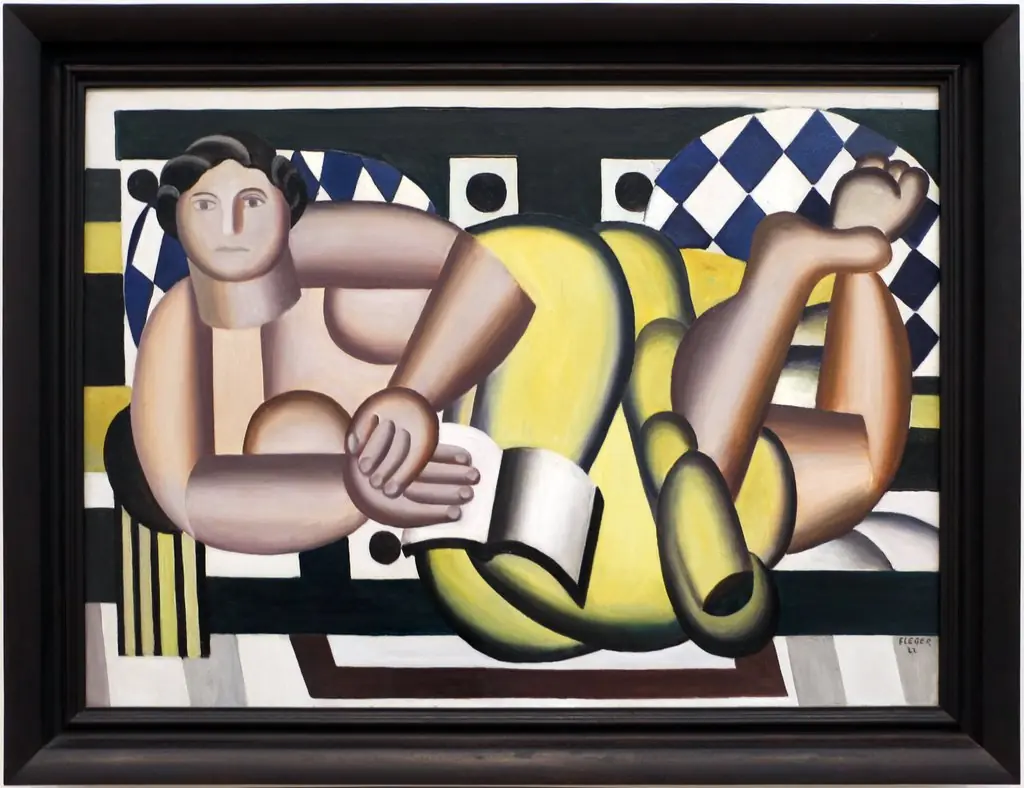
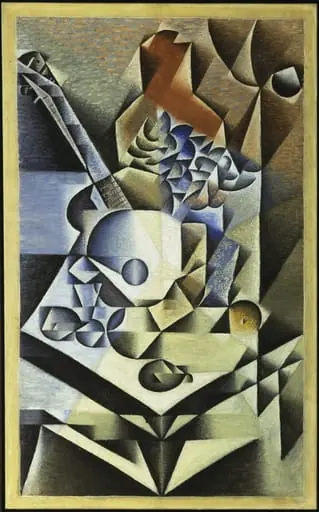
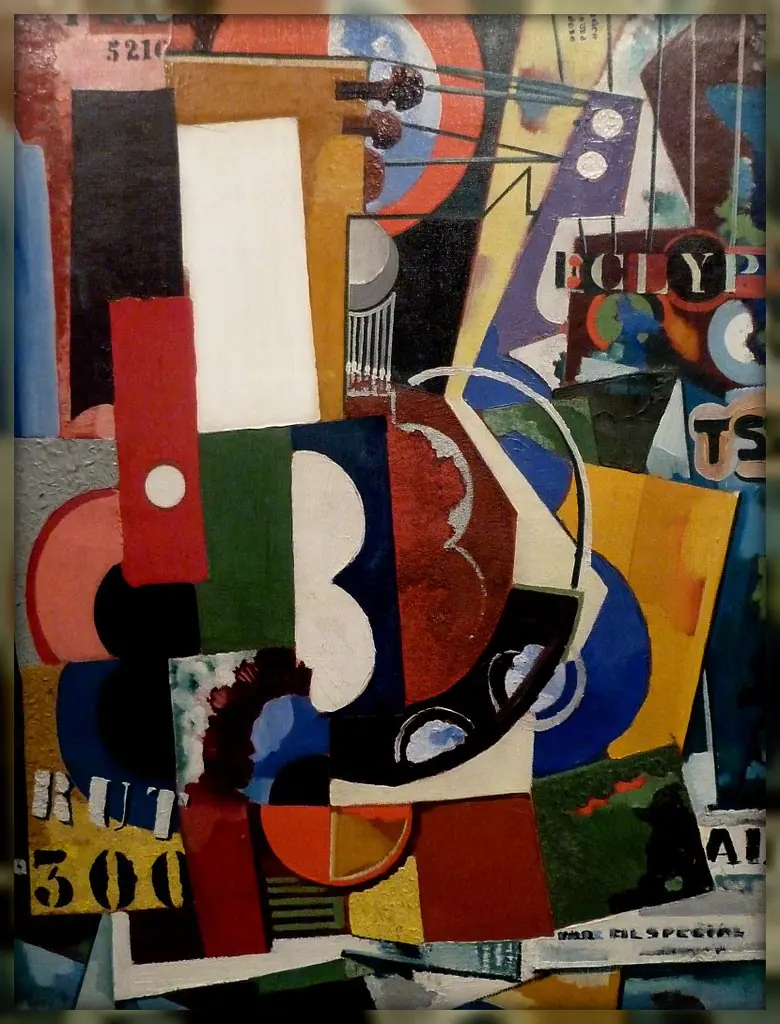
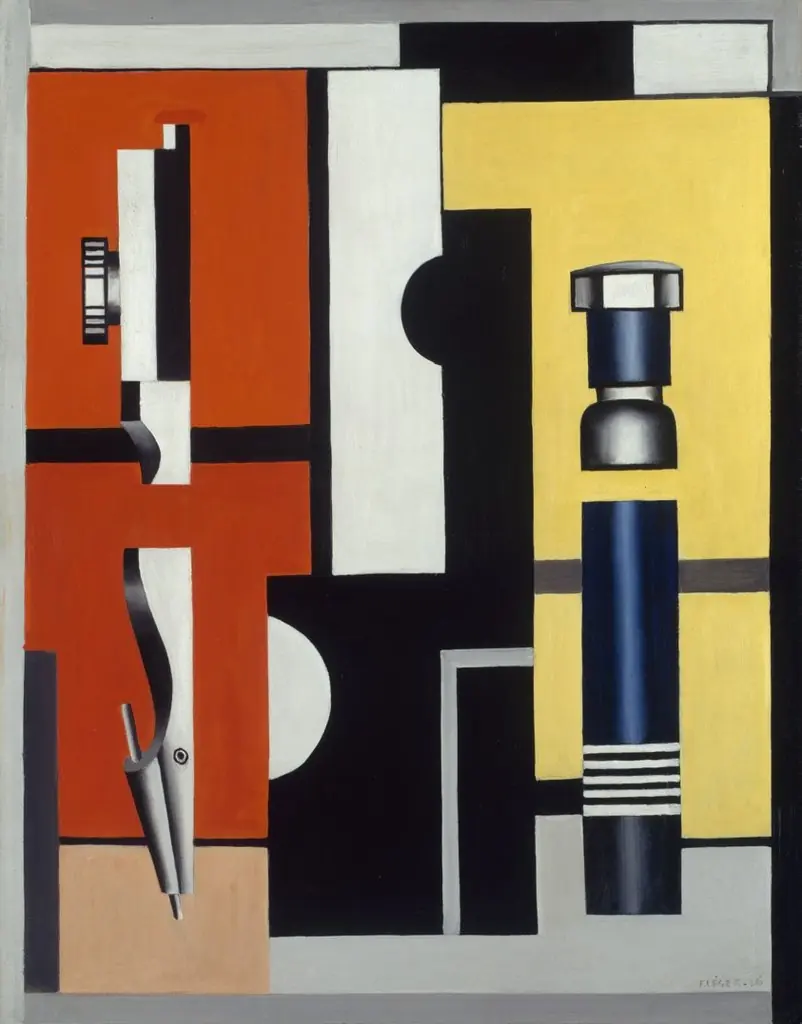
Still Life with Candlestick is an oil painting by the Cubism Synthetic artist Fernand Léger. It dates from 1922 and is held in the collection of the Musée d'art moderne de Paris.
About this work
Overview
It depicts a modest arrangement of domestic objects, candlestick, bowl, plate, and utensils, rendered through abstracted geometric forms.
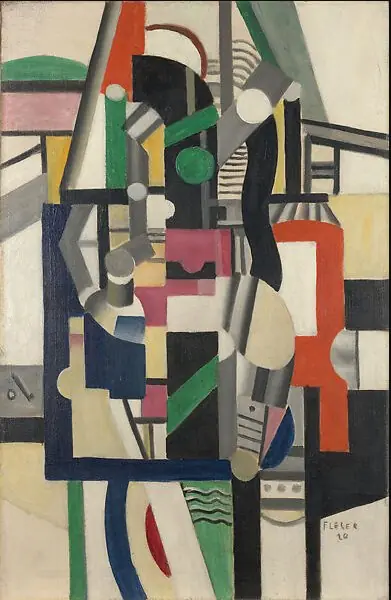
Still Life with Candlestick is a 1922 oil painting by French artist Fernand Léger. It depicts a modest arrangement of domestic objects, candlestick, bowl, plate, and utensils, rendered through abstracted geometric forms. The composition emphasizes flat planes and contrasting colors, characteristic of Léger’s mechanized aesthetic.
The work was part of the Musée d'Art Moderne de la Ville de Paris’s collection until its theft in 2010.
Subject & Meaning
The painting presents everyday items, a yellow candlestick, a red bowl with a spoon, and a plate with a fork, elevated through abstraction. Léger strips these objects of their utilitarian context, reassembling them as interlocking shapes in space. The arrangement suggests a quiet, almost mechanical stillness, reflecting his interest in modern life’s rhythm and structure rather than sentimental symbolism.
Technique & Style
Léger employs bold, flat areas of color, yellow, red, black, white, and brown, to define form and space. Objects appear suspended against a fragmented background of angular planes, creating a sense of depth without traditional perspective. The brushwork is deliberate and precise, with clean edges and minimal texture, aligning with his broader move toward a machine-age visual language in the early 1920s.
History & Provenance
The painting was stolen on May 20, 2010, from the Musée d'Art Moderne de la Ville de Paris, along with four other works by Picasso, Matisse, Braque, and Modigliani. The thief, later identified as Vjeran Tomic, entered through a broken window, removed the canvases from their frames, and fled. Despite extensive investigation, the painting remains missing as of 2024.
Context
Created in 1922, the work emerged during Léger’s postwar shift toward clarity and order after the dynamism of his earlier Cubist phase. It reflects his engagement with modern industrial aesthetics and the redefinition of still life through abstraction. The painting aligns with contemporaneous efforts by artists to reconcile representation with formal innovation in a rapidly changing world.
Legacy
Though the painting has not been recovered, its absence has underscored vulnerabilities in museum security for modernist collections. It remains a key example of Léger’s mature style and continues to be referenced in scholarly discussions on the intersection of still life, abstraction, and modernity. Its loss has prompted renewed attention to the protection of 20th-century artworks in public institutions.
Own this work as a print
Artist & collection
Artist
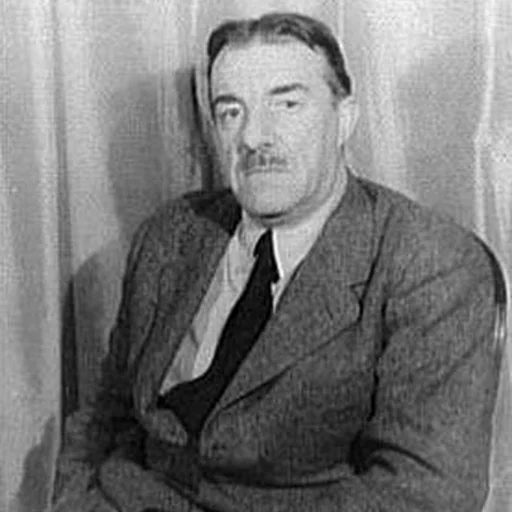
Joseph Fernand Henri Léger was a French painter, sculptor, and filmmaker. In his early works he created a personal form of cubism which he gradually modified into a more figurative, populist style. His boldly simplified…