Artwork
Saint Justa and Saint Rufina
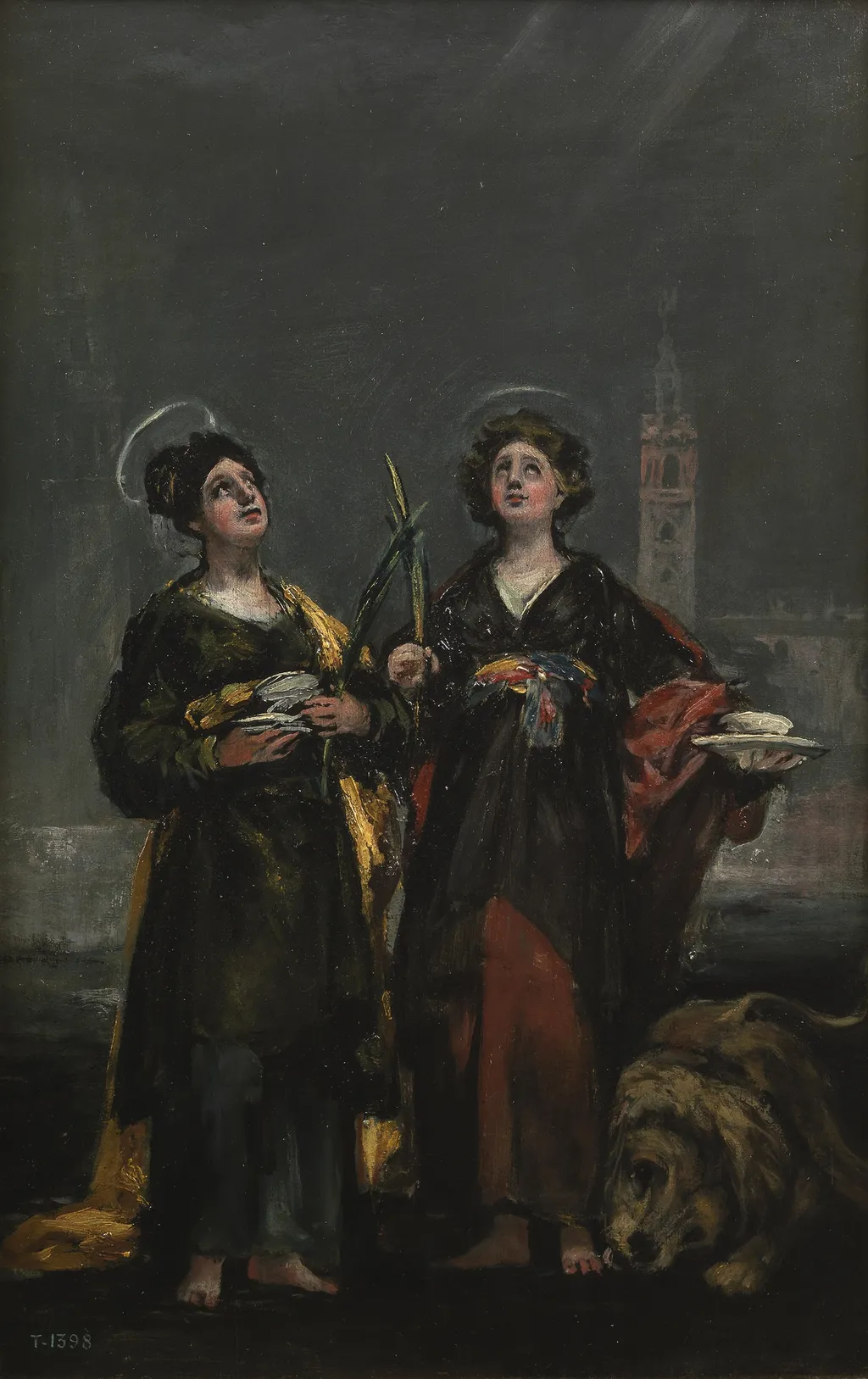
Saint Justa and Saint Rufina is an oil painting by Francisco de Goya. It dates from 1817 and is held in the collection of the Museo del Prado.
About this work
Overview
Painted in 1817 by Francisco Goya, this oil work portrays the Christian martyrs Saint Justa and Saint Rufina. It was created during a period when Goya was engaged with religious themes, following years of political and personal upheaval. The painting is part of the permanent collection at the Museo del Prado in Madrid, where it remains one of his lesser-known devotional works.
Subject & Meaning
The two saints, traditionally associated with Seville, are depicted as steadfast figures who endured persecution for their faith.
The two saints, traditionally associated with Seville, are depicted as steadfast figures who endured persecution for their faith. Their presence alongside a tranquil lion references their legendary ability to tame wild beasts through divine grace. The palm fronds signify martyrdom, while the plates they hold allude to their role as potters and providers. The somber expressions and upright stances reflect quiet resolve rather than dramatic suffering.
Technique & Style
Goya employed thick, layered oil paint to render the dark, earth-toned robes with subtle gold highlights, creating a sense of texture and weight. The background recedes into a muted, indistinct cityscape, focusing attention on the figures. The lion’s calm posture contrasts with its symbolic ferocity, achieved through soft modeling and minimal detail. The composition is restrained, avoiding theatricality in favor of psychological gravity.
History & Provenance
Commissioned for a religious context, likely for a chapel or private devotion, the painting entered the Prado’s collection in the 19th century. It was not widely exhibited during Goya’s lifetime and remained relatively obscure until later scholarly attention. Its survival through periods of church dissolution and political change in Spain underscores its endurance as a private devotional object.
Context
Created after Goya’s exposure to the horrors of war and the Inquisition, this work reflects a return to spiritual subjects, though without the fervor of earlier Baroque traditions. The muted palette and subdued emotion align with his late style, marked by introspection and a departure from idealized forms. The saints’ quiet dignity may mirror Goya’s own search for stability amid societal collapse.
Legacy
Though not among Goya’s most celebrated works, the painting offers insight into his evolving relationship with faith and tradition. It stands as an example of how religious iconography was reinterpreted in the early 19th century through a lens of personal and historical disillusionment. Its quiet power continues to inform studies of Spanish religious art beyond the Baroque era.
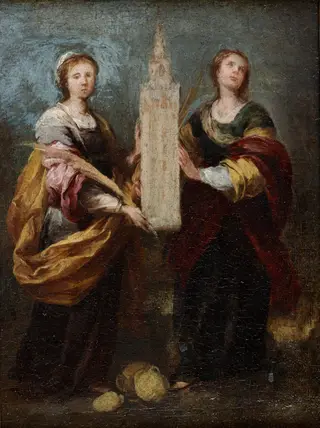
Own this work as a print
Artist & collection
Artist
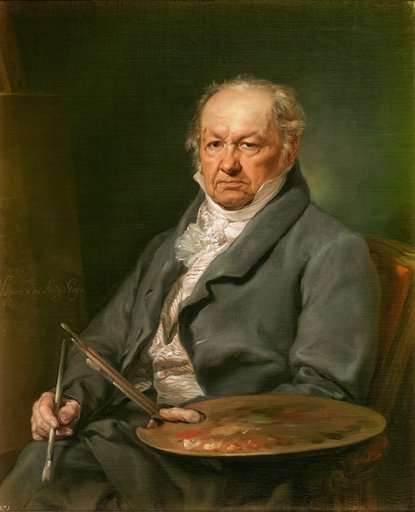
Francisco José de Goya y Lucientes was a Spanish romantic painter and printmaker.

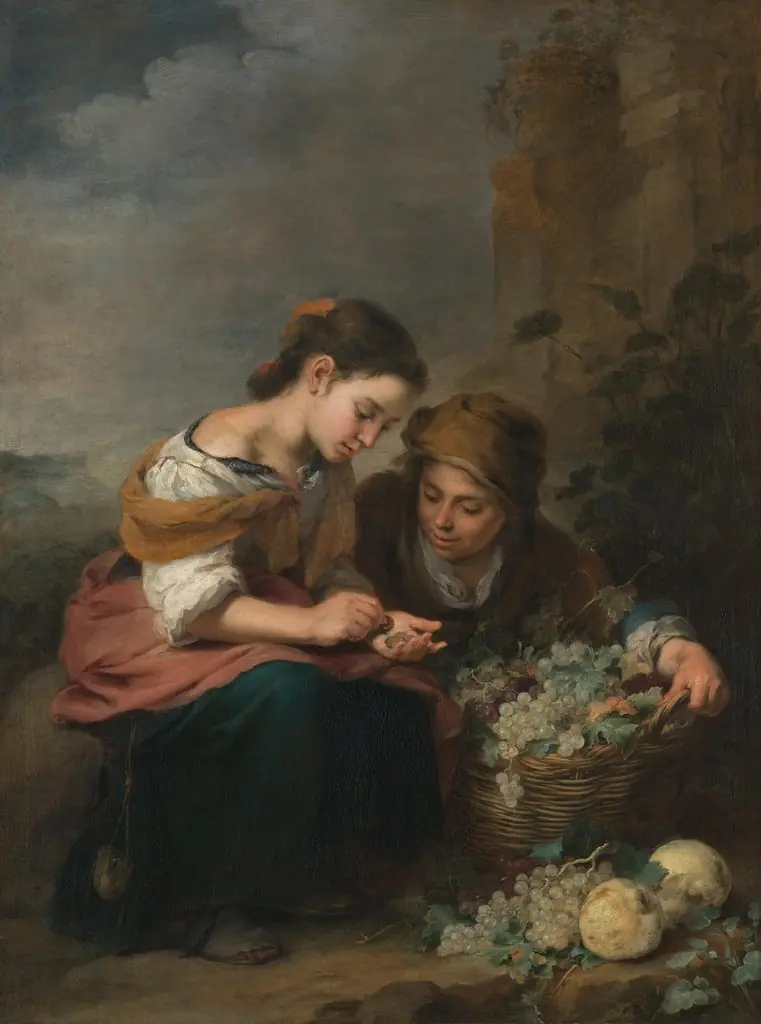 The Little Fruit Seller
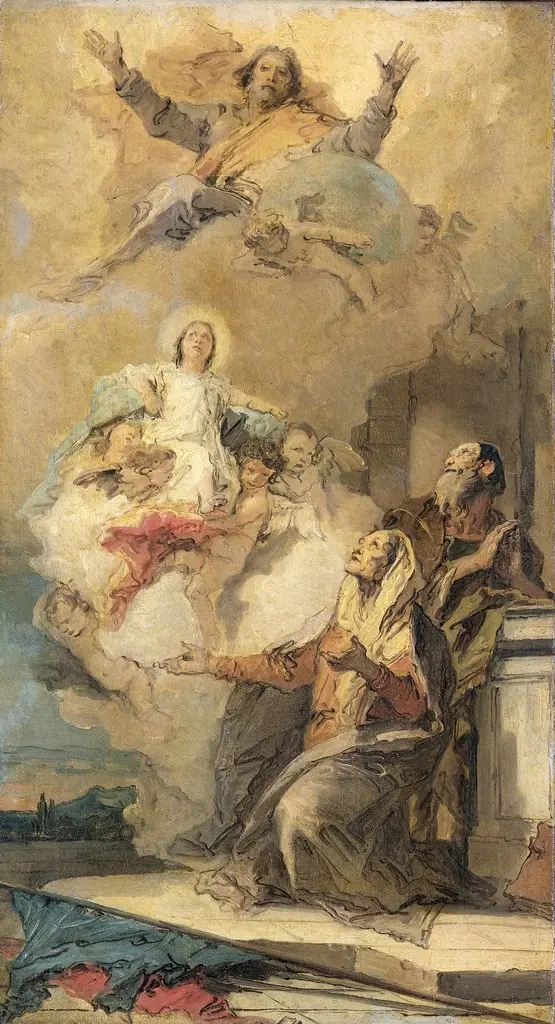 The Immaculate Conception (Joachim en Anna receiving the Virgin Mary from God the Father)
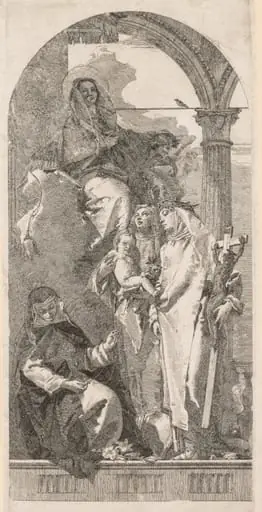 Madonna with Saints Agnes, Catherine and Rosa
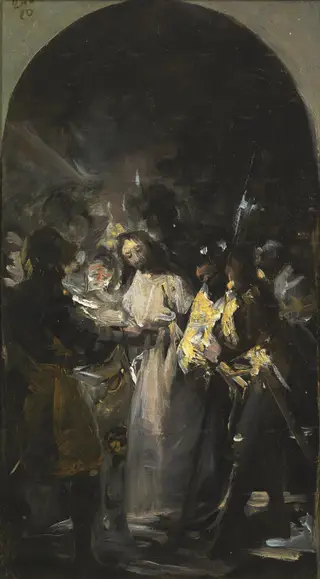 The arrest of Christ
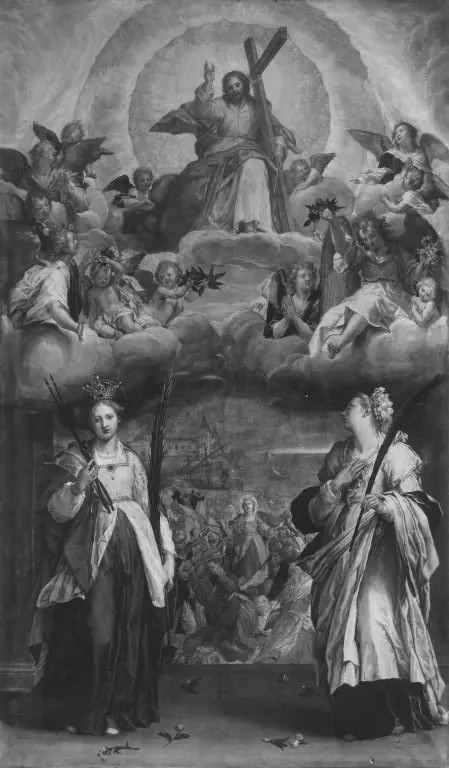 Die hll. Ursula und Cordula
 Saint Margaret of Cortona
 The Annunciation of the Virgin's Death
 Santa Inés
 The Annunciation
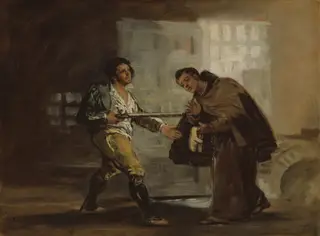 Friar Pedro Offers Shoes to El Maragato and Prepares to Push Aside His Gun
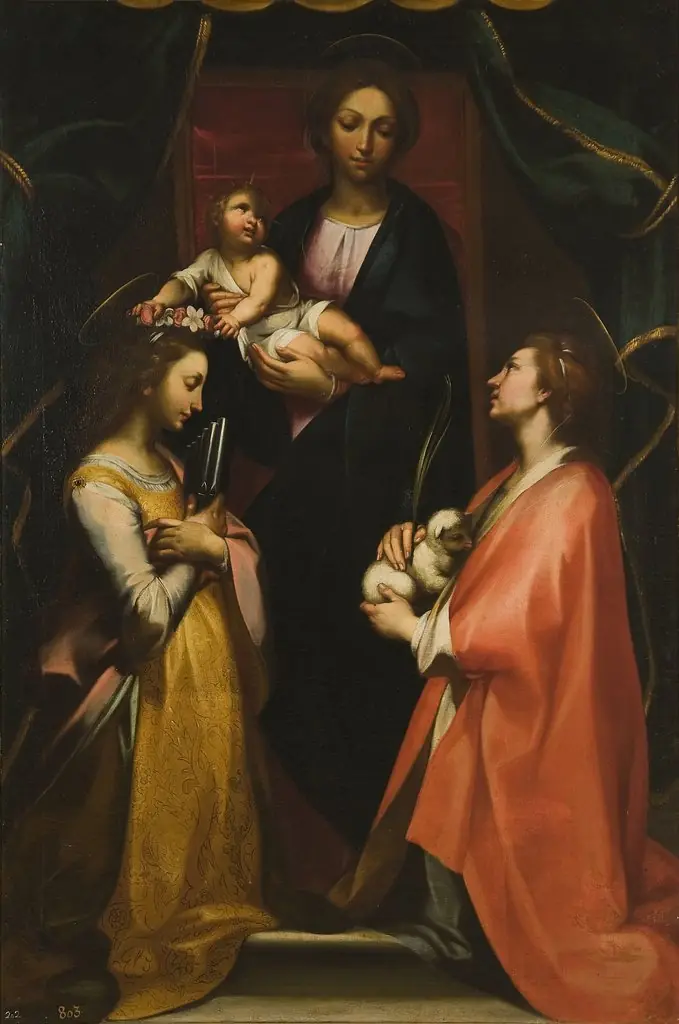 The Virgin and Child with Saints Cecilia and Inez
- St. Justa and St. Rufina