Artwork
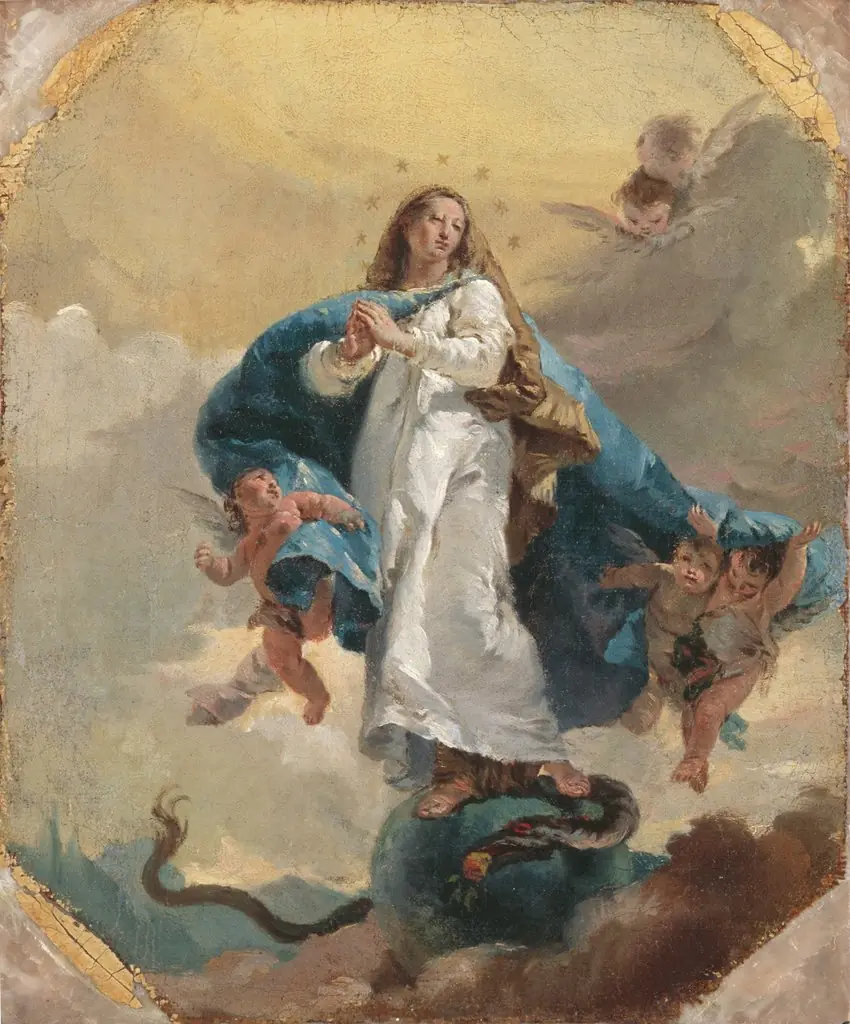
The Immaculate Conception (Joachim en Anna receiving the Virgin Mary from God the Father)
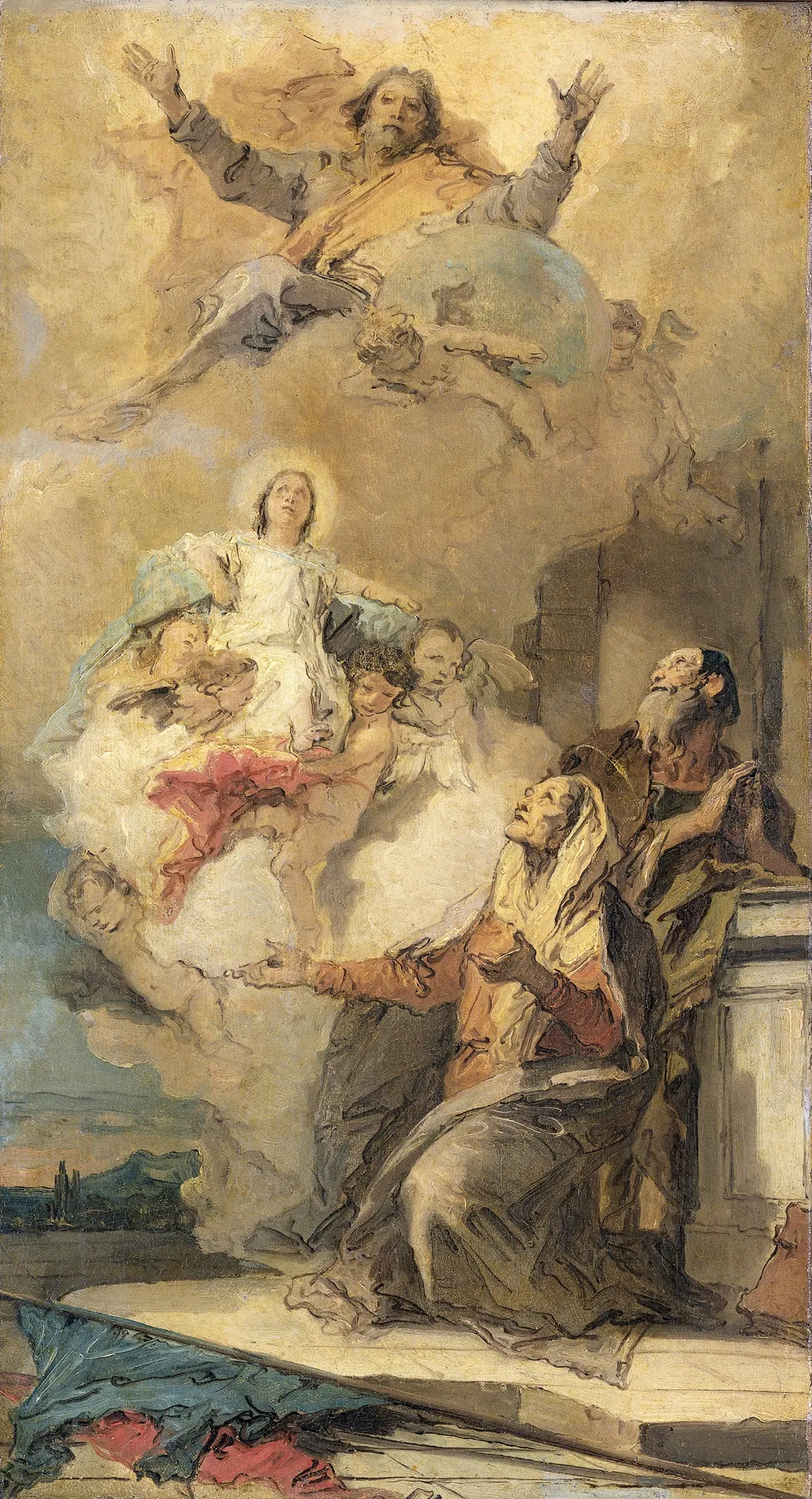
The Immaculate Conception (Joachim en Anna receiving the Virgin Mary from God the Father) is an oil painting by the Rococo painting artist Giovanni Battista Tiepolo. It dates from 1757 and is held in the collection of the Rijksmuseum.
About this work
Subject & Meaning
The painting depicts a specific religious narrative titled The Immaculate Conception, illustrating the moment Joachim and Anna receive the Virgin Mary from God the Father. As a work of religious art created by Giovanni Battista Tiepolo in 1757, the composition belongs to the Rococo movement and uses oil paint on canvas to convey its sacred theme. The subject matter focuses on the divine origin of the Virgin Mary, emphasizing her immaculate conception through the interaction between the holy figures and the deity.
This iconography represents the theological concept of Mary's birth as a direct intervention by God, presented within the stylistic conventions of eighteenth-century religious painting.
Technique & Style
The piece embodies the Rococo movement through its stylistic approach to the subject of the Immaculate Conception.
Executed in 1757, this religious work by Giovanni Battista Tiepolo is an oil painting on canvas. The piece embodies the Rococo movement through its stylistic approach to the subject of the Immaculate Conception. The support measures 49.0 cm in height and 26.0 cm in width.
While the work has been held in various collections including the Rijksmuseum and the Munich Central Collecting Point, specific details regarding its current surface condition, handling history, or technical analysis of the paint application are not provided in the available records.
History & Provenance
Giovanni Battista Tiepolo created the oil painting The Immaculate Conception (Joachim en Anna receiving the Virgin Mary from God the Father) in 1757. Executed on canvas, the work belongs to the Rococo movement and depicts a religious scene. The painting's ownership history includes its presence in the Führermuseum and the Munich Central Collecting Point before entering the collection of the Stichting Nederlands Kunstbezit. It is currently held by the Rijksmuseum.
The painting is held in the Rijksmuseum. It was acquired by the Stichting Nederlands Kunstbezit and later entered the collection of the Führermuseum in Munich before being consolidated under the Rijksmuseum's holdings. The work has been displayed in exhibitions devoted to Tiepolo's religious subjects, including a 1995 retrospective on the artist's devotional paintings.
Context
Giovanni Battista Tiepolo's 1757 oil painting The Immaculate Conception depicting Joachim and Anna receiving the Virgin Mary exemplifies Rococo religious art through its dynamic composition and luminous treatment of divine light. The work's creation during the late 18th century reflects the artist's role in advancing ecclesiastical painting within the broader European artistic tradition, particularly through his mastery of dramatic spatial arrangements and coloristic effects that influenced religious art discourse. Its presence in major collections including the Rijksmuseum and Munich institutions underscores its significance in institutional art historical narratives.
Legacy
The painting’s impact on later religious art is evident in its synthesis of Baroque dynamism with Rococo elegance, influencing subsequent generations of ecclesiastical painters who sought to merge devotional intensity with decorative refinement. Its compositional balance and nuanced treatment of divine light informed the visual language of 19th-century academic altarpieces, particularly in German and Austrian contexts where the work remained on public view through institutional loans. The widespread reproduction of the image in devotional prints further cemented its role as a reference point for Marian iconography, shaping both public and scholarly understandings of the Immaculate Conception during the post-Enlightenment period.
The painting’s preservation within major European collections has ensured continued scholarly attention, with its formal qualities frequently cited in studies of 18th-century devotional art. Its enduring presence in museum displays reflects its status as a canonical example of religious painting, guiding curatorial practices in the presentation of sacred art.
Overview
Giovanni Battista Tiepolo’s oil on canvas, painted in 1757, depicts a celestial encounter titled The Immaculate Conception (Joachim and Anna receiving the Virgin Mary from God the Father). The work belongs to the Rococo period and is part of the Rijksmuseum’s collection in Amsterdam.
Artist & collection

Artist
Giovanni Battista Tiepolo, also known as Giambattista Tiepolo, was an Italian painter and printmaker from the Republic of Venice who painted in the Rococo style, considered an important member of the 18th-century Venetian school.

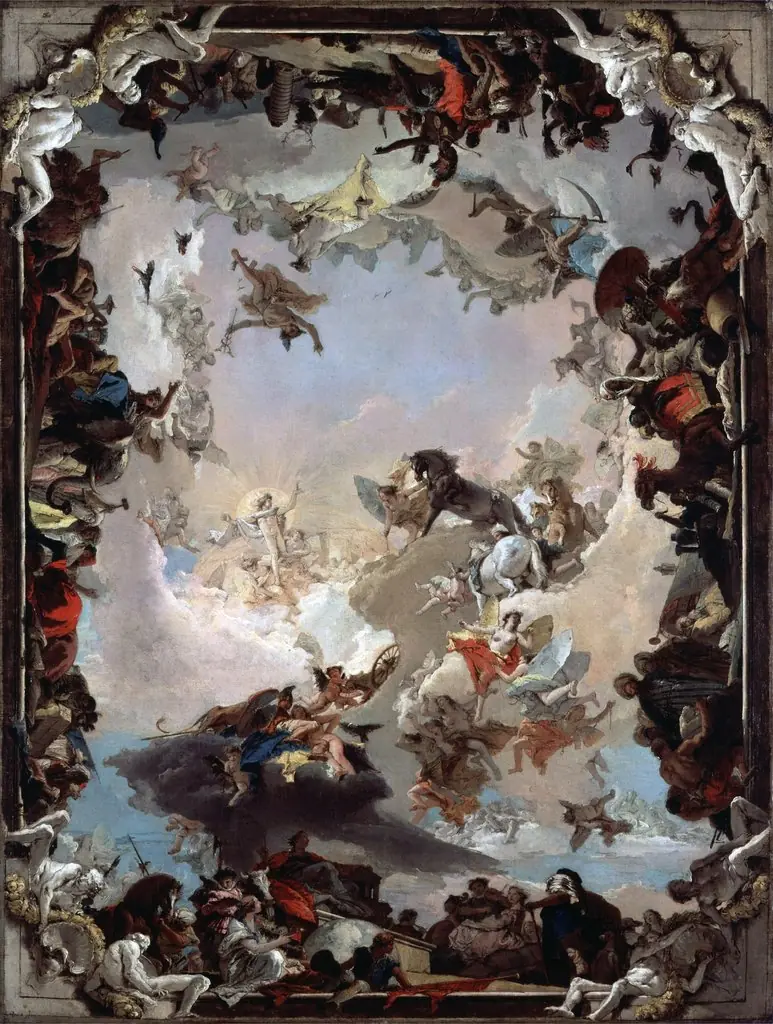
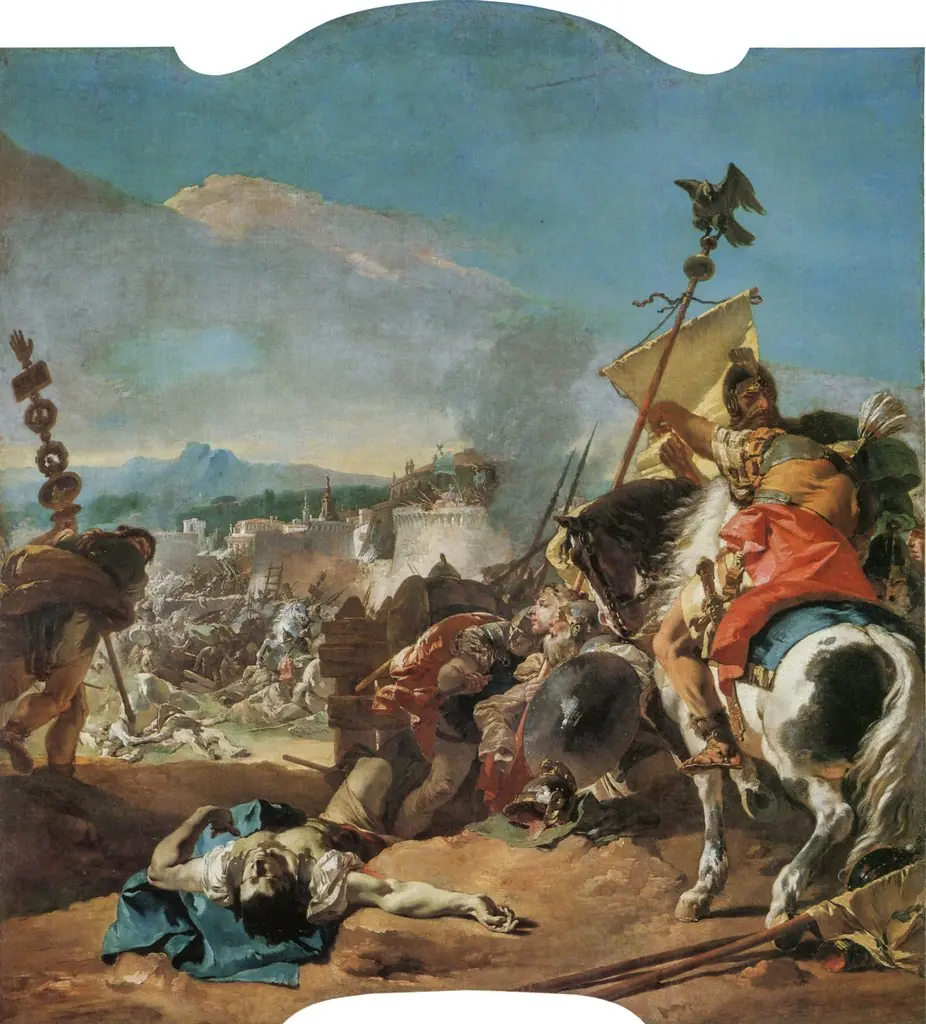
- Allegory of the Immaculate Conception
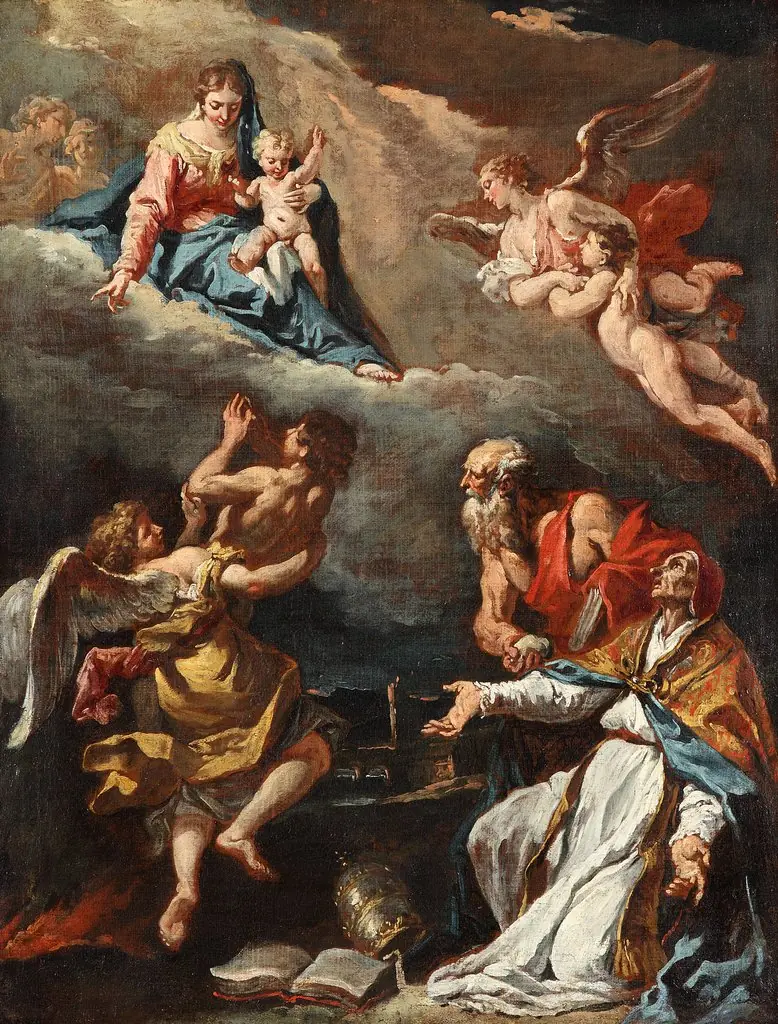 Die Fürbitte des Heiligen Gregor für die Seelen im Fegefeuer
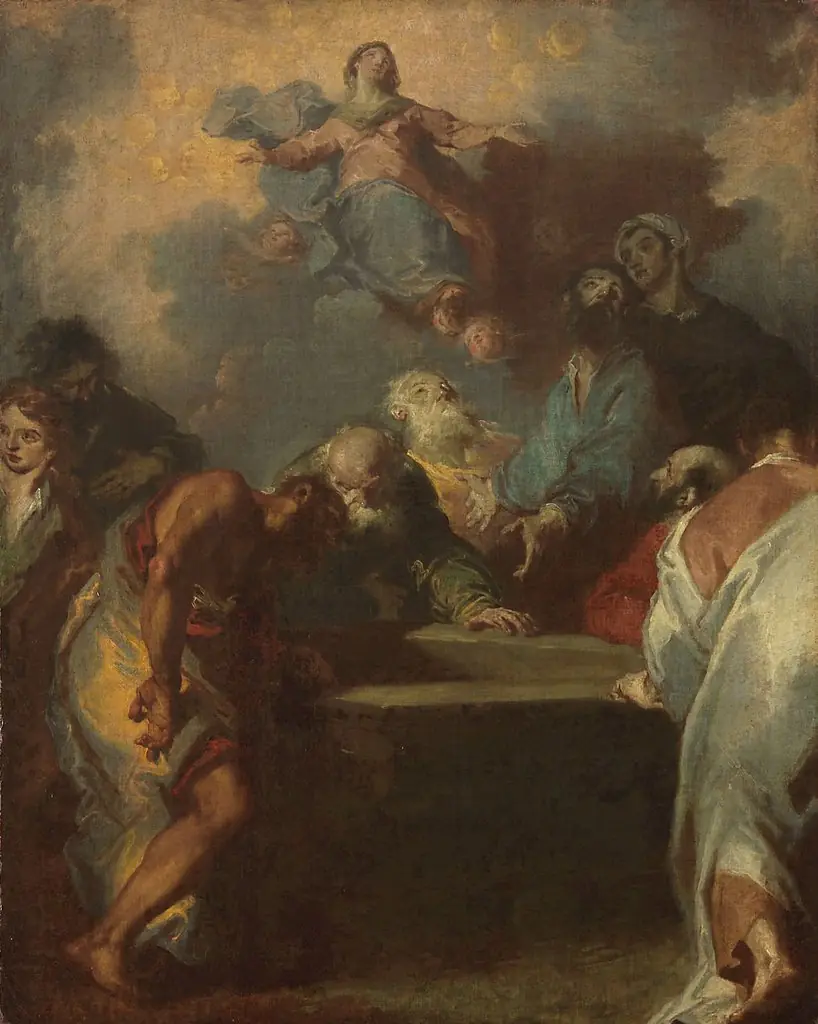 Himmelfahrt Mariae
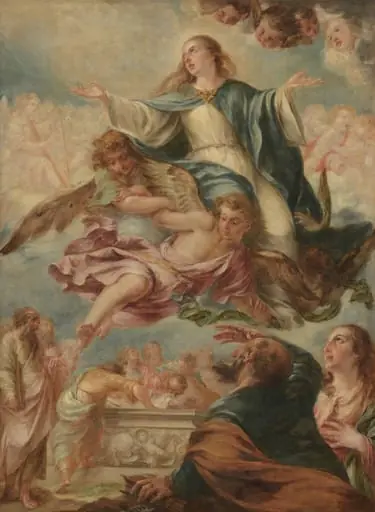 The Assumption of the Virgin
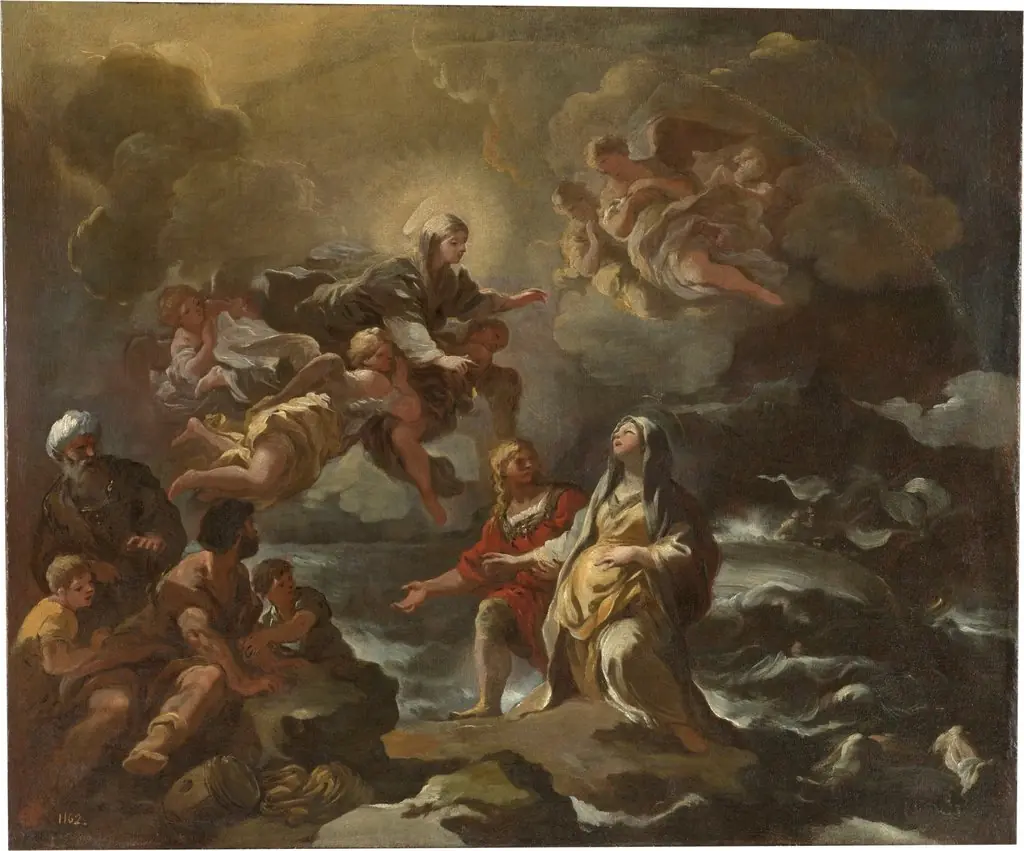 Saint Bridget saved from a shipwreck by the Virgin Mary
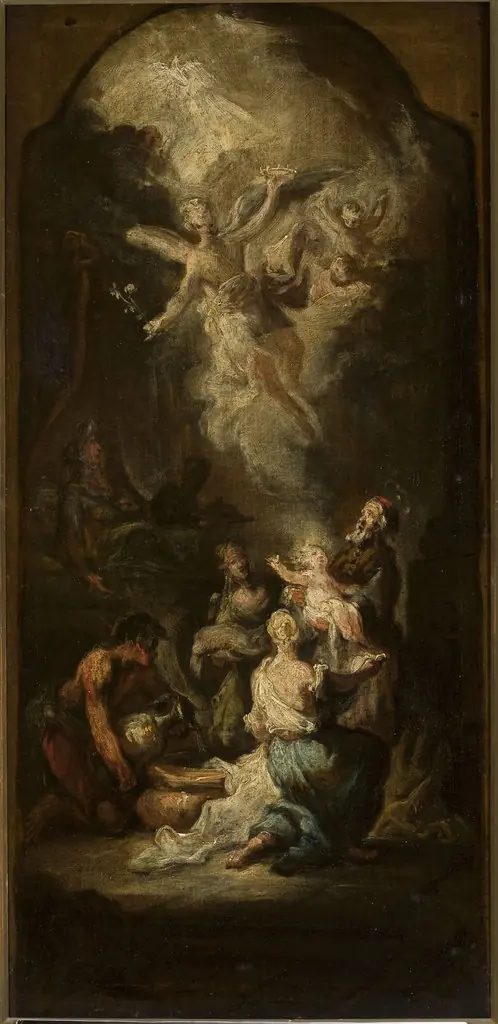 Nativity of St. John
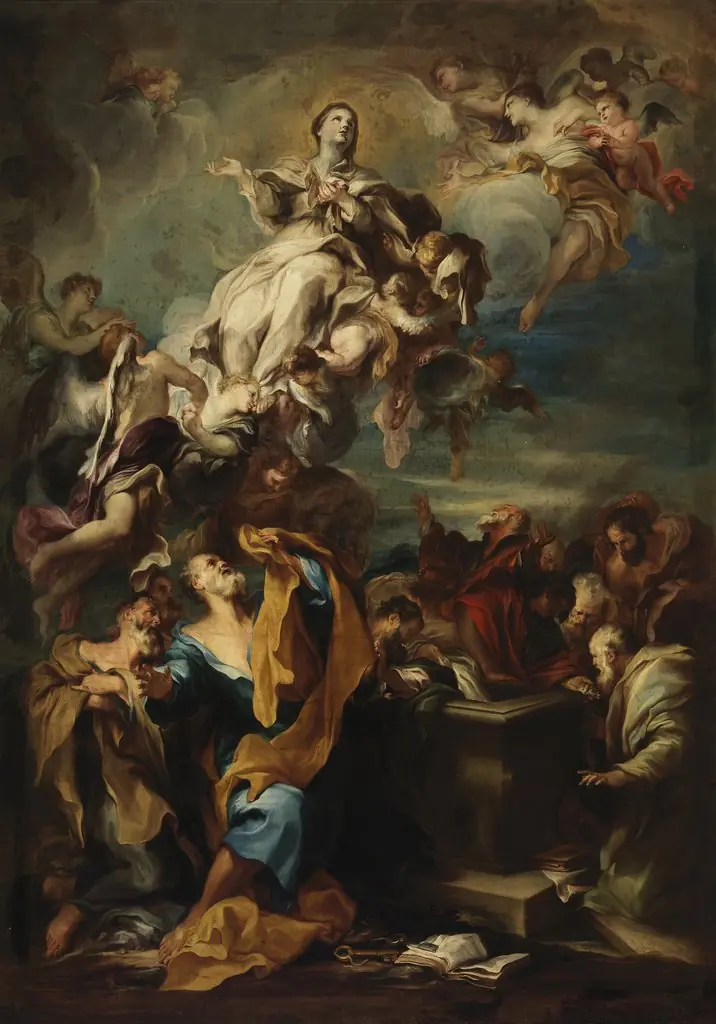 The Assumption of the Virgin
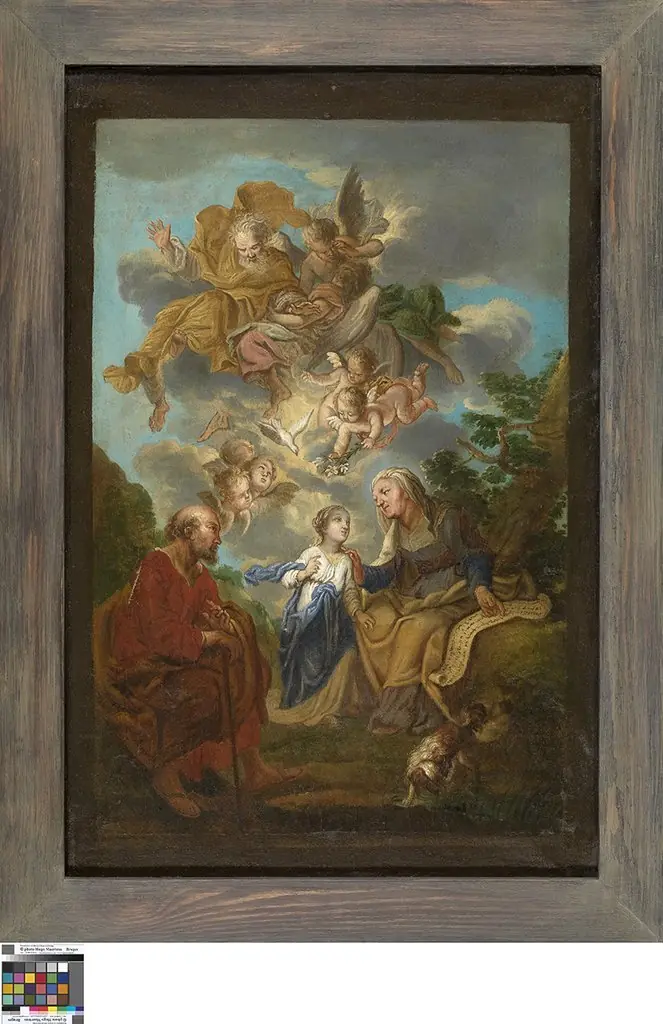 Education of Mary
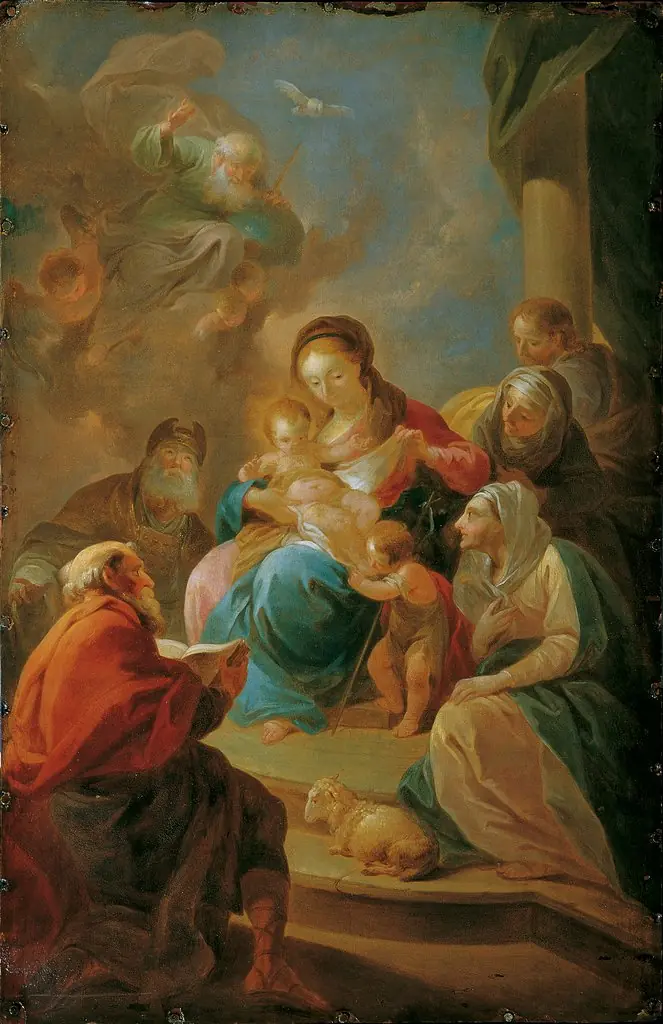 Die Heilige Sippe
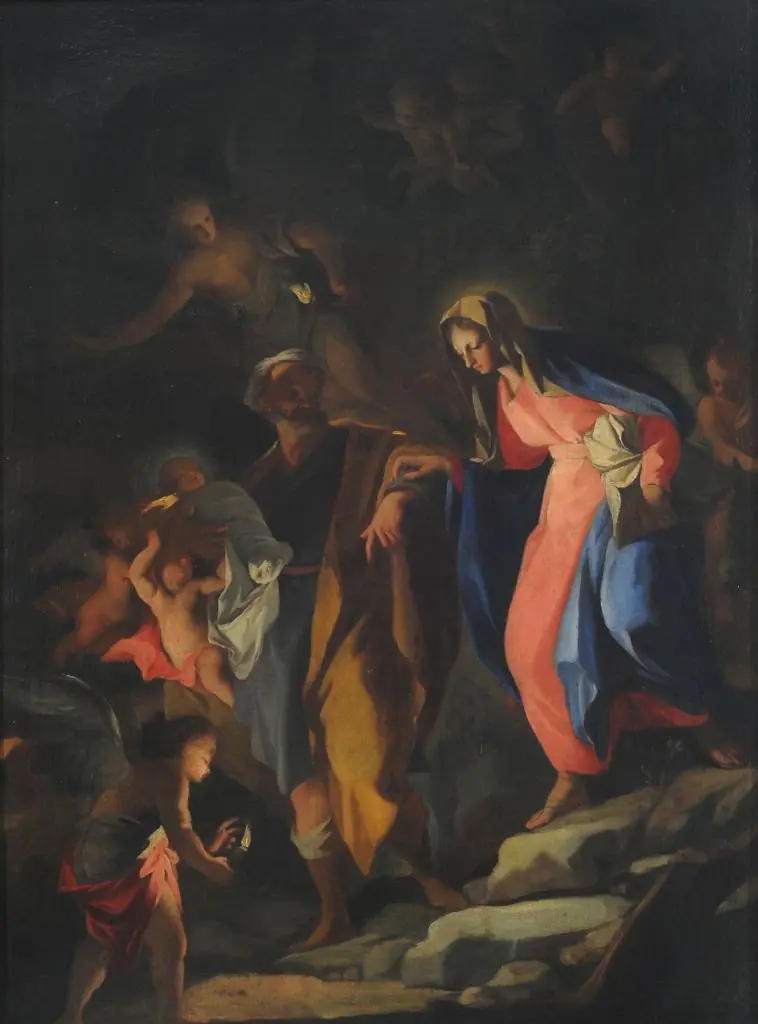 Flight into Egypt
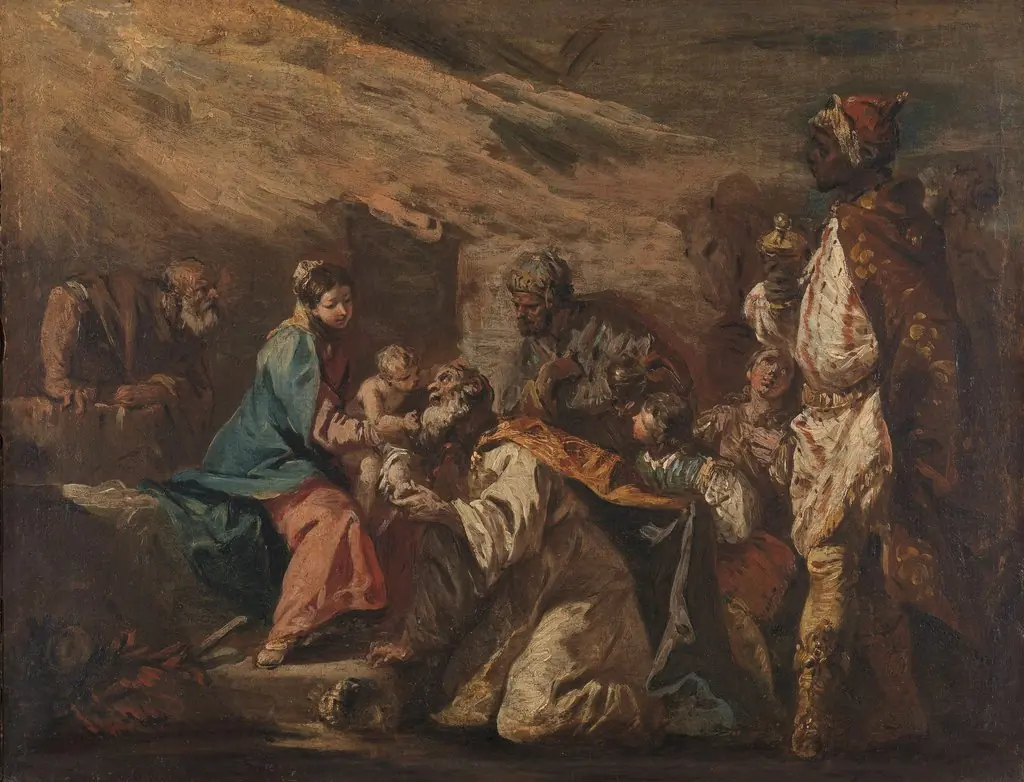 Adoration of the Magi
 The Immaculate Conception