Artwork
St. Justa and St. Rufina
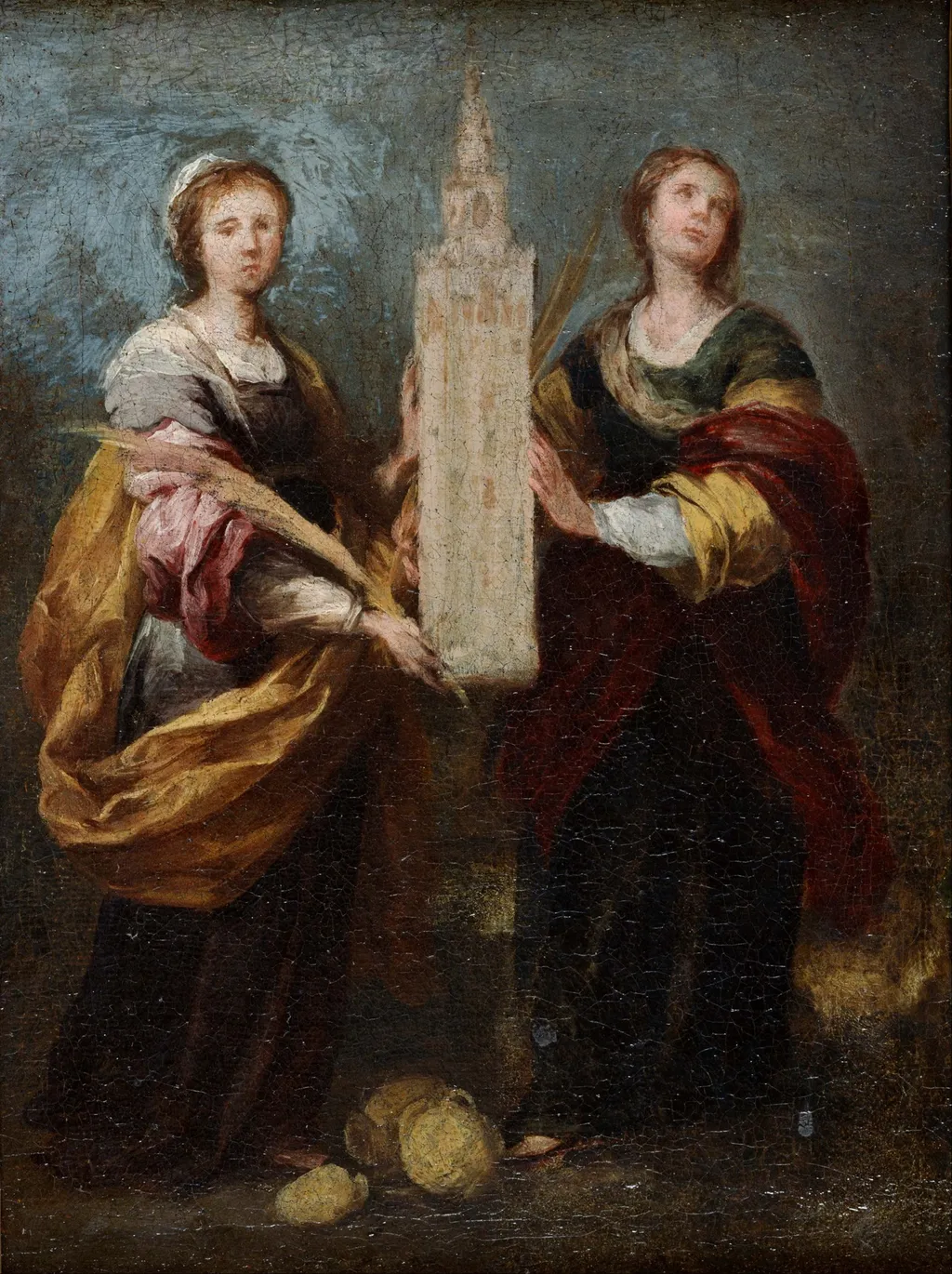
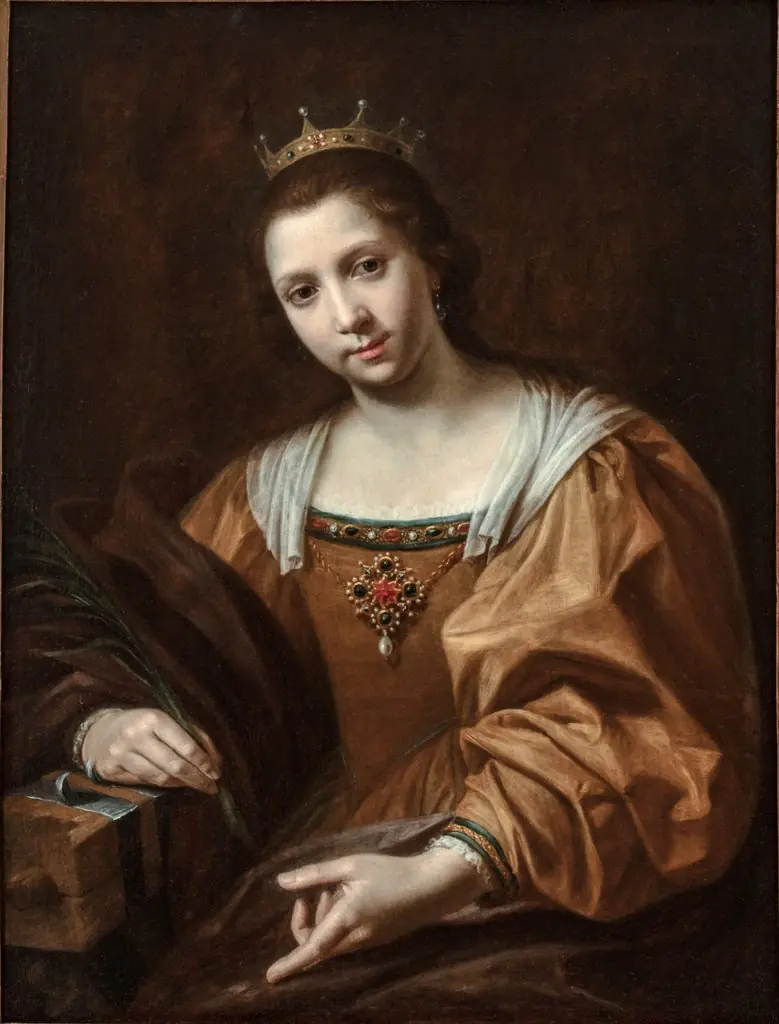
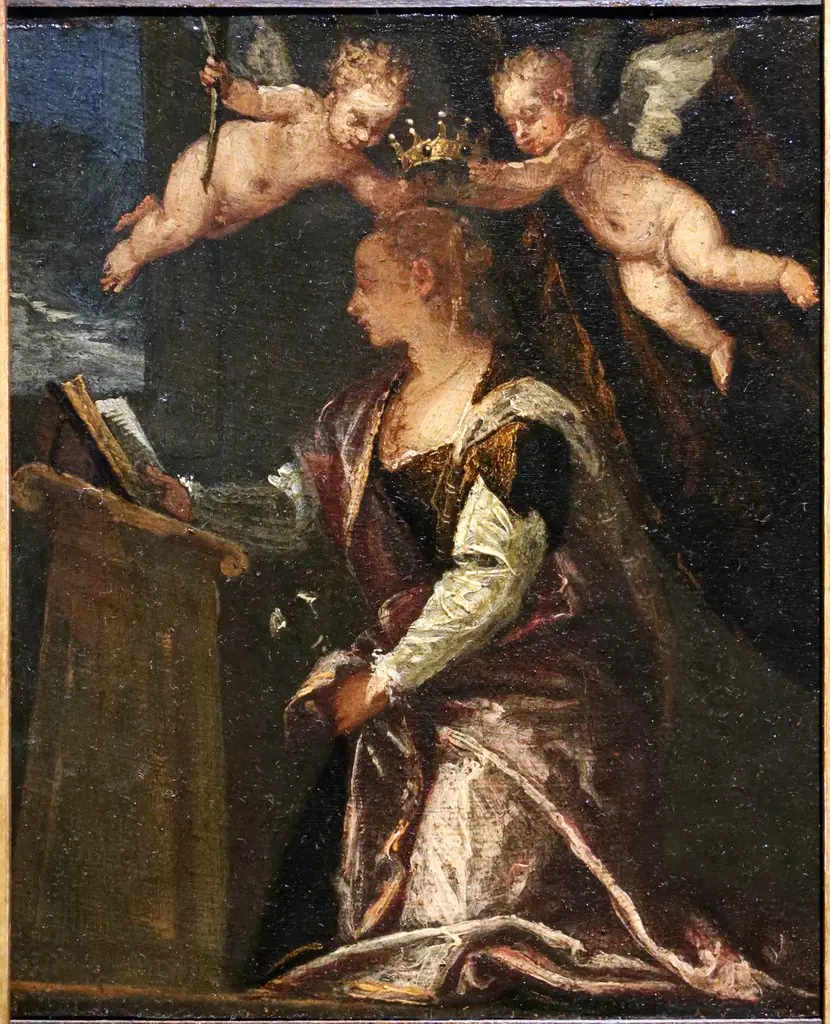
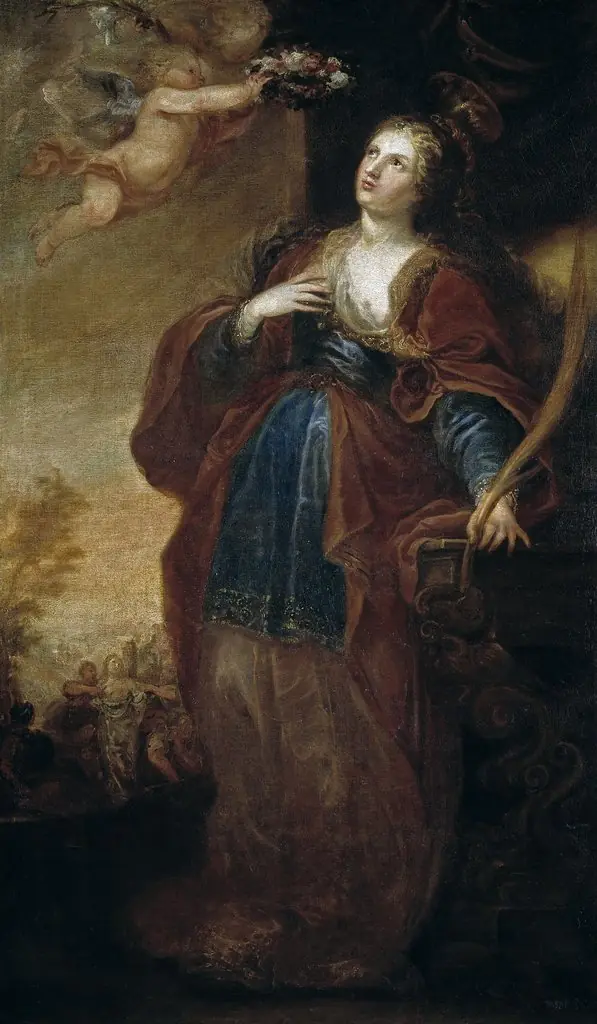
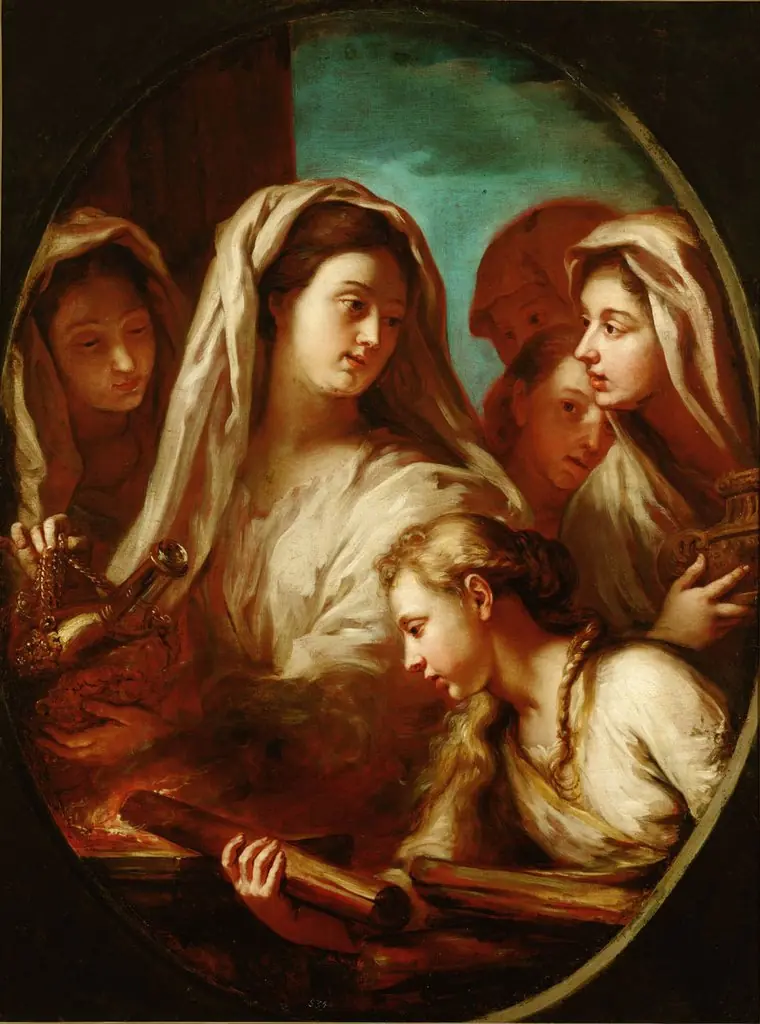
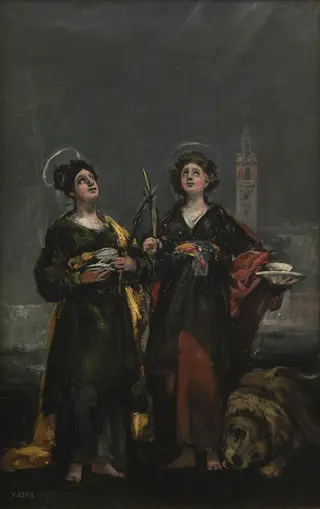
St. Justa and St. Rufina is an oil painting by the Early Baroque Italian artist Bartolomé Esteban Murillo. It dates from 1665 and is held in the collection of the National Museum of Western Art.
About this work
Overview
Painted in 1665 by Spanish artist Bartolomé Esteban Murillo, this oil on canvas depicts the Christian martyrs St. Justa and St. Rufina. The work belongs to the Baroque tradition, characterized by emotional gravity and naturalistic detail. It is held in the National Museum of Western Art, where it represents Murillo’s engagement with religious themes during his mature period in Seville.
Subject & Meaning
Traditionally venerated as potters, their occupation is subtly referenced through the tools they hold, long rods likely symbolizing pottery implements.
The painting portrays two sisters from 3rd-century Seville who were martyred for their faith. Traditionally venerated as potters, their occupation is subtly referenced through the tools they hold, long rods likely symbolizing pottery implements. Their upright posture and restrained gestures convey quiet resolve, emphasizing their spiritual conviction over dramatic suffering, aligning with Counter-Reformation ideals of humble devotion.
Technique & Style
Murillo employs soft modeling and muted tones to render the figures with lifelike presence. The dark gray background isolates the women, focusing attention on their textured garments and the delicate folds of their shawls. Light falls gently across their faces and hands, enhancing the tactile quality of the fabrics and the paper they hold, while avoiding theatrical contrasts typical of earlier Baroque styles.
History & Provenance
Commissioned for a Sevillian religious context, the painting remained in Spain until the 20th century. It entered the National Museum of Western Art’s collection following its acquisition from a private European collection. Its documented history reflects the broader circulation of Spanish religious art in international collections during the modern era.
Context
Murillo painted this during a period when Seville’s churches sought imagery that inspired piety through accessibility. The depiction of female saints engaged in everyday labor resonated with local communities, reinforcing the sanctity of domestic and artisanal life. This work aligns with a trend in Spanish Baroque art that elevated ordinary virtues as expressions of divine grace.
Legacy
Though less widely known than Murillo’s later devotional scenes, this painting exemplifies his early mastery in balancing realism with spiritual restraint. It influenced subsequent portrayals of female saints in Spanish art, particularly in emphasizing dignity over martyrdom. Its preservation in a major international museum underscores its role in shaping perceptions of Spanish Baroque religious painting abroad.
Own this work as a print
Artist & collection
Artist
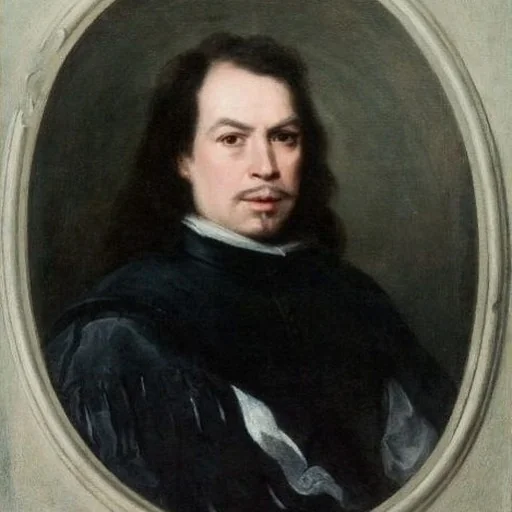
Bartolomé Esteban Murillo ( mure-IL-oh, m(y)uu-REE-oh, Spanish:; late December 1617, baptised 1 January 1618 – 3 April 1682) was a Spanish Baroque painter.