Artwork
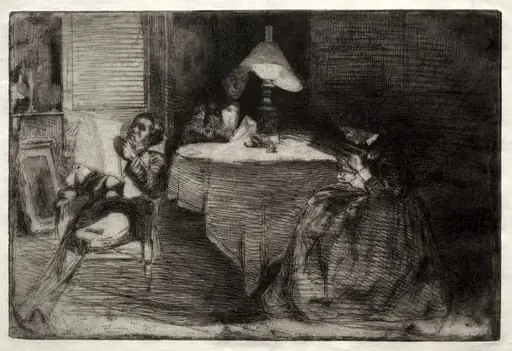
Workman's Kitchen
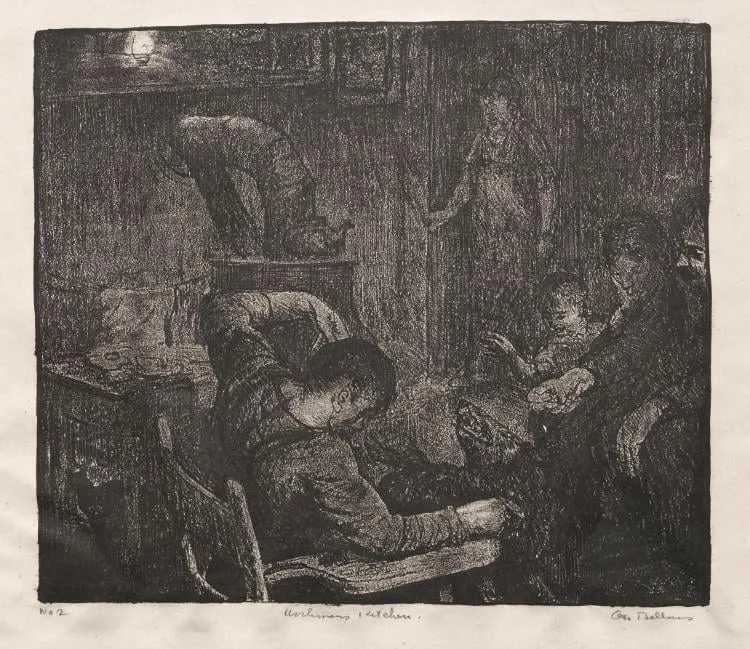
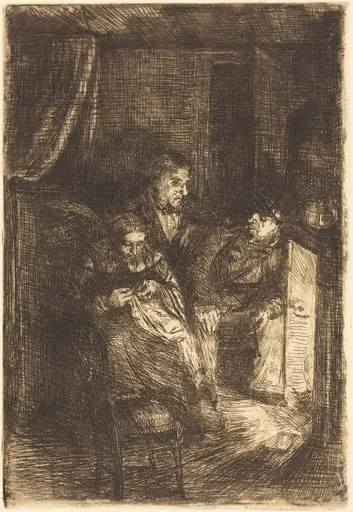
Workman's Kitchen is a print by George Bellows. It dates from 1917 and is held in the collection of the Cleveland Museum of Art.
- Accession no.
- 1937.493
- Credit line
- Gift of Leonard C. Hanna Jr.
About this work
Overview
Workman's Kitchen, a 1917 print by American realist George Bellows, depicts a modest domestic interior. The composition centers on a seated man leaning forward at a table, while a partially hidden woman stands nearby. Dim lighting and warm hues create an intimate atmosphere, inviting viewers into the quiet moment.
Subject & Meaning
The scene presents a working‑class kitchen, emphasizing everyday labor and domestic routine. The man's contemplative posture and the woman's obscured presence suggest personal reflection within a shared, modest space, highlighting the private lives of ordinary people.
Technique & Style
Bellows employs chiaroscuro to model forms and generate depth, using strong contrasts between light and shadow. The warm tonal palette enhances the sense of coziness, while the print’s line work conveys texture in the furnishings and figures.
History & Provenance
Created during Bellows’s mature period, the work entered the collection of the Cleveland Museum of Art, where it remains on view. Its acquisition reflects the museum’s focus on early 20th‑century American realism.
Context
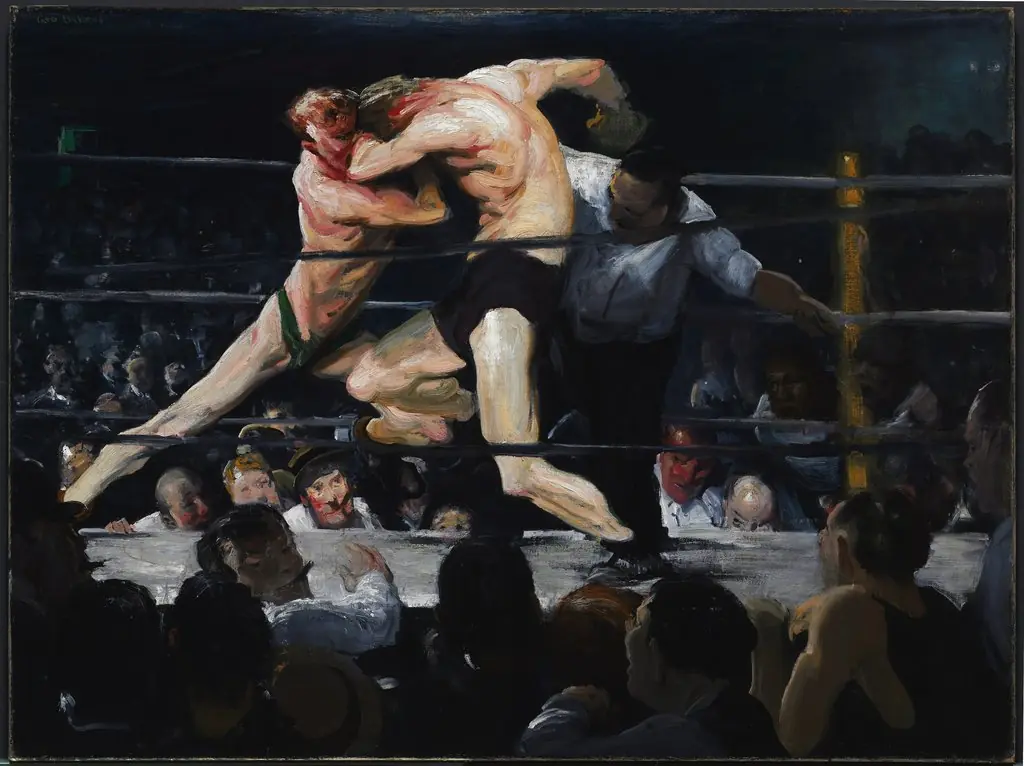
Bellows is best known for his vigorous portrayals of New York’s urban life; this piece extends his interest to the domestic sphere of laborers. The work aligns with the broader realist movement’s concern for depicting the conditions of everyday Americans.
Artist & collection
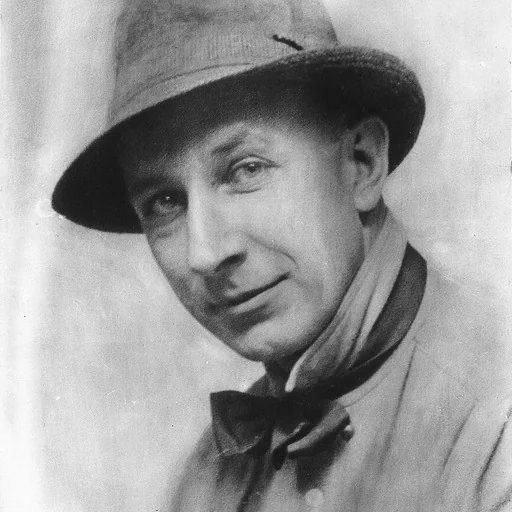
Artist
George Wesley Bellows (August 12 or August 19, 1882 – January 8, 1925) was an American realist painter, known for his bold depictions of urban life in New York City.