Artwork
Ecce Homo
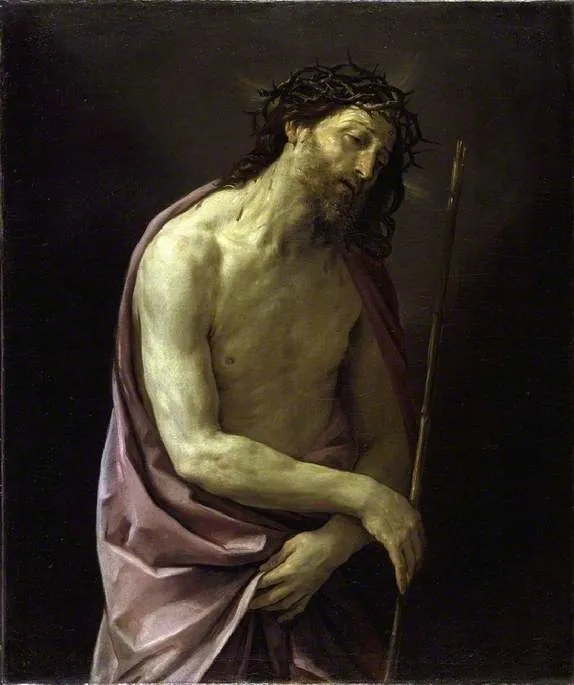
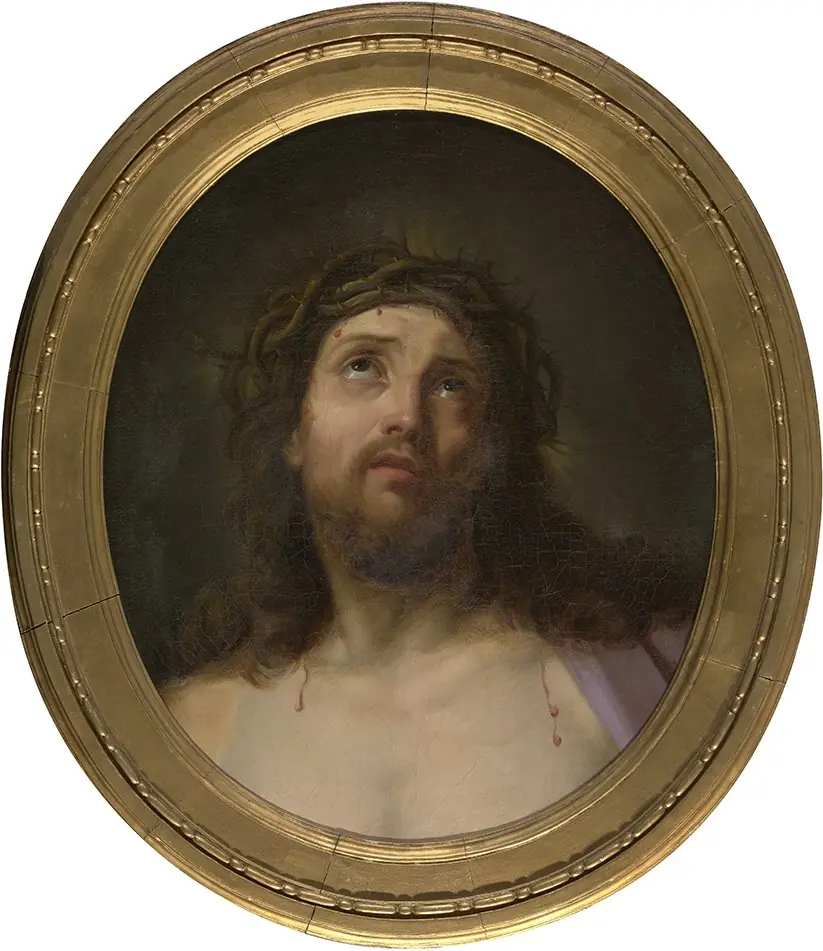
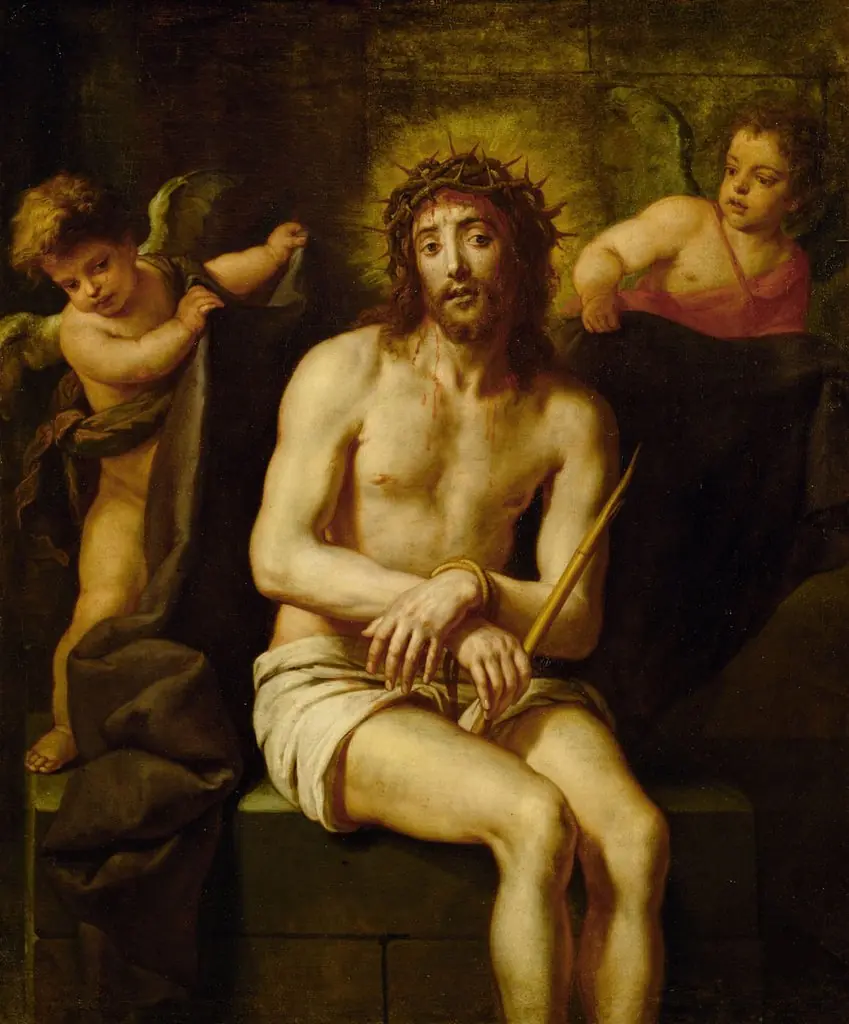
Ecce Homo is an oil painting by the Early Baroque Italian artist Guido Reni. It dates from 1639 and is held in the collection of the Fitzwilliam Museum.
About this work
Overview
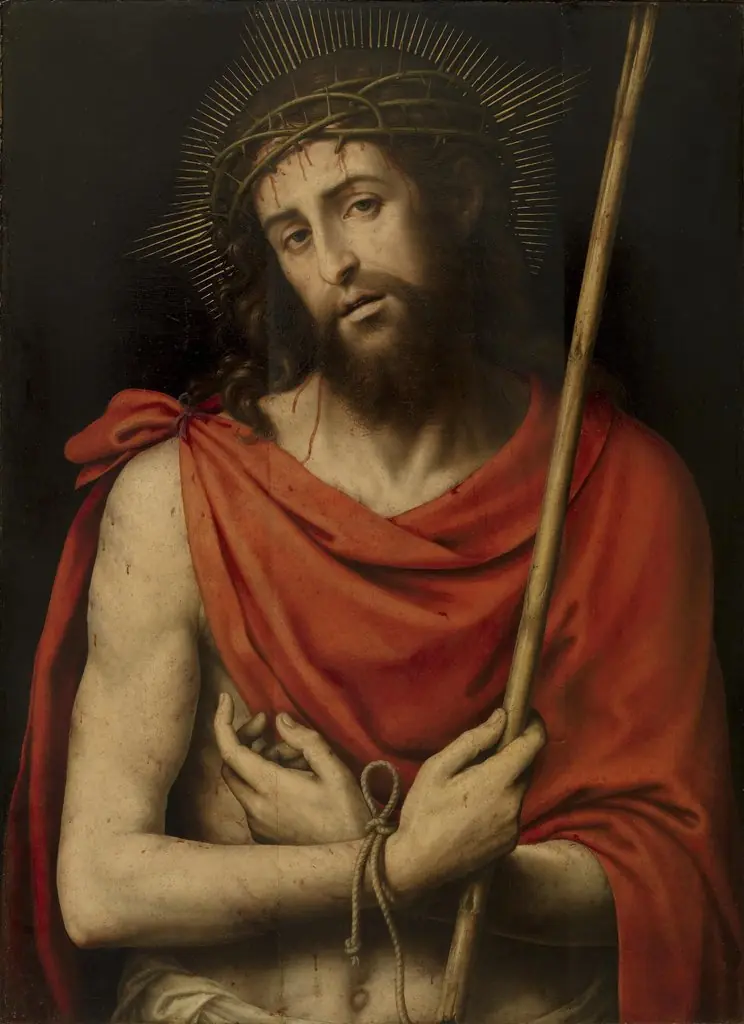
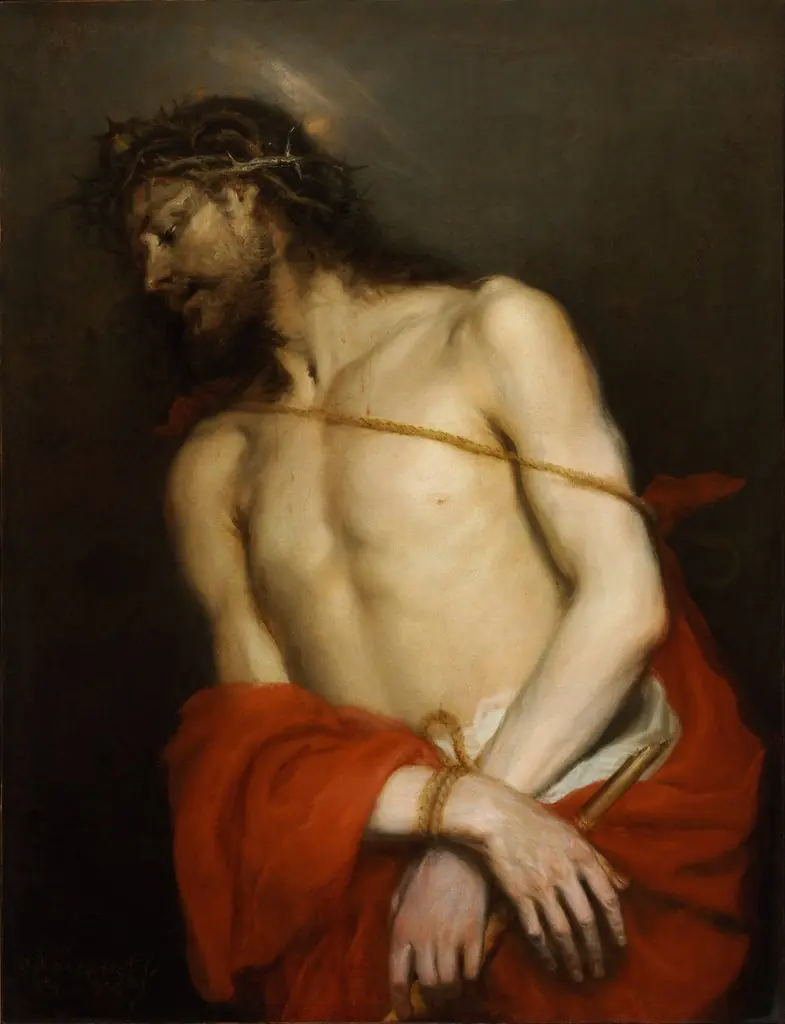
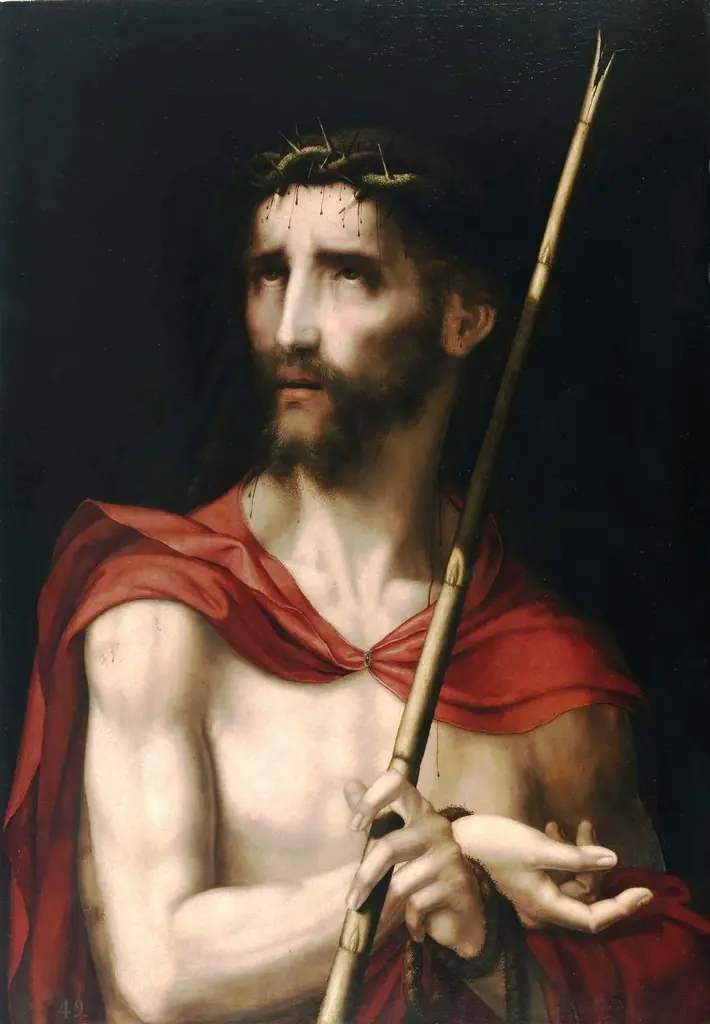
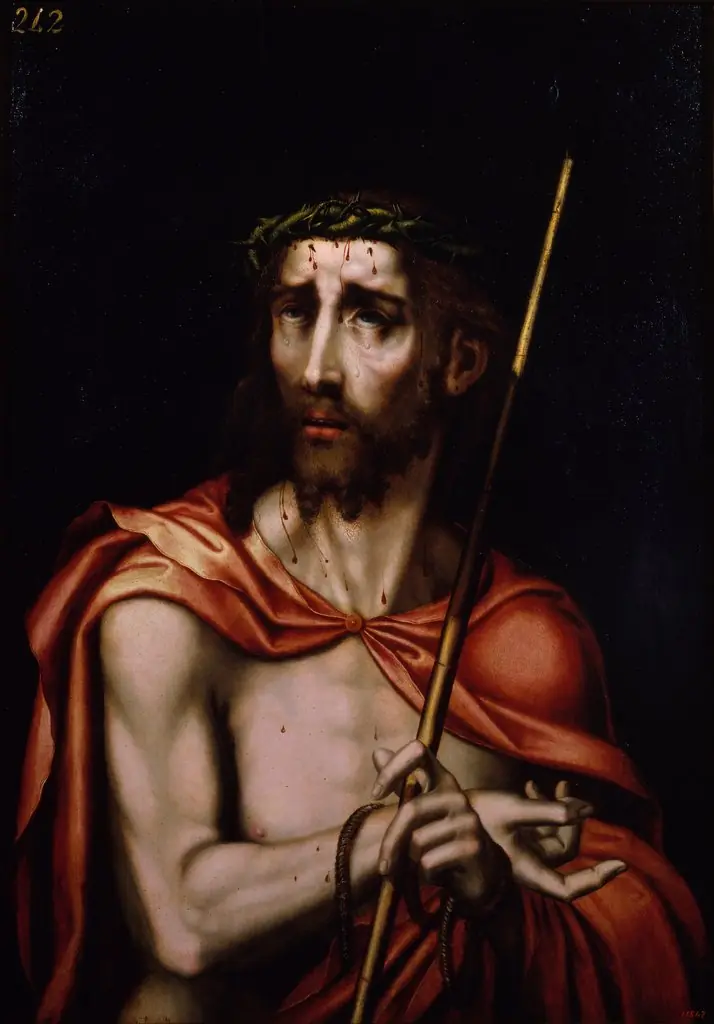
Guido Reni's 'Ecce Homo', executed in 1639, is a late Baroque religious painting depicting Christ immediately prior to his crucifixion.
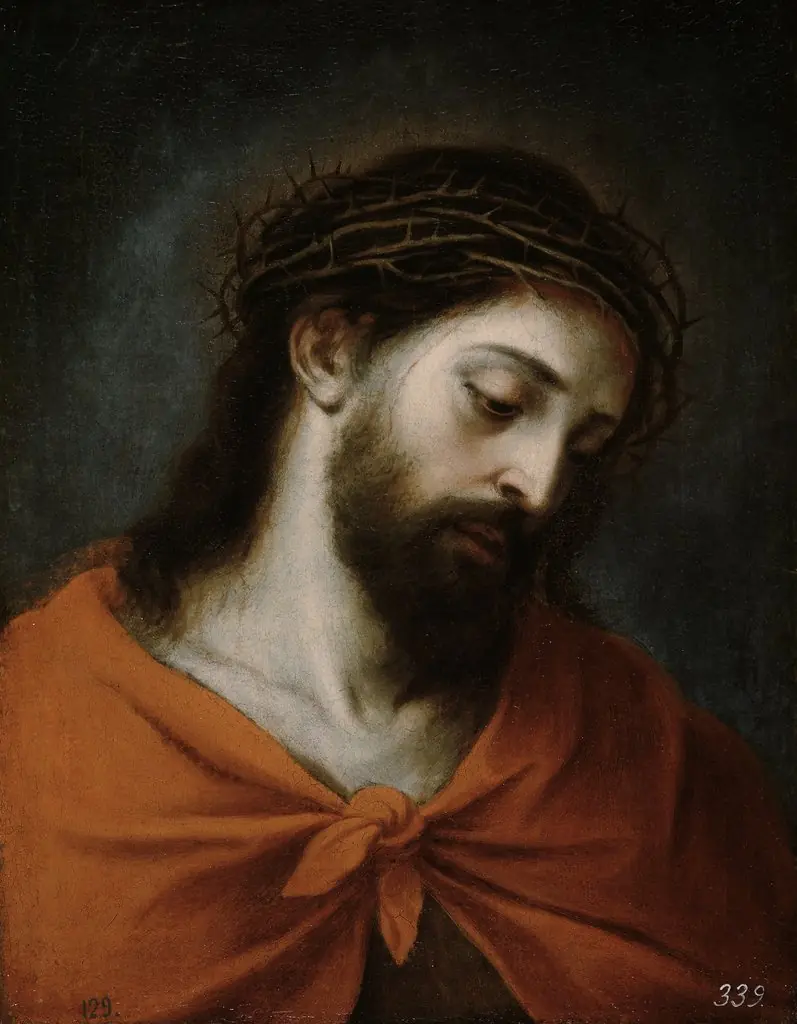
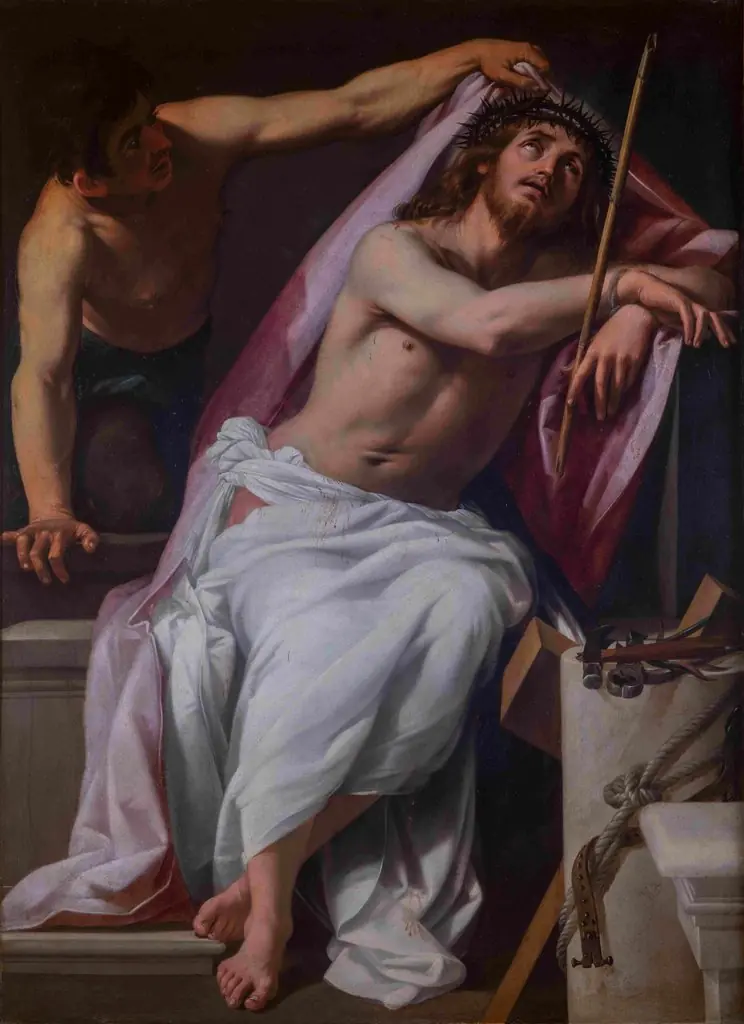
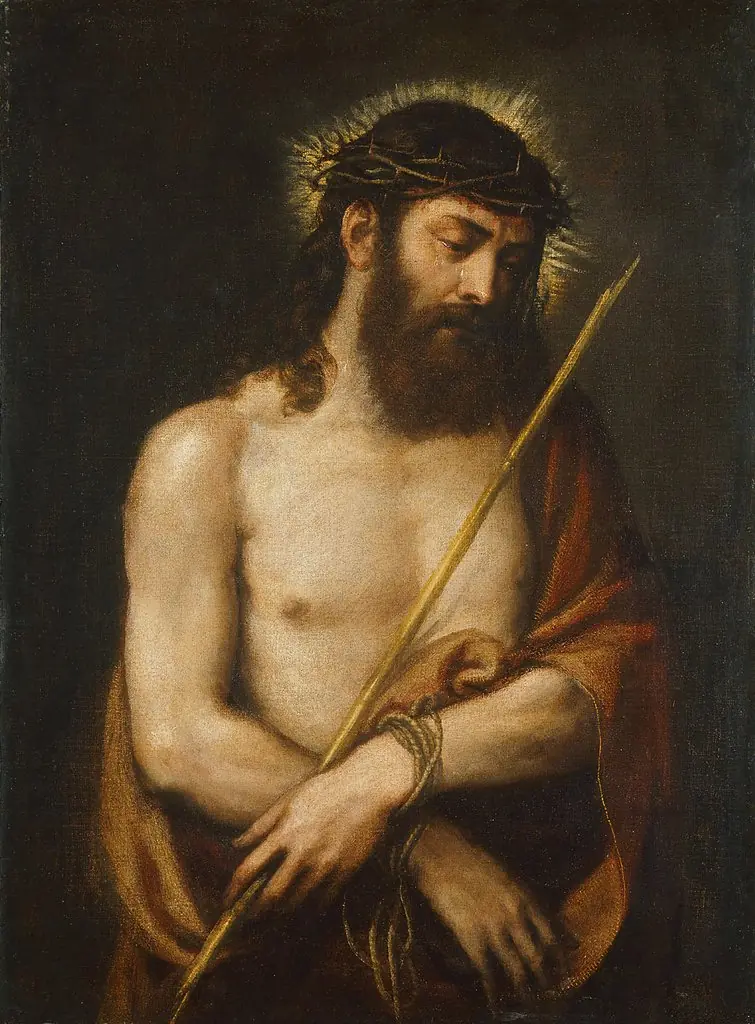
Guido Reni's 'Ecce Homo', executed in 1639, is a late Baroque religious painting depicting Christ immediately prior to his crucifixion. The composition focuses on a half-length figure of Jesus, characterized by Reni's signature idealized yet sorrowful expression. Christ wears a crown of thorns and is draped in a purple mantle, a color traditionally associated with royalty and suffering.
He holds a reed staff in his right hand, symbolizing a mock scepter, while his left arm is bent with the hand resting near the stomach. The figure is turned slightly to the right, with eyes cast downward in a gesture of resignation and humility. Painted in oil, the work demonstrates Reni's mature style, moving away from the dramatic chiaroscuro of his earlier Bolognese period toward a cooler, more classical clarity and restrained emotional intensity.
Created near the end of the artist's life, this piece reflects his continued engagement with Counter-Reformation themes, emphasizing Christ's humanity and pathos to inspire devotion. The painting stands as a significant example of Reni's late religious output, showcasing his ability to convey profound spiritual gravity through simplified forms and a serene, almost sculptural presence.
Subject & Meaning
The composition presents Jesus in the moment of his presentation to the public, a scene traditionally known as “Ecce Homo.” Reni emphasizes the saint’s suffering through the thorns, the purple drapery, and the downcast gaze, inviting contemplation of the Passion and the spiritual weight of sacrifice.
Technique & Style
Reni employs a restrained chiaroscuro, allowing the figure’s skin and cloth to emerge from the surrounding gloom. The subtle modeling of light across the beard and hair creates a three‑dimensional presence, while the muted palette of purples and earth tones reflects the somber mood typical of early‑17th‑century Italian religious painting.
History & Provenance
Completed in 1639, the painting entered the European art market and eventually was acquired by the Fitzwilliam Museum in Cambridge. Its provenance traces a path from private collections in Italy to the museum’s acquisition, where it now serves as an example of Reni’s mature Baroque style within the institution’s holdings.
Artist & collection
Artist
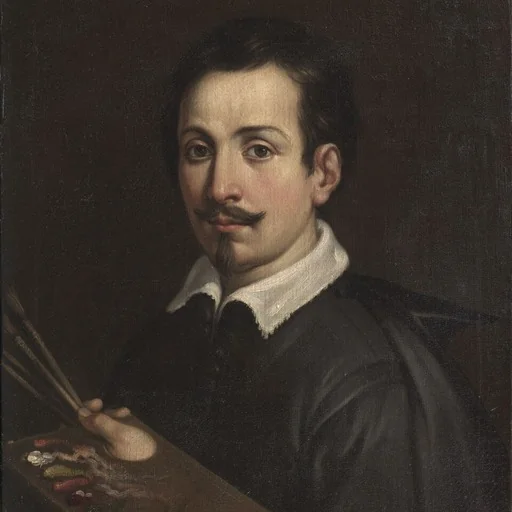
Guido Reni was an Italian Baroque painter, although his works showed a classical manner, similar to Simon Vouet, Nicolas Poussin, and Philippe de Champaigne.