Artwork
Ecce Homo
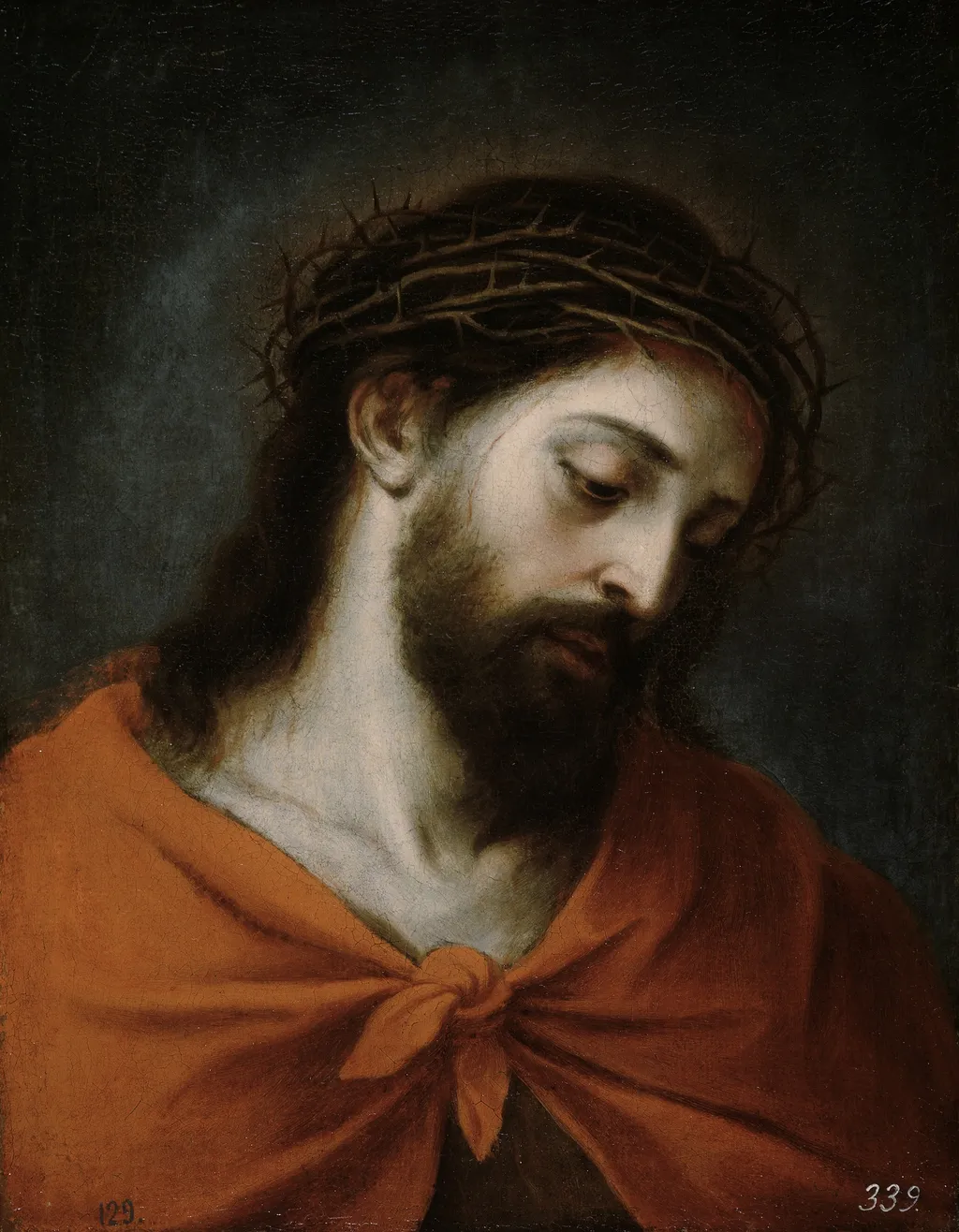
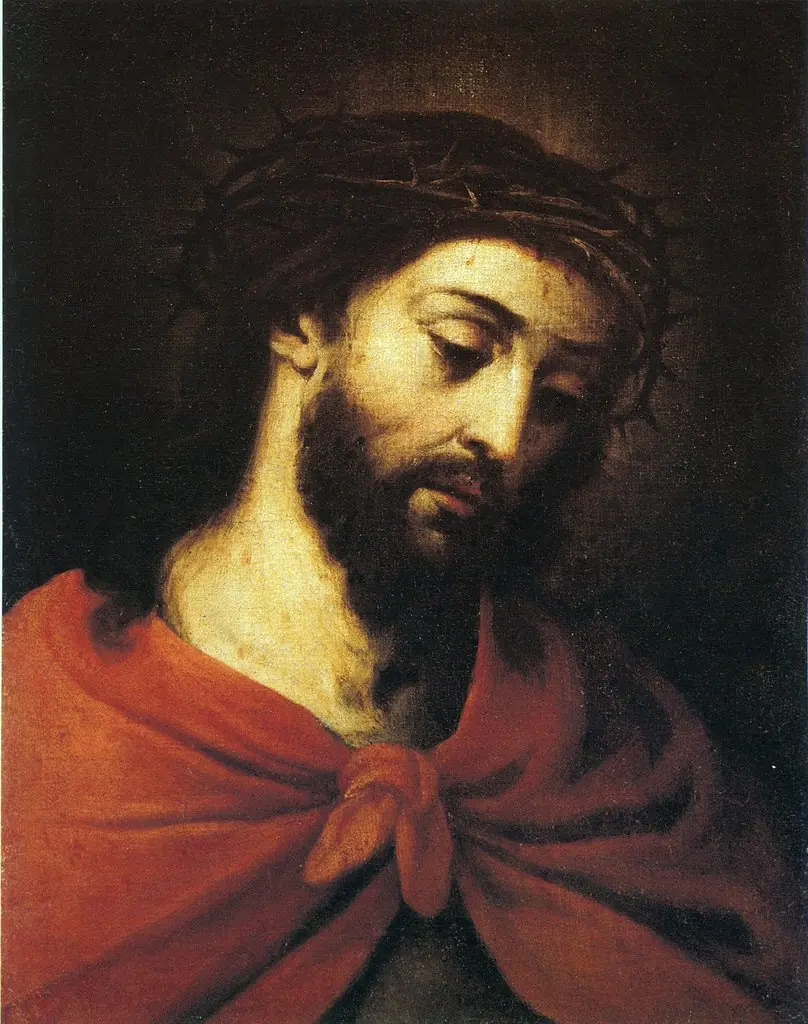
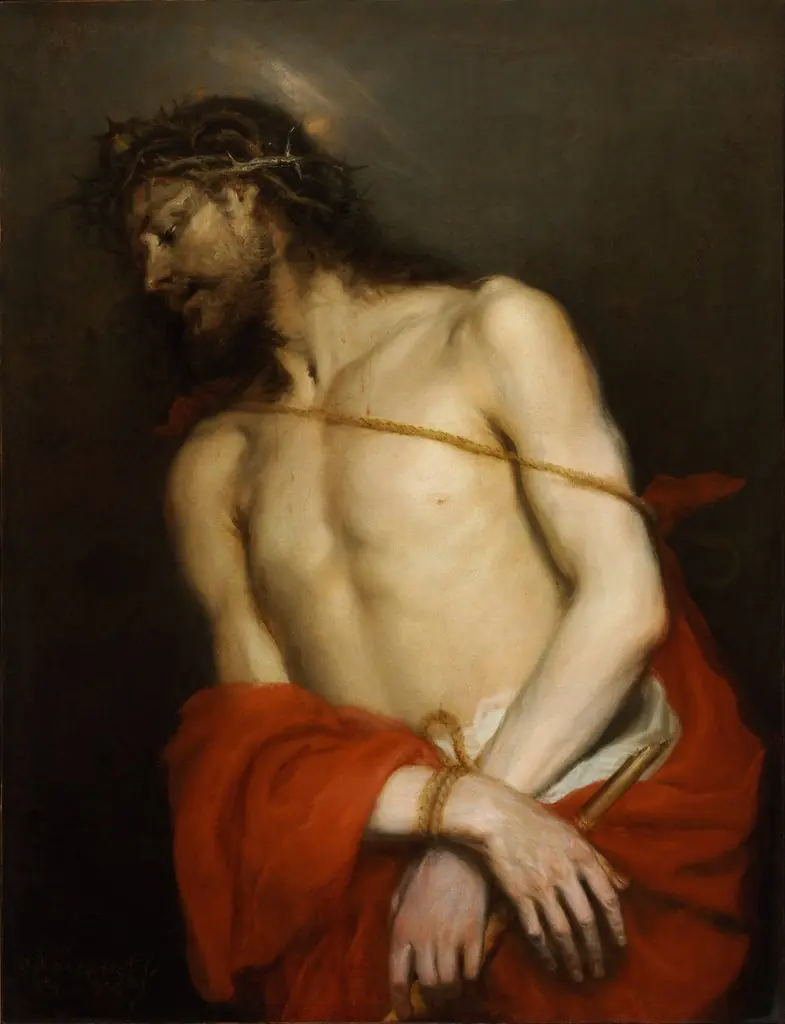
Ecce Homo is an oil painting by the Early Baroque Italian artist Bartolomé Esteban Murillo. It dates from 1660 and is held in the collection of the Museo del Prado.
About this work
Subject & Meaning
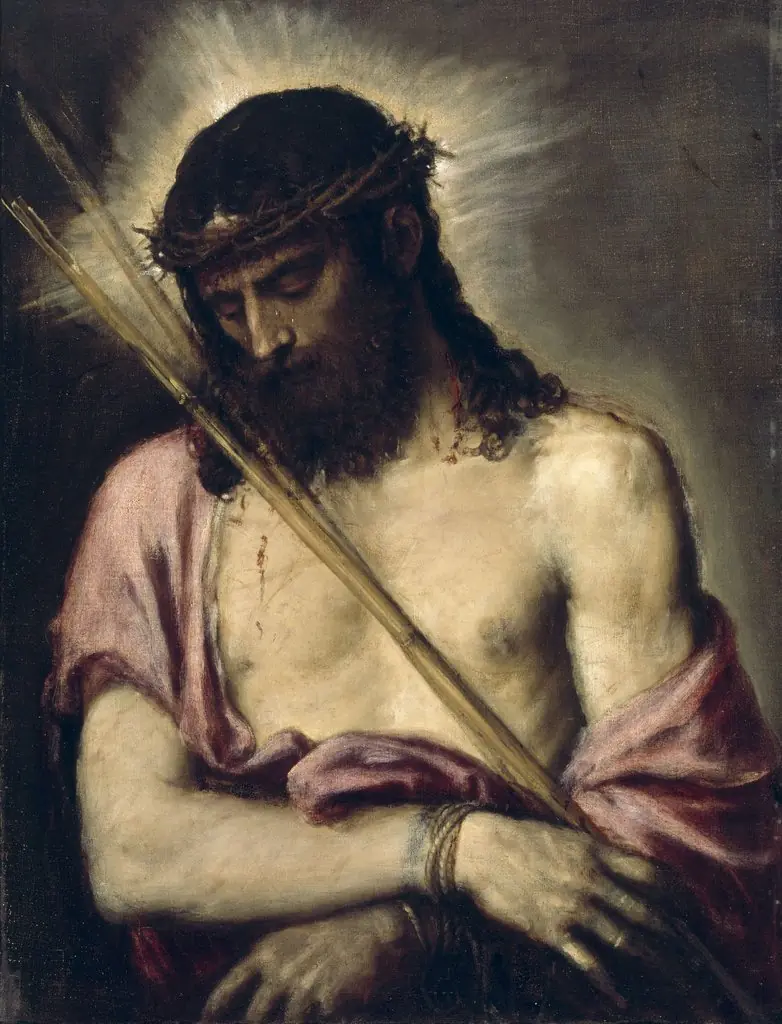
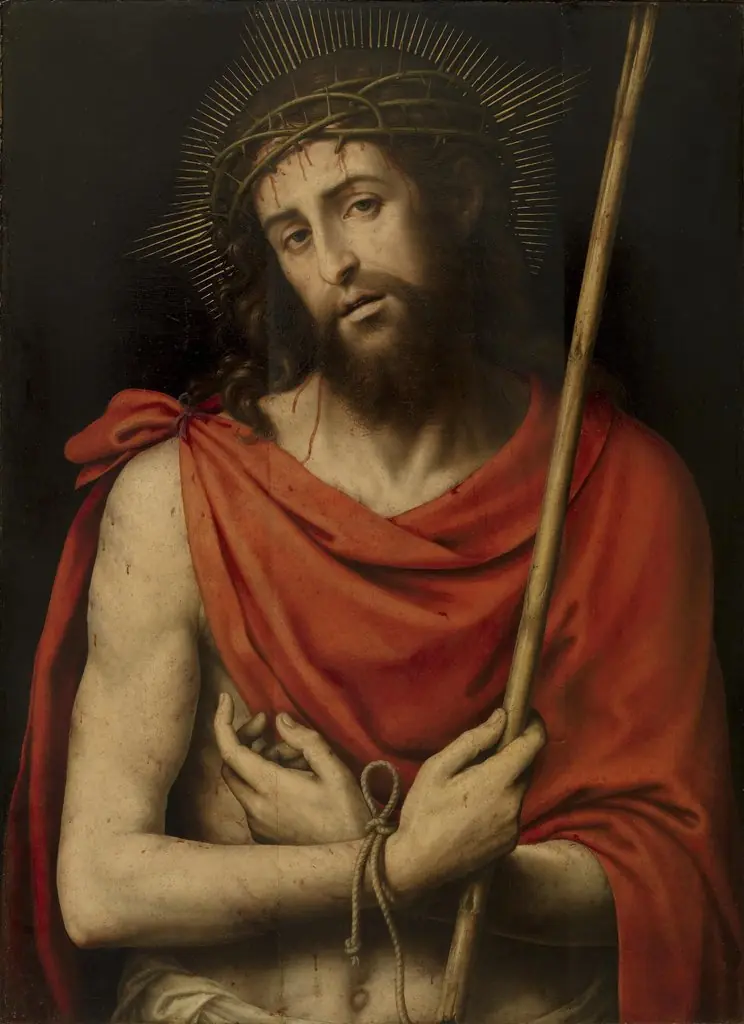
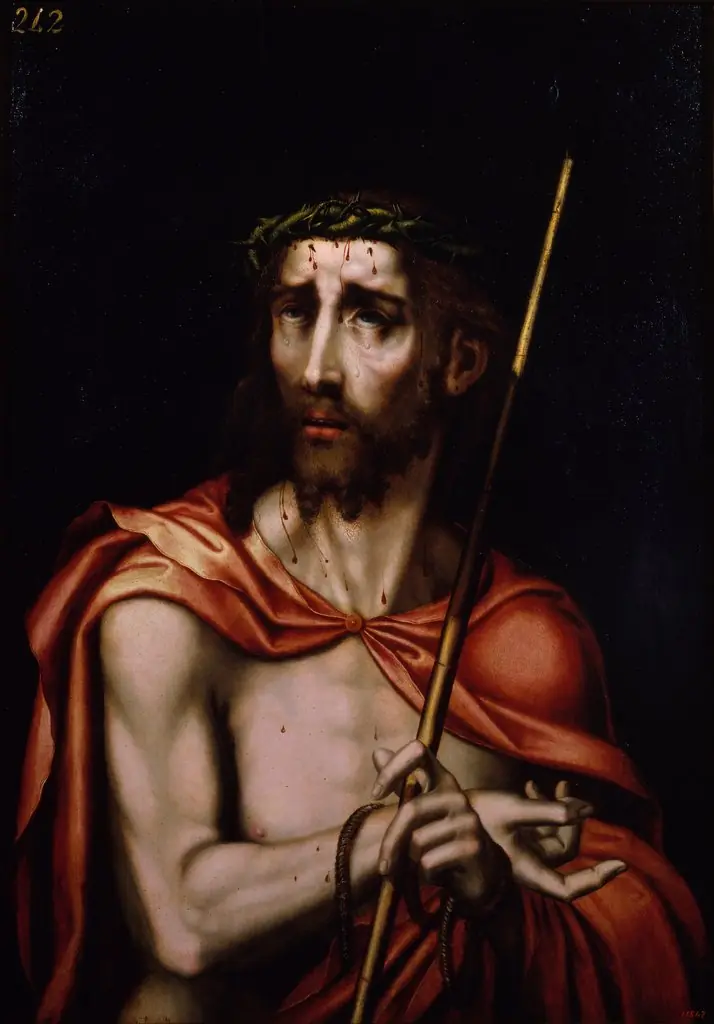
The work portrays Jesus Christ in the moment of condemnation, presenting the phrase "Ecce Homo" as he is presented to the crowd. The subject emphasizes themes of suffering and injustice, reflecting the Passion narrative within Christian iconography. The painting’s symbolism centers on the humanity and vulnerability of Christ, inviting contemplation of his sacrifice.
Technique & Style
The composition is dominated by the central figure, framed by a dark background that heightens the dramatic intensity.
The work is an oil painting executed on canvas, measuring 52 cm in height by 41 cm in width. It depicts the moment of Christ’s condemnation, rendered with Murillo’s characteristic soft modeling and muted palette that emphasizes the human anguish of the figure. The surface shows typical craquelure associated with age, but no major structural damage is noted.
The composition is dominated by the central figure, framed by a dark background that heightens the dramatic intensity.
History & Provenance
Murillo's Ecce Homo is an oil-on-canvas religious painting dated to 1660 in the source corpus, though Wikidata records its inception as either 1660 or 1665. The work depicts Jesus Christ as its main subject.
The painting is held in the collection of the Museo del Prado. Wikidata also lists the Royal Palace of Aranjuez as an associated location. Earlier in its ownership history, the canvas was owned by Ferdinand VII of Spain before entering the Prado's holdings.
The painting is housed in the Museo del Prado in Madrid, Spain, where it holds inventory number P00968. It was formerly owned by Ferdinand VII of Spain and has been part of the museum's collection since the early 19th century. The work has been exhibited in various retrospectives of Murillo's oeuvre at the Prado, including displays focusing on Spanish religious art of the 17th century.
Its display history includes periodic rotations within the museum's Baroque gallery, though specific exhibition titles are not detailed in the source material.
Overview
Ecce Homo is a 1660 oil painting by Bartolomé Esteban Murillo, a Spanish Baroque artist active in the 17th century. The work is held in the Museo del Prado.
Own this work as a print
Artist & collection
Artist
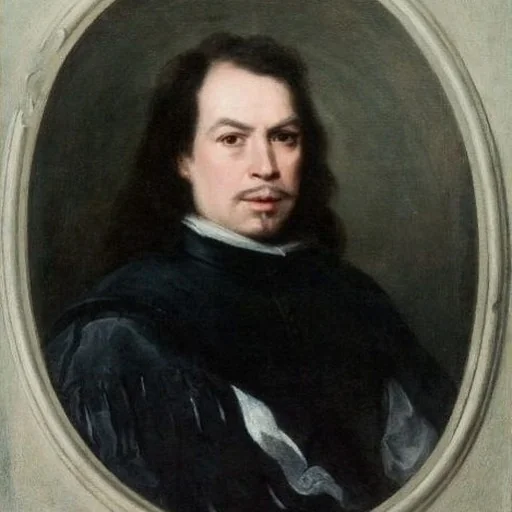
Bartolomé Esteban Murillo ( mure-IL-oh, m(y)uu-REE-oh, Spanish:; late December 1617, baptised 1 January 1618 – 3 April 1682) was a Spanish Baroque painter.