Artwork
Marine: The Waterspout
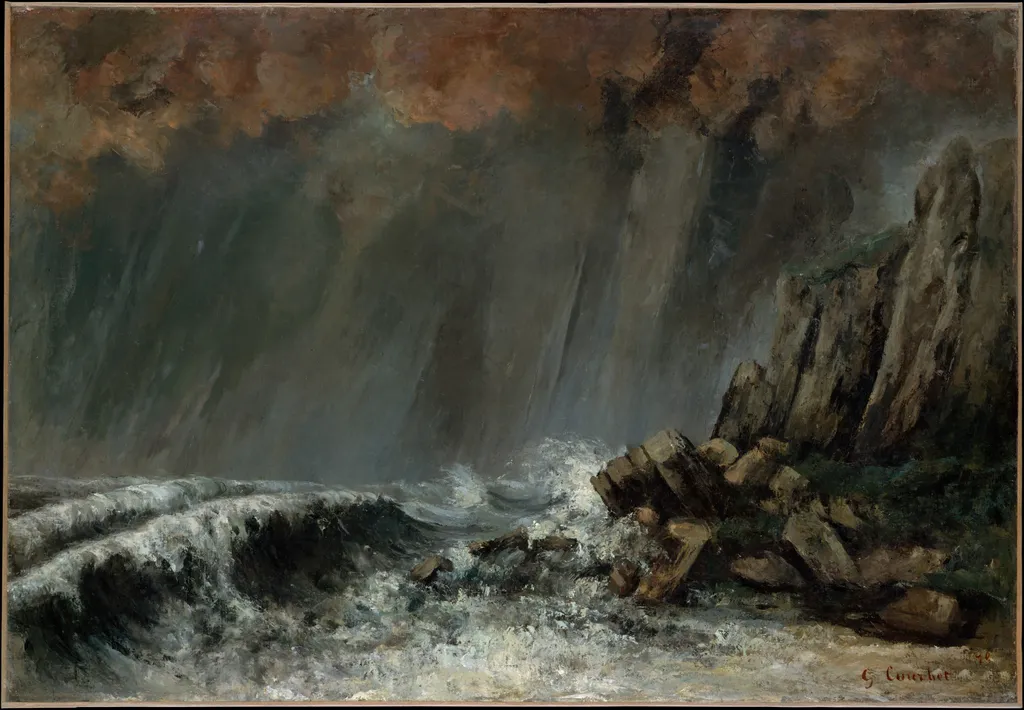
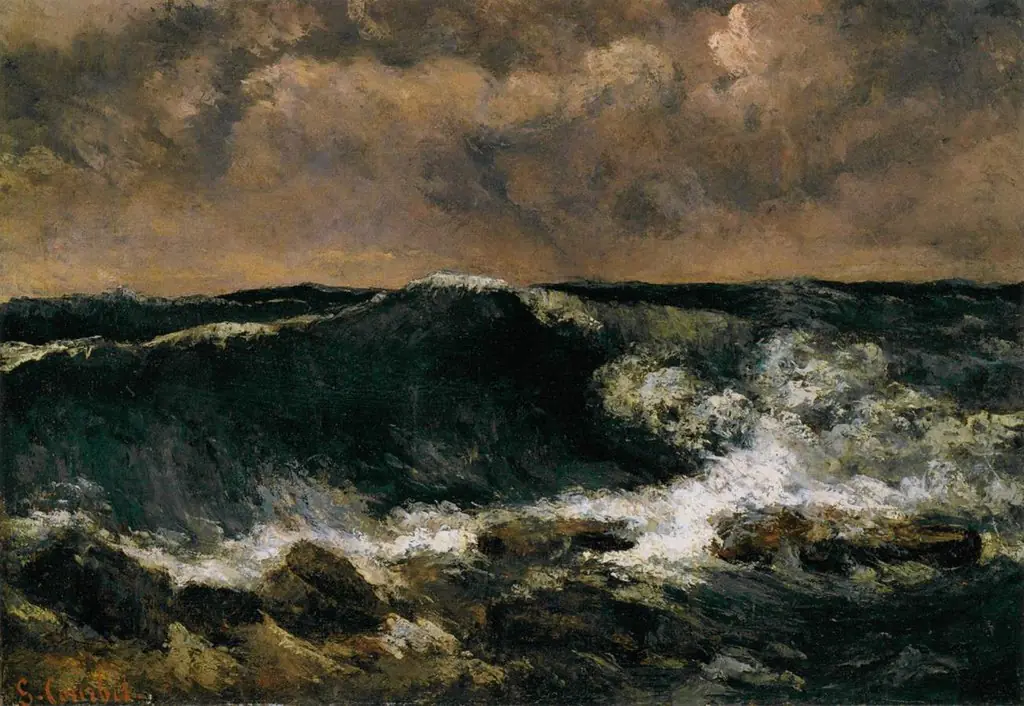
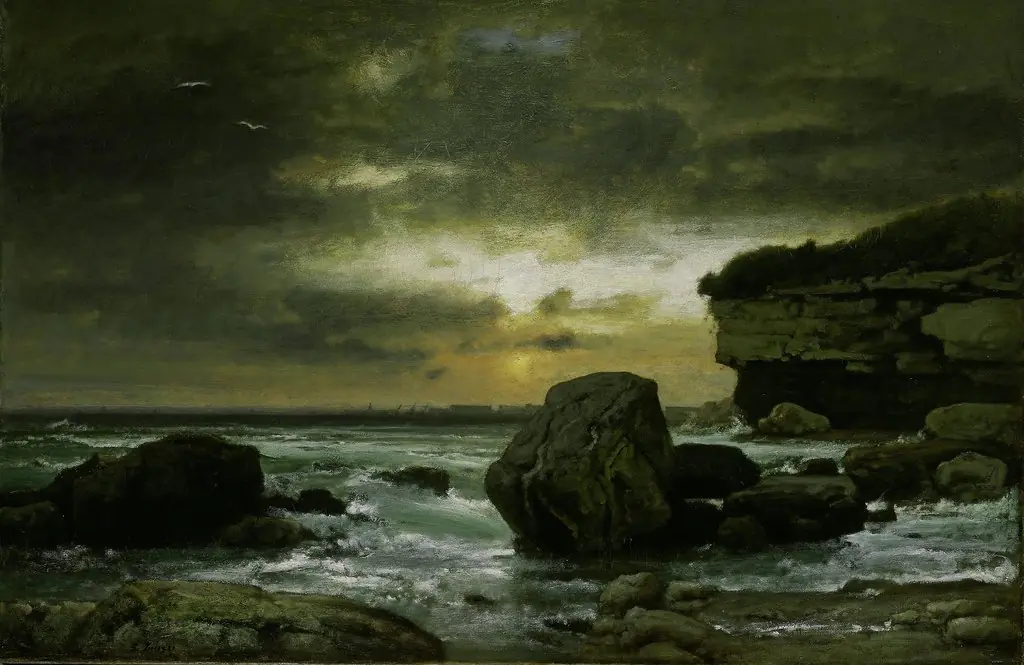
Marine: The Waterspout is an oil painting by the Realist artist Gustave Courbet. It dates from 1870 and is held in the collection of the Metropolitan Museum of Art.
About this work
Technique & Style
Executed in 1870, Marine: The Waterspout is an oil painting on canvas measuring 68.
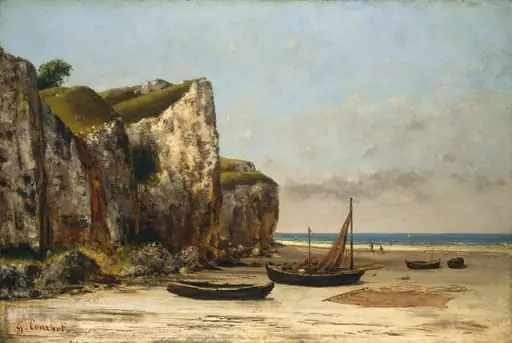
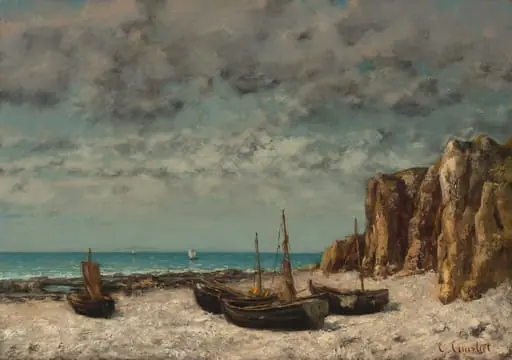
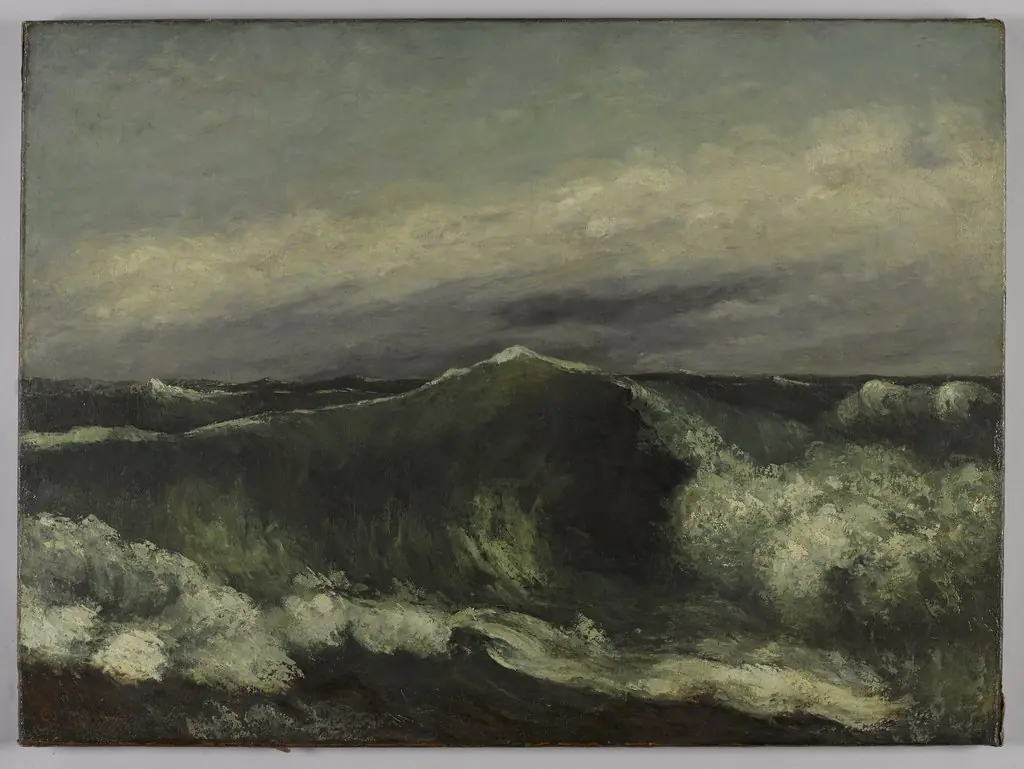
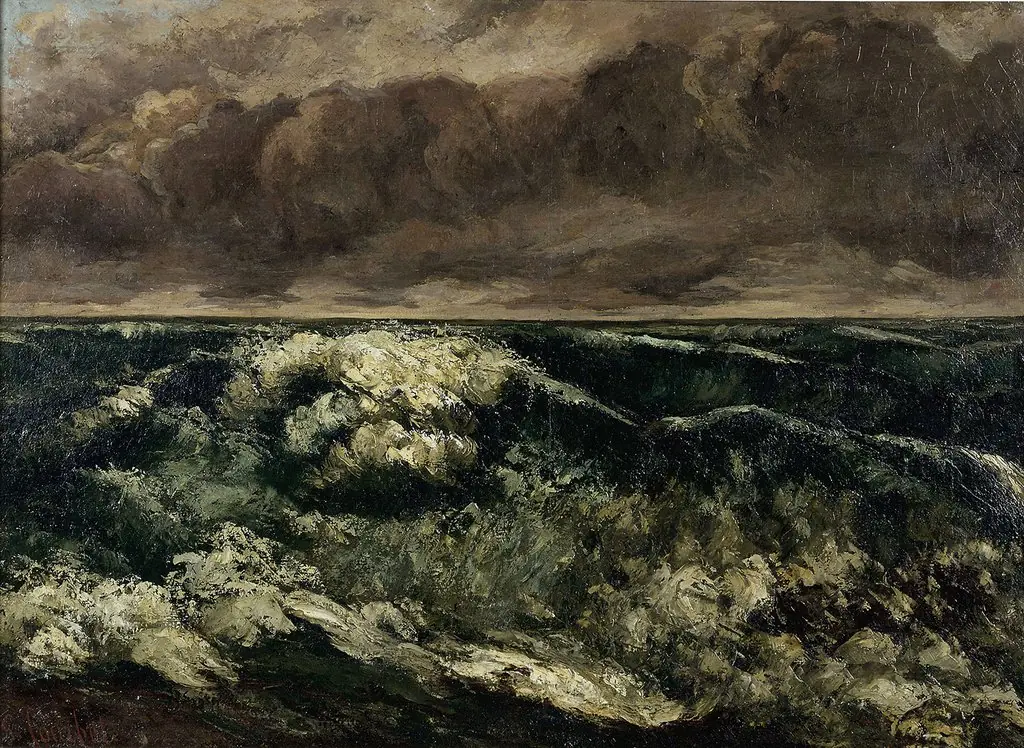
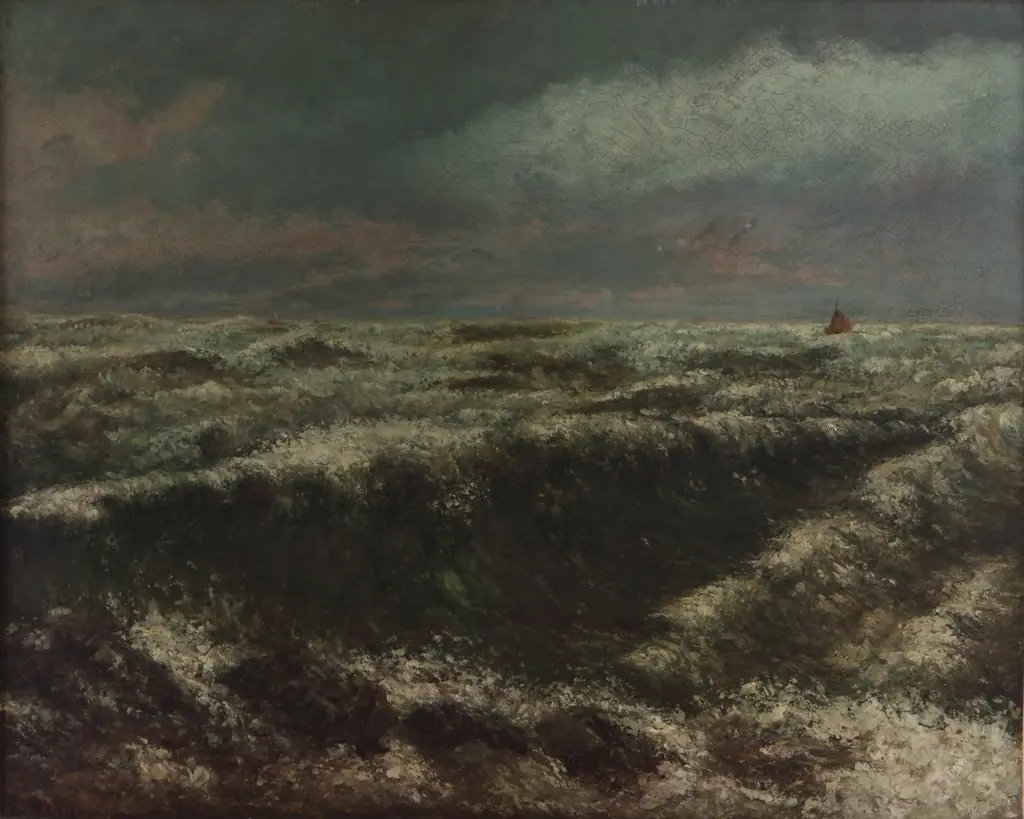
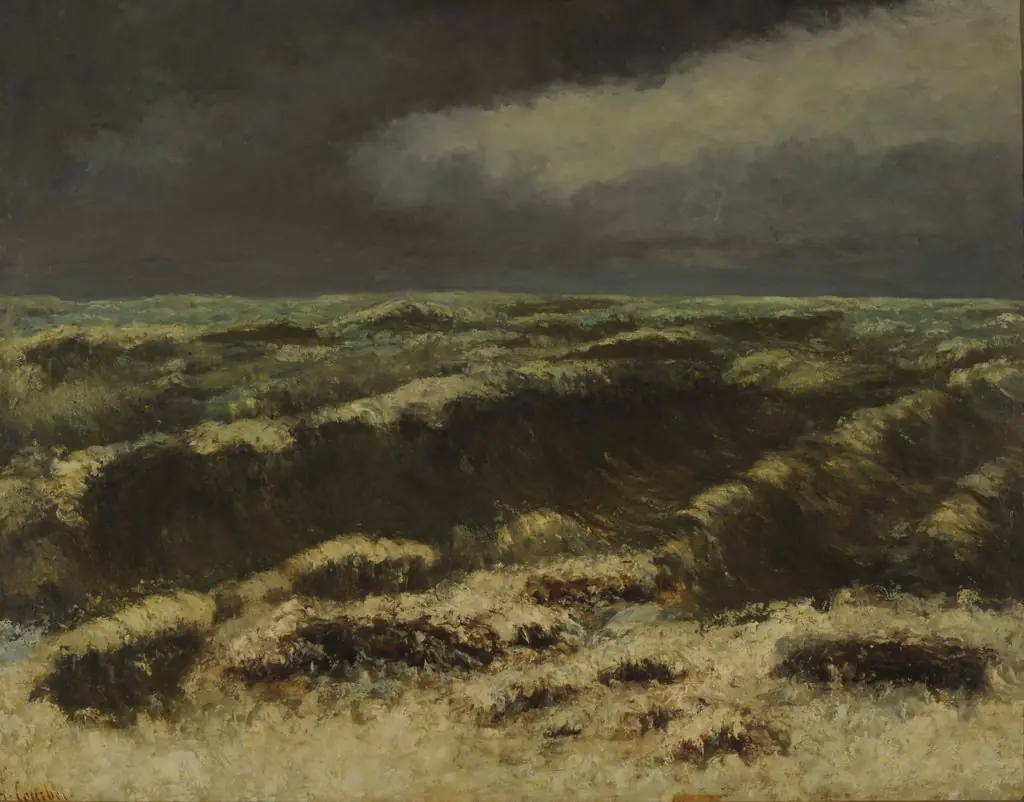
Executed in 1870, Marine: The Waterspout is an oil painting on canvas measuring 68.9 cm in height by 99.7 cm in width. Courbet employs the thick, tactile handling of paint, often worked with a palette knife, that characterizes his seascapes, building up the churning waves and foaming spray. The palette is dominated by deep blues and greys set against the lighter sky, with the dramatic movement of water and cloud given prominence in the marine composition.
History & Provenance
Marine: The Waterspout was created by Gustave Courbet in 1870 as an oil on canvas painting within the marine genre. Its dimensions are approximately 68.9 cm by 99.7 cm, the scale typical of Courbet's seascapes. The painting is held in the collection of the Metropolitan Museum of Art, New York. The available sources do not reliably document its full ownership chain or exhibition history.
Overview
Gustave Courbet's 1870 oil painting, Marine: The Waterspout, captures a dramatic natural phenomenon. As a prominent figure of 19th-century French Realism, Courbet chose to depict observable subjects rather than idealized scenes. This work portrays a turbulent sea under a menacing sky, emphasizing the raw, untamed force of nature. It is held in the collection of The Metropolitan Museum of Art.
Subject & Meaning
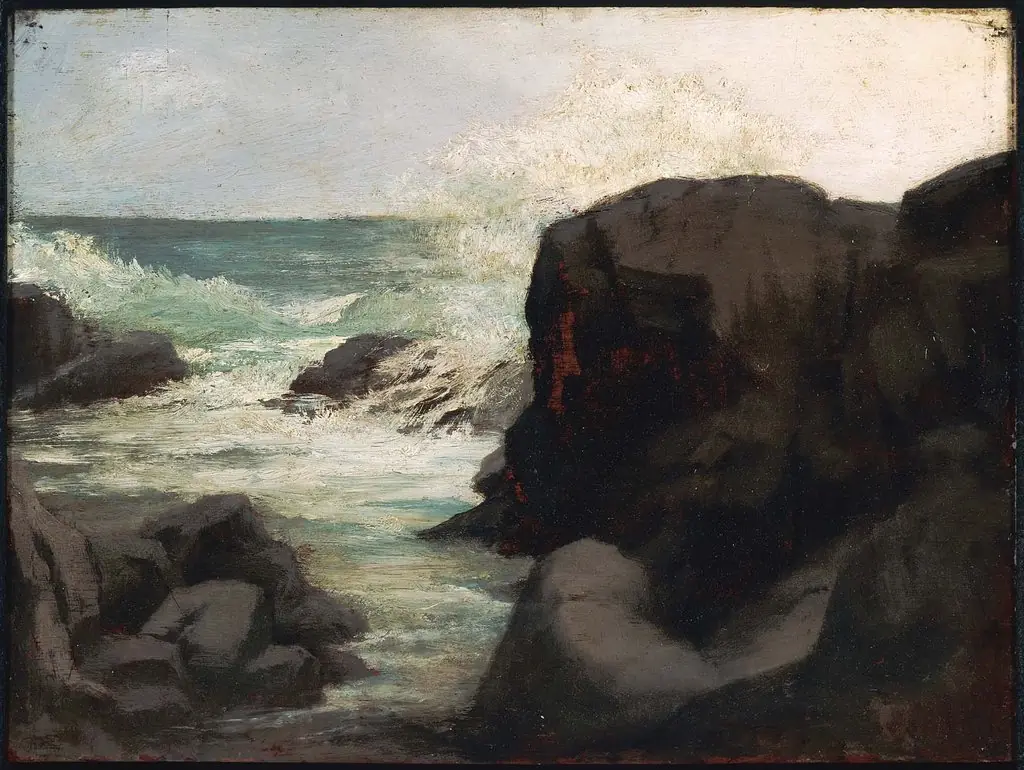
The painting centers on a powerful waterspout, a column of rotating air and water, rising from a wild, churning sea. Jagged rocks and crashing waves dominate the foreground, with a small boat precariously close to the water's edge. Courbet's focus on this specific, observable event underscores his commitment to presenting the unvarnished reality of the natural world, devoid of romanticized embellishment.
Context
Created during a period of significant artistic shifts, Marine: The Waterspout exemplifies Courbet's rejection of the prevailing Romantic and academic traditions. He championed Realism, an approach that prioritized the depiction of everyday life and natural phenomena without idealization or dramatic narrative. This stance often placed him in opposition to the established art institutions of 19th-century France.
Legacy
Courbet's unwavering commitment to depicting observable reality and his innovative techniques had a profound impact on subsequent art movements. His emphasis on direct observation and the materiality of paint laid groundwork for artists who would later develop Impressionism, influencing their focus on light and transient moments. His bold approach also resonated with later avant-garde movements like Cubism.
Own this work as a print
Artist & collection
Artist
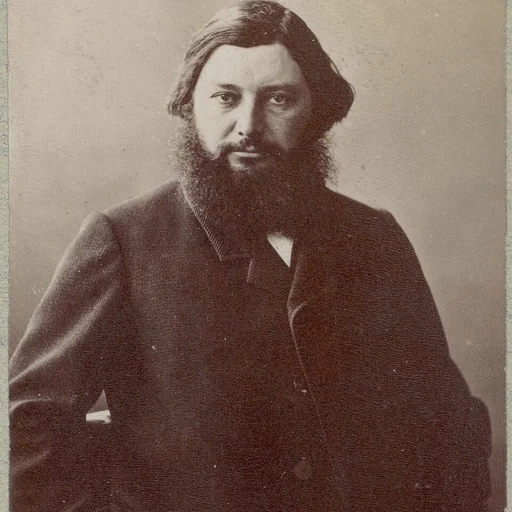
Jean Désiré Gustave Courbet (UK: KOOR-bay; US: koor-BAY; French:; 10 June 1819 – 31 December 1877) was a French painter who led the Realism movement in 19th-century French painting.