Artwork
The Triumph of Truth
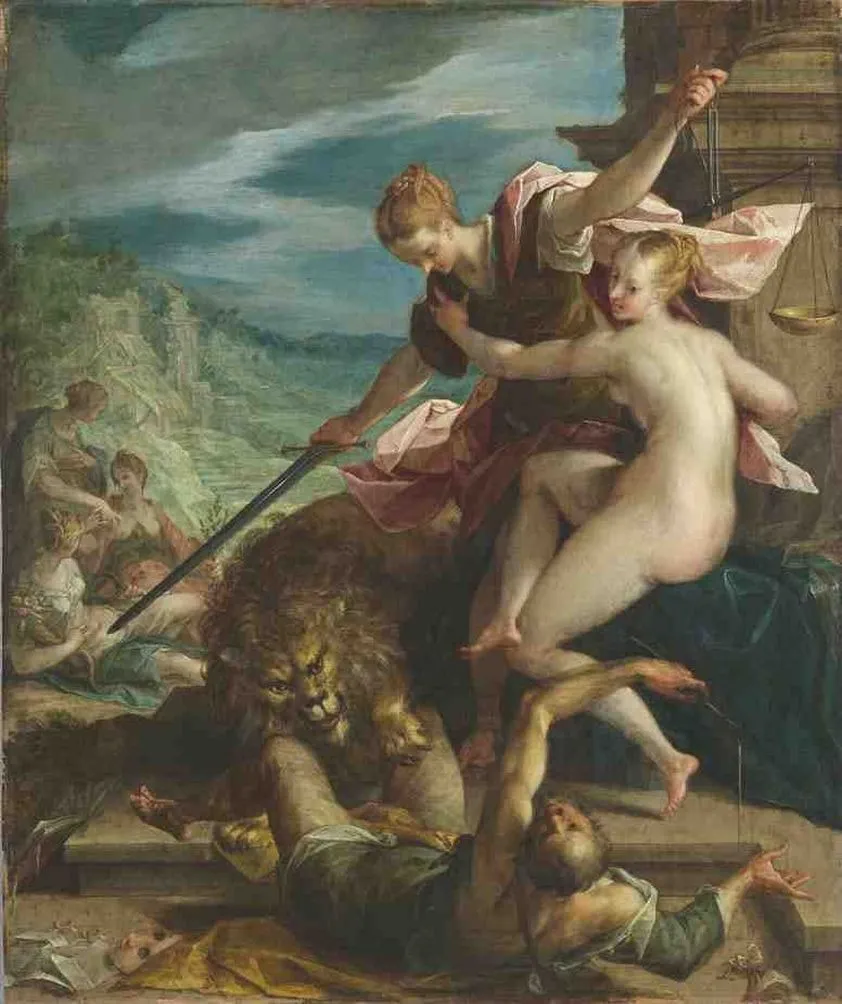
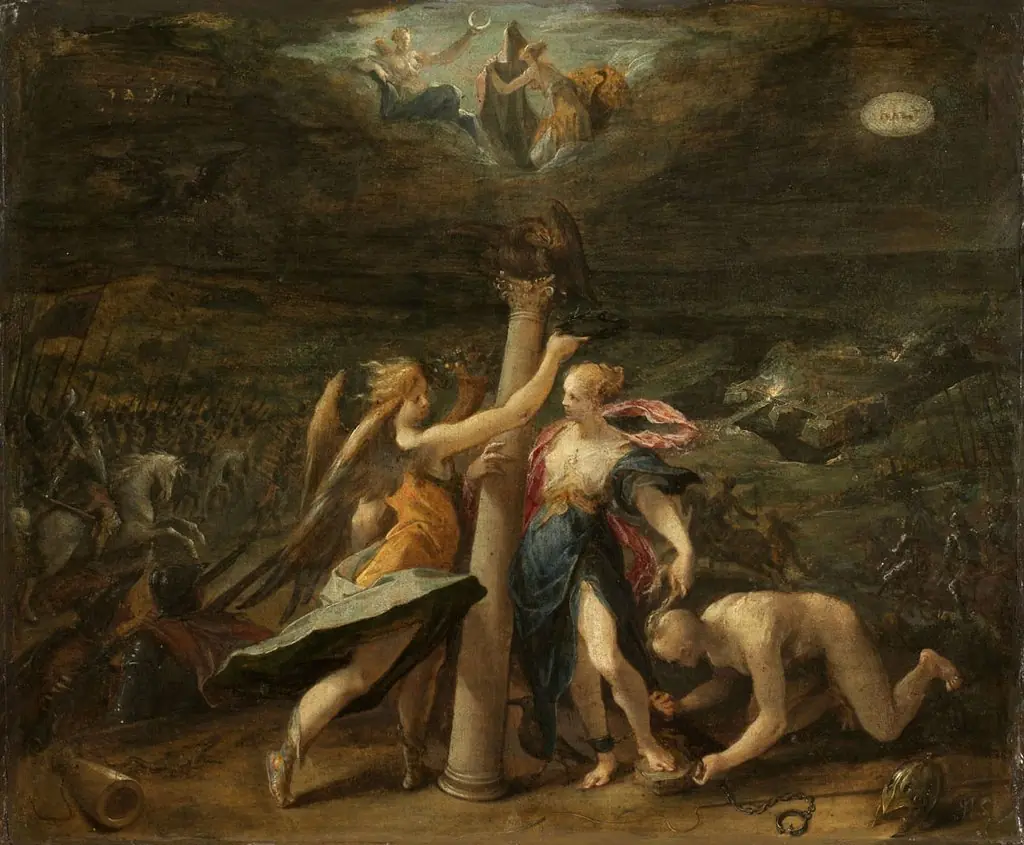
The Triumph of Truth is an oil painting by the Mannerist artist Hans von Aachen. It dates from 1600 and is held in the collection of the Bavarian State Painting Collections.
About this work
Subject & Meaning
At center, a nude female figure, Truth, stands atop a globe or rocky eminence, crowned and holding a palm branch, while a putto directs light toward her.
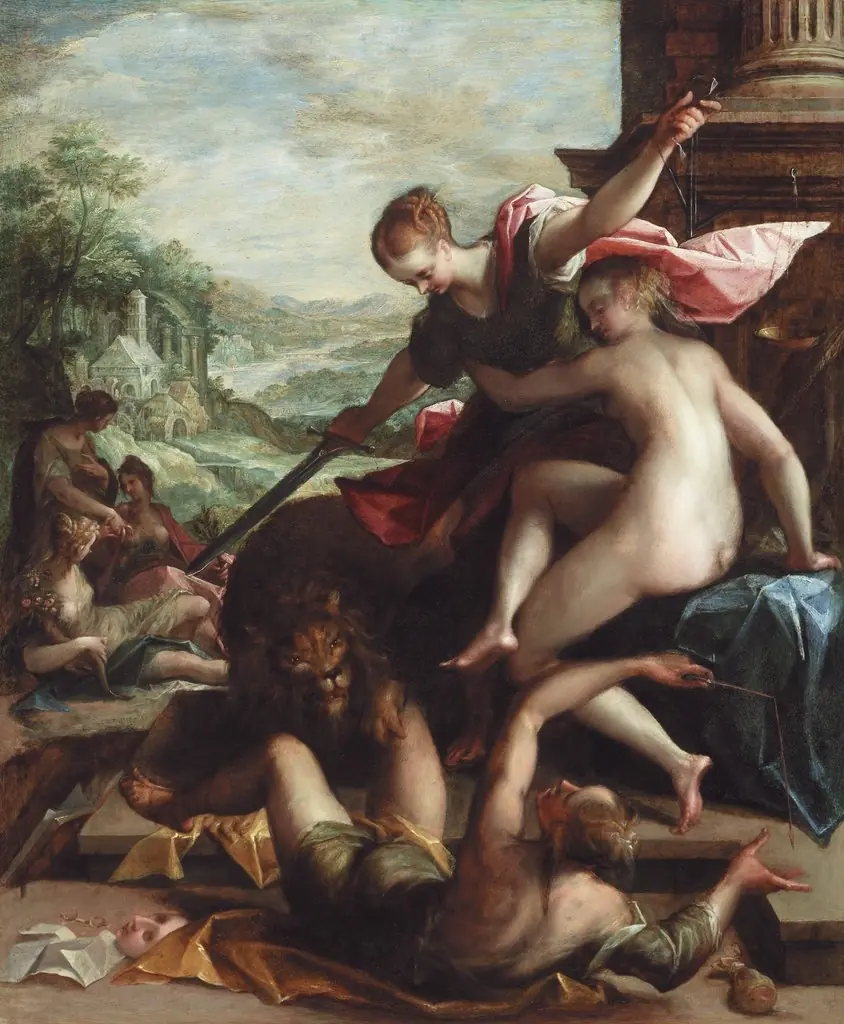
The painting presents an allegory of Truth’s victory over Deceit and Ignorance. At center, a nude female figure, Truth, stands atop a globe or rocky eminence, crowned and holding a palm branch, while a putto directs light toward her. Below, a bearded man in dark robes, often identified as Deceit or a personification of Falsehood, is cast down and trampled, his mask and broken instruments of deceit scattered.
A second putto, sometimes read as an emblem of Time, points upward toward Truth, underscoring the triumph of clarity and virtue. The composition thus visualizes the Neoplatonic and Counter-Reformation ideal that truth ultimately prevails over falsity and obscurity.
Technique & Style
The Triumph of Truth is an allegorical painting executed in oil paint on a copper support. Created by Hans von Aachen in 1598, the work measures 56 cm in height and 47 cm in width. The choice of copper as a support material was a deliberate technical decision often employed in late 16th-century Northern European art to achieve fine detail and luminous color saturation. The painting is currently held in the Alte Pinakothek within the Bavarian State Painting Collections.
History & Provenance
Hans von Aachen painted The Triumph of Truth in 1598 on copper, an allegorical work commissioned by an unknown patron and later entered the Bavarian State Painting Collections, where it remains on display at the Alte Pinakothek. The painting entered the collection of the Bavarian State Painting Collections shortly after its creation and has been exhibited there as part of the permanent display of 16th‑century allegories.
The Triumph of Truth is housed in the Alte Pinakothek, part of the Bavarian State Painting Collections, with inventory number 2760.
The work was created in 1598 on copper and measures 56 cm by 47 cm.
It has been exhibited in the museum's permanent display of 16th‑century allegorical paintings.
Context
Hans von Aachen painted The Triumph of Truth in 1598 as an allegorical work on copper, now housed in the Alte Pinakothek in Munich. The painting entered the Bavarian State Painting Collections and was recognized as part of the artist's mature allegorical cycle, reflecting Renaissance humanist themes. Scholarship emphasizes its sophisticated allegorical program and technical mastery within late Mannerist painting, situating it within von Aachen's broader role in disseminating Counter-Reformation ideals through visual rhetoric.
Overview
The Triumph of Truth is a 1600 painting on copper by Hans von Aachen, a prominent German artist associated with Northern Mannerism.
Artist & collection
Artist
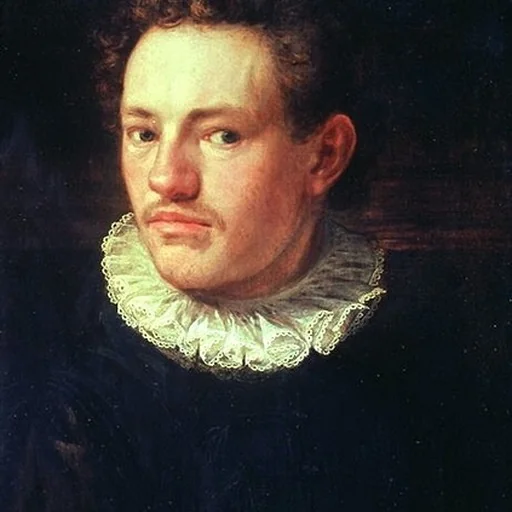
Hans von Aachen (1552 – 4 March 1615) was a German painter who was one of the leading representatives of Northern Mannerism.