Artwork
Ulysses
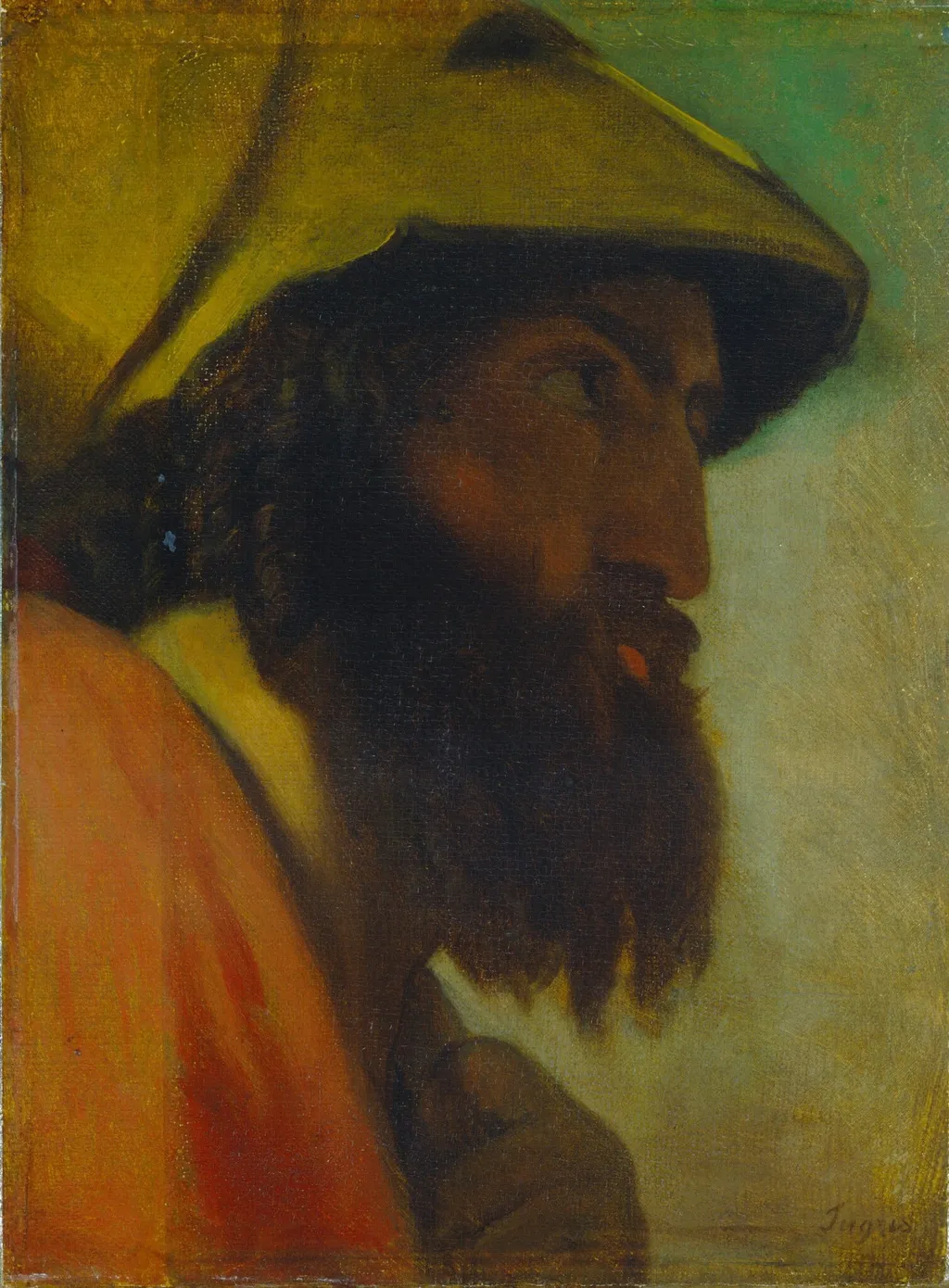
Ulysses is an oil painting by the Neoclassicist artist Jean Auguste Dominique Ingres. It dates from 1827 and is held in the collection of the National Gallery of Art.
- Inscription
- Inscribed:probably falsely inscribed lower right, in black paint: Ingres
About this work
History & Provenance
It was subsequently sold to Chester Dale in June 1925, who later bequeathed it to the National Gallery of Art in Washington, D.
Jean-Auguste-Dominique Ingres painted Ulysses in 1827, creating an oil on canvas work measuring 25.1 cm by 19.2 cm. The painting entered the ownership of Etienne François Haro in October 1866, following a sale by Ingres, and remained in Haro's family collection in Paris until 1892. It was subsequently sold to Chester Dale in June 1925, who later bequeathed it to the National Gallery of Art in Washington, D.C. The provenance details are documented in auction records and correspondence referenced in historical sources.
Ulysses is held by the National Gallery of Art in Washington, D.C., where it entered the collection as part of the bequest of Chester Dale (1883–1962). Dale acquired the painting on 1 June 1925 from the Galerie Georges Bernheim in Paris. The work had previously passed through the hands of Etienne François Haro, a former studio assistant and dealer who purchased it directly from Ingres on 13 October 1866; it was offered again at the Ingres sale at the Hôtel Drouot on 6 May 1867 (lot 32, bought in by Haro), and subsequently at the Haro family sale at the Galerie Sedelmeyer on 30–31 May 1892 (lot 113).
No exhibition history beyond the documented auction appearances is recorded in the available sources, and no separate NGA inventory or accession number is cited.
Overview
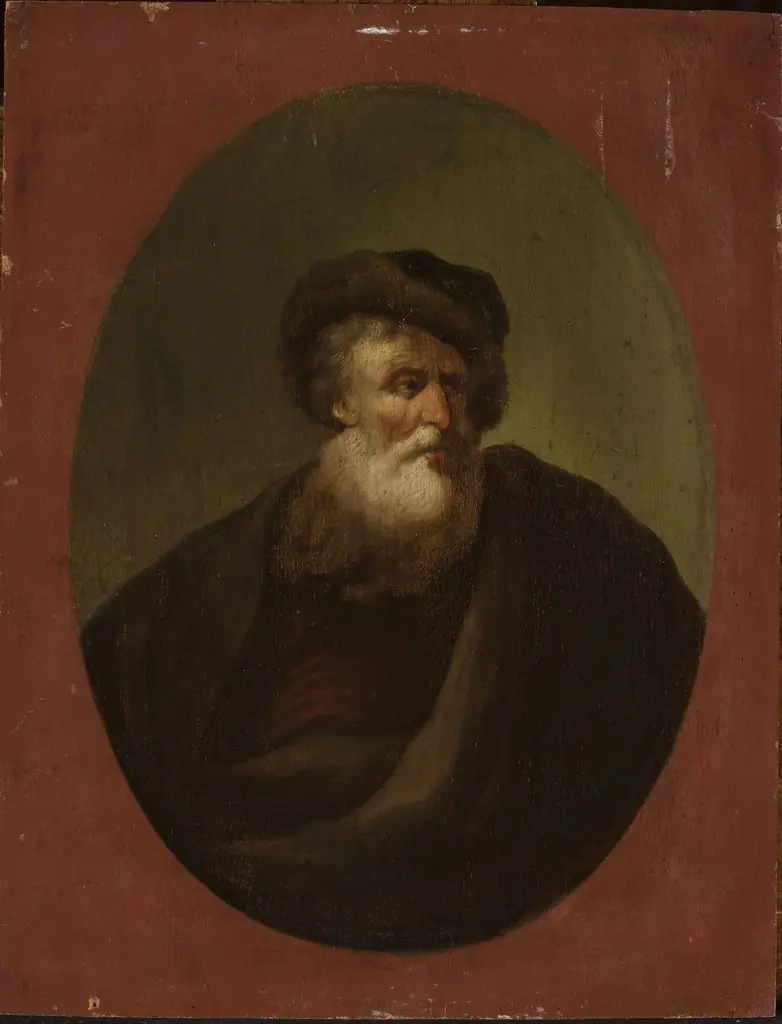
Jean‑Augustin‑Dominique Ingres painted Ulysses in 1827, employing oil on canvas mounted on a wooden panel. The work presents a solitary figure whose face, defined by a dark beard, emerges from a vivid orange‑red backdrop. The composition is anchored by a wide‑brimmed hat tipped low over the sitter’s eyes, creating a strong silhouette against the surrounding hues.
Subject & Meaning
The portrait depicts the mythic hero Ulysses, identified by his characteristic headgear and contemplative profile. The emphasis on his concealed gaze and rugged beard suggests introspection and the lingering weight of his long voyages, aligning the figure with the classical tradition of portraying legendary individuals as embodiments of endurance.
Technique & Style
Ingres renders the figure with crisp, defined lines while allowing the surrounding colors, bright yellows, deep greens, and stark shadows, to blend in a fluid manner. The interplay of light and dark produces a pronounced chiaroscuro effect, heightening the three‑dimensionality of the face against the flat, saturated background. Brushwork remains relatively loose, reflecting early‑nineteenth‑century academic practices.
Context
Ulysses belongs to a period when Neoclassical artists revisited antiquity to assert moral and aesthetic ideals. Ingres’s choice of a mythological subject and his precise, orderly composition echo the era’s reverence for classical antiquity, even as his brushwork hints at the evolving sensibilities that would soon give rise to Romantic expression.
Own this work as a print
Artist & collection

Artist
Jean-Auguste-Dominique Ingres was a French Neoclassical painter. Ingres was profoundly influenced by past artistic traditions and aspired to become the guardian of academic orthodoxy against the ascendant Romantic…

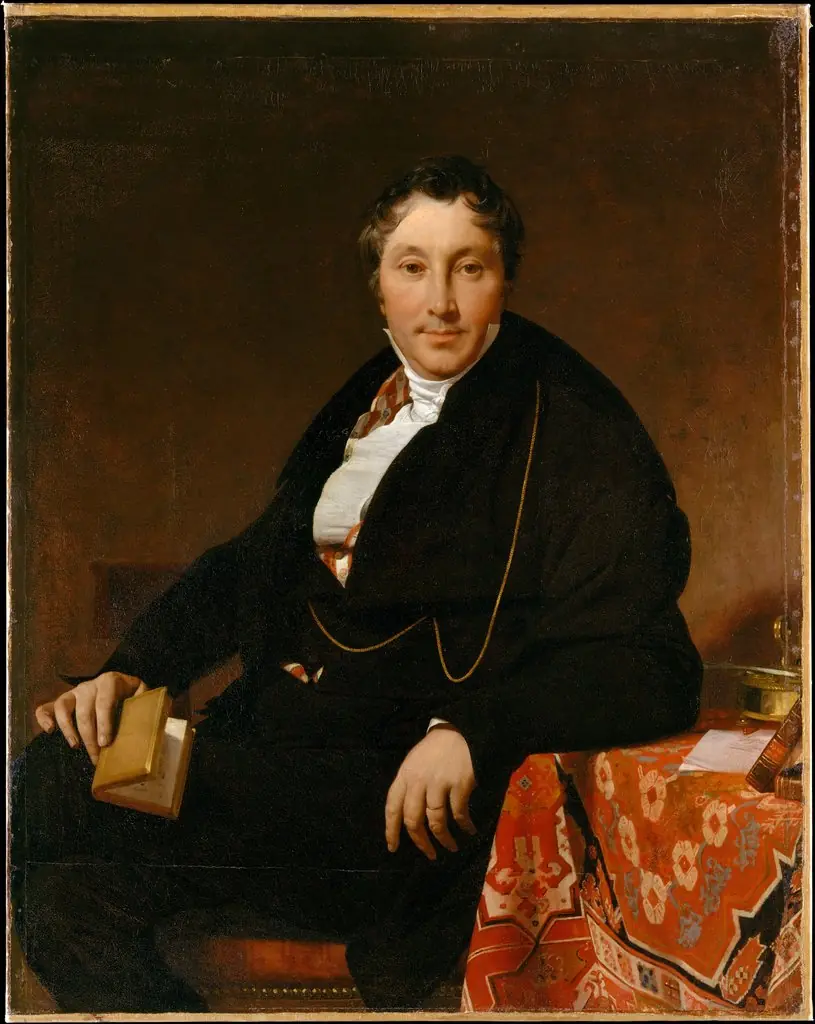
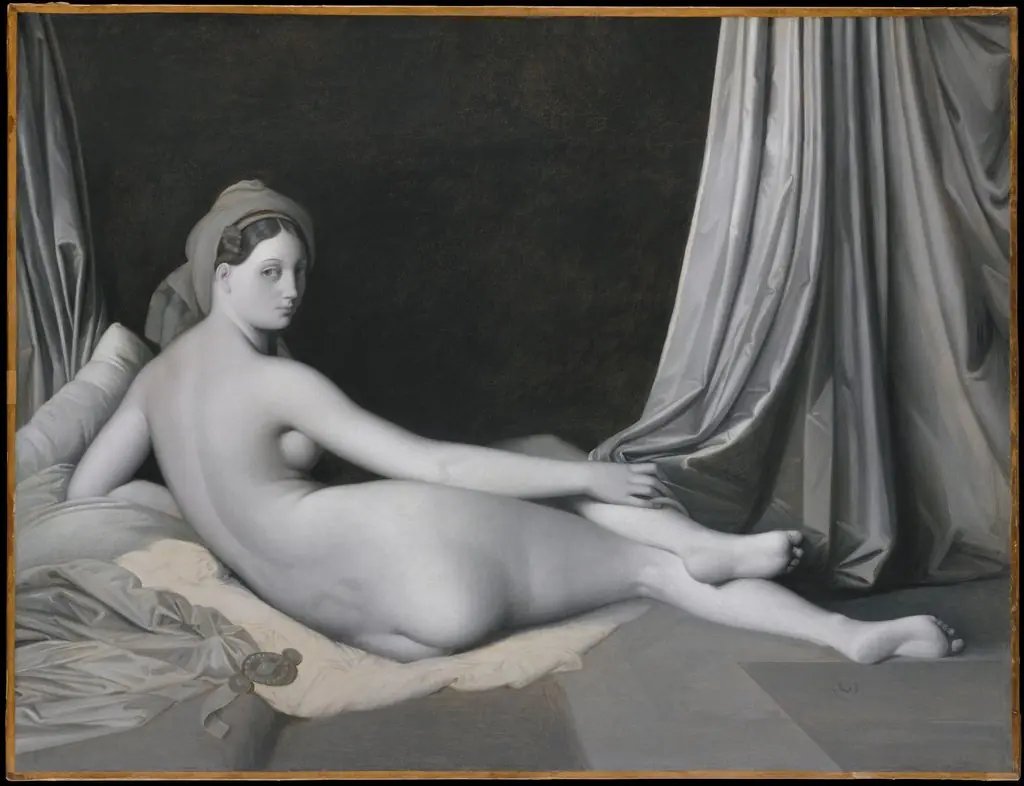
- Head of a man
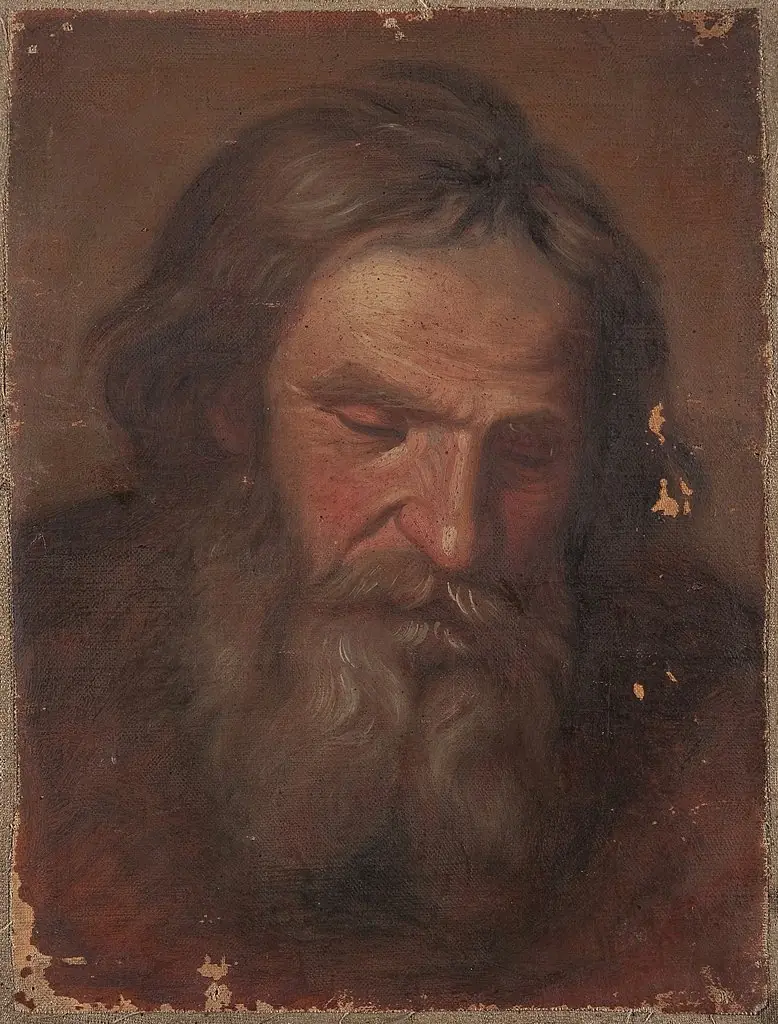 Study of an old man's head
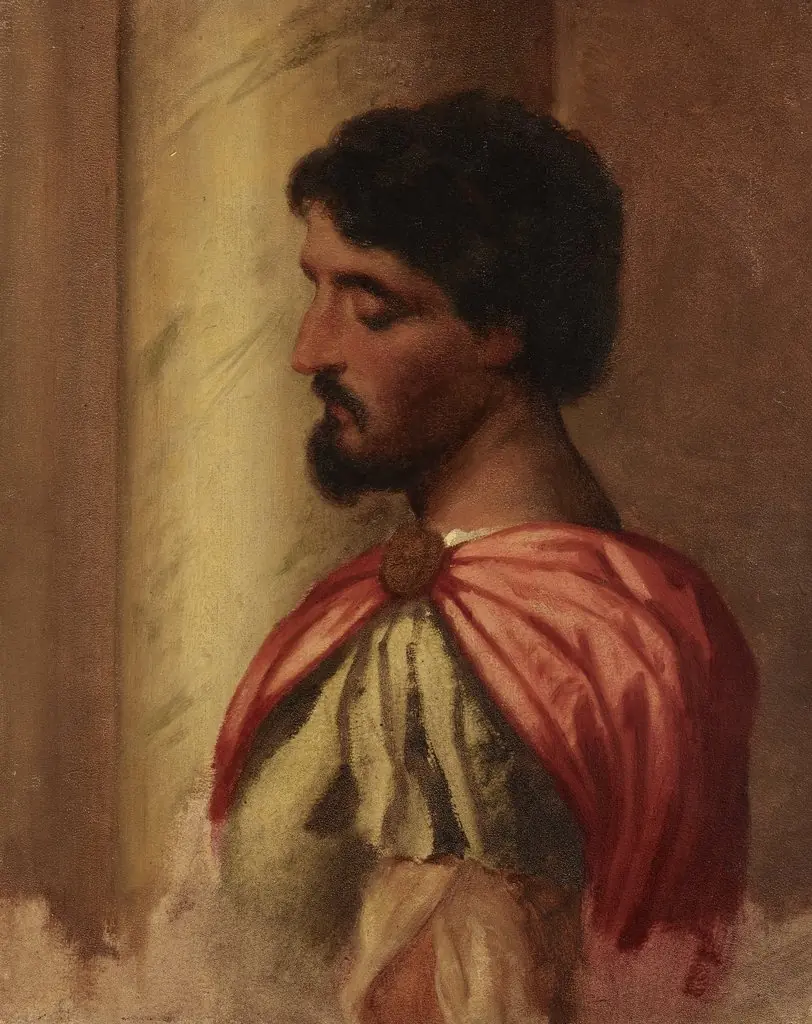 Roman Soldier. Copy of a fragment of the painting "The Massacre of the Innocents" by Bonifacio Veronese?
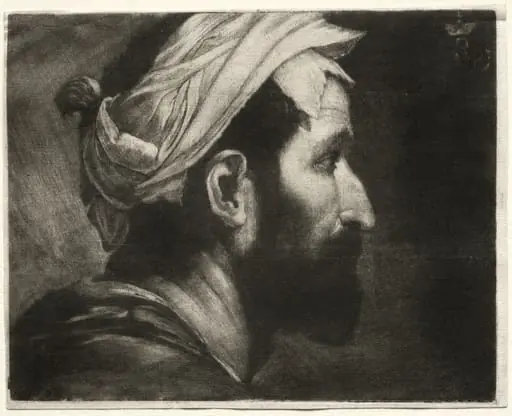 The Little Executioner
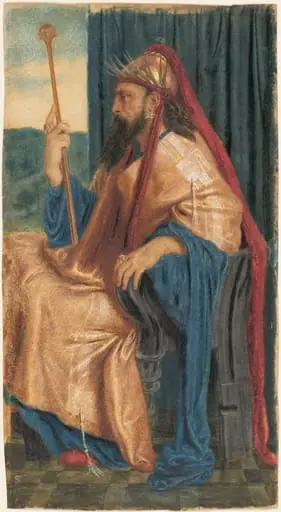 King Solomon
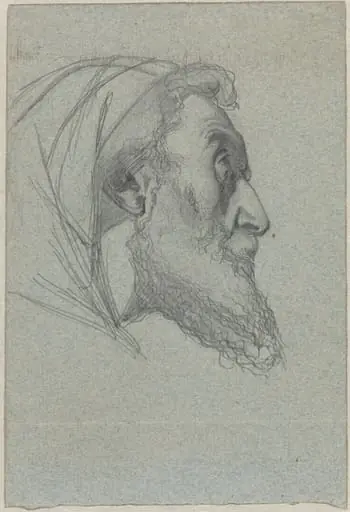 Bearded Man in Profile (recto) / Woman Looking Up (verso)
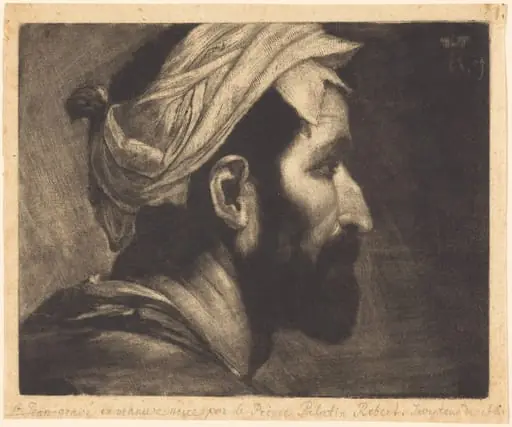 Head of the Executioner
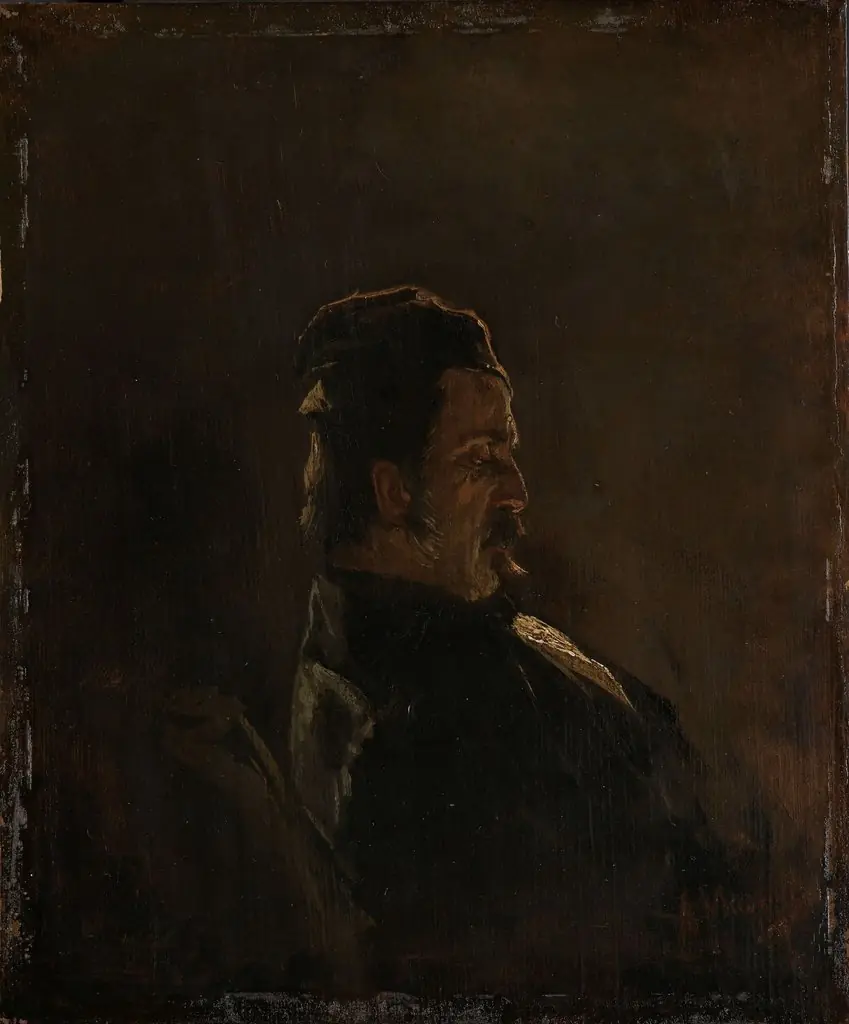 Portrait of Pieter Frederik van Os, Painter
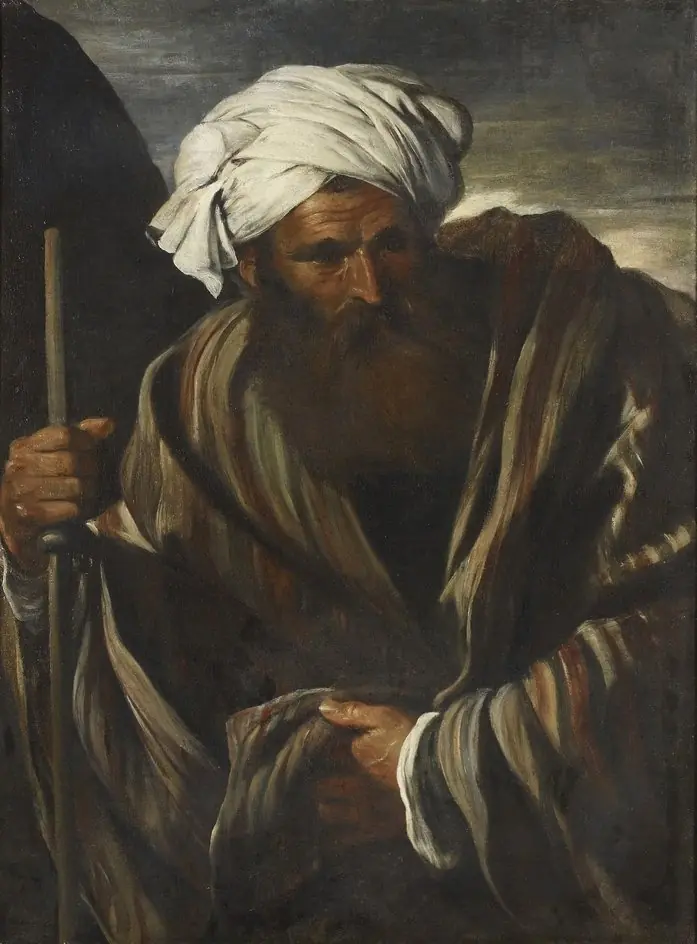 A Male Figure in Middle Eastern Dress
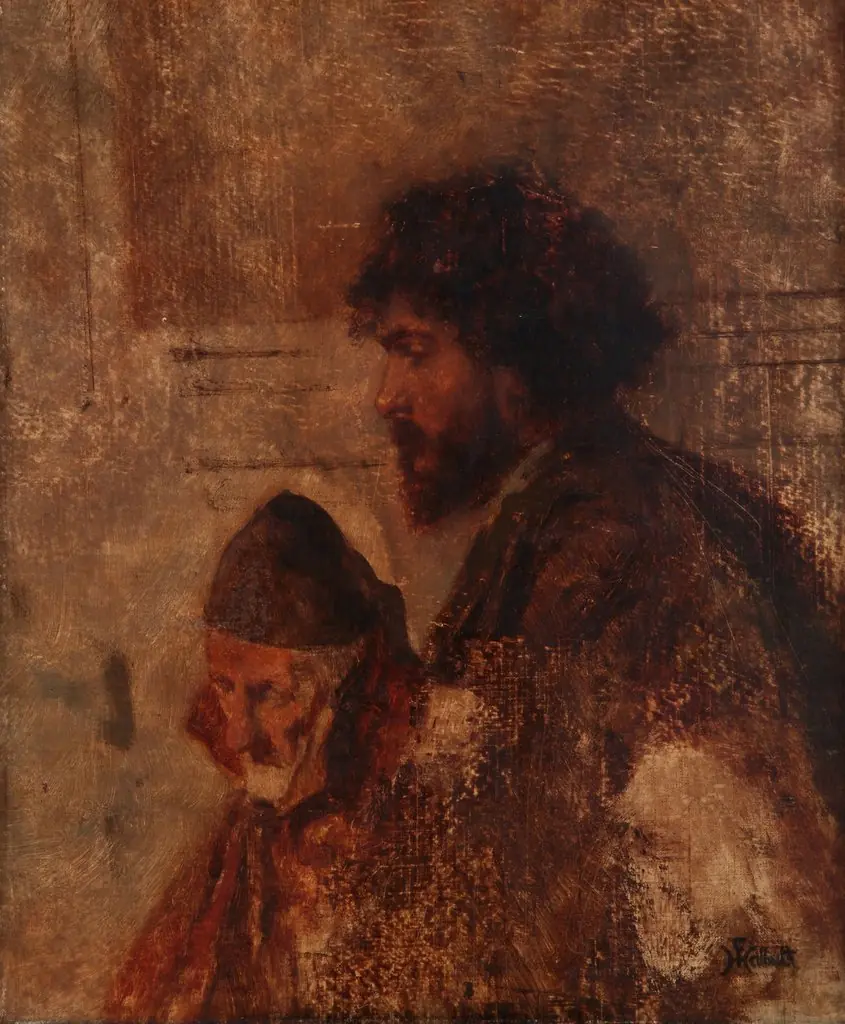 Study of a head
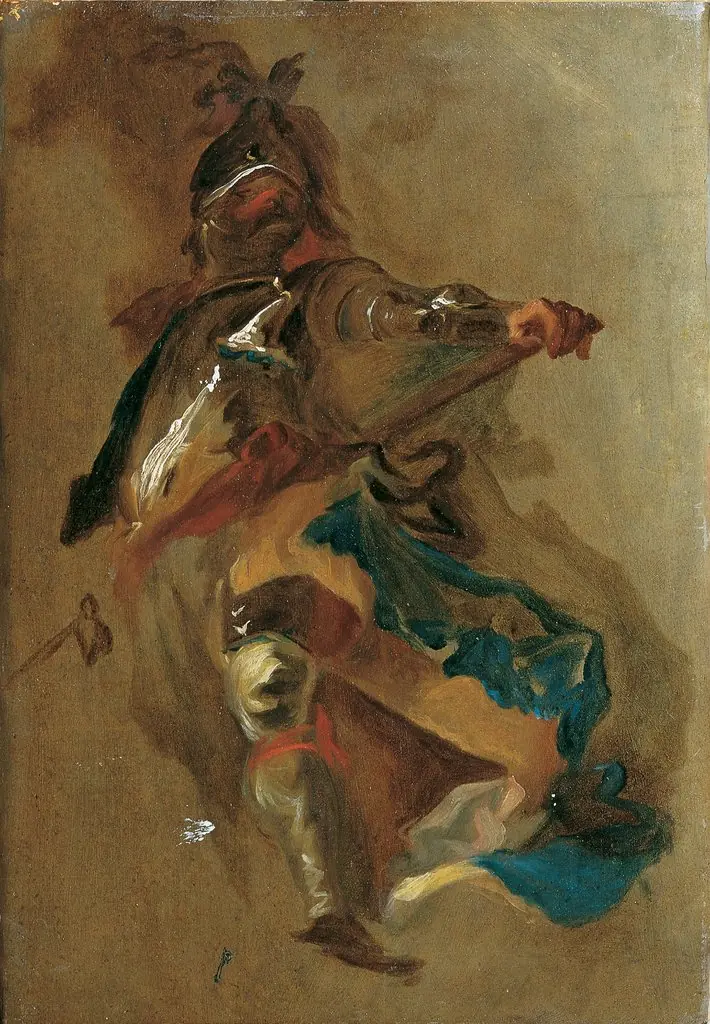 Standing Fieldman
 Old man looking to the right