Artwork
Untitled
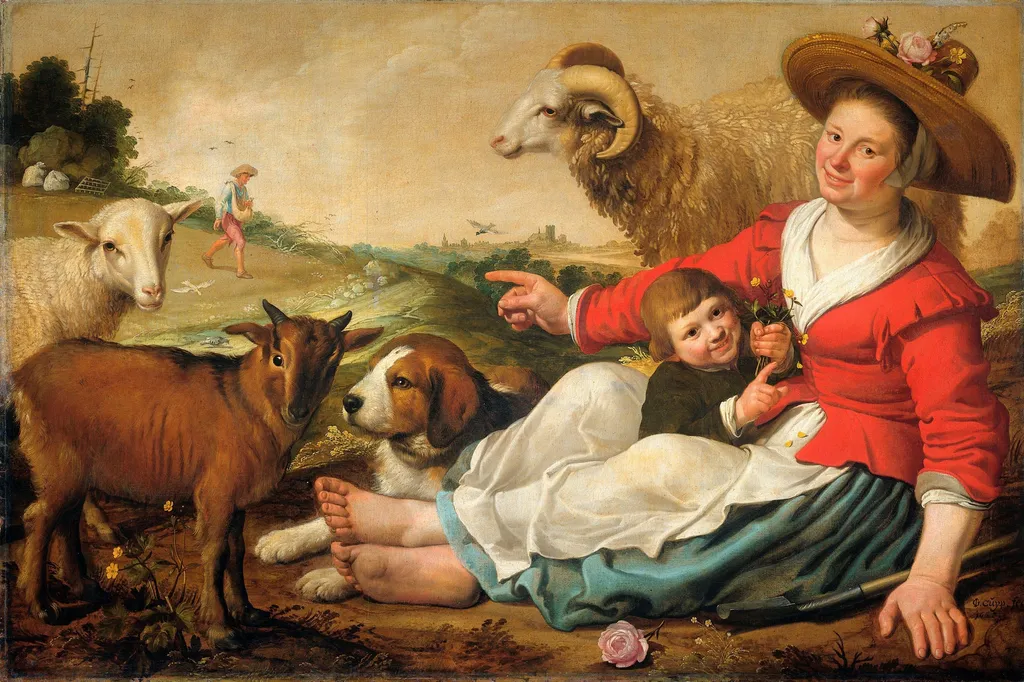
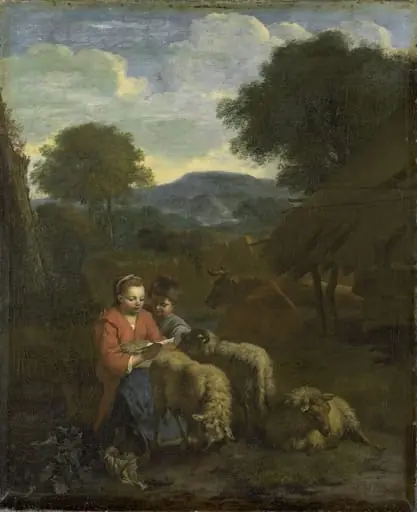
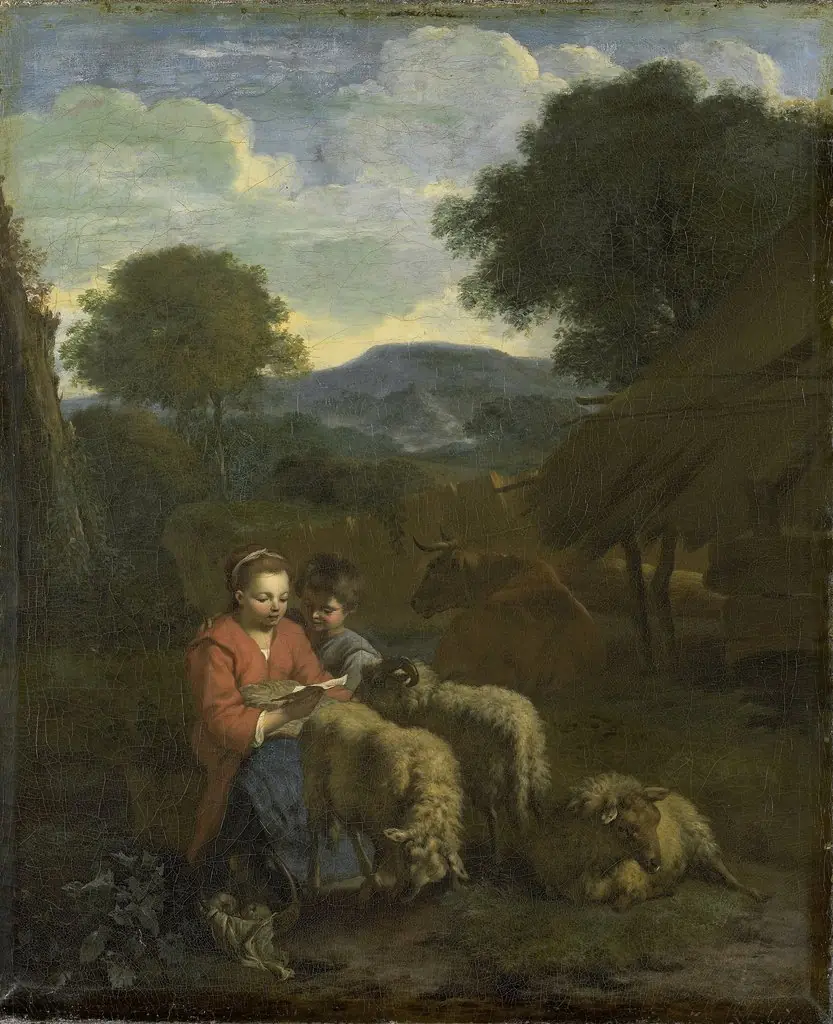
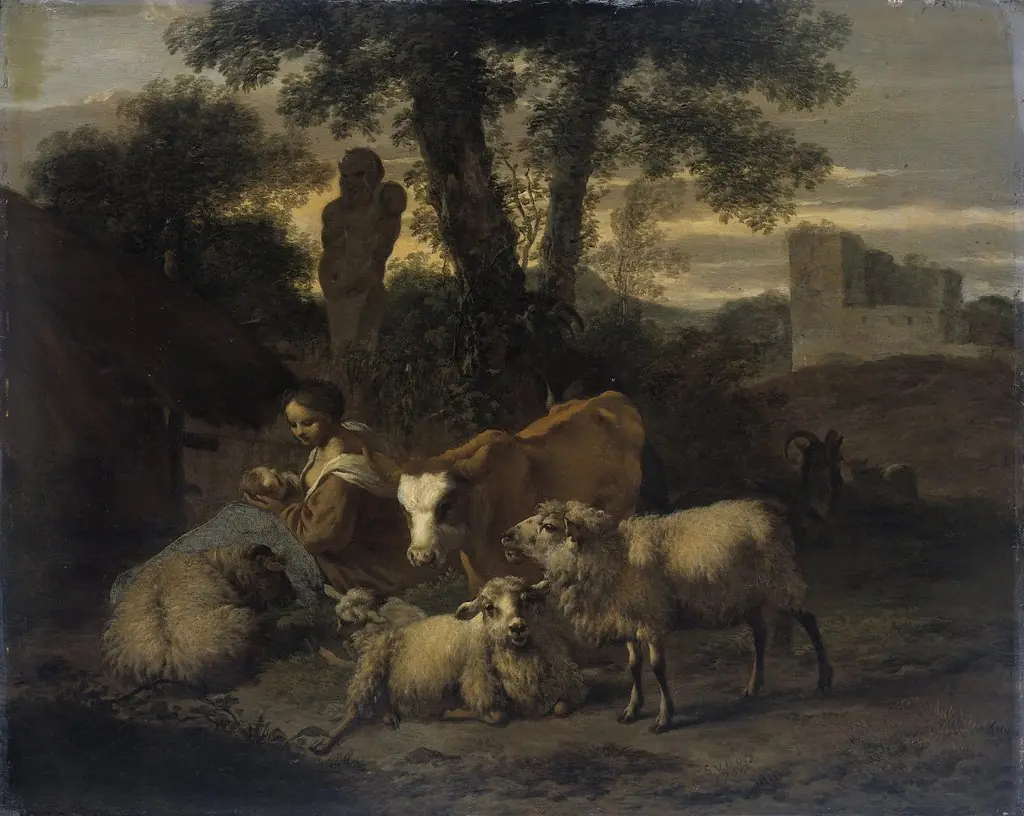
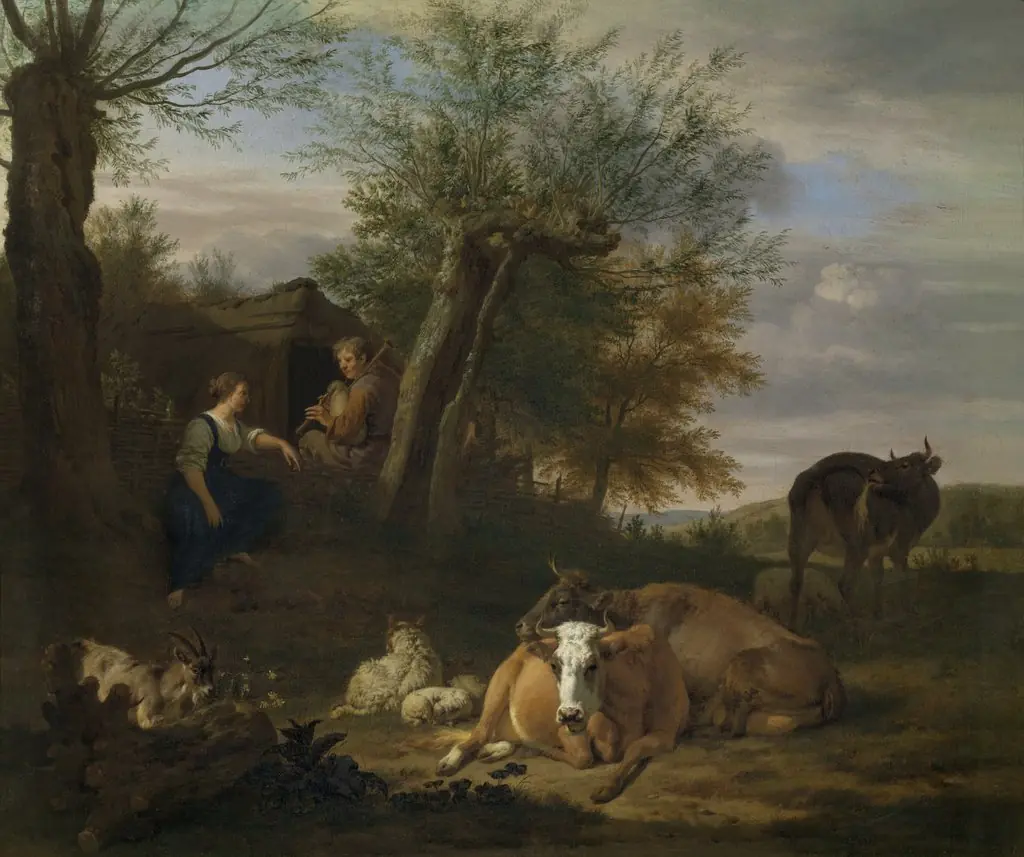
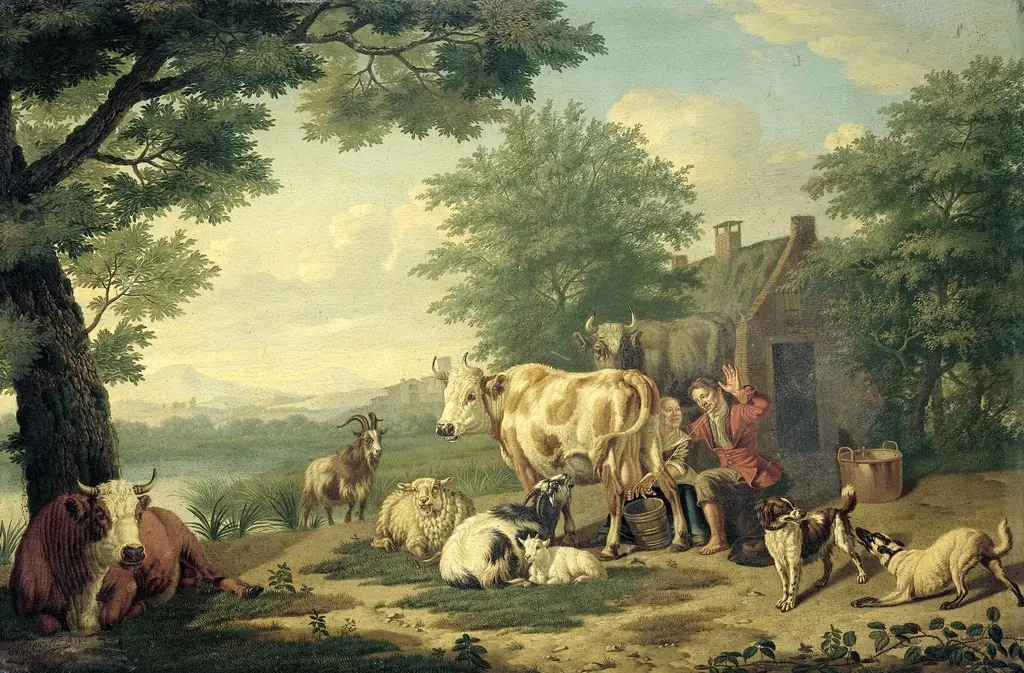
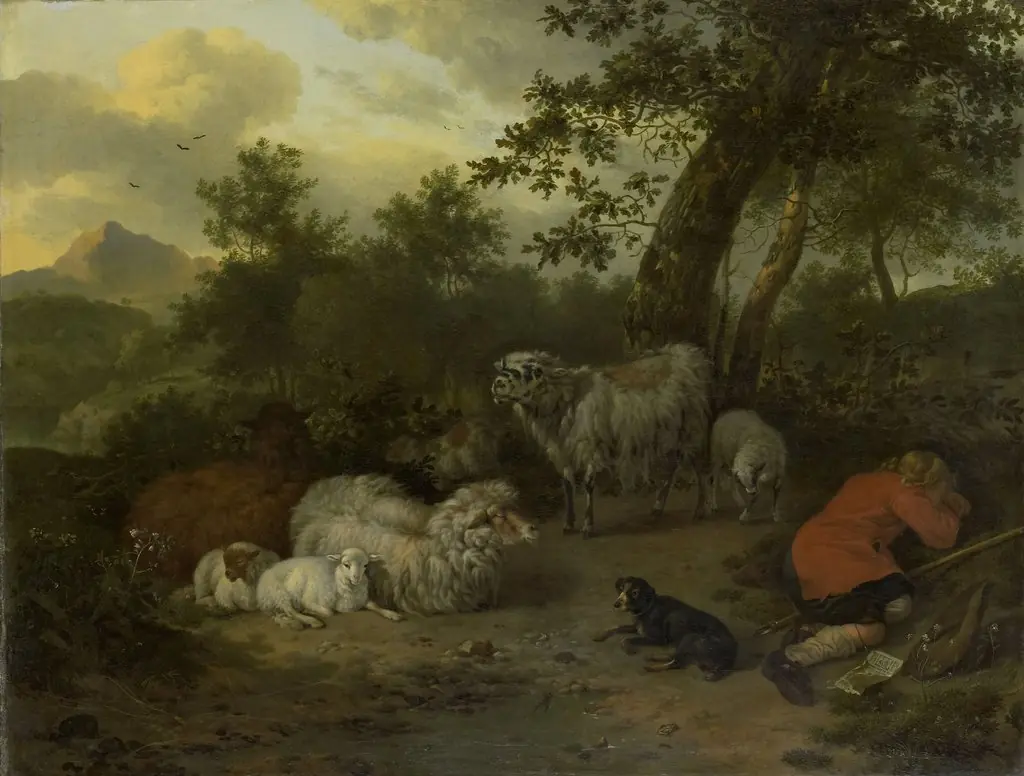
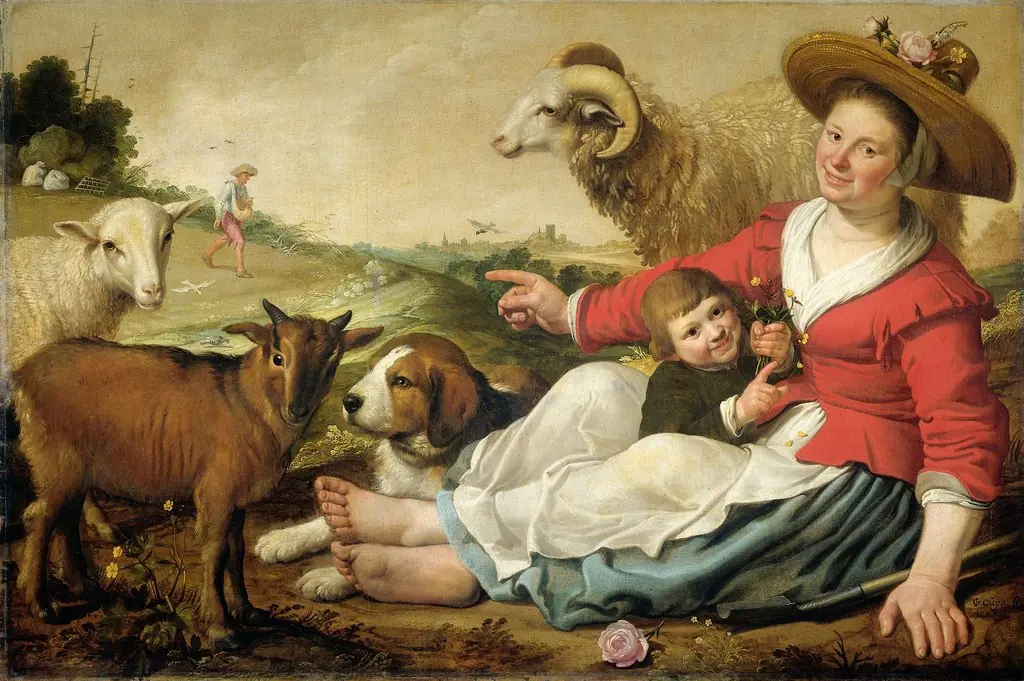
Untitled is an unspecified painting by the Baroque artist Jacob Gerritsz Cuyp. It dates from 1628 and is held in the collection of the Rijksmuseum.
About this work
History & Provenance
Petersburg, the National Gallery of Australia, Harvard University Art Museums, the Musée Ingres in Montauban, and the Israel Museum in Jerusalem.
Jacob Gerritsz. Cuyp was born in Dordrecht in December 1594 and died there in 1652, the son of glassmaker Gerrit Gerritsz. Cuyp.
He entered the Dordrecht Guild of St. Luke in 1617, served as its treasurer and headman, and was later recorded as a widower in 1652. Around 1618 he married Aertken van Cooten, with whom he had one child, Aelbert Cuyp, born in 1620. The earliest documented commission was in 1617 when he painted portraits of the masters of the Dutch Mint.
He specialized in child portraits, often depicting them in dark interiors with toys or animals, and later adopted the Utrecht Caravaggist style influenced by Abraham Bloemaert, evident in works like the half-figures of the Apostles Peter and Paul (Dordrecht Museum) and the Evangelist Luke (Karlsruhe). His son Aelbert became a celebrated painter, and Jacob also taught other artists including Ferdinand Bol and Paulus Lesire. His last signed and dated work, "Young Man with a Wine Glass and a Flute," is from 1652.
The Dordrechts Museum holds several of his works, including "Portrait of Michiel Pompe van Slingelandt" (1649), "Tulips" (1638), and "Bergère avec un enfant dans un paysage" (1627), the latter restored in 2006. His paintings are also held in institutions such as the Hermitage Museum in St. Petersburg, the National Gallery of Australia, Harvard University Art Museums, the Musée Ingres in Montauban, and the Israel Museum in Jerusalem.
Legacy
Historically, Jacob Gerritsz. Cuyp was often valued primarily as the father of the celebrated landscape painter Aelbert Cuyp, with his own artistic merits frequently overshadowed by his son's fame. Over time, critical assessment has shifted to evaluate Cuyp on his own terms, recognizing his significant contributions as a versatile portraitist and painter of biblical scenes within the Dutch Golden Age.
His legacy is further cemented by his role as a pivotal teacher who instructed a generation of notable artists, including his son Aelbert, his half-brother Benjamin Gerritsz. Cuyp, and the future master Ferdinand Bol. These pedagogical contributions helped shape the artistic landscape of Dordrecht and beyond, ensuring his influence extended well beyond his own canvases.
Overview
Created in 1628, this small oil painting is attributed to Jacob Gerritsz Cuyp, a Dutch artist known for portraiture and landscape work. The composition presents a solitary figure illuminated by a single candle, set against a dark interior. The work belongs to the Rijksmuseum’s collection and exemplifies the early Baroque interest in dramatic lighting.
Subject & Meaning
The canvas depicts a man dressed in a dark coat, holding an open book while his face remains partially concealed in shadow. The solitary candle serves as the sole source of illumination, suggesting themes of introspection, knowledge, or the fleeting nature of light and truth. The anonymity of the sitter adds an element of mystery to the scene.
Technique & Style
Cuyp employs chiaroscuro, the stark contrast between light and dark, to model the figure and emphasize the candle’s glow. The brushwork is restrained, focusing on the subtle gradations of tone that define the folds of the coat and the texture of the book. The composition reflects the influence of Caravaggio’s dramatic lighting, a hallmark of early Baroque painting.
Own this work as a print
Artist & collection
Artist
Jacob Gerritszoon Cuyp or Cuijp (1594–1652) was a portrait and landscape painter, best known for his portraits.