Artwork
Judith and Holofernes
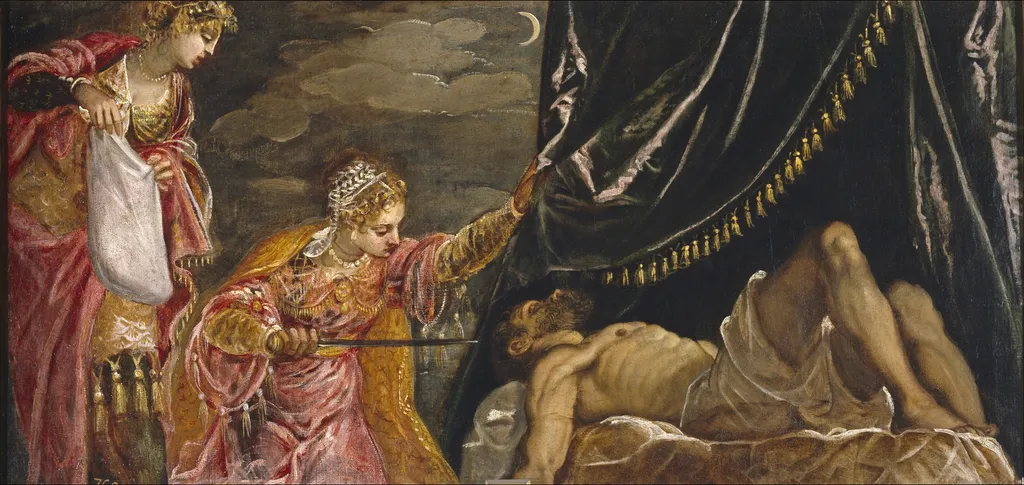
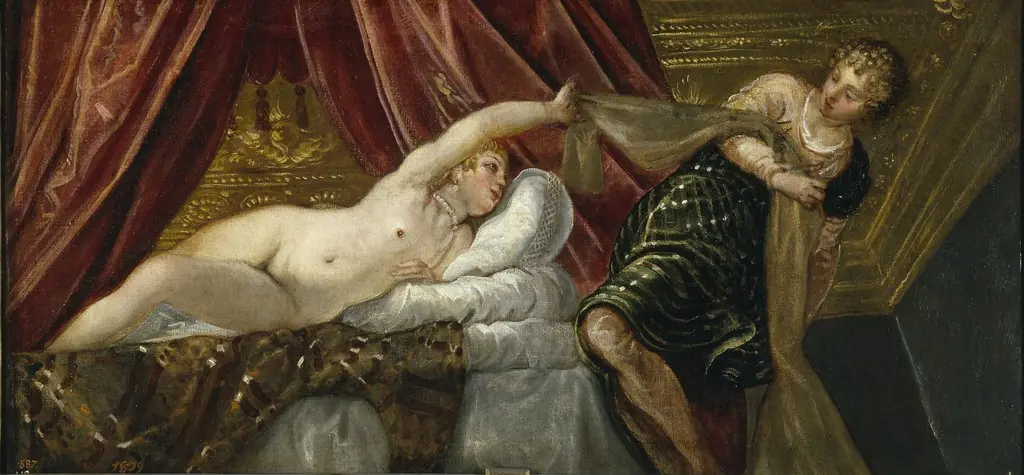
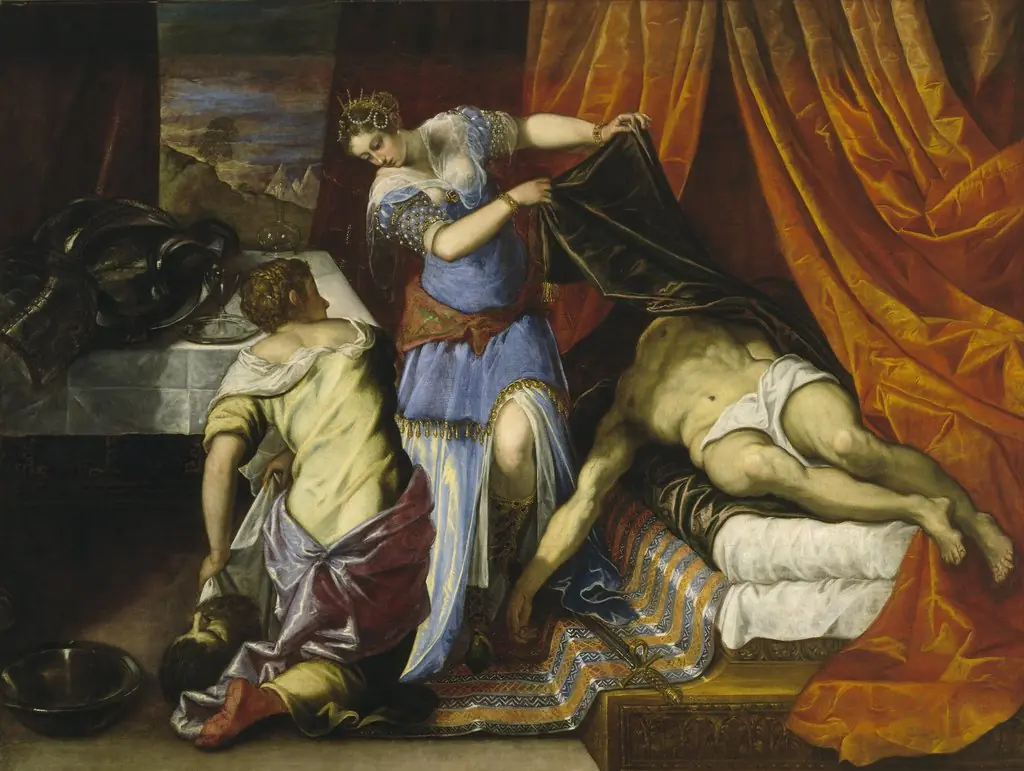
Judith and Holofernes is an oil painting by the Mannerist artist Jacopo Tintoretto. It dates from 1552 and is held in the collection of the Museo del Prado.
About this work
Subject & Meaning
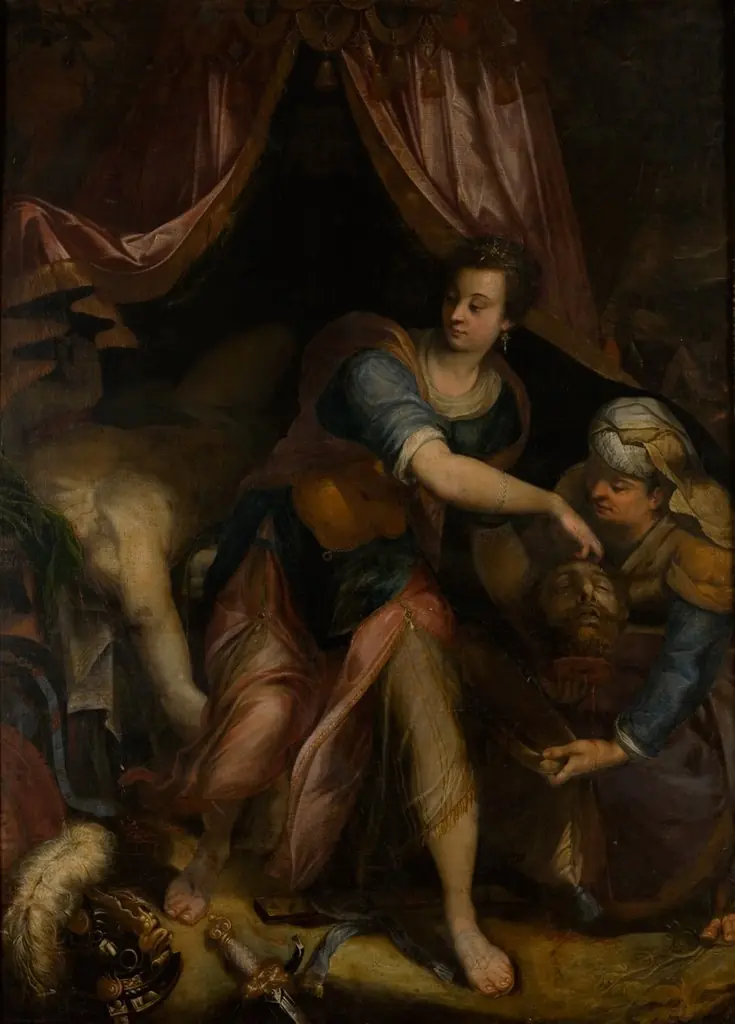
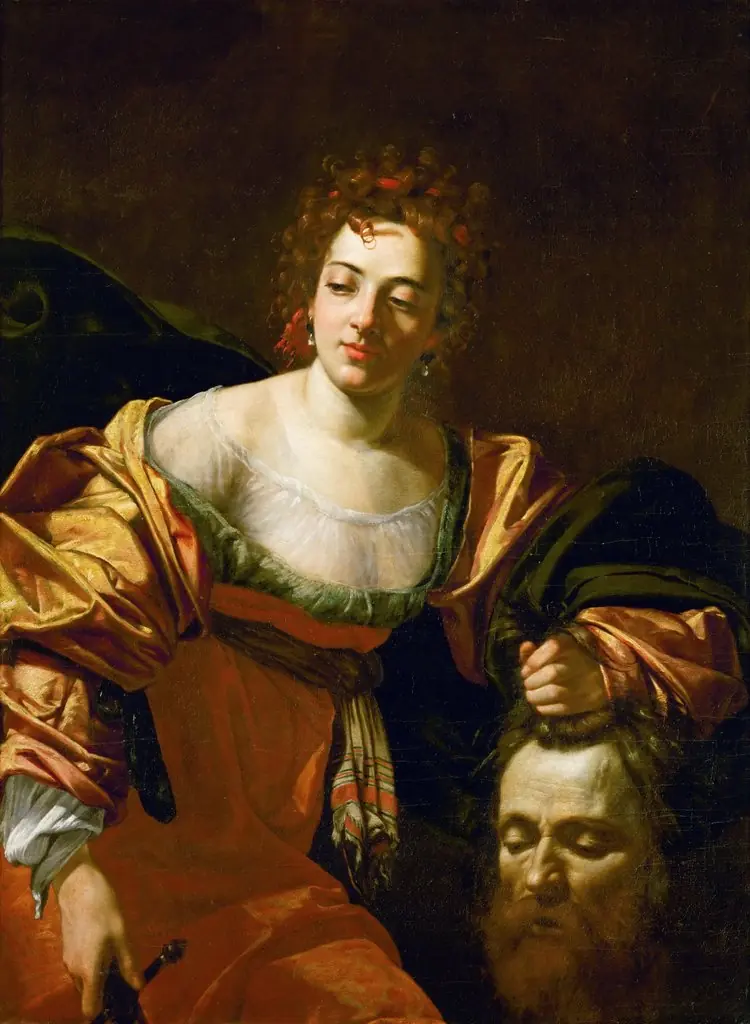
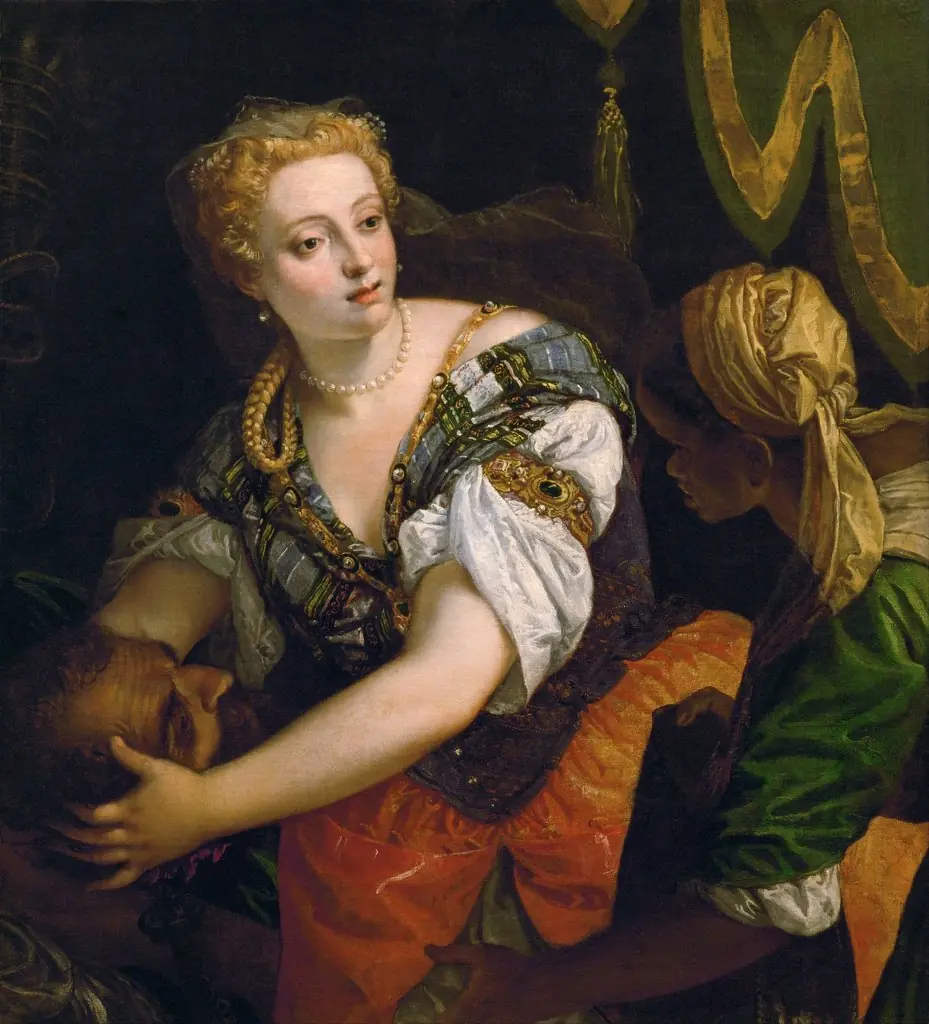
The composition focuses on the central figures of Judith and Holofernes, capturing the dramatic moment of the beheading.
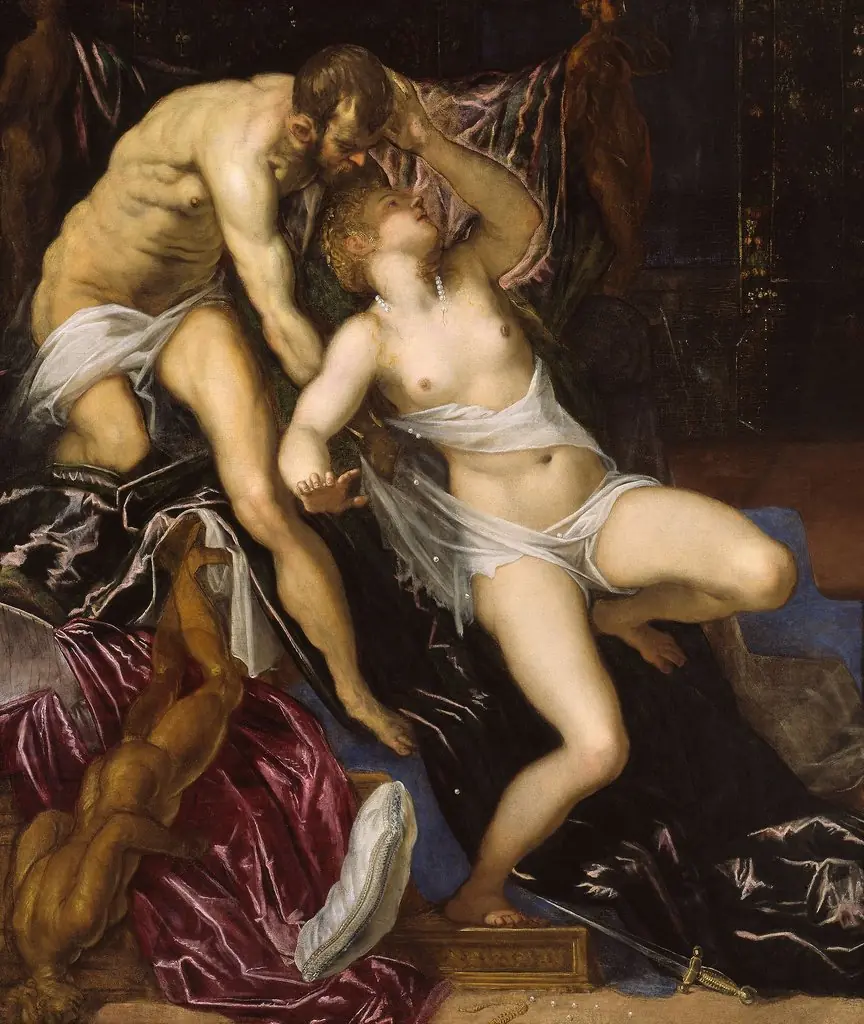
Jacopo Tintoretto's Judith and Holofernes is a religious painting that illustrates the biblical narrative of Judith decapitating the Assyrian general Holofernes to save her people. The composition focuses on the central figures of Judith and Holofernes, capturing the dramatic moment of the beheading. Specific iconographic elements include the sword used for the execution and a gemstone, which are depicted within the scene to underscore the narrative details and the spoils of war.
As a work of religious art, the piece represents themes of divine intervention, female courage, and the triumph of the weak over the powerful, serving as a visual meditation on the story found in the Book of Judith.
Technique & Style
Jacopo Tintoretto's Judith and Holofernes is executed in oil paint on a canvas support. The work measures 58 cm in height and 119 cm in width, classifying it within the religious art genre. The composition depicts the biblical figures Judith and Holofernes alongside specific attributes such as a sword and a gemstone. Created in 1552, the painting is currently held in the Museo del Prado collection.
History & Provenance
The work was painted by Jacopo Tintoretto in 1552, as recorded in the artist's corpus.
By the mid‑eighteenth century it entered the Spanish royal collection assembled by Elisabeth Farnese at the Palazzo della Pilotta in Parma. After the War of the Spanish Succession it was transferred to Madrid, where it is listed in Charles III's inventories. The canvas remained in the Spanish royal holdings through the reign of Ferdinand VII, who placed it in the Prado Museum, where it has been housed since the museum's foundation.
The painting is held in the Museo del Prado, Madrid, inventoried as P00423. It was first recorded in the Spanish royal collection, passing from Elisabeth Farnese to Charles III of Spain and later to Ferdinand VII of Spain before entering the Museo del Prado.
Overview
Tintoretto's 1552 oil painting, Judith and Holofernes, housed in the Museo del Prado, presents a dramatic interpretation of the biblical narrative. This work showcases the Venetian artist's distinctive approach to the Mannerist style, characterized by its intense emotionality and dynamic visual arrangement. It captures a pivotal moment from the Apocrypha with striking visual force.
Artist & collection
Artist
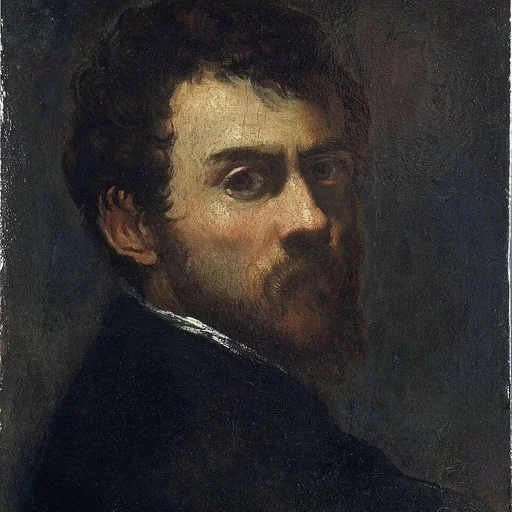
Jacopo Robusti (late September or early October 1518 – 31 May 1594), best known as Tintoretto ( TIN-tə-RET-oh; Italian:; Venetian: ), was an Italian Renaissance painter of the Venetian school.