Artwork
Esther, Ahasuerus, and Haman
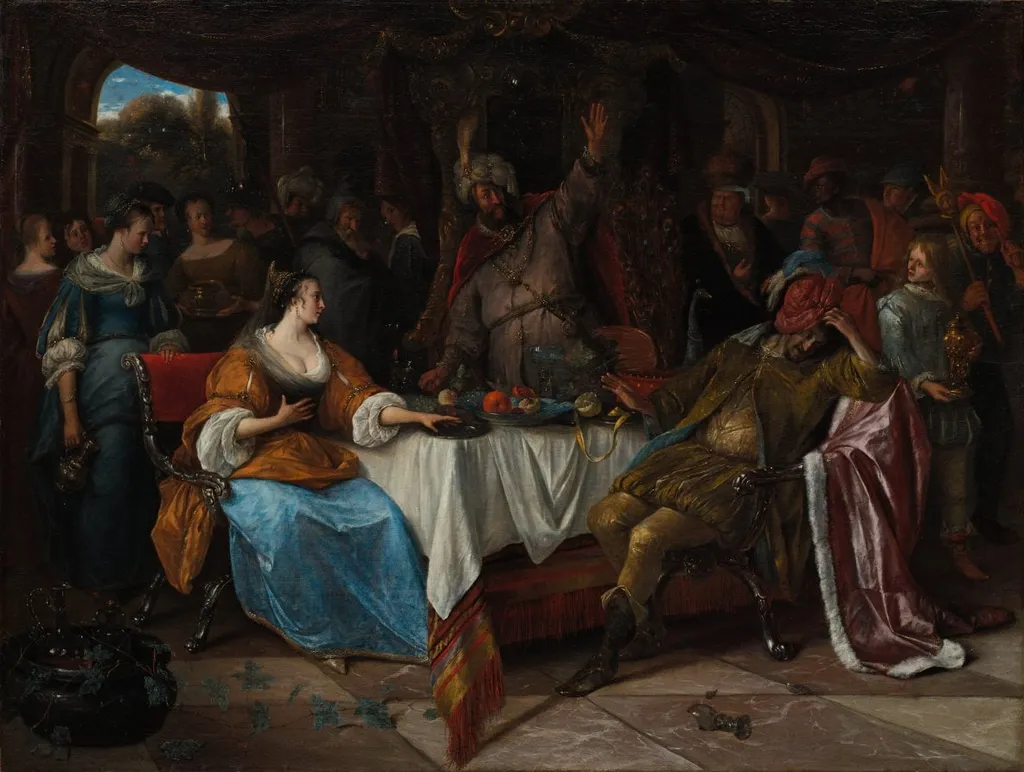
Esther, Ahasuerus, and Haman is an unspecified painting by the Baroque artist Jan Steen. It dates from 1668 and is held in the collection of the Cleveland Museum of Art. This painting depicts a pivotal moment from the biblical story of Esther.
- Accession no.
- 1964.153
- Credit line
- John L. Severance Fund
About this work
Overview
This painting depicts a pivotal moment from the biblical story of Esther. Jan Steen captures the instant when King Ahasuerus of Persia discovers his prime minister Haman's deceitful plot against the Jewish people, leading to Haman's downfall.
Subject & Meaning
The scene conveys the climax of Esther's intervention, where she reveals Haman's true intentions, prompting the king to revoke his edict against the Jews. Haman's slump and facial expression underscore his realization of impending doom.
Technique & Style
Steen employs his characteristic 'messy energy,' typically reserved for depicting everyday life, to animate this biblical narrative. A crowded, ornate setting with a long table dominates the composition, highlighting the drama among the finely dressed figures.
History & Provenance
While specific historical ownership details are not provided, the work reflects Steen's versatility beyond his common genre scenes, showcasing his ability to interpret religious themes with dynamic flair.
Context
Created within the Dutch Golden Age, this painting aligns with the period's interest in biblical subjects. Steen's approach, however, stands out for its lively, almost chaotic depiction of a sacred moment, contrasting with more serene contemporaneous treatments.
Legacy
This work contributes to Steen's broader legacy by illustrating his capacity to bring vitality to diverse subjects. It remains a notable example of 17th-century Dutch religious painting, inviting viewers to explore the intersection of biblical narrative and everyday life themes in Steen's oeuvre.
Artist & collection
Artist
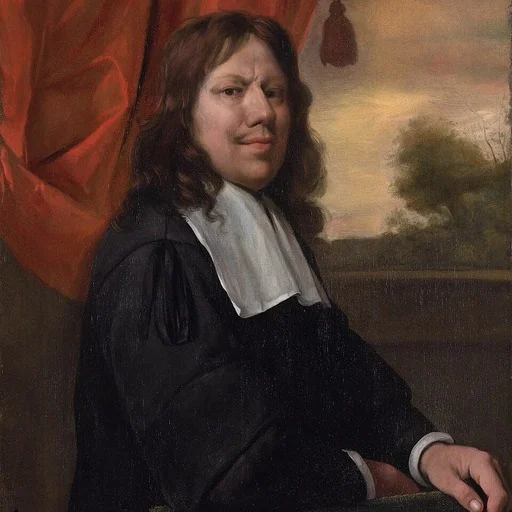
Jan Havickszoon Steen was a Dutch Golden Age painter, one of the leading genre painters of the 17th century.

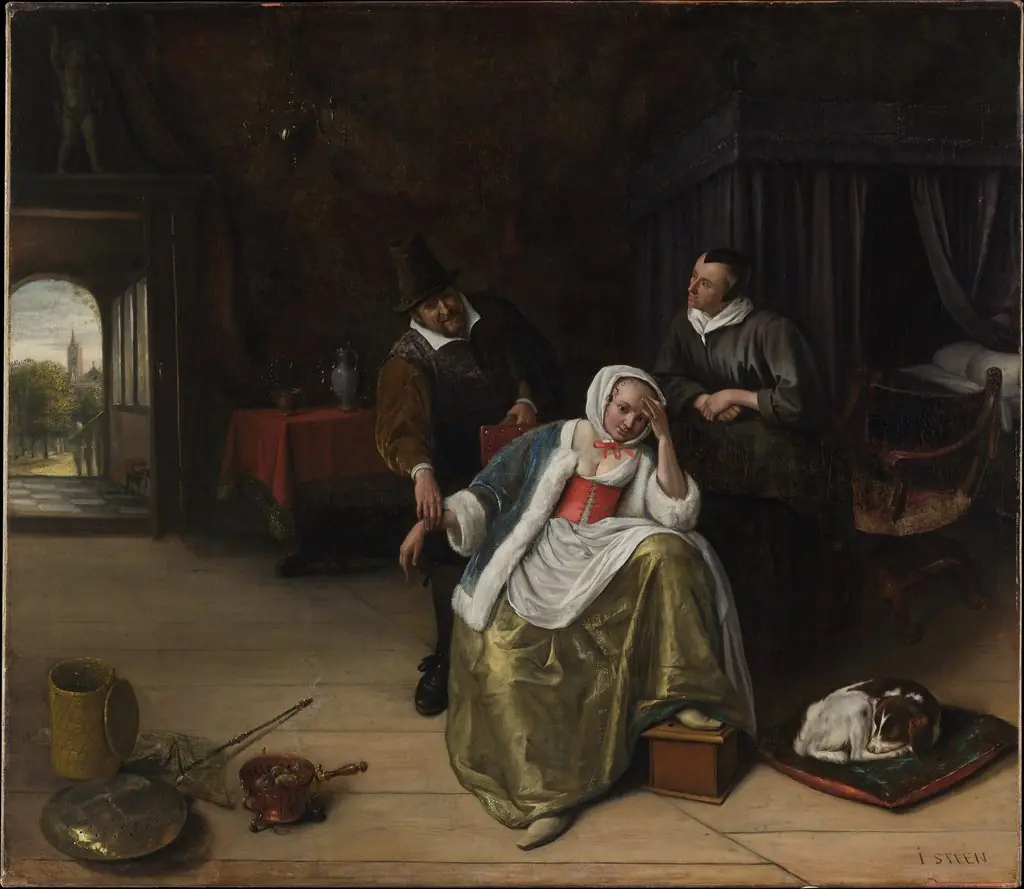 Paintings of physicians by Jan Steen
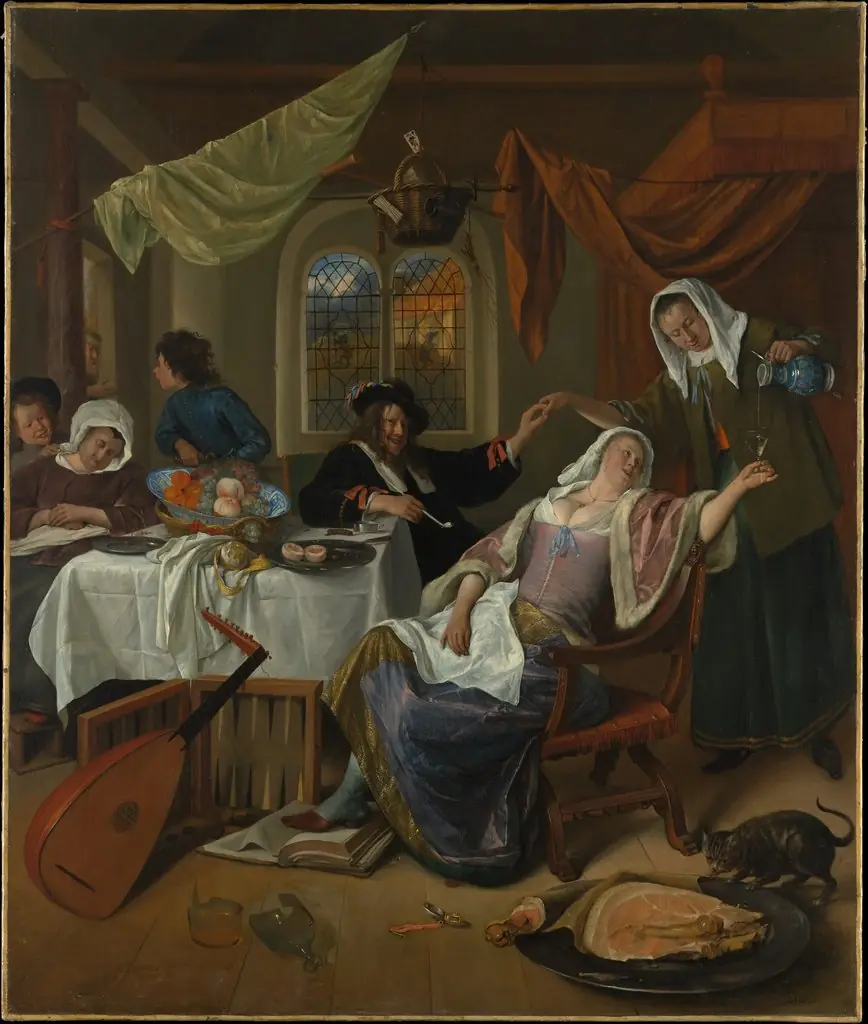 The Dissolute Household
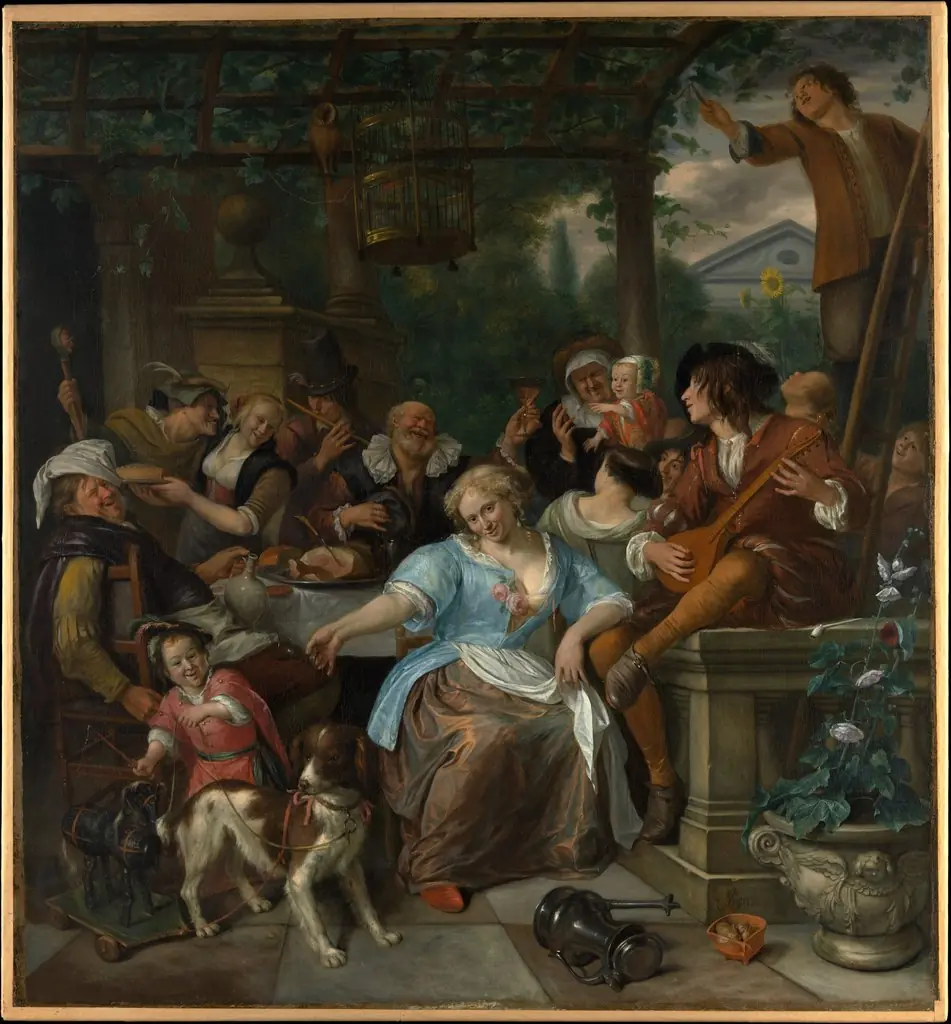 Merry Company on a Terrace
- Esther, Ahasuerus, and Haman
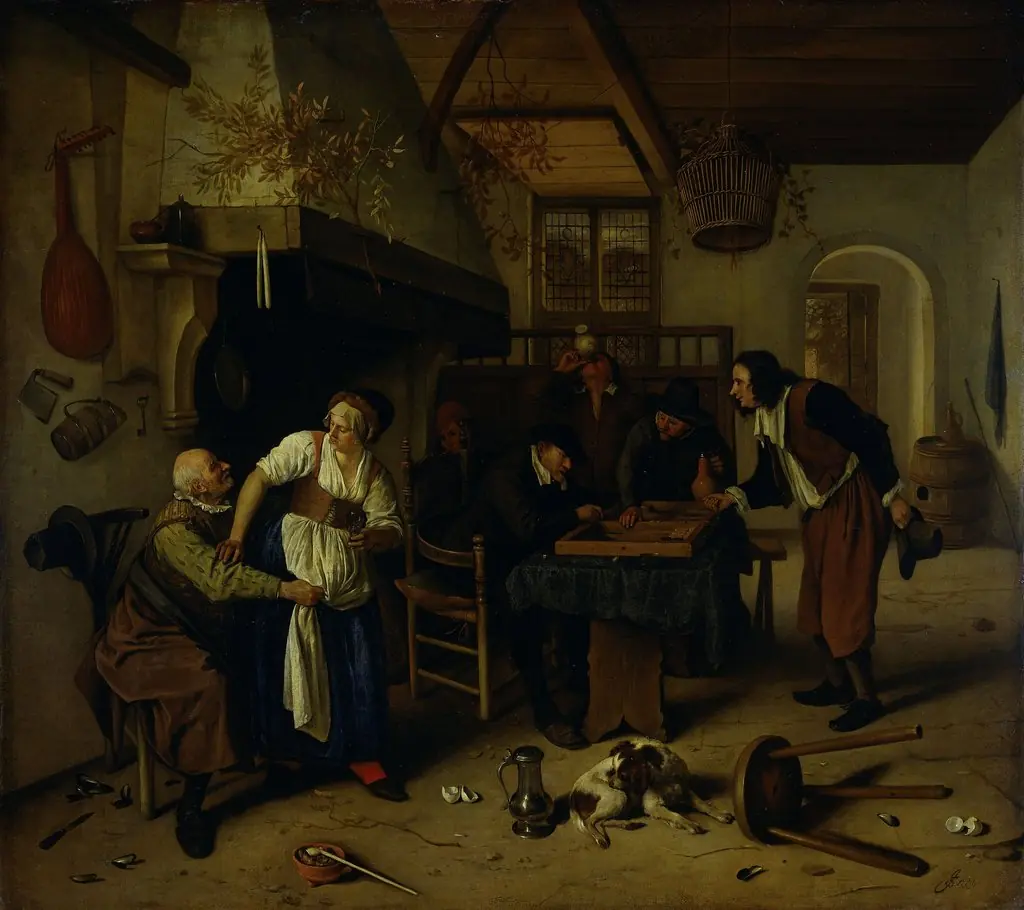 Interior of an inn with an old man amusing himself with the landlady and two men playing backgammon, known as 'Two kinds of games'
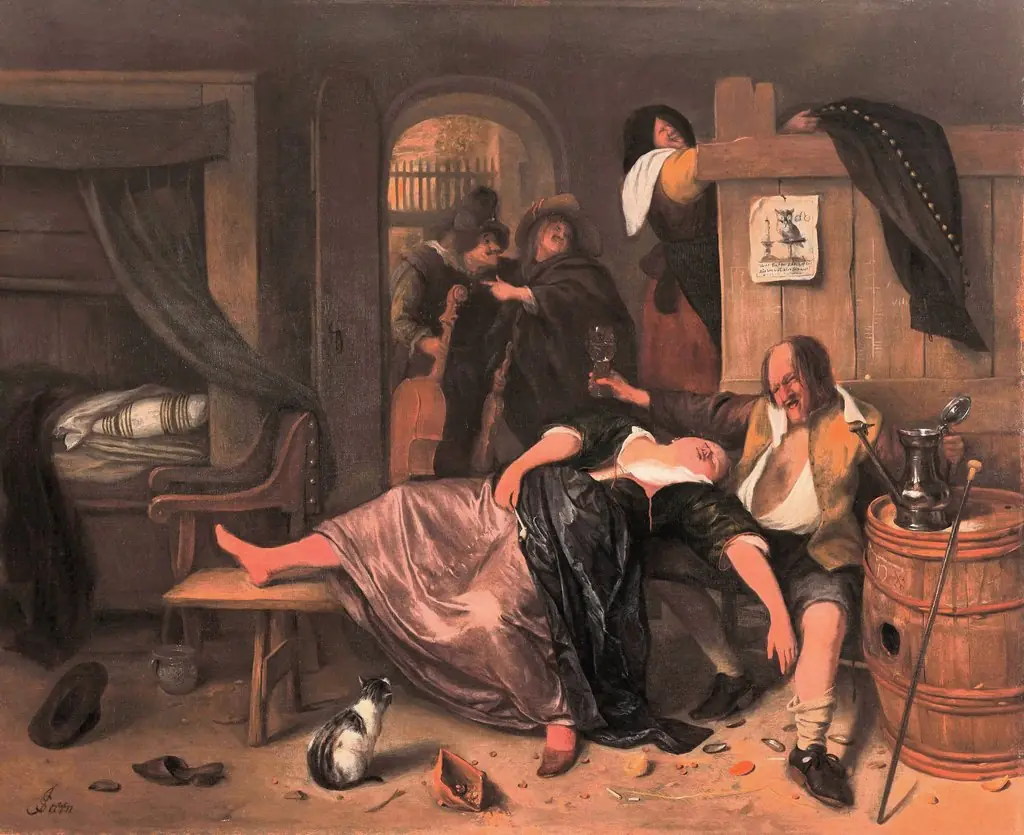 The Drunken Couple
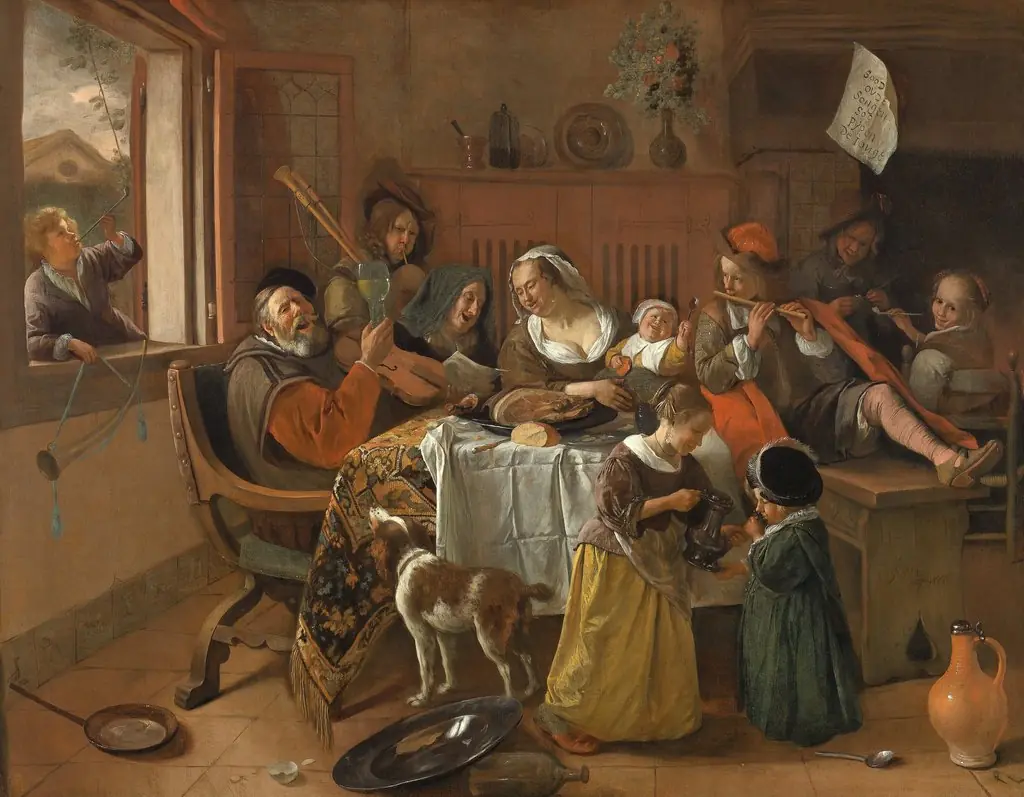 The Happy Family
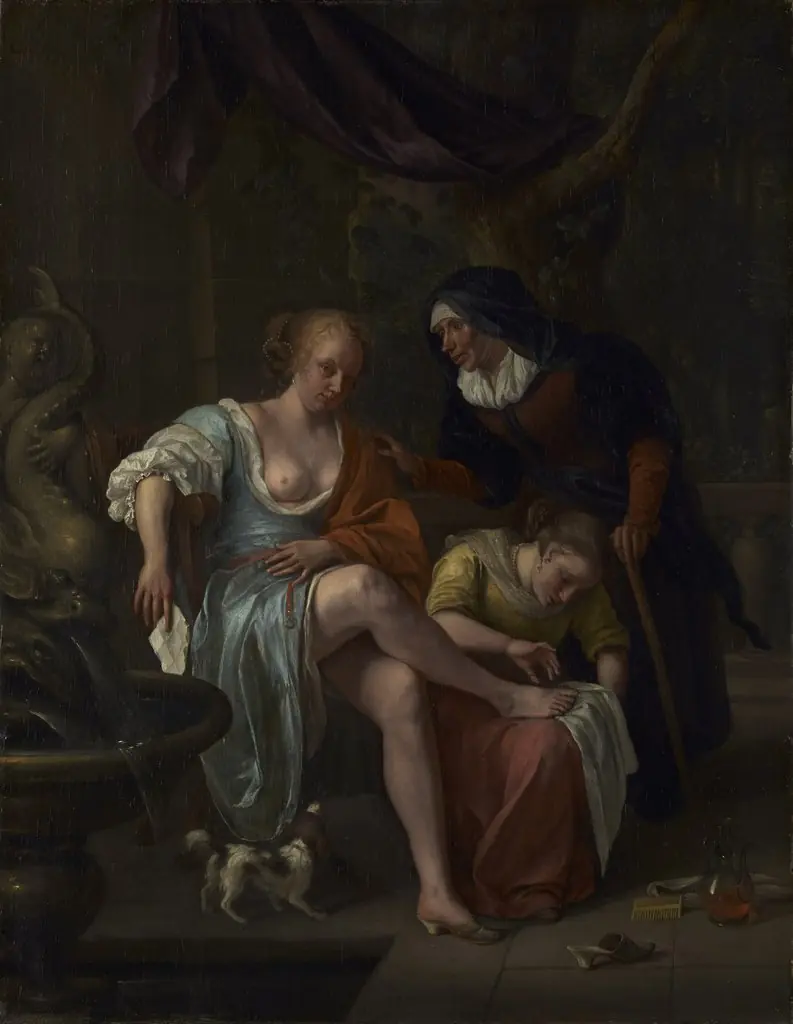 Bathsheba after the Bath
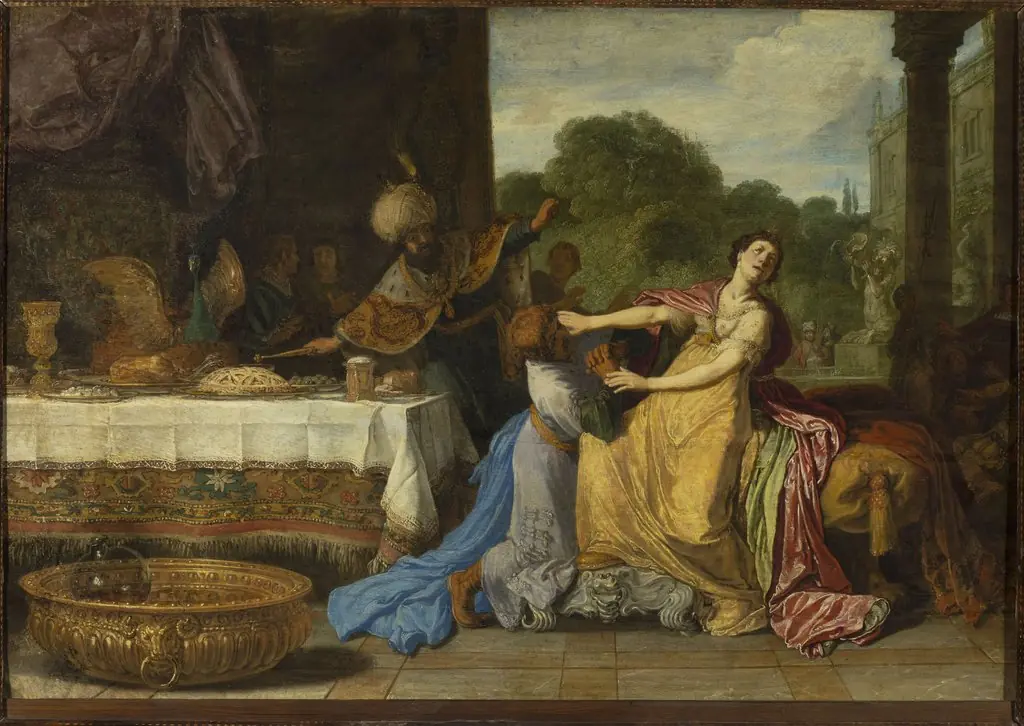 Haman begging the mercy of Esther (Esther 7:6-7)
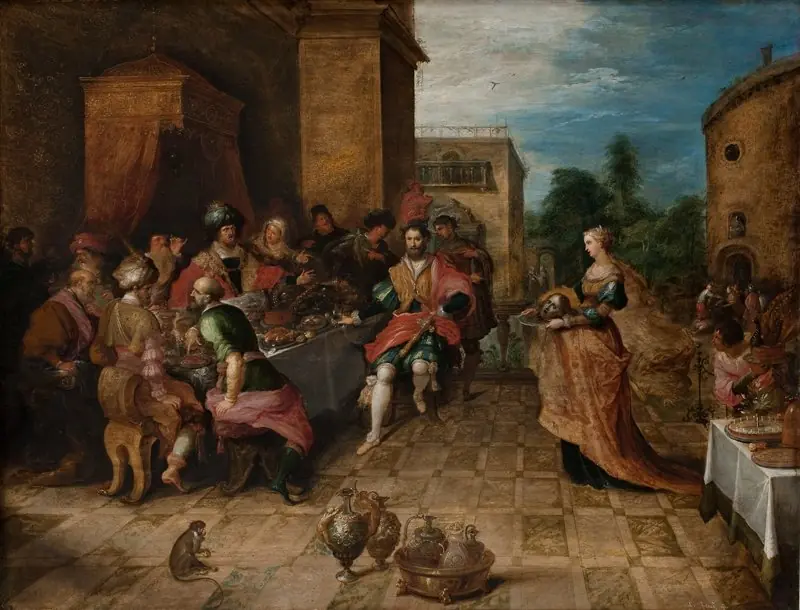 The Banquet of Herod. Salome Presents the Head of John the Baptist
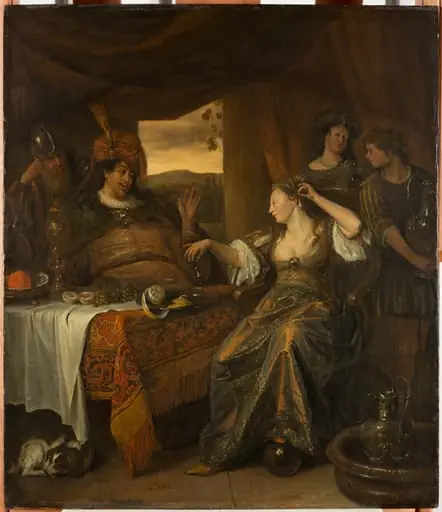 Antonius und Kleopatra
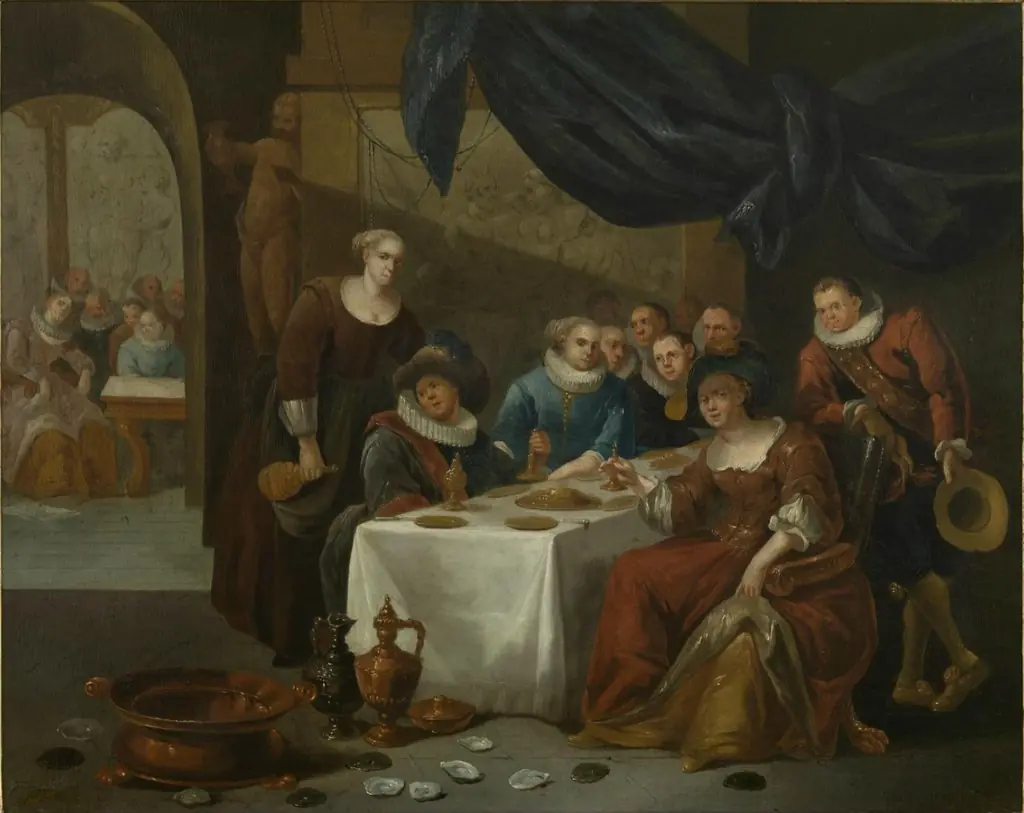 Galant gezelschap
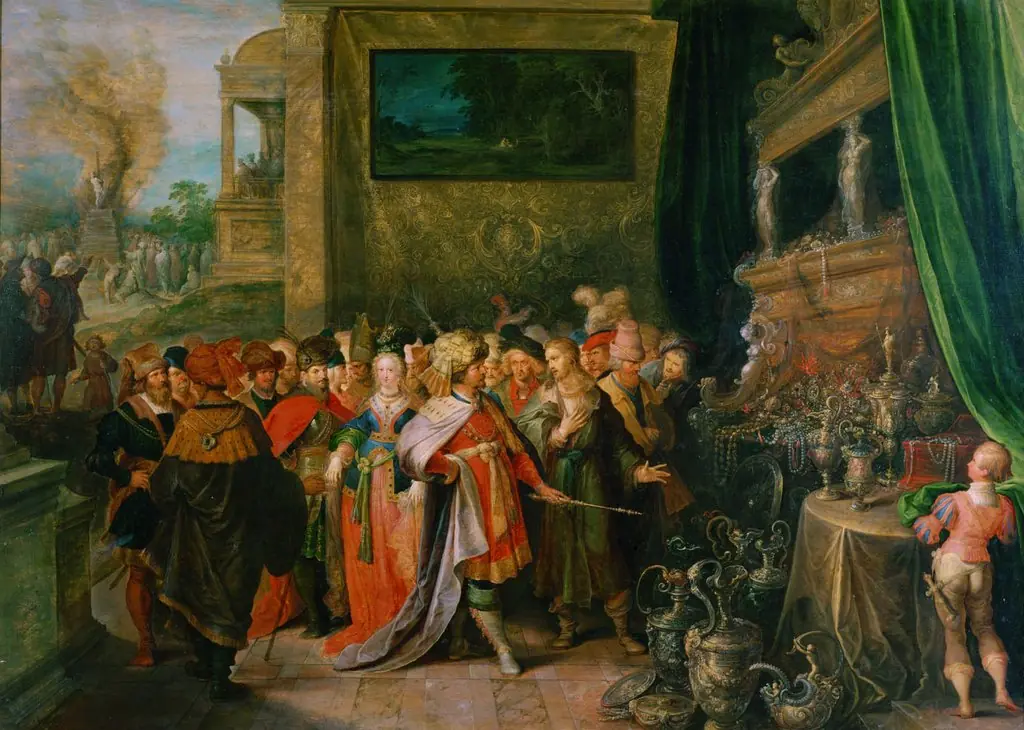 Croesus displays his treasures to Solon
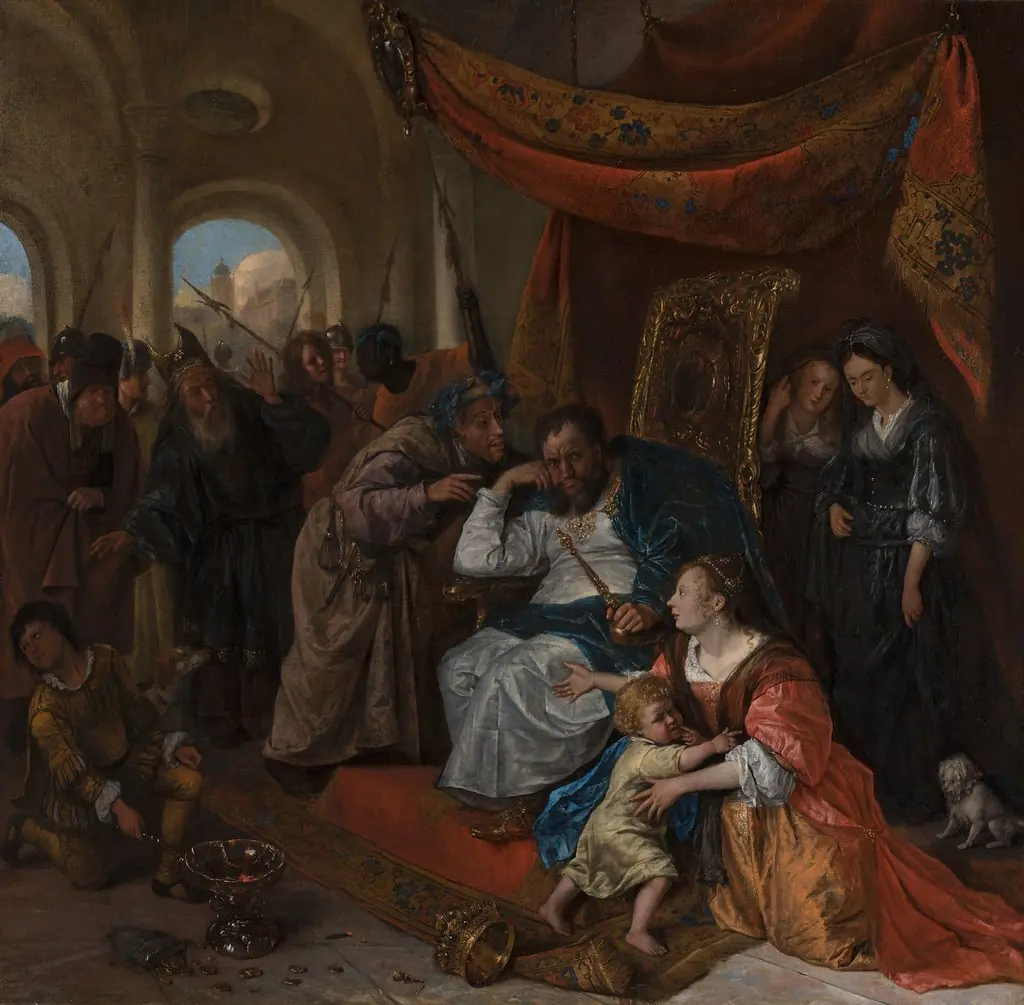 Moses and Pharaoh’s Crown
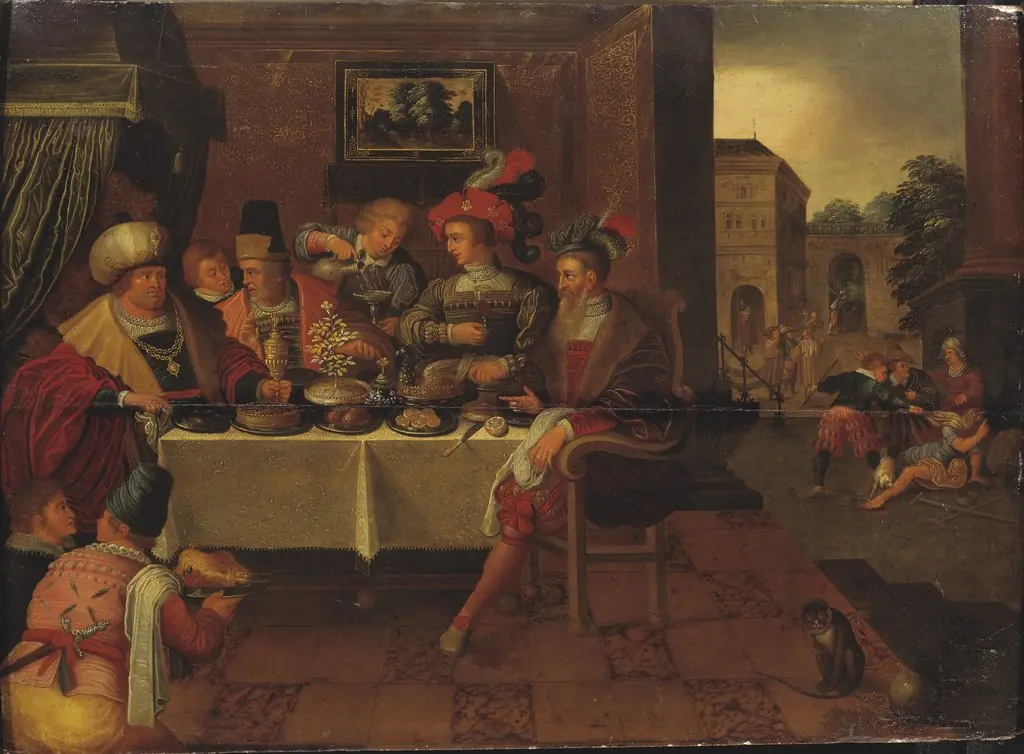 The Rich Man and Lazarus
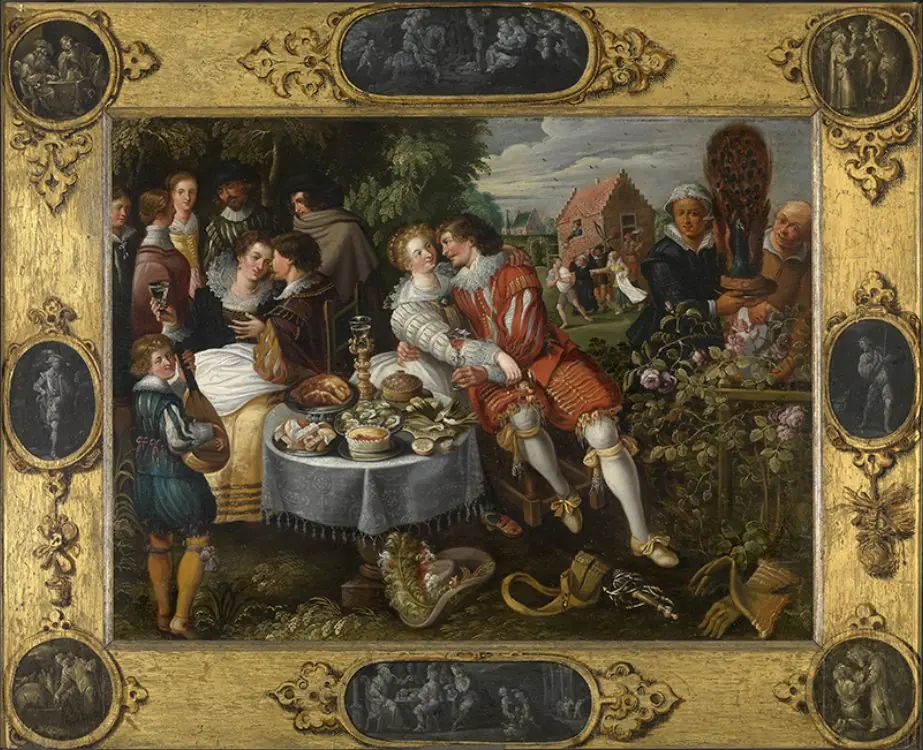 Verloren zoon
 The Banquet of Herod. Salome Presents the Head of John the Baptist
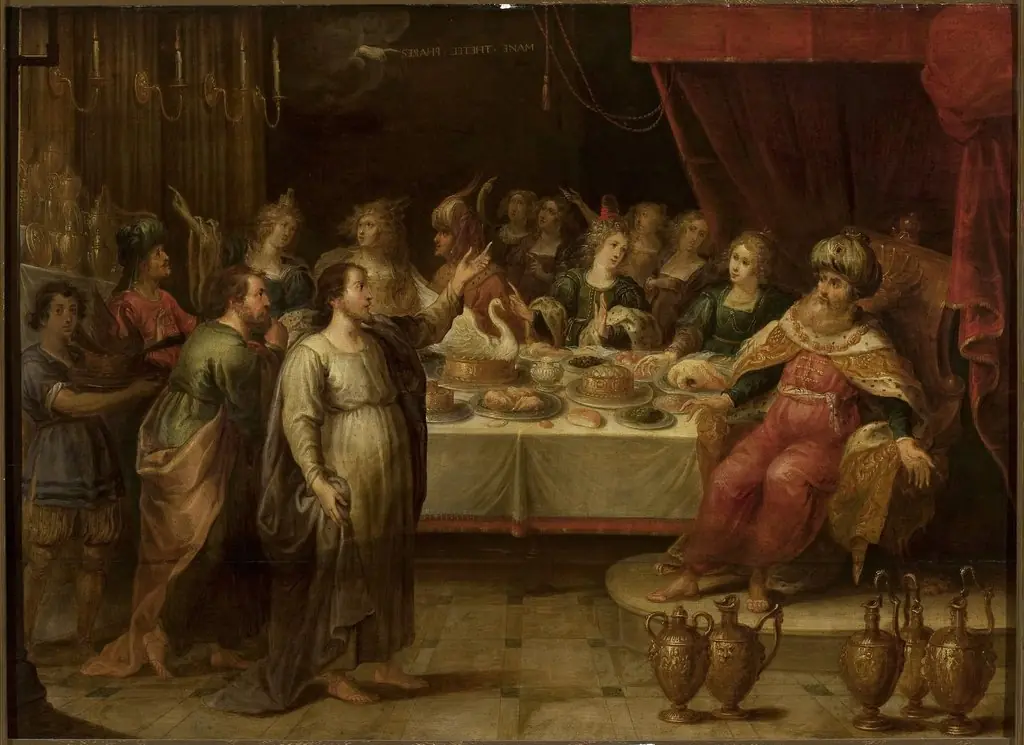 Belshazzar's feast (Daniel 5:1-31)