Artwork
Portrait of Jan de Leeuw
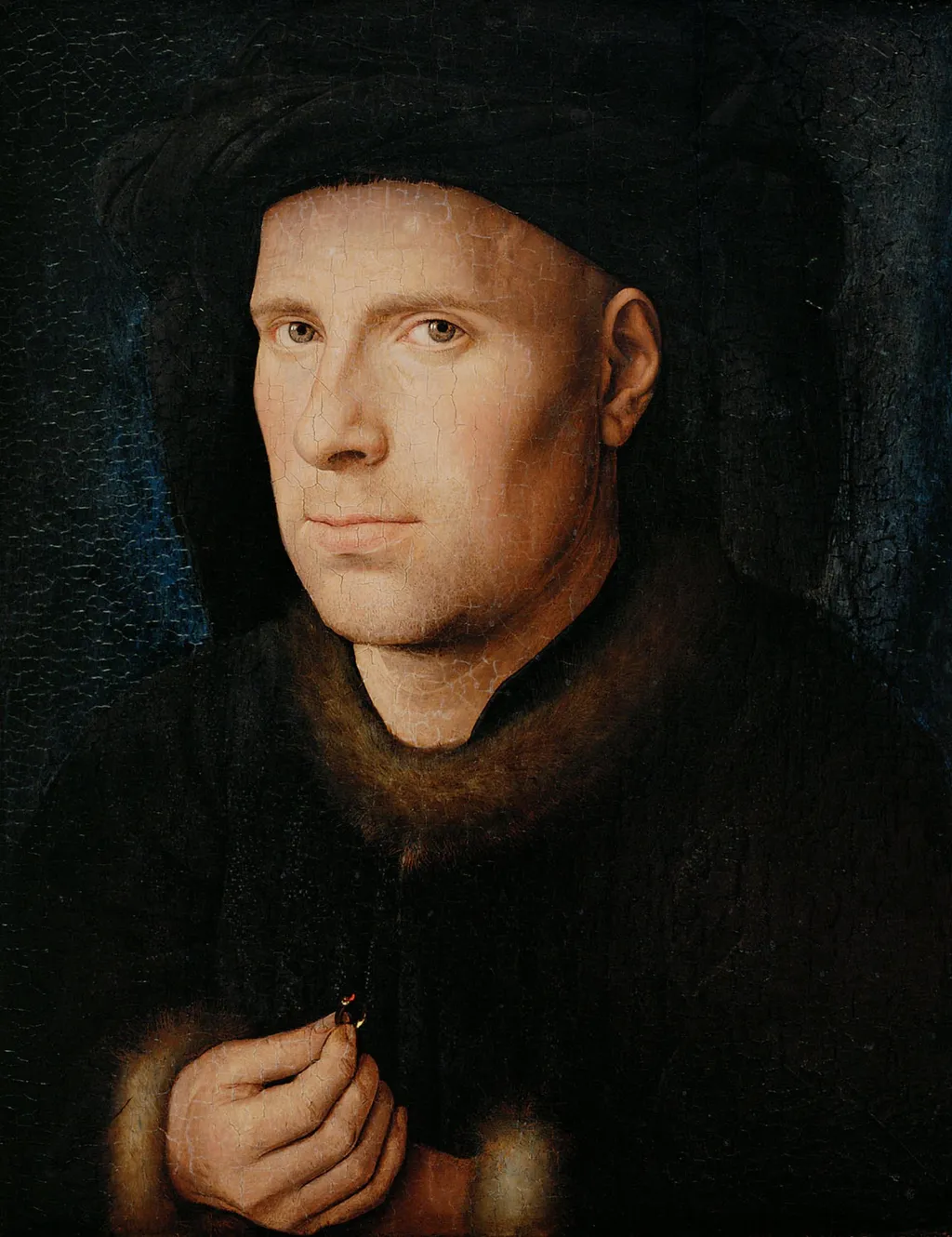
Portrait of Jan de Leeuw is an oil painting by the Northern Renaissance artist Jan van Eyck. It dates from 1436 and is held in the collection of the Kunsthistorisches Museum.
About this work
Subject & Meaning
The sitter's surname is visually punned in the original frame, where the word "Leeuw" (Lion) is replaced by a golden lion pictogram.
The work depicts Jan de Leeuw, a goldsmith from Bruges, portrayed as a serious young man with an intense, direct gaze. He wears a black chaperon and a fur-lined black jacket, holding a gold ring with a red jewel in his right hand. This object primarily symbolizes his profession, though scholars also suggest it may represent a marriage engagement or indicate the portrait was intended for a fiancée. The sitter's surname is visually punned in the original frame, where the word "Leeuw" (Lion) is replaced by a golden lion pictogram. A Flemish inscription addresses the viewer in the first person, creating a dialogue that complements the sitter's challenging look. Art historians interpret the combination of the direct gaze and the inscribed text as van Eyck granting the portrait a "voice," effectively endowing the subject with a form of rebirth.
Technique & Style
The painting is an oil on wood panel measuring 24.5 cm in height and 19 cm in width, created in 1436 by Jan van Eyck. It depicts Jan de Leeuw, a goldsmith from Bruges, in a half-length portrait dominated by black and dark brown tones with accents of red. He wears a black chaperon and a fur-lined jacket, and holds a gold ring with a red jewel in his right hand, symbolizing his profession or possibly a recent engagement. The work retains its original frame, painted to resemble bronze, and features a fictive border inscribed in black with a quatrain in Middle Dutch. The inscription uses Roman numerals in a chronogram format, referencing the sitter's birth year (1401), age, and the painting's completion in 1436, with 'Leeuw' replaced by a golden lion motif. The formal composition closely resembles van Eyck's London self-portrait, with an oversized head relative to the torso and a direct, intense gaze challenging the viewer. The inscription directly addresses the viewer in the first person, creating a dialogue that extends the sitter's gaze, as noted by scholars such as Till-Holger Borchert and Guy Bauman.
History & Provenance
The *Portrait of Jan de Leeuw* was completed by Jan van Eyck in 1436. The work depicts Jan de Leeuw, a goldsmith from Bruges, and the intimate nature of the portrait suggests a personal friendship between the artist and the sitter. The painting remains in its original frame, which is painted to imitate bronze and bears a fictive inscription in Flemish. This text records the sitter's birth on the Feast of St. Ursula in 1401 and explicitly states that Jan van Eyck began the portrait in 1436. The inscription also incorporates a pictogram of a lion in place of the surname "Leeuw," playing on the Dutch word for lion. Art historians note that the frame's style closely resembles that of other works by van Eyck and his workshop, suggesting they were crafted by the same artisan.
Context
Scholarly attention to van Eyck’s Portrait of Jan de Leeuw has centered on its exceptional inscribed frame and the work’s status within Early Netherlandish portraiture. Art historians such as Max Friedländer and Erwin Panofsky identified the frame’s chronograms as encoding the sitter’s birth year (1401) and the painting’s completion year (1436), while Guy Bauman additionally proposed that the text encodes the sitter’s age (35), though this reading has been contested. The portrait’s direct address to the viewer through the fictive frame was highlighted by Till-Holger Borchert, who noted that the inscription “speaks” in the first person, sustaining a dialogue initiated by the sitter’s intense gaze. The work’s formal kinship with van Eyck’s London self-portrait, shared head-to-torso proportions, dark palette with red accents, and original bronze-painted frame, has been repeatedly cited to situate the panel within van Eyck’s late oeuvre and his Bruges milieu. Elisabeth Dhanens and Lorne Campbell emphasize the intimacy of the likeness, arguing that the familiarity of the portrait reflects a personal relationship between sitter and painter, likely as fellow townsmen in Bruges where de Leeuw worked as a goldsmith.
Legacy
Since its creation in 1436, Jan van Eyck’s Portrait of Jan de Leeuw has been repeatedly cited as a touchstone of early Netherlandish portraiture’s ambition to animate the sitter. Art historians such as Till-Holger Borchert emphasize the work’s unprecedented first-person address on the frame, which turns the image into an apparently speaking presence and extends the dialogue begun by the sitter’s direct gaze. Guy Bauman, writing in 1986, framed this effect as van Eyck’s quasi-divine conferral of voice and renewed life upon the portrayed, echoing humanist commentary on the era’s portraiture. The panel’s original frame, with its inscribed chronograms and word puzzles, became a model for later discussions of van Eyck’s technical and conceptual innovations, reinforcing the portrait’s status as a paradigm of the period’s portrait rhetoric and craftsmanship.
Own this work as a print
Artist & collection

Artist
Jan van Eyck ( van EYEK; Dutch: ; c. before 1390 – 9 July 1441) was an early Netherlandish painter active in Bruges who was one of the early innovators of what became known as Early Netherlandish painting, and one of…

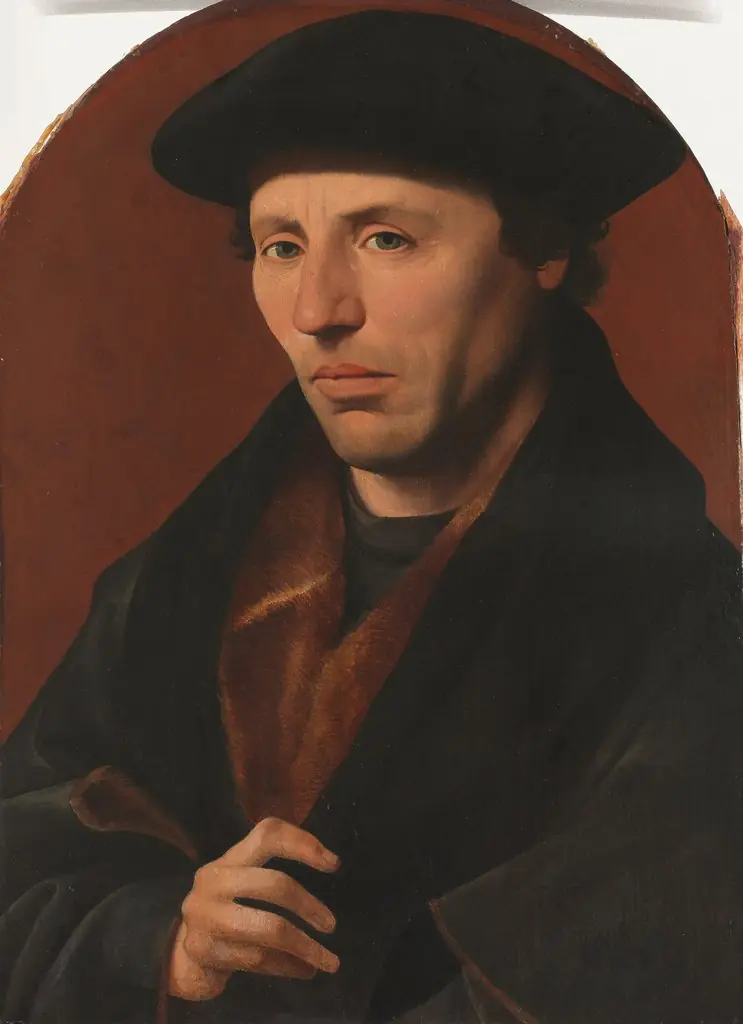
- Portrait of a Haarlem Citizen
 Portrait of Giovanni di Nicolao Arnolfini
 Portrait of a Man in a Turban
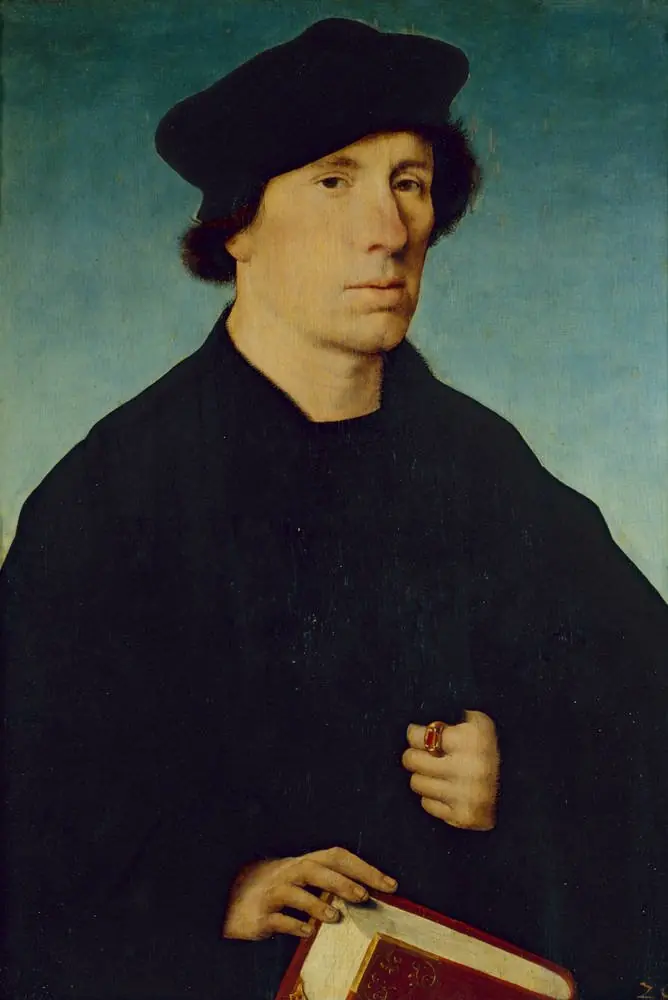 Portrait of a Beardless Man
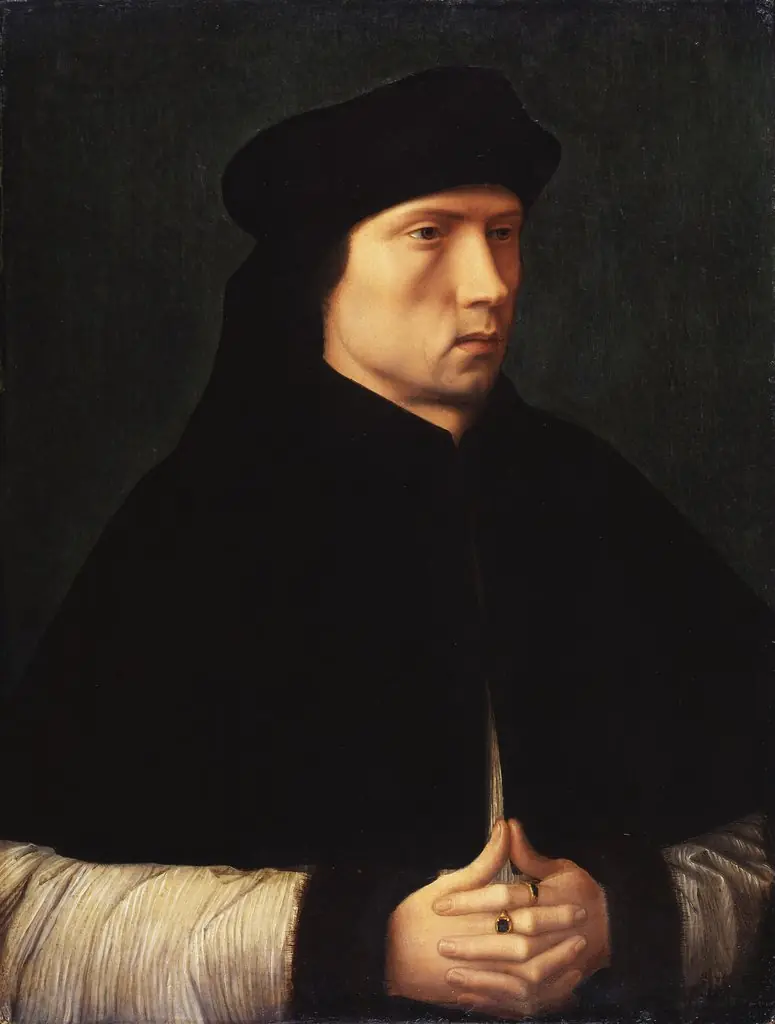 Portrait of a Theologian
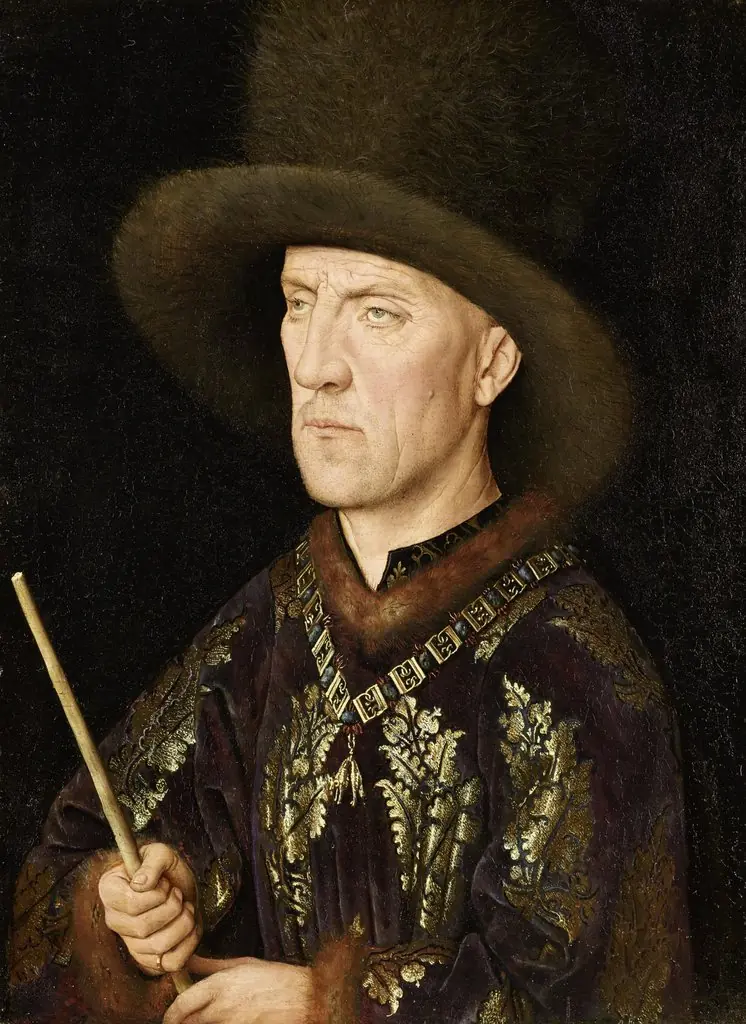 Portrait of Baudouin de Lannoy
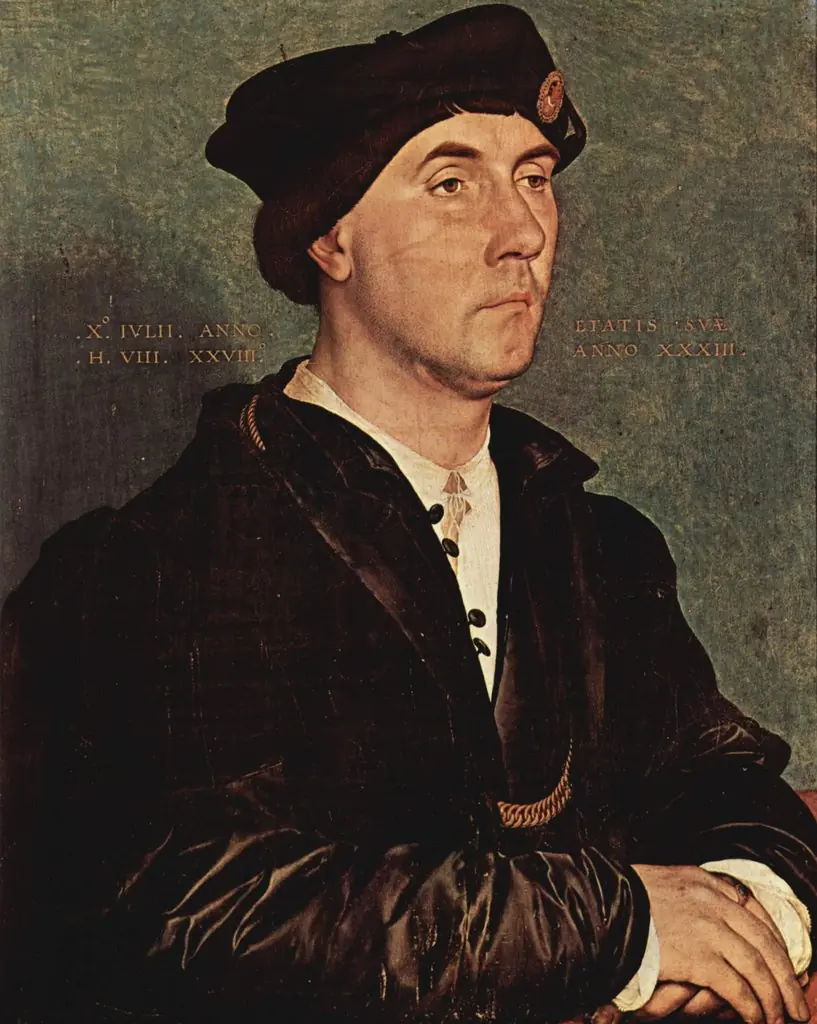 Portrait of Sir Richard Southwell
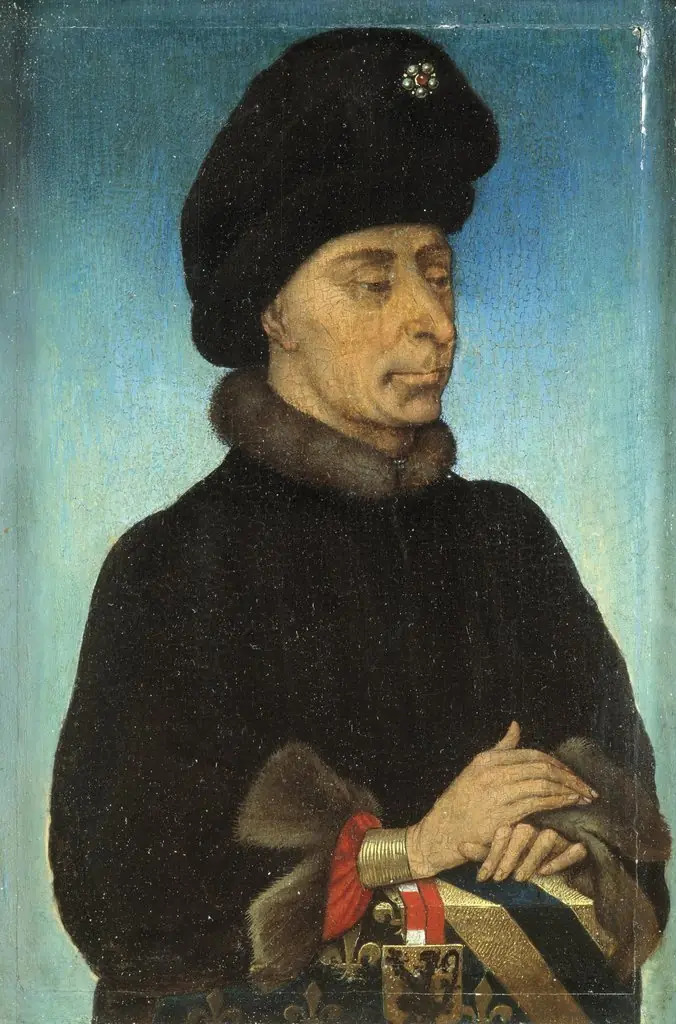 John the Fearless, Duke of Burgundy
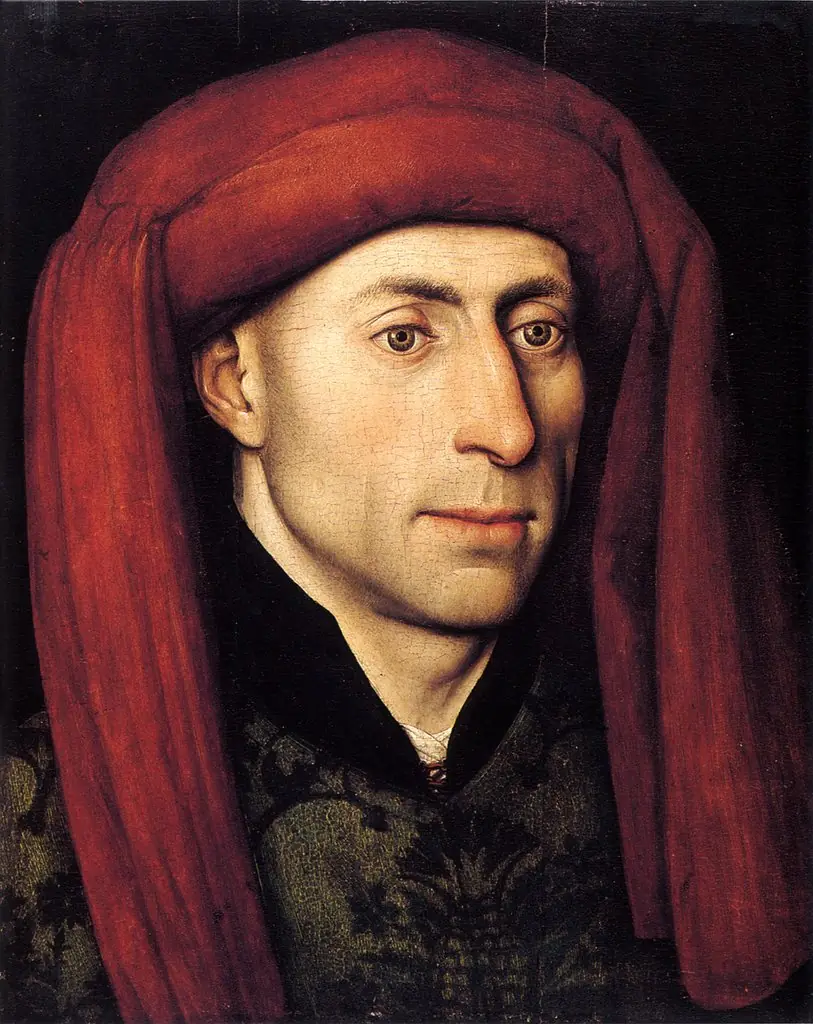 Portrait of an unknown man
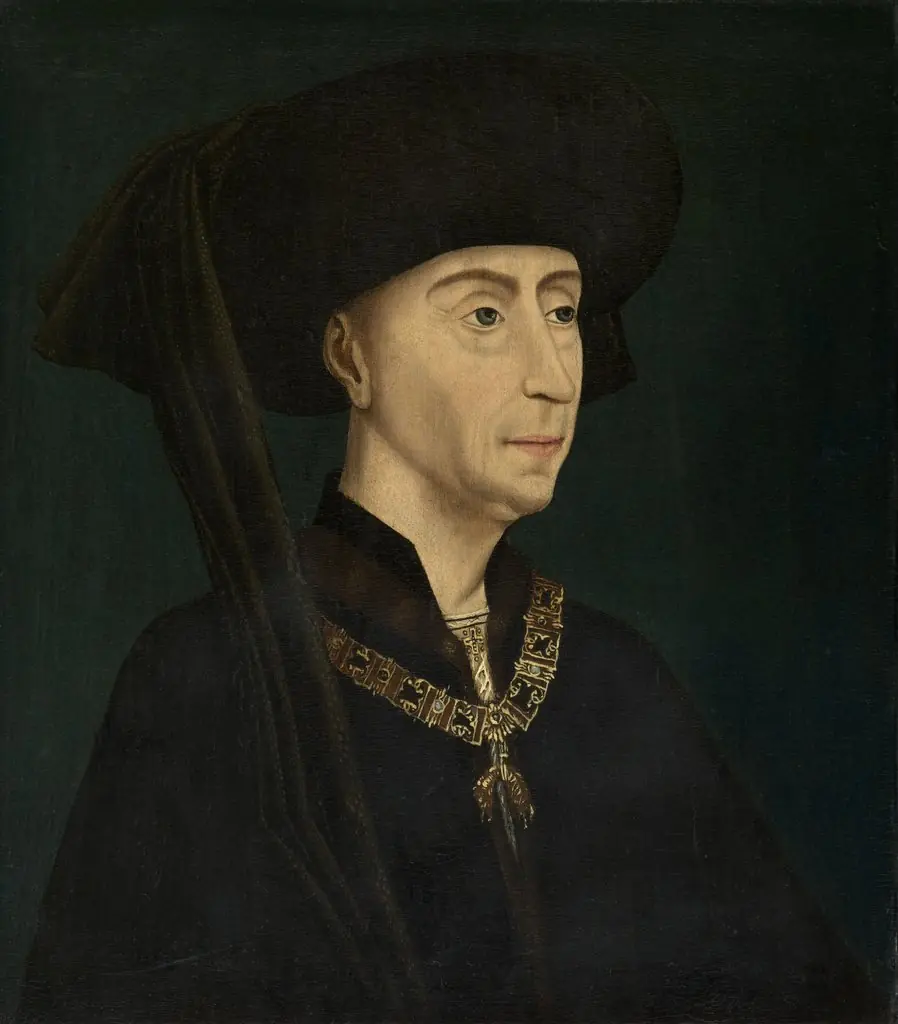 Philip the Good
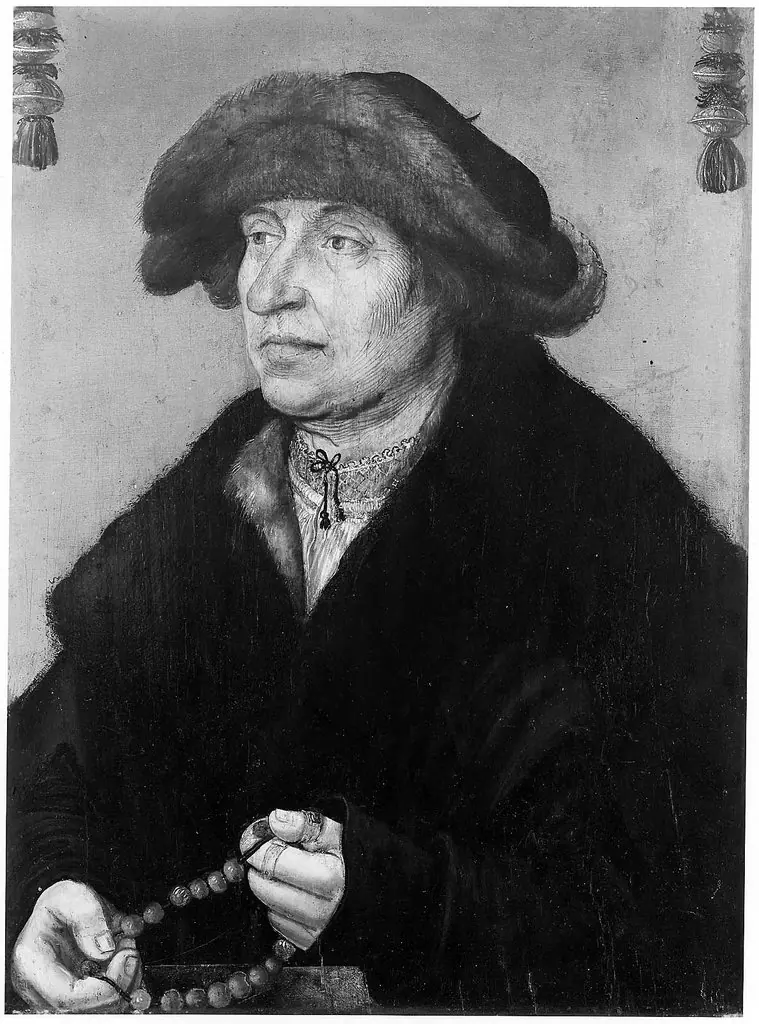 Portrait of a Man Holding a Rosary
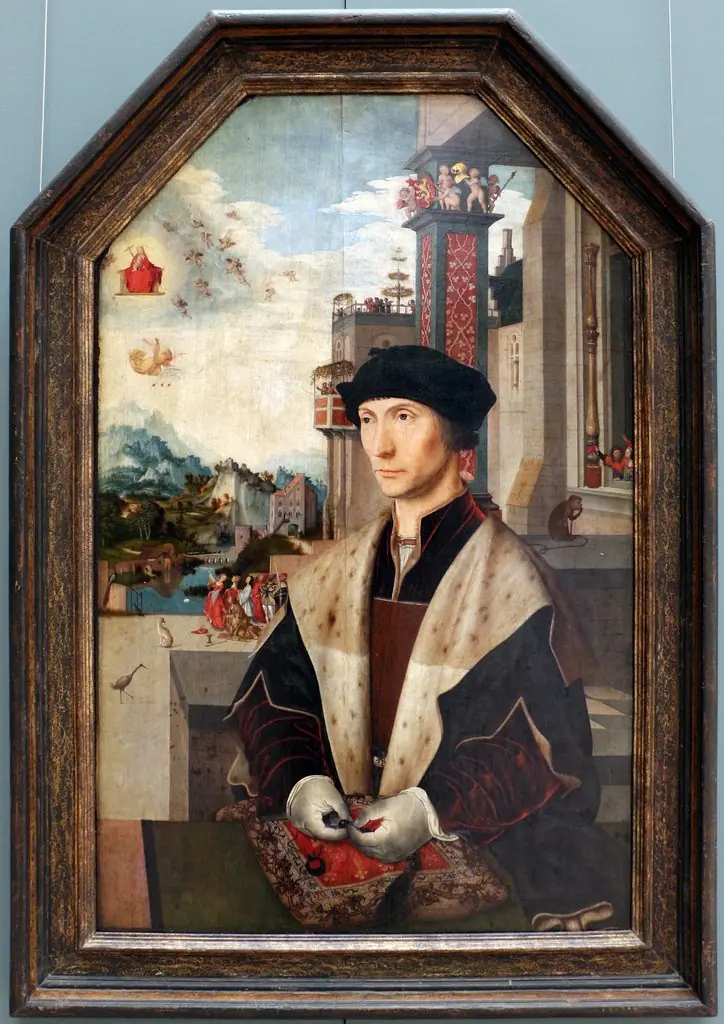 Portrait of the knight Abel van Coulster (1477-1548), representative to the Hof van Holland in 1512