Artwork
Dervishes Sharing a Meal
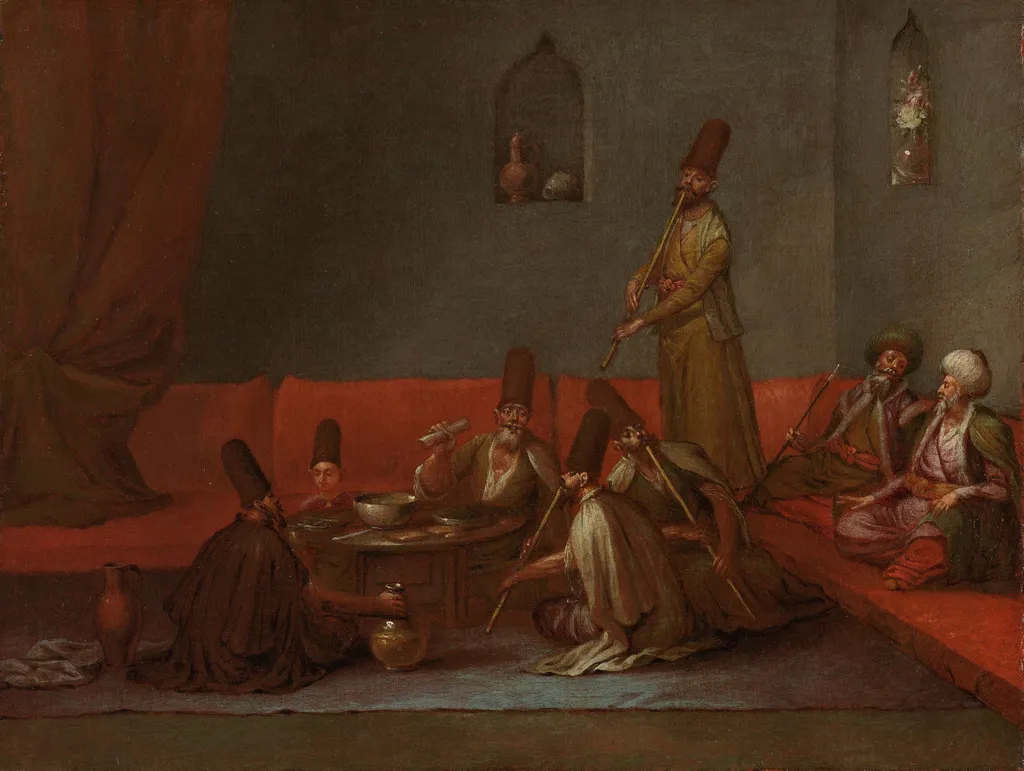
Dervishes Sharing a Meal is an oil painting by the Orientalist artist Jean Baptiste Vanmour. It dates from 1728 and is held in the collection of the Rijksmuseum.
About this work
Subject & Meaning
The figures, arranged in quiet conversation and communal eating, emphasize themes of spiritual brotherhood and hospitality central to Sufi practice.
The painting depicts a group of dervishes gathered around a shared meal, rendered in Vanmour’s documentary style typical of 18th-century European depictions of Ottoman life. The figures, arranged in quiet conversation and communal eating, emphasize themes of spiritual brotherhood and hospitality central to Sufi practice. The subdued palette and orderly composition underscore the dignity and simplicity of the ritual, aligning with European curiosity about Islamic mysticism during the period.
The scene likely reflects European fascination with Ottoman dervish orders, framed as ethnographic observation rather than religious interpretation.
Technique & Style
The work is painted in oil on canvas, dated 1728, and measures 33 cm in height and 43 cm in width.
Handling and composition emphasize a restrained, narrative clarity. Figures are arranged in a shallow, continuous space that directs attention to the central act of sharing a meal, with understated lighting and subdued palette typical of Vanmour’s documentary style. Stylistic qualities include a linear precision in gesture and costume detail, favoring legibility over painterly flourish.
History & Provenance
Created in 1728, the oil painting Dervishes Sharing a Meal was executed by the artist Jean Baptiste Vanmour on a canvas support. The work measures 33 cm in height and 43 cm in width. Historical records indicate that the painting was part of the collection of Cornelis Calkoen and later Nicolaas Calkoen.
It is currently held by the Rijksmuseum, having entered the institution through the Directie van de Levantse handel en de Navigatie op de Middellandse Zee and the Koninklijk Kabinet van Zeldzaamheden.
The painting Dervishes Sharing a Meal is held in the collection of the Rijksmuseum. Throughout its history, the work has been associated with several institutional predecessors and administrative bodies, including the Directie van de Levantse handel en de Navigatie op de Middellandse Zee, the Koninklijk Kabinet van Zeldzaamheden, and the Nederlandsch Museum voor Geschiedenis en Kunst. Prior to entering these public collections, the artwork was owned by Cornelis Calkoen and Nicolaas Calkoen. The provided sources do not contain specific inventory numbers or a recorded exhibition history for this piece.
Overview
Jean Baptiste Vanmour, a Flemish-French artist, produced Dervishes Sharing a Meal in 1728, a work rooted in his observations of Ottoman society during the Tulip Era. Executed in oil, the painting captures a quiet, intimate scene of Sufi dervishes gathered for a communal meal. It reflects the broader Orientalist interest in depicting Near Eastern customs, though Vanmour’s approach prioritizes direct observation over romanticized interpretation.
Context
The painting emerges from the Tulip Era, a period of cultural exchange between the Ottoman Empire and Europe. Vanmour’s role as a court-appointed observer granted him access to private rituals, distinguishing his work from later Orientalist fantasies. His focus on quotidian moments, rather than grand narratives, aligns with Enlightenment-era curiosity about foreign societies, though his gaze remains that of an outsider.
Legacy
While not among the most widely reproduced Orientalist works, Dervishes Sharing a Meal offers a rare, relatively unembellished glimpse into Sufi practices of the early 18th century. Its inclusion in the Rijksmuseum underscores its dual role as both a historical document and a study in observational painting. Modern scholarship often revisits such works to examine the complexities of cross-cultural representation.
Own this work as a print
Artist & collection
Artist
Jean Baptiste Vanmour or Van Mour (9 January 1671 – 22 January 1737) was a Flemish-French painter, remembered for his detailed portrayal of life in the Ottoman Empire during the Tulip Era and the rule of Sultan Ahmed III.

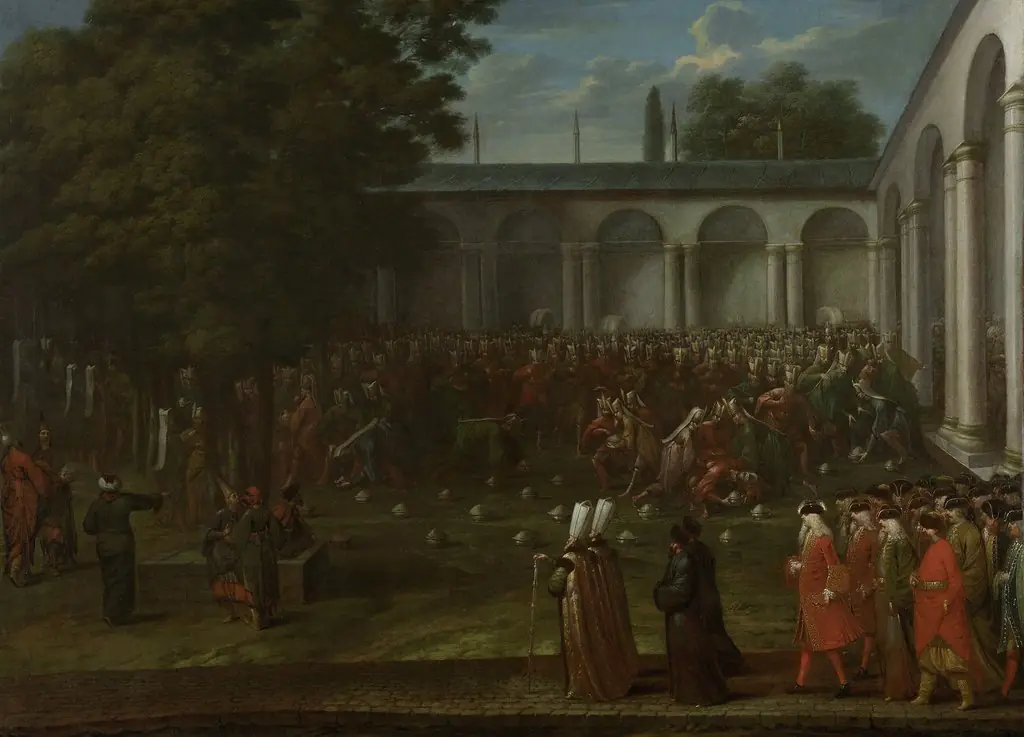
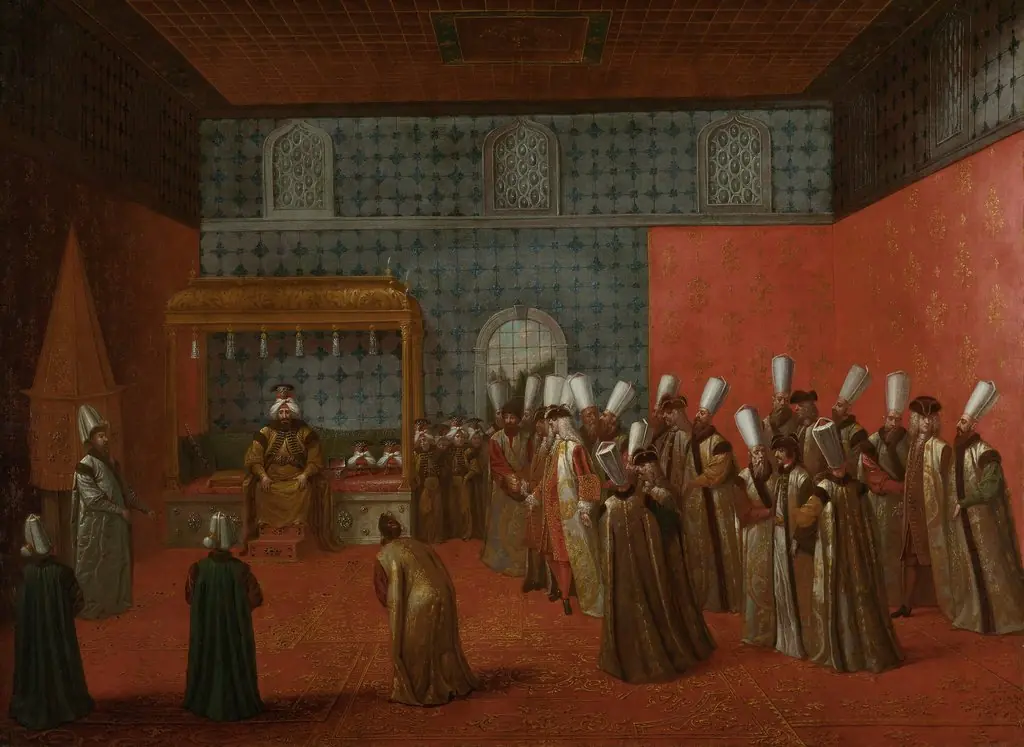
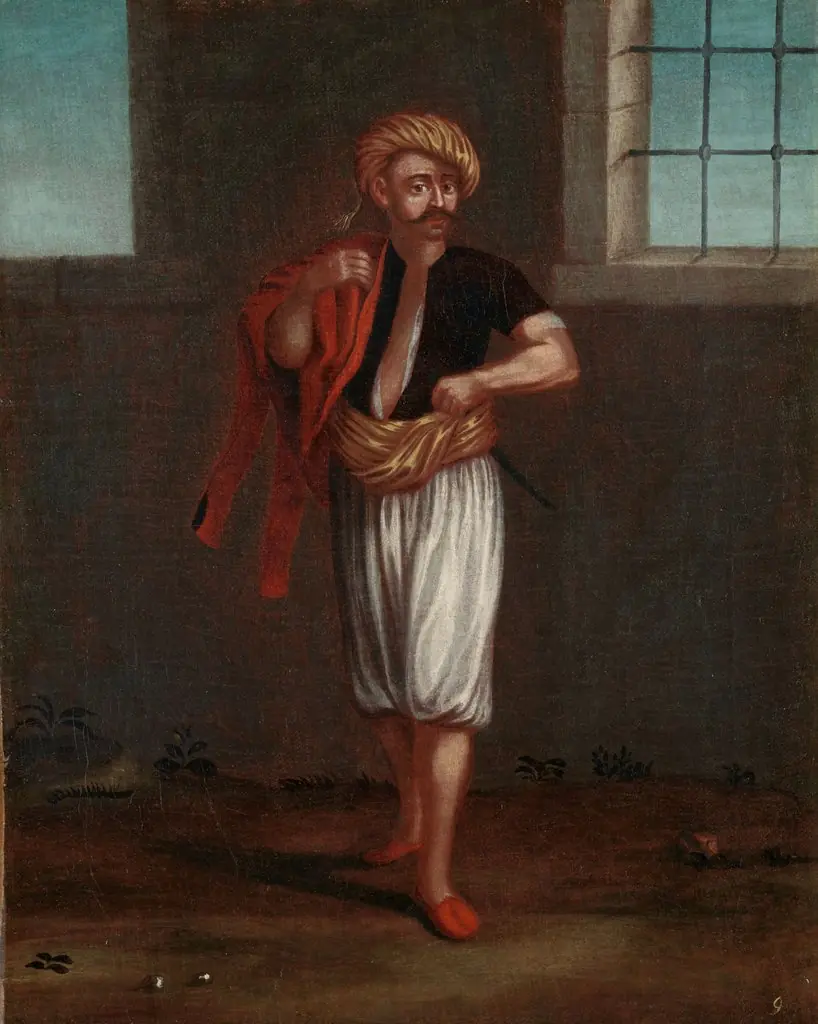
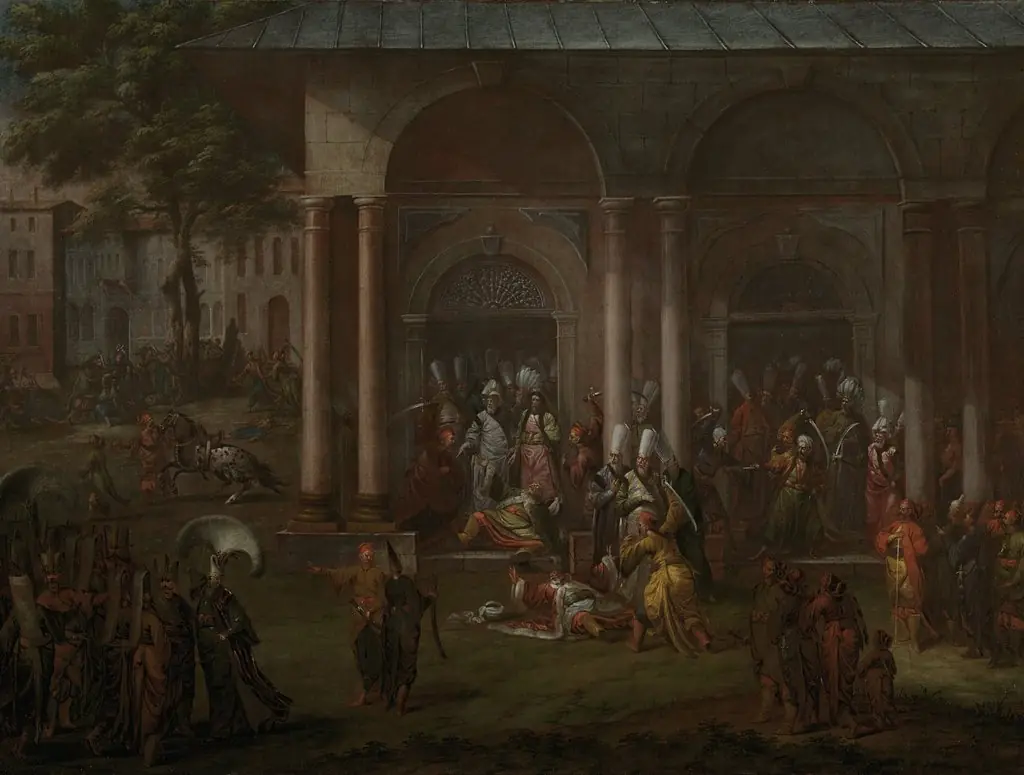
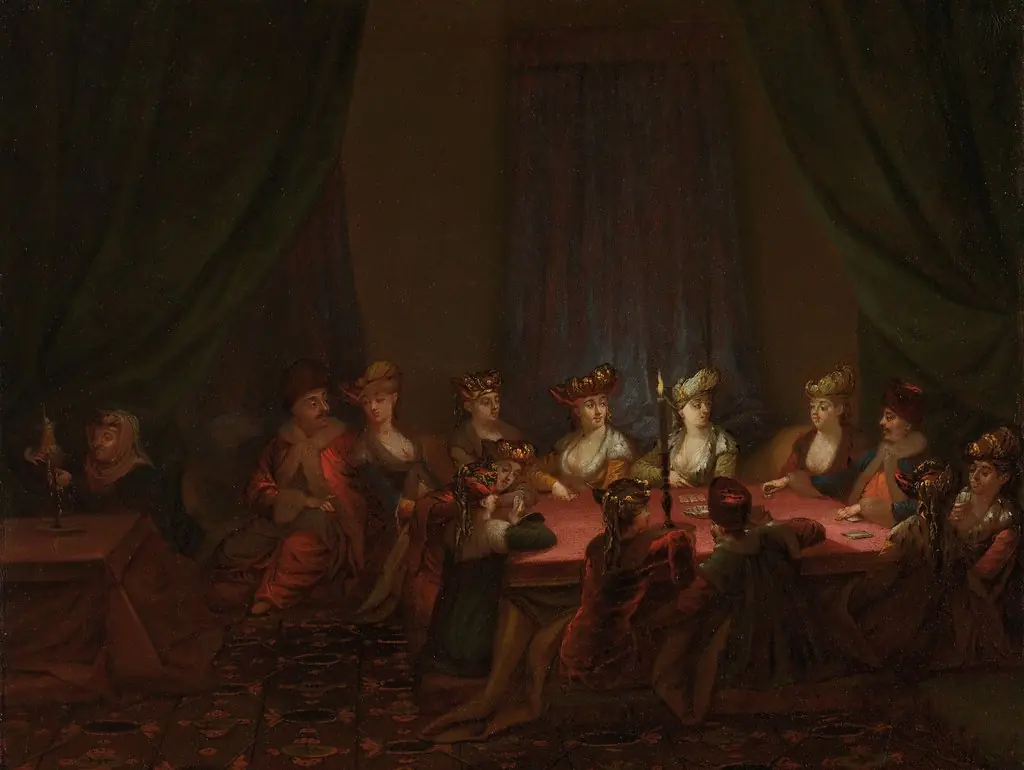
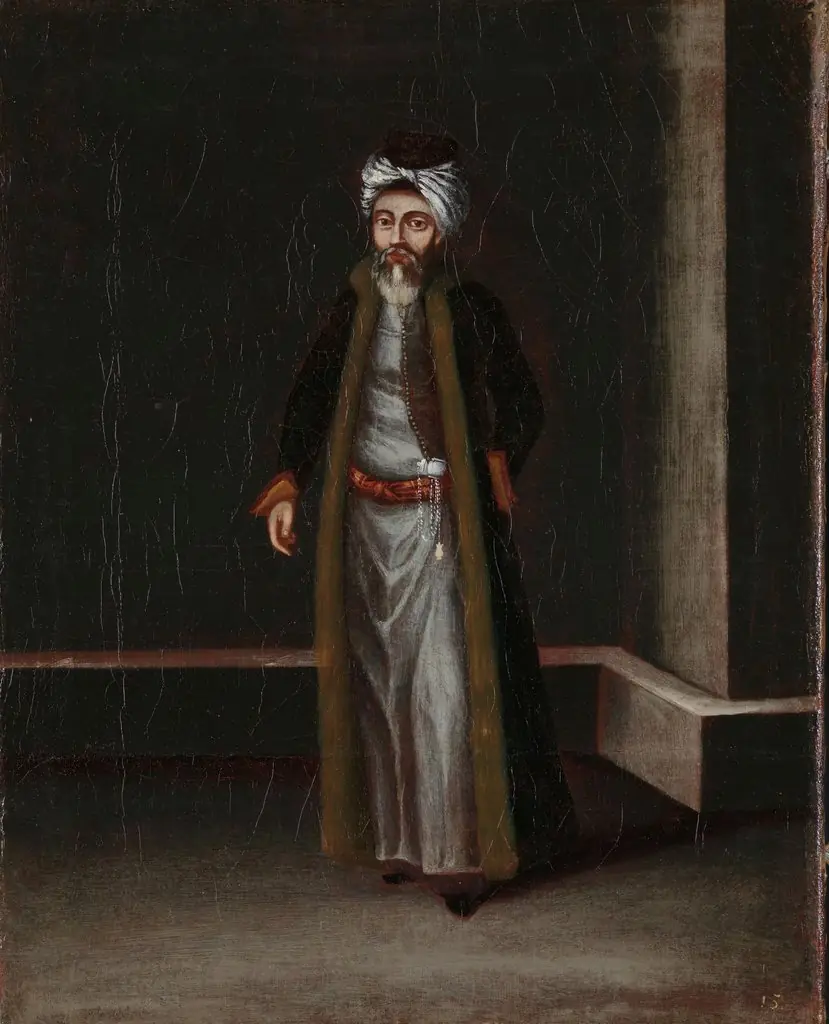
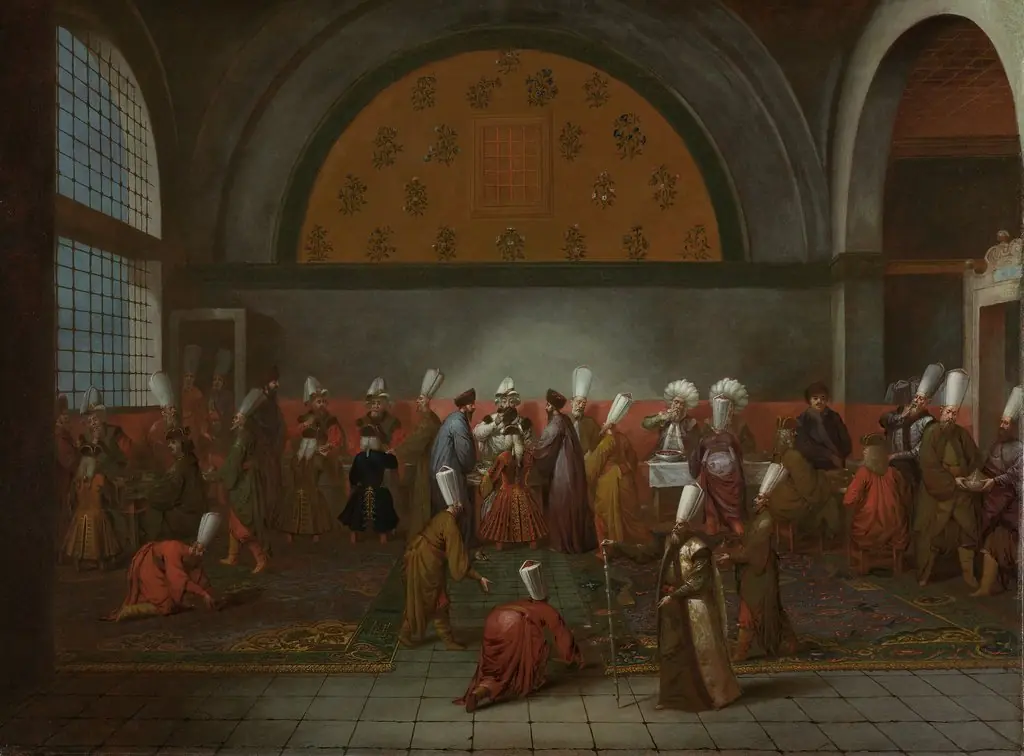
- The Meal in Honour of Ambassador Cornelis Calkoen
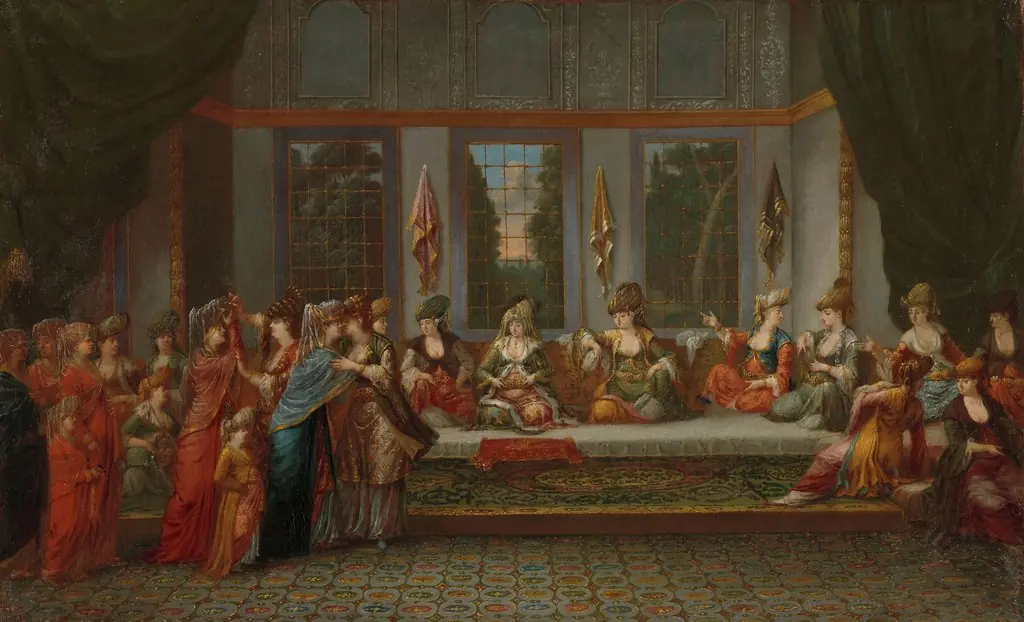 Greek Wedding
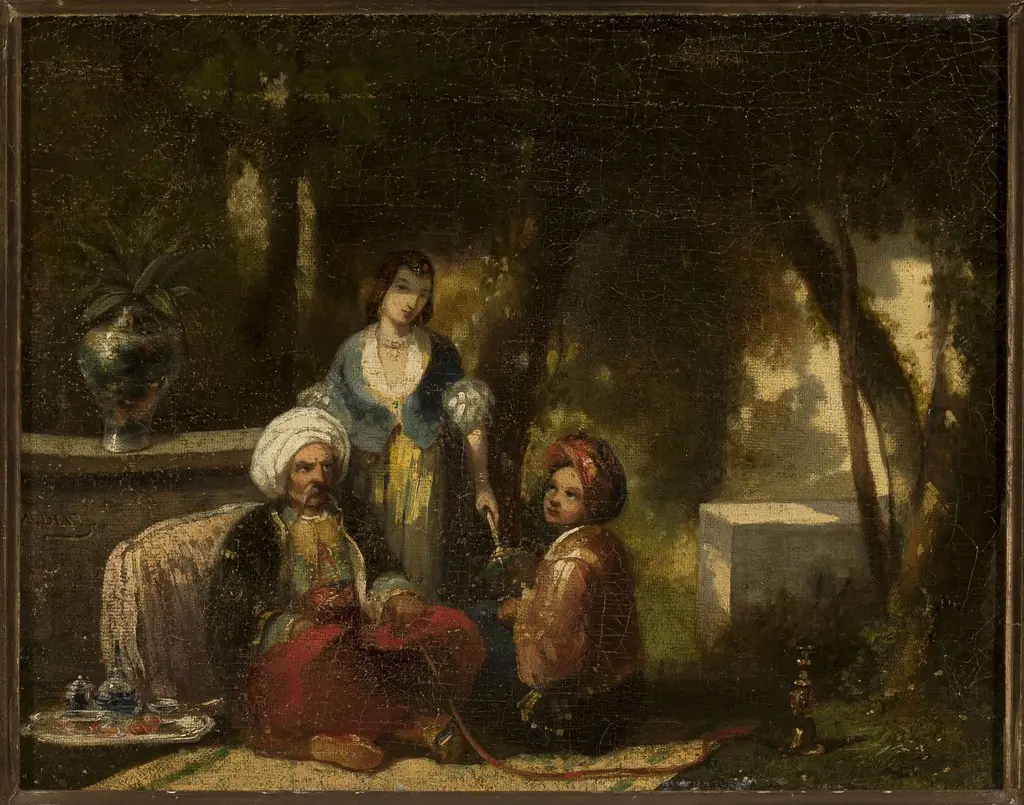 Man with a narghile against forest landscape
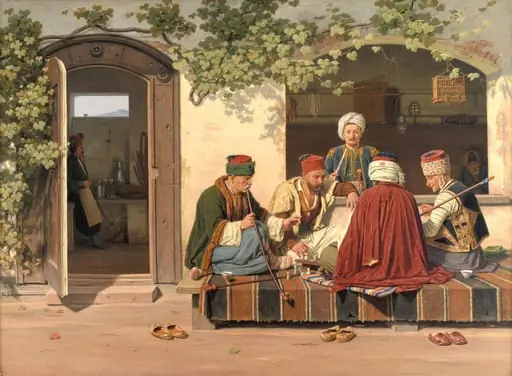 A party of chess players outside a Turkish coffeehouse and barbershop
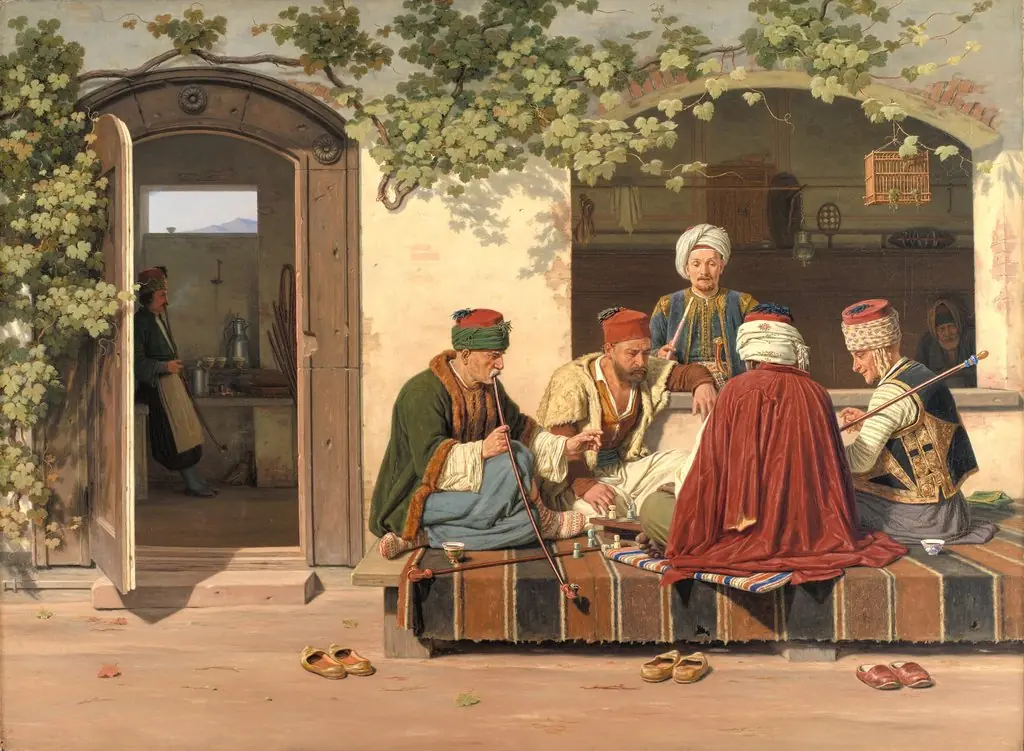 A party of chess players outside a Turkish coffeehouse and barbershop
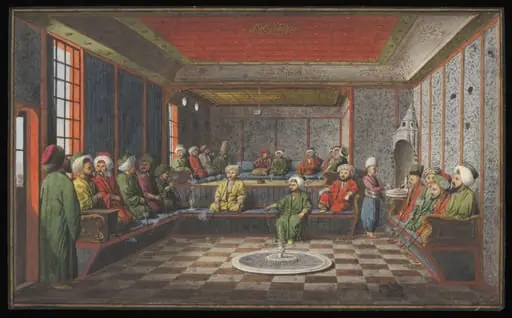 Scene in a kahvehane or coffee house
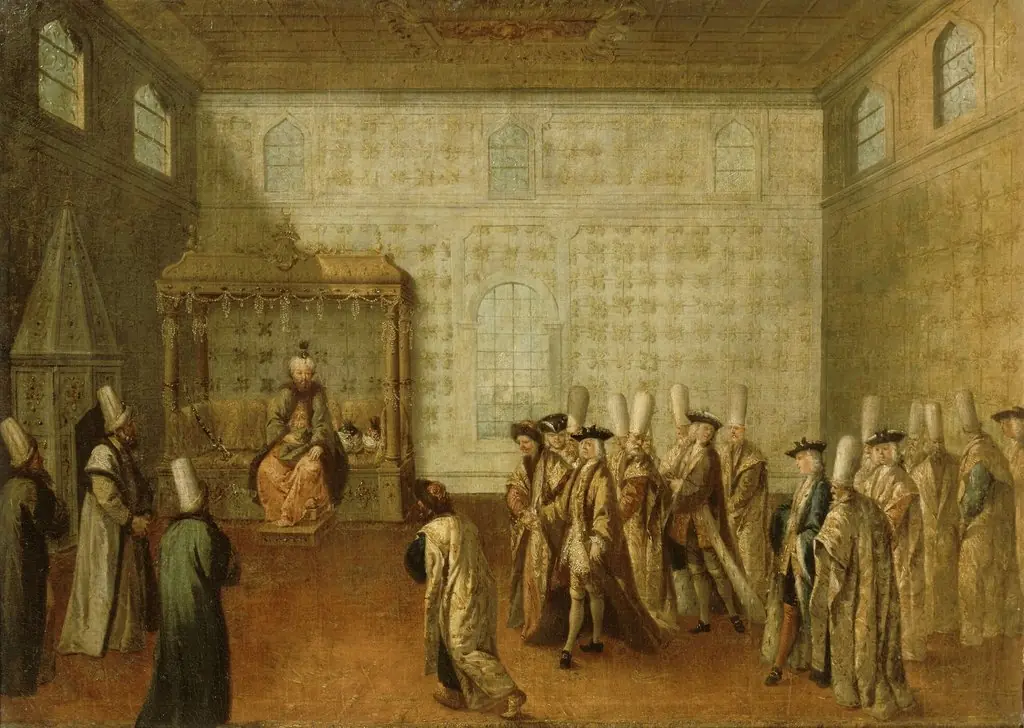 Empfang der französischen Gesandten (1699)
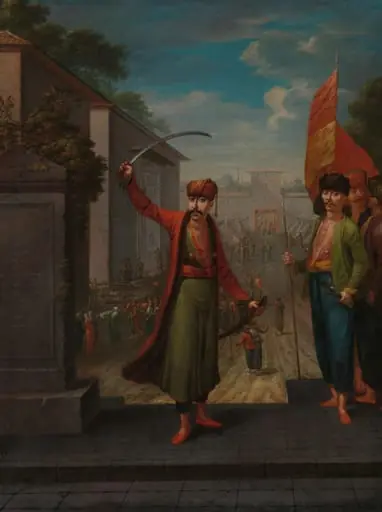 Patrona Halil
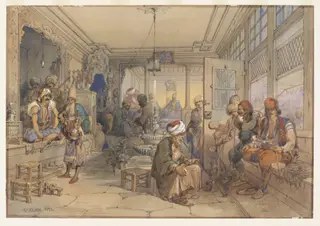 A Turkish Coffee-House, Constantinople
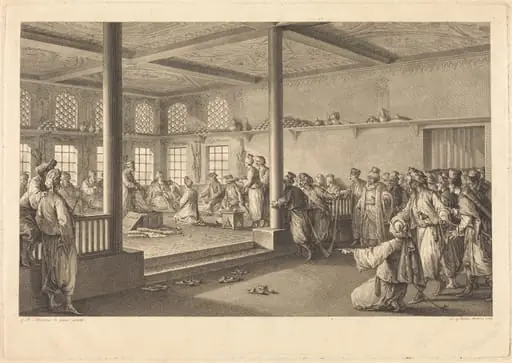 Réception de Choiseul-Gouffier chez Hassan-Tchousch-Oglou
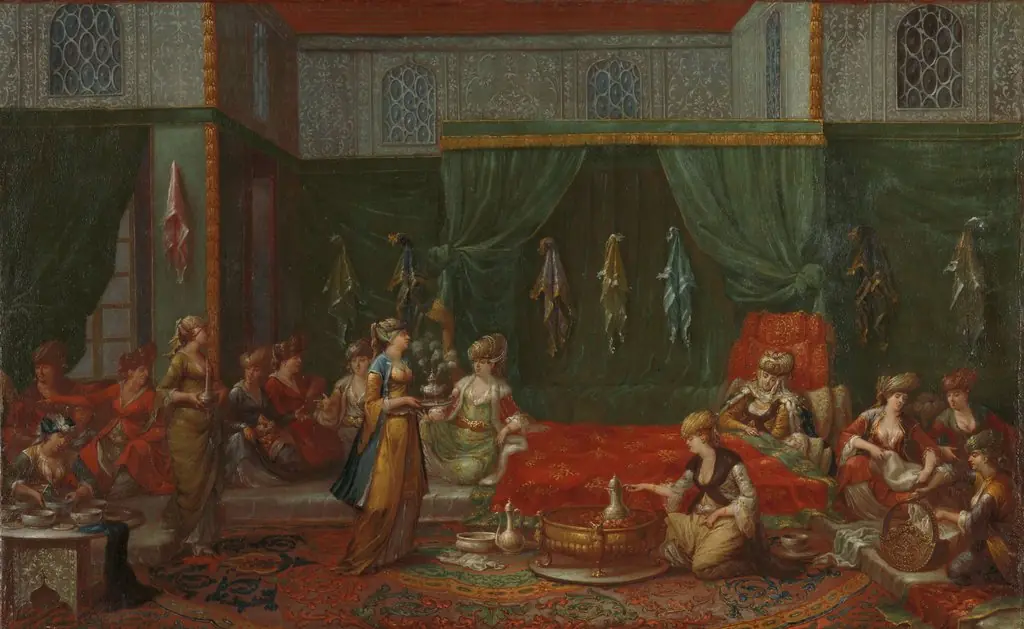 Lying-in Room of a Distinguished Turkish Woman