Subject
Flute
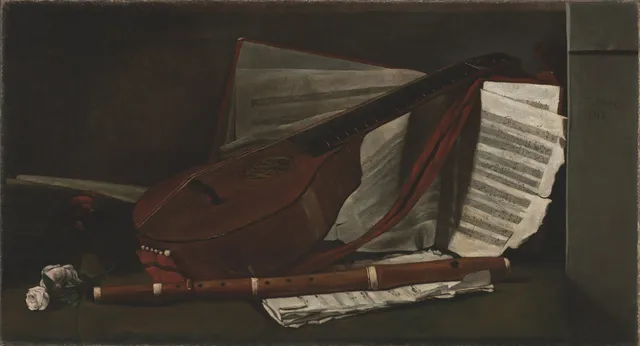
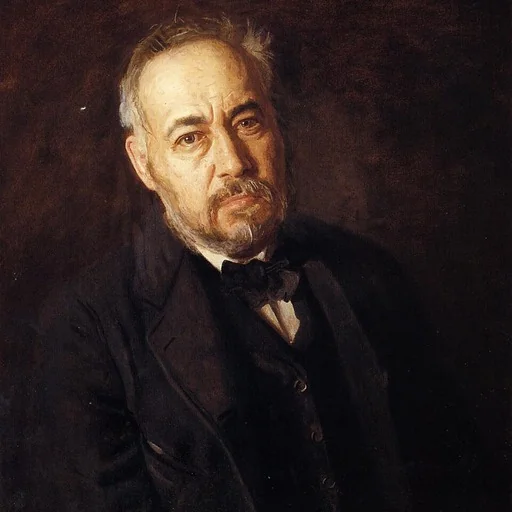
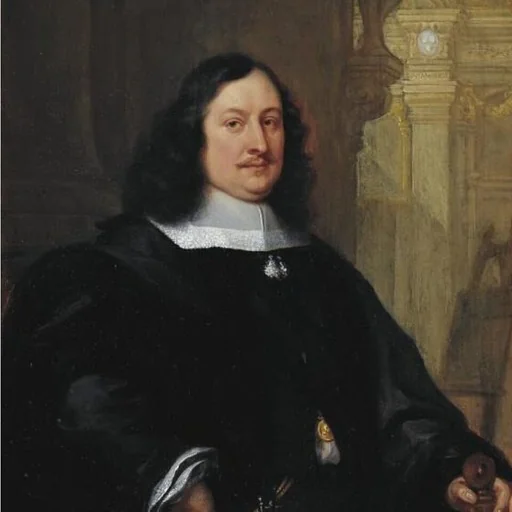
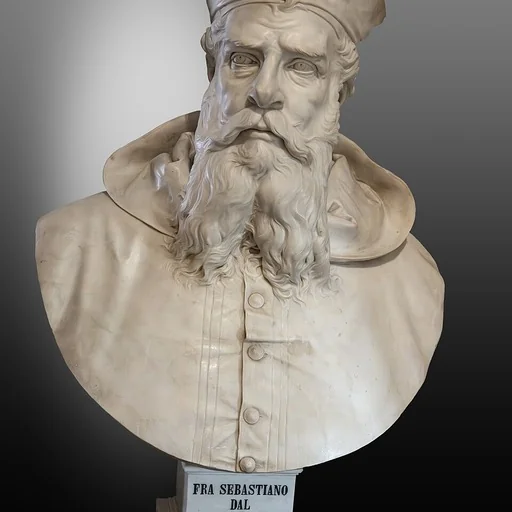
Flute is a subject in art. The gallery holds 26 works in this subject in art, including works by Thomas Eakins, David Teniers the Younger and Sebastiano del Piombo.
The flute is a member of a family of musical instruments in the woodwind group. Like all woodwinds, flutes are aerophones, producing sound with a vibrating column of air.
Key artists

Artist
Overview
The flute is a member of the woodwind group of musical instruments, classified as an edge-blown aerophone in the Hornbostel-Sachs system. Unlike reed instruments, flutes produce sound when a player directs a stream of air across an opening, causing a vibrating column of air within a tube. This instrument family encompasses vast variations in design, materials, and cultural origins, ranging from side-blown transverse flutes to end-blown and duct varieties. With a history stretching back tens of thousands of years, the flute recurs throughout global art as a fundamental symbol of human creativity, its physical form and musical function reflecting the social structures and aesthetic values of the cultures that produced it.
Iconography & meaning
In visual art, the flute carries diverse symbolic weights depending on its cultural context. In Hindu art, the Indian bamboo cross flute, or bansuri, is sacred to Krishna, symbolizing divine, celestial music with an aristocratic character, a tradition visible in reliefs as early as the 1st century AD at Sanchi and the 2nd to 4th centuries AD at Amaravati. In 17th-century Dutch painting, the flute took on more secular, pastoral meanings. Artists used the instrument to represent cheerful leisure, personal entertainment, and a desire to enjoy simple pleasures. Flutes also appeared in still-life works, where they could carry allegorical meanings regarding the transience of life or the sensory pleasures of the world. Furthermore, in pre-Columbian art, panpipes and flutes were depicted in temple models and ceramics to symbolize ritual transport to otherworldly realms, connecting the instrument to themes of power, death, fertility, and renewal.
In the collection
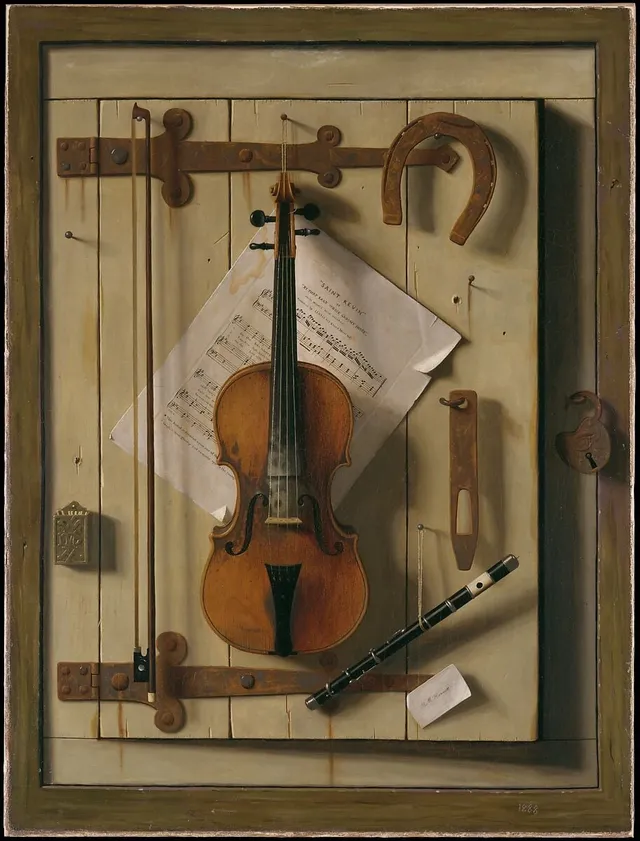
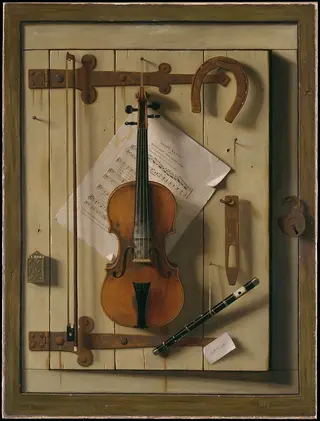
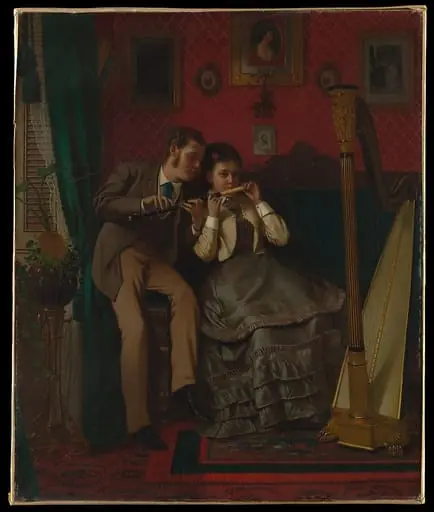
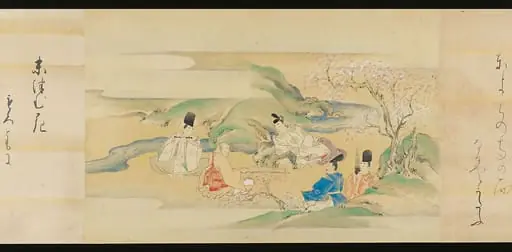
Within museum collections, the flute appears across a wide spectrum of works, including paintings, prints, and decorative objects. One institutional collection depicts the flute in 28 works, spanning genres from still life and music lessons to mythological and literary scenes, such as Still Life, Violin and Music, The Music Lesson, The Tale of Genji, Piping Shepherds, Attributes of Music, Death of Adonis, The Daoist Immortal Han Xiangzi, and Arcadia. Beyond two-dimensional art, major archives such as the Dayton C. Miller Flute Collection at the Library of Congress preserve the physical instrument alongside iconography, holding nearly 1,700 flutes, statuary, and over 850 prints and artworks featuring wind instruments. The Musical Instrument Museum similarly contextualizes the flute through traditional clothing and ceremonial regalia, such as Edo-period samurai armor paired with a miyogiri flute, both sharing a gold butterfly crest to convey cultural identity and rank.
Across movements & periods
The depiction and treatment of the flute in art shifted significantly across periods and regions. Paleolithic flutes, dating back 53,000 to 45,000 years, were carved from animal bones and mammoth ivory, establishing the instrument in early human cognitive and behavioral development. In ancient China, the Zhou dynasty saw the use of bamboo end-blown flutes like the xiao and the transverse chi, while the earliest extant Chinese transverse flute, a lacquered bamboo chi with five stops, dates to 433 BC. In Europe, the flute disappeared after prehistoric times before re-entering from Asia via North Africa and Bohemia. The end-blown flute appeared in European illustrations by the 11th century, and transverse flutes entered through Byzantium around 800 AD, eventually spreading through Germany as the German flute. During the Baroque period, the instrument's independence from the recorder became clear in art, and Dutch artists of the early 17th century, following Caravaggio's focus on foreground activity, depicted middle-class boys playing transverse flutes and fifes in everyday, optimistic scenes. By the late 19th century, the instrument appeared in museum collections as a crafted object of wood, nickel-silver, and brass, reflecting its industrial evolution.
Notable depictions
Several artworks stand out for their canonical depiction of the flute. Michelangelo Merisi de Caravaggio revolutionized music painting with The Lute Player (1596), a variation of which includes a flared-bell recorder, establishing a compositional focus on foreground musical performance. Followers of Caravaggio in Utrecht adapted this style, leading to Hendrick Terbrugghen's Boy Playing a Recorder (1621) and Boy Playing a Fife (1621), which contrast pastoral and military roles for the flute, as well as The Concert (1626), featuring a transverse flute. Judith Leyster's Boy Playing a Flute (c. 1630) shows a young middle-class boy with a transverse flute, a violin and recorder hanging on the wall behind him. In the 18th century, the engraving by Bernard Picart for the cover of Jacques Martin Hotteterre's Principes de la flute traversiere (1707) became a definitive image for flutists, while Adolph Menzel's painting The Flute Concert of Sanssouci (1851) famously depicted Frederick the Great performing on the instrument.
Legacy
The flute's legacy extends from its ancient origins to its prominent place in modern music and culture. The instrument's enduring cultural resonance is exemplified by Wolfgang Amadeus Mozart's opera The Magic Flute, which has seen more than 1,600 productions worldwide and inspired visual reinterpretations by artists including Marc Chagall, who designed costumes for the Metropolitan Opera's 1967 inaugural season, Maurice Sendak, and Julie Taymor. In the musical realm, the flute transitioned from its classical pastoral reputation to a central role in jazz and rock, championed by figures such as Herbie Mann, Roland Kirk, and Jethro Tull's Ian Anderson. The physical preservation of the instrument's history continues through major archives like the Dayton C. Miller Flute Collection and the Musical Instrument Museum, which maintain searchable databases and host exhibitions that trace the flute's global evolution from ancient bone fragments to modern gold and diamond-encrusted masterpieces.
Works
 Still Life—Violin and Music
 The Music Lesson
 伝海北友雪筆 『源氏物語』 絵巻|The Tale of Genji
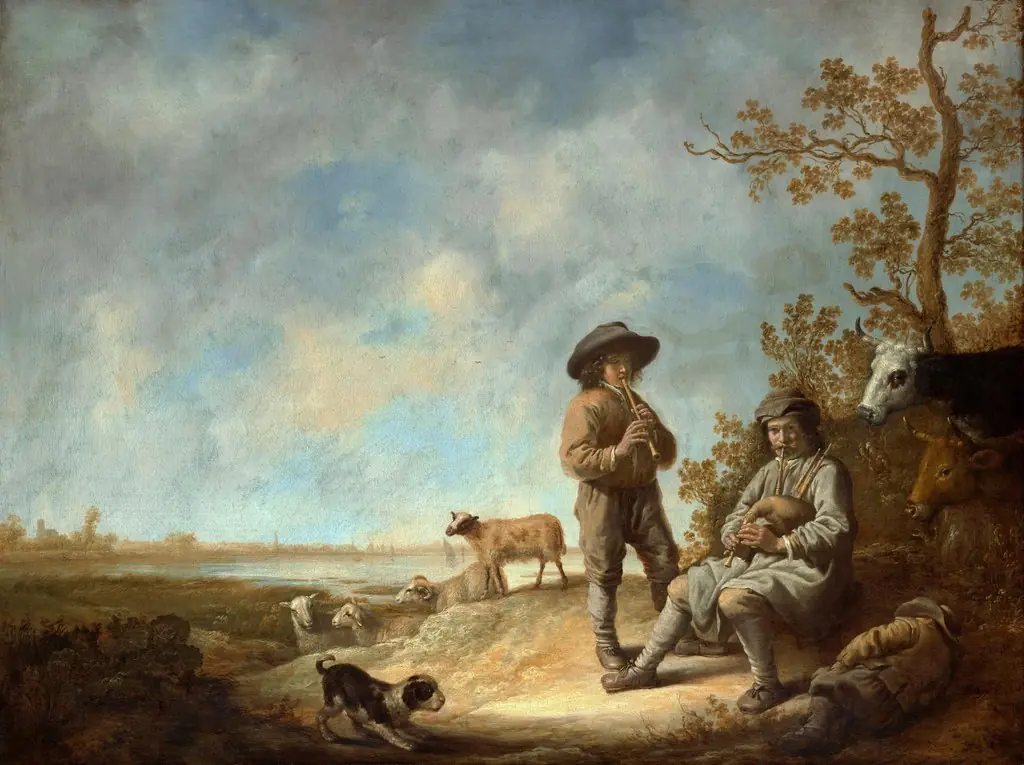 Piping Shepherds
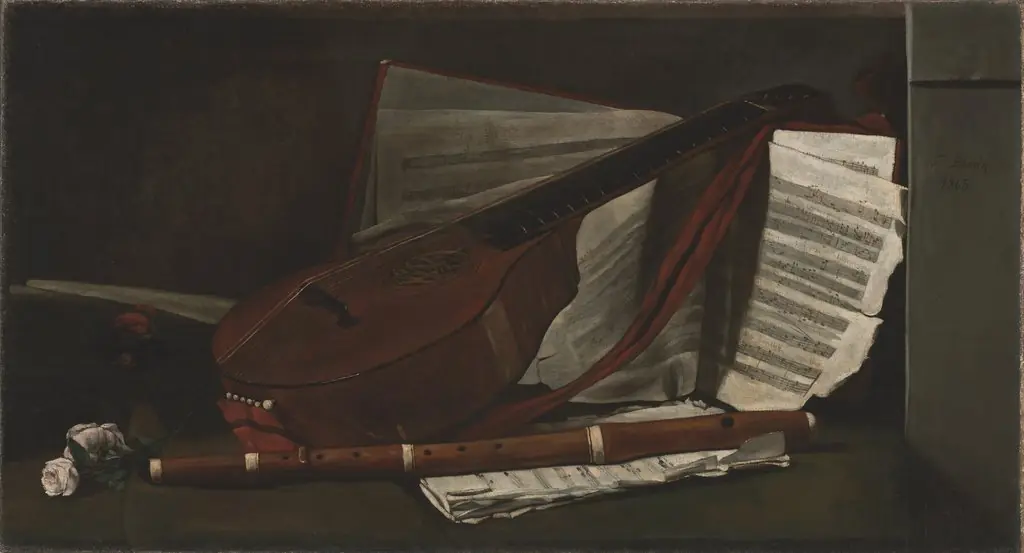 Attributes of Music
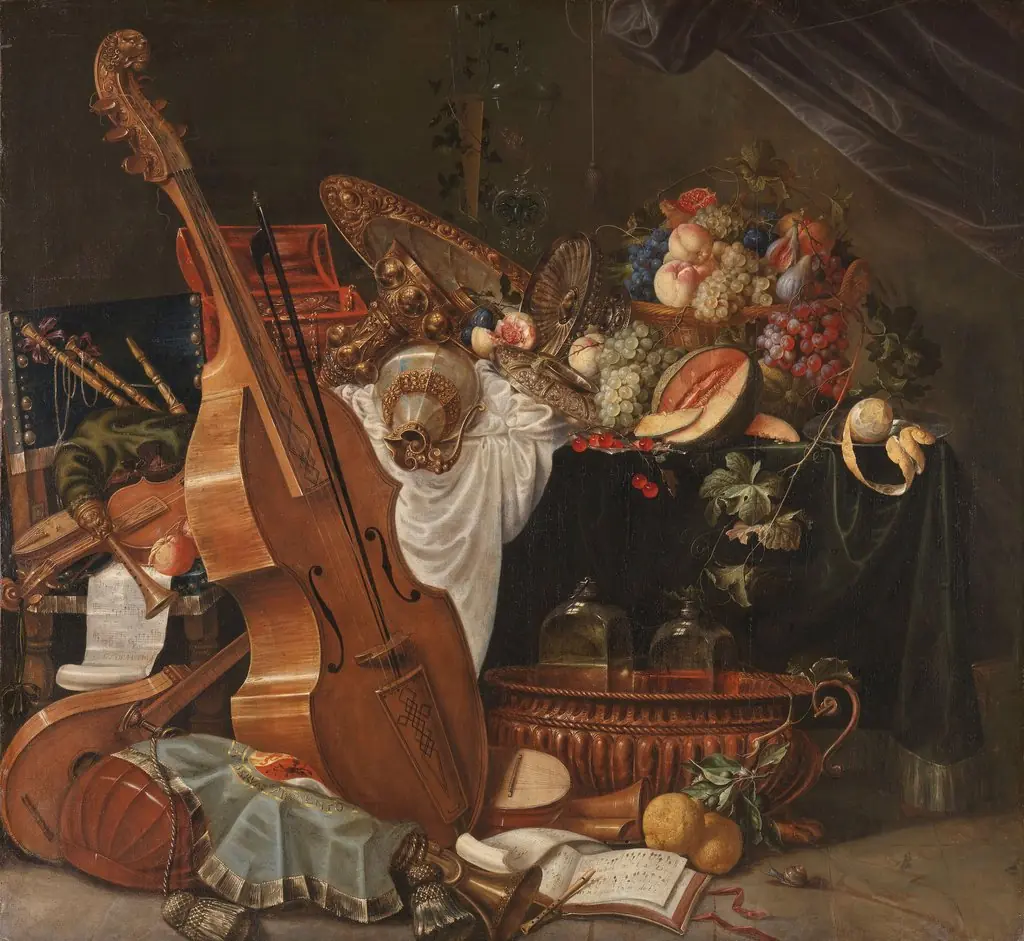 Still life
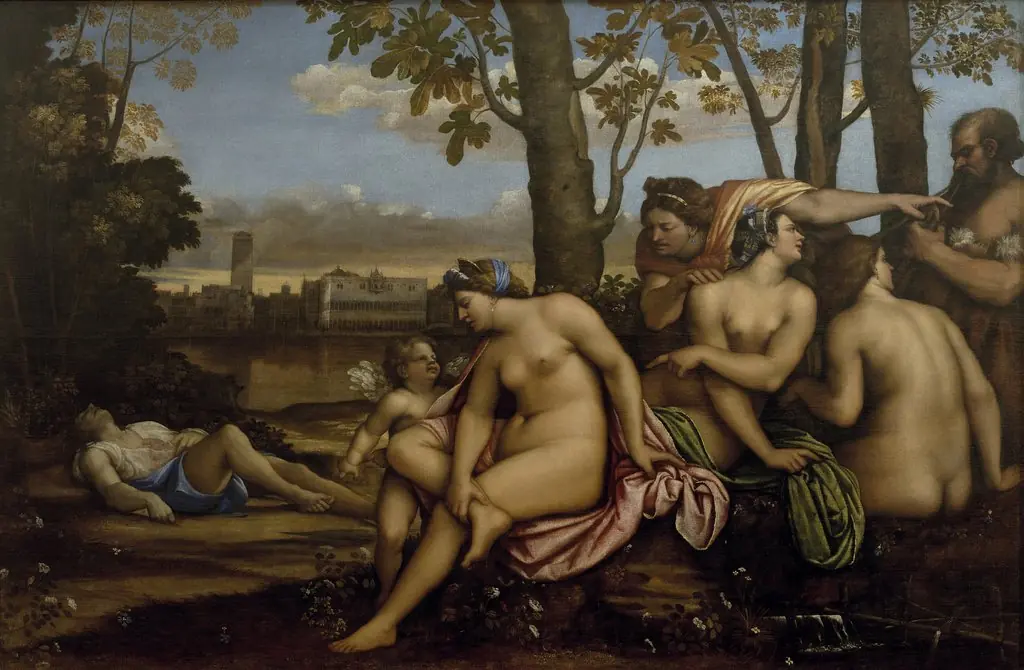 Death of Adonis
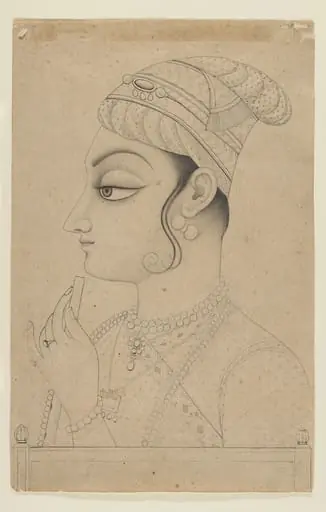 Untitled
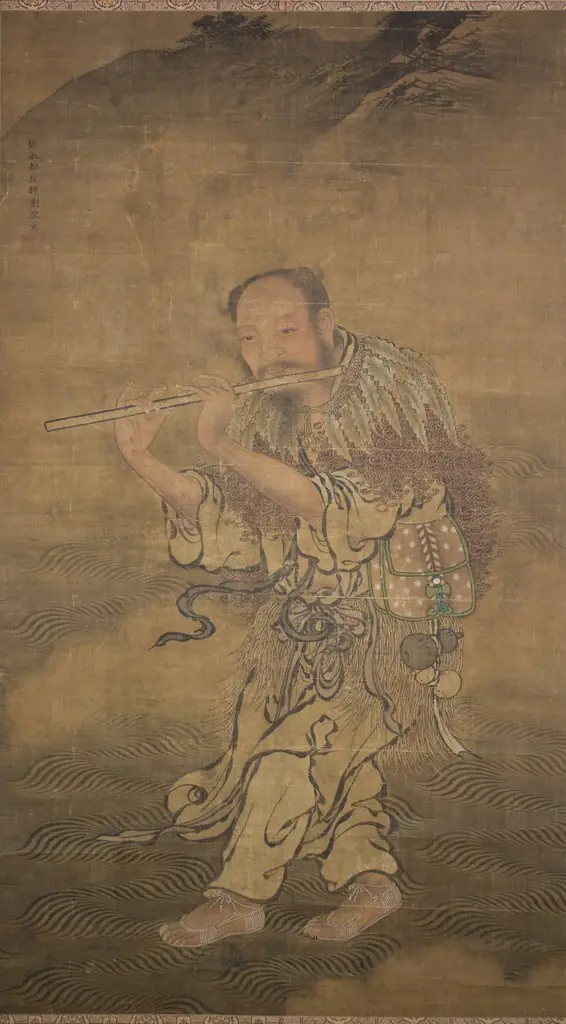 The Daoist Immortal Han Xiangzi
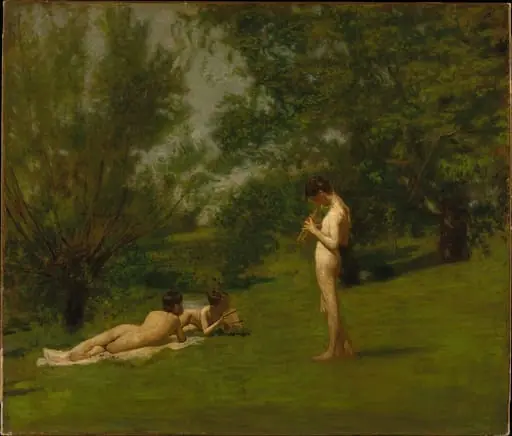 Arcadia
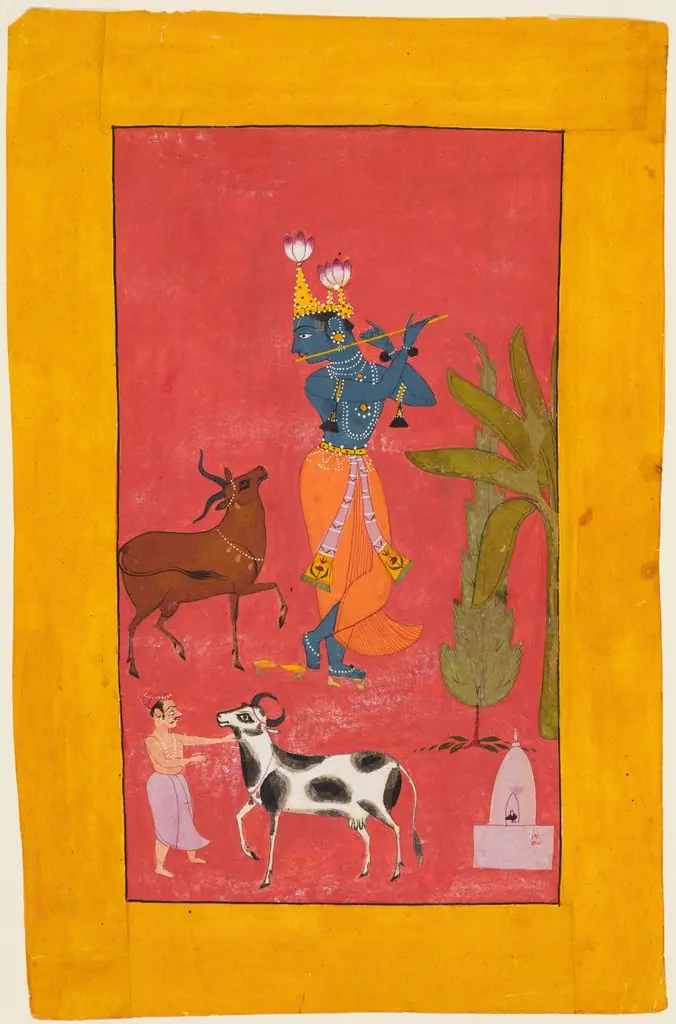 Krishna Fluting
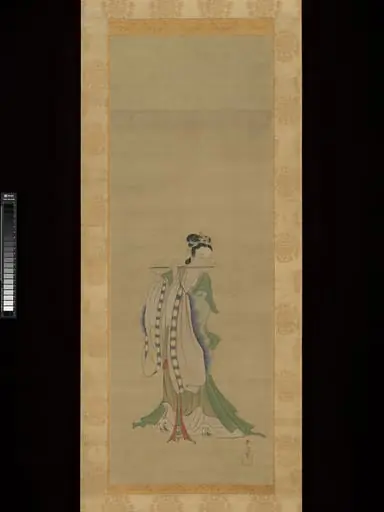 狩野常信筆 楊貴妃吹笛図|Yang Guifei Playing a Flute
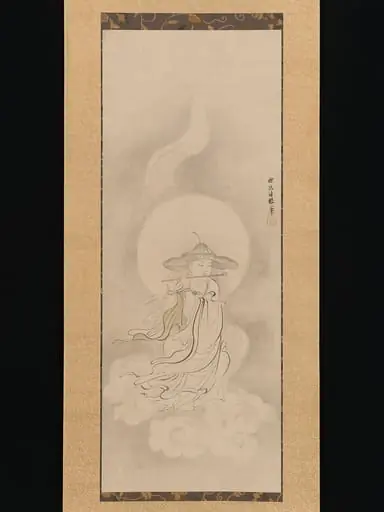 狩野探幽筆 笛吹地蔵図|Jizō Bosatsu Playing a Flute
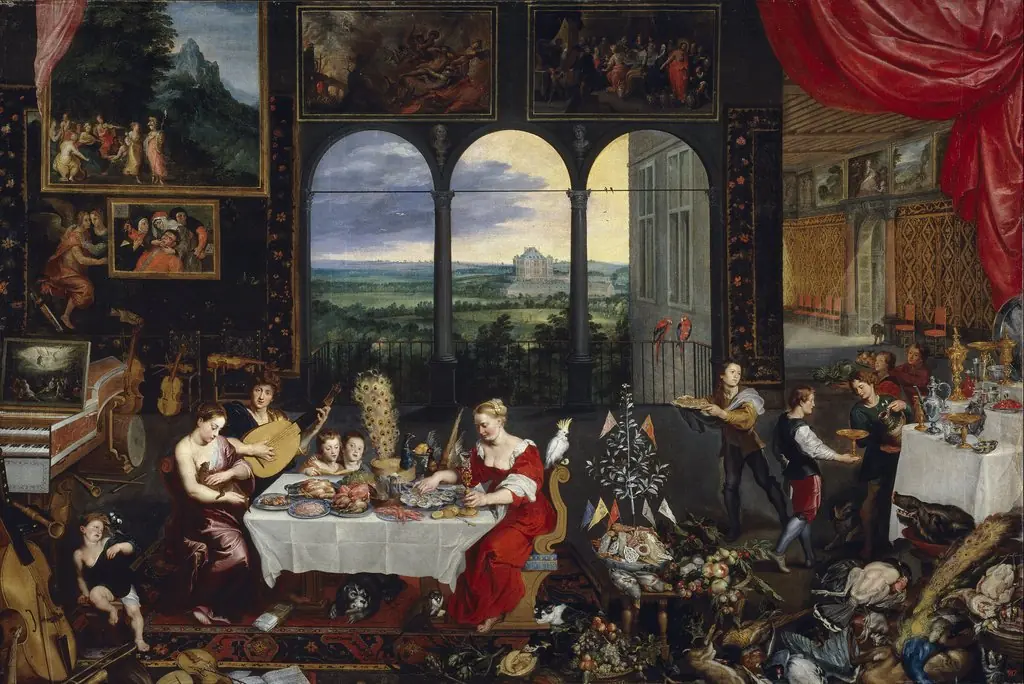 The Senses of Hearing, Touch and Taste
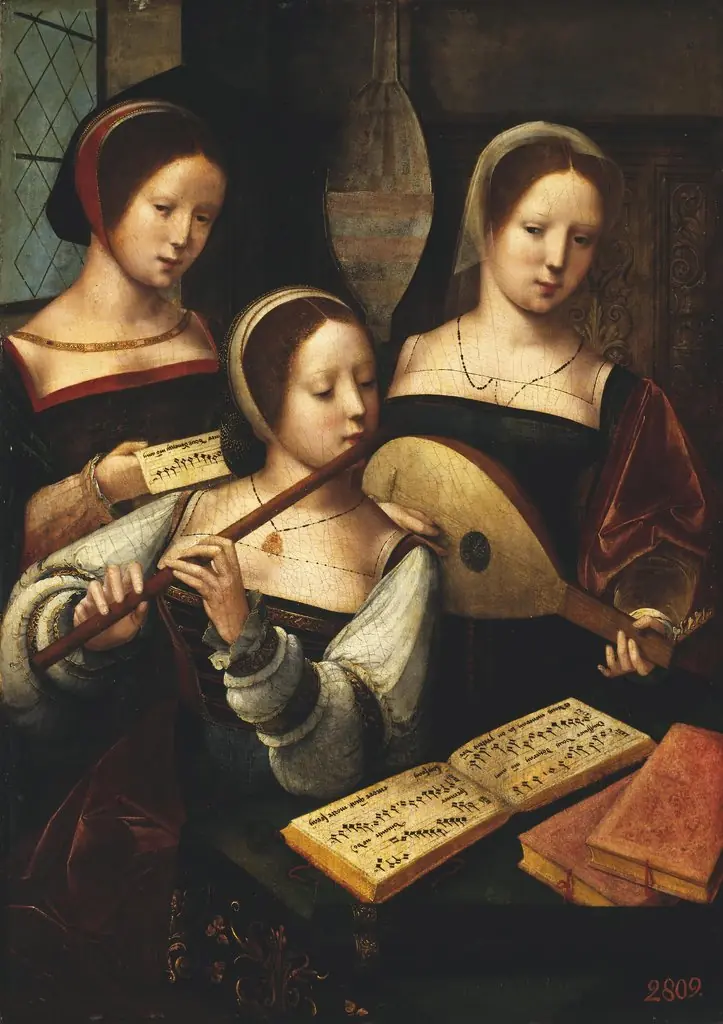 Female Musicians
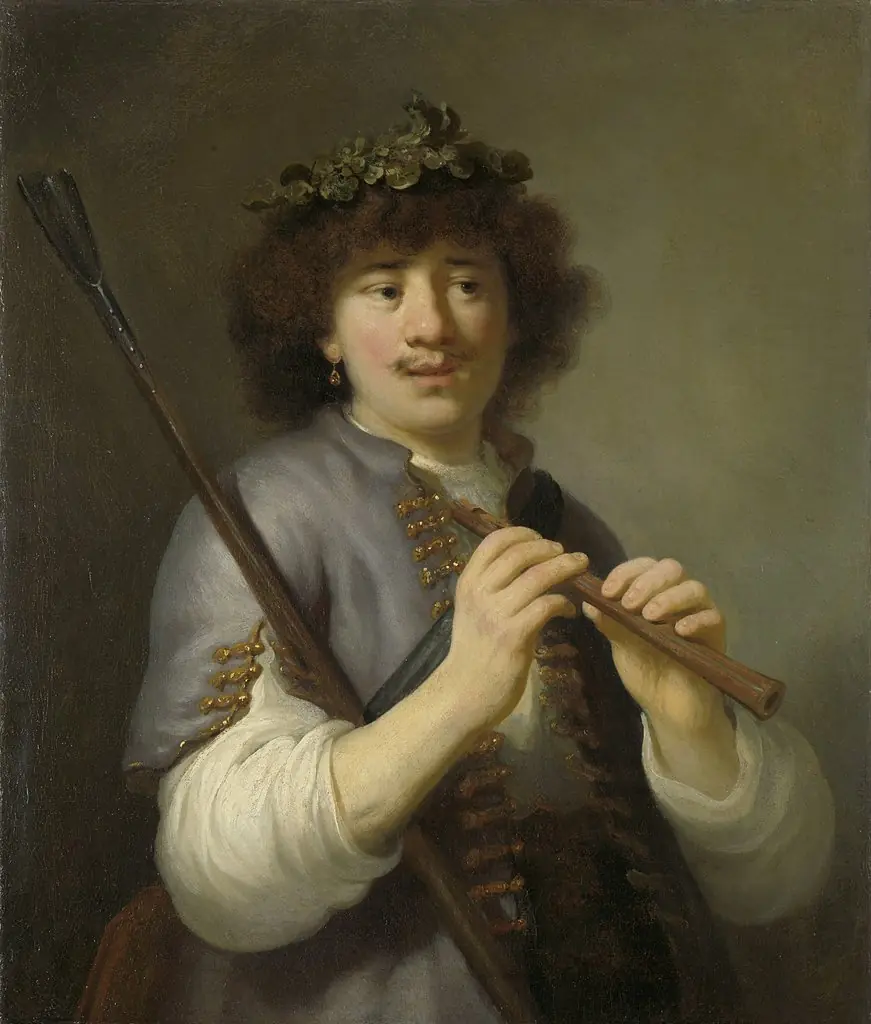 Rembrandt as sheperd with staff and flute
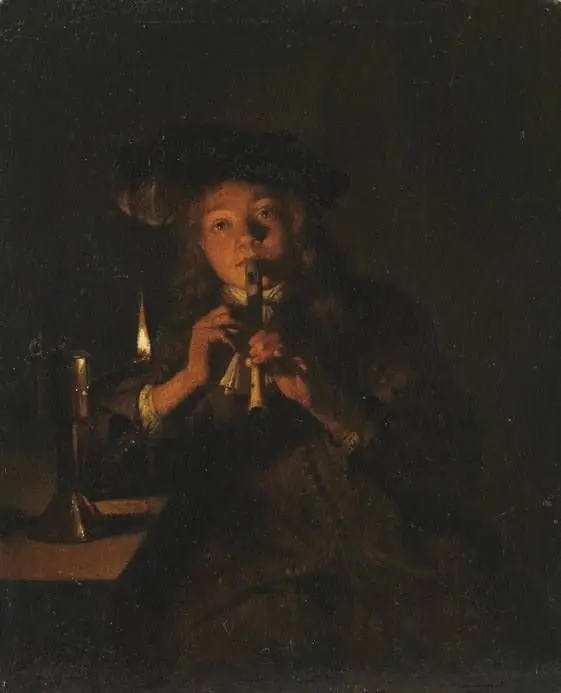 Boy Playing the Flute by Lamplight
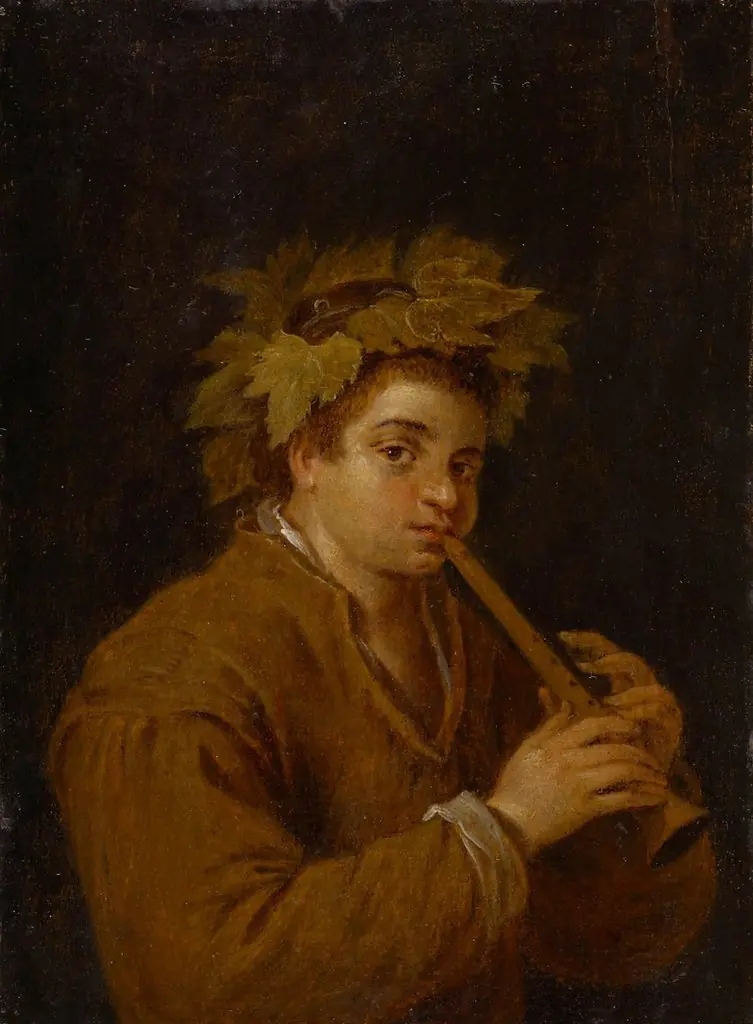 Boy with Flute
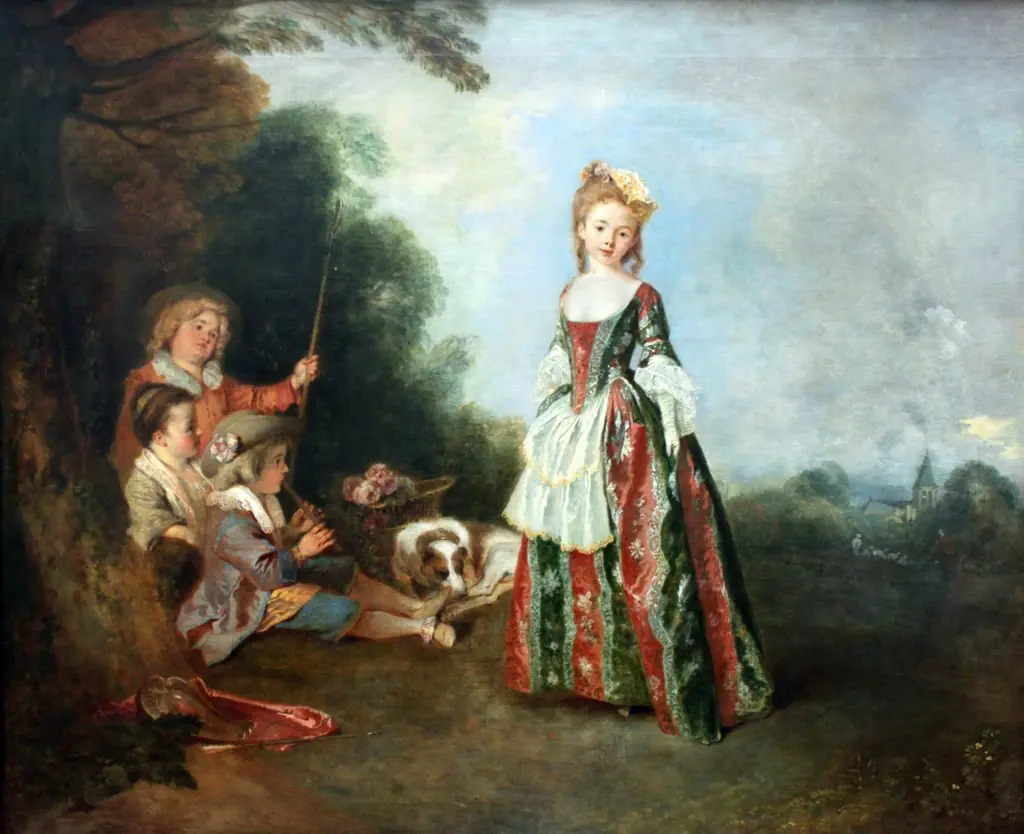 The Dance
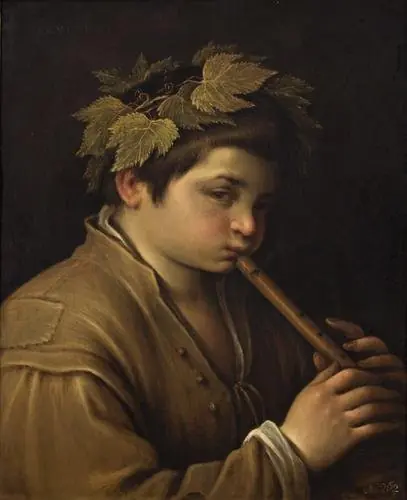 Boy with a Flute
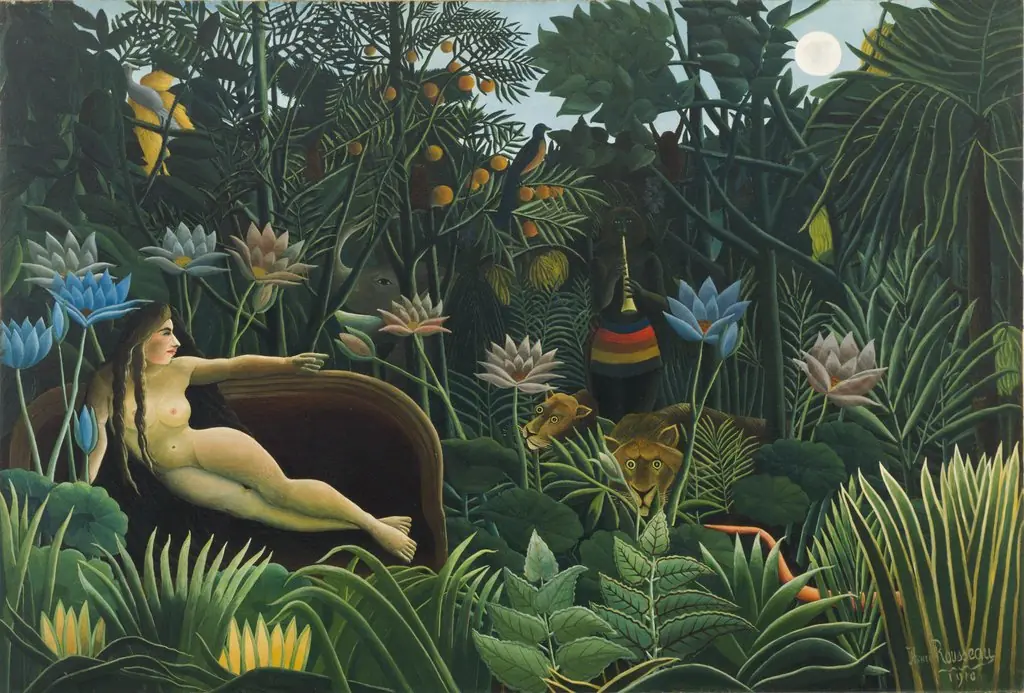 The Dream
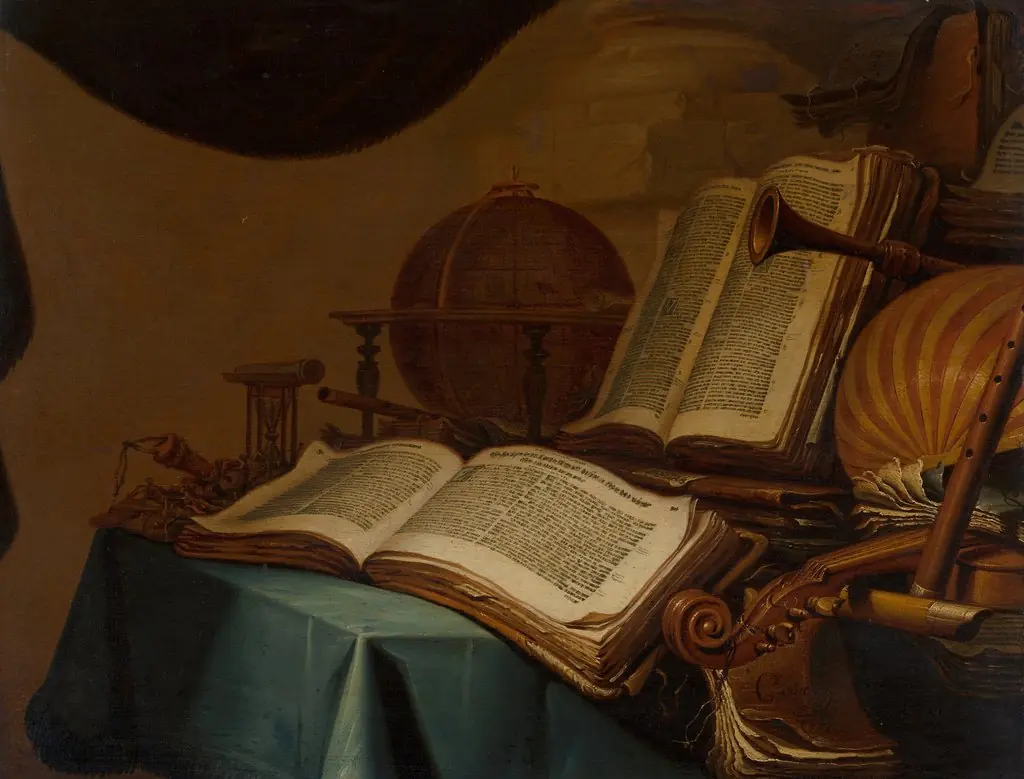 Still Life with Books, a Globe and Musical Instruments
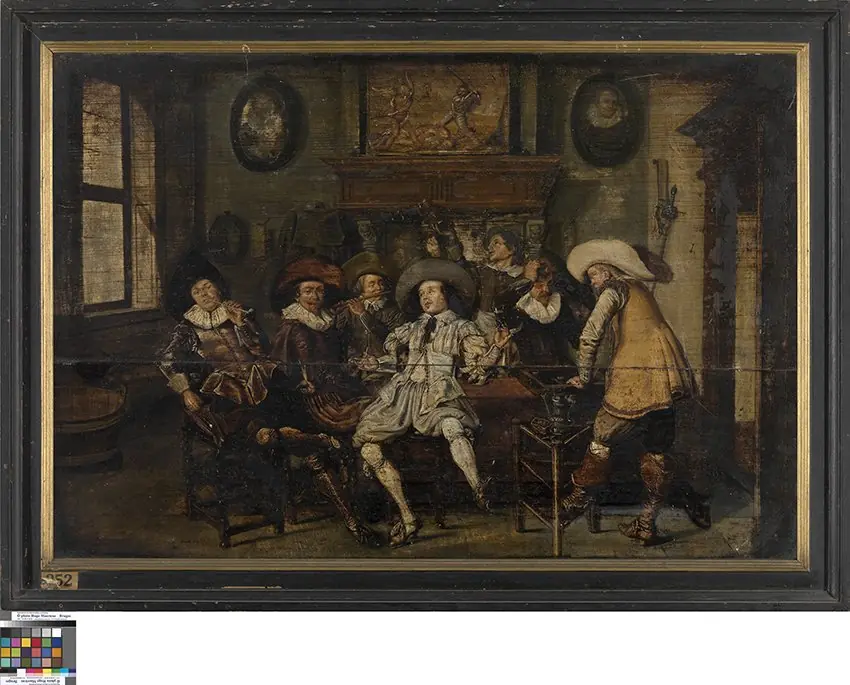 Musicerend en drinkend gezelschap in een herberg
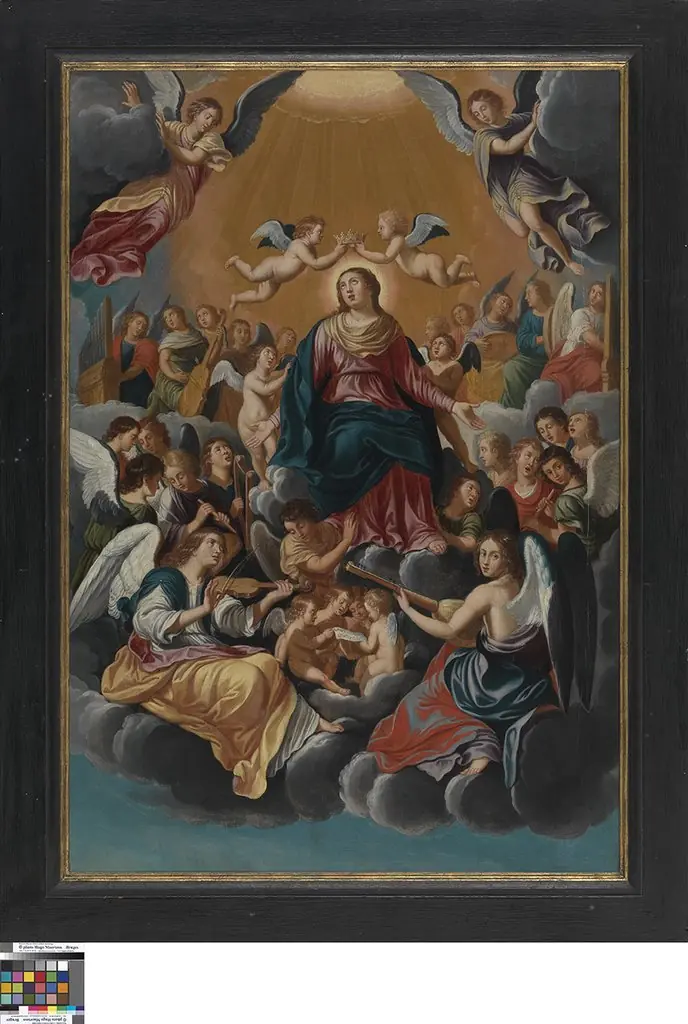 Kroning van Maria
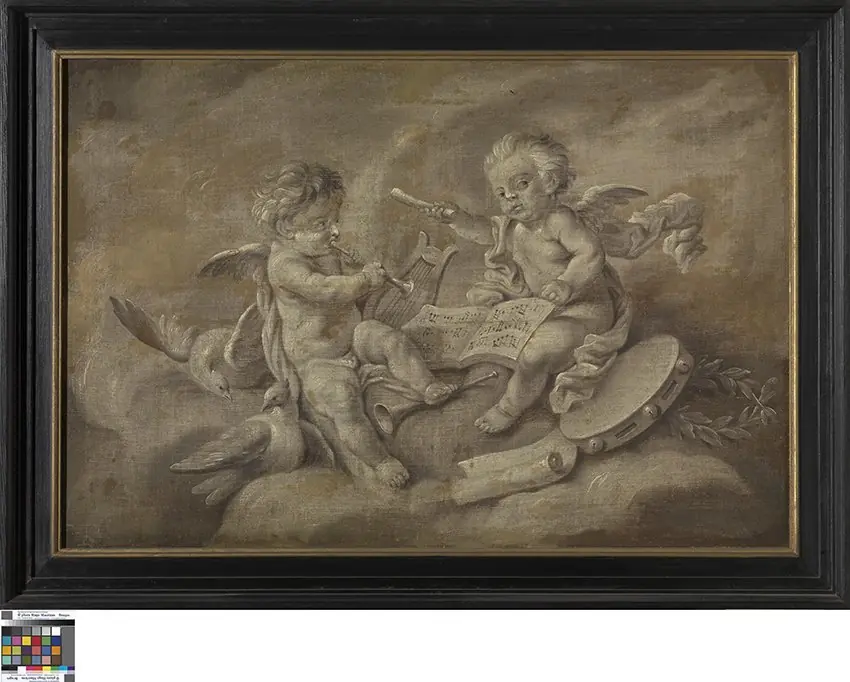 Musicerende engeltjes
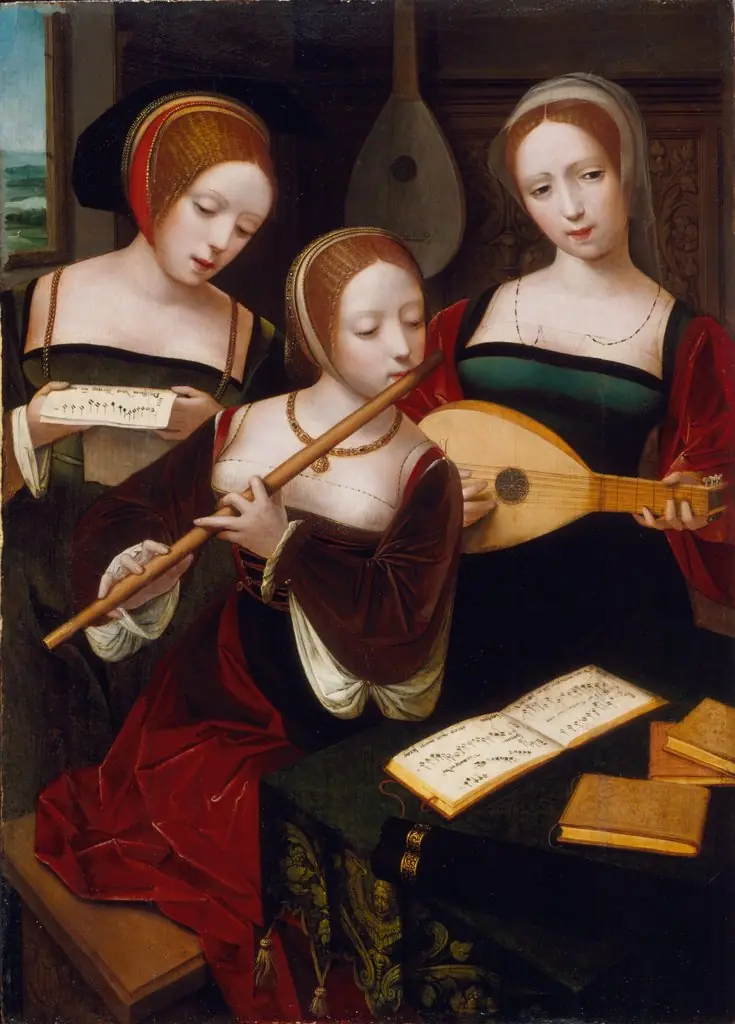 Three Musicians
Frequently asked questions
What is Flute?
Flute is a subject in art. The flute is a member of a family of musical instruments in the woodwind group.
How many Flute works does Artifact World Gallery have?
Artifact World Gallery holds 26 public-domain Flute works, all free to view and download.
Who are the key Flute artists?
Key Flute artists in the collection include Thomas Eakins, David Teniers the Younger and Sebastiano del Piombo.
Where can I see Flute works?
Flute works in the collection are held by Metropolitan Museum of Art, Groeningemuseum and Kunsthistorisches Museum.