Artwork
Anne de Clermont-Chaste de Gessans (?-1789), last abbess of Chelles Abbey
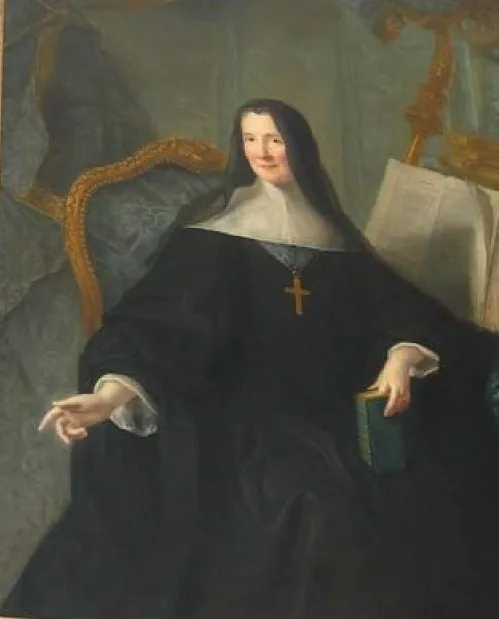
Anne de Clermont-Chaste de Gessans (?-1789), last abbess of Chelles Abbey is an oil painting by the Rococo painting artist Jean-Marc Nattier. It dates from 1750 and is held in the collection of the Palace of Versailles. This oil portrait, created around 1750, depicts Anne de Clermont-Chaste de Gessans, the final abbess of Chelles Abbey, who died in 1789.
About this work
Overview
Painted by Jean-Marc Nattier, a prominent French artist of the Rococo era, the work captures a religious figure in a formal, dignified manner.
This oil portrait, created around 1750, depicts Anne de Clermont-Chaste de Gessans, the final abbess of Chelles Abbey, who died in 1789. Painted by Jean-Marc Nattier, a prominent French artist of the Rococo era, the work captures a religious figure in a formal, dignified manner. Though Nattier was known for mythologizing court women, here he presents a nun with restrained elegance, aligning her status with the conventions of aristocratic portraiture.
Subject & Meaning
Anne de Clermont-Chaste de Gessans is shown in the black habit of a Benedictine abbess, her white collar and gold cross signaling her spiritual authority. Her hand rests on a book, likely a liturgical text, while her other hand gestures outward, suggesting instruction or reflection. The composition avoids theatricality, emphasizing her role as a leader within a declining monastic institution, poised at the edge of the French Revolution’s upheavals.
Technique & Style
Nattier employs soft modeling and subtle chiaroscuro to define the folds of the abbess’s habit and the sheen of her cross, balancing realism with elegance. The background, a green wall, mirror, and bookshelf, adds domesticated grandeur without distracting from the figure. The pose is static yet composed, typical of 18th-century portraiture, where dignity and social position are conveyed through posture and detail rather than narrative.
History & Provenance
The painting entered the collection of the Palace of Versailles, where it remains today. As the last abbess of Chelles Abbey, Anne’s tenure ended with the suppression of religious orders during the French Revolution. The portrait thus serves as a visual record of an institution on the brink of dissolution, preserved within the very royal context that would soon dismantle it.
Context
In mid-18th-century France, noblewomen often assumed leadership roles in convents, blending aristocratic privilege with religious duty. Nattier’s depiction reflects this duality: though Anne is cloistered, her attire and setting reflect the refinement expected of her class. The painting stands apart from Nattier’s mythological court portraits, revealing his adaptability in portraying religious authority with the same poise reserved for royalty.
Legacy
The portrait endures as a quiet testament to the final years of monastic life under the Ancien Régime. It captures a moment when religious institutions, once centers of power and learning, faced systemic erosion. Nattier’s restrained approach lends the image historical gravity, making it a significant document of ecclesiastical and social transition in pre-revolutionary France.
Artist & collection
Artist
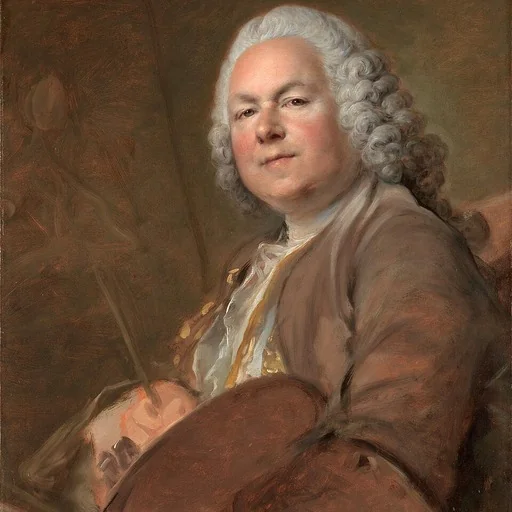
Jean-Marc Nattier (French pronunciation:; 17 March 1685 – 7 November 1766) was a French painter.

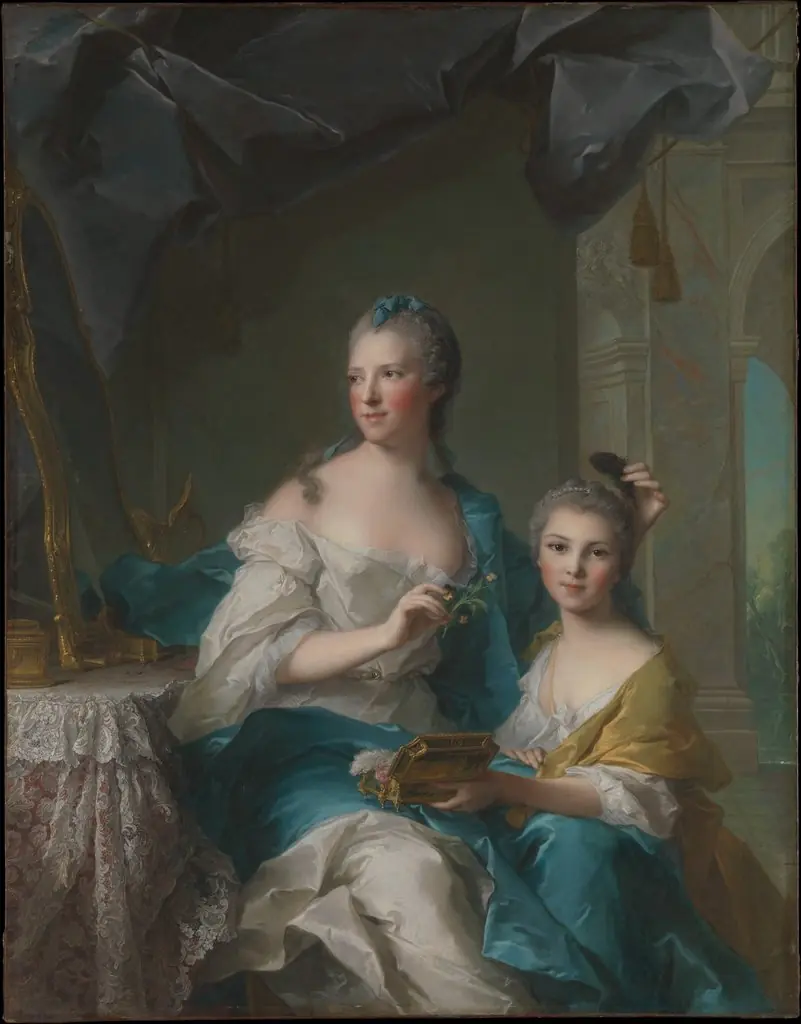 Madame Marsollier and Her Daughter
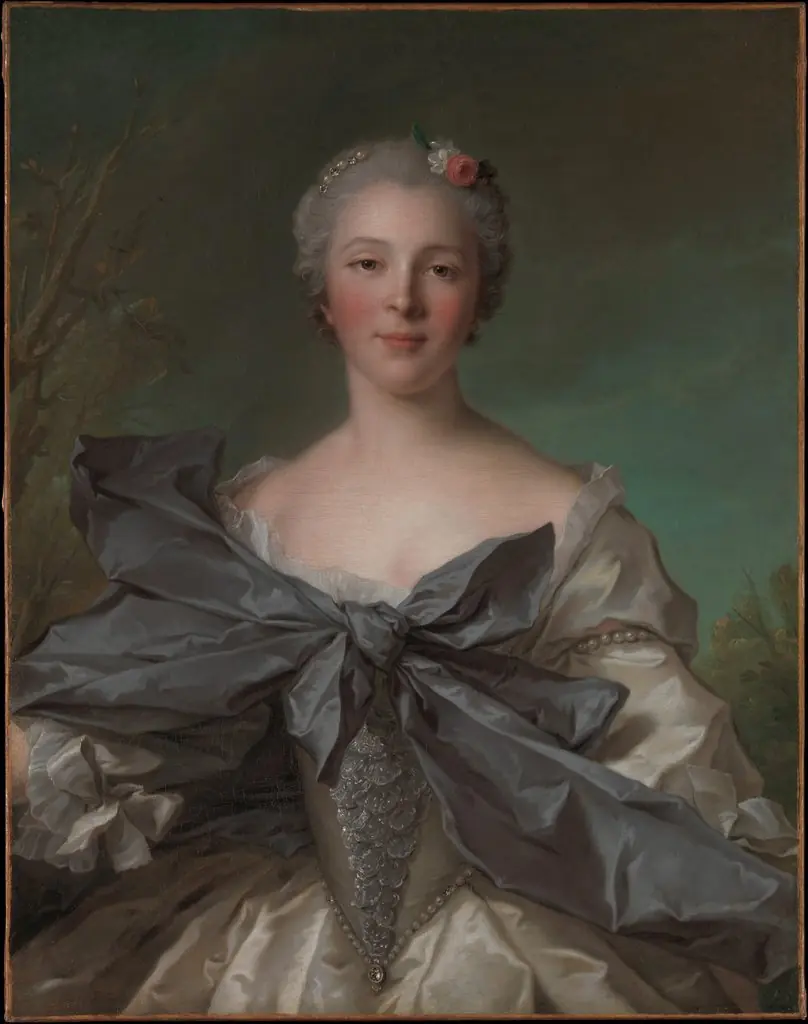 Marie Françoise de La Cropte de St. Abre, Marquise d'Argence
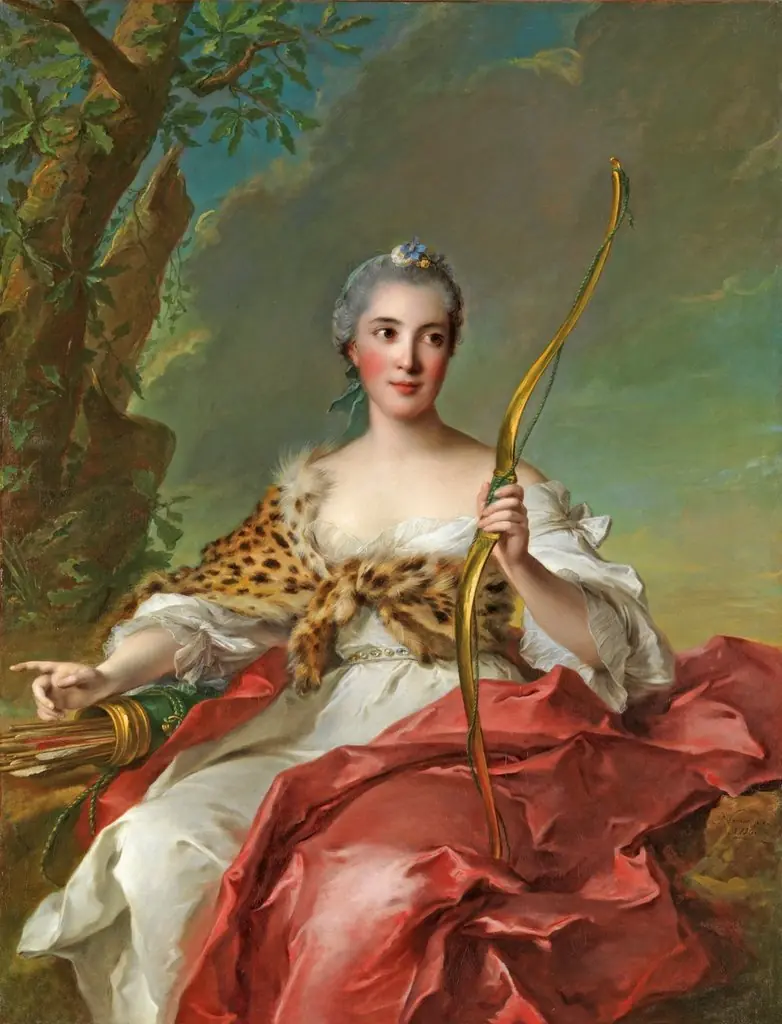 Madame Bergeret de Frouville as Diana
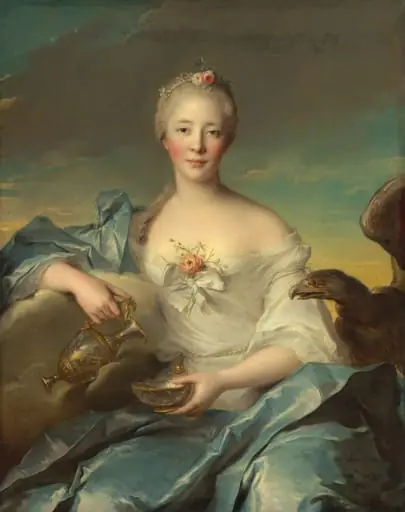 Madame Le Fèvre de Caumartin as Hebe
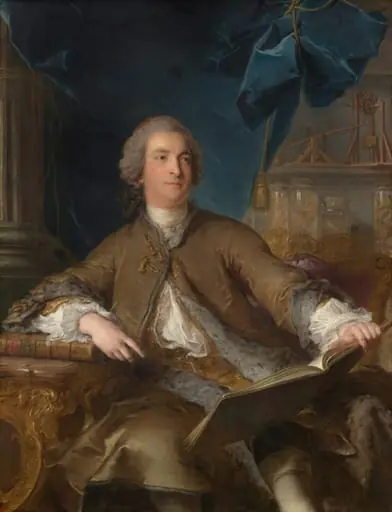 Joseph Bonnier de la Mosson
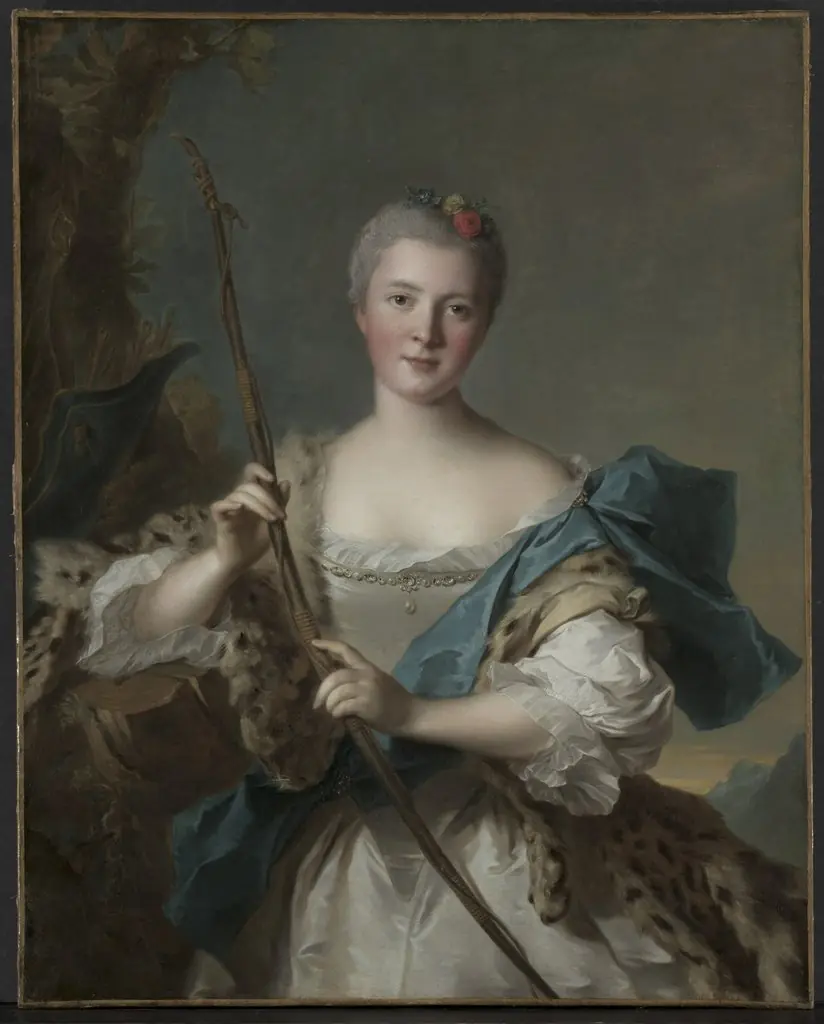 Portrait of a Woman as Diana
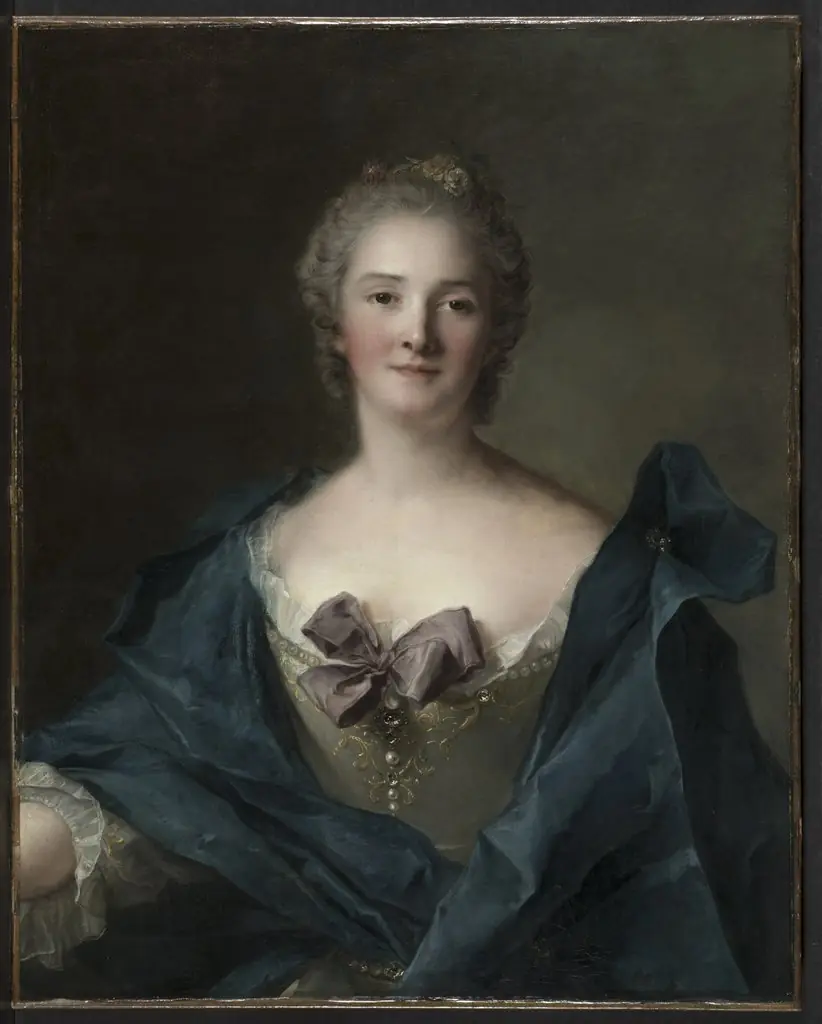 Portrait of a Woman
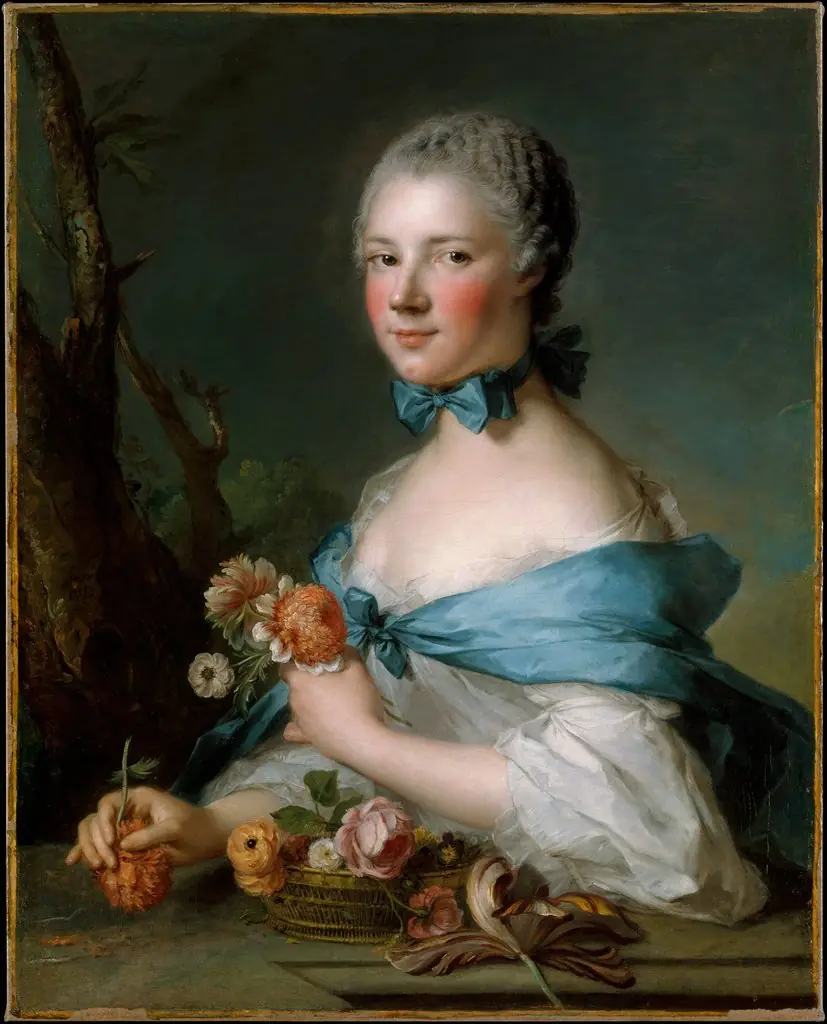 Portrait of a Woman, Called the Marquise Perrin de Cypierre
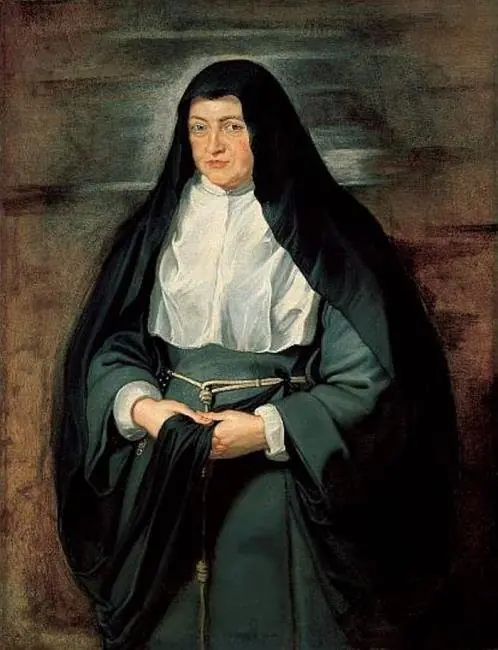 Portrait of Archduchess Isabella Clara Eugenia, Spanish Regent of the Low Countries, as a Nun
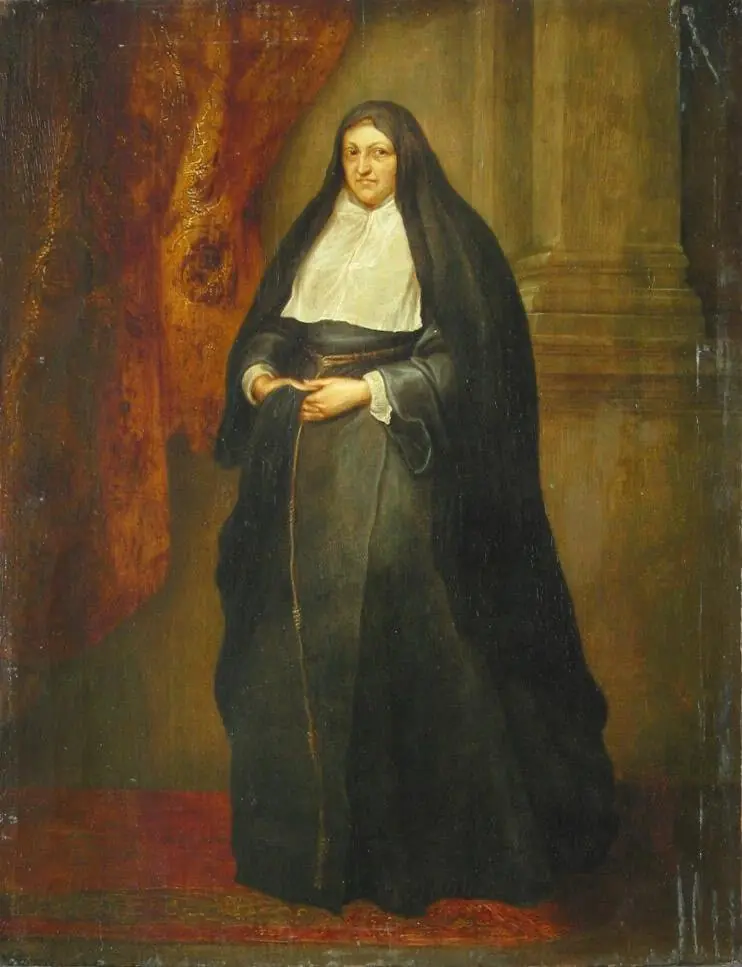 Portrait of Infanta Isabella Clara Eugenia of Spain (1566-1633)
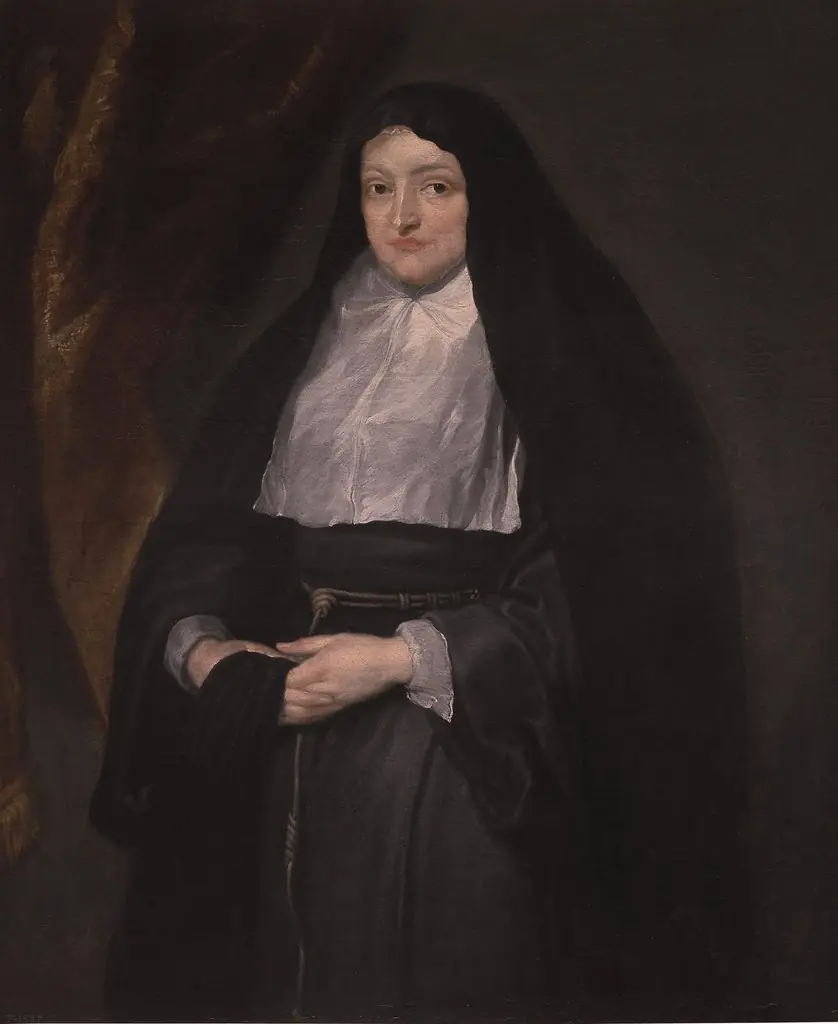 Portrait of Isabel Clara Eugenia as a nun
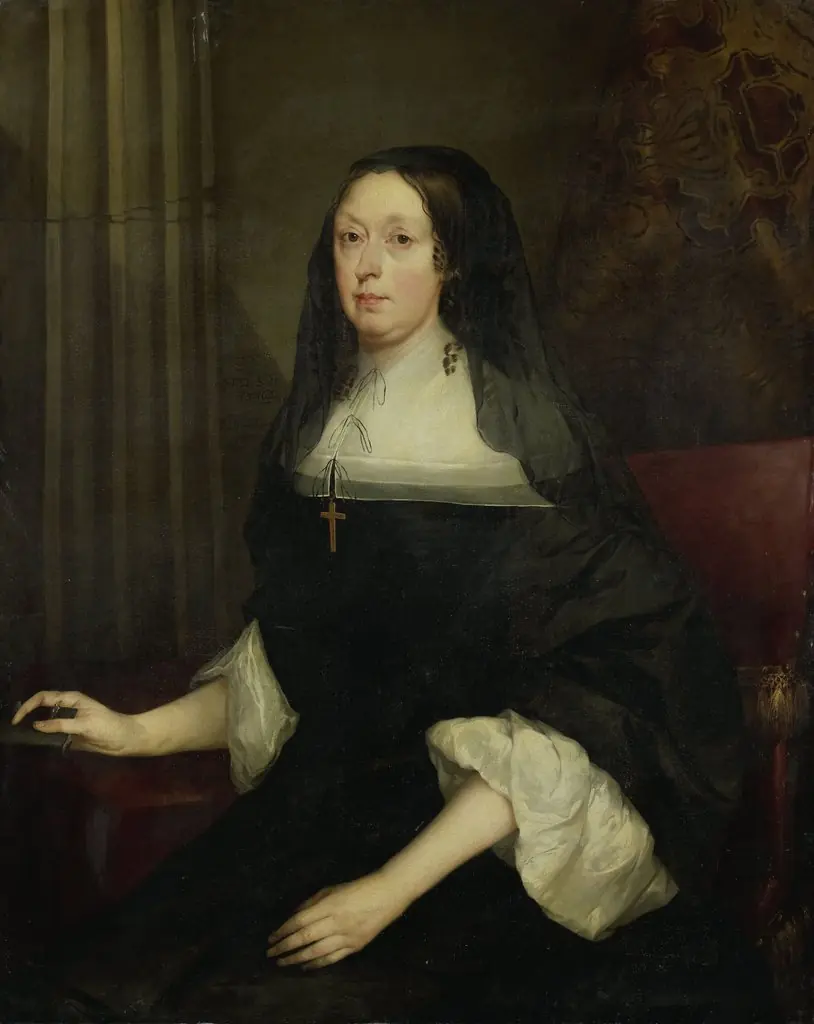 Portrait of a woman
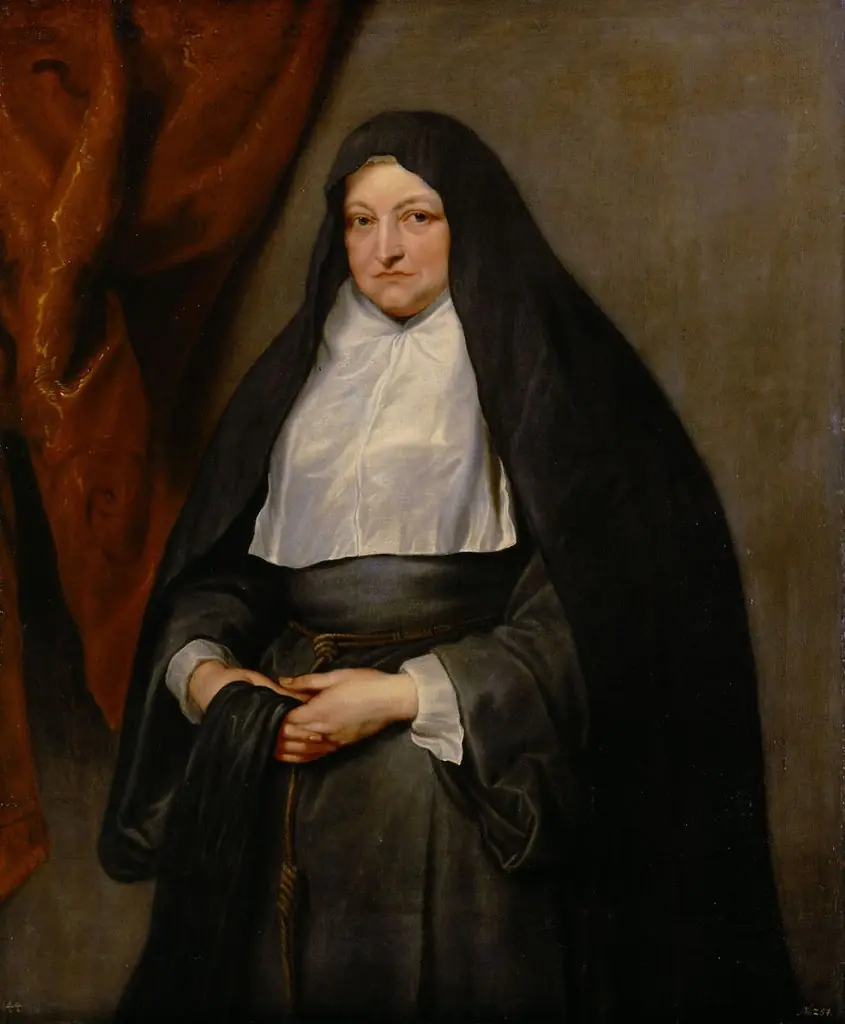 Infantin Isabella Clara Eugenia, portrait as a widow
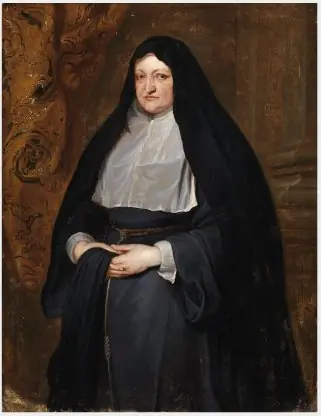 Isabella Clara Eugenia, Archduchess of Austria
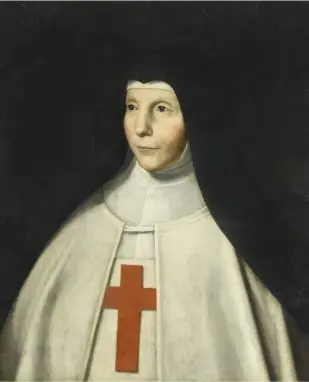 Portrait de la Mère des Anges Suireau
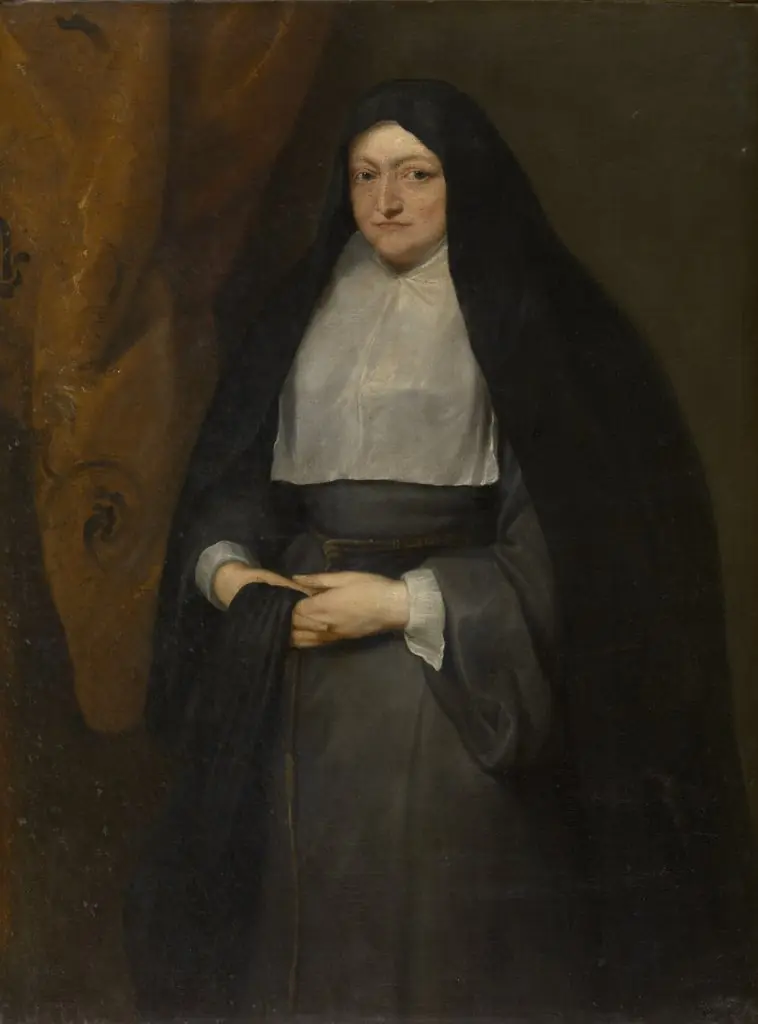 Infante Isabella Clara Eugenia
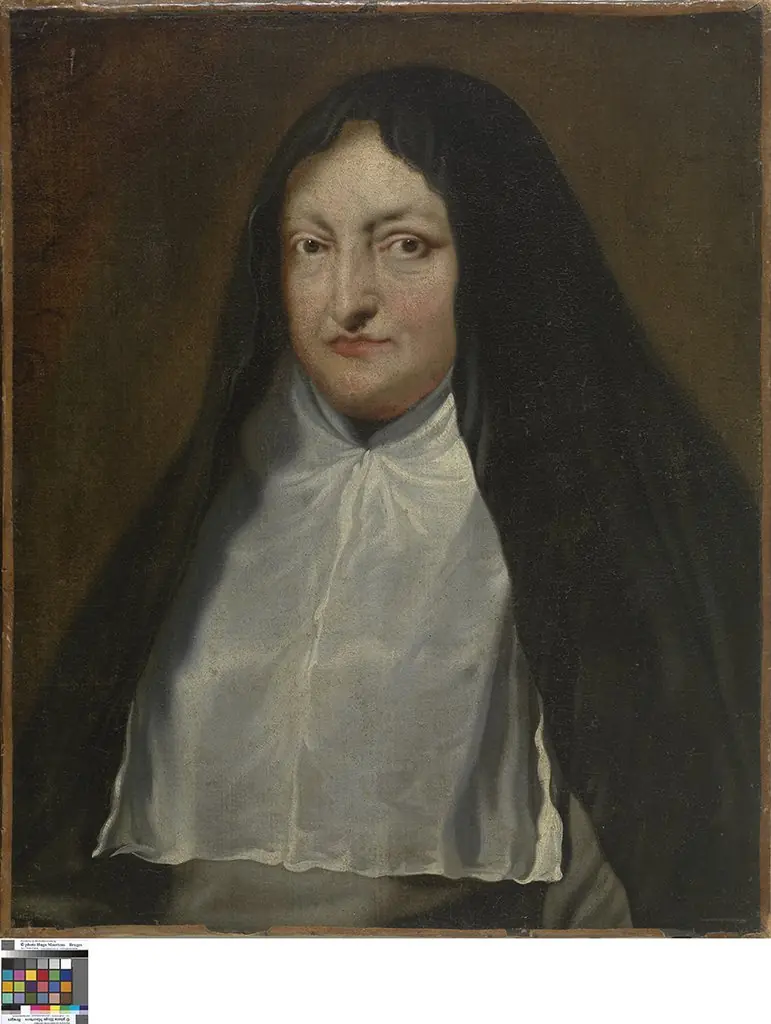 Portrait of Archduchess Isabella Clara Eugenia as Clarisse
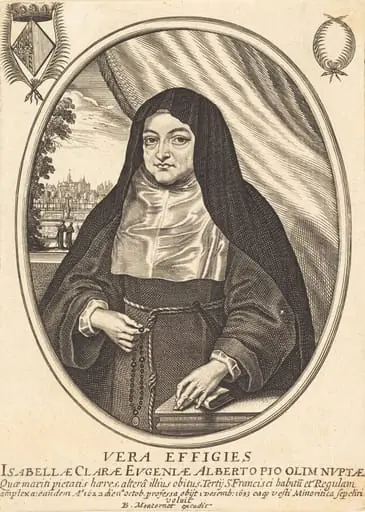 Isabelle Claire Eugénie
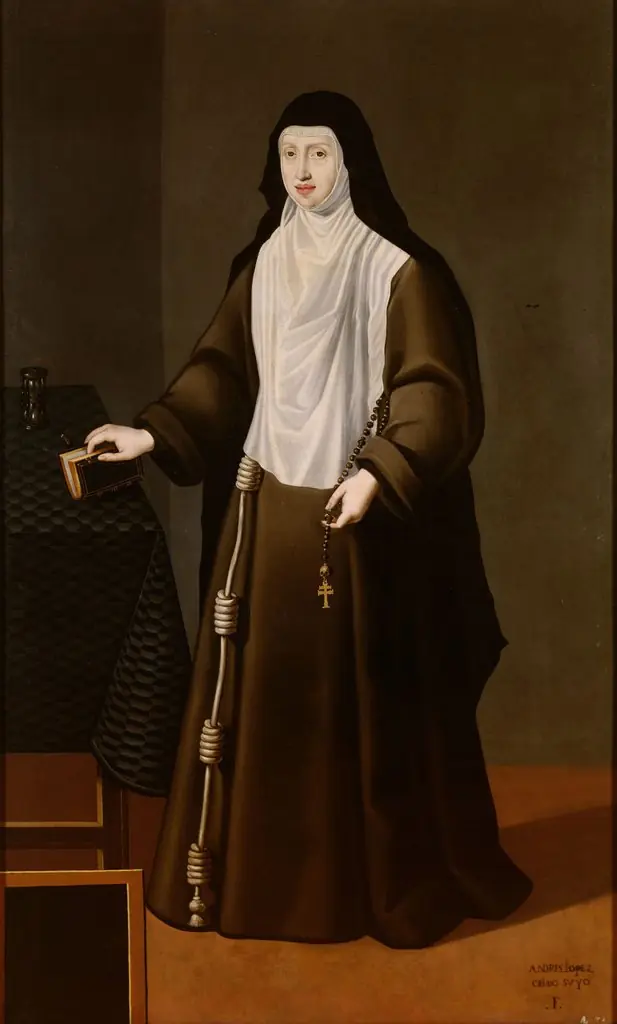 Erzherzogin Margarete (1567-1633), Tochter von Maximilian II. als Nonne in ganzer Figur
- Anne d'Autriche, reine de France