Artwork
Reverend Thomas Cary of Newburyport
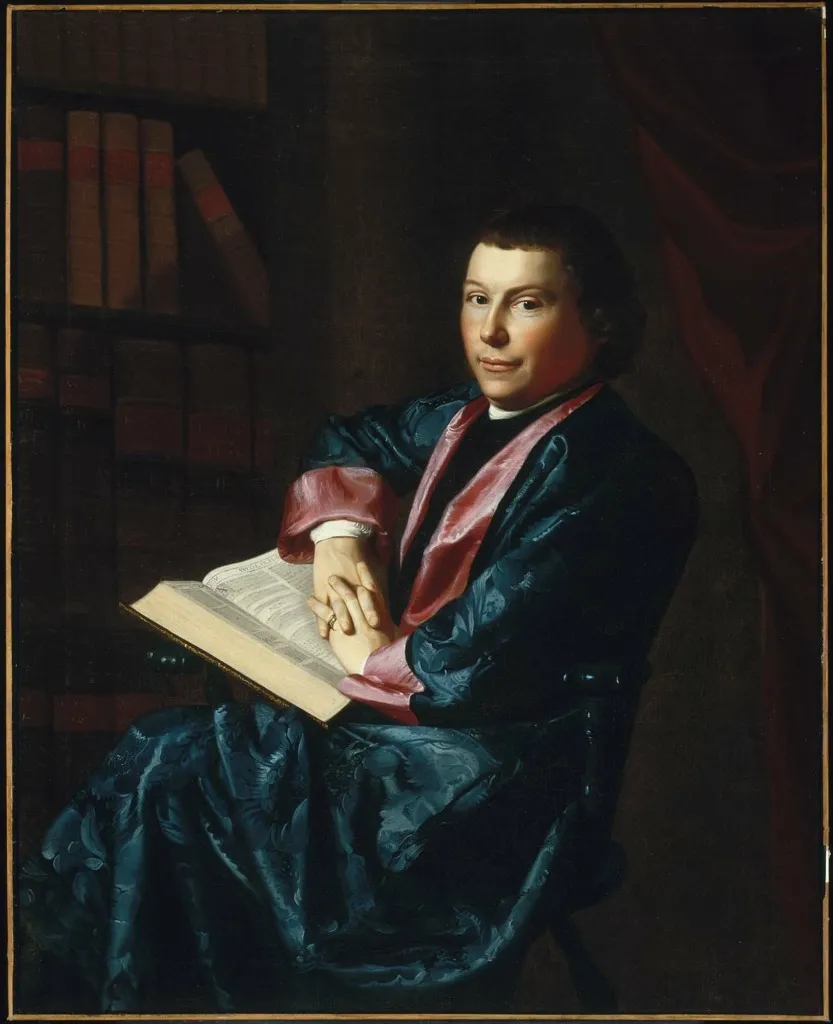
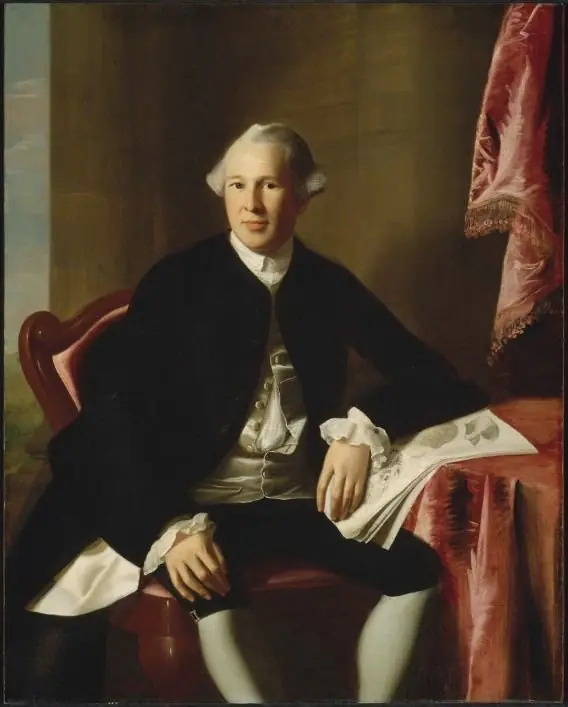
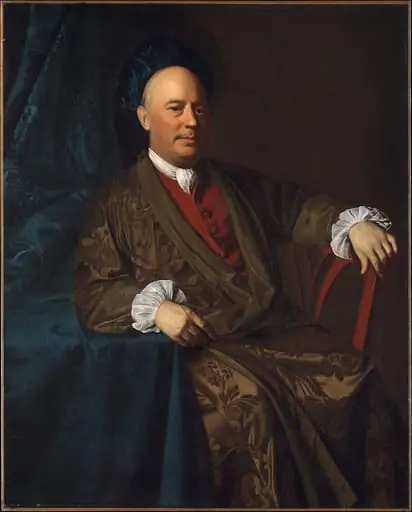
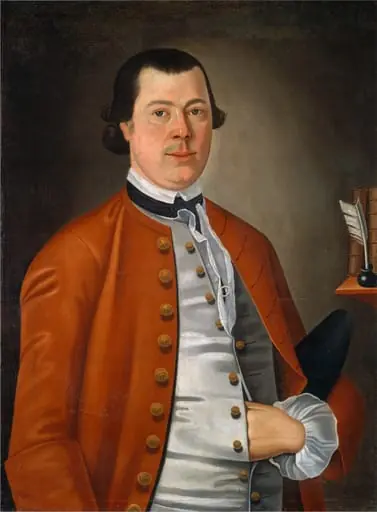
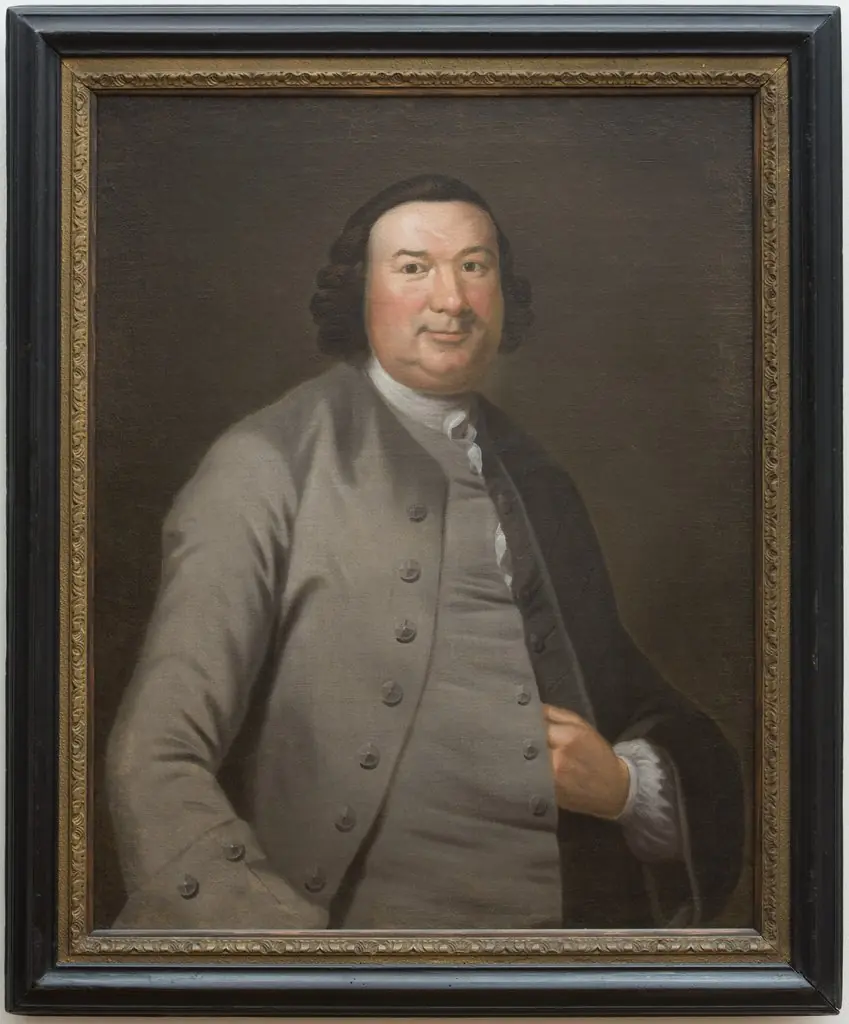
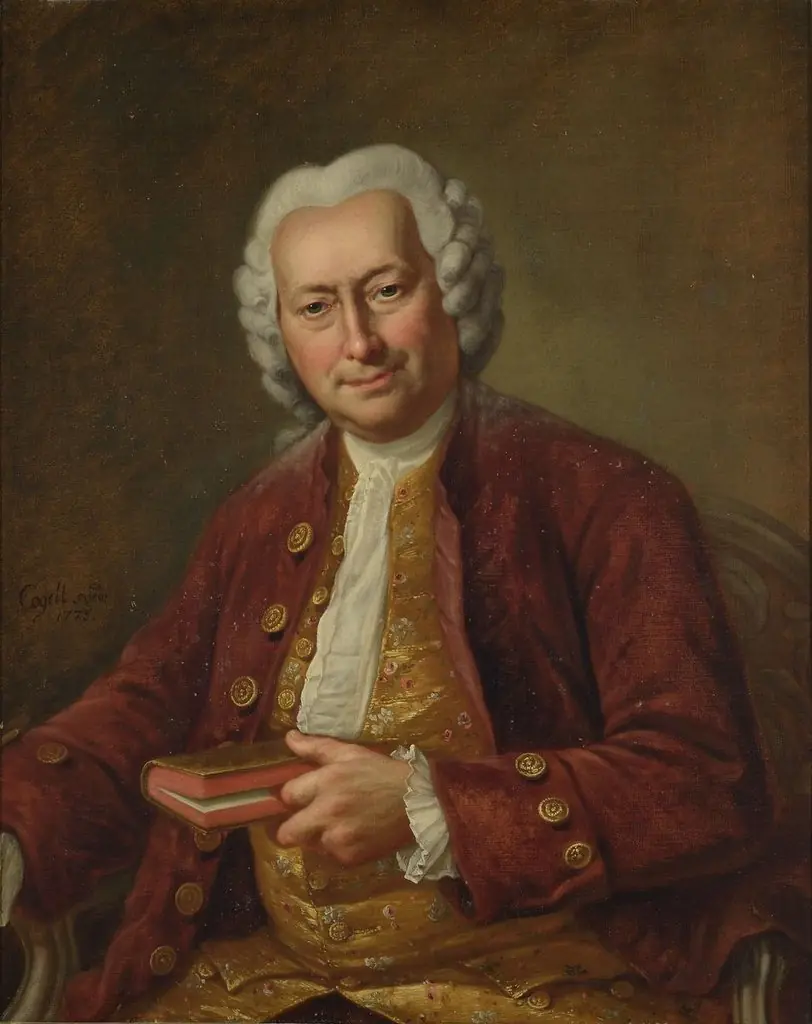
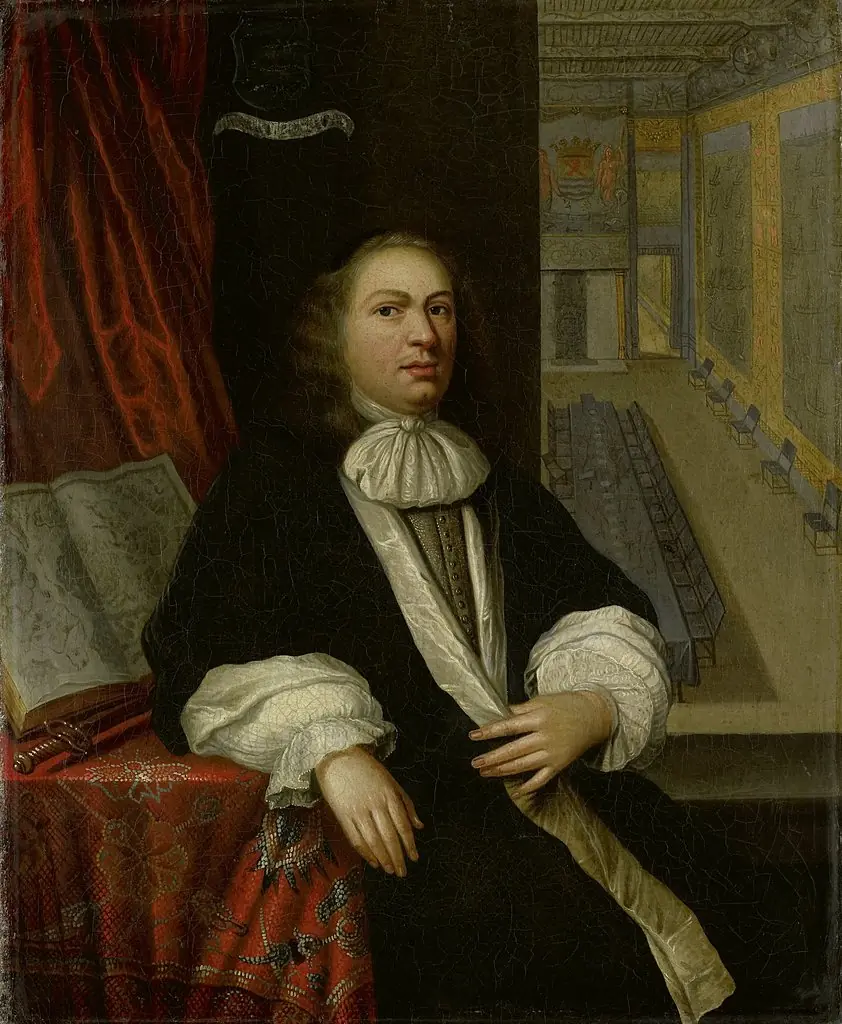
Reverend Thomas Cary of Newburyport is an oil painting by the American Impressionist artist John Singleton Copley. It dates from 1786 and is held in the collection of the Museum of Fine Arts Boston.
About this work
Overview
Painted around 1786, this oil portrait depicts Reverend Thomas Cary of Newburyport, a clergyman known for his intellectual pursuits. The work was executed by John Singleton Copley, a prominent colonial American artist who later moved to London. Though created during the late 18th century, the painting reflects the formal portraiture traditions of the era rather than any later stylistic movement.
Subject & Meaning
Reverend Cary is portrayed seated, holding an open book, suggesting his scholarly and religious role. His dark blue robe with red trim signifies clerical status, while the bookshelf behind him reinforces an environment of learning. The composition emphasizes dignity and contemplation, aligning with the values of educated clergy in post-colonial New England society.
Technique & Style
Copley employed precise brushwork and careful attention to texture, rendering fabric, skin, and wood with realism. The dark background isolates the figure, drawing focus to his posture and expression. Subtle lighting highlights the book’s pages and the folds of his robe, demonstrating Copley’s mastery of chiaroscuro and his commitment to lifelike representation.
History & Provenance
The painting was completed after Copley’s relocation to London, yet it retains the detailed style of his earlier American period. It remained in New England and eventually entered the collection of the Museum of Fine Arts, Boston, where it has been preserved as part of the region’s artistic heritage. Its provenance reflects continued local appreciation for Copley’s portraiture.
Context
In the decades following American independence, portraits of clergy and civic leaders served as markers of social standing and intellectual authority. Copley’s work captured this cultural moment, bridging colonial traditions with emerging American identity. Reverend Cary’s image reflects the esteem accorded to educated religious figures in early republican society.
Legacy
Though Copley gained greater fame in Britain, his American portraits remain vital records of 18th-century life. This portrait of Cary exemplifies his ability to convey character through quiet detail. It continues to inform scholarship on colonial portraiture and the role of religion in early American public life.
Artist & collection
Artist
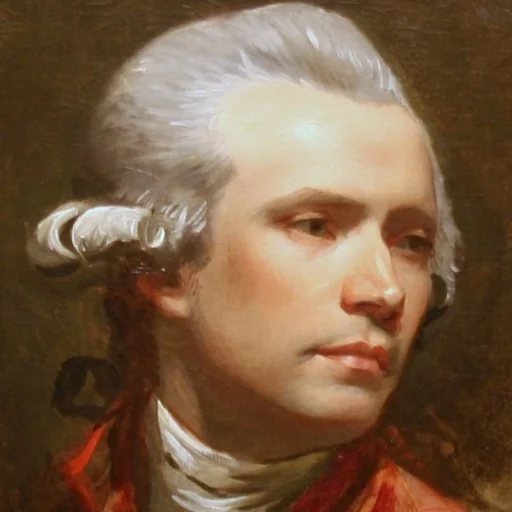
John Singleton Copley (July 3, 1738 – September 9, 1815) was an American-born British painter active in both the Thirteen Colonies and England.