Artwork
Eugenia Martinez Valleji, called La Monstrua
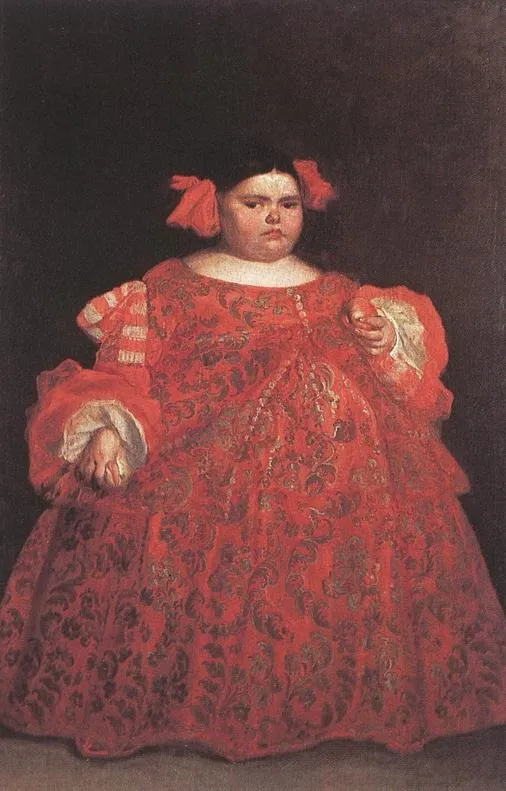
Eugenia Martinez Valleji, called La Monstrua is an oil painting by the Spanish Baroque Tenebrist artist Juan Carreño de Miranda. It is held in the collection of the Museo del Prado.
About this work
Technique & Style
The figure is depicted full-length, dressed in a red garment with floral motifs, set against a neutral background that concentrates focus on the subject.
Executed in oil on canvas in 1680, the portrait measures 165 cm in height and 107 cm in width. The handling belongs to the Spanish Baroque, characterized by careful modeling of form and attention to the sitter’s costume. The figure is depicted full-length, dressed in a red garment with floral motifs, set against a neutral background that concentrates focus on the subject. The technique emphasizes naturalistic detail and restrained chiaroscuro to articulate the child’s presence.
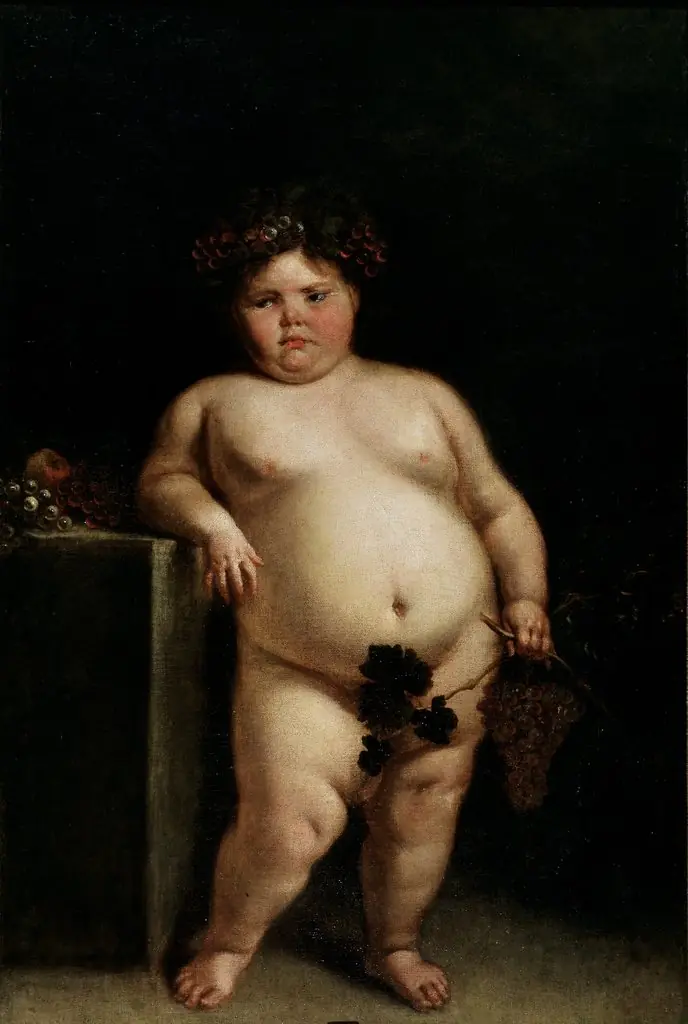
There is a pendant work, La monstrua desnuda, depicting the same sitter unclothed, also by Carreño de Miranda and held by the same institution.
History & Provenance
The painting, titled *La monstrua vestida*, was created by the Spanish artist Juan Carreño de Miranda in 1680. Executed in oil on canvas, the work measures 165 cm in height and 107 cm in width. It depicts Eugenia Martínez Vallejo, a young girl historically referred to as "la Monstrua" due to her physical condition, dressed in a red gown with floral motifs. The piece is currently held in the collection of the Museo del Prado in Madrid. A companion portrait of the same subject, titled *La monstrua desnuda*, also exists and was likely produced as part of the same commissioning context.
The painting known as *La monstrua vestida* is held in the collection of the Museo del Prado in Madrid. While the specific inventory or accession number is not provided in the available sources, the work is confirmed to be part of the museum's permanent holdings and is described on the institution's official website. The piece was created by Juan Carreño de Miranda in 1680 and depicts Eugenia Martínez Vallejo. The sources indicate the work is currently on view at the Prado, though no specific past or future exhibition history beyond its general display at the museum is detailed in the provided texts.
Artist & collection

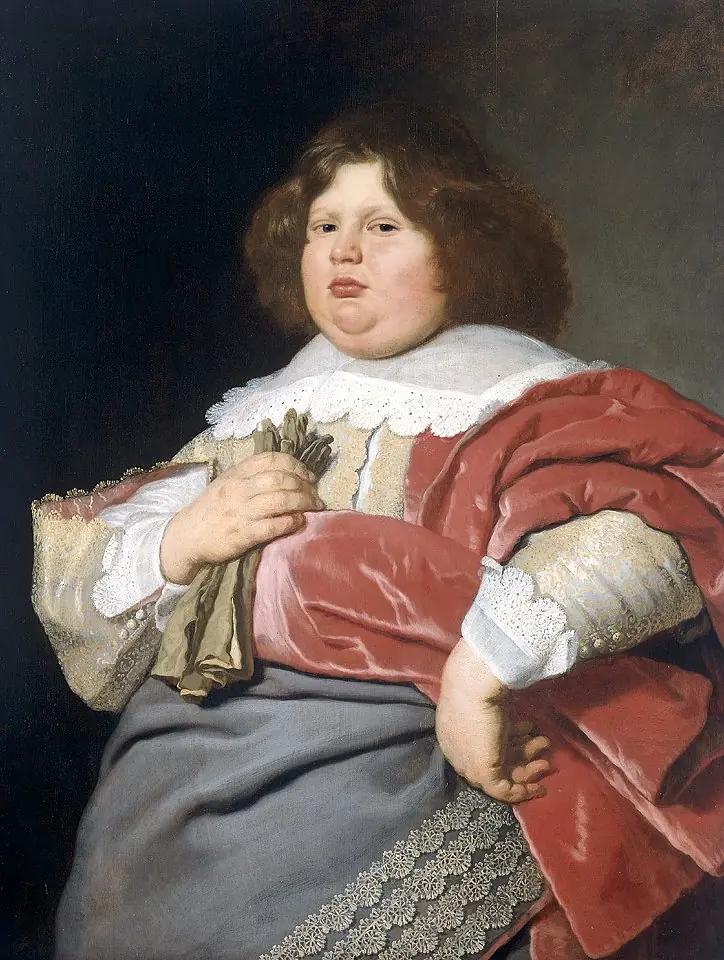 Portrait of Gerard Andriesz Bicker, son of Andries Bicker and lord of Muiden
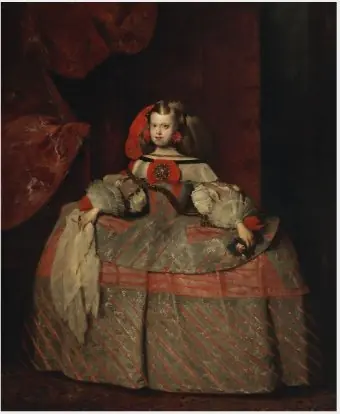 The Infanta Margarita
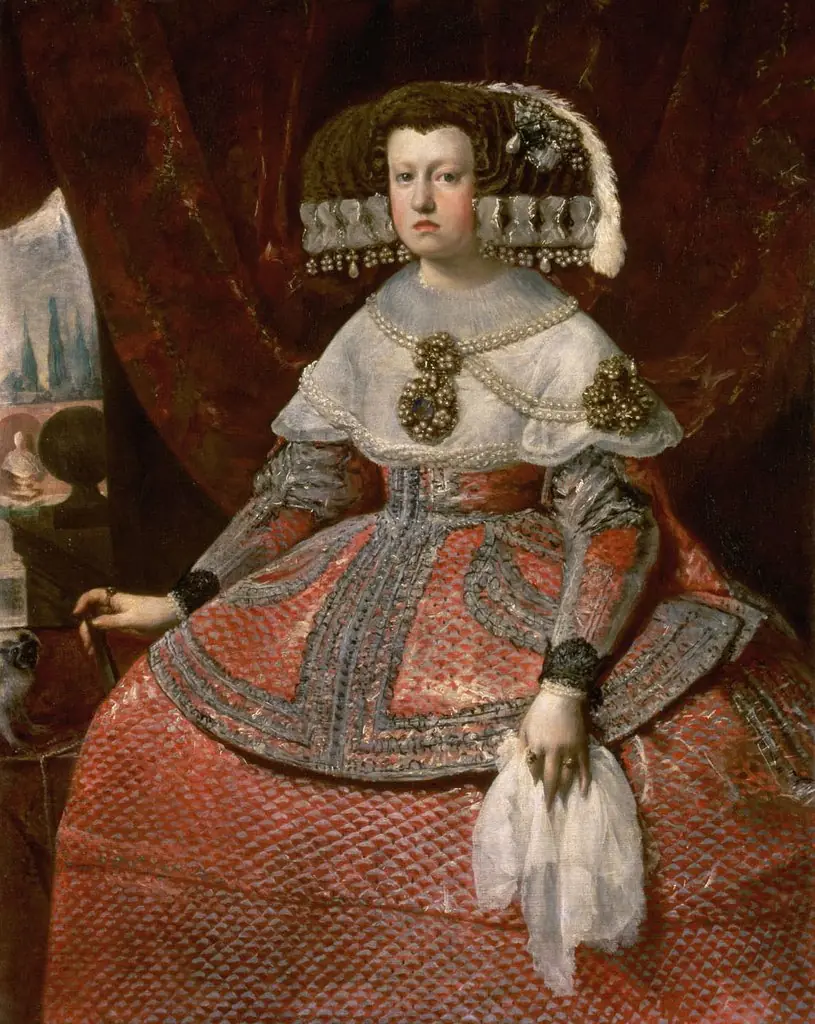 Königin Maria Anna von Spanien in hellrotem Kleid (1635-1696)
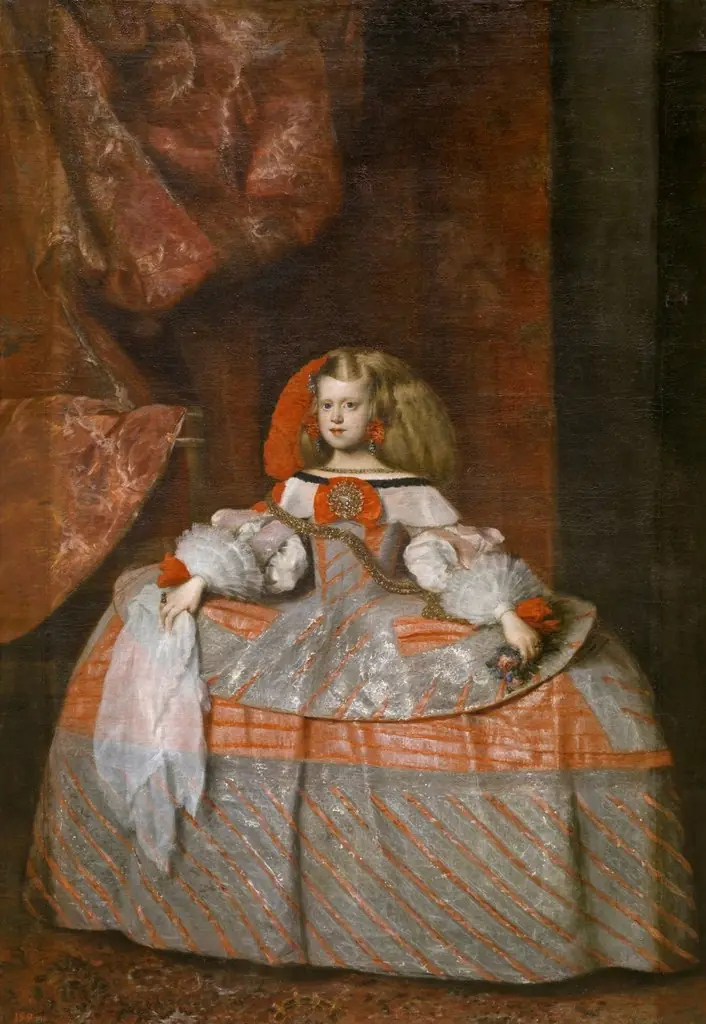 Infanta Margarita Teresa in a Pink Dress
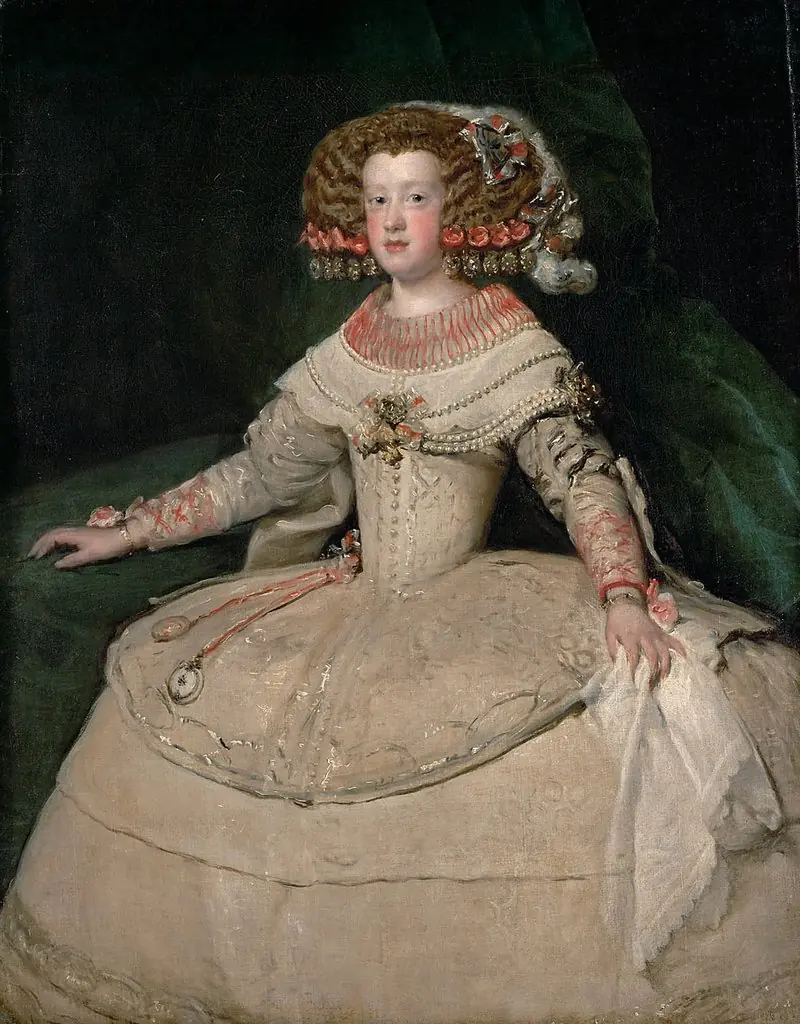 Portrait of the Infanta Maria Theresa of Spain
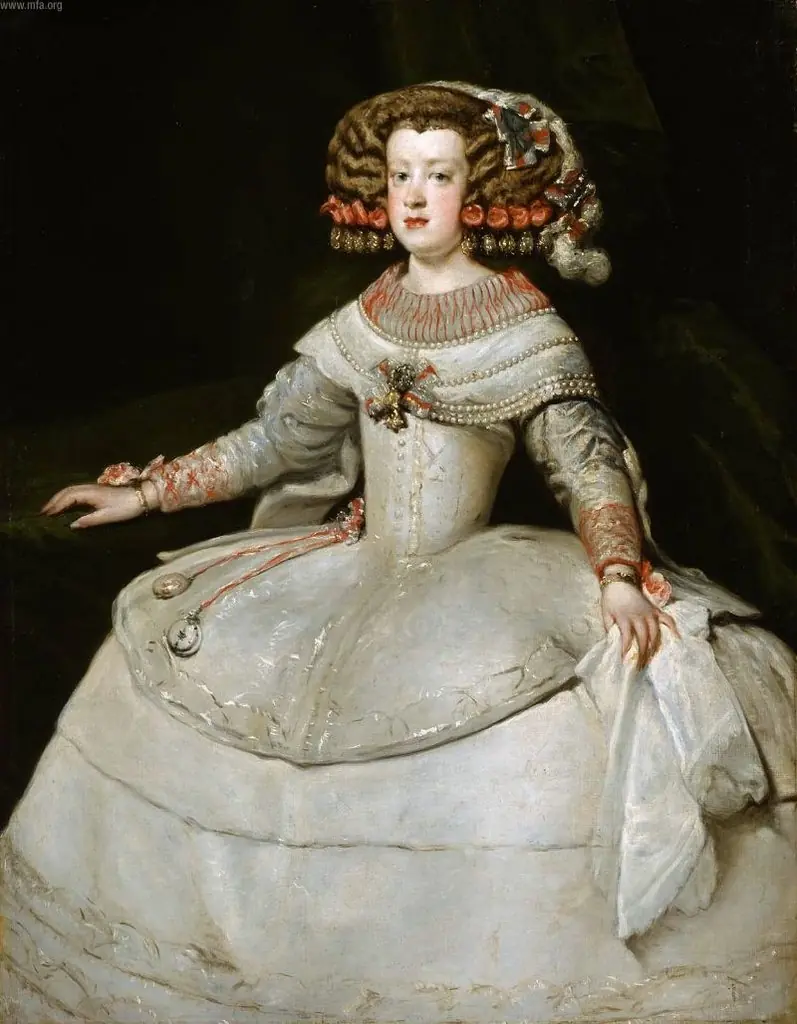 Infanta Maria Theresa
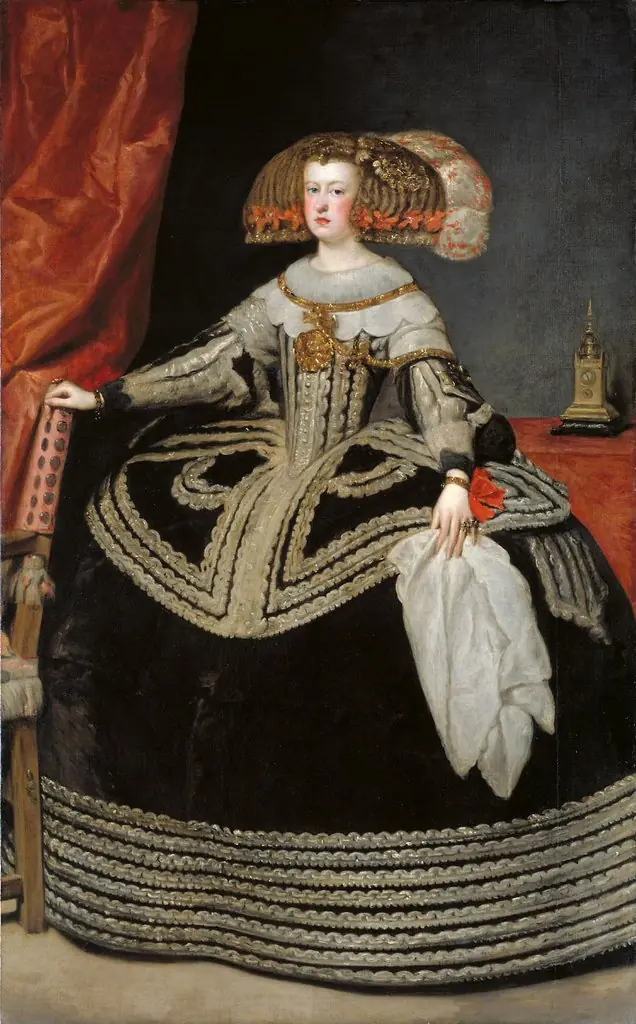 Maria Anna, Queen of Spain
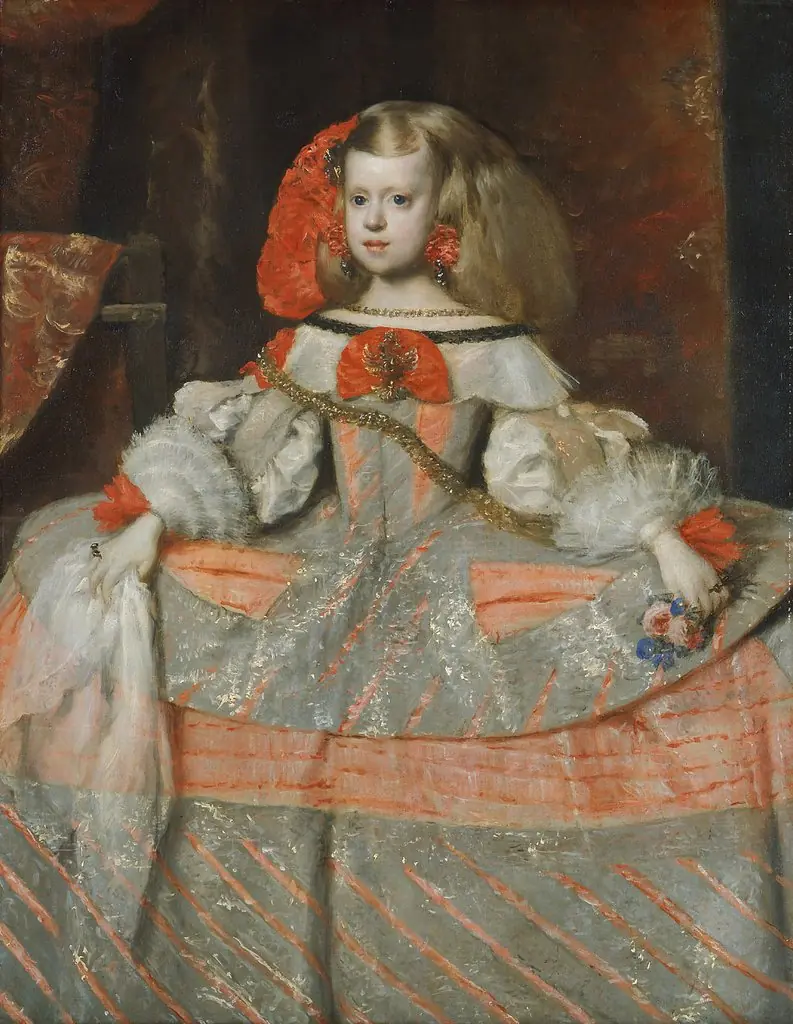 Infanta Margarita Teresa (1651-1673)
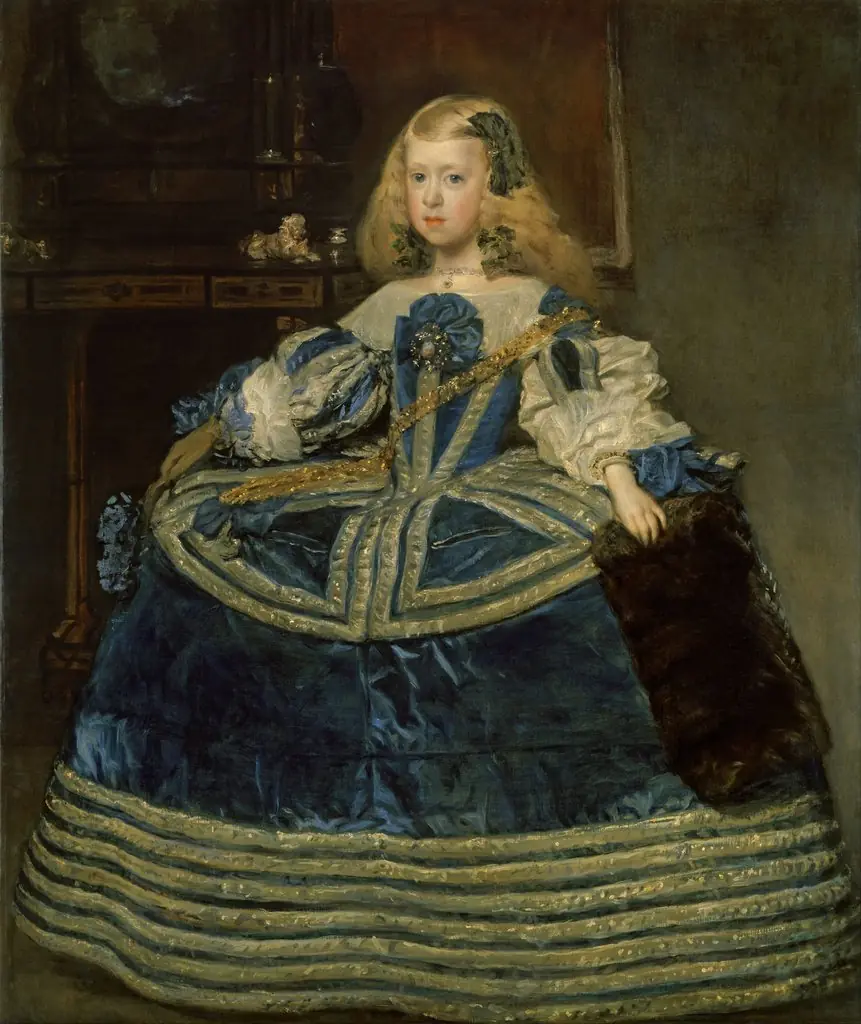 Infanta Margarita Teresa in a Blue Dress
 Infanta Margarita Teresa
 Anna Maria Louisa de' Medici as a Girl
- Eugenia Martínez Vallejo, desnuda