Artwork
Portrait of Gerard Andriesz Bicker, son of Andries Bicker and lord of Muiden
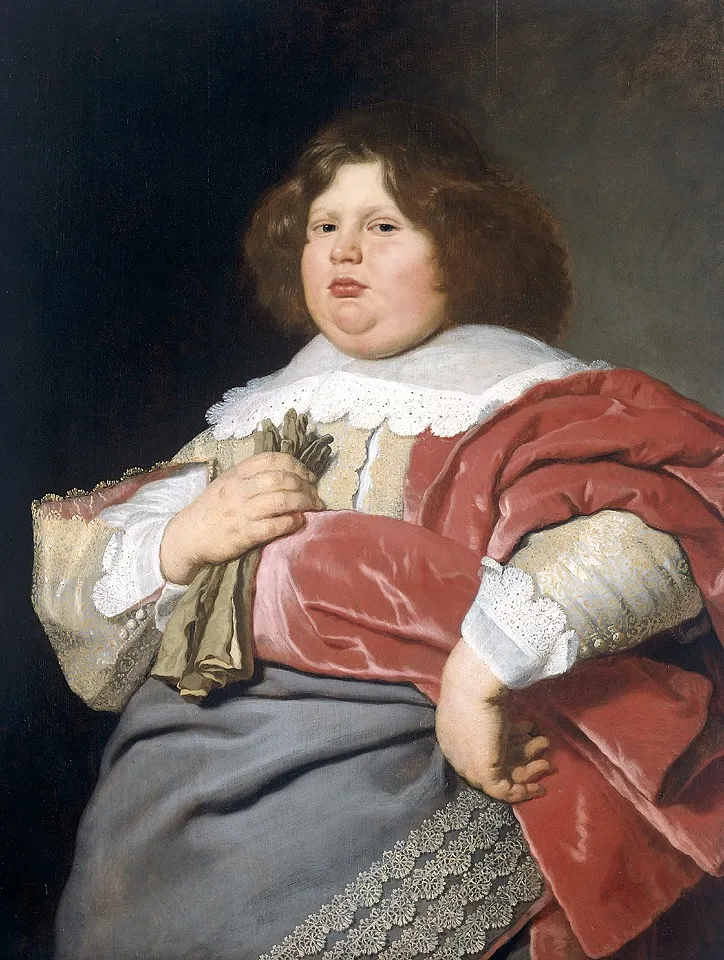
Portrait of Gerard Andriesz Bicker, son of Andries Bicker and lord of Muiden is an oil painting by the Dutch Golden Age artist Bartholomeus van der Helst. It dates from 1642 and is held in the collection of the Rijksmuseum.
About this work
Subject & Meaning
Bicker (1622–1666), eldest son of Amsterdam regent Andries Bicker, positioned as heir to the family’s political and mercantile legacy.
The portrait depicts Gerard Andriesz. Bicker (1622–1666), eldest son of Amsterdam regent Andries Bicker, positioned as heir to the family’s political and mercantile legacy. Van der Helst’s composition emphasizes youthful excess over paternal austerity: Gerard’s voluminous salmon-pink velvet doublet, gold-threaded undergarments, and gloved hands signal elite status and leisure, while his full lips, downward gaze, and pronounced corpulence, later mocked as “the fat Bicker”, connote inherited wealth and indulgence.
Unlike his father’s sober black attire and commanding presence, Gerard’s opulent dress and relaxed posture reflect the fashionable liberties of the younger merchant class, aligning with contemporary ideals of prosperity as visible virtue. The painting’s later cultural reception, including its mirrored use on Harry Mulisch’s 1966 novel cover, underscored these associations by framing Gerard as a symbol of regental decadence and physical abundance.
The work visually codifies the generational shift within Amsterdam’s ruling elite, contrasting Calvinist restraint with conspicuous consumption among the city’s youth in the mid-seventeenth century.
Technique & Style
Created circa 1642 by Bartholomeus van der Helst, the portrait is executed in oil paint on a wooden panel. The work measures 94 cm in height and 70.5 cm in width. Stylistically, it exemplifies the realistic Baroque tradition of the Dutch Golden Age, utilizing strong contrasts to distinguish the subject from the background.
The artist renders Gerard Bicker with a corpulent physique, a physical trait that dominates the composition and fills nearly the entire surface. The handling of materials emphasizes texture and status, particularly in the depiction of Bicker's salmon-colored velvet jacket, the pearl-grey and gold-beige draped undergarments, and the white collar. The subject is shown holding gold-colored leather gloves, further highlighting the painter's attention to the tactile qualities of expensive fabrics and accessories favored by the wealthy youth of the era.
History & Provenance
The portrait of Gerard Andriesz Bicker was painted by Bartholomeus van der Helst in oil on panel, circa 1642, as one of three companion portraits of nearly identical format depicting Gerard, his father Andries Bicker, and his mother Trijn. The work entered the public record of ownership in October 1848, when the three Bicker portraits were offered at auction. The portraits of Gerard and his father were acquired by the Rijksmuseum in Amsterdam at that sale.
The painting has remained in the Rijksmuseum collection since 1848 and is currently displayed in hall 2.18 of the museum.
The Portrait of Gerard Andriesz Bicker is part of the Rijksmuseum collection in Amsterdam and is listed under the inventory number SK-A-1848-A. It was acquired by the Rijksmuseum in October 1848 as part of a sale of family portraits. The work has been displayed in Rijksmuseum Hall 2.18 and featured in exhibitions highlighting Dutch Golden Age portraiture, though specific exhibition names are not documented in the sources.
Context
Bartholomeus van der Helst's 1642 portrait of Gerard Andriesz Bicker, son of Amsterdam regent Andries Bicker, was created during the height of the family's political influence when the Bicker and De Graeff dynasties dominated Amsterdam's governance; Gerard, heir to the lordship of Muiden and a member of the city's patrician elite, was painted alongside his parents in a series that reflected the family's status amid the Dutch Golden Age's cultural zenith, with the work now housed in the Rijksmuseum's collection; scholarly analysis notes its significance within van der Helst's broader output as a leading portraitist following Rembrandt, particularly for its contrasting portrayal of the stern, prosperous father versus the corpulent, less ambitious son whose physical presence dominates the composition; the painting emerged alongside van der Helst's other works for prominent regent families and was acquired by the Rijksmuseum in 1848 alongside the paternal portrait, forming part of a foundational collection of Dutch portraiture; contemporary reception highlighted its technical mastery and psychological depth, while later cultural references, such as Harry Mulisch's 1966 novel Bericht van de Rattenkoning, cemented its symbolic resonance in Dutch literature as an emblem of aristocratic legacy.
Legacy
The portrait of Gerard Andriesz Bicker was later recognized as a representative example of Dutch Golden Age portraiture, noted for its striking contrast that highlighted generational differences within the wealthy regent class. Its depiction of corpulence contributed to the cultural image of the "dikke Bicker," a figure referenced in literary works such as Harry Mulisch's 1966 novel Bericht van de Rattenkoning and A.F.Th. van der Heijden's 1996 Het hof van Barmhartigheid, where the painting symbolized the opulence and social dynamics of regent families. The work remains part of the Rijksmuseum collection and is frequently cited in discussions of 17th-century Dutch art and family legacy.
Overview
Portrait of Gerard Andriesz Bicker is a 1642 oil painting by Bartholomeus van der Helst, depicting the young lord of Muiden, son of Andries Bicker. The work is characteristic of the Dutch Golden Age and is housed in the Rijksmuseum.
Artist & collection
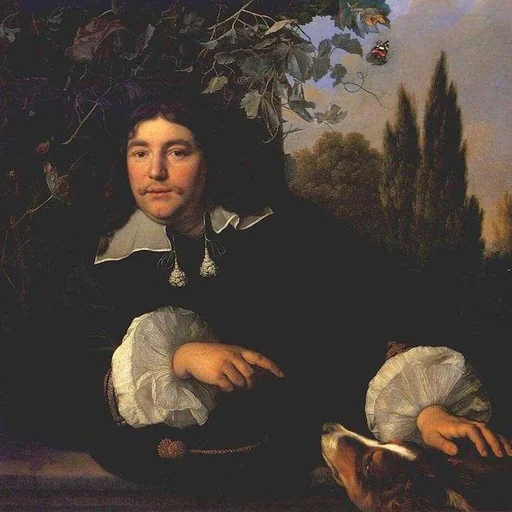
Artist
Bartholomeus van der Helst (1613 – buried 16 December 1670) was a Dutch painter. Considered to be one of the leading portrait painters of the Dutch Golden Age, his elegant portraits gained him the patronage of…

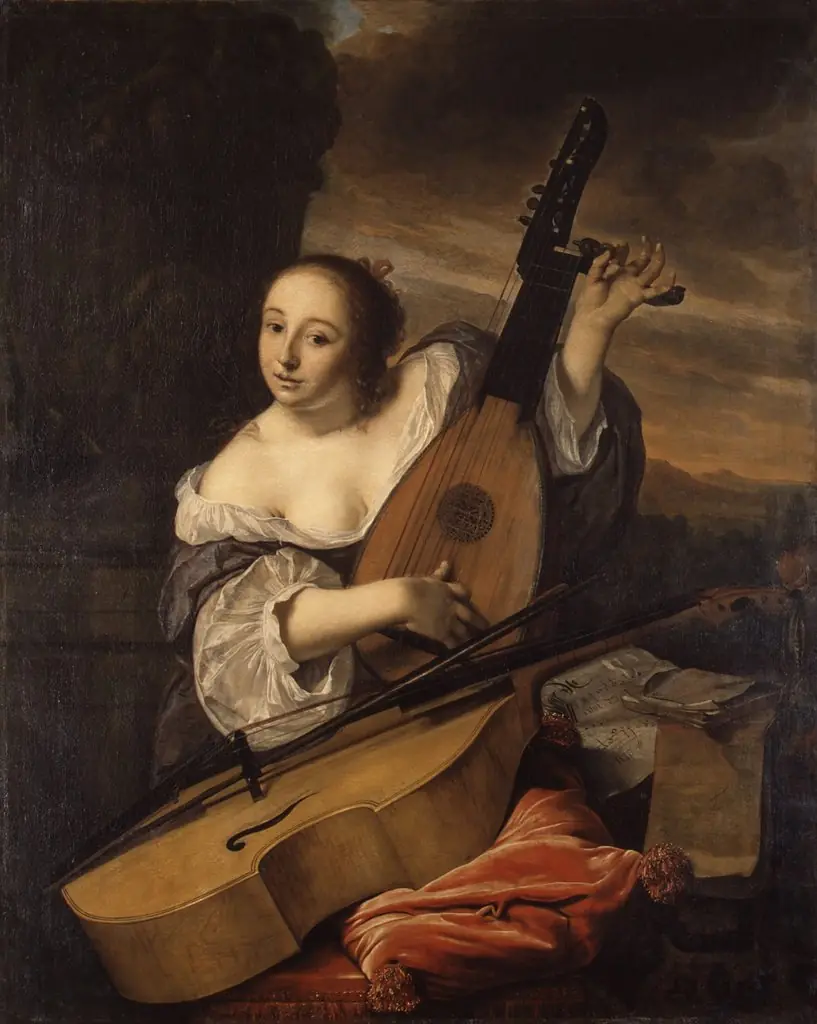 The Musician
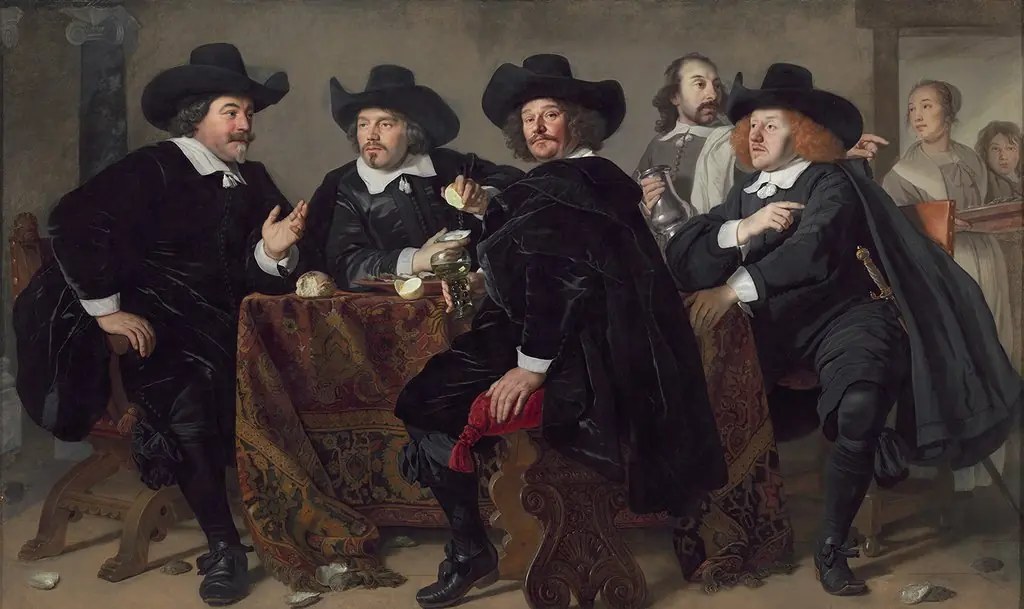 Four directors of the arquebusier's guild, Amsterdam, 1655
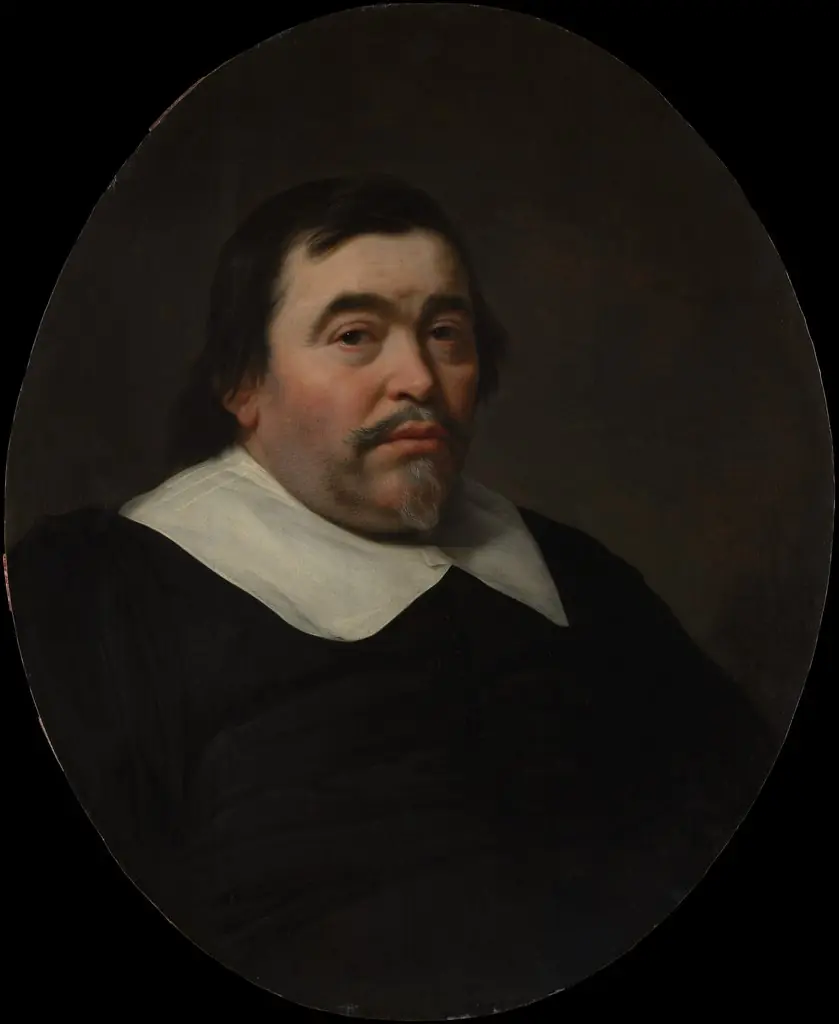 Portrait of a Man
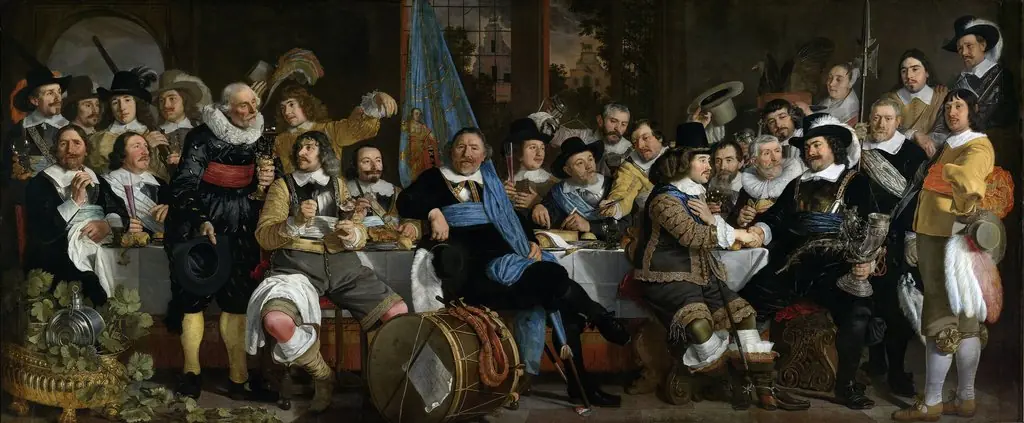 Banquet at the Crossbowmen’s Guild in Celebration of the Treaty of Münster
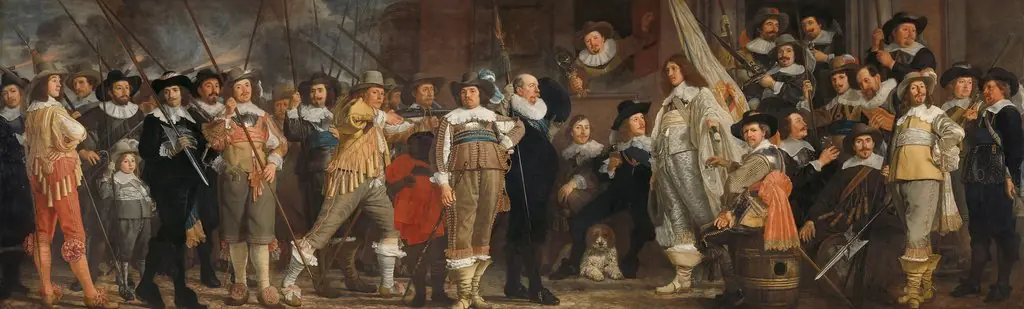 Militia Company of District VIII under the Command of Captain Roelof Bicker
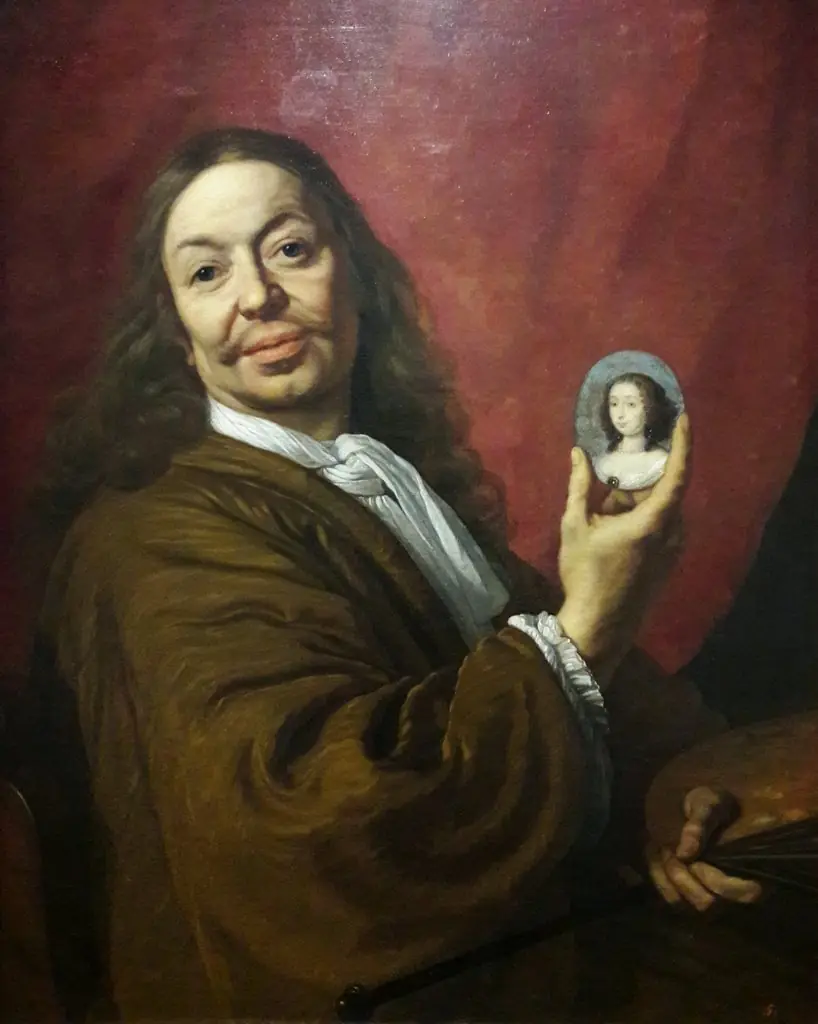 Self-portrait
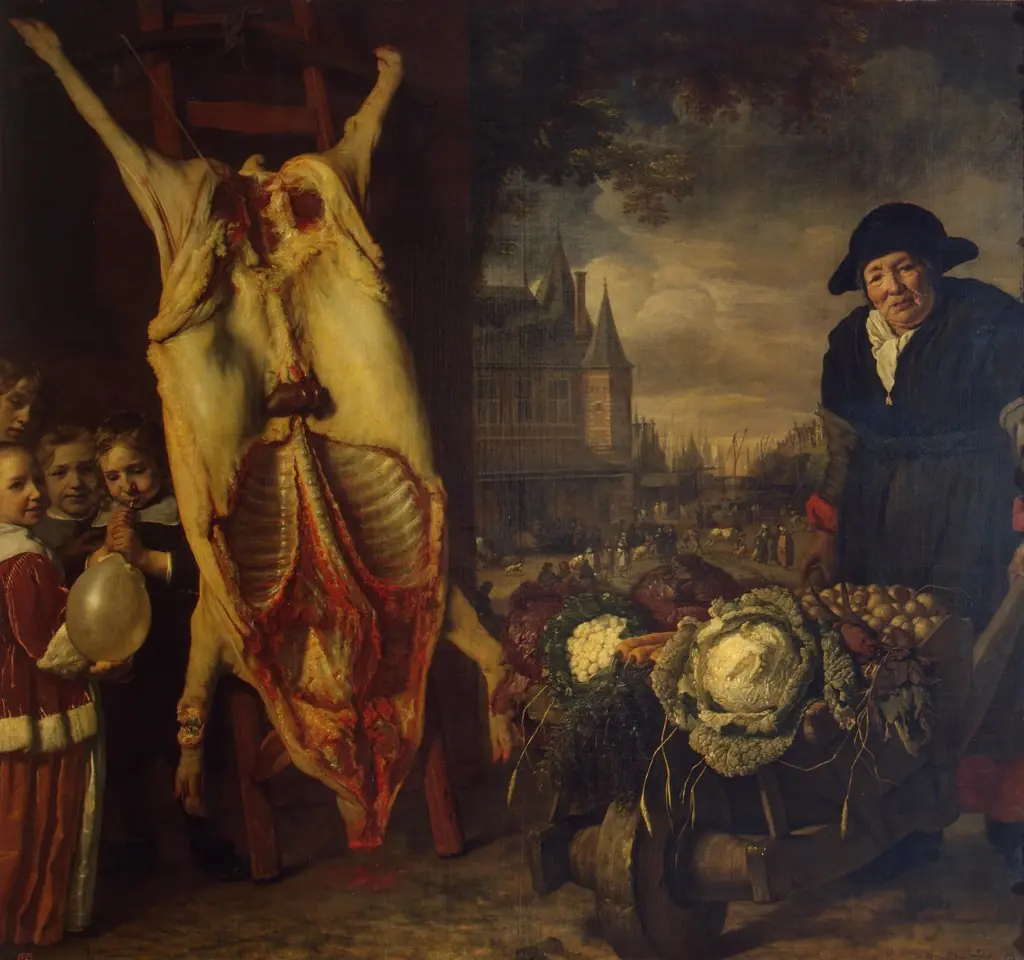 Nieuwmarkt in Amsterdam
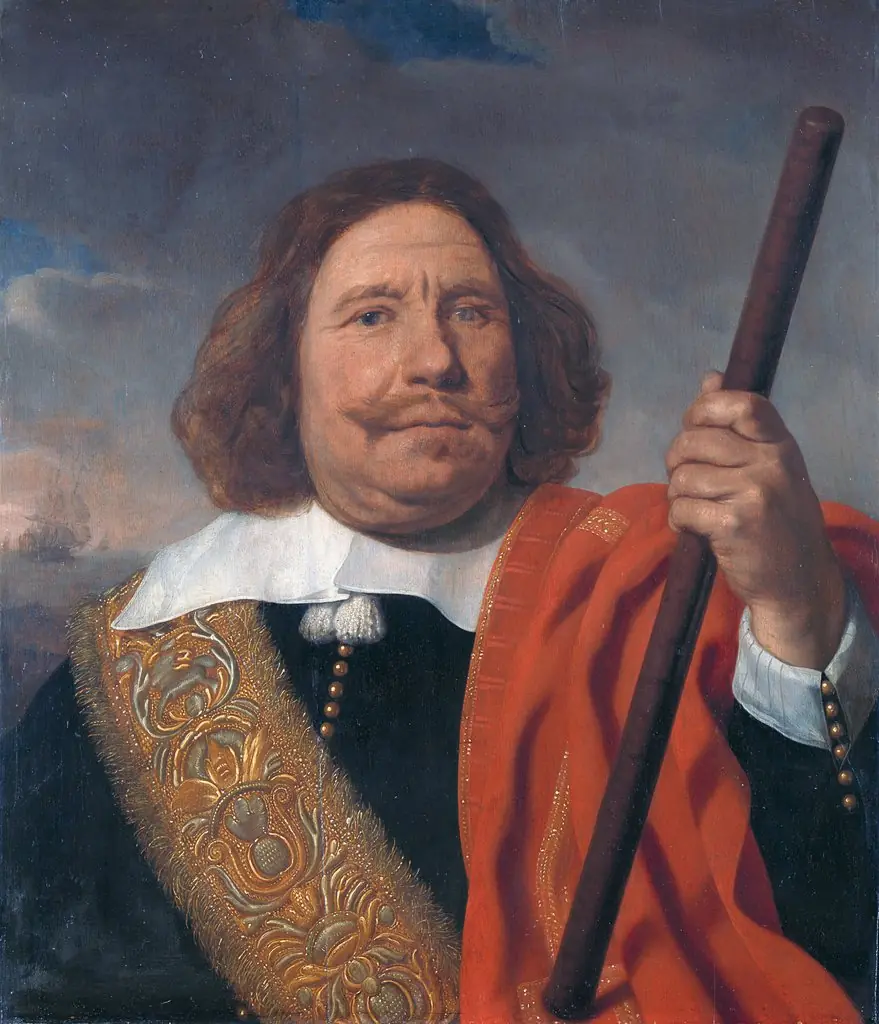 Egbert Meeuwsz Cortenaer (1605-65). Vice admiral, admiralty of the Maas, Rotterdam
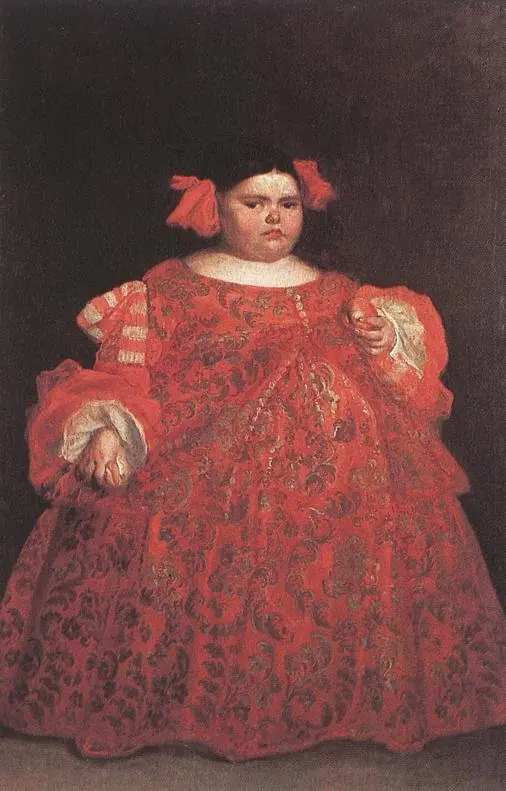
- Eugenia Martinez Valleji, called La Monstrua
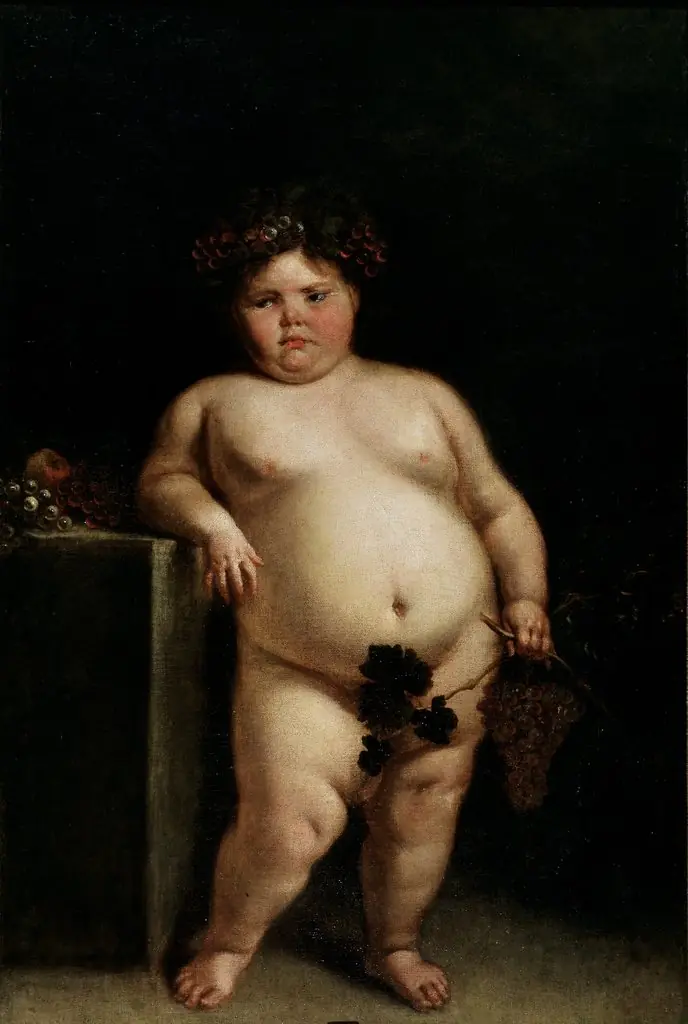 Eugenia Martínez Vallejo, desnuda
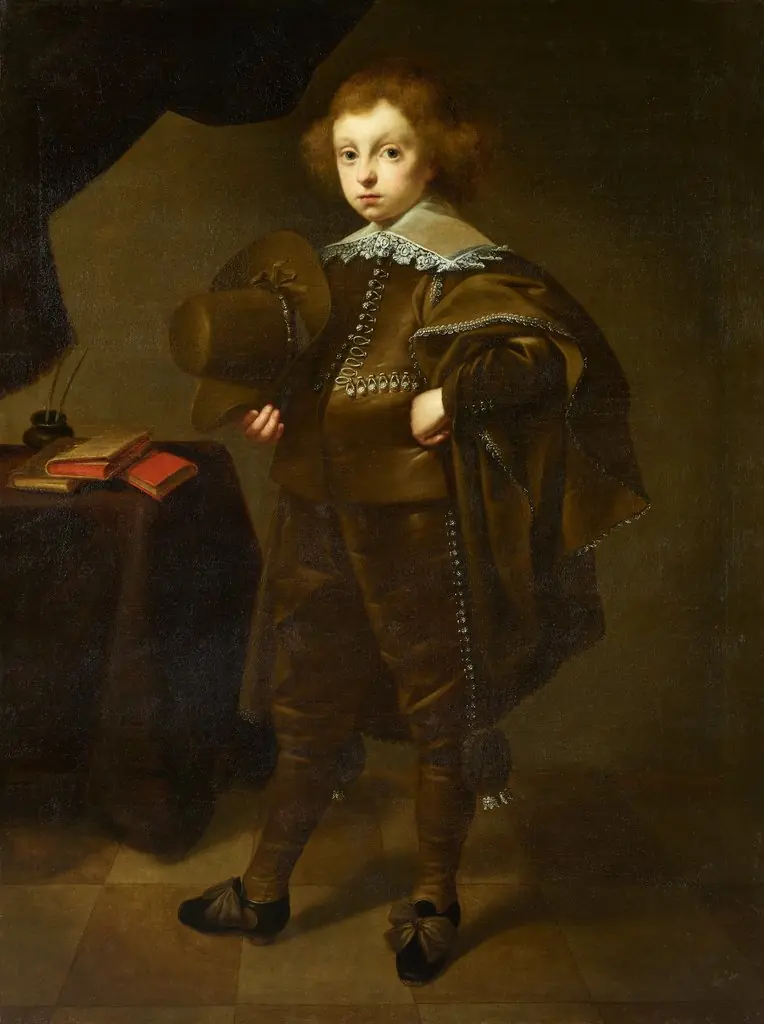 Portrait of a Boy
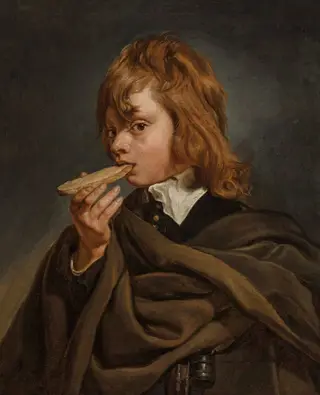 Taste
Taste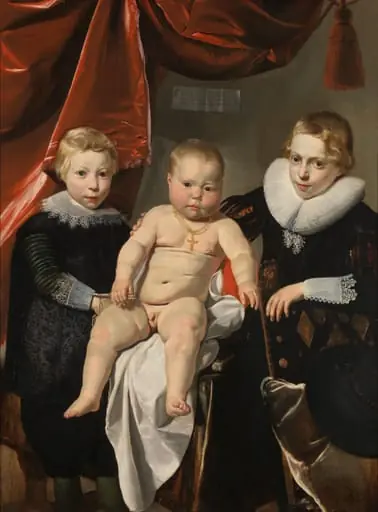 Portrait of Jan, Simon, and Hendrick Verstegen
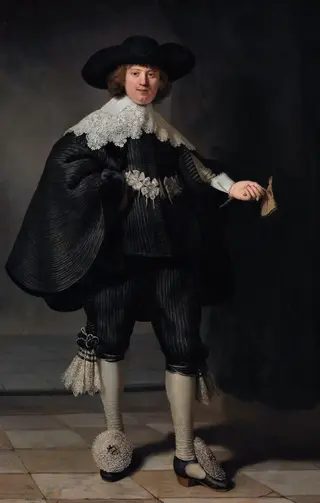 Portrait of Maerten Soolmans
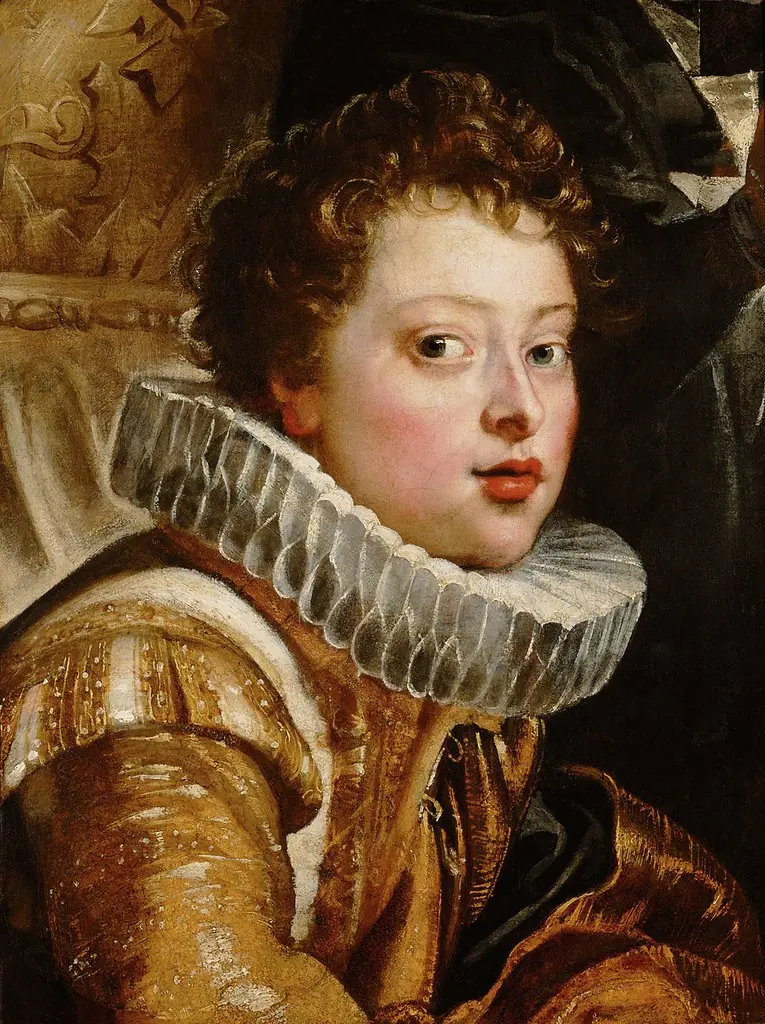 Bust of Prince Francesco Gonzaga (fragment)
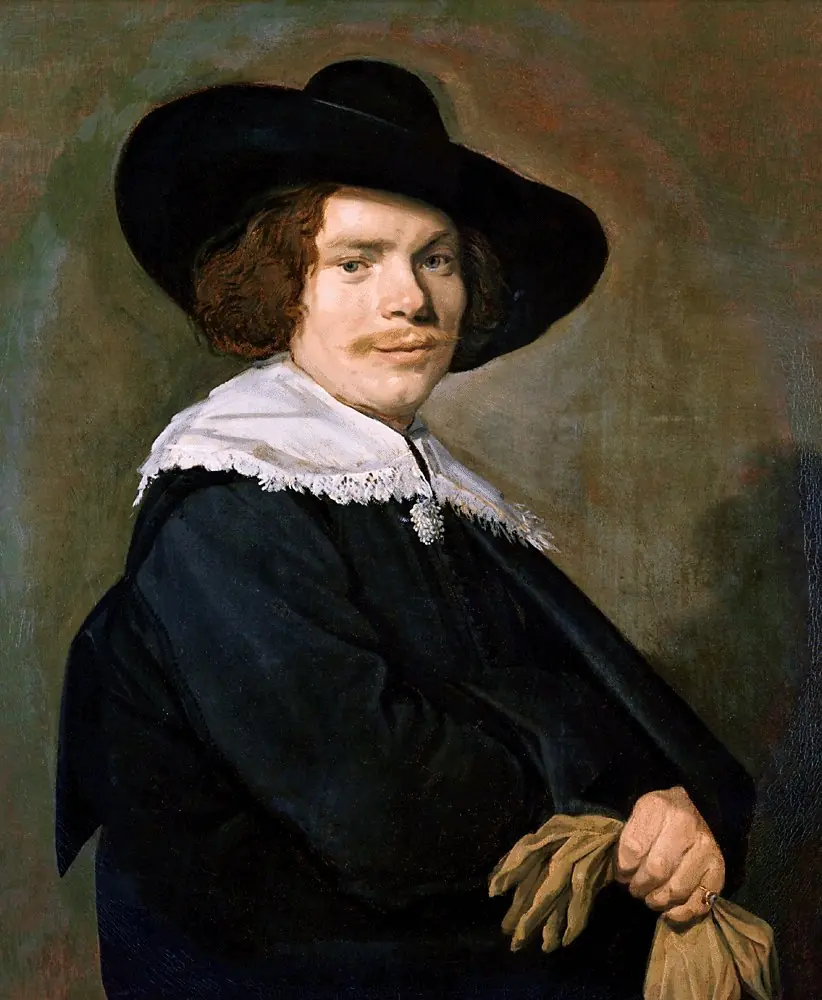 Portrait of a young man
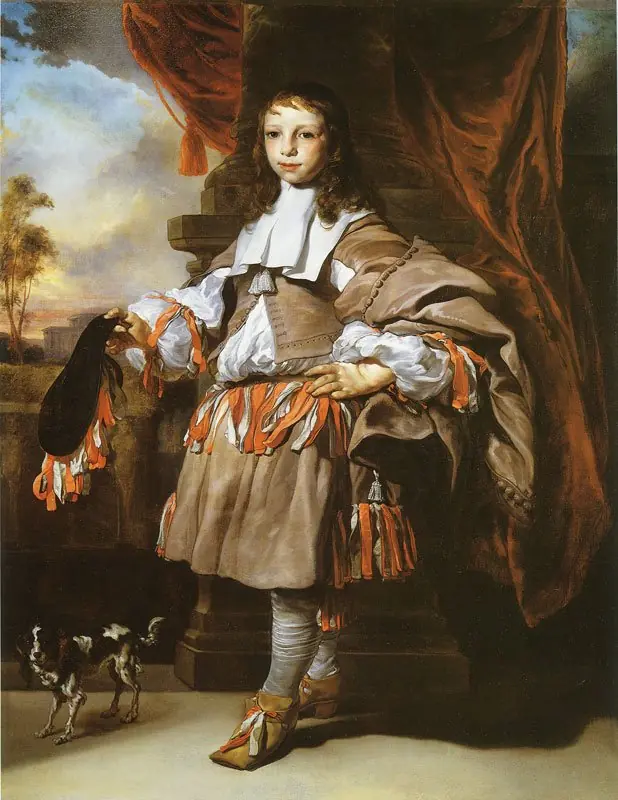 Portrait of a Boy
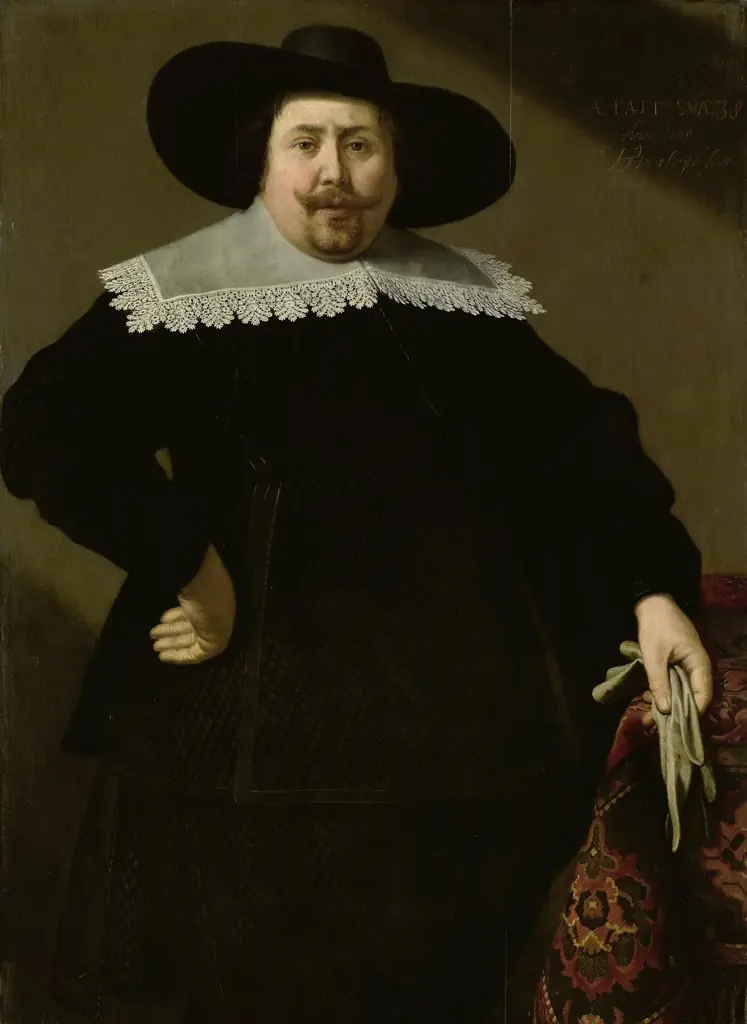 Portrait of Philips Denijs (1604-66)
 Portrait of a Young Man
 Group Portrait of Three Brothers