Artwork
支硎山图
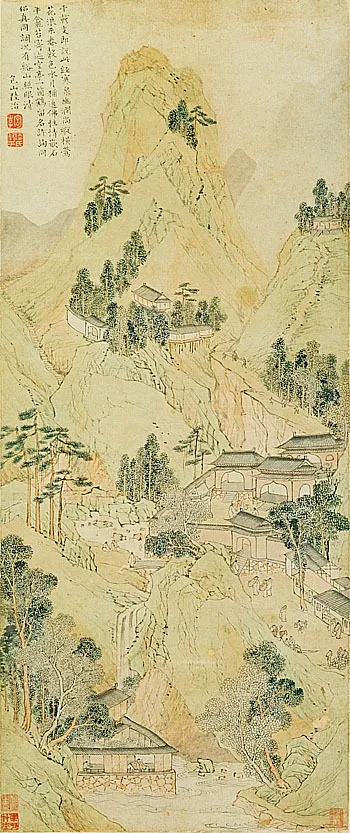
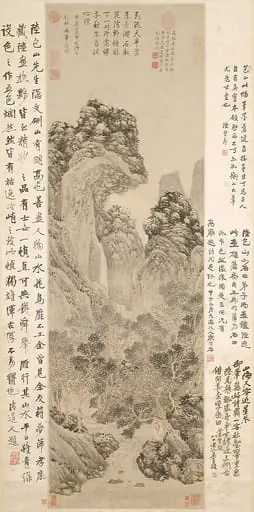
支硎山图 is an unspecified painting by the Chinese Orthodox School artist Lu Zhi. It is held in the collection of the National Palace Museum.
About this work
Overview
The composition balances horizontal bands of land and vertical elements of mountain and mist, guiding the eye through a quiet, contemplative space.
Painted in 1600 by Lu Zhi, this ink-and-color landscape depicts the serene terrain of Zhixing Mountain. Executed on silk, the work is part of the National Palace Museum’s collection. It reflects the Ming dynasty tradition of literati painting, where natural scenery serves as both observation and introspection.
The composition balances horizontal bands of land and vertical elements of mountain and mist, guiding the eye through a quiet, contemplative space.
Subject & Meaning
The painting portrays a secluded mountain retreat, likely referencing a real location associated with scholarly hermits. Streams, pavilions, and dense foliage suggest a retreat from public life, aligning with Confucian and Daoist ideals of withdrawal and harmony with nature. The mist-shrouded peak implies the ineffable, while the human structures remain small and integrated, emphasizing the dominance of the natural world over human presence.
Technique & Style
Lu Zhi employs fine brushwork to render tree bark, rock textures, and architectural details with precision. Layers of translucent ink washes build depth, while muted greens, browns, and subtle blues create atmospheric perspective. The use of white pigment for mist and cloud forms enhances spatial recession.
The brushstrokes are controlled yet expressive, characteristic of the Wu School’s refined literati aesthetic, avoiding dramatic contrast in favor of quiet harmony.
History & Provenance
Created in the final years of the Ming dynasty, the painting remained within scholarly and imperial collections. It entered the National Palace Museum’s holdings after the relocation of artifacts from Beijing to Taipei in the mid-20th century. Its continuous preservation suggests it was valued for its technical mastery and embodiment of scholarly ideals, rather than as a commercial commodity.
Context
During the late Ming period, literati painters like Lu Zhi turned inward, favoring personal expression over courtly grandeur. This work reflects a broader trend among scholar-officials who used landscape to convey moral and philosophical ideals. The emphasis on solitude and natural order resonated with intellectuals navigating political instability, using art as a refuge and a statement of cultural continuity.
Legacy
Lu Zhi’s 'Zhixing Mountain' exemplifies the mature phase of Ming literati painting, influencing later artists who sought to preserve the quiet dignity of traditional brushwork. While not widely reproduced, it remains a key reference in studies of Ming landscape aesthetics. Its endurance in the National Palace Museum underscores its role as a quiet testament to the enduring value of introspective art in Chinese cultural history.
Artist & collection


 Untitled
 明 陸治 種菊圖 軸|Planting Chrysanthemums
 明 陸治 枚乘獨坐圖 軸|Mei Cheng Sitting Alone
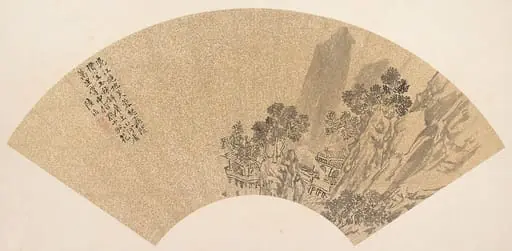 明 佚名 倣陸治 山水 扇|Landscape
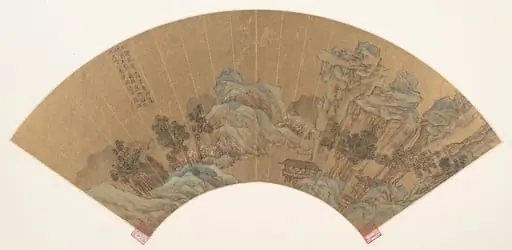 明 陸治 泉壑桃浪圖 扇面|Brocaded Sea of Peach Blossom Waves
![Daoist Retreat in Mountain and Stream (Landscape after Ni Zan [1301–1374]), by Lu Zhi](https://artifactworldgallery.com/img/lu-zhi--daoist-retreat-in-mountain-and-stream-landscape-after-ni-zan--766e576a4810a8bc-w320.webp) Daoist Retreat in Mountain and Stream (Landscape after Ni Zan [1301–1374])
Daoist Retreat in Mountain and Stream (Landscape after Ni Zan [1301–1374])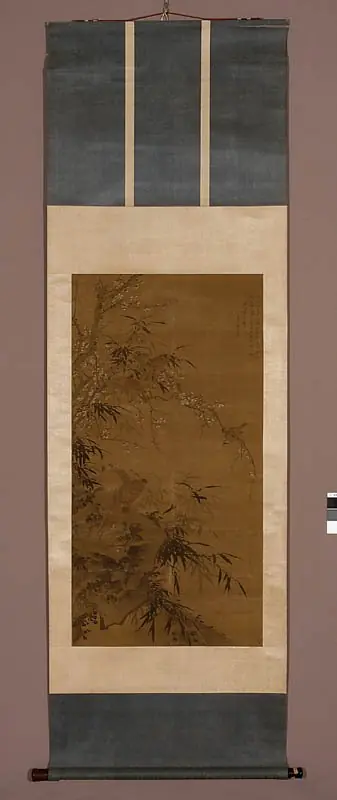 Ptaki na gałęzi śliwy
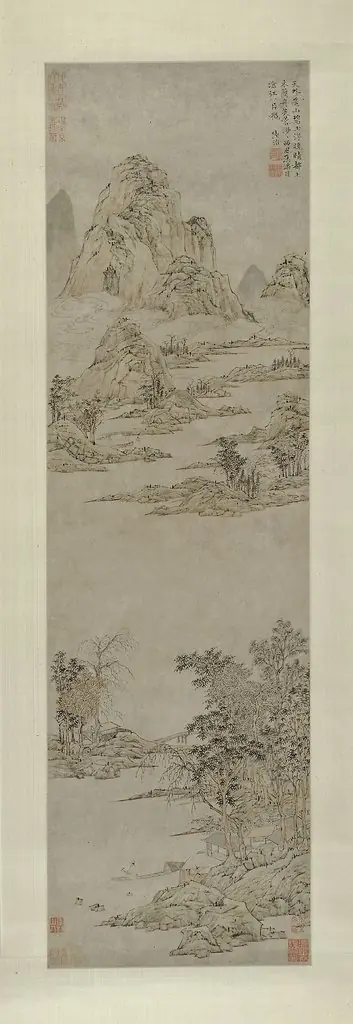 Pulling Oars under Clearing Autumn Skies (Distant Mountains)
- Recluse Dwellings in the Autumn Mountains
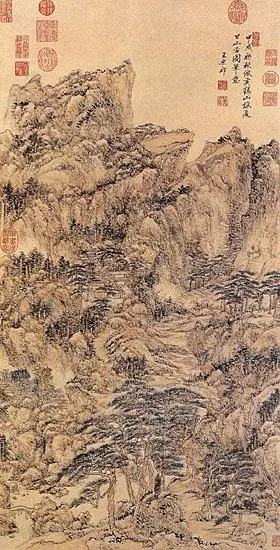 After Wang Meng's Mountain Dwelling on a Summer Day
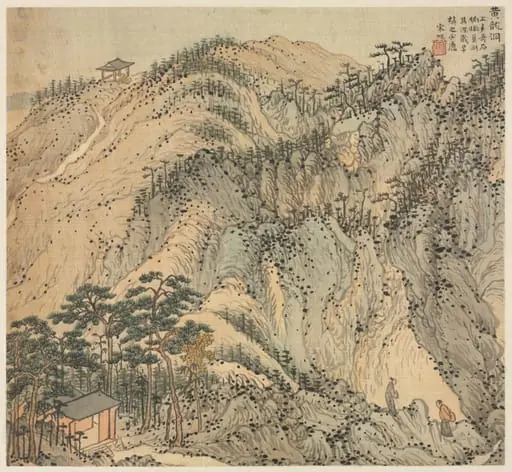 Huanglong Cave (Yellow Dragon Cave)
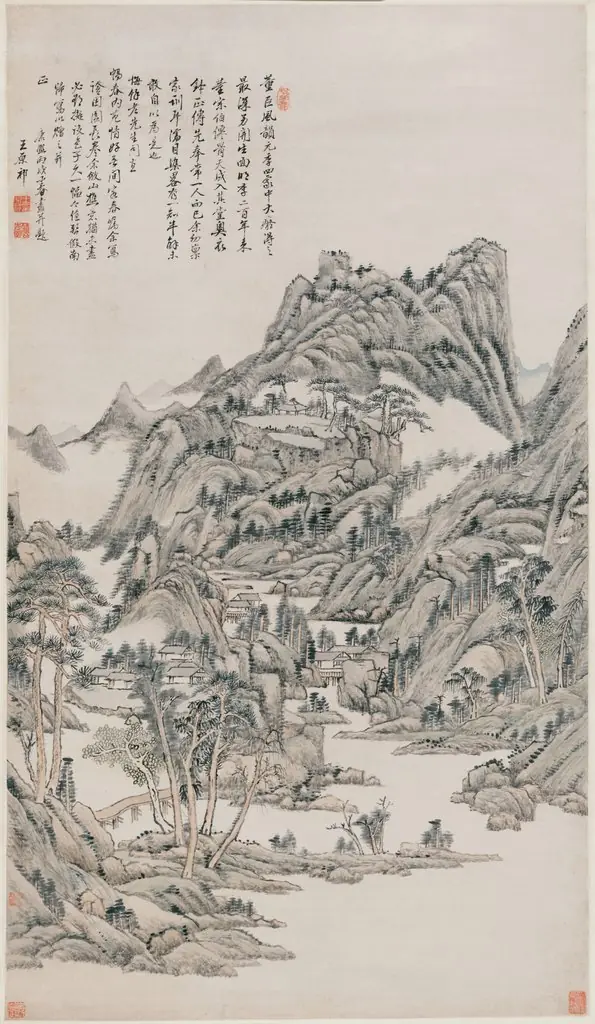 Landscape
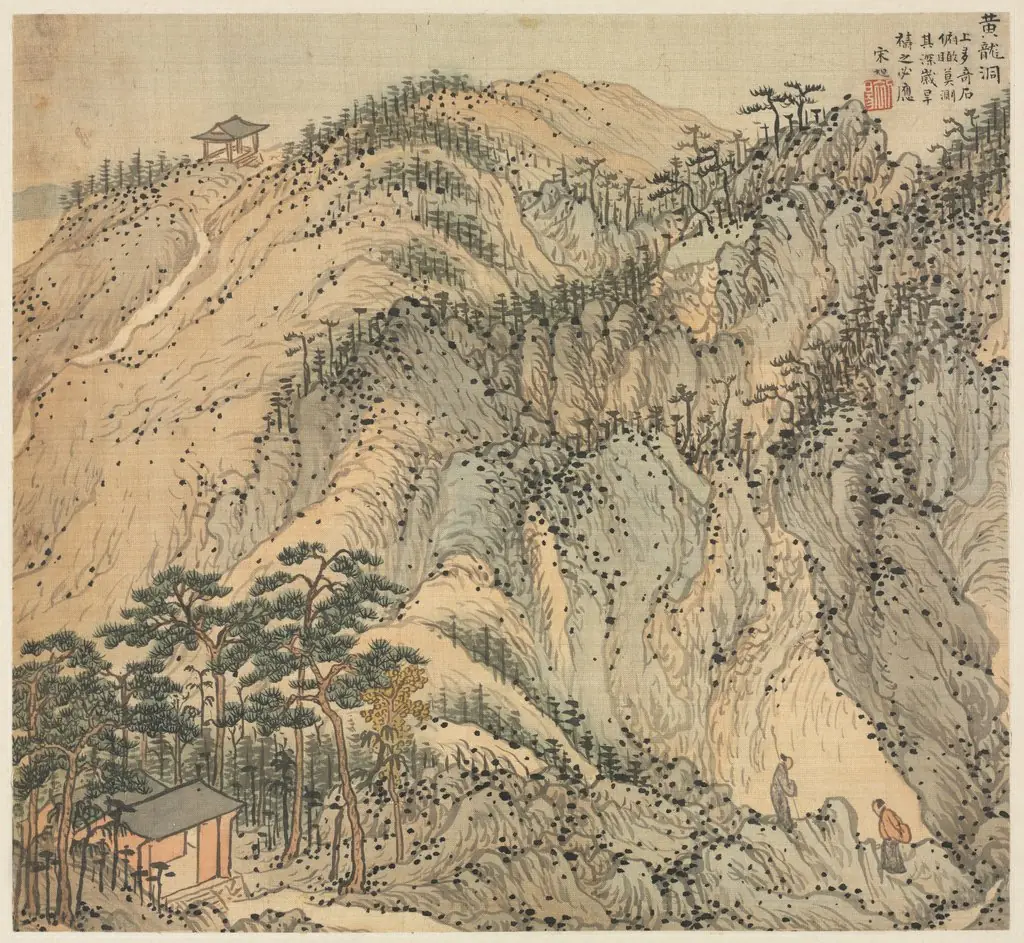 Huanglong Cave (Yellow Dragon Cave)
 Landscape with Boaters
 Landscape after Guo Zhongshu
 Autumn Mountains
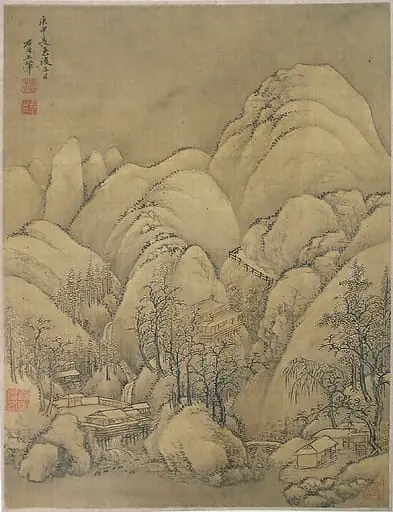 清 佚名 倣王翬 倣李成山水圖 軸|Landscape after Li Cheng
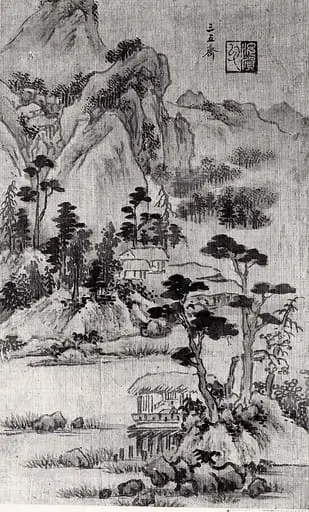 Untitled
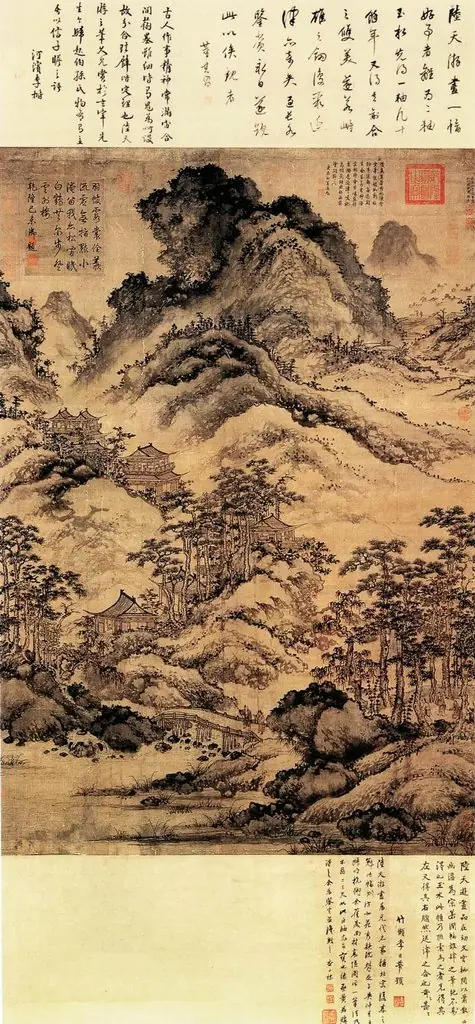 Buildings in the Mountains of the Immortals
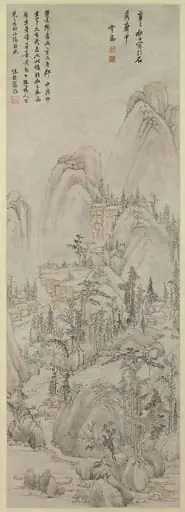 明 莫是龍 倣黃公望山水圖 軸|Landscape in the style of Huang Gongwang