Artwork
Thomas Hees with his Nephews Jan and Andries Hees and a Servant
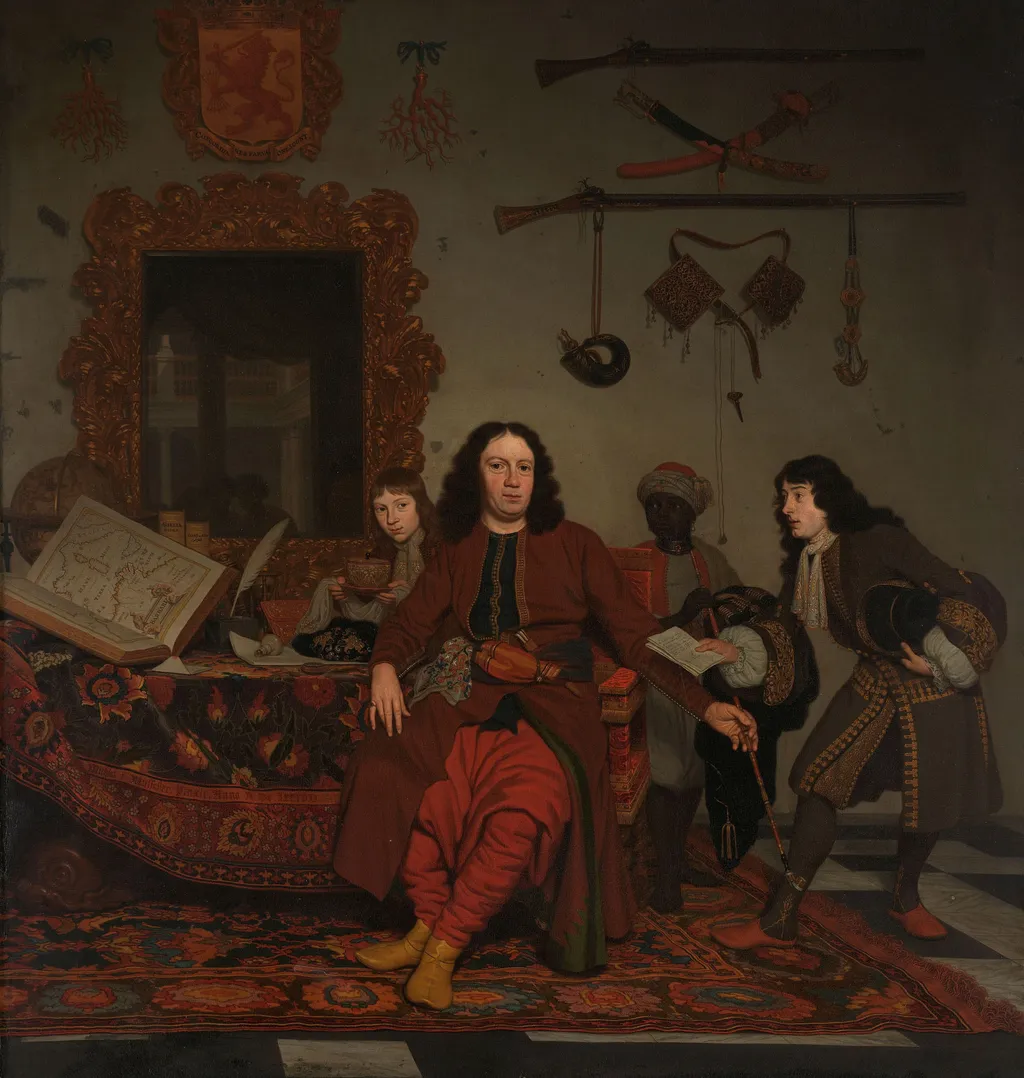
Thomas Hees with his Nephews Jan and Andries Hees and a Servant is an oil painting by the Dutch Golden Age artist Michiel van Musscher. It dates from 1694 and is held in the collection of the Rijksmuseum.
About this work
Technique & Style
The work is an oil painting executed on canvas, a format typical of Dutch portraiture in the late 17th century.
The work is an oil painting executed on canvas, a format typical of Dutch portraiture in the late 17th century. Michiel van Musscher rendered the scene with fine brushwork that delineates textures of clothing and flesh, while his handling of light creates a modest three‑dimensional modeling of the figures. The composition is tightly arranged, emphasizing the hierarchical relationship among the central merchant, his nephews, and the servant, and the muted palette underscores the domestic setting.
History & Provenance
The painting was created in 1687 by Michiel van Musscher as an oil portrait depicting Thomas Hees with his nephews Jan and Andries Hees and a servant. It entered the collection of the Mauritshuis, where it remains today, and was originally owned by the museum.
The work measures between 63 and 76 centimeters in width and 76 to 83 centimeters in height, reflecting its canvas dimensions recorded in the museum's catalog.
The painting is held in the collection of the Mauritshuis. While one record associates the work with the Rijksmuseum, the definitive ownership is attributed to the Mauritshuis. The provided sources do not contain specific inventory numbers, accession codes, or a history of exhibitions for this artwork.
Overview
Painted in 1694 by the Dutch Golden Age artist Michiel van Musscher, this oil portrait depicts Thomas Hees seated on a couch alongside his nephews, Jan and Andries Hees, and a servant. The composition centers on Thomas, who is dressed in a red jacket with gold trim and matching red breeches, his long dark hair framing a direct gaze toward the viewer. To his right stand the two young boys, while a dark-skinned servant stands behind the couch, completing the group dynamic.
The setting is an opulent interior characterized by a large mirror reflecting the room's depth, a vibrant patterned rug, and an array of carefully rendered objects that signify the family's wealth and status. Van Musscher, known for his meticulous attention to texture and detail, renders the varied fabrics, skin tones, and domestic furnishings with precise realism. This work exemplifies the artist's mature style in portraiture, capturing both the individual likenesses and the social hierarchy of a prominent Amsterdam family during the late seventeenth century.
Subject & Meaning
The central figure, Thomas Hees, is presented in a red jacket trimmed with gold, suggesting prominence. Flanking him are his nephews, youthful and attentive, while a darker‑skinned servant occupies the background, indicating the household’s social hierarchy. The inclusion of items such as a map, a book, and firearms alludes to intellectual pursuits and martial connections within the family.
Context
The work reflects the Dutch Republic’s emphasis on family representation and material culture during a period of commercial prosperity. By portraying multiple generations and a servant within a domestic setting, the painting aligns with contemporary conventions that highlighted lineage, wealth, and the cultivated interests of the bourgeois class.
Own this work as a print
Artist & collection

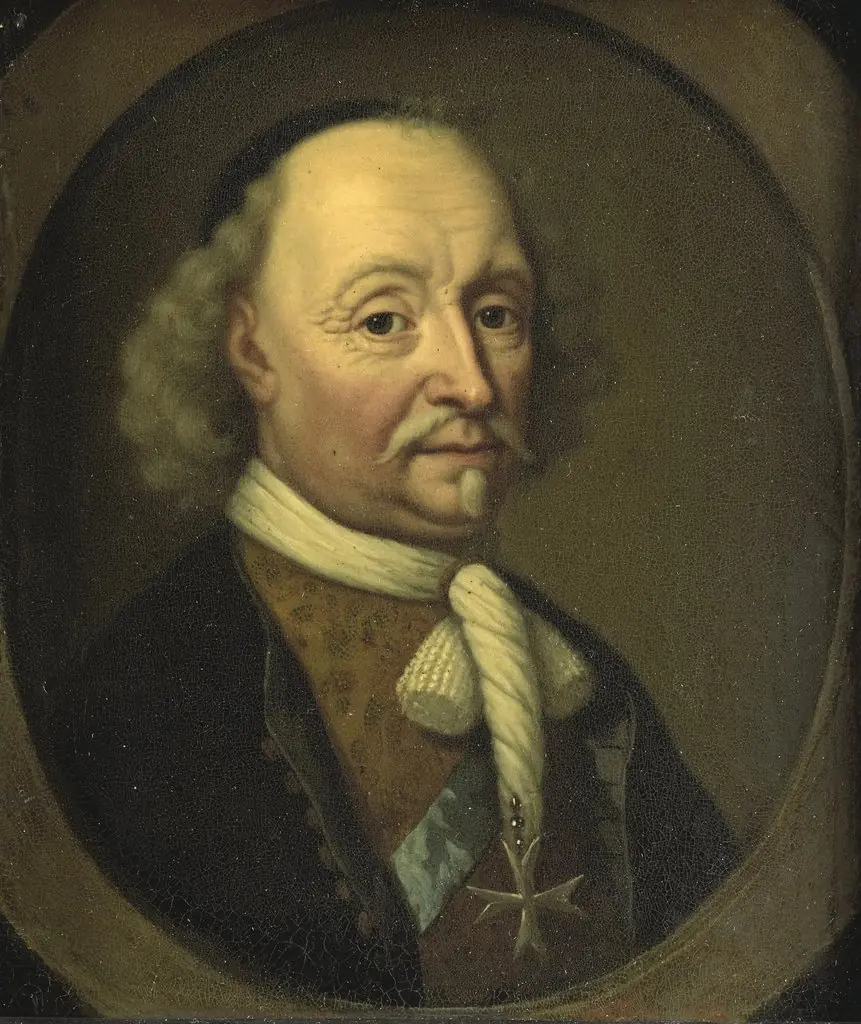 Portrait of Johan Maurits (1604-79), count of Nassau-Siegen and governor of Brazil
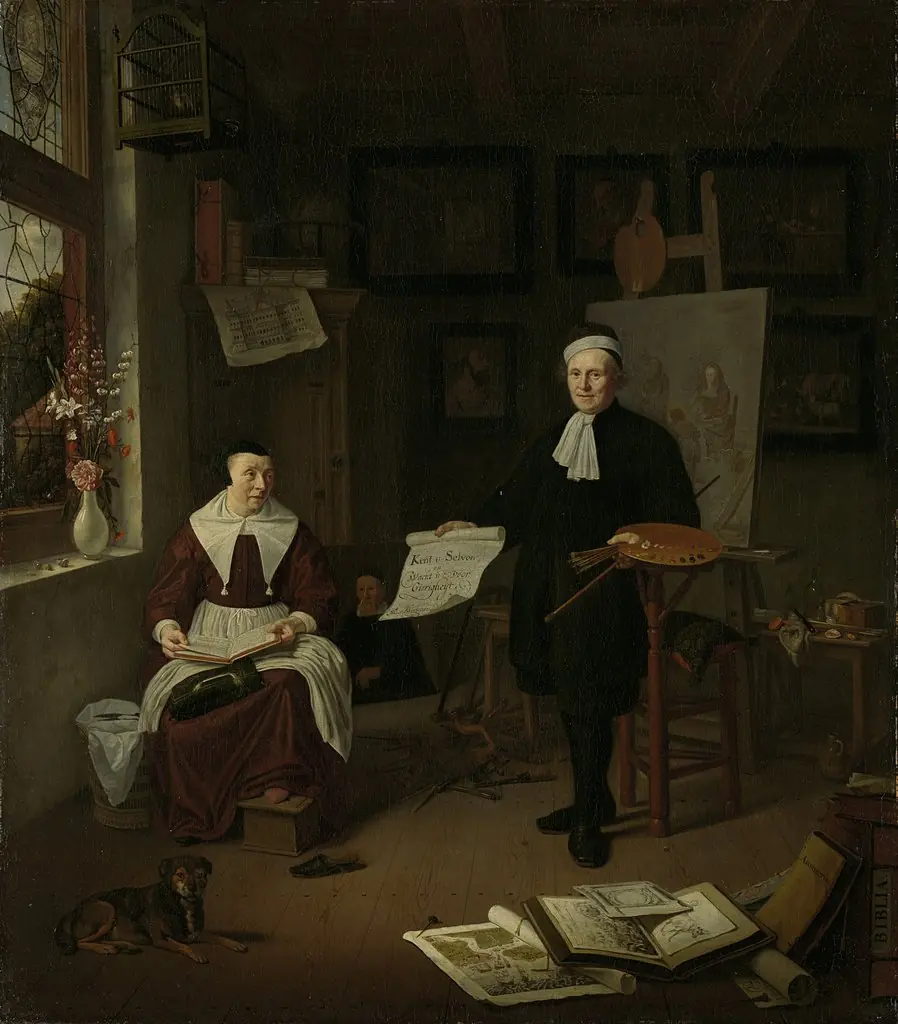 Portrait of Michiel Comans (d. 1687), calligrapher, etcher, painter and schoolmaster, with his third wife Elisabeth van der Mersche
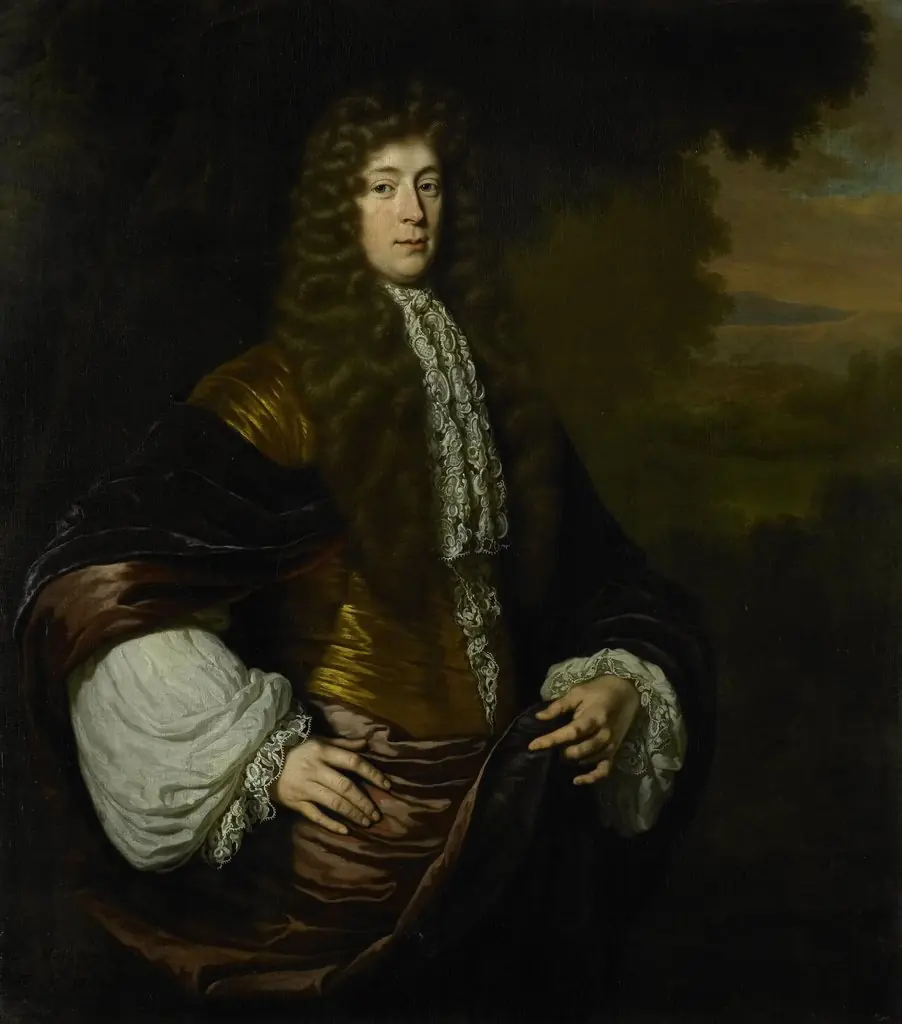 Portrait of Hendrick Bicker (1649 - 1718), burgomaster of Amsterdam
- Thomas Hees and his Servant Thomas and Nephews Jan and Andries Hees
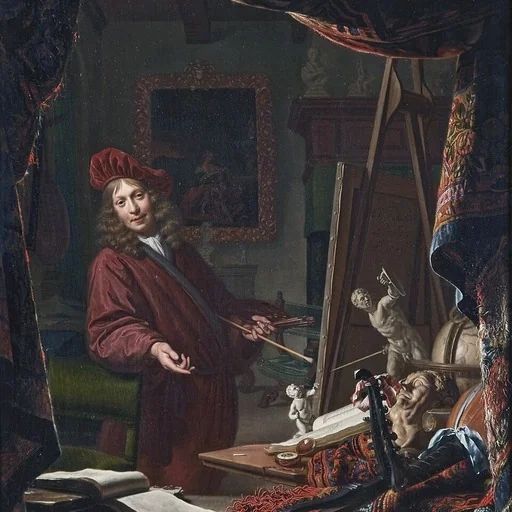
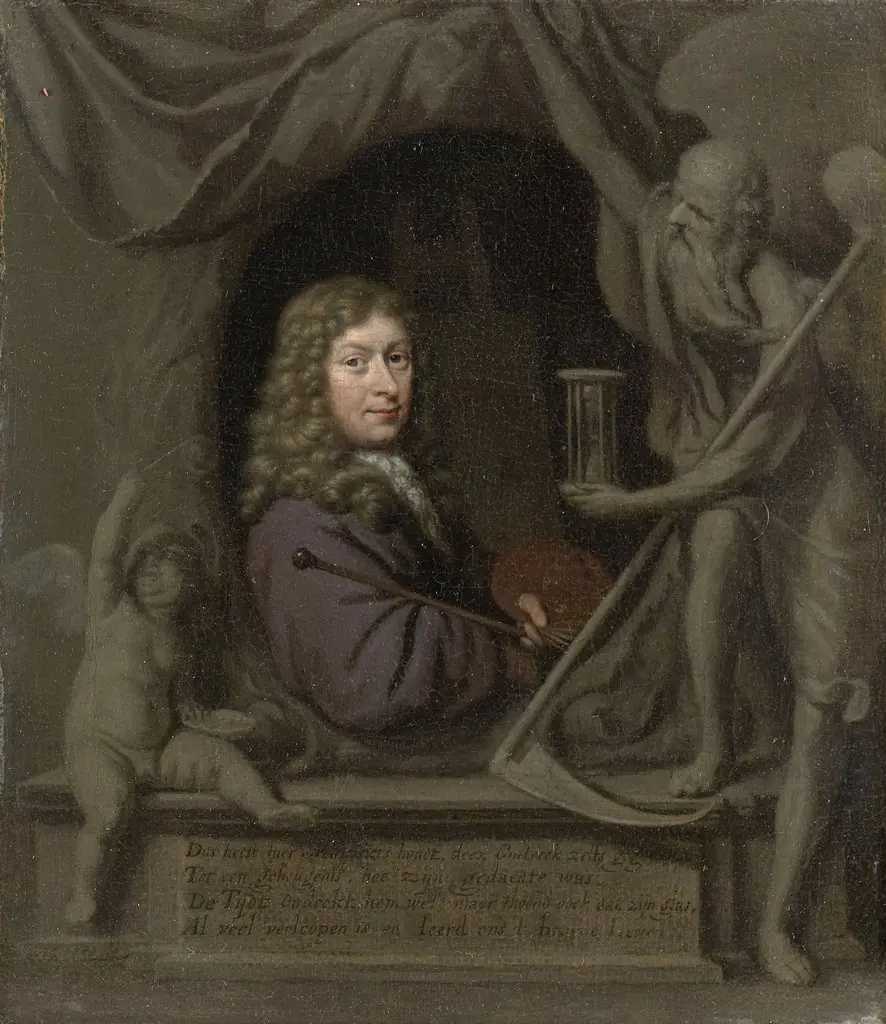 Self portrait
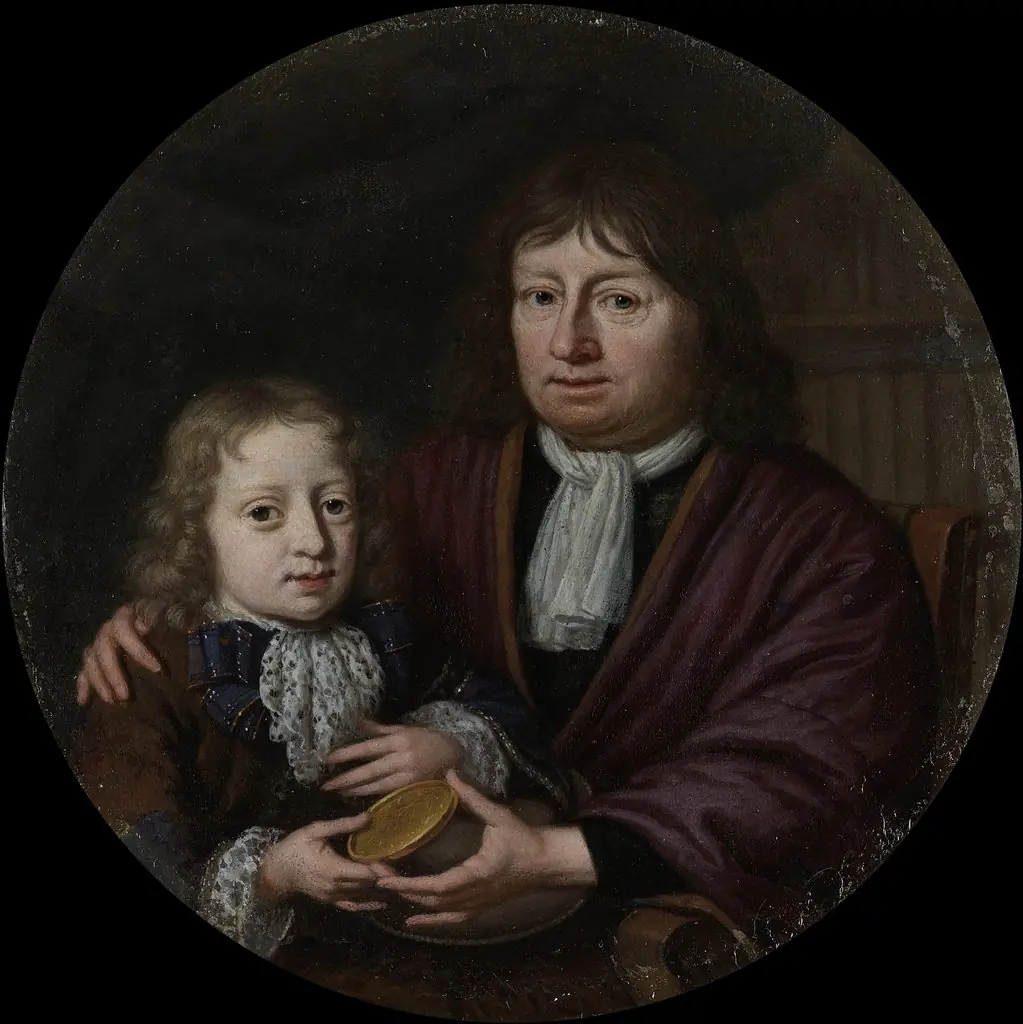 Isaac Pontanus Giving a Gold Medal to his Grandson Hendrik van Beek
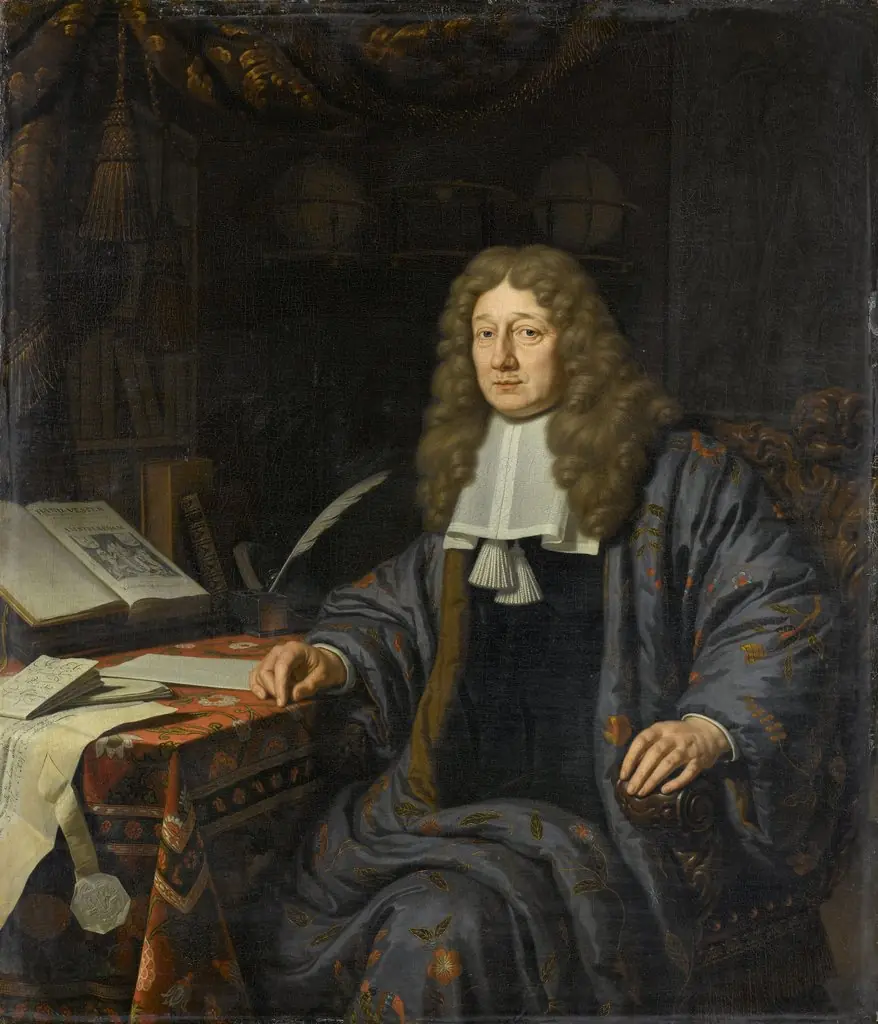 Portrait of Johannes Hudde (1628-1704), burgomaster of Amsterdam
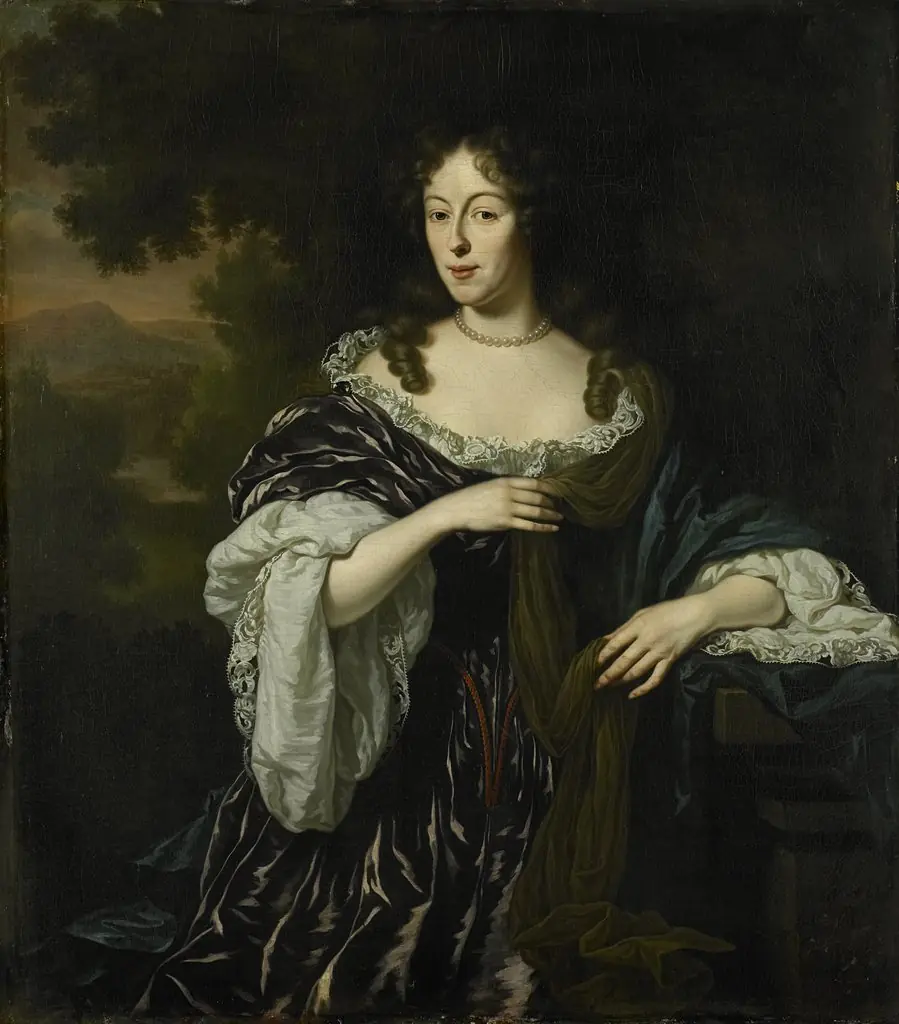 Portrait of Maria Schaep (1658-1725), wife of Hendrick Bicker
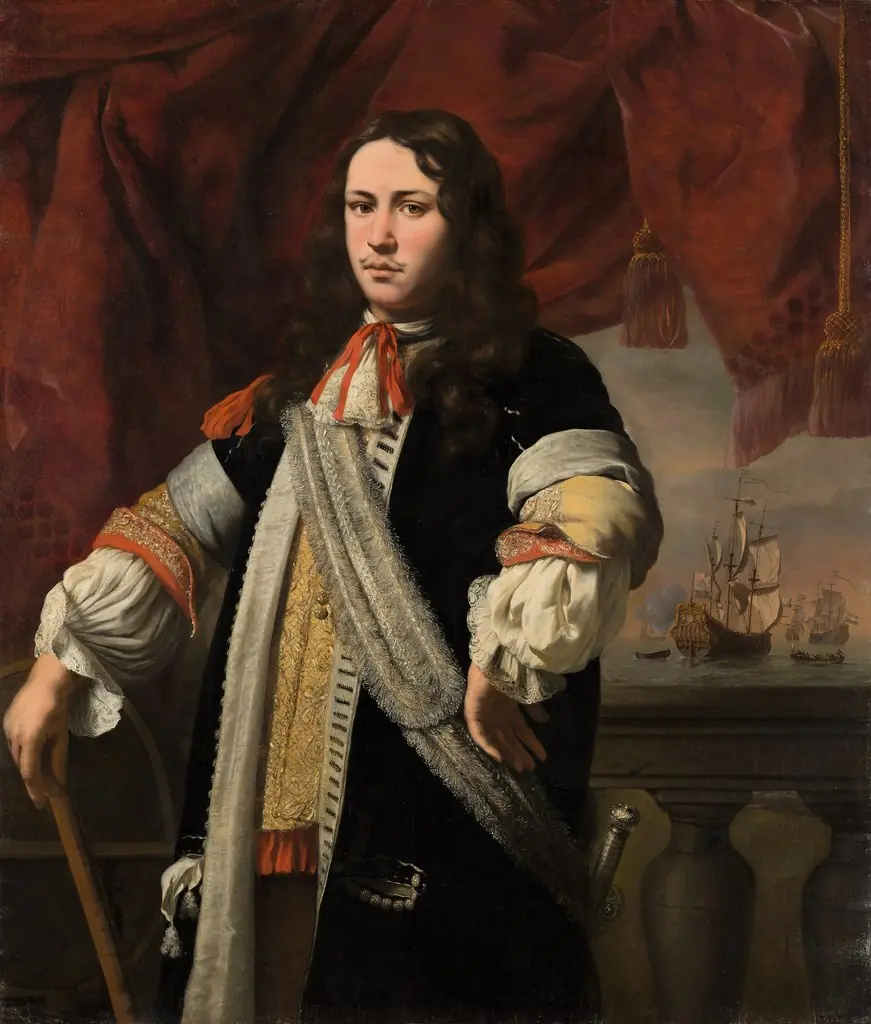 Portrait of Engel de Ruyter
 Jan van Nes (1631-80), Vice admiral of Holland and West-Friesland
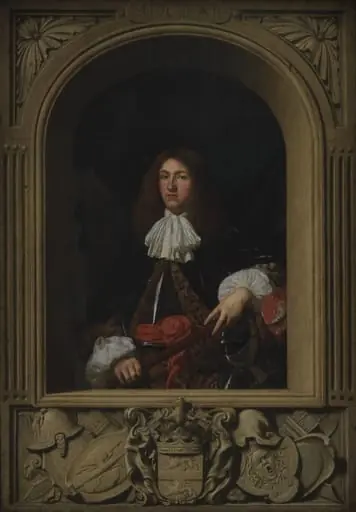 Portrait of Count Ulrik Frederik Gyldenløve
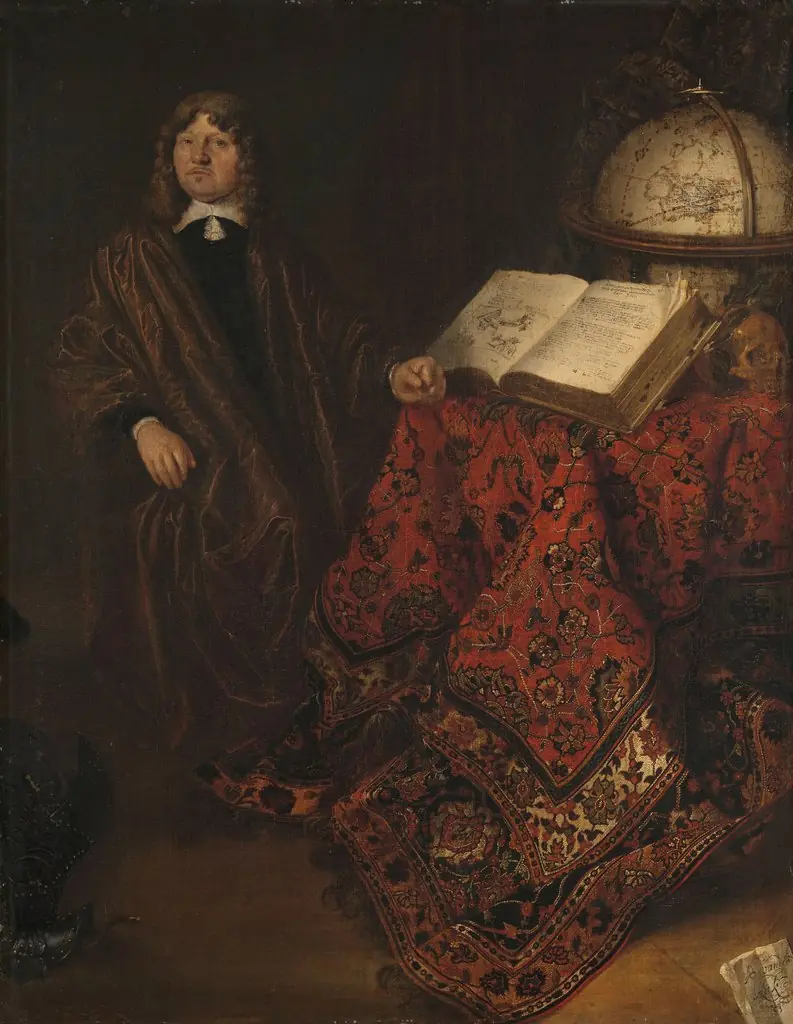 Portrait of Cornelis Meijer, engineer
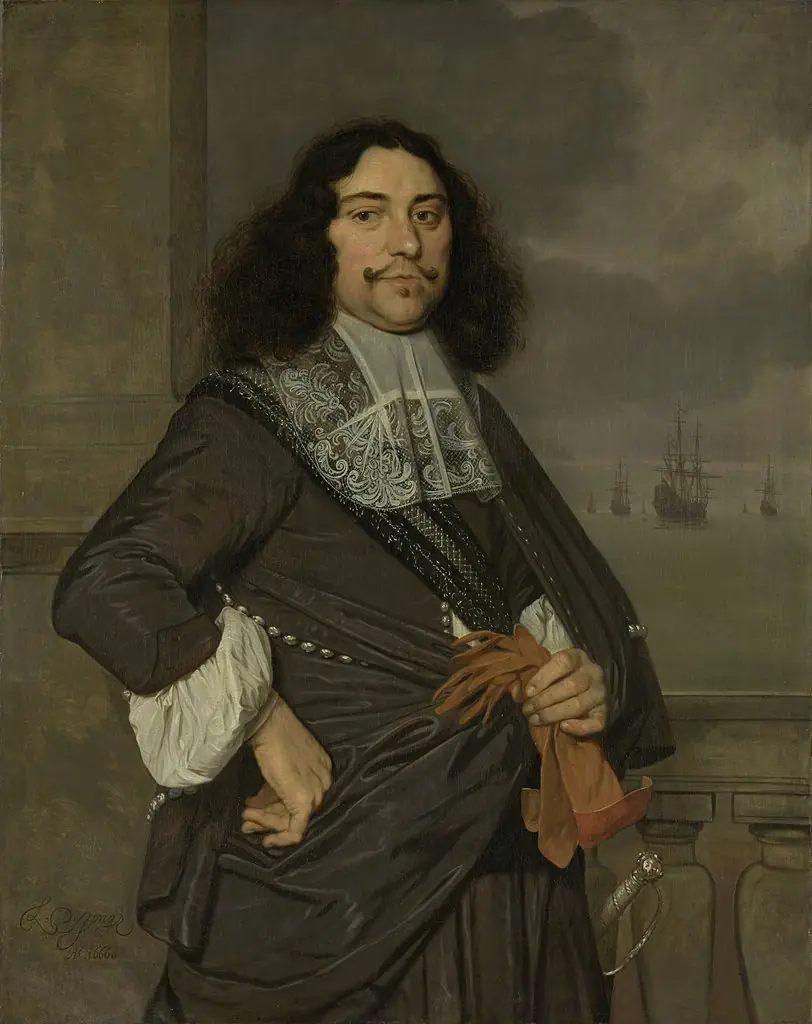 Portrait of Jan van Nes (1631-80). Vice admiral of Holland and West-Friesland
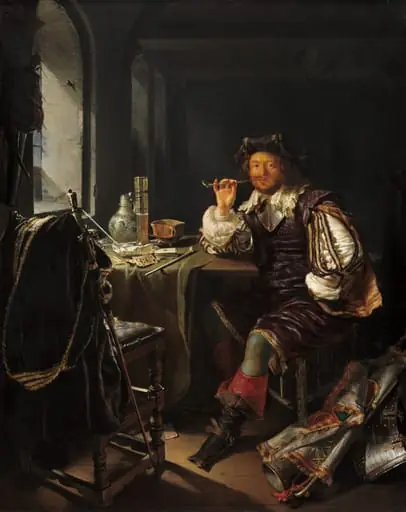 A Soldier Smoking a Pipe
 The Wedding Contract
 The Guard Room
 Guardroom
 Foundation of the Antwerp Academy by David Teniers II
 Bringer of Bad News