Artwork
Apollo and Muses
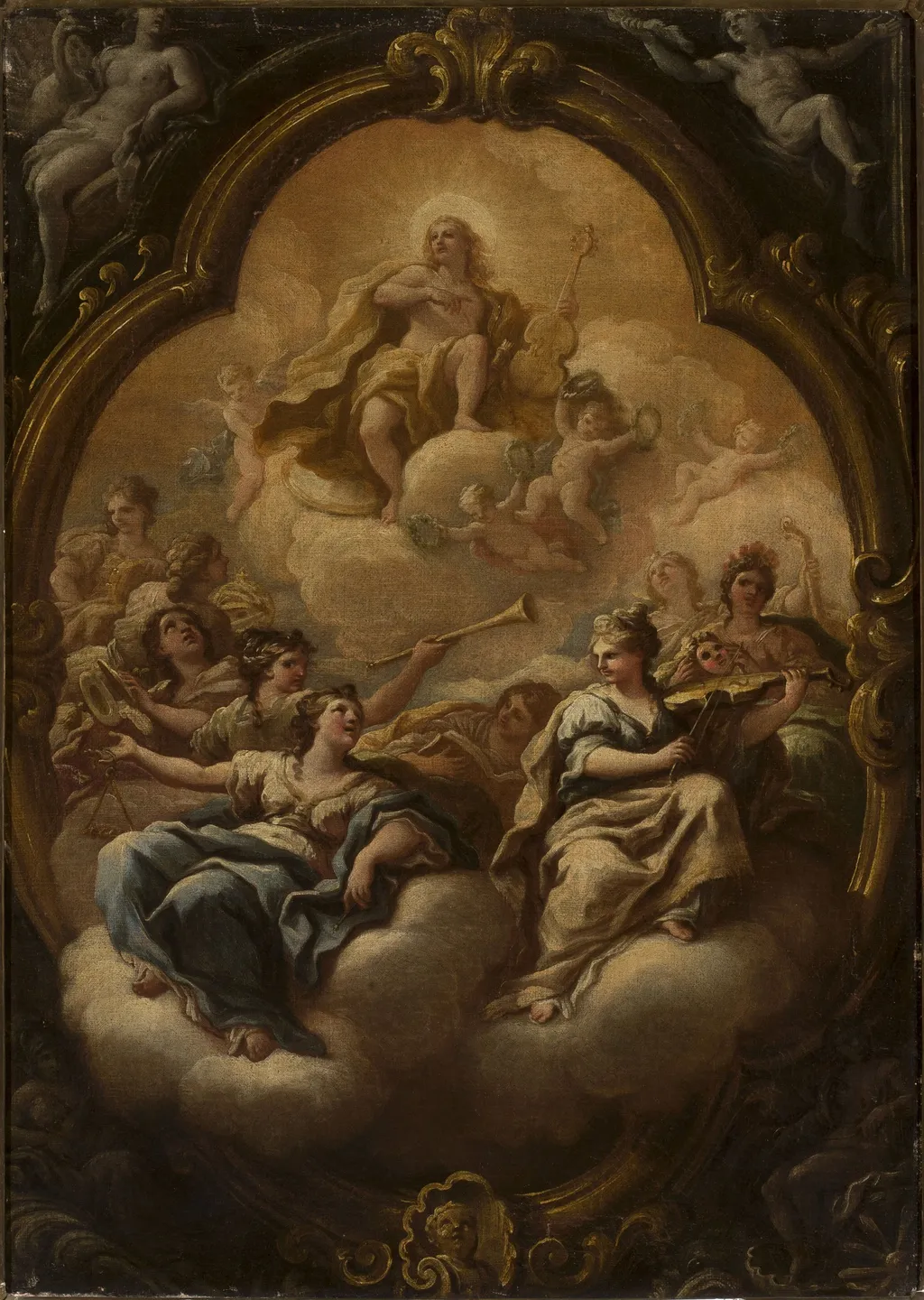
Apollo and Muses is an oil painting by the Late Mannerist artist Paolo de Matteis. It dates from 1704 and is held in the collection of the National Museum in Warsaw.
About this work
Overview
Painted around 1704 by Paolo de Matteis, this oil-on-canvas work portrays Apollo, the Greek deity of music and poetry, seated among the nine Muses.
Painted around 1704 by Paolo de Matteis, this oil-on-canvas work portrays Apollo, the Greek deity of music and poetry, seated among the nine Muses. The composition centers on divine inspiration, with figures arranged in a celestial gathering. The painting resides in the National Museum in Warsaw, where it has been part of the collection since the 19th century, reflecting the enduring interest in classical mythology in early 18th-century European art.
Subject & Meaning
Apollo, identified by his lyre, presides over the Muses, each representing a distinct art or science, engaged in musical performance. Their presence symbolizes the unity of creative disciplines under divine patronage. The scene evokes the Renaissance ideal of the arts as elevated, sacred pursuits, rooted in ancient Greek tradition.
The grouping reinforces the notion of artistic excellence as a divine gift, rather than a purely human achievement.
Technique & Style
De Matteis employs smooth, blended brushwork to render soft transitions of light and fabric, enhancing the figures' three-dimensionality. The warm palette of golds, ochres, and beiges creates a luminous, ethereal atmosphere. Clouds beneath the figures suggest a heavenly realm, while the careful modeling of skin and drapery reflects influences from late Baroque Italian painting, particularly the tradition of courtly allegory.
History & Provenance
The painting entered the National Museum in Warsaw in the 1800s, likely through acquisition from a private Polish collection. Its presence in Poland aligns with the broader European fascination with classical themes during the Enlightenment and early Romantic periods. Prior to its arrival in Warsaw, its exact provenance remains undocumented, though its style suggests it was commissioned for a noble or ecclesiastical patron in southern Italy.
Context
Created during the early 18th century, the work reflects the continued influence of classical antiquity in European art, even as Baroque grandeur gave way to emerging Rococo sensibilities. De Matteis, active in Naples, absorbed influences from both Roman and Venetian traditions. This painting exemplifies how mythological subjects remained central to elite artistic patronage, serving as visual affirmations of cultural refinement and intellectual heritage.
Legacy
Though not widely reproduced, the painting stands as a representative example of southern Italian Baroque mythological painting. It contributes to the understanding of how classical narratives were sustained in regional academies outside Rome and Florence. Its preservation in Warsaw underscores the transnational circulation of artworks in early modern Europe and their role in shaping national museum collections.
Own this work as a print
Artist & collection

 Sketch for a Ceiling Design
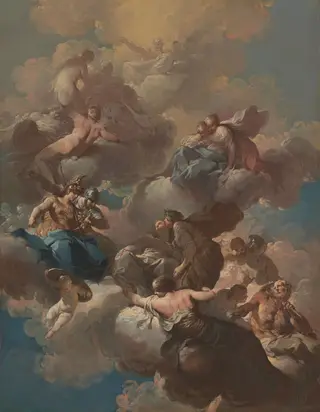 Sketch for a Ceiling Fresco
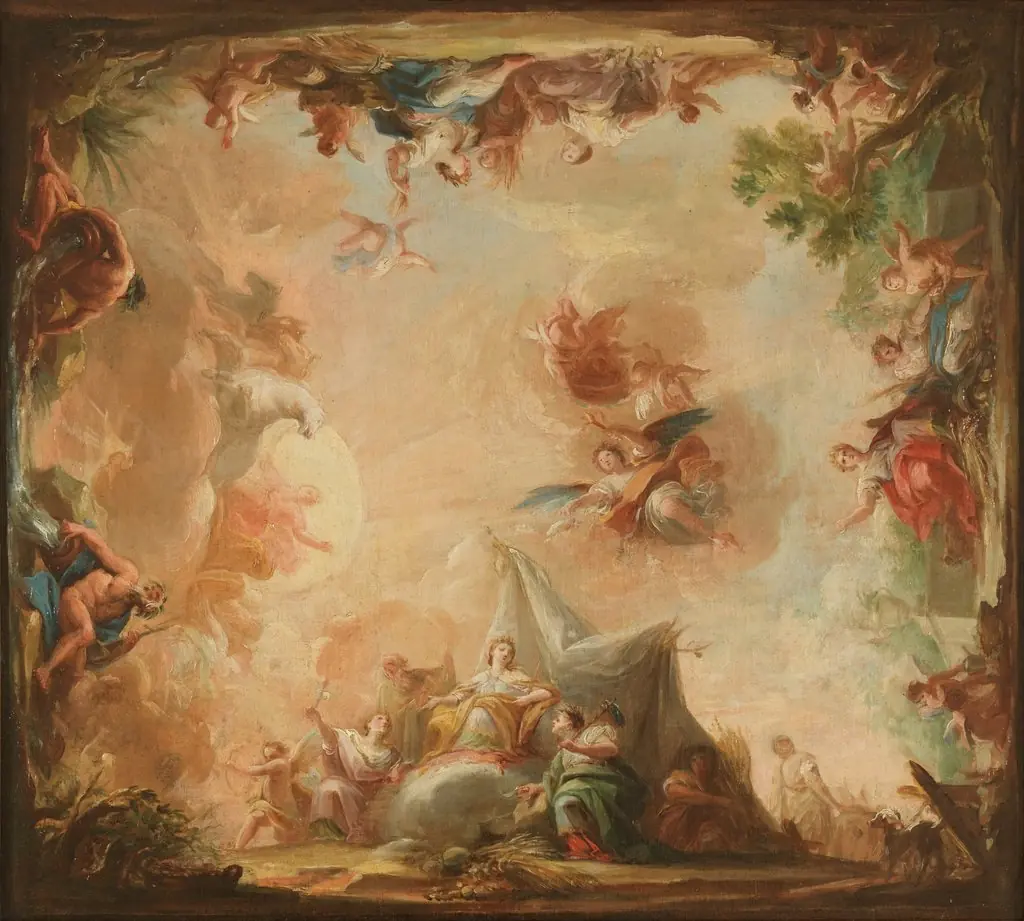 The Goddess Cybele offering her Produce to the Earth
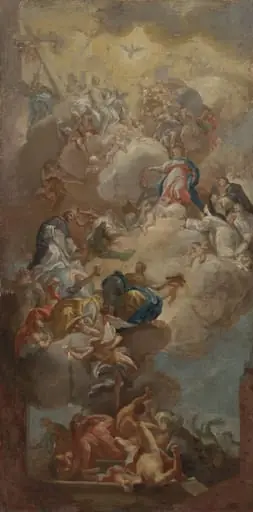 The Glorification of Saint Dominic
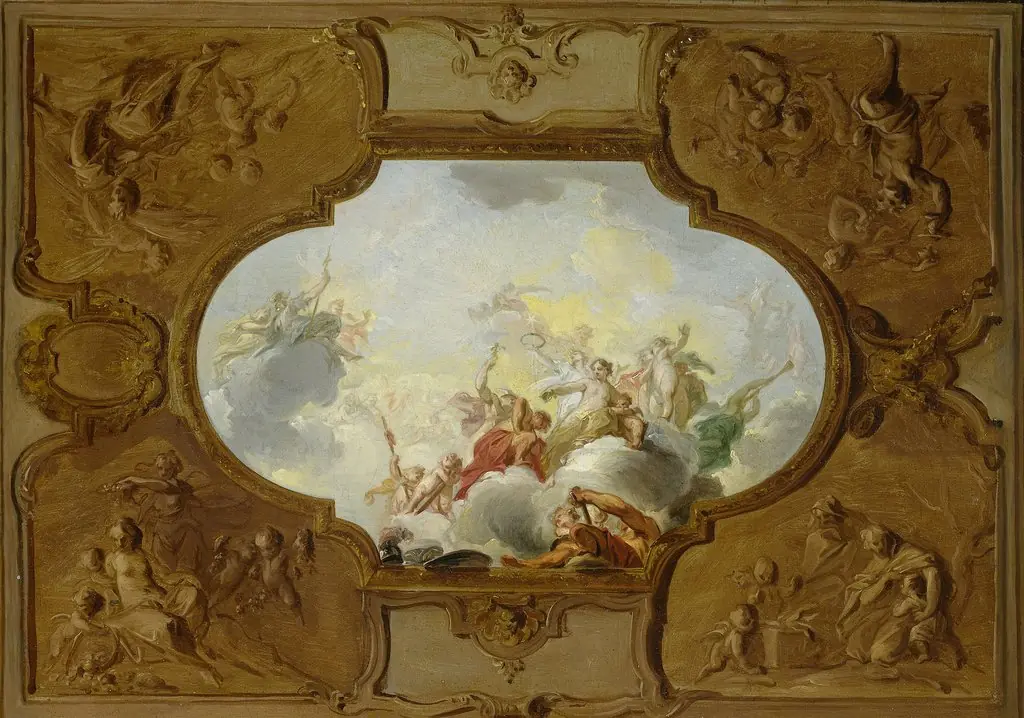 Design for a ceiling piece with Aeneas and the four seasons in the corners
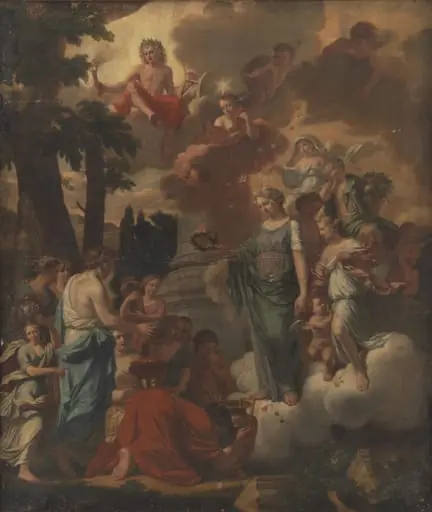 A Sacrifice to Apollo
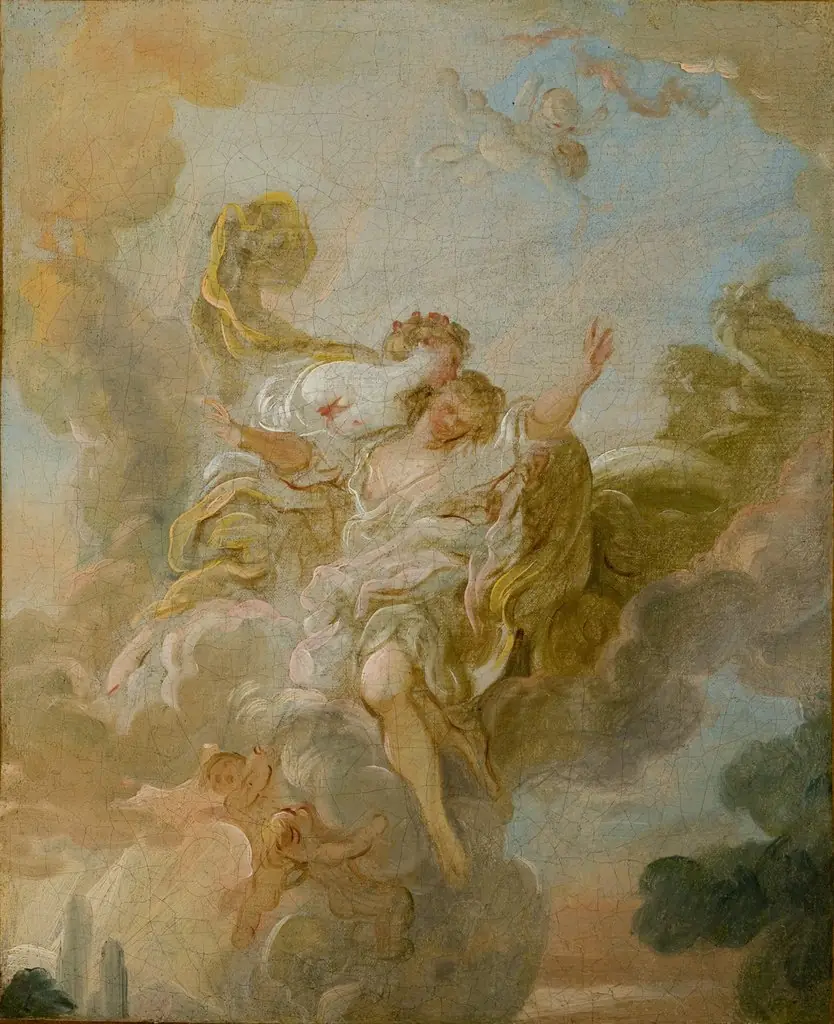 Allegorical Figures
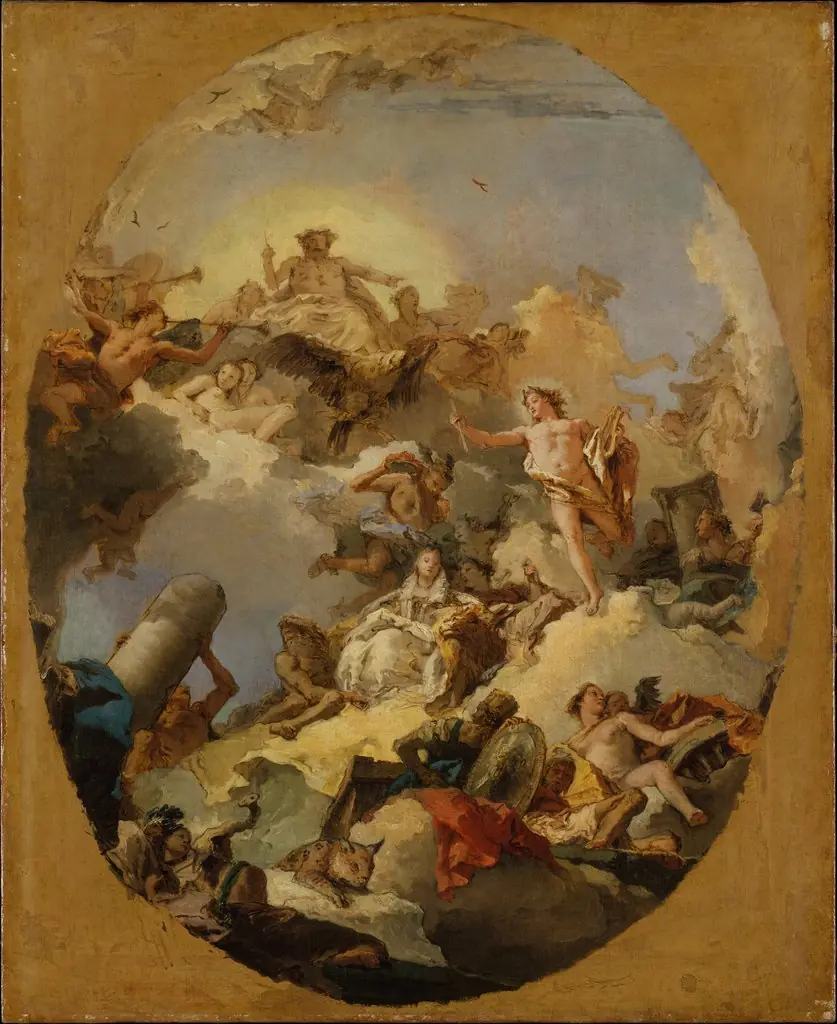 The Apotheosis of the Spanish Monarchy
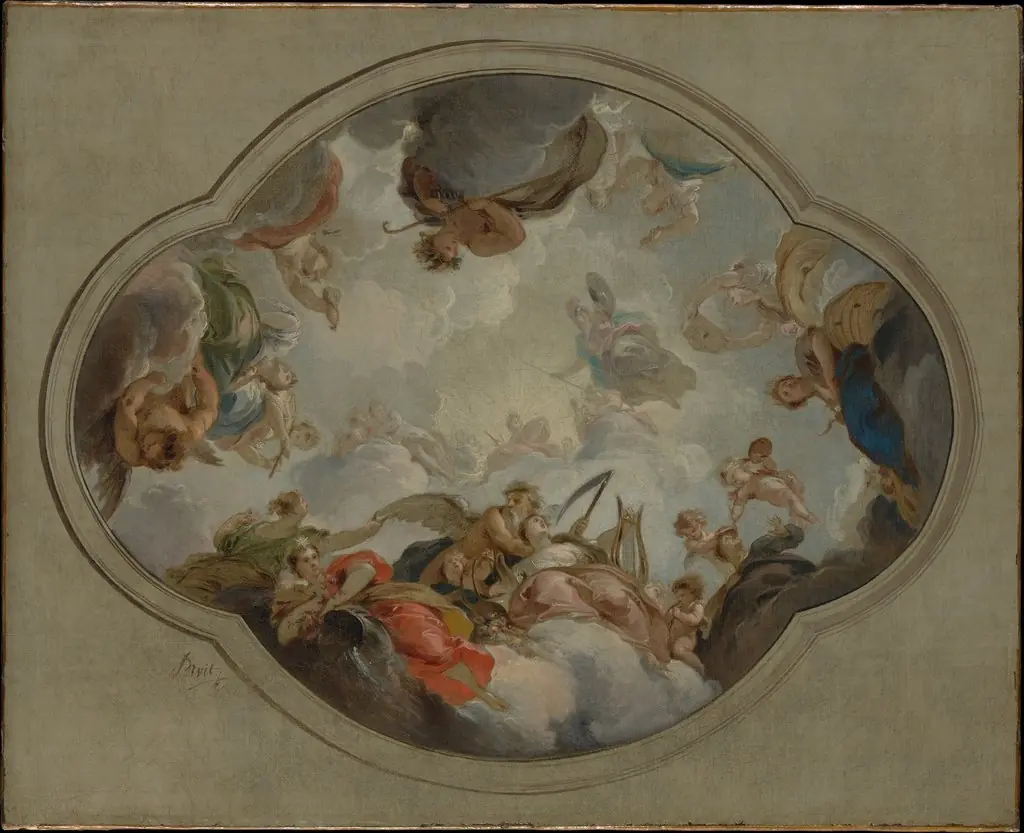 Allegory of the Arts
 William and Mary Presenting the Cap of Liberty to Europe (sketch for the painted ceiling of the Great Hall, Greenwich Hospital)
- Apollo with the Muses – Project for a Plafond
 Allegory