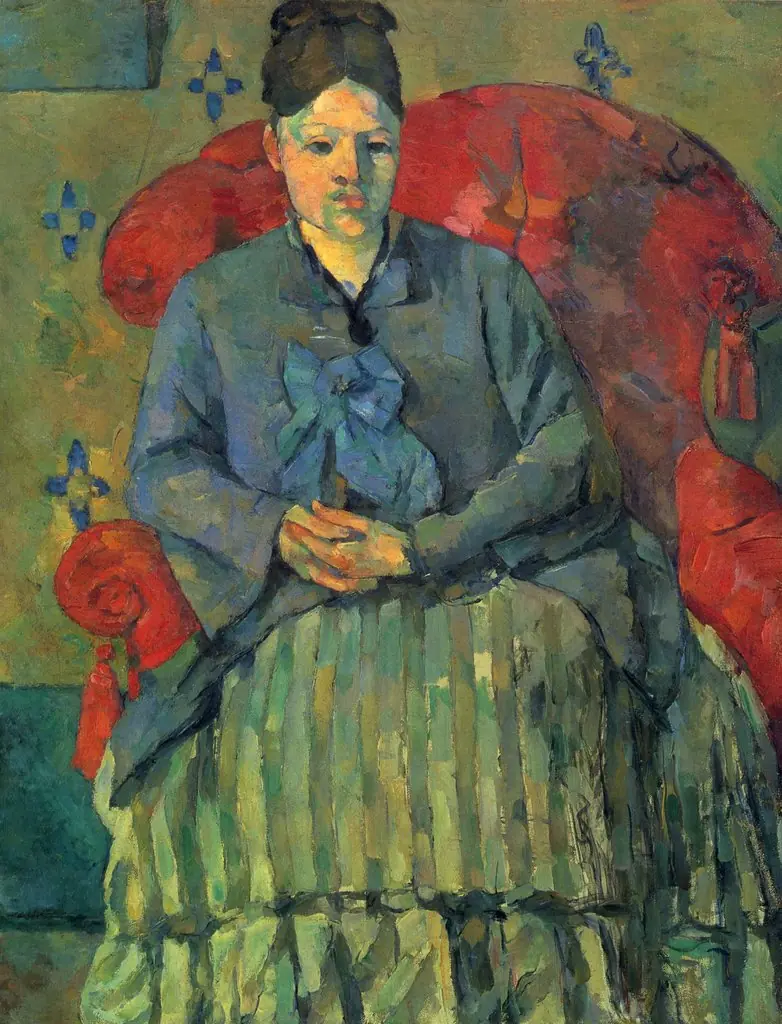
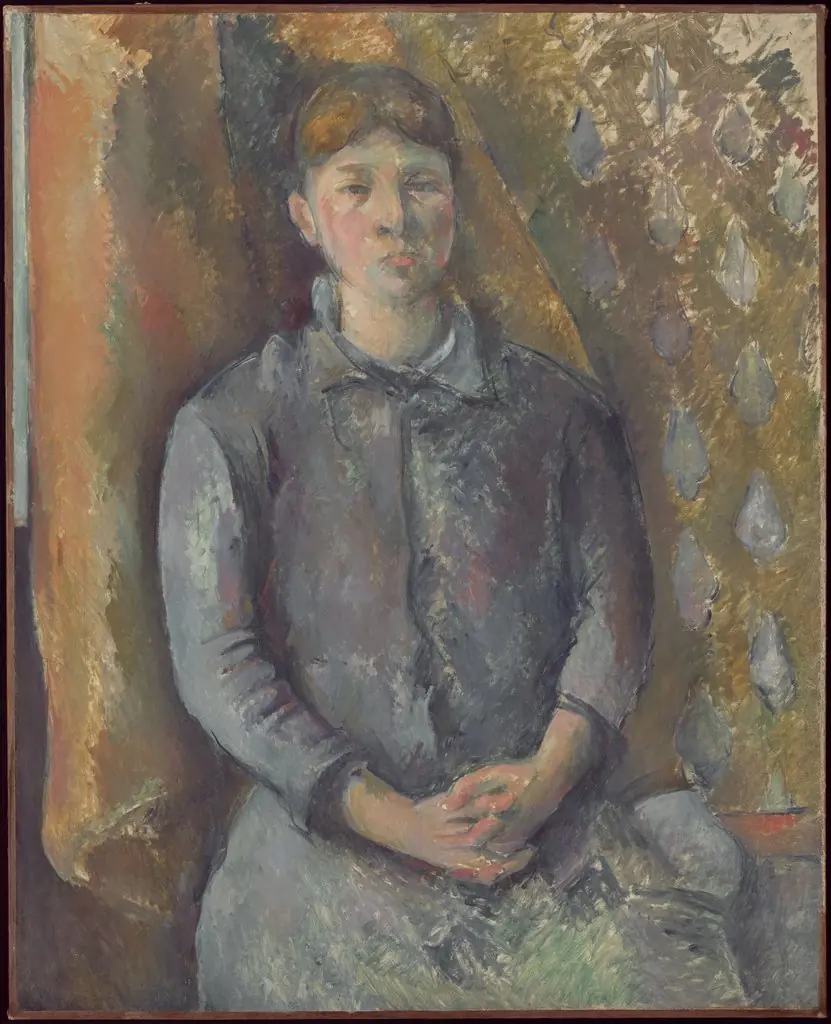
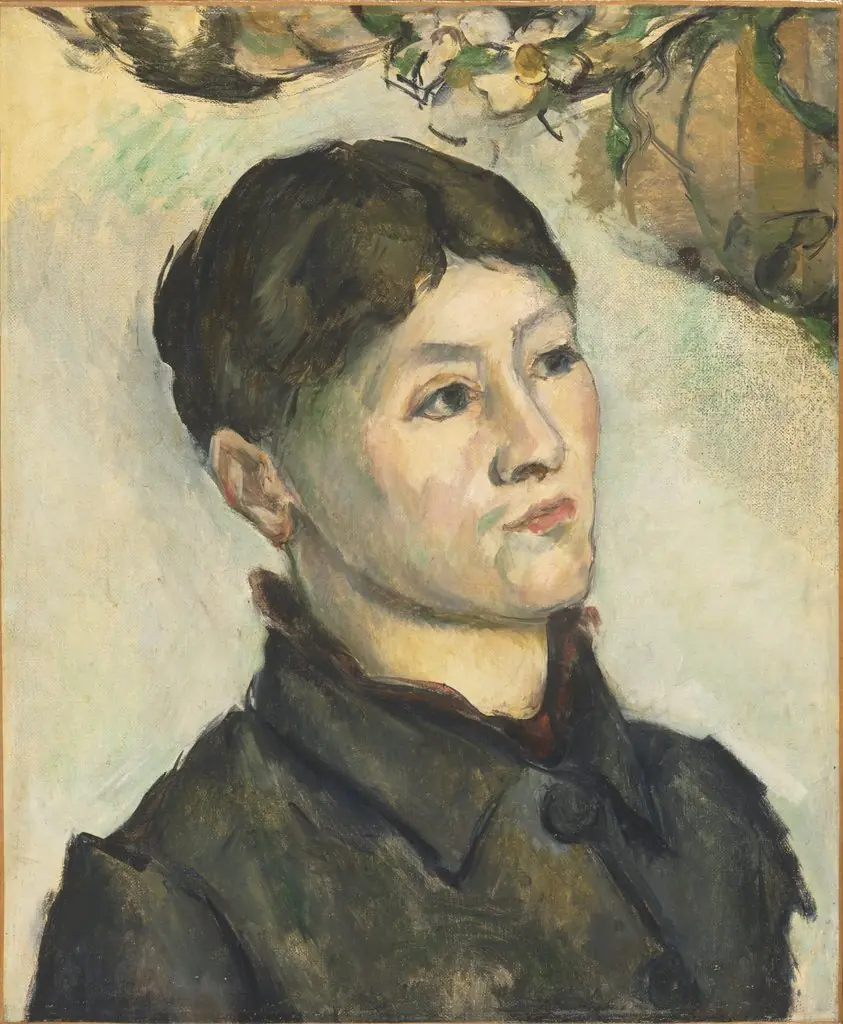
Artwork
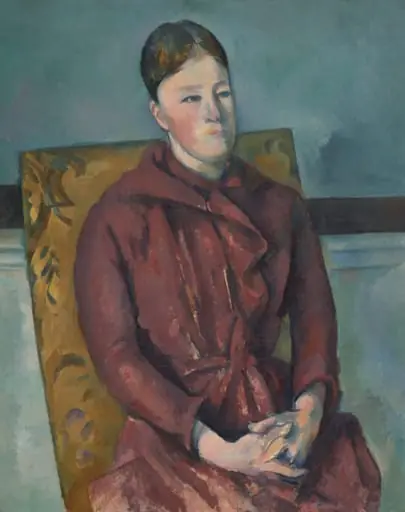
Madame Cézanne in a Yellow Chair
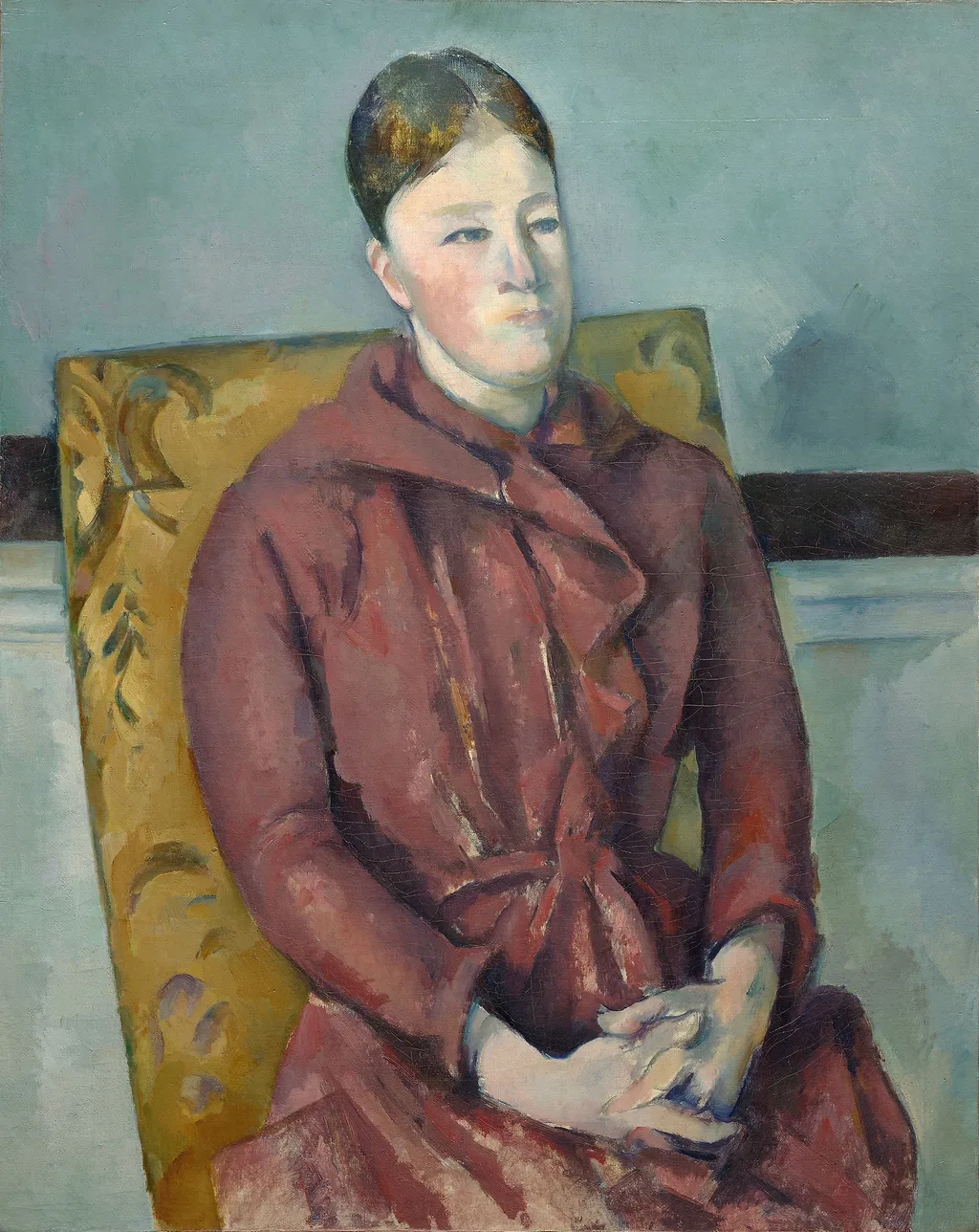
Madame Cézanne in a Yellow Chair is an oil painting by the Post-Impressionist artist Paul Cézanne. It dates from 1894 and is held in the collection of the Art Institute of Chicago.
About this work
Subject & Meaning
Fuentes describen al modelo como Marie‑Hortense Fiquet, sentada, con el cabello castaño hasta la mitad de la espalda, vestida con un traje sencillo.
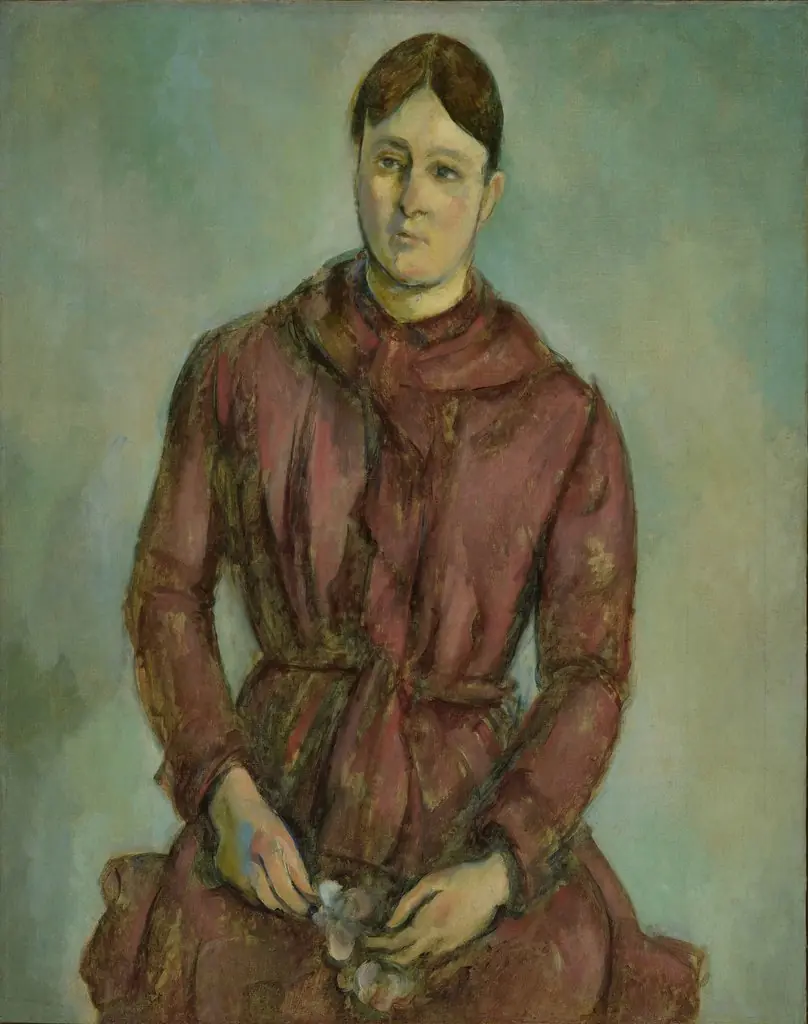
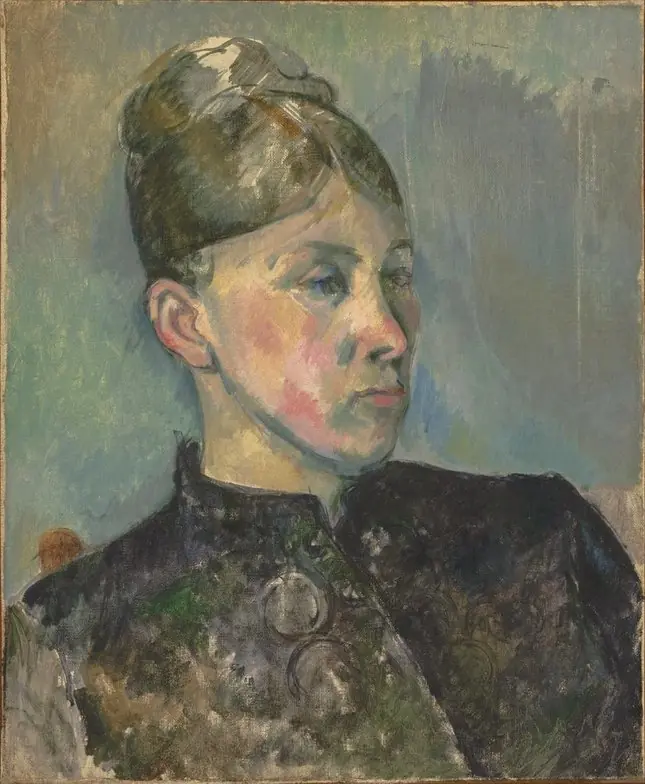
La pintura muestra a la esposa de Cézanne, Hortense Fiquet, sentada en una silla amarilla. Fuentes describen al modelo como Marie‑Hortense Fiquet, sentada, con el cabello castaño hasta la mitad de la espalda, vestida con un traje sencillo. La silla amarilla y el fondo neutro enfatizan la figura individual, subrayando la intimidad del retrato.
Cézanne realizó alrededor de veinticuatro retratos de su esposa, convirtiéndola en su modelo más frecuente y fiel. La obra, perteneciente a la colección del Art Institute of Chicago desde 1948, refleja la relación personal del artista con su esposa y la dedicación a capturar su presencia.
Technique & Style
Madame Cézanne in a Yellow Chair is an oil painting executed on canvas, measuring 81 by 65 centimeters. Created between 1888 and 1890, the work belongs to the Post-Impressionist movement and depicts Marie-Hortense Fiquet seated in a chair. The composition focuses on the formal arrangement of the subject, characterized by her brown, waist-length hair and dress.
Cézanne utilized his wife as a frequent model, producing approximately twenty-four portraits of her, with this specific piece capturing her in a seated pose. The painting is currently housed in Gallery 246 of the Art Institute of Chicago.
History & Provenance
Paul Cézanne painted Madame Cézanne in a Yellow Chair between 1888 and 1890, depicting his wife Marie-Hortense Fiquet seated in a yellow chair.
The documented ownership chain begins with the collector Alphonse Kann of Saint-Germain-en-Laye. In October 1947, Paul Rosenberg & Co. of New York acquired the painting from Kann, whose art collection had been looted by the Germans during the Second World War. Rosenberg's gallery then sold the work to the Art Institute of Chicago on 22 April 1948, where it remains today. Earlier provenance includes the critic and collector Théodore Duret, who is also listed among prior owners.
The painting was not commissioned; it belongs to Cézanne's series of approximately twenty-four portraits of Hortense Fiquet, who served as his preferred and most patient model.
Madame Cézanne in a Yellow Chair is held by the Art Institute of Chicago, where it is installed in Gallery 246. The museum acquired the painting on April 22, 1948, through a purchase from Paul Rosenberg & Co. of New York. The dealer had obtained the work the previous October from Alphonse Kann, a collector whose holdings were looted by German forces during World War II.
Prior to its acquisition by the Art Institute, the painting was part of the collections of Théodore Duret and Alphonse Kann. The specific accession number or inventory code for the work is not provided in the available sources, though the institution's online records are cited as a reference for the piece.
Context
Madame Cézanne in a Yellow Chair (1888–1890) occupies a pivotal position in Cézanne’s oeuvre and Post-Impressionist portraiture. The work exemplifies Cézanne’s mature style, characterized by structured composition and chromatic restraint, departing from Impressionist spontaneity toward a more analytical approach to form and space. Its critical reception has been shaped by scholars such as Bernard Dorival and Lionello Venturi, who positioned the painting within Cézanne’s broader exploration of domestic subjects and his evolving treatment of color and volume.
The portrait’s place in art history is underscored by its inclusion in key surveys of Post-Impressionism, where it is cited as a bridge between Cézanne’s earlier, more emotive works and his later geometric rigor. Ambroise Vollard’s writings, both in Cézanne (1914) and En écoutant Cézanne (1938), further cemented the painting’s status by framing it as emblematic of the artist’s lifelong engagement with his wife as a subject and muse.
Overview
Paul Cézanne's 1894 oil painting, Madame Cézanne in a Yellow Chair, depicts his wife, Marie-Hortense Fiquet, in a seated pose. This work exemplifies Cézanne's distinctive Post-Impressionist approach, characterized by a structured handling of form and color. It serves as a significant example of his ongoing exploration of portraiture and composition, and is housed in the collection of the Art Institute of Chicago.
Legacy
Cézanne's structured approach to form and color significantly influenced subsequent artistic movements, particularly Cubism. His methodical deconstruction of objects and figures, as seen in portraits like this, provided a foundational shift from the fleeting impressions of his predecessors. This bridge between 19th-century Impressionism and the avant-garde of the early 20th century cemented his pivotal role in modern art.
Own this work as a print
Artist & collection

Artist
Paul Cézanne ( say-ZAN, UK also siz-AN, US also say-ZAHN; French: ; Occitan: Pau Cesana; 19 January 1839 – 22 October 1906) was a French Post-Impressionist painter whose work introduced new modes of representation,…

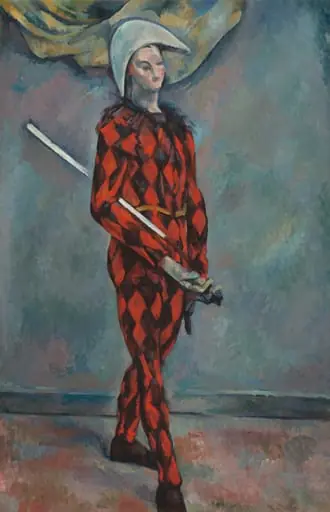 Harlequin
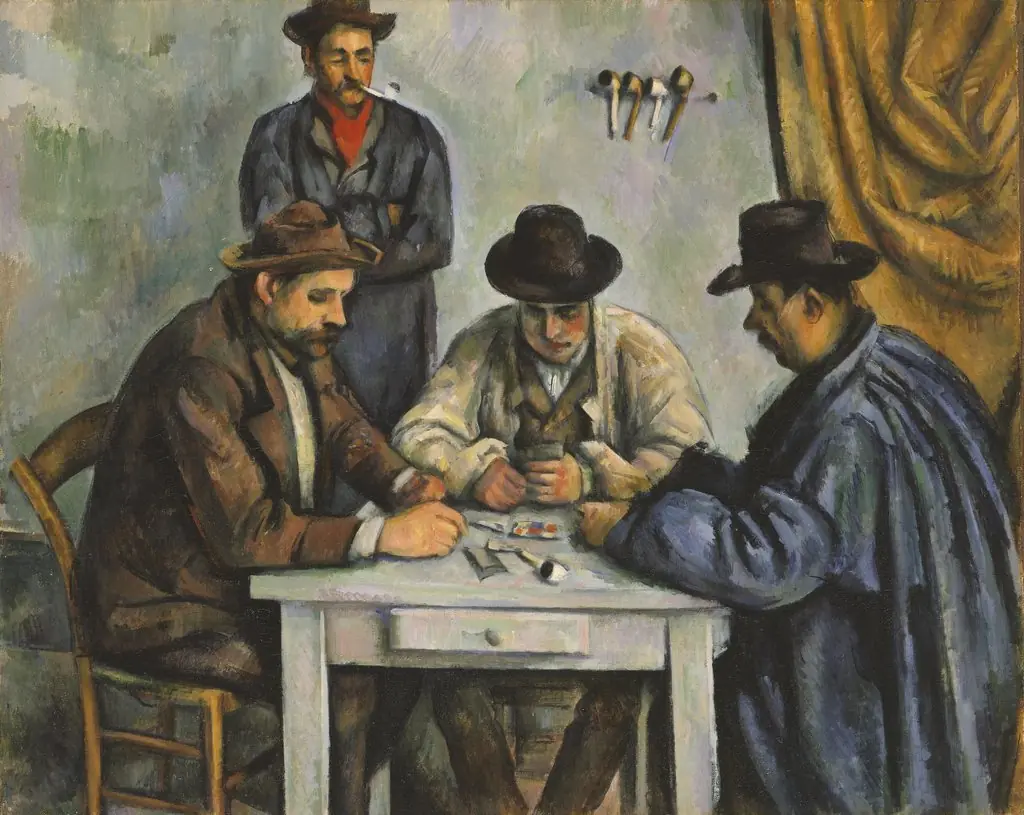 The Card Players
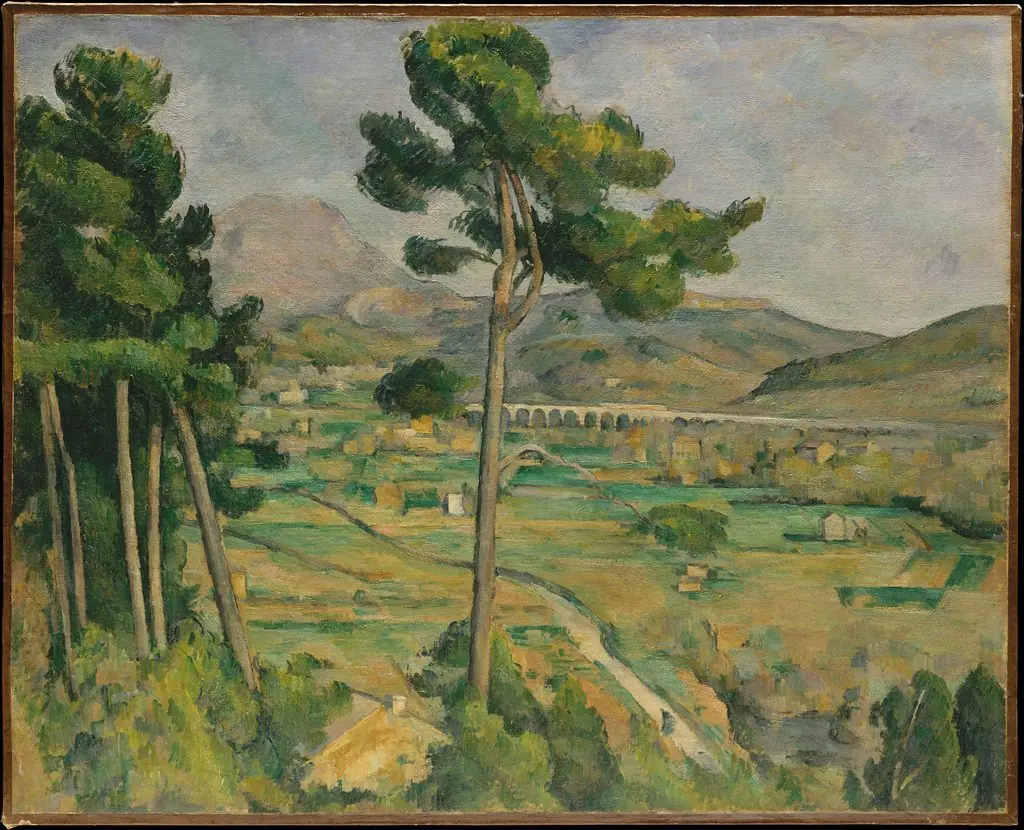 Mont Sainte-Victoire and the Viaduct of the Arc River Valley
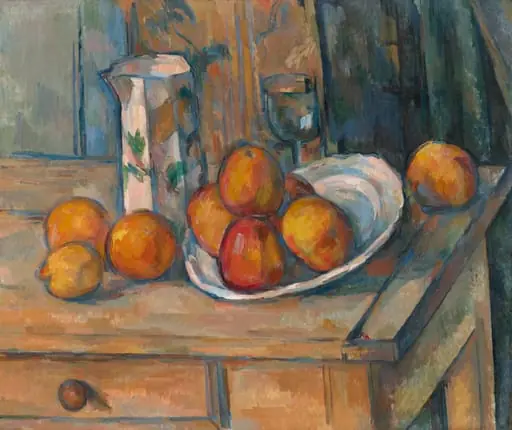 Still Life with Milk Jug and Fruit
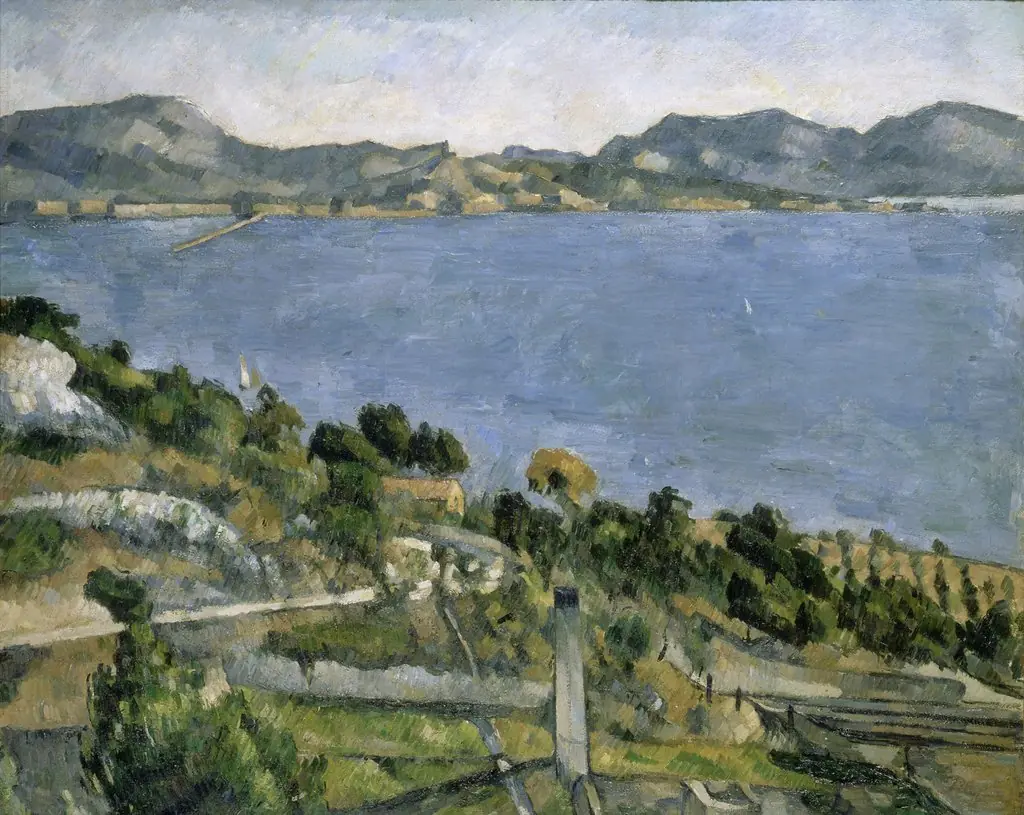 Le Golfe de Marseille vu de l'Estaque (The Gulf of Marseille Seen from L'Estaque)
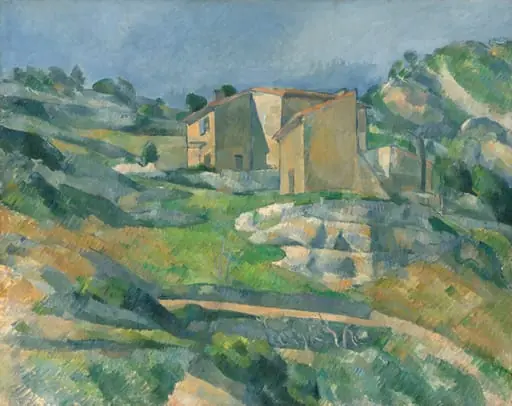 Houses in Provence: The Riaux Valley near L'Estaque
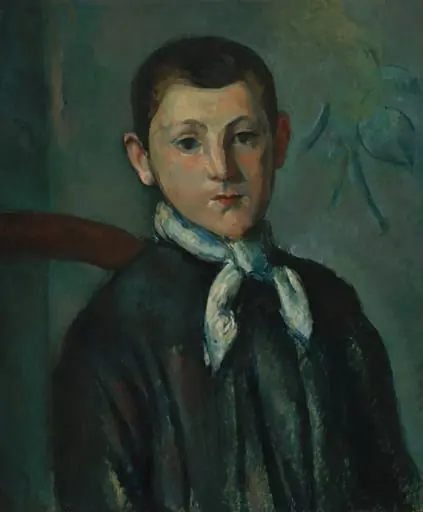 Louis Guillaume
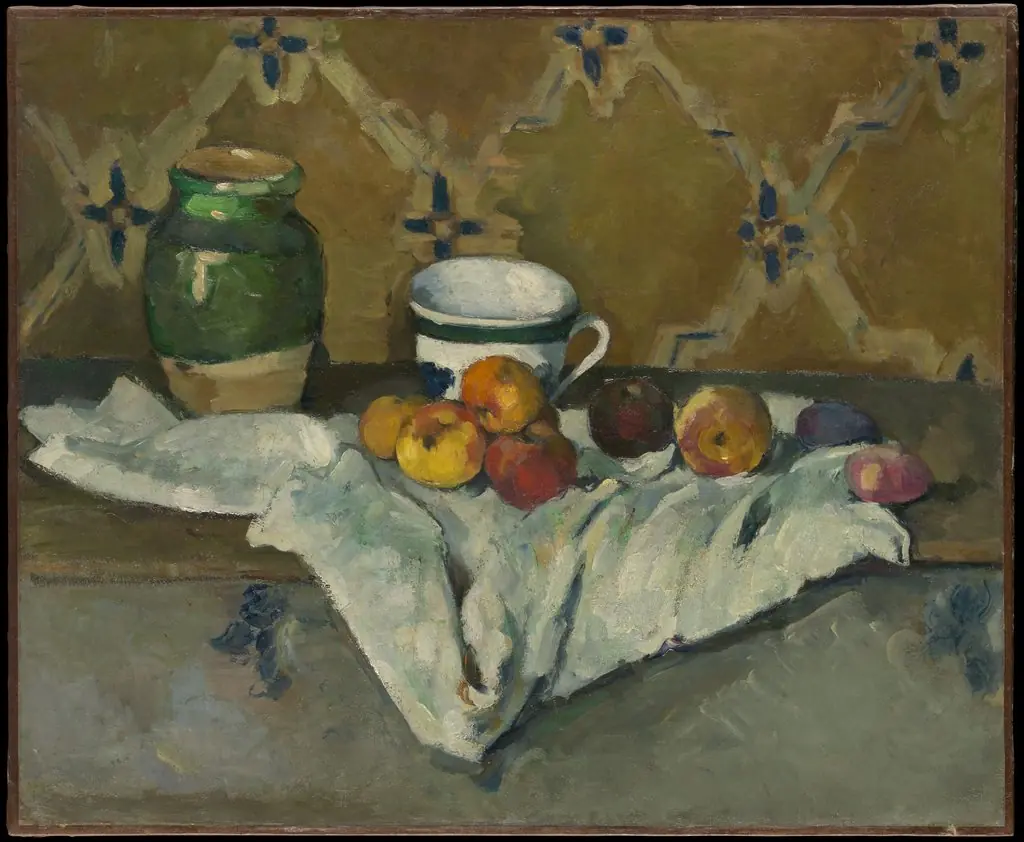 Still Life with Jar, Cup, and Apples