Artwork
The Star Ridge with the King's Peak
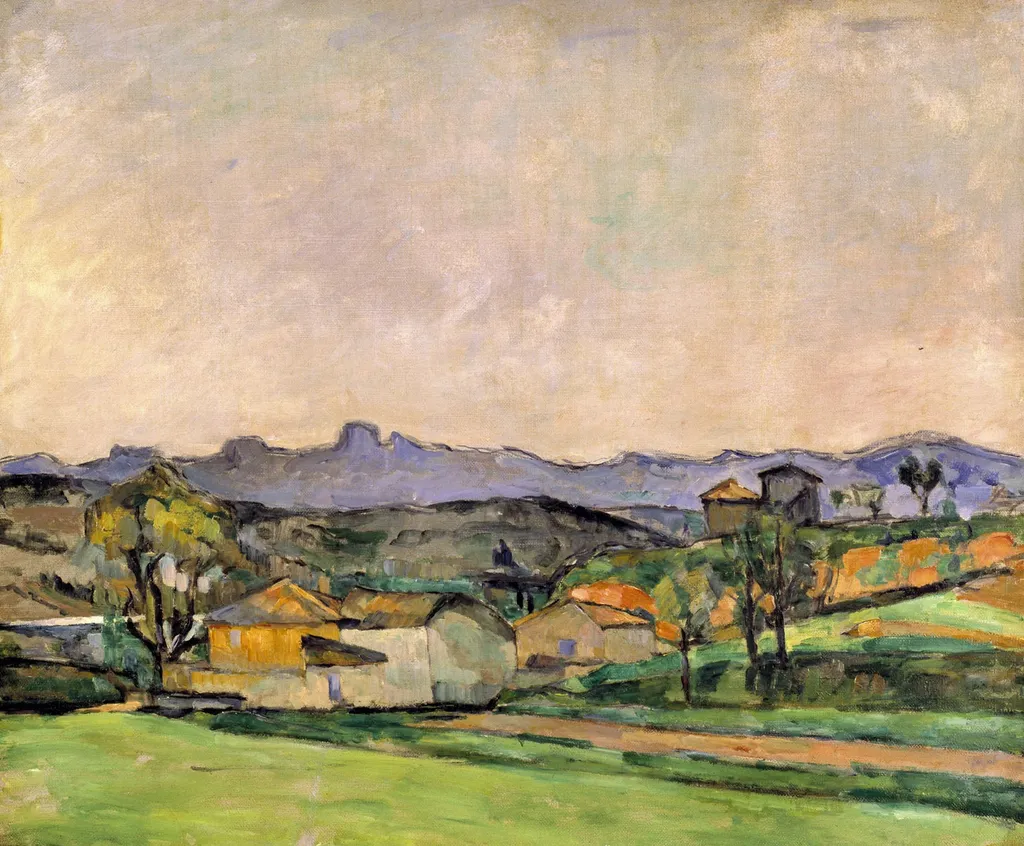
The Star Ridge with the King's Peak is an oil painting by the Post-Impressionist artist Paul Cézanne. It dates from 1890 and is held in the collection of the Kelvingrove Art Gallery and Museum.
About this work
Overview
The Star Ridge with the King's Peak is an 1890 oil painting by Paul Cézanne, characteristic of his Post-Impressionist style. The landscape depicts a mountainous scene with buildings, trees, and a prominent peak, rendered in muted greens, browns, blues, and oranges.
Subject & Meaning
The subject is a landscape featuring a foreground with architectural elements and vegetation, set against the backdrop of a large mountain. The composition explores the relationship between natural and man-made elements within a landscape.
Technique & Style
Cézanne employed expressive, textured brushstrokes and a predominantly earthy color palette to create depth and atmosphere. The work reflects his transitional style, moving from naturalism towards more structured, geometric forms.
History & Provenance
Created in 1890, the painting is now part of the Kelvingrove Art Gallery and Museum's collection.
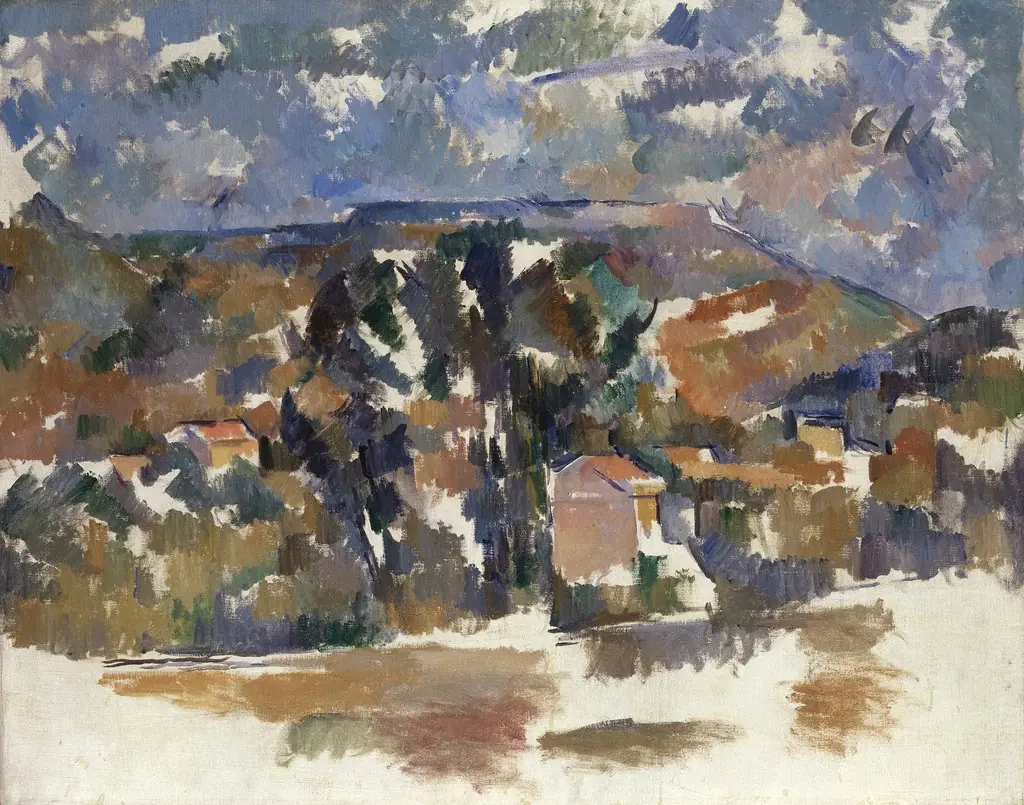
Artist & collection

Artist
Paul Cézanne ( say-ZAN, UK also siz-AN, US also say-ZAHN; French: ; Occitan: Pau Cesana; 19 January 1839 – 22 October 1906) was a French Post-Impressionist painter whose work introduced new modes of representation,…

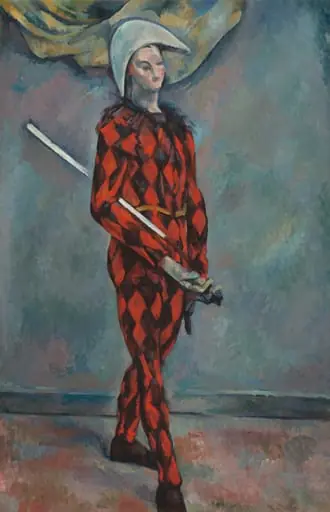 Harlequin
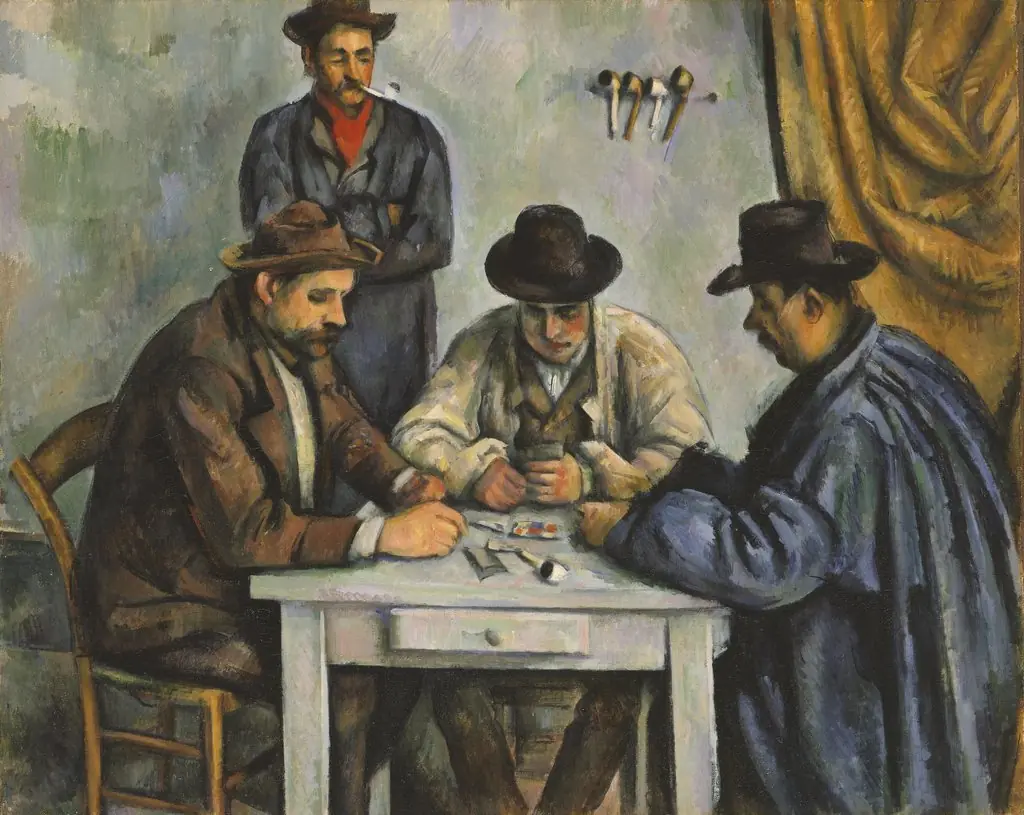 The Card Players
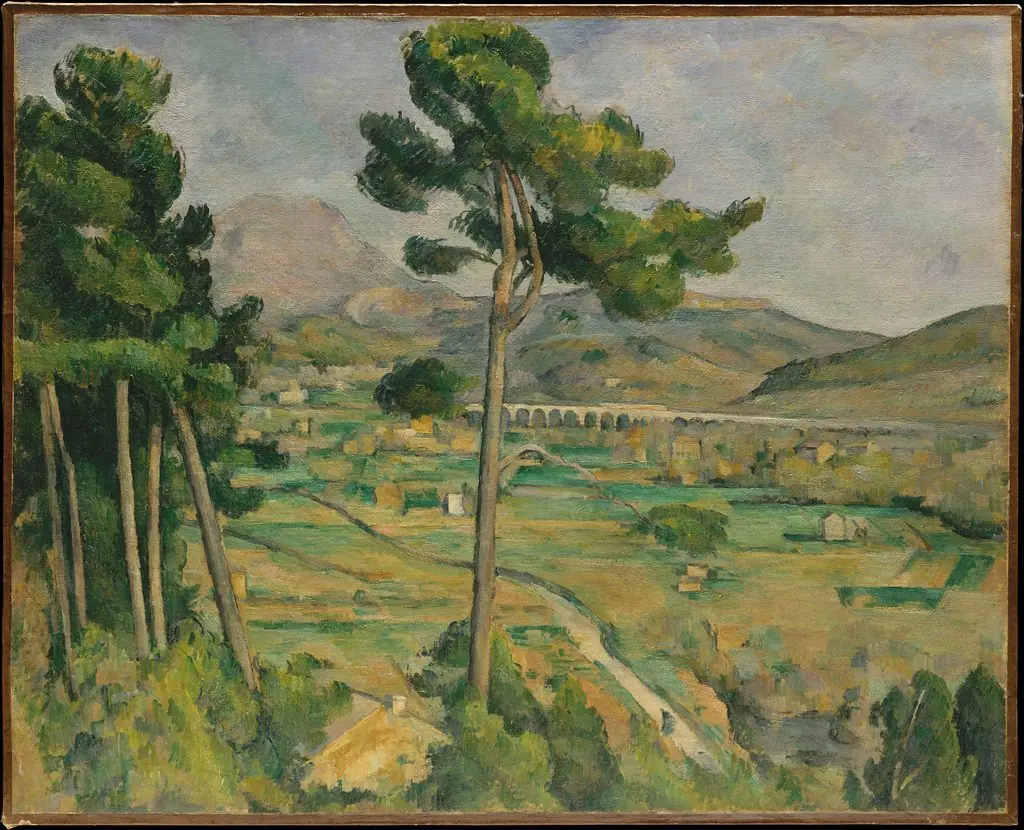 Mont Sainte-Victoire and the Viaduct of the Arc River Valley
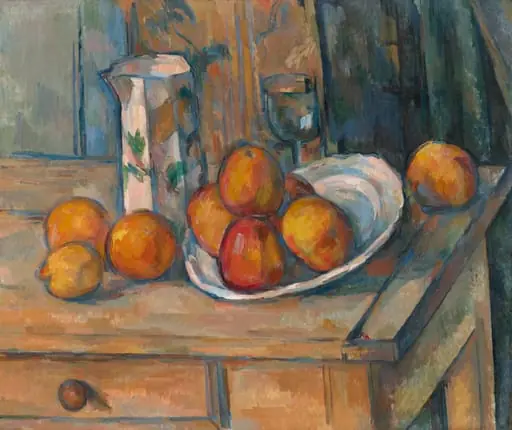 Still Life with Milk Jug and Fruit
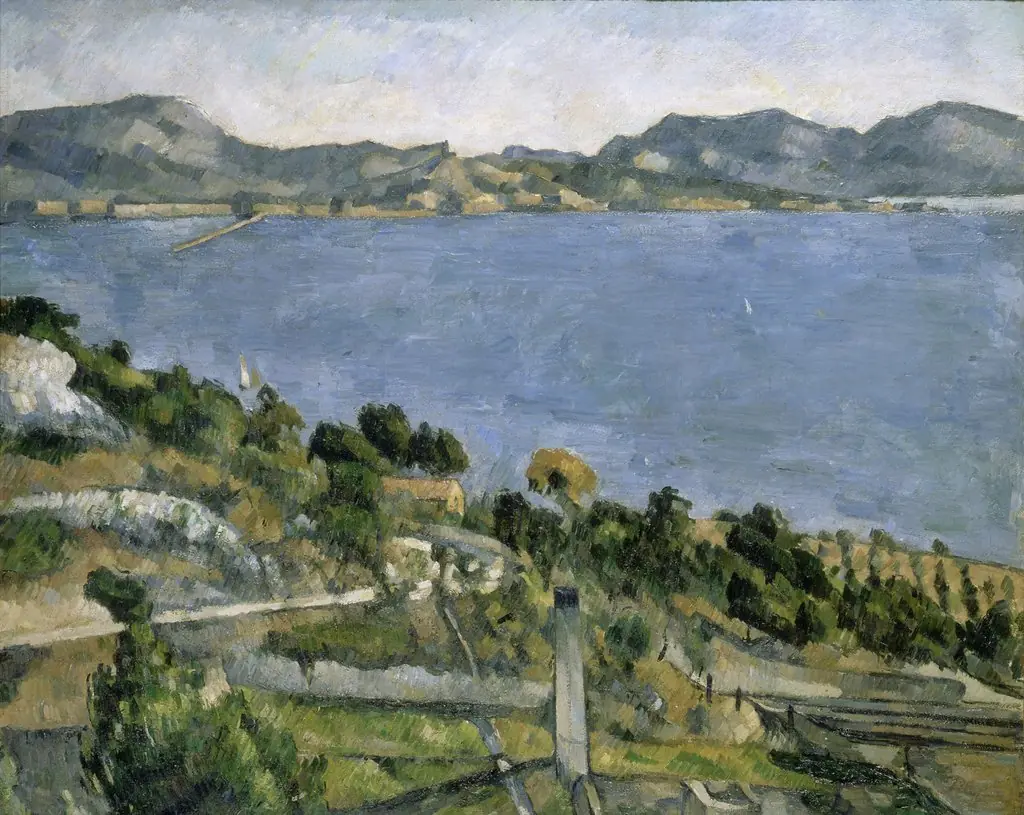 Le Golfe de Marseille vu de l'Estaque (The Gulf of Marseille Seen from L'Estaque)
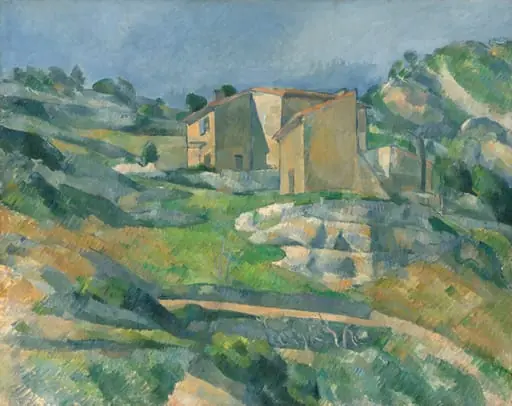 Houses in Provence: The Riaux Valley near L'Estaque
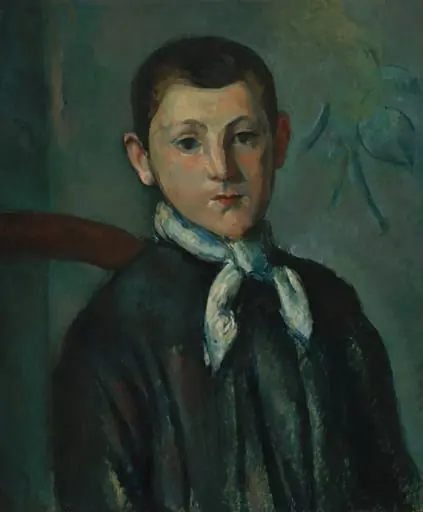 Louis Guillaume
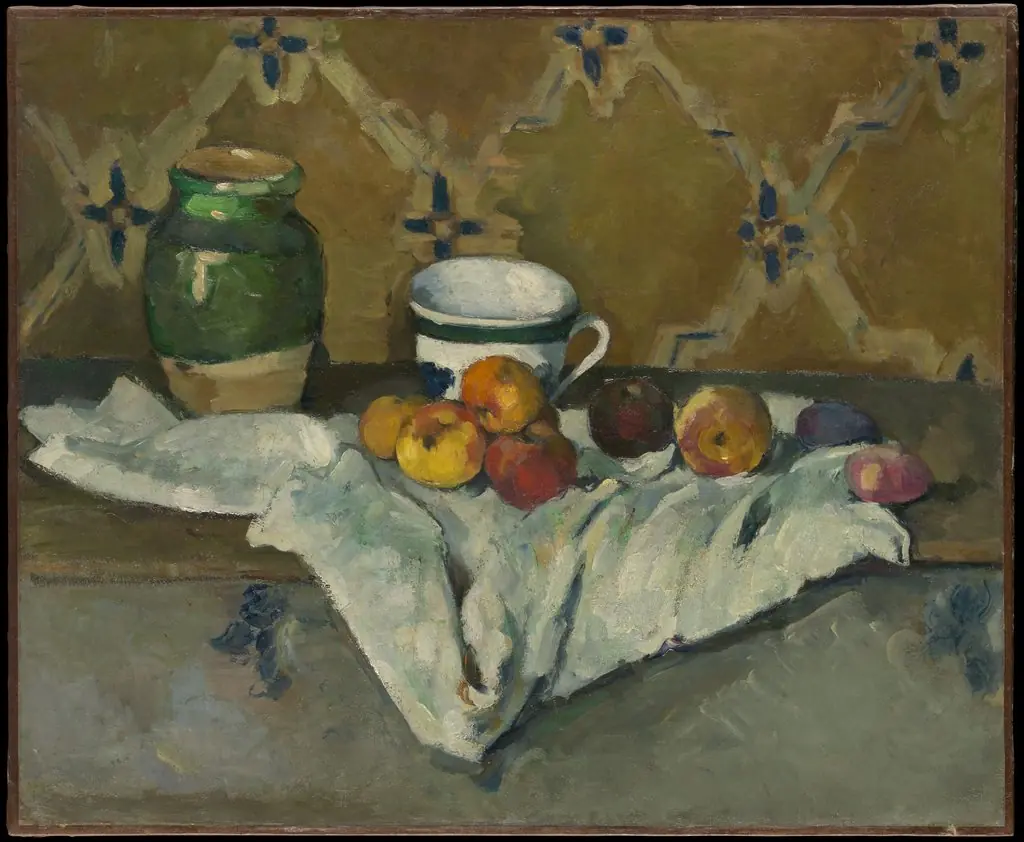 Still Life with Jar, Cup, and Apples
- The Mont de Cengle
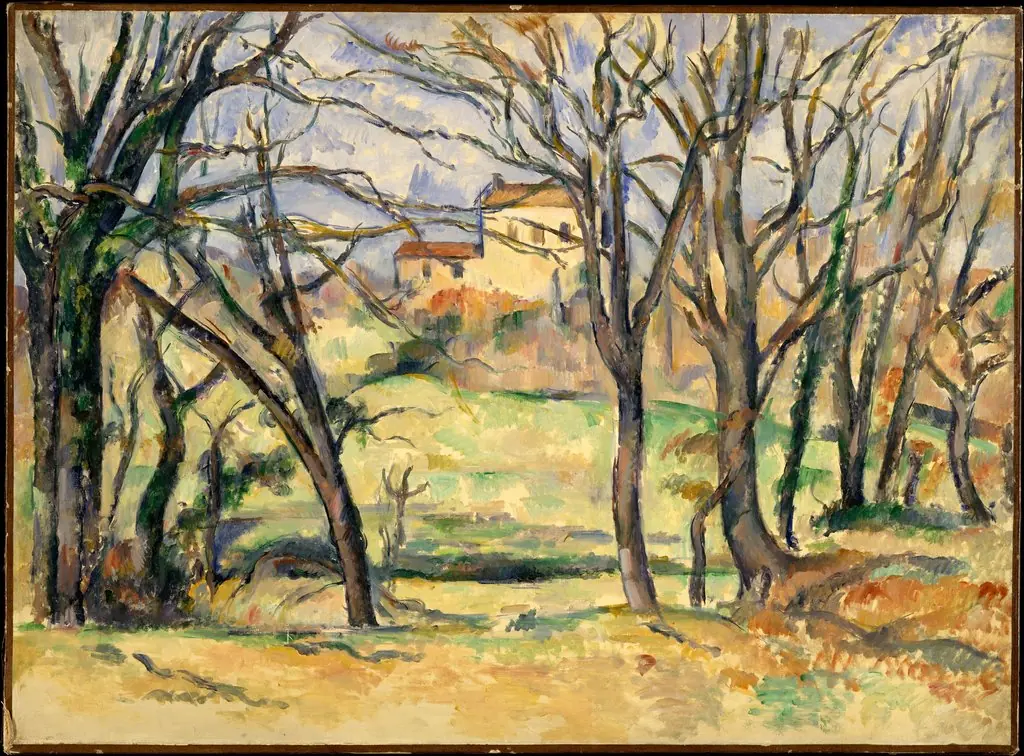 Trees and Houses Near the Jas de Bouffan
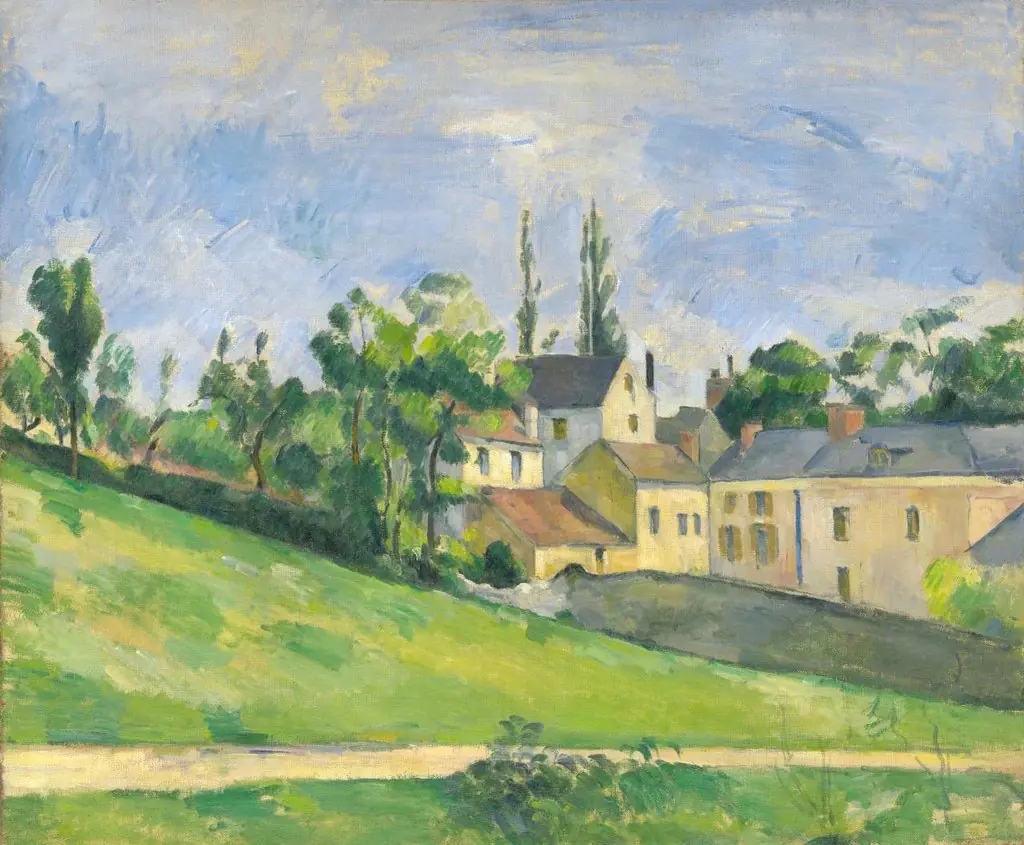 The uphill road
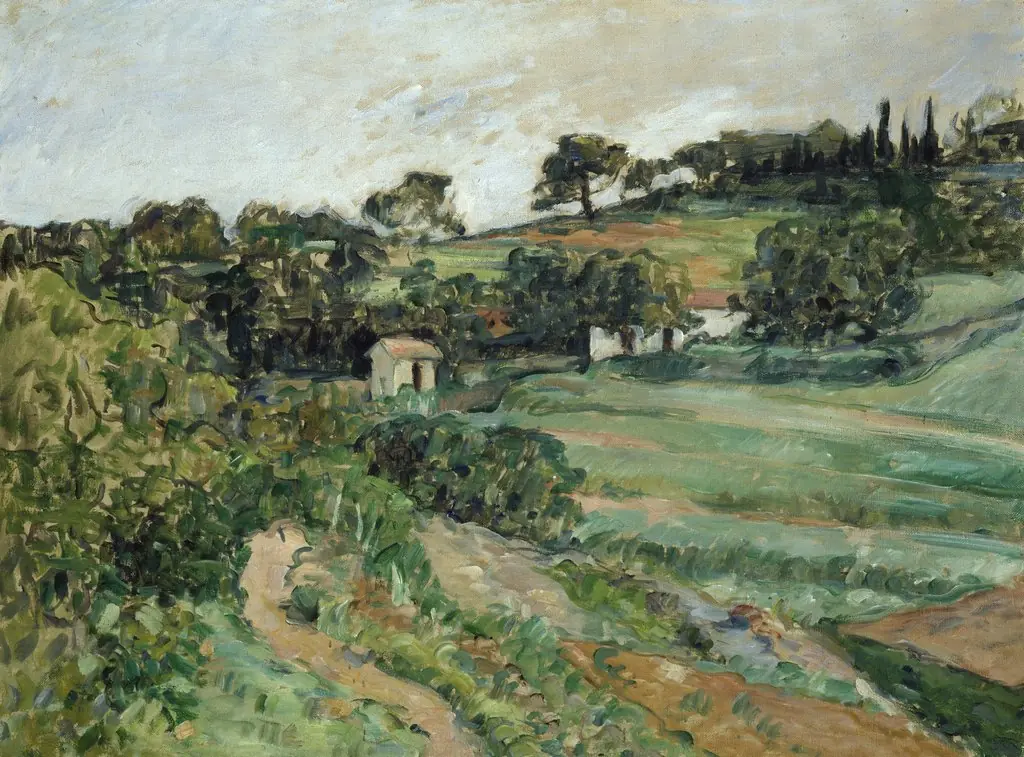 Landscape
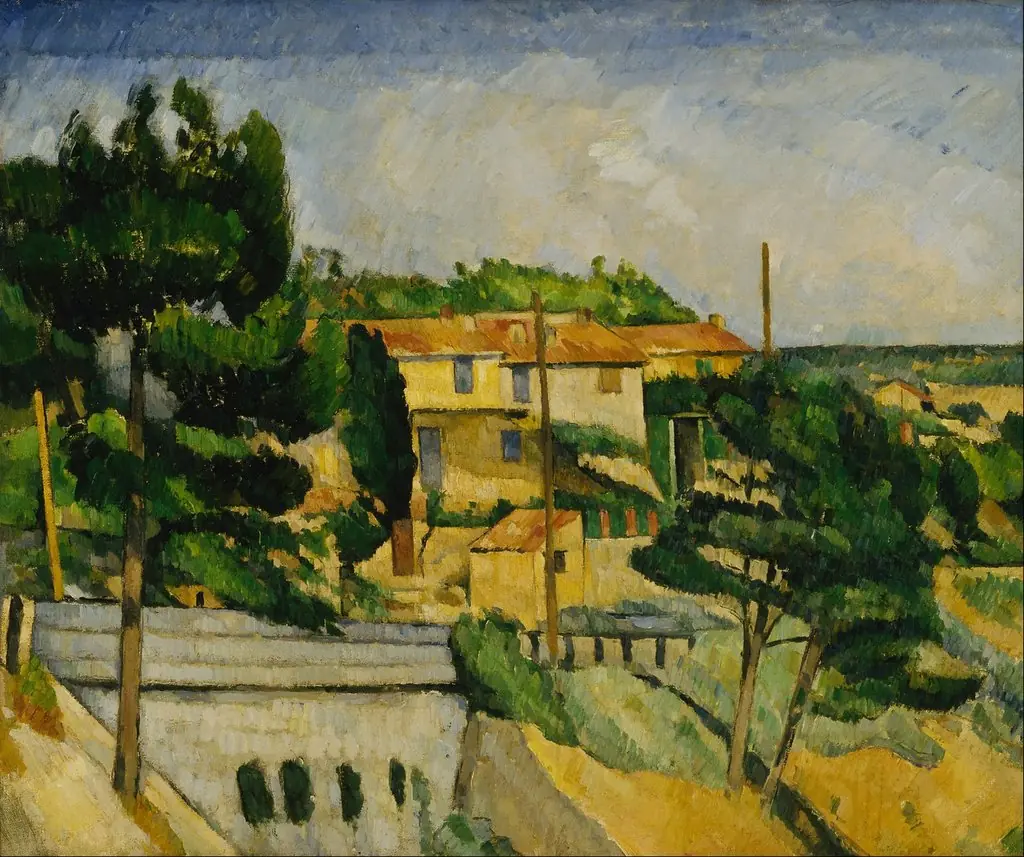 The Road Bridge at L'Estaque
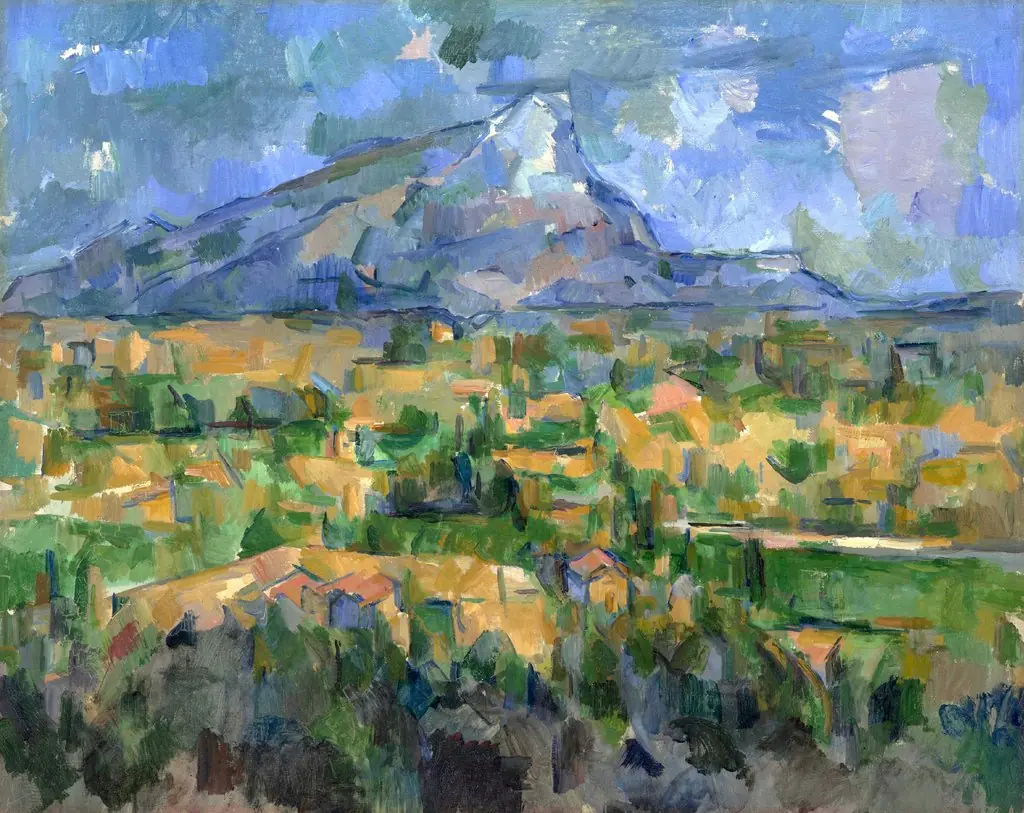 Mont Sainte-Victoire
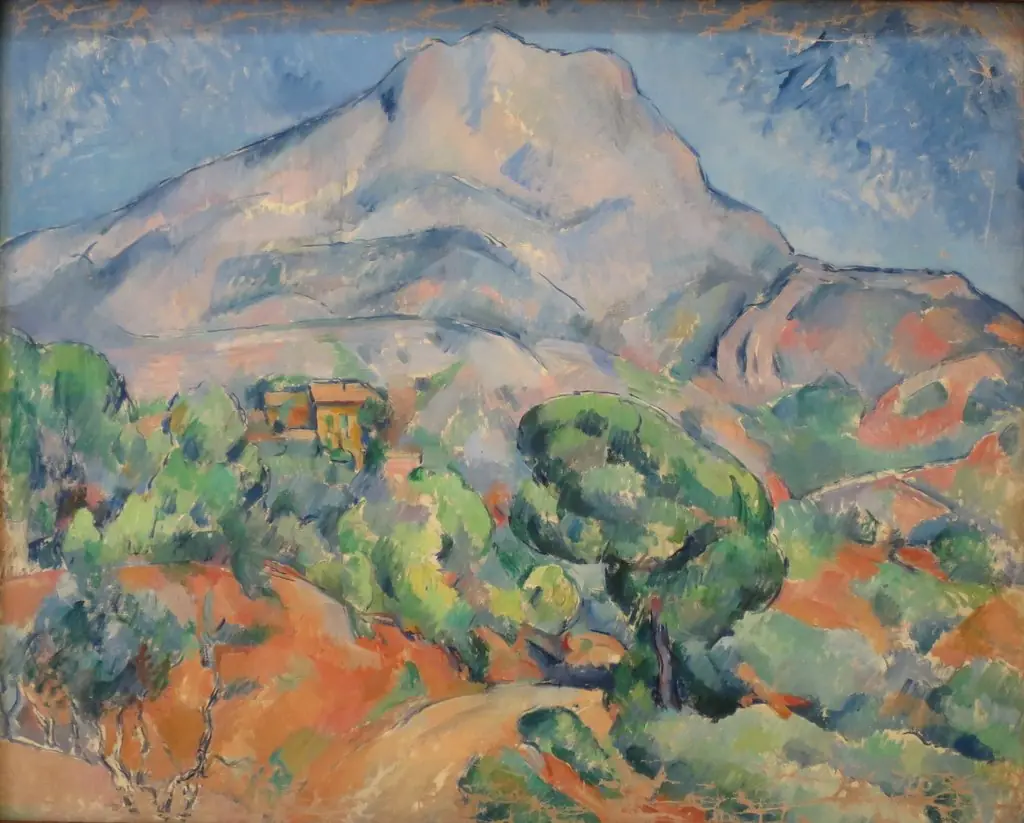 Mount Sainte-Victoire
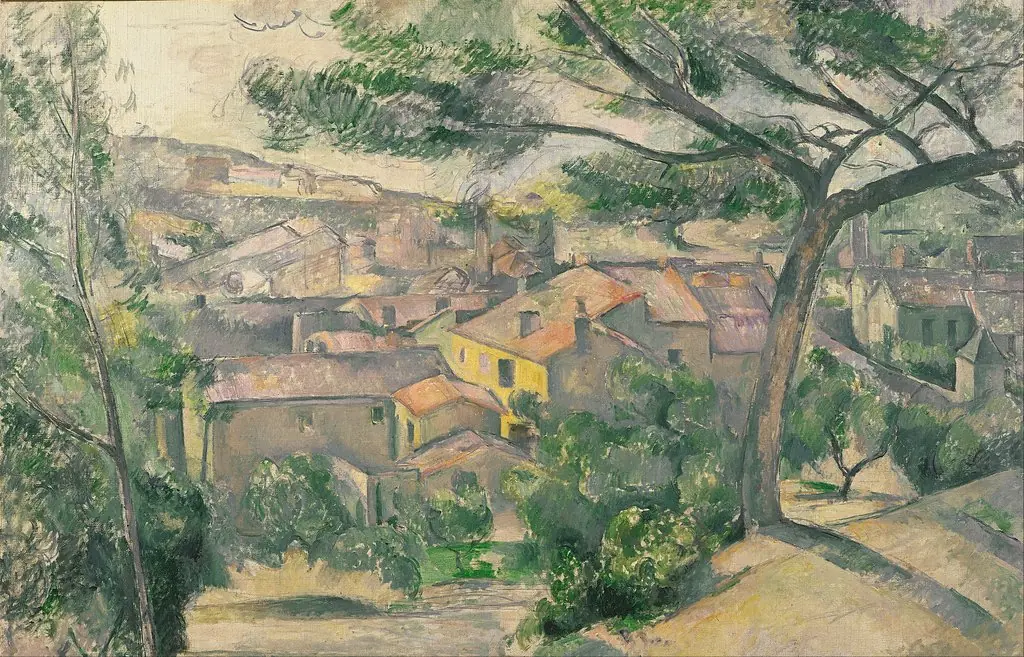 Morning View of L'Estaque Against the Sunlight
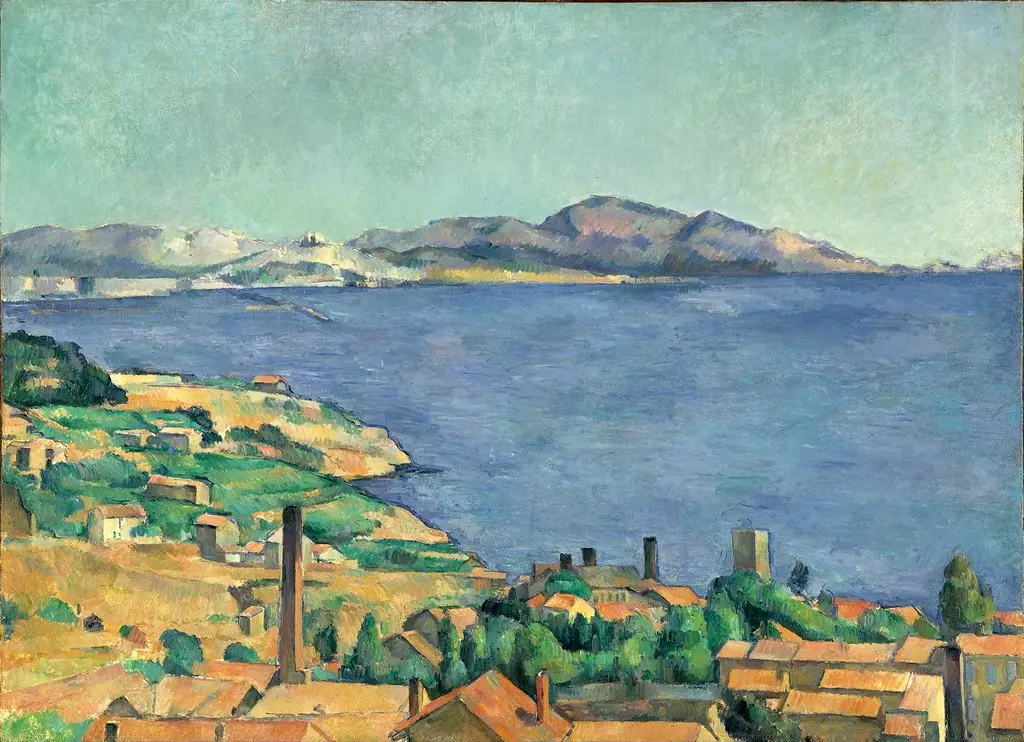 The Gulf of Marseilles Seen from L'Estaque
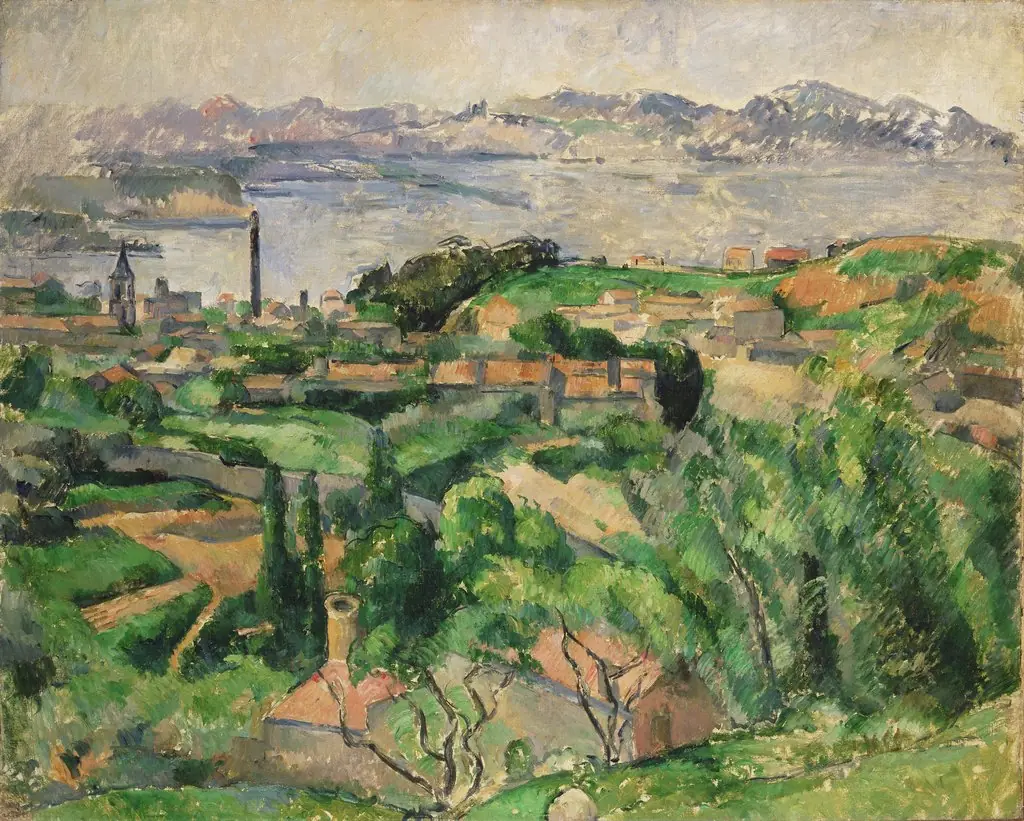 View of the Bay of Marseille with the Village of Saint-Henri
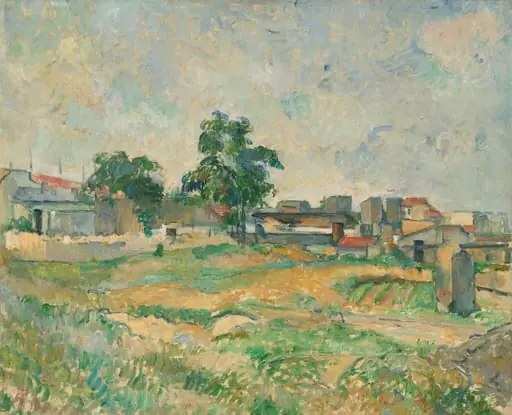 Landscape near Paris