Artwork
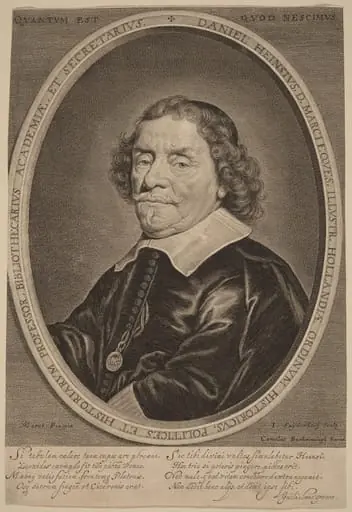
Portrait of an English Minister
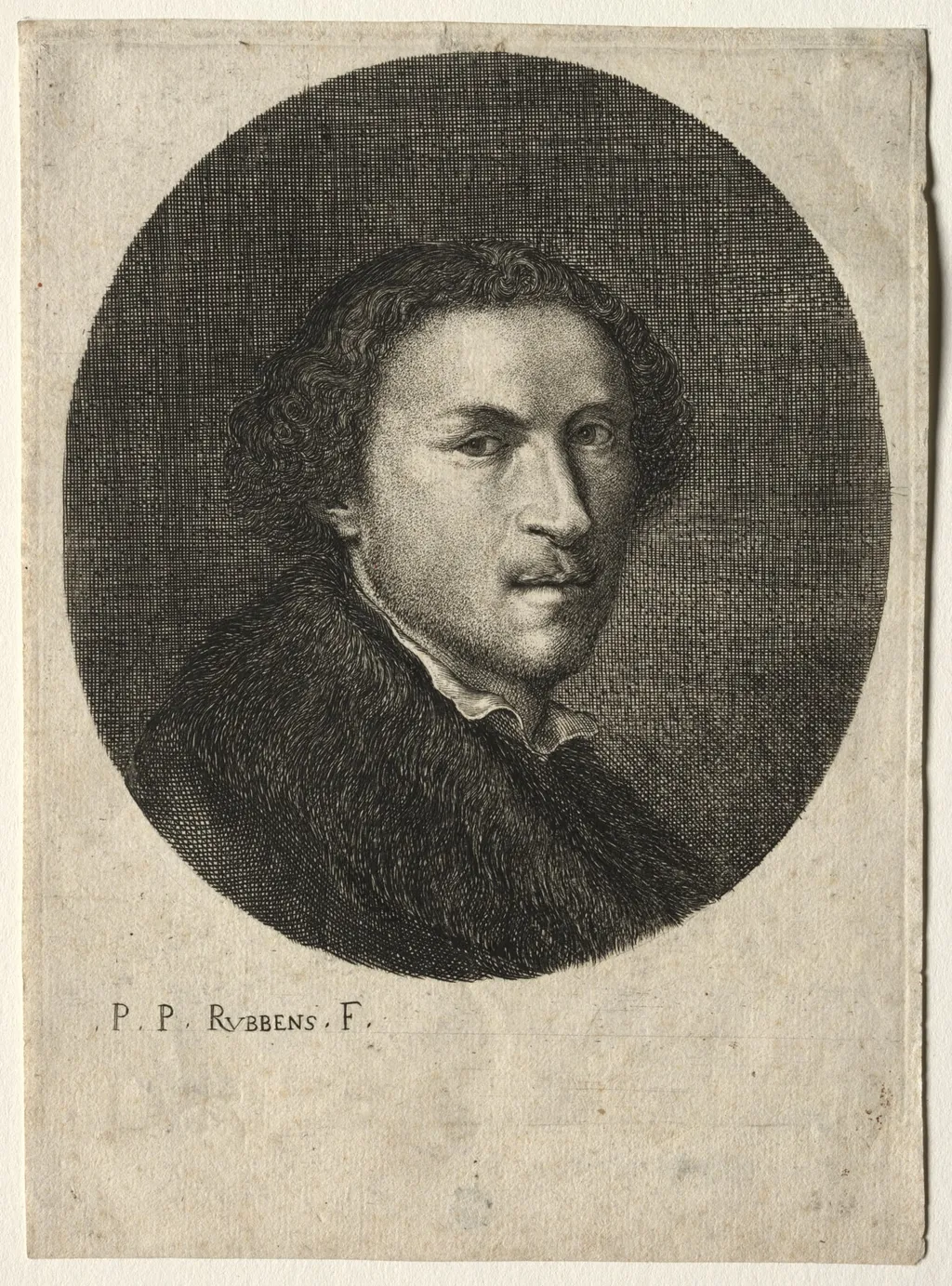
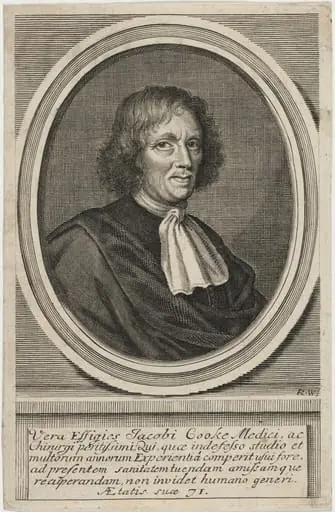
Portrait of an English Minister is a print by Peter Paul Rubens. It dates from 1618 and is held in the collection of the Cleveland Museum of Art.
- Accession no.
- 1943.616
- Credit line
- Mr. and Mrs. Lewis B. Williams Collection
About this work
Overview
Though best known for grand historical and religious compositions, Rubens also produced intimate portraits, often through preparatory drawings or prints.
Created around 1618, this black-and-white print is attributed to Peter Paul Rubens, a leading Flemish painter and diplomat. Though best known for grand historical and religious compositions, Rubens also produced intimate portraits, often through preparatory drawings or prints. This work is one such example, executed with precision and a focus on the sitter’s presence. It resides in the collection of The Cleveland Museum of Art.
Subject & Meaning
The subject is an English clergyman, identified by his high lace collar and restrained demeanor. His thick beard and curled hair suggest a man of learning and religious authority. The absence of symbolic objects or elaborate setting emphasizes his intellectual gravitas.
The solemn expression and direct gaze convey quiet dignity, aligning with Protestant ideals of modesty and introspection common among English ministers of the period.
Technique & Style
Rubens employed chiaroscuro to model the face with subtle gradations of light and shadow, defining the contours of the beard and the rigid collar. The lines are carefully rendered, suggesting a drawn original later translated into print. The background is neutral, directing full attention to the head and shoulders.
The technique reflects Rubens’s mastery of tonal modeling, even in monochrome, and his ability to convey texture through line and tone.
History & Provenance
The print bears the inscription 'P.P. Rubens F.', confirming the artist’s authorship. While the original drawing is unlocated, the print likely circulated among collectors and patrons as a study or independent work. It entered The Cleveland Museum of Art’s collection through documented acquisitions, preserving its connection to Rubens’s broader practice in portraiture and graphic art during his early 17th-century career.
Context
In early 17th-century Europe, portraits of clergy were increasingly valued as expressions of personal and institutional identity. Rubens, though Catholic and based in Antwerp, maintained diplomatic ties with England and encountered Protestant figures during his travels. This portrait reflects cross-cultural exchange, capturing an English minister through the lens of Flemish Baroque realism, without overt religious symbolism.
Legacy
This print exemplifies Rubens’s versatility beyond large-scale canvases, demonstrating his skill in capturing psychological depth through graphic media. It influenced later portraitists in both England and the Low Countries who sought to blend naturalism with dignified restraint. As a preserved example of his graphic work, it contributes to understanding how his artistic principles extended into intimate, non-commissioned forms.
Own this work as a print
Artist & collection
Artist
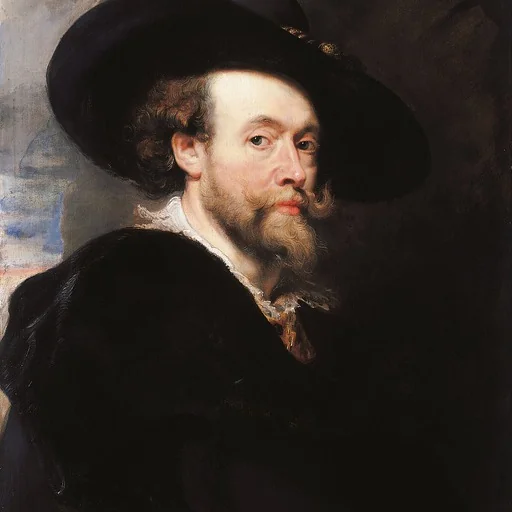
Sir Peter Paul Rubens ( ROO-bənz; Dutch:; 28 June 1577 – 30 May 1640) was a Flemish artist and diplomat.