Artwork
Jason and the Golden Fleece
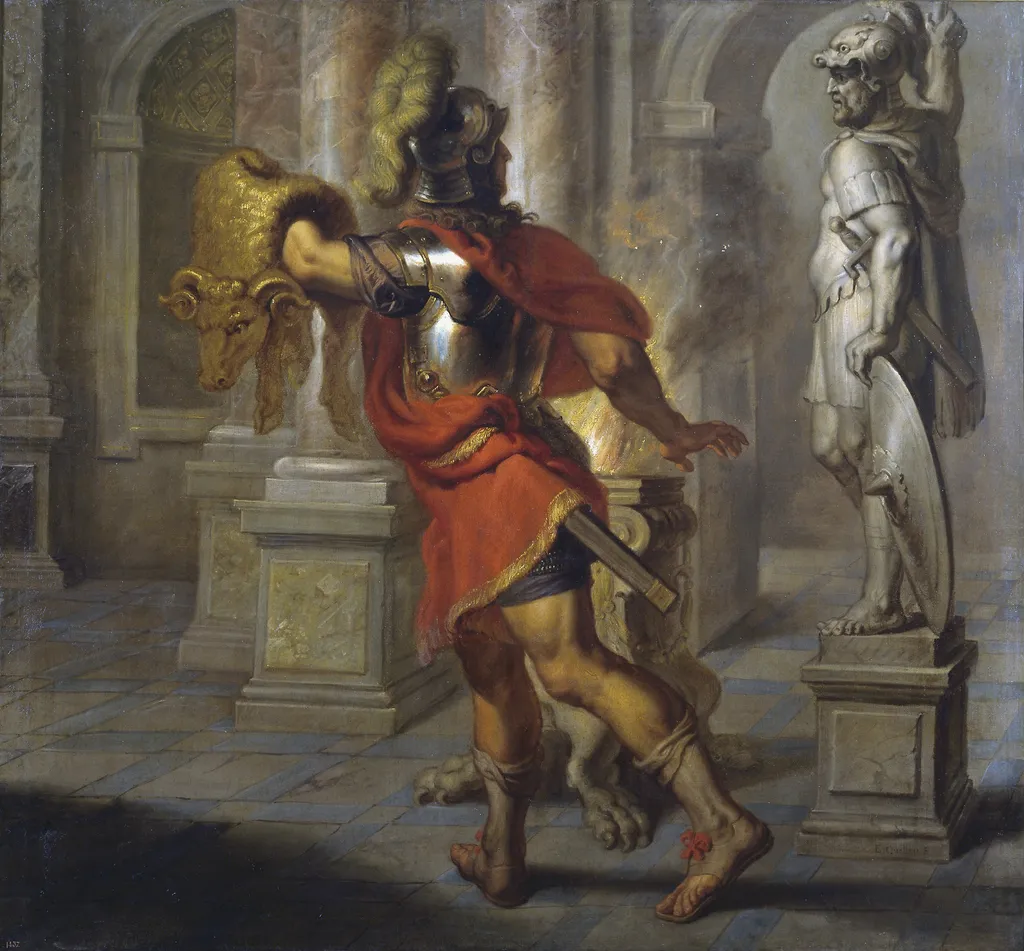
Jason and the Golden Fleece is an oil painting by the Flemish Baroque painting artist Peter Paul Rubens. It dates from 1630 and is held in the collection of the Museo del Prado.
About this work
Subject & Meaning
Symbolically, the Golden Fleece connects to King Philip IV of Spain, who was born under the sign of Aries, the animal associated with the fleece.
The painting depicts Jason, the hero of the Argonaut myth, holding the Golden Fleece, the objective of his expedition. He is portrayed wearing armor draped in a red mantle, with a pose recalling the Apollo Belvedere, while gazing toward a statue of Mars modeled after the Mars Ultor in Rome. The scene is set within the Temple of Mars, reflecting Hyginus's version of the myth where the fleece resides in a sanctuary rather than hanging from a tree, differing from Apollonius of Rhodes's account.
Iconographic details include an altar base featuring dragon claws, alluding to the dragon that guarded the fleece in Ovid's narrative. Symbolically, the Golden Fleece connects to King Philip IV of Spain, who was born under the sign of Aries, the animal associated with the fleece.
Technique & Style
The work is executed in oil paint on a canvas support. Created by Erasmus Quellinus II, likely in 1630 or between 1636 and 1638, the painting measures 181 cm in height and 195 cm in width. It derives from a sketch by Peter Paul Rubens, with Quellinus maintaining a faithful adherence to the master's original composition.
The formal style depicts the hero Jason in armor wrapped in a red mantle, holding the Golden Fleece while gazing at a statue of Mars. The figure's pose references the Apollo Belvedere, while the setting is a temple of Mars featuring an altar with dragon-leg supports, alluding to the dragon that guarded the fleece in Ovid's version of the myth.
History & Provenance
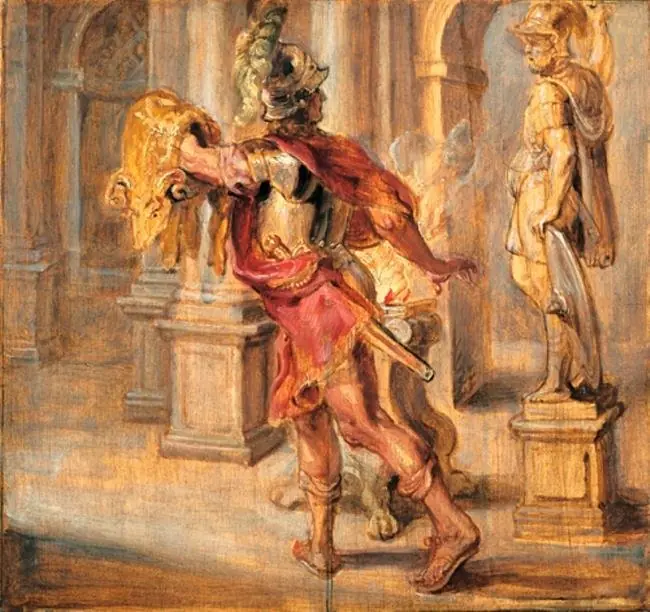
The work originated as a modello by Peter Paul Rubens, painted circa 1630 as a preparatory sketch for the larger mythological cycle in the Torre de la Parada, commissioned by Philip IV of Spain. Rubens’s modello is today in the Royal Museums of Fine Arts of Belgium, Brussels.
The painting under discussion is a studio variant by Erasmus Quellinus the Younger, executed in 1630 or between 1636 and 1638. It entered the collection of the Museo del Prado, Madrid, where it remains.
The painting Jason and the Golden Fleece by Erasmus Quellinus II is held in the collection of the Museo del Prado in Madrid. While specific inventory or accession numbers are not provided in the available sources, the work is identified as part of the museum's permanent holdings. The painting derives from a sketch by Peter Paul Rubens, which is currently conserved at the Royal Museums of Fine Arts of Belgium in Brussels.
The work was created either in 1630 or between 1636 and 1638. The provided sources do not contain any information regarding a specific exhibition history for this piece.
Context
Painted in 1630, Jason and the Golden Fleece was produced by Erasmus Quellinus II as a collaborative realization of a sketch by his master, Peter Paul Rubens, whose preparatory design is preserved in the Royal Museums of Fine Arts of Belgium in Brussels. The work is held today in the Museo del Prado in Madrid. Its mythological subject is drawn from the version of the Argonaut story recorded by Hyginus rather than the more familiar account in Apollonius of Rhodes's Argonautica, with the fleece located in the temple of Mars rather than hung from a tree; an altar with dragon-pawed feet alludes to Ovid's variant, in which a dragon guards the fleece.
According to Frederick de Armas, the iconography was linked to Philip IV of Spain, who was born under the sign of Aries, the ram of the fleece. Compared with other Rubens pupils, Quellinus remained notably faithful to his master's sketches. The figure's pose echoes the Apollo Belvedere, and the statue of Mars derives from the Mars Ultor preserved in the Capitoline Museums in Rome.
Legacy
The painting Jason and the Golden Fleece by Erasmus Quellinus II, completed around 1630 and now housed in the Museo del Prado, Madrid, played a modest but documented role in shaping later interpretations of the myth in Spanish and Flemish art. It was based on a sketch by Peter Paul Rubens and reflects a specific version of the Jason myth drawn from classical sources rather than the more widely known version by Apollonius of Rhodes. Frederick de Armas notes that the work links the golden fleece to the Spanish monarch Philip IV through symbolic associations with the ram, reinforcing royal imagery.
The composition, which draws on both classical sculpture such as the Apollo Belvedere and contemporary allegory, was recognized in 19th-century art historical discourse as part of the broader tradition of mythological painting in the Flemish Baroque. Its influence is cited in studies of mythological imagery in 17th-century European courts, particularly in relation to diplomatic gift exchanges and emblematic cycles. The work is referenced in scholarly analyses of Rubens' studio practices and the transmission of artistic ideas through workshop reproduction.
Overview
Created in 1630, this oil painting by the Flemish artist Peter Paul Rubens portrays the myth of Jason and the Golden Fleece. Executed in the vigorous Baroque style that Rubens helped define, the work now belongs to the collection of the Museo del Prado in Madrid.
Own this work as a print
Artist & collection
Artist
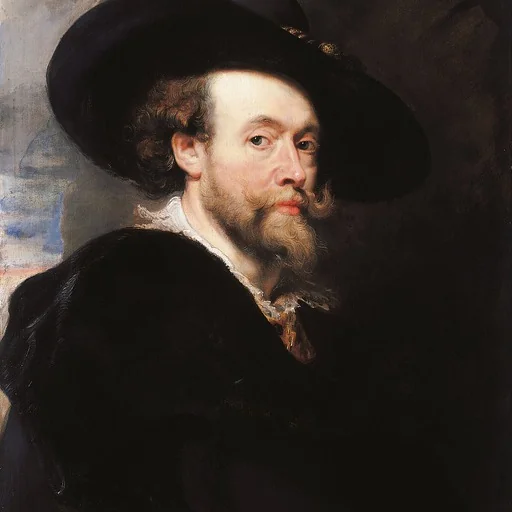
Sir Peter Paul Rubens ( ROO-bənz; Dutch:; 28 June 1577 – 30 May 1640) was a Flemish artist and diplomat.

 Death of Epaminondas
 Perseus Confronting Phineus with the Head of Medusa
 Mucius Scaevola before Lars Porsenna
 Decius Mus Addressing the Legions
 Saint George and the Dragon
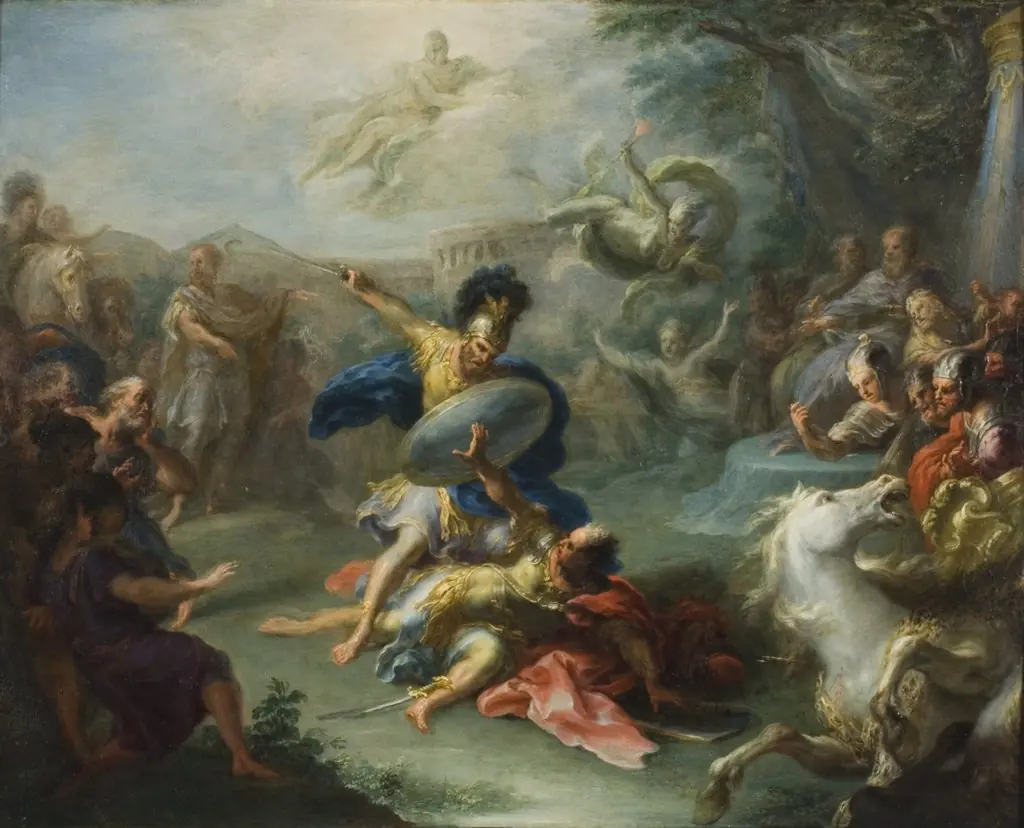 The Fight between Aeneas and King Turnus, from Virgil’s Aeneid
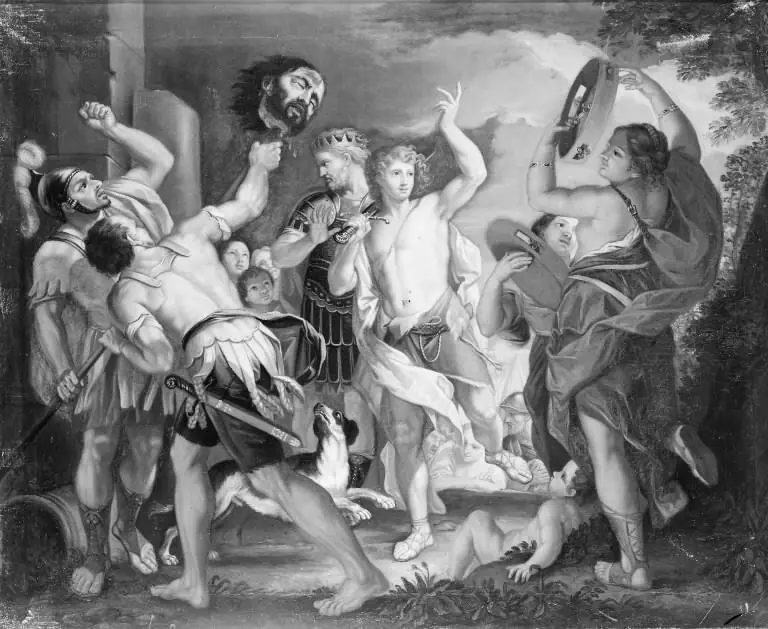 David med Goliats sværd på skulderen. Andre med hans hoved på en stage
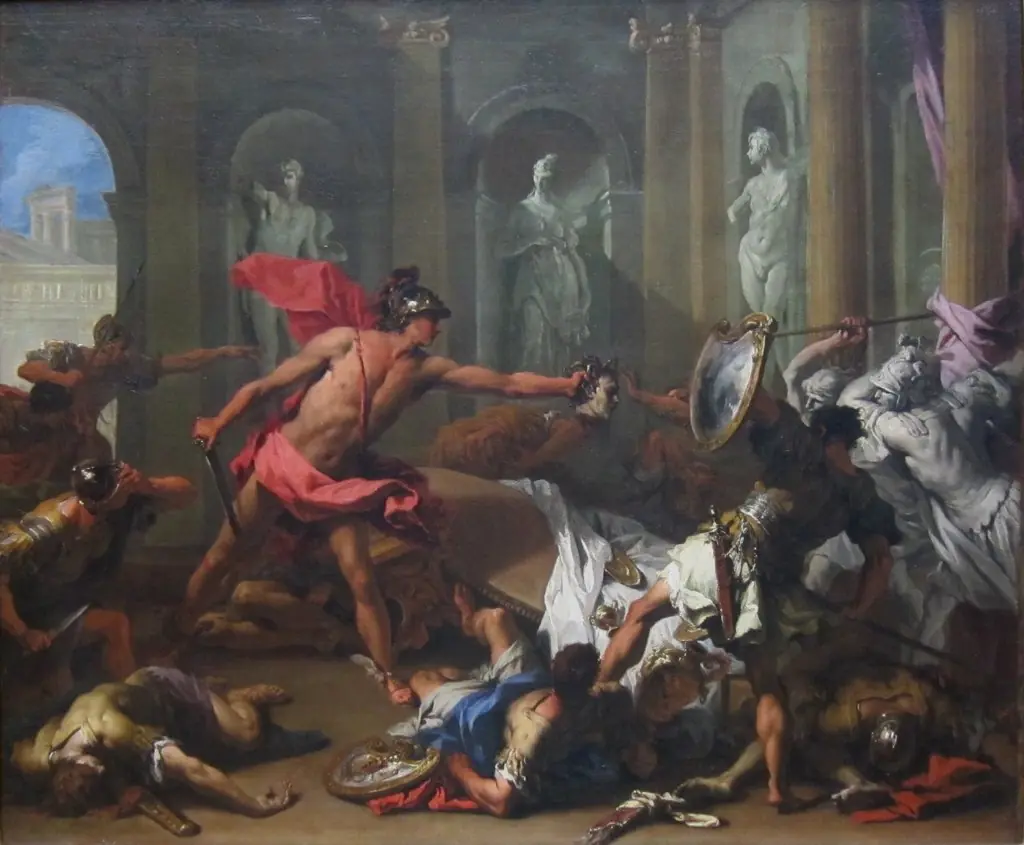 Perseo affronta Fineo con la testa di Medusa
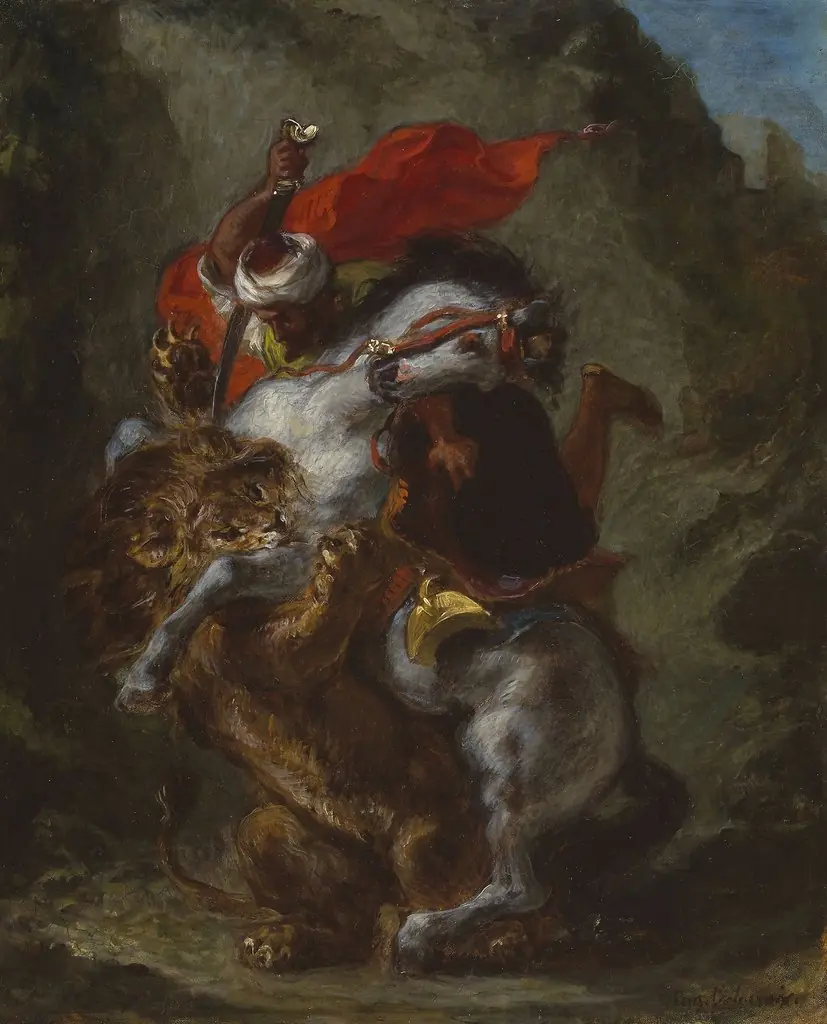 Arab Horseman Attacked by a Lion
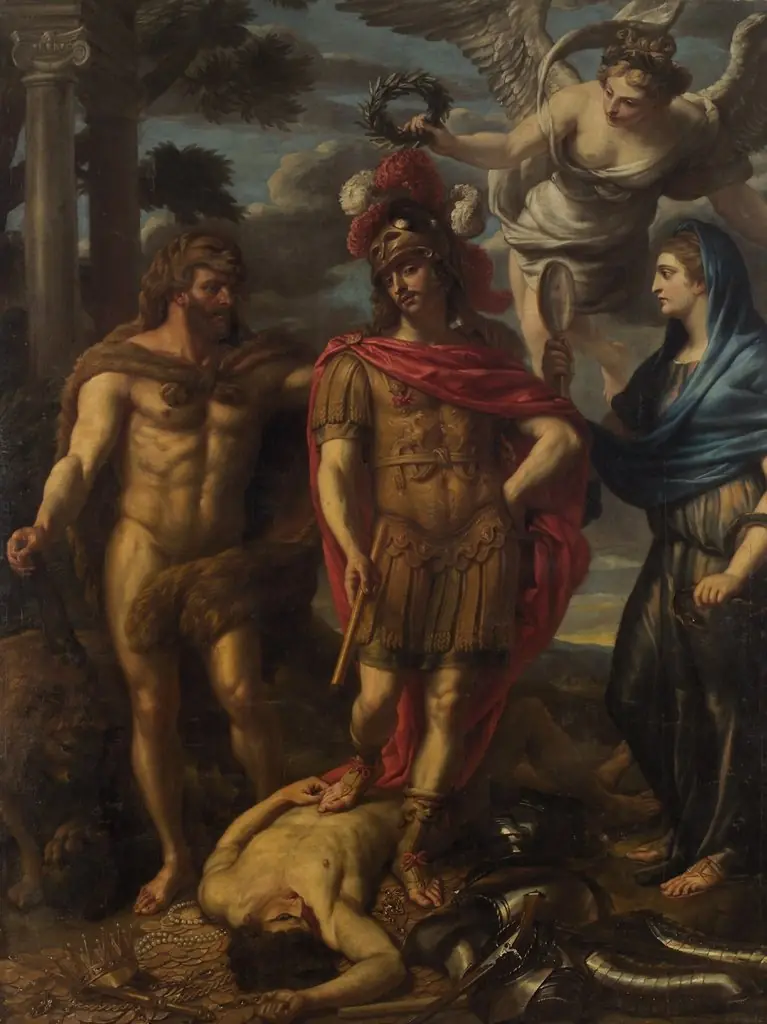 Virtue Overcoming Avarice
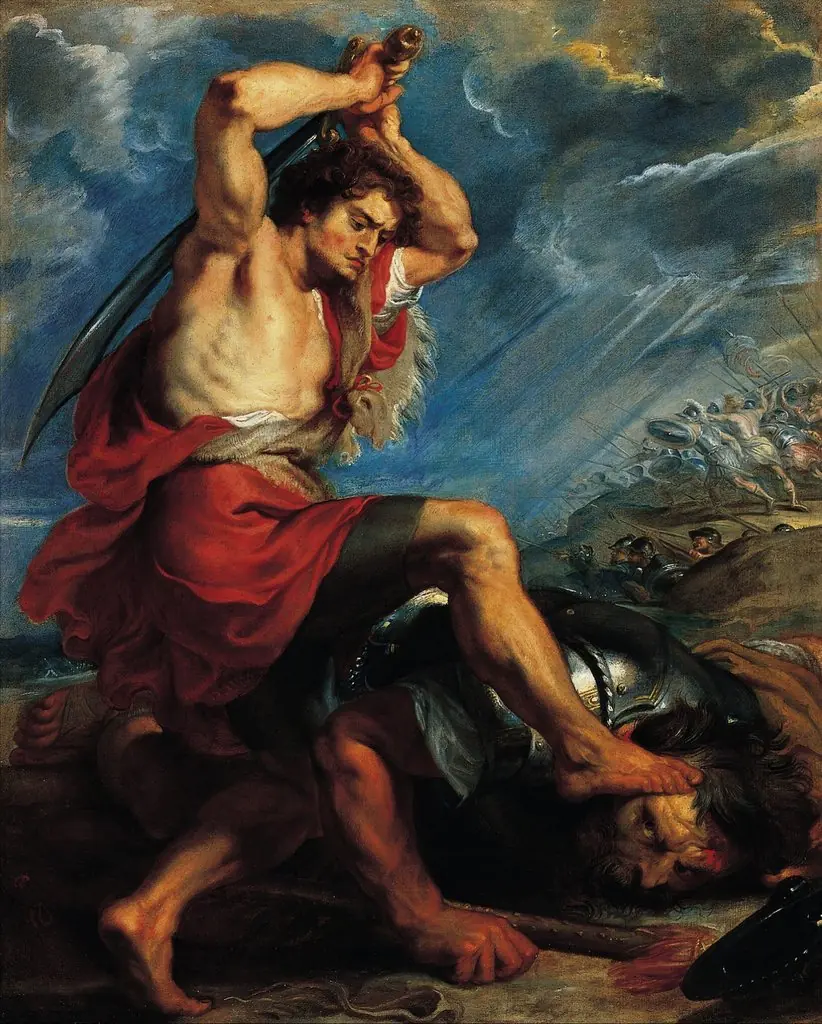 David Slaying Goliath
- Jason and the Golden Fleece (sketch for the Torre de la Parada