Artwork
Penitent Maddalene with her sister Martha
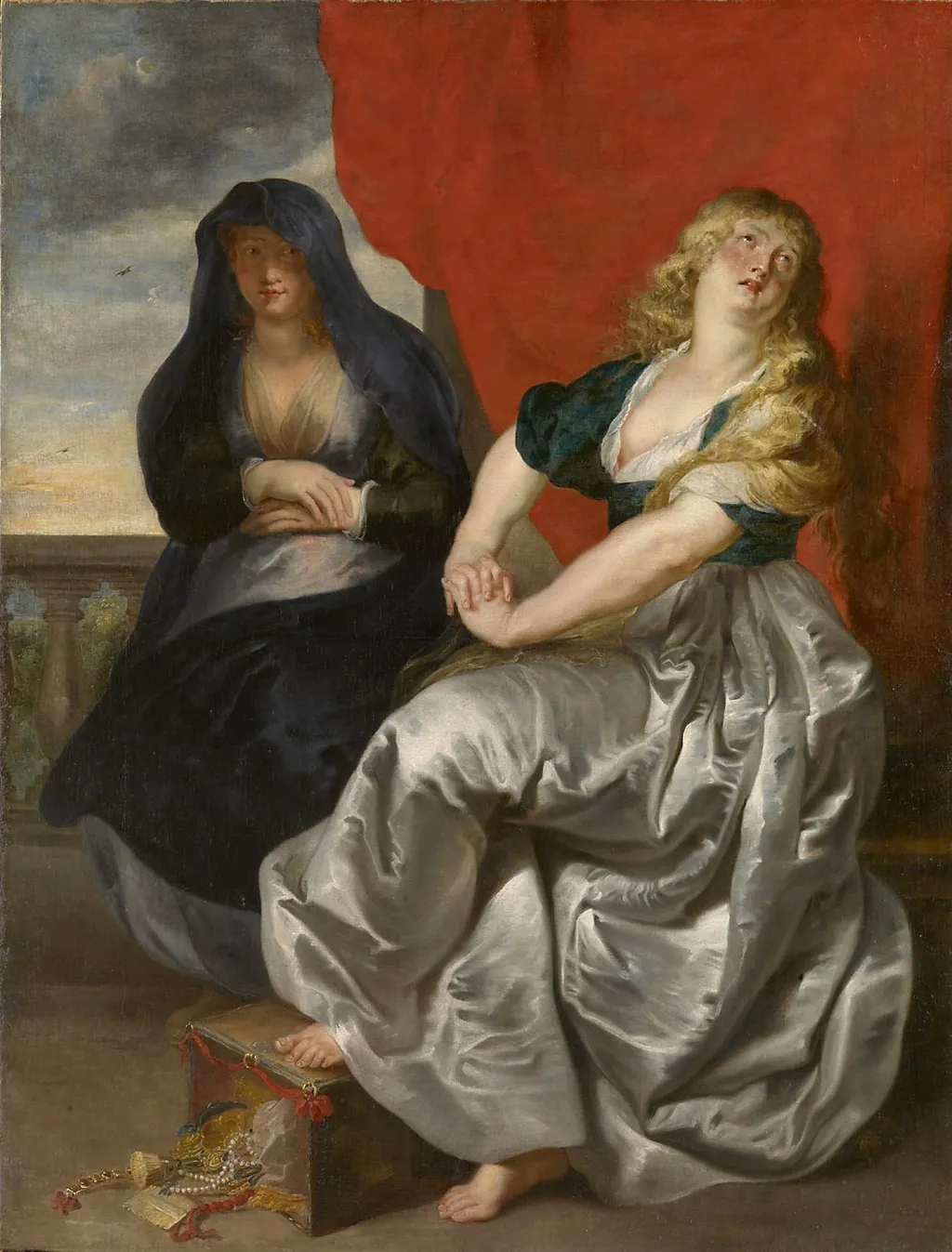
Penitent Maddalene with her sister Martha is an oil painting by the Flemish Baroque painting artist Peter Paul Rubens. It dates from 1620 and is held in the collection of the Kunsthistorisches Museum.
About this work
Subject & Meaning
Created in 1620, this religious oil painting by Peter Paul Rubens depicts the Penitent Magdalene alongside her sister Martha.
Created in 1620, this religious oil painting by Peter Paul Rubens depicts the Penitent Magdalene alongside her sister Martha. The work identifies Mary Magdalene as the primary subject, portraying her in a state of penitence, a common theme in Counter-Reformation art emphasizing repentance and spiritual conversion. The inclusion of Martha serves to contextualize the narrative within the biblical story of the sisters, contrasting the contemplative, repentant life of Mary with the active service often associated with Martha.
As a piece of religious art housed in the Kunsthistorisches Museum, the canvas utilizes these figures to explore themes of redemption and the duality of human experience through the lens of Catholic devotion.
Technique & Style
Executed in 1620, this religious painting by Peter Paul Rubens utilizes oil paint applied to a canvas support. The work measures 205 cm in height and 157 cm in width. Stylistically, the composition focuses on the depiction of the Penitent Magdalene alongside her sister Martha, adhering to the conventions of religious art from the period.
History & Provenance
Peter Paul Rubens painted Penitent Maddalene with her sister Martha in 1620 as an oil on canvas work depicting Mary Magdalene in repentance alongside her sister Martha. The painting entered the collection of the Kunsthistorisches Museum in Vienna, where it remains on display. Its dimensions are 205 cm by 157 cm, and it is classified as a religious work from the early 17th century.
The painting is held by the Kunsthistorisches Museum in Vienna, where it is inventoried as a work by Peter Paul Rubens.
It was first documented in the museum’s holdings in 1620, the year given for its creation.
The work has remained in the museum’s collection since its acquisition, with no record of subsequent transfers or restitutions.
Overview
Created in 1620 by the Flemish painter and diplomat Peter Paul Rubens, this oil painting presents a quiet interior scene featuring two women. The work is part of the collection of the Kunsthistorisches Museum in Vienna and exemplifies the dramatic yet intimate approach characteristic of the Flemish Baroque period.
Context
The composition aligns with Rubens’s broader interest in religious subjects during the Counter‑Reformation, when depictions of penitence served both devotional and didactic purposes. By portraying the sisters together, Rubes juxtaposes the active, hospitable Martha with the contemplative, repentant Mary Magdalene, a contrast often explored in Baroque art.
Legacy
Rubens’s treatment of the Penitent Magdalene contributed to a visual tradition that influenced later artists’ portrayals of repentance and female sanctity. The painting remains a reference point for scholars studying Rubens’s synthesis of narrative intimacy and Baroque theatricality.
Artist & collection
Artist
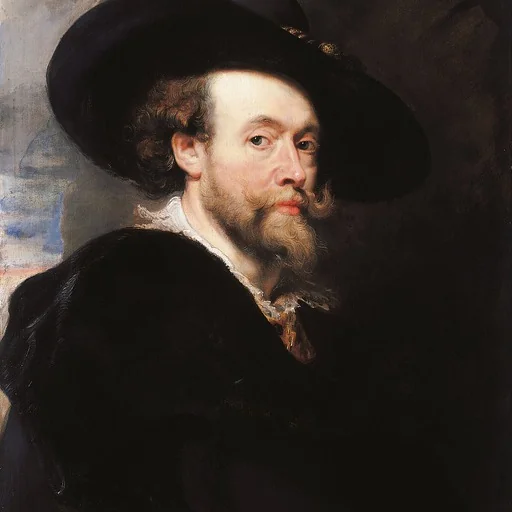
Sir Peter Paul Rubens ( ROO-bənz; Dutch:; 28 June 1577 – 30 May 1640) was a Flemish artist and diplomat.


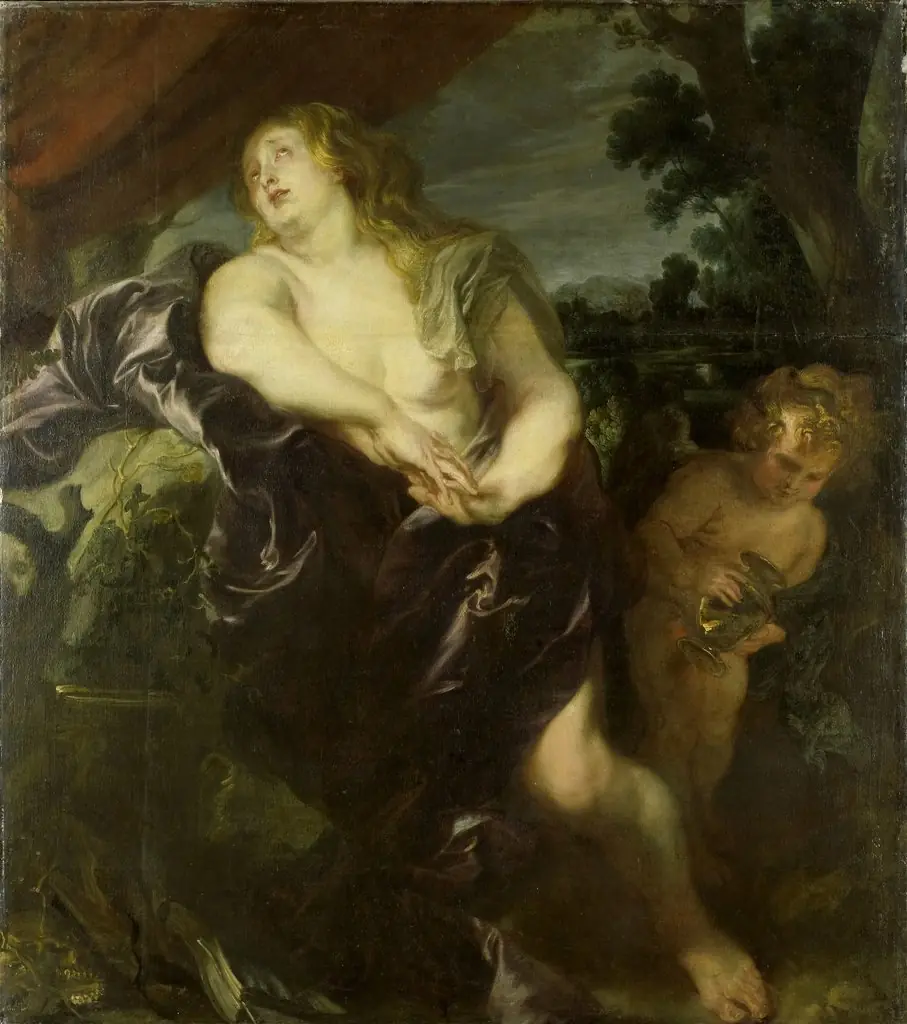
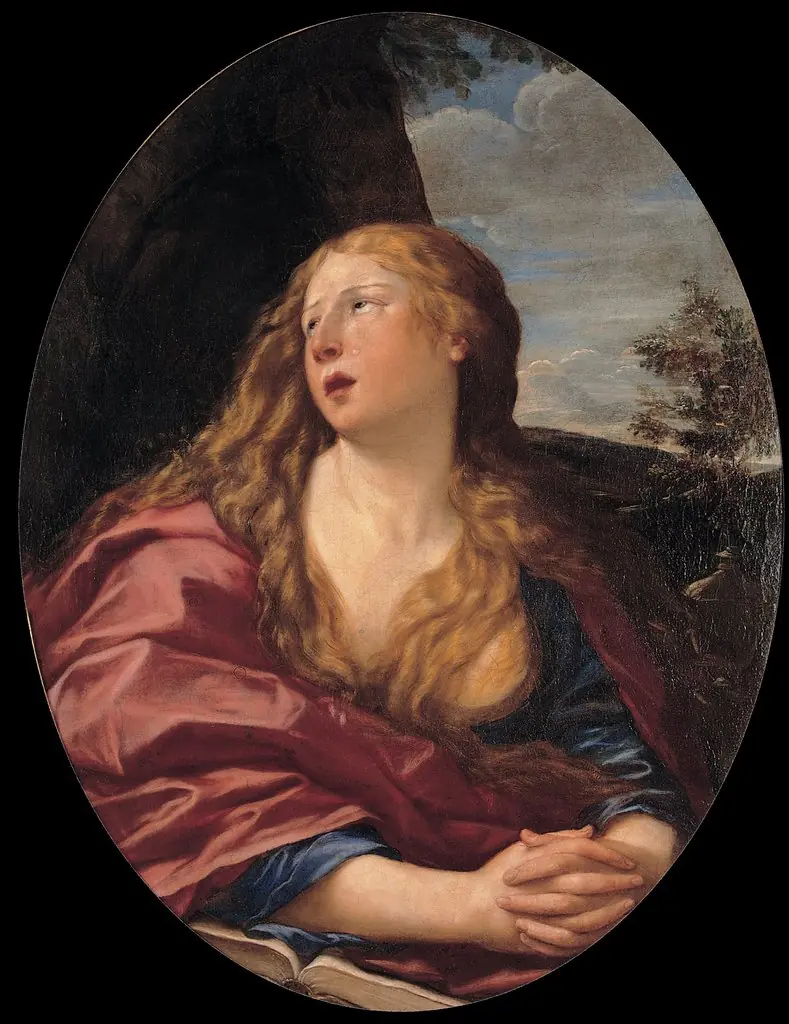 Penitent Magdalene
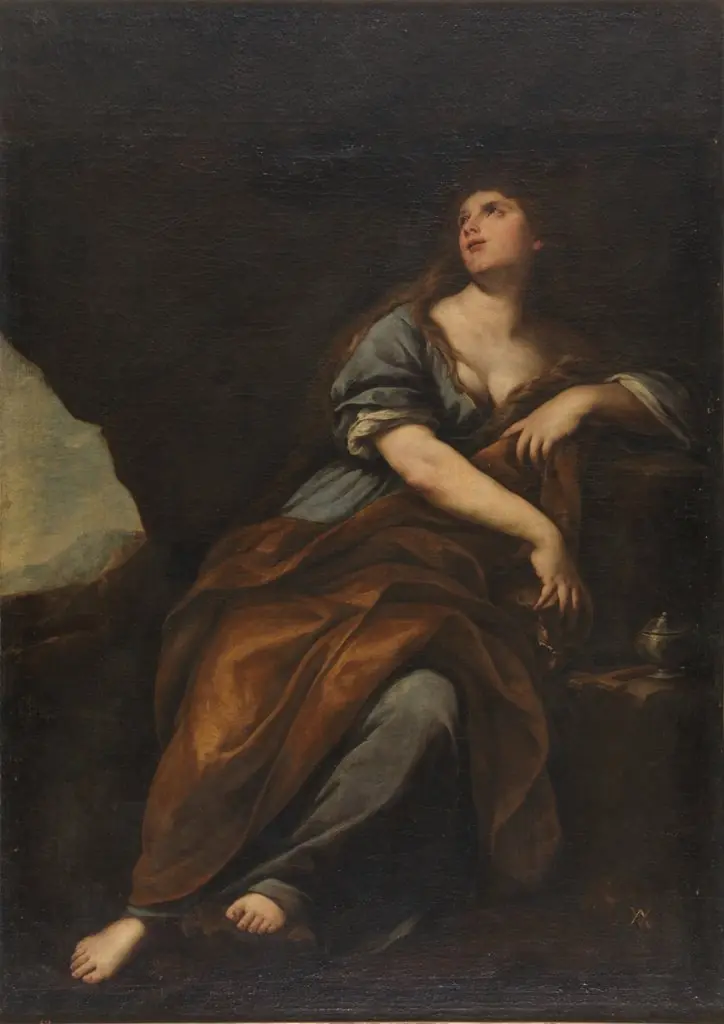 Penitent Magdalene
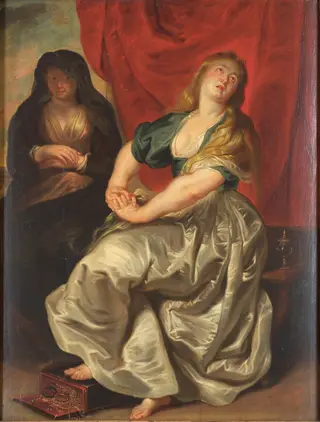 The Repentant Magdalene
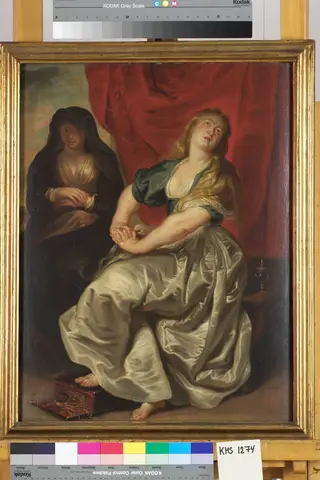 The Repentant Magdalene
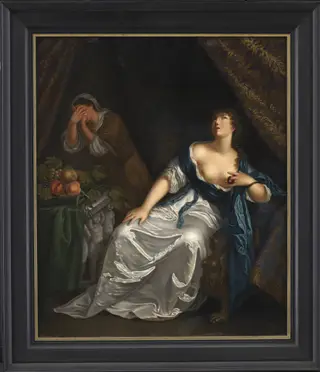 The Death of Cleopatra. Laterally reversed copy after Caspar Netscher in the Staatliche Kunsthalle in Karlsruhe
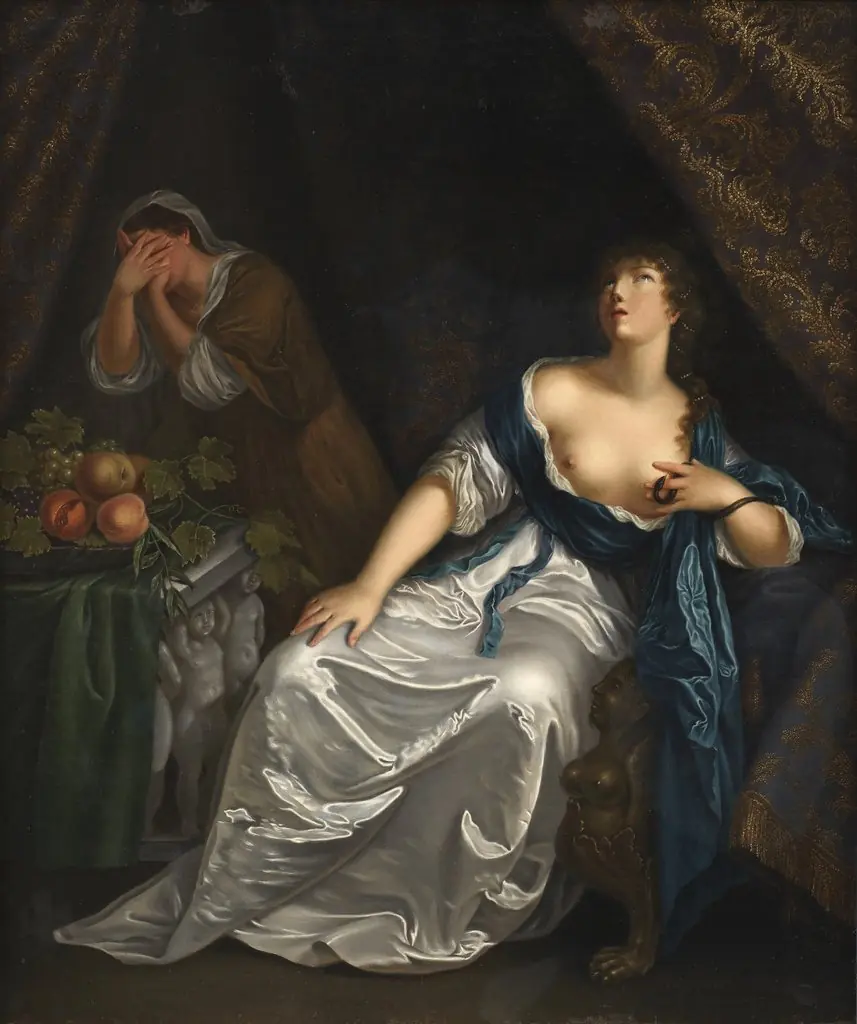 The death of Cleopatra
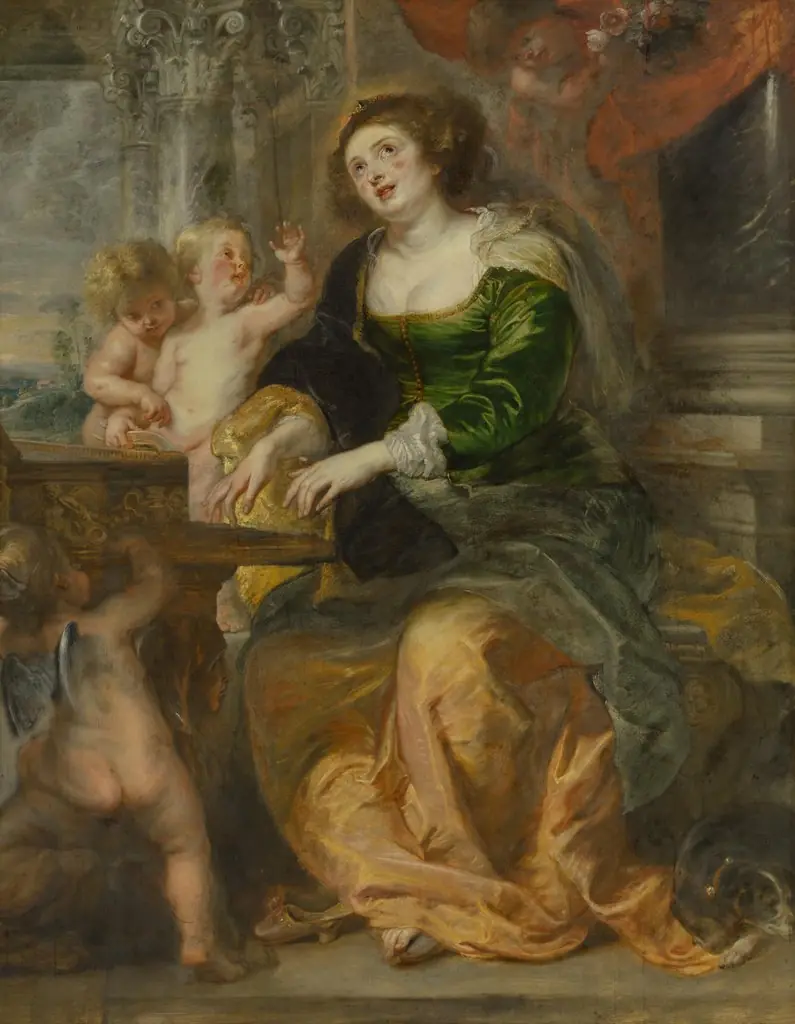 Saint Cecilia playing the virginal
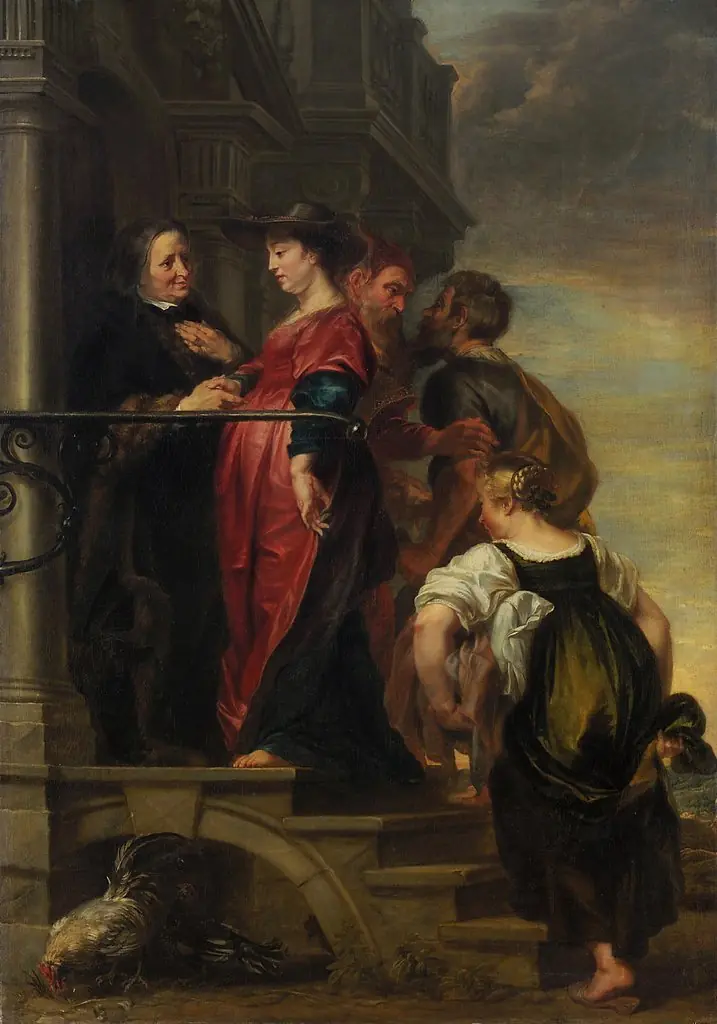 The Visitation
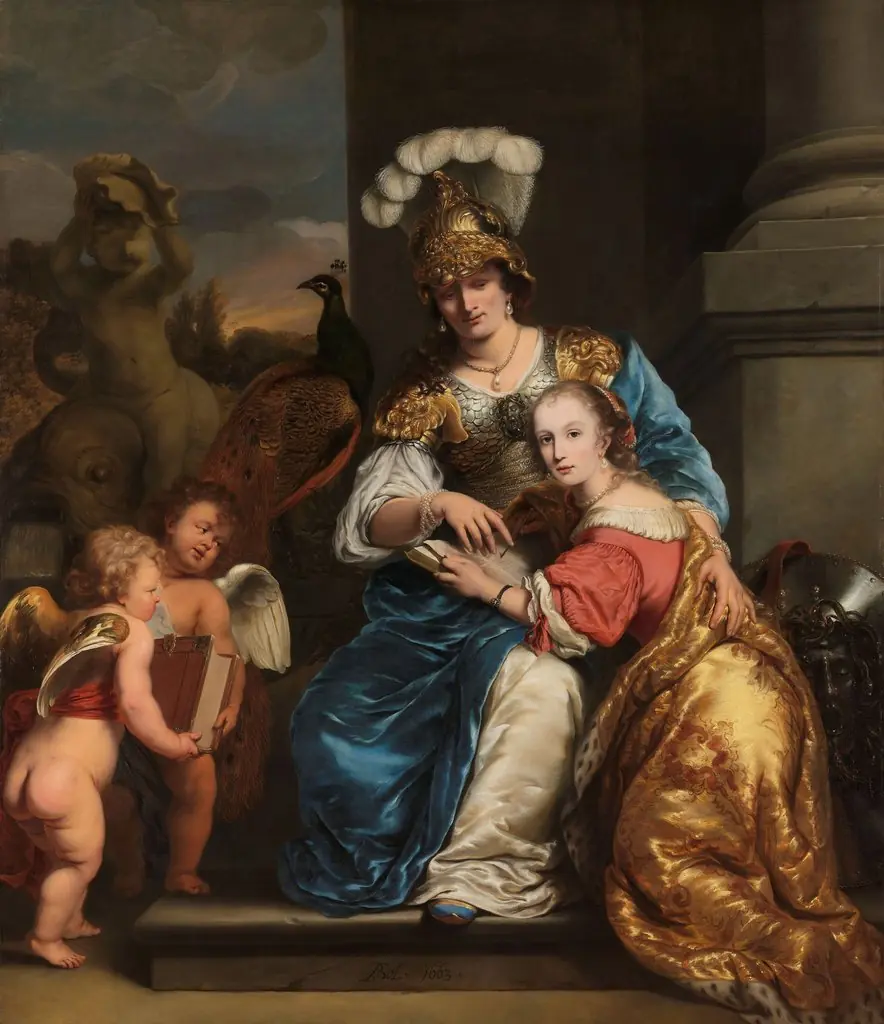 Margarita Trip as Minerva, Instructing her Sister Anna Maria Trip
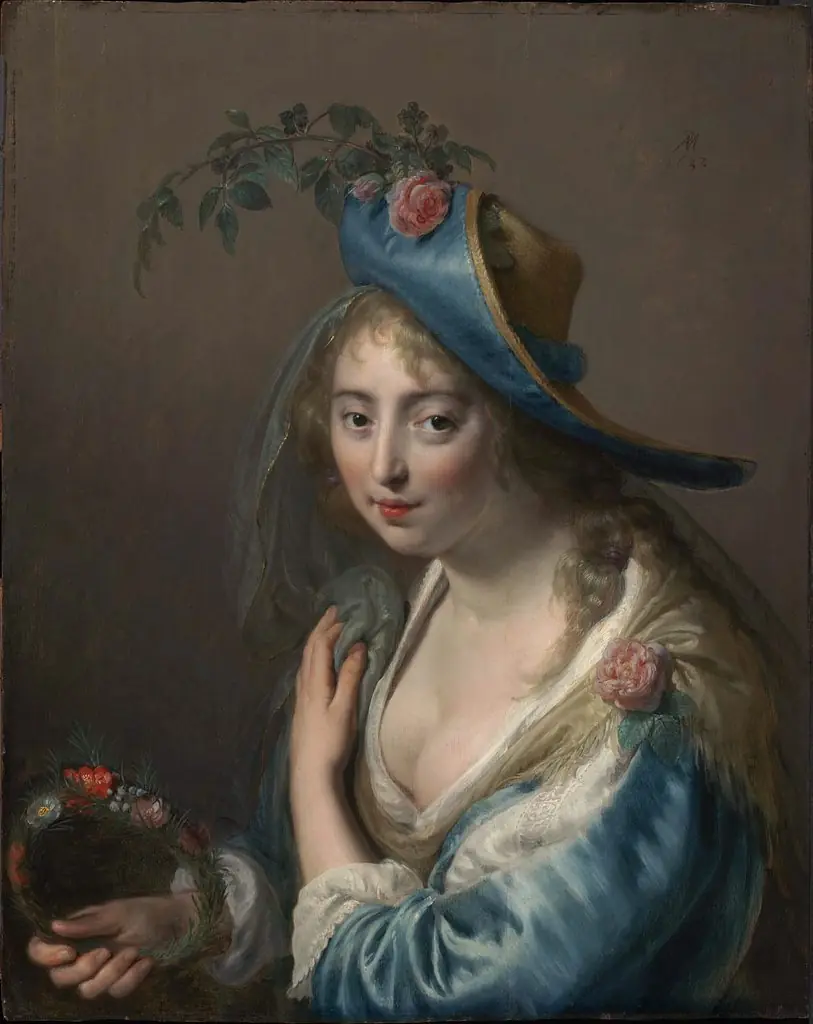 Portrait of a Young Woman as Flora
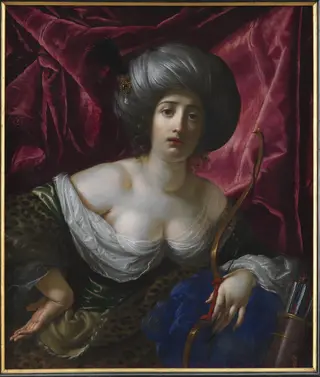 Woman Portrayed as the Goddess Diana
- The penitent Mary Magdalene