Artwork
Philip II on Horseback
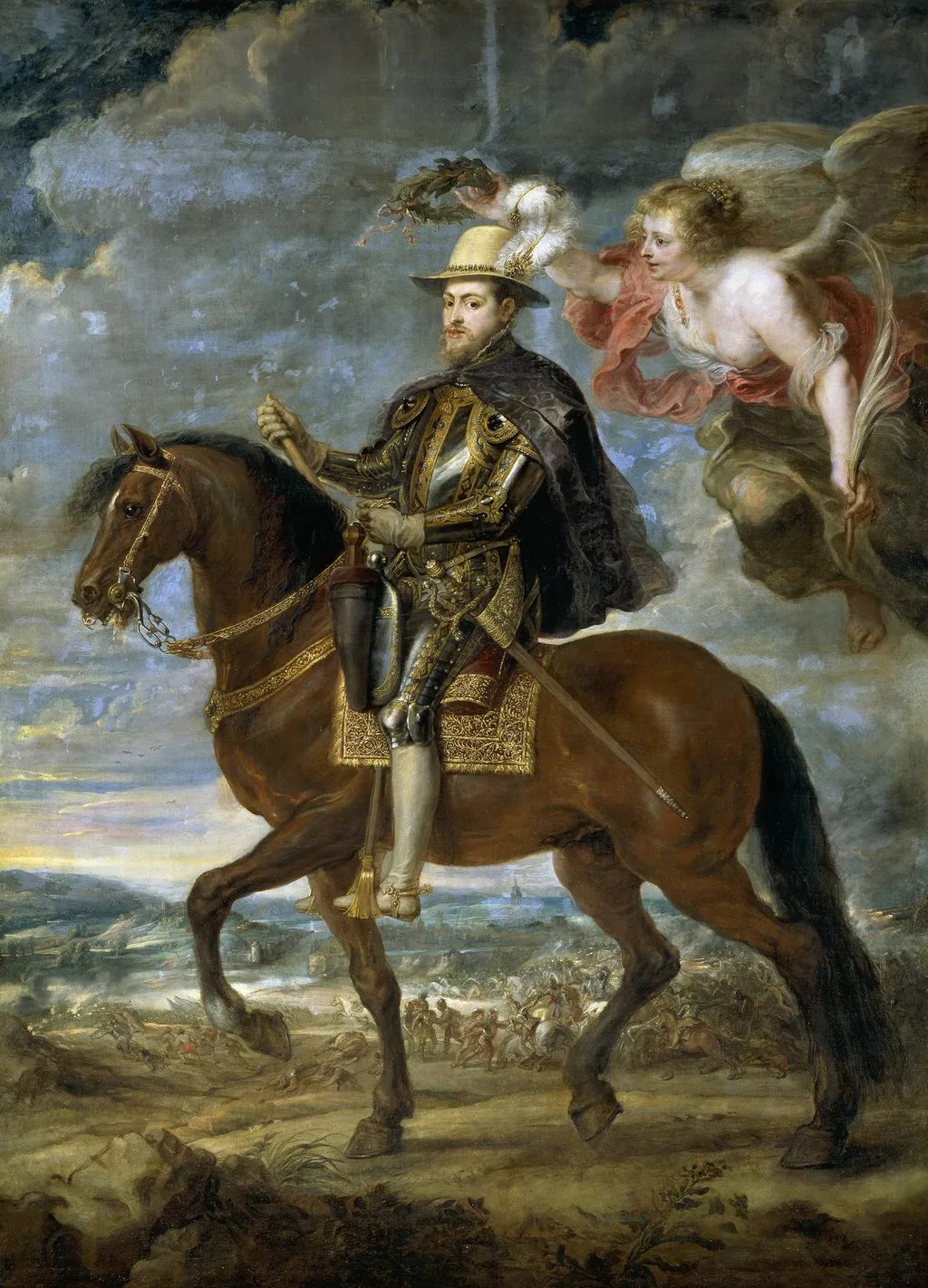
Philip II on Horseback is an oil painting by the Flemish Baroque painting artist Peter Paul Rubens. It dates from 1635 and is held in the collection of the Museo del Prado.
About this work
Subject & Meaning
Created by Peter Paul Rubens, the painting presents the Spanish ruler in a dynamic, commanding pose typical of the equestrian portrait genre.
The work is an equestrian portrait depicting Philip II of Spain as the primary subject. The monarch is shown mounted on a horse, attired in body armor and carrying a sword, while wearing a hat. This composition functions as a formal royal portrait that visually emphasizes the king's martial authority and status.
Created by Peter Paul Rubens, the painting presents the Spanish ruler in a dynamic, commanding pose typical of the equestrian portrait genre.
Technique & Style
Philip II on Horseback is an oil painting executed on canvas, a medium and support consistent with Rubens's mature portrait practice. The work takes the form of an equestrian portrait, depicting the Spanish monarch in body armor, with a sword and hat, set against the composition's vertical orientation. Measuring 251 cm in height and 237 cm in width, the large-scale canvas supports a full-length, mounted presentation of the sitter.
The handling reflects Rubens's characteristic painterly approach to oil on canvas, with the broad surface area allowing for a dynamic interplay between the figure of the horse and rider. The portrait format emphasizes the regal bearing of Philip II of Spain, rendered through the combination of armor, sword, and plumed hat that defines the equestrian convention.
History & Provenance
Painted in 1635, Philip II on Horseback is a full-length equestrian portrait of Philip II of Spain by Peter Paul Rubens. The painting was executed in oil on canvas and measures 251 cm in height by 237 cm in width.
The work entered the Spanish royal collection before passing to the Museo del Prado in Madrid, where it remains today. According to the Prado’s records, the painting was part of the holdings of Ferdinand VII of Spain, indicating that the monarch owned the work prior to its eventual transfer to the museum.
The painting is held in the Museo del Prado in Madrid, where it remains part of the permanent collection.
It is inventoried as P001696 in the museum’s holdings.
The work has been exhibited at the Museo del Prado in 2004 as part of the Rubens exhibition Rubens: The Centuries of a Genius.
Overview
Executed in 1635, this oil painting by the Flemish artist Peter Paul Rubens portrays the Spanish monarch Philip II astride a brown horse. The monarch is clad in full plate armor, a wide‑brimmed hat and a sword, while a winged figure bearing a wreath hovers nearby. The composition combines a turbulent sky and distant battle scene with a calm, authoritative central figure.
Context
The portrait aligns with Rubens’s broader engagement with political portraiture, where he blended classical allegory with contemporary power structures. By integrating mythological symbols such as Victory, the painting situates Philip II within a lineage of heroic rulers, a common practice in Baroque court imagery.
Own this work as a print
Artist & collection
Artist
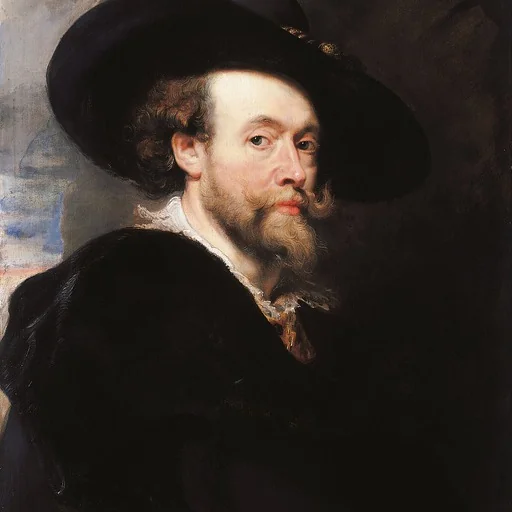
Sir Peter Paul Rubens ( ROO-bənz; Dutch:; 28 June 1577 – 30 May 1640) was a Flemish artist and diplomat.

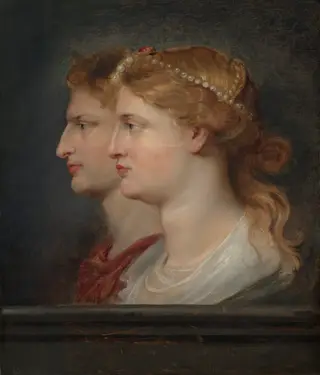
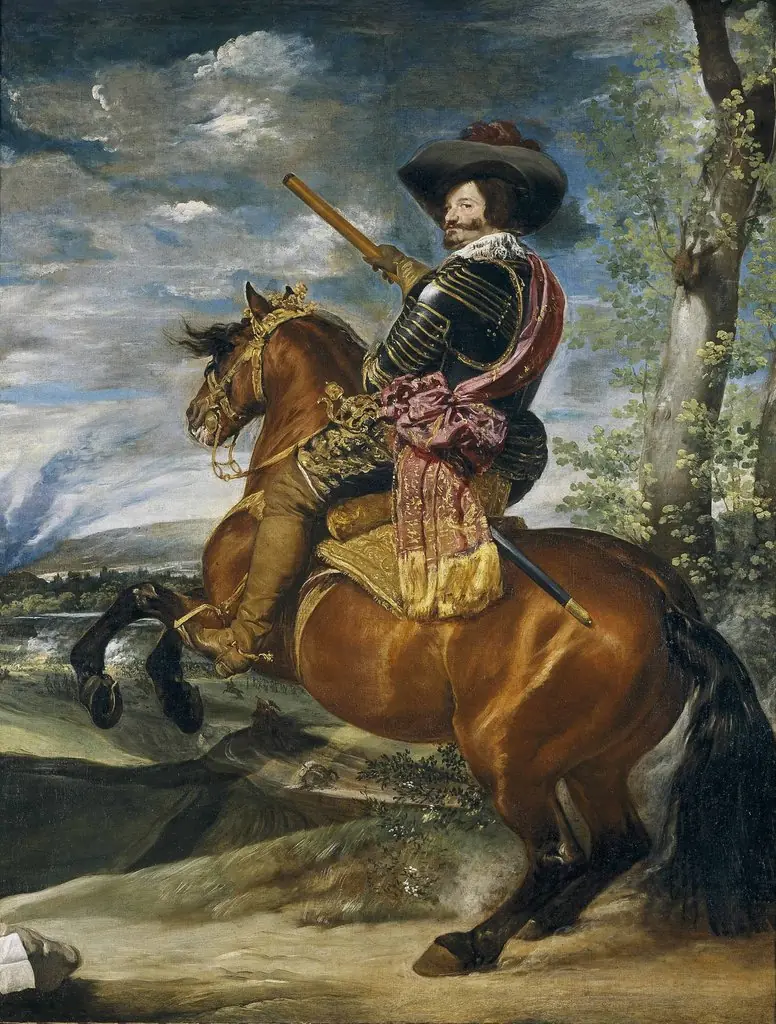 Equestrian Portrait of the Count-Duke of Olivares
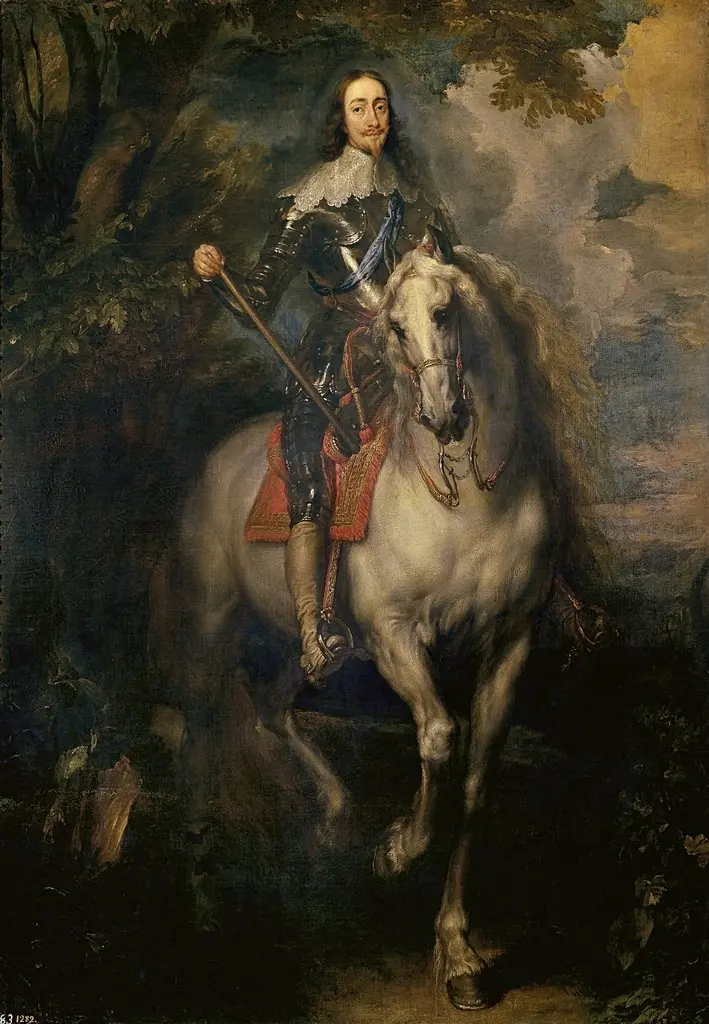 Equestrian portrait of Charles I of England
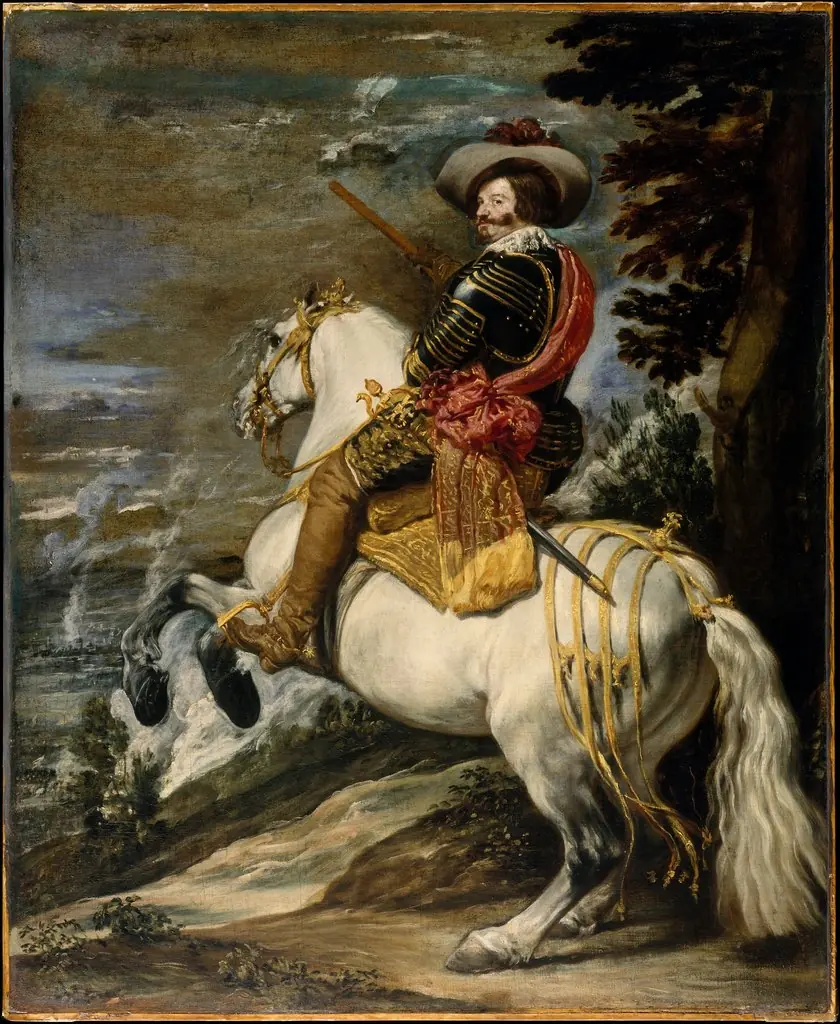 Don Gaspar de Guzmán (1587–1645), Count-Duke of Olivares
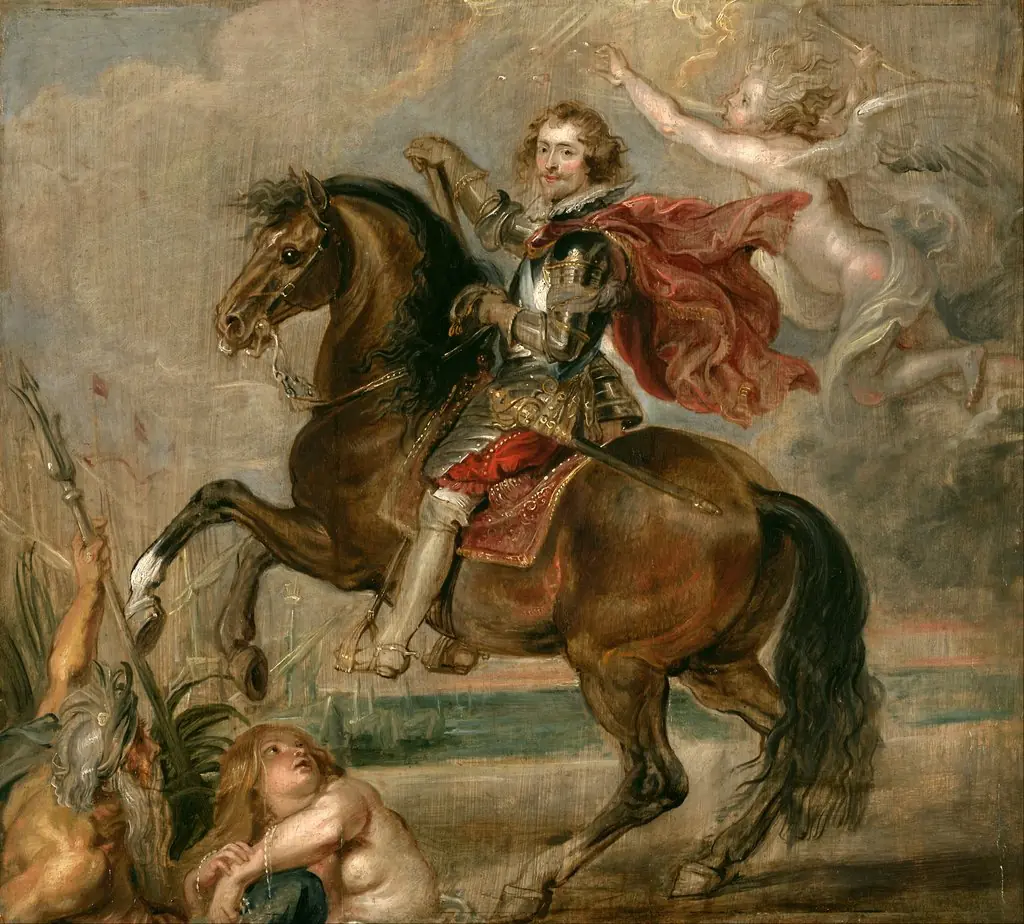 Equestrian Portrait of the Duke of Buckingham
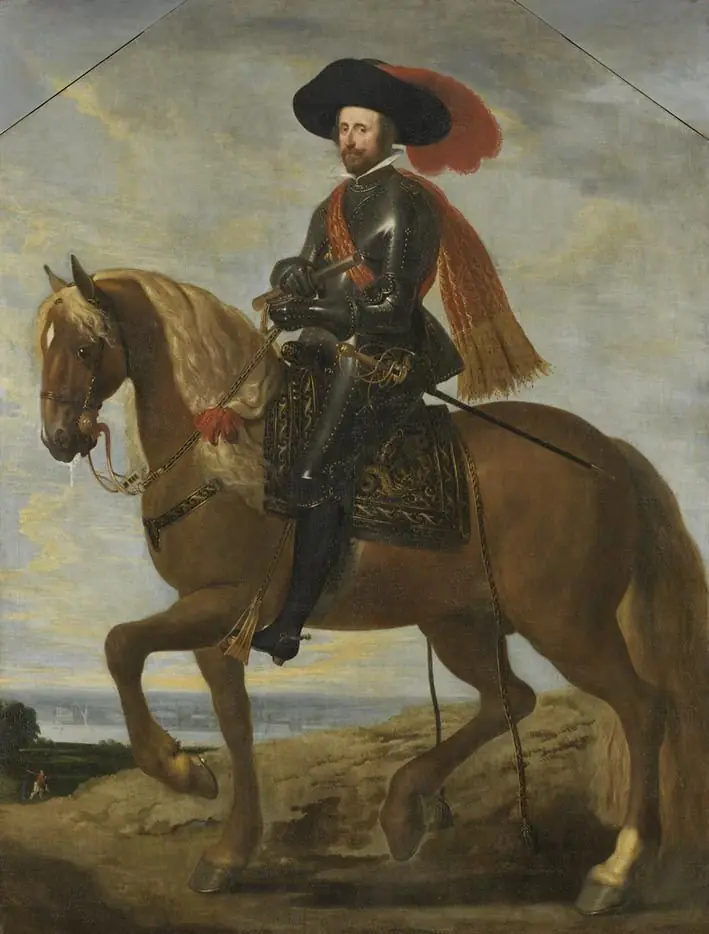 Equestrian portrait of Wolfgang Wilhelm von Pfalz-Neuburg
 Ruiterportret van Maximiliaan Emmanuel van Beieren
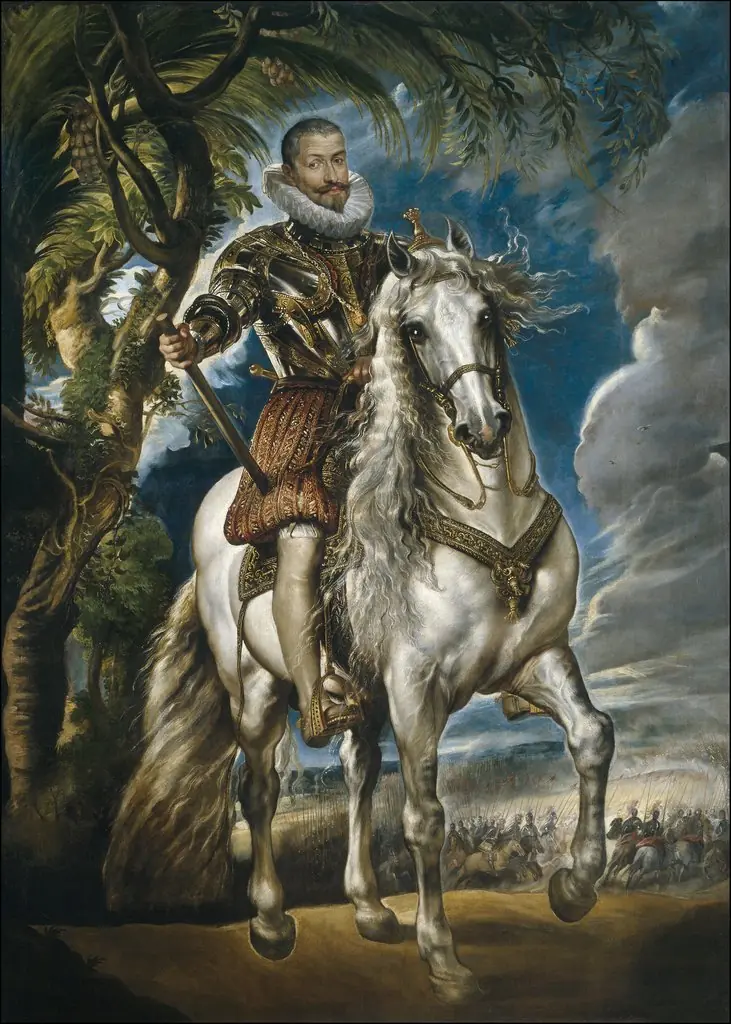 Equestrian Portrait of the Duke of Lerma